
Tag: WhatsApp scam

  • WhatsApp ‘Boss Scam’ Swindles Ahmedabad Rice Mill Out of Rs. 80 Lakh

    WhatsApp ‘Boss Scam’ Swindles Ahmedabad Rice Mill Out of Rs. 80 Lakh

    An Ahmedabad-based rice mill has fallen victim to a sophisticated cyber fraud, commonly known as the ‘boss scam,’ losing Rs. 80 lakh after a scammer impersonated the company’s owner on WhatsApp.

    According to a police complaint filed by business owner Pradip Ramvani, the fraudster gained access to the accountant Jayesh’s phone by tricking him into installing a malicious file on August 31. The attacker then replaced Ramvani’s genuine contact number with a fake one on the accountant’s phone, using the owner’s photograph as the WhatsApp profile picture to make the deception appear legitimate.

    Posing as Ramvani, the scammer sent a WhatsApp message to Jayesh instructing him to transfer Rs. 80 lakh from the company account to a specified bank account for a purported business payment. Believing the request came from his employer, Jayesh carried out the transfer.

    The fraud was only discovered when the scammer demanded an additional Rs. 30 lakh. Suspicious, Jayesh spoke directly with Ramvani, and both realized the payment instruction had originated from an unknown number. They then found the malicious file on Jayesh’s phone.

    Police have launched an investigation, tracing the unknown WhatsApp number and the beneficiary bank account. They are also examining how the phone was compromised. The case highlights the growing threat of ‘boss scams,’ where cybercriminals impersonate senior officials to trick employees into authorizing fraudulent payments.

    Authorities have advised businesses to implement strict verification protocols for financial transactions and to educate employees about such social engineering attacks.

  • Bengaluru Forest Officer Loses Rs 10 Lakh After Opening Fake WhatsApp Wedding Invite

    Bengaluru Forest Officer Loses Rs 10 Lakh After Opening Fake WhatsApp Wedding Invite

    A deputy range forest officer in Bengaluru lost nearly Rs 10 lakh after opening a fake wedding invitation sent via WhatsApp. According to police, the invitation arrived as an APK file that secretly installed malware on the officer’s mobile device.

    The malware allowed fraudsters to access the officer’s banking apps and other personal data. On July 14, they withdrew Rs 9,96,659 from the officer’s Bank of Baroda account through multiple unauthorized transactions.

    The officer, Ramesh Babu V, told investigators that he received the message from a friend’s WhatsApp number on the evening of July 13. He noticed it the next afternoon and, believing it genuine because it came from his friend and mentioned an engagement, clicked on the file.

    After discovering the fraud, the officer deleted the APK files and filed a police complaint. An investigation has been launched.

    Police suspect the APK file gave cybercriminals remote access to the phone and its banking information. Officials warned that such files often disguise themselves as trusted messages—wedding invitations, event notices, or other alerts—to trick recipients into installing malware. Once installed, the malware can steal banking app credentials, text messages, contacts, and more.

    Authorities stressed that APK scams have become a common cybercrime tactic in recent months. They advise people never to download APK files received through WhatsApp unless the sender and file are fully verified. Regularly monitoring bank alerts and immediately reporting any suspicious activity can also help limit financial losses.

  • WhatsApp Crypto Scam Dupes Gwalior CA of ₹21.06 Crore via Fake USDT Trading Platform

    WhatsApp Crypto Scam Dupes Gwalior CA of ₹21.06 Crore via Fake USDT Trading Platform

    A retired chartered accountant in Gwalior has lost a staggering ₹21.06 crore in a sophisticated cryptocurrency scam that began with a single WhatsApp message. The Gwalior State Cyber Cell is now investigating what officials describe as one of the largest crypto frauds ever recorded in the state.

    How the Scam Unfolded

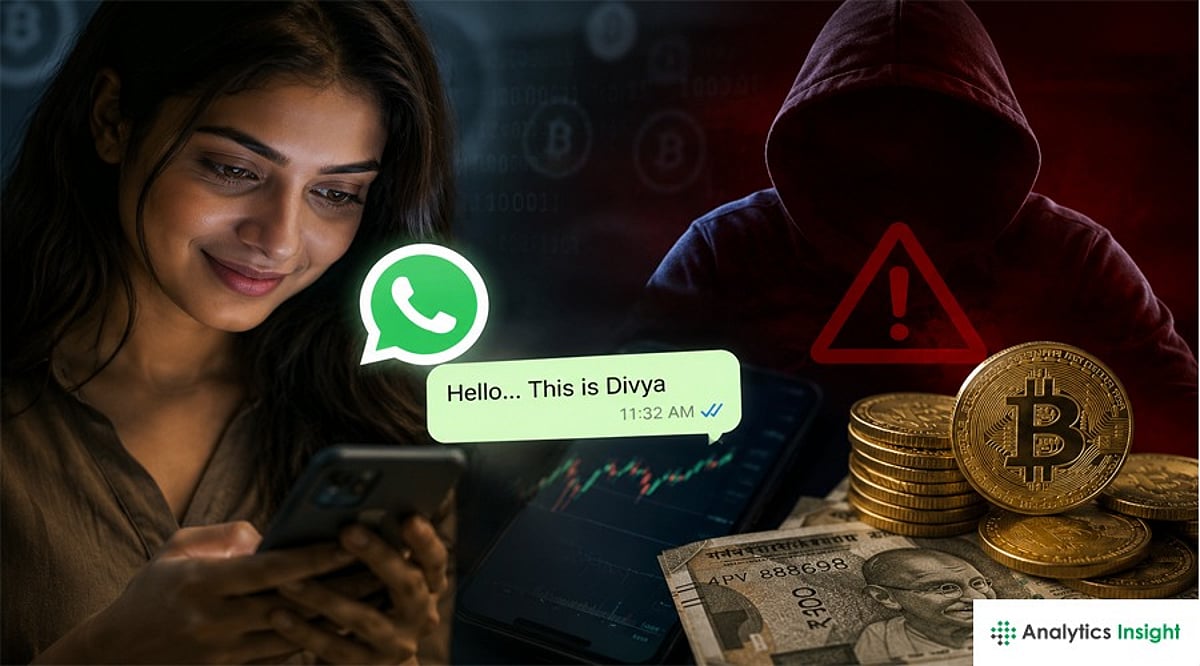
    The trouble started in December 2025 when a woman calling herself ‘Divya’ contacted the 70-year-old victim on WhatsApp. Posing as an investment adviser, she promised high returns through USDT crypto trading. To build trust, she encouraged small initial investments and delivered the promised returns. Over the following months, the victim poured in more money as the trading app showed his profits climbing—at one point displaying holdings worth over ₹33 crore.

    When he attempted to withdraw the funds, the scammers invented new excuses, demanding taxes, risk charges, and additional fees. The money never materialized, and the victim realized he had been cheated.

    Money Laundered Through Thousands of Accounts

    Police investigations revealed that the stolen ₹21.06 crore passed through a four-layer network of bank accounts. More than 20,000 transactions were used to move the funds across multiple states, likely using money mules to obscure the trail. Investigators have so far frozen about ₹2 crore and are working to trace the remainder, identify the perpetrators, and track the IP addresses linked to the fake app and WhatsApp accounts.

    Growing Threat of Crypto Scams

    This case highlights how far crypto scams have evolved. Fraudsters now employ realistic-looking apps, early profit payouts, and trusted platforms like WhatsApp to lure victims before vanishing with their savings. Experts urge investors to verify the credentials of any investment adviser and to be wary of schemes promising unusually high returns.