Tag: workforce management

  • How Integrated Attendance and Payroll Streamlines Workforce Management as Businesses Scale

    How Integrated Attendance and Payroll Streamlines Workforce Management as Businesses Scale

    Growth brings new opportunities, but it also makes everyday operations more complex. As headcount rises, businesses face a growing volume of attendance records, leave requests, employee information, and payroll tasks. What once worked with spreadsheets or manual processes can quickly become difficult to coordinate across an expanding organization.

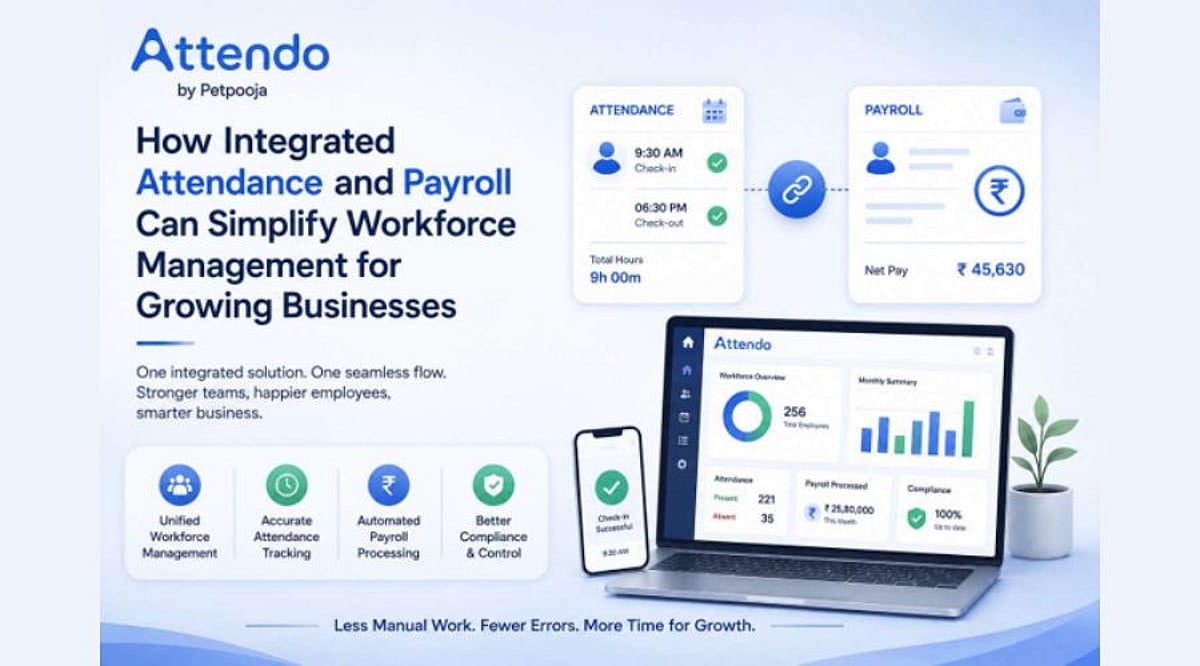
    Attendance and payroll are naturally connected. Attendance records feed directly into payroll calculations, so accuracy and coordination between the two are essential. When these functions are handled separately, HR and administrative teams often spend time moving data between systems, verifying records, and completing repetitive checks before payroll can run. An integrated approach brings these processes closer together, helping teams treat attendance and payroll as connected stages in one workforce management workflow rather than as isolated administrative duties.

    Why Integration Matters for Growing Businesses

    The need for integration becomes clearer as businesses scale. A smaller organization may manage workforce administration with relatively simple tools. But when employee numbers increase, the volume of attendance data and payroll information grows too. Managing this information manually or across disconnected processes adds unnecessary strain to HR teams.

    Technology can bring structure to these activities. By connecting attendance and payroll, organizations can reduce repetitive administrative intervention and create a smoother flow of workforce data. The goal is not simply to automate one HR function; it is to make workforce management easier to operate as the business expands. With connected processes in place, HR teams can spend less time coordinating routine information and focus more on strategic workforce needs.

    From Petpooja Payroll to Attendo: A Broader Workforce Platform

    This evolving approach is reflected in the transition from Petpooja Payroll to Attendo. What began as a solution designed for restaurant workforce needs has grown into a platform that addresses similar operational challenges across industries. The new identity signals a move beyond payroll and positions Attendo as a dedicated workforce management platform with attendance hardware and software capabilities combined.

    The rebrand also reflects a broader shift in how businesses approach HR technology. Instead of adopting tools for individual administrative tasks in isolation, growing organizations are looking for ways to make related functions work together. This matters especially for attendance and payroll, where information from one function directly affects the other.

    Supporting SMBs Without Large HR Teams

    Integrated systems are particularly relevant for small and medium-sized businesses that may not have large HR teams or extensive administrative resources. Managing attendance hardware through one provider, payroll through another platform, and leave or employee records through additional tools can create unnecessary complexity. Bringing these functions into a connected system makes workforce administration simpler to manage as the organization grows.

    For businesses looking to reduce administrative handoffs, platforms such as UKG offer another route. UKG brings HR, payroll, and workforce management together in a single view, with SMB-focused capabilities designed to simplify payroll, scheduling, compliance, and everyday HR tasks. This kind of coordination becomes increasingly valuable when attendance data and payroll processes become harder to manage across separate systems.

    The move toward integrated workforce management is about more than convenience. It is about building processes that are structured enough to support businesses through different stages of growth. When attendance and payroll are connected, employee administration becomes a coordinated workflow rather than a series of disconnected activities.

    With its new identity, Attendo is positioned within this changing landscape. The transition from Petpooja Payroll gives the platform a broader workforce management narrative, presenting attendance and payroll as interconnected elements of a larger HR technology offering. For growing businesses, the underlying requirement remains clear: workforce administration needs to become easier to manage as operations become more complex. Integrated attendance and payroll can help meet that objective by bringing related processes together and creating a more organized approach to workforce information.

    As Indian businesses continue to adopt digital solutions for internal operations, connected workforce management is becoming an increasingly important consideration. Integrating attendance and payroll is a practical step toward building HR processes that are structured, scalable, and aligned with the needs of growing organizations.
  • TeamLease Digital Establishes Delaware Subsidiary to Boost US Staffing Operations

    TeamLease Digital Establishes Delaware Subsidiary to Boost US Staffing Operations

    TeamLease Digital Private Limited, a wholly owned subsidiary of TeamLease Services Limited, has taken a significant step in its international expansion by incorporating a new US-based entity. The company announced the formation of TL Business Solutions Inc. in Delaware, United States, on September 23, 2026. This move is aimed at strengthening its presence in the American staffing and business solutions market.

    New Entity to Focus on Staffing and Talent Solutions

    TL Business Solutions Inc. is a step-down wholly owned subsidiary of TeamLease Services, with TeamLease Digital Private Limited as its direct parent. The newly formed entity will specialize in staffing, talent solutions, and workforce management services. This strategic initiative is designed to facilitate the company’s expansion into international markets, with a particular focus on the United States.

    The authorized capital of TL Business Solutions Inc. is set at USD 105,000, comprising 1,050,000 shares with a par value of USD 0.10 each. This capital structure positions the subsidiary to pursue growth opportunities in the competitive US staffing landscape.

    Strategic Expansion into the US Market

    By establishing a dedicated legal entity in Delaware, TeamLease Digital is extending its operational footprint into the US. While financial details such as size and turnover are not yet disclosed, the company has confirmed that TL Business Solutions Inc. is a related party as a step-down wholly owned subsidiary. Notably, the promoters and promoter group have no direct interest in the new entity.

    This incorporation provides TeamLease with a structured corporate framework to explore and capitalize on staffing and business solutions opportunities in the US. It also complements the group’s existing international operations and subsidiaries across various markets.

    TeamLease continues to focus on enhancing its digital and workforce-related capabilities. The Delaware incorporation marks a pivotal step in TeamLease Digital’s US expansion strategy, reinforcing its commitment to delivering comprehensive talent and workforce management solutions on a global scale.

  • How AI-Powered Payroll Is Modernizing Business Operations

    How AI-Powered Payroll Is Modernizing Business Operations

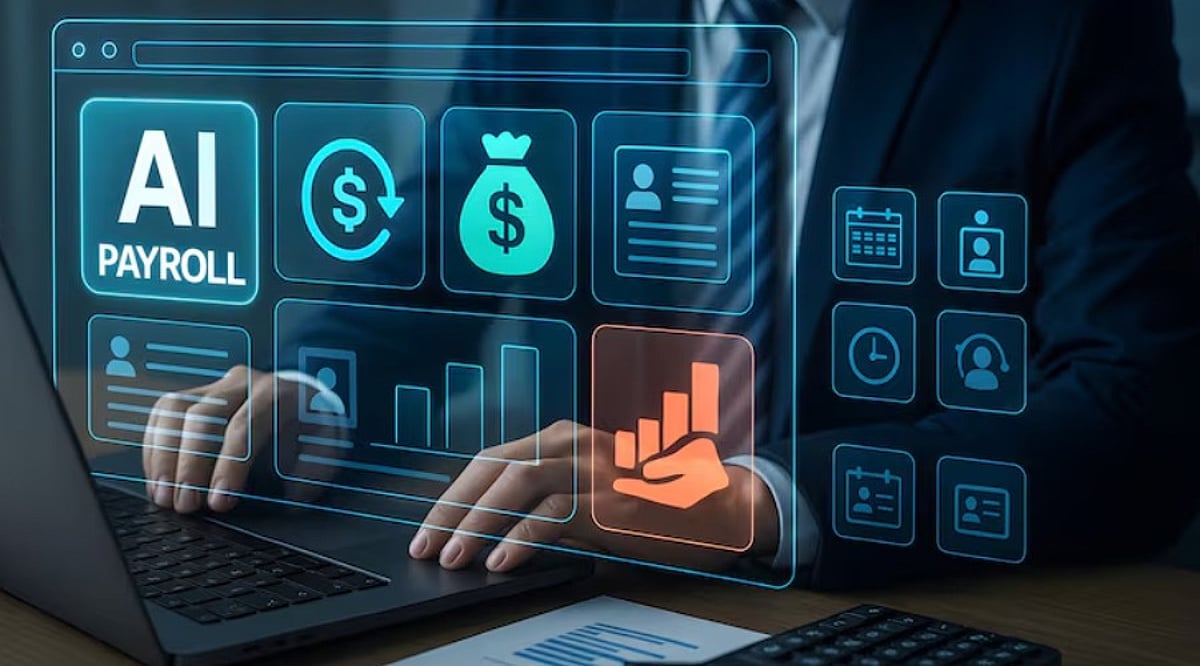
    AI has moved quickly from experimental technology to a practical business tool. Among the most visible improvements is payroll, which has traditionally been slow, manual, and prone to error. AI-powered payroll systems now give businesses a faster, more accurate way to manage employee compensation and reduce administrative strain on HR teams.

    Automating Repetitive Tasks

    Manual payroll work can absorb hours of HR time. Data entry, payslip generation, wage calculations, deductions, and contributions all have to be handled carefully. AI-powered tools complete these tasks in minutes. This frees HR professionals to focus on strategic priorities such as employee retention and workforce development.

    Detecting Abnormalities Early

    Even a small mistake in timesheet data or salary calculations can lead to overpayments or underpayments with serious consequences. AI scanning tools are designed to identify discrepancies before payroll is finalized. This allows businesses to fix errors quickly and make sure employees are paid correctly and on time.

    Managing Large Volumes of Employee Data

    Payroll becomes much harder as companies grow. Handling salary information, tax data, timesheets, multiple locations, and varying shift premiums by hand quickly becomes unrealistic. AI can process large amounts of data efficiently, allowing organizations to scale their workforce without overwhelming HR teams.

    Reducing Errors and Maintaining Compliance

    Inaccurate salaries, missed payments, or late filings can create legal problems and damage employee trust. AI helps reduce the risk of human error and keeps the payroll process aligned with current regulations. Most modern systems are updated to reflect the latest legislation, although businesses should still review outputs regularly after policy or workforce changes.

    Improving the Employee Experience

    Employees expect to be paid accurately and on time. Repeated payroll problems can create frustration and financial stress. AI reduces the chance of payment errors and makes it easy for staff to access payslips and important documents through self-service tools. That removes extra work from HR and gives employees more control.

    Enabling Data-Led Decision Making

    When payroll information is scattered across spreadsheets, it is difficult to understand labor costs, overtime patterns, or peak demand. AI brings this data together and makes trends easier to spot. Business leaders can use those insights to plan staffing, control costs, and invest in the right areas.

    Payroll Technology Is Becoming a Competitive Advantage

    AI has already changed how payroll operates, and the impact will only grow. Businesses that continue to rely on manual systems risk falling behind as markets become more competitive. Adopting AI-powered payroll allows organizations to improve accuracy, stay compliant, support employees, and turn payroll from a routine burden into a strategic advantage.

  • PMI Hospitality Management Software Review: Streamline Hotel Operations with BI and Forecasting

    PMI Hospitality Management Software Review: Streamline Hotel Operations with BI and Forecasting

    PMI is a comprehensive hospitality property management and productivity software designed to help hotels achieve greater efficiency through business intelligence, forecasting, and workforce management. Rated 4 out of 5, the tool supports revenue management, labor productivity, food cost control, energy usage tracking, and employee scheduling. Available as both on-premise and cloud-based solutions, PMI empowers hotel managers to make data-driven decisions that enhance overall performance.

    General Information

    • Founded: 1969
    • Platform Support: Web, Cloud-based, On-premise
    • Category: Hospitality Property Management Software
    • Download: Available on the official website

    Key Features

    • Predict revenue, labor needs, and operational costs
    • Evaluate staff efficiency through business intelligence dashboards
    • Plan employee schedules with workforce planning tools
    • Measure cost control in food and beverage departments
    • Review energy consumption for operational efficiency
    • Develop intelligent budgets using forecasting and reporting modules

    Benefits

    • Accurate labor scheduling through precise forecasts
    • Cost reduction via productivity analysis
    • Revenue management tailored for hospitality industries
    • Intuitive interface that simplifies management tasks
    • Responsive customer support during implementation
    • Improved decision-making with business intelligence reporting

    Challenges

    • Exporting reports for advanced analysis can be difficult
    • Excel schedule import feature lacks comprehensiveness
    • Report formatting may require manual adjustments
    • Customized reporting tools could offer more flexibility
    • Pricing information is not publicly disclosed

    Subscription & Support

    PMI does not list pricing publicly, but a free trial is available for qualified organizations. Interested businesses should contact the vendor for licensing and pricing details. Support options include a help center with implementation guidance, forecasting assistance, scheduling resources, and software onboarding. Customer support offers live chat, technical troubleshooting, and account management.

    Conclusion

    PMI is a robust hospitality property management solution ideal for hotels seeking accurate forecasting and better labor management. Its business intelligence, scheduling, and revenue forecasting features make it a strong choice for optimizing hotel operations. The main drawbacks are limited report exporting and data customization options.

  • Top Smart HR Platforms Driving Global Business Success

    Top Smart HR Platforms Driving Global Business Success

    Human resources technology has evolved significantly, with cloud-based platforms enabling companies to manage payroll, talent, compliance, and workforce planning across borders. The following platforms are at the forefront of this transformation, each offering unique capabilities for global enterprises.

    Workday

    Workday delivers a comprehensive suite of cloud-based HR, finance, payroll, talent management, and workforce planning solutions tailored for large enterprises operating in multiple countries.

    SAP SuccessFactors

    SAP SuccessFactors offers extensive human capital management features, including recruitment, employee experience, learning, performance tracking, and global workforce administration.

    Oracle HCM Cloud

    Oracle HCM Cloud combines AI-powered HR management, payroll, talent acquisition, workforce analytics, and employee lifecycle management within a single integrated platform.

    ADP Workforce Now

    ADP Workforce Now simplifies payroll, tax compliance, benefits administration, workforce management, and HR operations for businesses of varying sizes.

    BambooHR

    BambooHR provides intuitive HR software with employee records, onboarding, performance management, time tracking, and reporting, ideal for growing organizations.

    Rippling

    Rippling integrates HR, IT, payroll, benefits, and device management into one automated platform that efficiently supports globally distributed workforces.

    UKG Pro

    UKG Pro enables workforce scheduling, payroll, talent management, people analytics, and employee engagement through AI-enhanced human capital management tools.

    HiBob

    HiBob is designed for modern workplaces, offering employee engagement, performance reviews, compensation planning, onboarding, and people analytics for dynamic organizations.

    Deel

    Deel simplifies international hiring with global payroll, compliance, contractor management, employer-of-record services, and workforce administration across numerous countries.

    Darwinbox

    Darwinbox is an emerging global HR platform delivering recruitment, payroll, employee engagement, performance management, and workforce automation with AI-driven capabilities.

    These platforms empower organizations to streamline HR operations, ensure compliance, and foster a productive workforce across borders, making them indispensable tools for global companies.

  • How AI and Automation Are Transforming Workforce Management at Scale

    How AI and Automation Are Transforming Workforce Management at Scale

    Automation is reshaping how large enterprises manage their workforce, moving beyond traditional scheduling and staffing to intelligent, data-driven systems. These platforms now offer shift optimization, regulatory compliance, and real-time adjustments, enabling managers to focus on strategic decisions while employees benefit from fairer, faster processes. One key figure driving this change is Rohini Tirumalaraju, an automation expert who spent eight years at a leading company implementing transformative solutions.

    From Spreadsheets to Smart Algorithms

    Rohini began by overhauling core scheduling algorithms, replacing error-prone spreadsheets with dynamic systems. The results were striking: a 25% reduction in overtime expenses and a 40% increase in on-time task completion. Teams gained real-time dashboards that flagged issues before they escalated, marking a shift from reactive to proactive management.

    Predictive Analytics and AI Integration

    Building on this success, she introduced predictive analytics to forecast staffing shortages, reducing absenteeism disruptions by 30% during peak periods. “It’s not about speed—it’s about giving people time to focus on what matters,” she explains. These experiments evolved into company-wide tools that scaled seamlessly as the organization grew.

    Overcoming Integration Challenges

    Legacy systems and data silos posed significant hurdles. Rohini worked closely with legal and IT teams to ensure compliance while maintaining speed. Her efforts cut compliance errors by 35% and halved hiring times. A mobile-first approach further streamlined operations, allowing employees to request shift swaps via user-friendly apps, saving 15,000 administrative hours annually.

    Global Platform Customization

    One of her largest projects involved tailoring the platform for international teams, handling diverse regulations and time zones without friction. The result was coordinated efficiency, with measurable gains in compliance and onboarding. She also created an open-source library for shift optimization, now used by other organizations, and trained over 50 staff members on best practices.

    Impact Beyond Metrics

    The cost savings funded new training initiatives, and morale scores improved by 20%. Peers credit her with fostering a people-centered tech culture. During a supply chain crisis, she creatively redistributed staff to prevent millions in losses. Looking ahead, Rohini envisions ethical AI checks to avoid bias, ensuring systems learn with users without overstepping.

  • Top AI-Powered HR SaaS Platforms Revolutionizing Workforce Management

    Top AI-Powered HR SaaS Platforms Revolutionizing Workforce Management

    Artificial intelligence is transforming human resources, enabling organizations to streamline hiring, payroll, performance management, and workforce planning. Below are the leading AI-powered HR SaaS platforms that help businesses of all sizes optimize their HR operations.

    Workday

    Workday delivers AI-driven workforce planning, talent management, payroll automation, predictive analytics, and enterprise-grade HR solutions for growing organizations globally.

    BambooHR

    BambooHR simplifies employee management with AI-assisted hiring, onboarding, performance tracking, time-off management, and insightful workforce analytics for businesses everywhere.

    Rippling

    Rippling combines HR, IT, and payroll automation with AI-powered workflows, seamless integrations, compliance tools, and efficient employee lifecycle management capabilities.

    Deel

    Deel enables global hiring with AI-assisted payroll, compliance management, contractor payments, localized employment support, and streamlined international workforce administration processes.

    UKG Pro

    UKG Pro provides intelligent workforce management through AI scheduling, payroll processing, talent optimization, employee engagement, and predictive workforce insights for enterprises.

    SAP SuccessFactors

    SAP SuccessFactors offers AI-enhanced recruiting, learning, performance management, workforce planning, and personalized employee experiences across global organizations with scalability.

    Oracle HCM Cloud

    Oracle HCM Cloud empowers businesses through AI-driven talent acquisition, HR automation, workforce analytics, payroll integration, and comprehensive human capital management solutions.

    HiBob

    HiBob enhances modern HR operations using AI-powered engagement tools, performance tracking, onboarding automation, and workforce analytics for dynamic growing organizations.

    Zoho People

    Zoho People streamlines HR processes with AI-enabled attendance, leave management, employee self-service, performance reviews, and customizable workforce management tools efficiently.

  • Best Retail Scheduling Software Platforms for 2026: AI-Driven Workforce Management

    Best Retail Scheduling Software Platforms for 2026: AI-Driven Workforce Management

    Retail scheduling software has become essential for retailers aiming to optimize staff schedules, reduce labor costs, and improve employee productivity across multiple store locations. As we approach 2026, these platforms are increasingly leveraging artificial intelligence to forecast staffing needs based on sales trends, customer traffic, holidays, and historical performance.

    Top Retail Scheduling Software Companies

    Deputy

    Deputy remains a popular workforce management platform, offering AI-assisted scheduling, time tracking, shift swapping, and payroll integrations for businesses of all sizes.

    When I Work

    When I Work continues to serve retailers with intuitive employee scheduling, team messaging, attendance tracking, and mobile-first workforce management features.

    Sling

    Sling provides flexible scheduling, labor cost monitoring, shift planning, and communication tools that help managers efficiently coordinate retail teams.

    UKG

    UKG delivers enterprise-grade workforce management with AI-powered forecasting, automated scheduling, compliance support, and advanced workforce analytics.

    Homebase

    Homebase remains a preferred solution for small and medium-sized retailers, offering scheduling, hiring, time clocks, payroll, and employee communication in one platform.

    Key Trends in Retail Scheduling

    Modern scheduling platforms now use AI to forecast staffing needs based on sales trends, customer traffic, holidays, and historical business performance. Cloud-based scheduling software enables managers and employees to access schedules, request leave, swap shifts, and receive instant notifications from anywhere.

    Choosing the right scheduling platform depends on business size, integration needs, compliance requirements, reporting capabilities, and long-term scalability.