The future of work is no longer a distant concept discussed in boardrooms and industry conferences. It is unfolding in real time. Artificial intelligence is automating routine tasks, hybrid work has become an accepted norm, and employees are demanding greater flexibility, purpose, and opportunities for growth. At the same time, businesses are navigating economic uncertainty, stricter regulations, and a rapidly evolving cybersecurity landscape.
For CEOs, the challenge extends beyond embracing new technology. The bigger task lies in building organizations that can adapt quickly without losing their human edge. Companies that view workplace transformation as an ongoing process rather than a one-time initiative are more likely to retain talent, improve productivity, and remain competitive.
AI is Reshaping Jobs, Not Eliminating Them
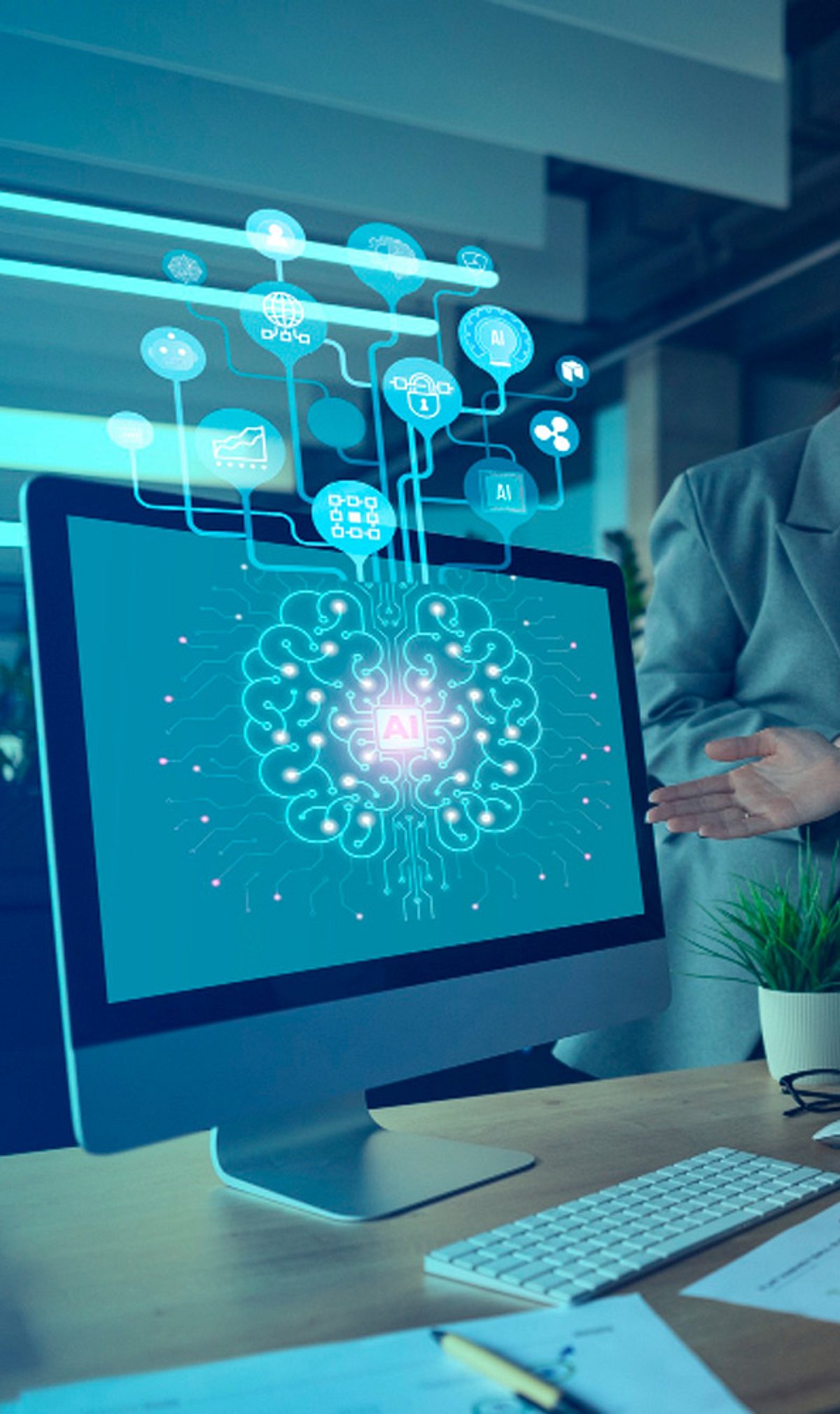
AI has emerged as a major driver behind changes in the corporate environment, and it has been moving fast. Even though there are still worries about job displacement, most companies are starting to see that AI shouldn’t be treated like an outside add-on, but rather integrated into the workflow alongside their employees.
Many of the boring, everyday administrative tasks—document processing, customer support, and data analysis—are already handled by AI systems. This leaves professionals with more time for inventive work and relationship-building. Still, this kind of shift requires the CEO to redesign how work flows, not just roll out a new software tool and call it done.
Organizations that can demonstrate equal success in developing technological and workforce capabilities will see the greatest results from the introduction of AI technologies.
Skills are Becoming More Valuable Than Degrees
The validity period of professional competencies is getting smaller and smaller. Rapid advancements in technology, new business models, and new customer needs mean that people have to learn continuously throughout their careers.
Companies that think ahead realize the importance of skills-based recruitment, assessing people based on their proven competencies and not just formal qualifications or previous positions. In-house learning programs, AI training, and leadership development are strategic investments rather than additional perks.
From a CEO’s perspective, investing in a culture of continuous learning means lower recruitment expenses and an adaptable workforce.
Hybrid Work Needs Structure, Not Freedom Alone
In fact, there is no longer any discussion about working from home vs. the office. Now the discussion has moved on to creating hybrid work systems where teamwork can be done effectively without losing flexibility.
Successful organizations are now setting standards for when teams have to meet up and when remote work proves more effective. Offices are being restructured for collaboration and not fixed desk jobs. This helps organizations maintain their culture without taking away flexibility from employees.
Employee Wellbeing is a Business Strategy
Employee burnout and stress cannot be treated only as a human resources problem because they also impact productivity and innovation.
More companies are providing services related to mental health, flexibility, and good work practices. At the same time, they recognize that keeping employees productive means giving them a reasonable workload, rather than making them spend more hours at work.
Employees who feel valued by their company are more motivated and productive and are less likely to search for other job opportunities.
Trust Will Define AI Adoption
As artificial intelligence becomes more prevalent in the workplace, governance has become one of the key roles of the leadership team.
The requirement for accountability regarding the use of AI technology, data processing methods, and reduction of biases is always increasing. CEOs have to develop policies on how to properly use AI and implement cybersecurity.
Trust has become the competitive advantage. Companies using AI technology in the right way will gain customer and employee trust.
Managers Must Become Coaches
Technology is performing most of the administrative functions that managers usually performed. Therefore, managers can coach and mentor people.
Most employees nowadays need feedback, personalized coaching, and guidance, especially when organizational change takes place. When managers act as coaches, engagement increases.
Leadership quality, rather than technology alone, will continue to differentiate high-performing organizations.
Adaptability is the New Competitive Advantage
The main takeaway from the evolution of workplaces is the permanency of change itself. Companies can no longer afford to follow a five-year plan that stays intact during its entire life-cycle.
Leaders of the future are creating organizations that can adapt and respond promptly to any changes in technology, markets, and people’s demands. These organizations will be able to make data-based decisions, ensure cybersecurity, enable continuous learning opportunities, and provide flexibility in the system, while never losing sight of their people.
Organizations that create empathic innovation will be the winners of the future. Although artificial intelligence may dictate the future of the workplace, it will be the leadership that keeps their people engaged and attracts loyal customers.
Why This Matters
Workplace transformation is accelerating as AI, automation and shifting employee expectations redefine business operations. CEOs who invest in adaptable work cultures, continuous learning and responsible technology adoption will be better positioned to attract talent, drive innovation, strengthen resilience and sustain long-term growth in an increasingly competitive global economy.