
Fujifilm X Series vs. GFX: Which Camera System Fits Your Needs in 2026?
Fujifilm offers two distinct camera systems tailored to different photographic needs. The X Series, with its APS-C sensor, prioritizes speed, portability, and value. The GFX Series, featuring a much larger sensor, delivers exceptional image quality for professional applications. Both share Fujifilm’s renowned color science, film simulations, and robust build, but they serve different shooting styles. Your choice ultimately depends on the type of photography you pursue, your work environment, budget, and the level of detail required in your images.
2026 Camera Lineup Overview
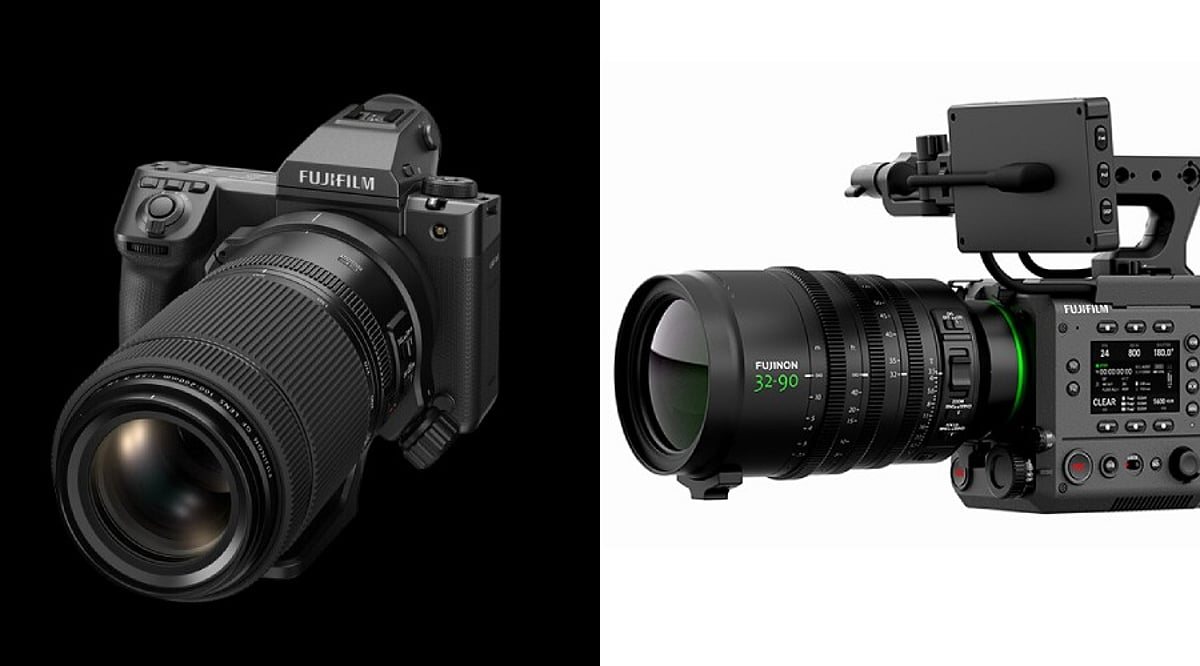
In 2026, the X Series remains Fujifilm’s most extensive family, with models like the X-M5, X-T50, X-T5, X-H2, X-H2S, X100VI, and X-E5. Rumors about an X-T6 persist, but an official announcement hasn’t been made. The GFX lineup now includes the GFX100 II, GFX100S II, GFX100RF, and the GFX ETERNA cinema camera. The GFX100S II stands out with a 102MP sensor, the latest X-Processor 5, up to eight stops of in-body image stabilization, improved autofocus, and burst shooting at 7 frames per second.
Price Gap Remains Significant
Price is the most substantial differentiator. In India, the GFX100S II retails around Rs. 5,11,000, while the GFX100RF is similarly priced at Rs. 5,10,999. The flagship GFX100 II typically costs between Rs. 6.5 and Rs. 7.5 lakh. In contrast, most flagship X Series cameras fall between Rs. 1.5 and Rs. 2.5 lakh. This lower entry point leaves room in your budget for additional lenses, memory cards, batteries, and accessories—a practical advantage for many photographers.
Sensor Size: The Core Difference
The X Series uses a 23.5 × 15.6 mm APS-C sensor (approx. 366 sq mm), while the GFX Series features a 43.8 × 32.9 mm sensor (approx. 1,441 sq mm)—nearly four times the surface area. This larger sensor enables finer detail, smoother color transitions, richer tonal range, cleaner shadows, and superior dynamic range. Portraits benefit from softer background blur, and landscapes reveal exceptional texture across the frame.
Resolution and Output Flexibility
Most X Series cameras offer 26MP or 40MP sensors, whereas the GFX Series starts at 51MP and reaches 102MP in its latest models. A 102MP image measures roughly 11,648 × 8,736 pixels, allowing for extensive cropping without significant quality loss. This resolution is invaluable for commercial studios, advertising agencies, and fine art photographers who demand large prints and detailed editing. For everyday photography, this level of detail is rarely necessary, though professionals often appreciate the added flexibility.
Performance: X Series Leads in Speed
The X Series excels in speed. The X-H2S achieves up to 40 frames per second (electronic shutter), and the X-H2 reaches 20 fps. In contrast, the GFX100S II manages 7 fps, and the GFX100 II up to 8 fps. Fujifilm has improved autofocus across the GFX line with subject detection for people, animals, birds, vehicles, insects, and drones. Still, the X Series remains the stronger choice for sports, wildlife, and other fast-moving subjects.
Lens Ecosystem and Everyday Usability
The X Mount system offers over forty Fujinon lenses plus numerous third-party options, covering every focal length with compact primes, versatile zooms, and affordable choices. This breadth helps both beginners and professionals build a complete kit without extreme costs. The GF Mount prioritizes absolute image quality; every lens delivers exceptional sharpness and corner performance, even with a 102MP sensor. However, these lenses are more expensive and add considerable weight to your gear bag.
Choosing Based on Photography Style
The X Series suits travel, wildlife, sports, weddings, events, street photography, and hybrid photo-video work. Its compact bodies, lighter lenses, and faster operation allow comfortable long shooting sessions. The GFX Series shines in landscape, fashion, commercial advertising, architecture, product photography, studio portraits, and fine art. Large files, excellent dynamic range, and remarkable image quality give professionals greater creative freedom in editing and printing.
Final Verdict
For most photographers in 2026, the X Series offers the best balance of image quality, autofocus speed, lighter equipment, lower prices, and a vast lens selection—making it suitable for everyday and demanding professional assignments alike. The GFX Series is the ultimate choice for those who prioritize image quality above all else. Its larger sensor, higher resolution, richer tonal detail, and superior dynamic range produce standout photographs in commercial, studio, landscape, and fine art work. The higher price and bulk are justified only when that extra quality directly enhances your final output.
Frequently Asked Questions
1. What is the main difference between Fujifilm X Series and GFX cameras?
The X Series uses an APS-C sensor, while the GFX Series features a much larger large-format sensor with higher resolution and better image quality.
2. Which system is better for beginners?
The X Series is more beginner-friendly, offering lower prices, lighter bodies, and a wide range of affordable lenses.
3. Is the GFX Series worth the higher price?
Yes, for those who need exceptional detail, dynamic range, and print quality—especially in commercial, studio, landscape, and fine art photography.
4. Which system is better for sports and wildlife?
The X Series delivers faster autofocus and higher burst speeds, making it the preferred choice for fast-moving subjects.
5. Which system has more lens options?
The X Mount system offers a much larger selection, including many affordable Fujinon and third-party lenses.