Tag: Xiaomi

  • Global Smartphone Market Leaders in 2026: Apple, Samsung, and Others by Market Share

    Global Smartphone Market Leaders in 2026: Apple, Samsung, and Others by Market Share

    The global smartphone market continues to evolve, with the top five brands commanding significant shares in 2026. Based on Omdia data and industry analysis, here is the breakdown of the leading smartphone brands and their market performance.

    Apple — 19% Market Share

    Apple secured the top position globally in 2025 with a 19% unit share. Omdia reported 240.6 million iPhone shipments during the year, marking Apple’s third consecutive year as the world’s largest smartphone vendor.

    Samsung — 19% Market Share

    Samsung matched Apple’s 19% global unit share in 2025. The company recorded annual shipment growth of 7%, supported by strong demand across its Galaxy portfolio and a recovery in both premium and mainstream smartphone segments.

    Xiaomi — 13% Market Share

    Xiaomi held third place globally with a 13% unit share in 2025. The company shipped approximately 163 million smartphones during the year and remains a major force in affordable, mid-range, and increasingly premium smartphone markets.

    vivo — 8% Market Share

    vivo ranked fourth worldwide with an 8% unit share in 2025. The company shipped 105.3 million smartphones, with strong performance in markets such as India helping it become the fourth-largest global smartphone vendor for the first time.

    OPPO — 8% Market Share

    OPPO completed the global top five with an 8% unit share in 2025. The company shipped 100.7 million smartphones. Its position is also significant for 2026 as realme moves under the OPPO business umbrella.

    These brands are expected to continue shaping the competitive landscape in 2026, with innovations in camera technology, 5G connectivity, and AI-driven features driving consumer demand.

  • Xiaomi 18 Pro Launching September 23: Dual 200MP Leica Cameras and 12.8x Lossless Zoom Revealed

    Xiaomi 18 Pro Launching September 23: Dual 200MP Leica Cameras and 12.8x Lossless Zoom Revealed

    Xiaomi 18 Pro Camera System Confirmed with Dual 200MP Leica Sensors

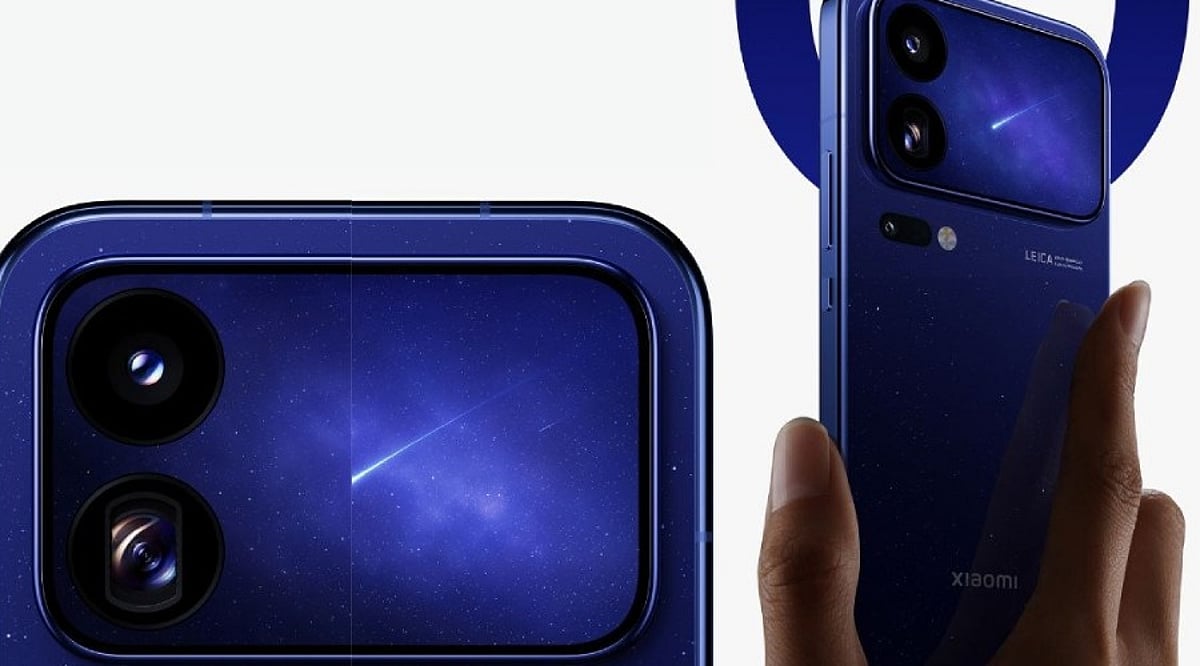
    Xiaomi is set to unveil the Xiaomi 18 Pro series in China on September 23. Ahead of the launch, the company has confirmed key details about the flagship smartphone’s camera system. The Xiaomi 18 Pro will introduce a dual 200MP Leica camera setup, combining a large primary sensor with a high-resolution periscope telephoto camera.

    Dual 200MP Leica Cameras

    The Xiaomi 18 Pro will feature two 200MP Leica cameras at the rear. The primary camera uses a large 1/1.28-inch sensor, focusing on light capture and image detail. The second 200MP sensor serves as the periscope telephoto camera with a 1/1.56-inch sensor, considerably larger than conventional smartphone telephoto sensors, and comes with an f/2.4 aperture.

    Zoom and Macro Capabilities

    Xiaomi confirmed support for up to 12.8x lossless zoom, offering flexibility for distant subjects without relying solely on digital zoom. The camera uses a dual-lens floating focus structure that can focus as close as 12cm, enabling telephoto macro photography. Xiaomi states that the telephoto camera on the Xiaomi 18 Pro increases light intake by 280% compared with its predecessor, while the Pro Max delivers an 83% improvement.

    What Remains Unconfirmed

    Xiaomi confirmed the primary and telephoto cameras, but some specifications remain unclear before the launch. Earlier reports indicated a three-camera system covering roughly 17mm to 75mm, with an ultrawide camera completing the setup, but those details have not received official confirmation. Video recording specifications and complete front-camera details are also expected to emerge during the launch event.

  • Trump-Xi Summit to Focus on AI Safety, Tariffs, and Rare Earths with Top Tech Leaders in Attendance

    Trump-Xi Summit to Focus on AI Safety, Tariffs, and Rare Earths with Top Tech Leaders in Attendance

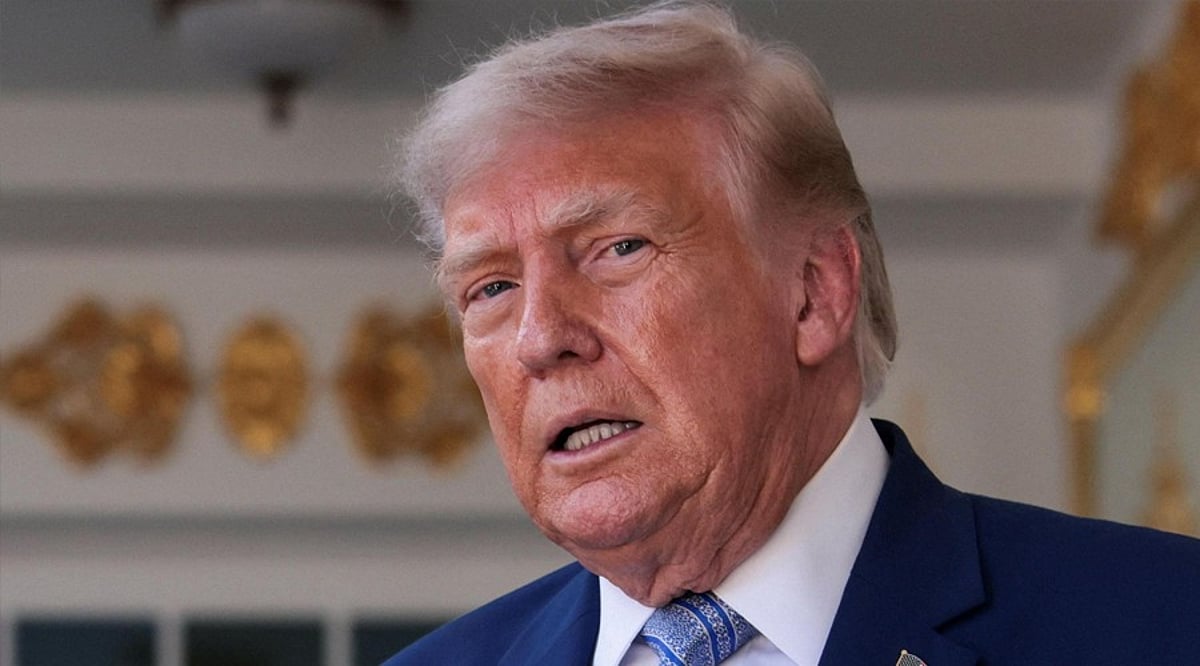
    President Donald Trump will host Chinese President Xi Jinping at the White House on September 24 for a summit centered on technology, trade, and supply chains. The meeting is expected to draw top executives from major U.S. and Chinese technology companies, although the final guest list has not been confirmed.

    U.S. Tech Leaders Receive State Dinner Invitations

    Several leading U.S. technology executives have reportedly received invitations to the White House state dinner. The list includes Nvidia CEO Jensen Huang, Alphabet CEO Sundar Pichai, OpenAI CEO Sam Altman, and Amazon founder Jeff Bezos. Elon Musk, Michael Dell, and JPMorgan CEO Jamie Dimon are also among the reported invitees.

    Their expected attendance places artificial intelligence near the center of the Trump-Xi summit. However, no formal agreement between the companies or governments has been announced. The White House has also rejected a proposed roundtable between U.S. and Chinese chief executives, according to Reuters.

    China Considers BYD, CATL, and Xiaomi Executives

    China is arranging its own business delegation, but officials were still working on the final list. BYD Chairman Wang Chuanfu, CATL Chairman Robin Zeng, and Xiaomi Chairman Lei Jun may join Xi’s visit. Executives from Wanxiang Group, Hisense, and Bank of China are also under consideration.

    The proposed delegation covers electric vehicles, batteries, financial services, and data-center technology. Several companies face close regulatory attention in the United States. As a result, their attendance would create opportunities for direct contact but would not remove existing trade restrictions or security reviews.

    AI Safety Talks May Produce Broad Commitments

    U.S. and Chinese officials are expected to discuss artificial intelligence safety during the summit. Washington has accused some Chinese companies of copying restricted American technology. Beijing rejects that claim and argues that “open-source development is a global trend.”

    Still, both governments have reasons to discuss safeguards. U.S. officials have raised national security concerns linked to powerful AI systems, while Beijing closely monitors risks to political and social control. Any joint statement will likely use broad language because the two sides disagree over export controls, access to advanced chips, and technology development.

    Tariffs and Rare Earths Remain Core Issues

    Trade talks may focus on extending the current tariff truce. Washington reportedly prefers extensions lasting between six months and one year. Beijing is said to favor a longer arrangement covering the rest of Trump’s term. Neither government has publicly confirmed the final period.

    The United States also wants steadier access to Chinese rare earth materials and stronger purchases of American agricultural products, including soybeans. China may seek lower tariffs on selected goods. However, the White House is unlikely to ease controls covering sensitive technology, advanced semiconductors, or products tied to national security.

    Before the summit, Treasury Secretary Scott Bessent and U.S. Trade Representative Jamieson Greer are due to meet Chinese Vice Premier He Lifeng at JPMorgan’s headquarters in New York. Their discussions will cover trade, artificial intelligence security, and other economic matters.

    Trump and Xi may also discuss Taiwan, Iran, and North Korea. China could again request a clear U.S. statement against Taiwanese independence. Meanwhile, Washington may ask Beijing to support talks involving Iran and North Korea. No agreement on those issues has been announced.

  • Snapdragon Summit 2026: Qualcomm’s Flagship Chip Reveals Set for September 22

    Snapdragon Summit 2026: Qualcomm’s Flagship Chip Reveals Set for September 22

    Qualcomm’s Snapdragon Summit 2026 kicks off on September 22 in Maui, Hawaii, running through September 24. The opening day will focus heavily on mobile platforms and the company’s vision for the ‘agentic AI’ era.

    Two New Snapdragon 8 Elite Chips Expected

    The highlight is anticipated to be Qualcomm’s next flagship smartphone processors. Leaks indicate the Snapdragon 8 Elite Gen 6 and Snapdragon 8 Elite Gen 6 Pro, both likely built on a 2nm manufacturing process for notable gains in performance and power efficiency. The Pro variant may support faster LPDDR6 memory and UFS 5.0 storage, while the standard model could retain LPDDR5X. Upgraded graphics, including Adreno Matrix Cores and Adreno Neural Fusion for AI workloads, are also confirmed by Qualcomm.

    AI, XR and PCs Take Center Stage

    Beyond phones, the summit will emphasize agentic AI across personal computing, sound, and extended reality. Qualcomm’s Snapdragon portfolio now includes PCs, XR devices, wearables, and automotive platforms, positioning the summit as a key venue for its cross-device AI push.

    Xiaomi, iQOO and OnePlus Linked to Early Adoption

    The new chips are expected to reach smartphones swiftly. Xiaomi, iQOO, and OnePlus are among brands rumored to launch devices with the next-generation platforms, with the first wave possibly arriving in India by late 2026 or early 2027. Official specifications, performance claims, and partner announcements will be unveiled at the summit.

  • Xiaomi Mijia Smart Clothes Dryer 3 Max: A Complete Look at Its Top Smart Features

    Xiaomi Mijia Smart Clothes Dryer 3 Max: A Complete Look at Its Top Smart Features

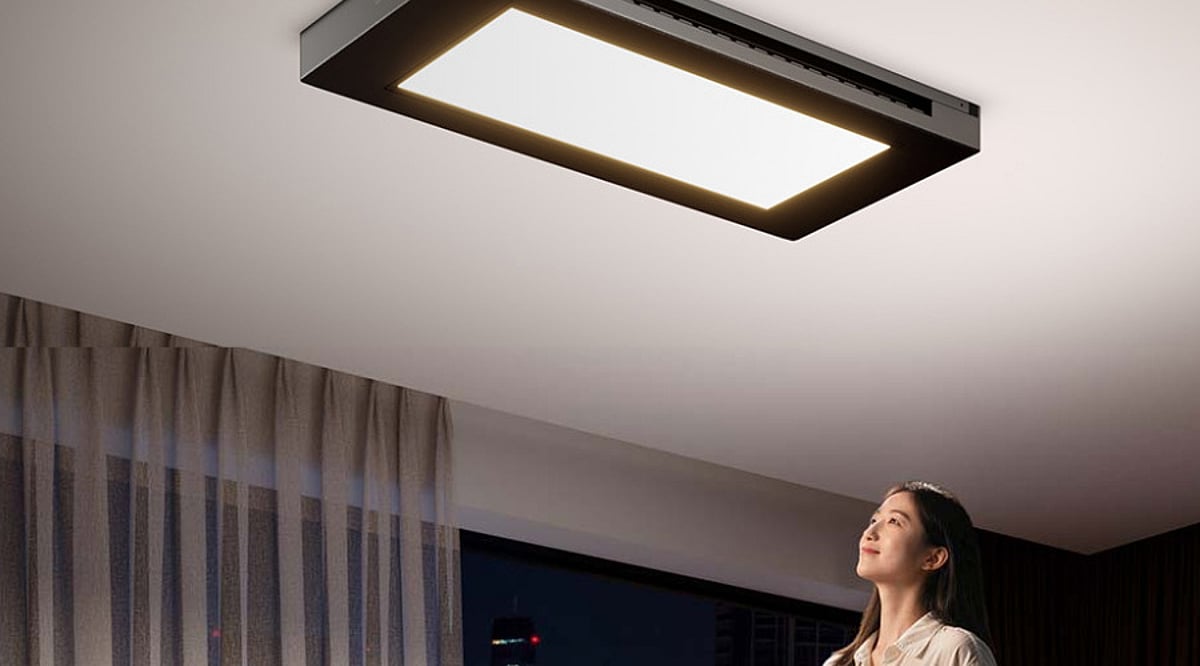
    Xiaomi’s Mijia Smart Clothes Dryer 3 Max transforms a routine household task into a high-tech experience. This ceiling-mounted system combines drying, lighting, and smart controls in one slim unit. It launched for crowdfunding in China at 2,399 yuan, while international availability remains unconfirmed.

    42-Inch Smart Light Panel

    The dryer doubles as a large ceiling light with a 42-inch integrated panel. Its colour temperature can be adjusted from 2,700K to 5,700K to suit different environments. Xiaomi also lists Ra95 colour rendering and RG0 certification, while presence sensing can automatically adjust the lighting.

    1,250W Hot-Air Drying

    Fast drying is one of the headline features of the Mijia 3 Max. Its 770mm air outlet delivers 1,250W of hot air, alongside a 10W natural airflow system. The design speeds up drying while keeping clothes arranged neatly overhead.

    Plasma-Based Sterilisation

    The system goes beyond simply blowing warm air onto clothes. It combines a drying net rated for 99% antibacterial effectiveness with plasma-release technology. Xiaomi positions this as a dual-effect sterilisation setup, adding a hygiene-focused layer to the dryer’s everyday laundry functions.

    Massive 45kg Load Capacity

    Heavy laundry is not a problem for this ceiling-mounted system. Xiaomi says the dryer can handle up to 45kg, while its 2.4-metre telescopic pole creates five hanging zones. It can accommodate around 80 pieces of clothing or two quilts simultaneously.

    Smart App Controls

    Users do not have to operate every function manually. The dryer can be controlled through a smartphone app, including its lifting height and timing. Scheduling also allows the rack to move down during the day and return upward automatically, making the system easier to manage.

    Slim Ceiling-Friendly Design

    Despite packing several functions into one appliance, the main body is only about 9cm thick. Its ceiling-mounted design keeps the drying system above the living space instead of occupying valuable floor area. That makes it particularly interesting for compact homes where every square metre matters.

    With its blend of drying power, integrated lighting, and smart automation, the Xiaomi Mijia Smart Clothes Dryer 3 Max represents a futuristic approach to home laundry.

  • Why Smartphones Charge Fast at First and Slow Down Near 80%

    Why Smartphones Charge Fast at First and Slow Down Near 80%

    Fast charging peaks early, then tapers near 80% as batteries approach their voltage limit. The slowdown reflects deliberate engineering, not a fault. Peak wattage rarely tells the full story. Brands like OnePlus, Samsung, Xiaomi, and Apple each balance speed against battery longevity differently.

    Fast charging is not constant. It runs hardest early and tapers as the battery fills, a pattern rooted in lithium-ion chemistry, not a flaw. The 80% slowdown is common but not fixed. The point where the curve turns conservative varies by phone, battery design, and temperature. Advertised wattage numbers describe a peak, not the average speed across a full charge, and real examples from major brands show why that gap matters.

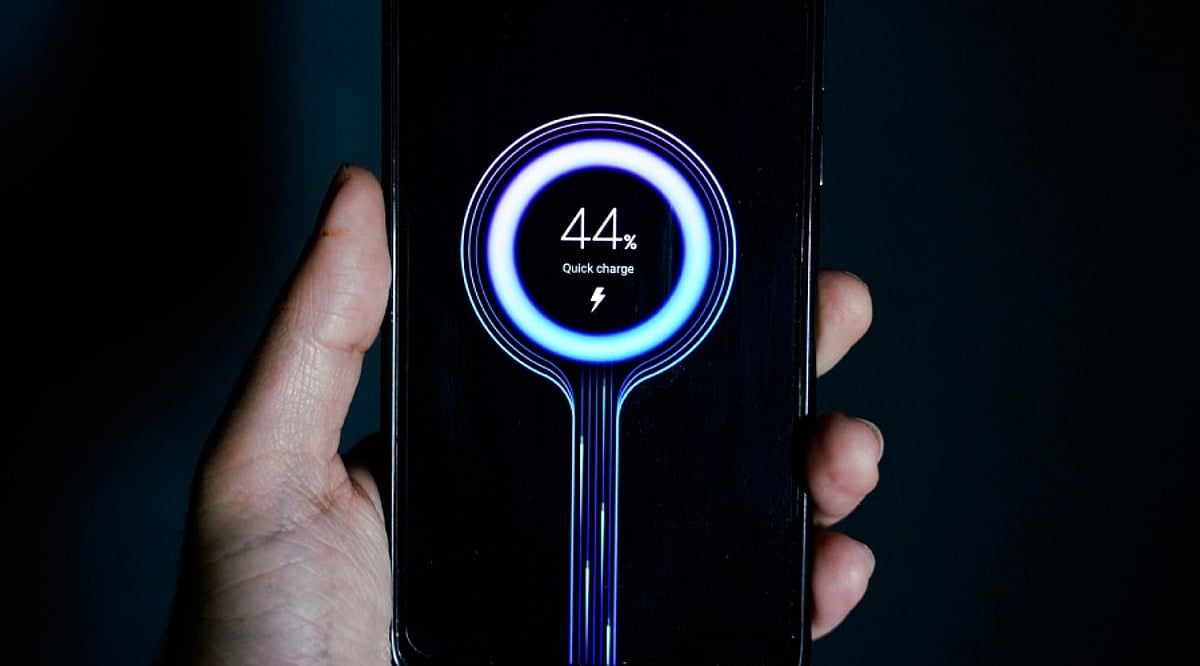
    A phone does not charge at one steady speed. It pushes hard early, while the battery can take it, then pulls back near the top. That is why 50% can arrive in minutes, while the last 20% takes far longer. The slowdown is not weakness—it is the system managing power without adding extra heat or stress.

    The Battery Is Not a Simple Container

    Lithium-ion cells store energy by moving lithium ions between two electrodes through a liquid electrolyte. Charging pushes these ions in one direction. That movement generates heat on its own. Faster ion movement builds more heat, and repeated heat exposure wears down the electrode material over time. Every charging system balances speed against long-term battery health.

    How Fast Charging Pushes More Power Early

    A fast charger communicates with the phone’s charging system to set an appropriate voltage and current level. The phone then decides how much of that available power actually reaches the battery. Early in the cycle, the battery can generally accept higher power without reaching its upper voltage limit. The controller uses this room to push more energy in fast. This is why the first stretch of charging feels dramatic. The Redmi Note 14 Pro Plus supports 120W HyperCharge and filled its 5,110 mAh battery in 21 minutes during independent lab testing by GSMArena. That result shows how much charge can land in a short early window.

    Why Charging Slows Near 80%

    Charging happens in two stages. First comes a fast stage where the charger sends a strong, steady current. Then comes a slower stage where the charger holds the voltage steady instead. As the battery fills up, it gets closer to its top voltage limit. At that point, it cannot safely take in as much current. The system starts to ease off by lowering the current while keeping the voltage close to its target. This change does not happen all at once. Your phone does not simply turn off fast charging the moment it hits 80%. The drop in power happens smoothly over time. This is why 80% feels less like a hard stop and more like the point where charging starts to slow down and play it safe.

    Why 80% Is Not a Fixed Number

    Not every phone slows down at the same point. Some phones start tapering off earlier than others. Some keep up higher speeds for a longer stretch. This difference comes from the battery’s chemistry, the way the cells are built, and how the manufacturer tunes the charging software. Heat plays a role too, separate from the charge level shown on screen. A phone that warms up while charging, whether from a hot room or from apps running in the background, may see its charging speed drop no matter how full the battery already is.

    How Different Brands Handle It

    Each company takes its own approach to this problem. OnePlus pushes high power early in the charging cycle with its SuperVOOC system, seen in phones like the OnePlus 12. Samsung takes a calmer approach with its 45W charging. The Galaxy S24 Ultra reaches about 65% charge in 30 minutes, based on the company’s own test results. Xiaomi uses dual-cell and multi-cell batteries in its HyperCharge lineup. This design spreads out the load, which helps manage current, voltage, and heat while keeping power high for a longer stretch. Apple goes a different route entirely. Its iPhones charge at fairly modest speeds compared to many Android rivals. Instead, the Optimized Battery Charging feature slows down the final stretch when it senses the phone will stay plugged in for a while.

    Peak Wattage Is Not the Same as Charging Speed

    Marketing tends to skip this part: peak wattage is a snapshot, not a measure of the full session. A phone paired with a high-wattage charger does not draw that output from zero to full. It touches that peak briefly, then pulls back as voltage rises, temperature shifts, or the battery nears its limit. Two phones with matching wattage ratings can still charge at different real speeds, since each sustains its peak for a different length of time. Comparison charts rarely mention this, yet it explains more about real charging performance than the headline number ever will.

    What This Means for Battery Health

    Anyone who does not need a full battery every day can stop charging below 100% to cut down time spent at a high state of charge. Many phones already build this kind of management into their software, rather than leaving the choice entirely to the user. The point is not to avoid fast charging—it is to avoid unnecessary heat and long stretches near full charge.

    Final Thought

    The slowdown near 80% is not proof that fast charging has stopped working. It marks the point where a phone shifts its priority from raw speed to control. Early on, the battery accepts power quickly. Near its limit, the system pulls back current, manages heat, and finishes the job with care. Peak wattage only tells part of that story. The full charging curve, not the number printed on the charger box, is what actually shapes the experience.

  • Apple Executives Respond to Claims That iPhone Duo Copied Rival Foldables

    Apple Executives Respond to Claims That iPhone Duo Copied Rival Foldables

    Apple’s leadership has finally responded to accusations that its new foldable iPhone Duo copied designs from rival smartphone makers. New CEO John Ternus and marketing chief Greg Joswiak, widely known as Joz, addressed the topic this week during an interview with TechRadar’s Lance Ulanoff and Tom’s Guide’s Mark Spoonauer.

    The comments came just days after Apple unveiled the iPhone Duo, its first foldable phone, at a September event. Samsung, Huawei and Xiaomi had all launched wide, book-style foldables well before Apple, and social media was quick to accuse the company of copying the format, particularly its aspect ratio.

    What Apple’s Executives Actually Said

    Joswiak pushed back on the copying claims directly, explaining that leaks about Apple’s foldable project had circulated for years. He said people knew through leaks that Apple was working on a foldable, and some of them happened to guess the aspect ratio correctly.

    “People knew through leaks that we were working on a foldable,” said Joz. “Unfortunately, they got the aspect ratio, and a lot of coincidental instances of people finding that an interesting aspect ratio.”

    He was referring to Samsung, Huawei and Xiaomi, all of which had already announced wide foldables before Apple’s own launch. Joswiak added that the one detail Apple managed to keep under wraps was the folding nano-texture display built specifically for the Duo, something he said the team protected with extra layers of internal security and never discussed publicly ahead of time.

    Why the Foldable Debate Matters

    Social media reactions have ranged from genuine criticism to outright jokes since the Duo’s launch. Samsung itself joined in with a playful jab online, and even Duolingo got pulled into the meme cycle over the product’s name.

    Beyond the online chatter, the interview also gave a first real look at Ternus in his new role as CEO, following the recent leadership change from Tim Cook. Reports describe his tone as more animated and hands-on compared to Cook’s typically measured public style, reflecting his background as an engineer rather than a longtime executive.

    For a company stepping into its first foldable phone category, how Apple frames its originality could shape how the Duo is perceived heading into its first full sales cycle.

  • 7 Key Features of the Xiaomi 18 Fold: Design, Display, Performance, and More

    7 Key Features of the Xiaomi 18 Fold: Design, Display, Performance, and More

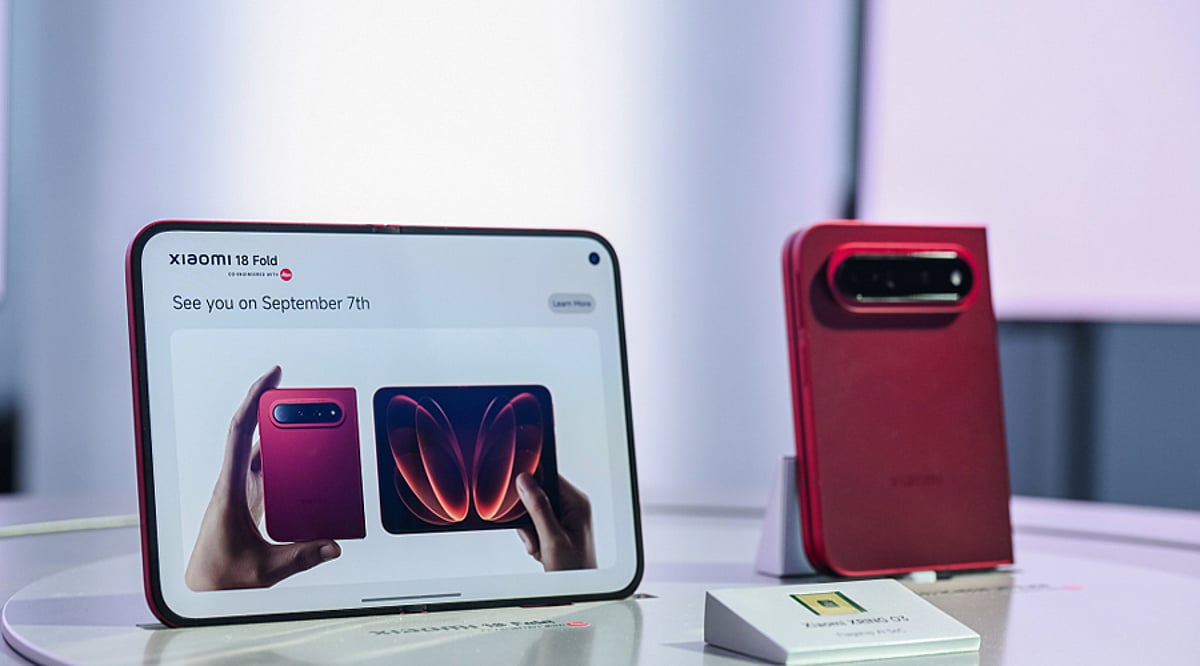
    Xiaomi 18 Fold Design

    The Xiaomi 18 Fold is expected to feature a premium foldable design, combining a compact outer screen with a larger display inside. Its slim profile, refined hinge, and lightweight construction could make it easier to carry and use daily while delivering a tablet-like viewing experience.

    Xiaomi 18 Fold Display

    The foldable smartphone is expected to offer a large internal display designed for multitasking, gaming, streaming, and productivity. A high refresh rate and improved brightness could provide smoother scrolling, sharper visuals, and better outdoor visibility across different usage conditions.

    Xiaomi 18 Fold Performance

    Xiaomi could equip the 18 Fold with a powerful flagship processor paired with generous RAM and fast storage. This setup should support demanding applications, intensive gaming, multitasking, and artificial intelligence features while maintaining smooth performance during everyday use.

    Xiaomi 18 Fold Cameras

    The Xiaomi 18 Fold is expected to focus strongly on photography, potentially featuring multiple rear cameras with advanced image processing. Users could get improved portraits, detailed daylight photographs, better low-light shots, and versatile zoom capabilities from the foldable device.

    Xiaomi 18 Fold Battery

    Battery capacity and charging technology could be major highlights of the Xiaomi 18 Fold. Fast wired charging, efficient hardware, and intelligent power management may help users spend less time connected to a charger during busy days.

    Xiaomi 18 Fold Software

    The device is expected to run Xiaomi’s latest HyperOS software, with features designed specifically for foldable screens. Improved multitasking, flexible app layouts, split-screen controls, and smoother transitions could make better use of the larger internal display.

    Xiaomi 18 Fold Launch Expectations

    Xiaomi 18 Fold availability, pricing, and specifications will depend on the company’s official announcement. If launched as a flagship foldable, it could compete with premium foldable phones from Samsung, Google, Honor, and other major smartphone brands.

  • Morning Tech Brief: Foldable Phones, Startup Funding, Government Jobs, AI Hardware, and Crypto Trends

    Morning Tech Brief: Foldable Phones, Startup Funding, Government Jobs, AI Hardware, and Crypto Trends

    Good morning, tech enthusiasts! Here’s your quick roundup of the biggest headlines making waves today, from foldable phone launches and state-level startup initiatives to government job exams, AI hardware demands, and the steady march of stablecoins into mainstream finance.

    Huawei and Xiaomi Challenge Apple With New Foldable Phones

    Huawei and Xiaomi have launched new premium foldable smartphones in China ahead of Apple’s latest iPhone event on September 9. Huawei unveiled its Mate XT2 series, while Xiaomi introduced the Xiaomi 18 Fold with new designs and in-house chips. The competition in the foldable segment continues to heat up as both Chinese giants push the envelope on form factor and performance.

    Karnataka Plans Rs. 200-Crore Startup Fund and AI Skilling Push

    The Karnataka government is planning to issue rules for its Rs. 200-crore startup fund and launch the Nipuna Edge AI skilling program. The state also aims to help startups test solutions in government projects, support responsible AI use, and promote data center development beyond Bengaluru. This initiative is expected to boost the region’s tech ecosystem and create new opportunities for entrepreneurs.

    IOCL Exam Date 2026: CBT Scheduled for September 24

    Indian Oil Corporation Limited has scheduled its Computer-Based Test for 470 executive posts on September 24, 2026. Candidates can download admit cards from September 15. The selection process includes CBT, Group Discussion/Group Task, and Personal Interview. This is a key opportunity for job seekers in the public sector.

    AI PC Hardware Needs in 2026

    AI models are driving up PC hardware requirements. Running even moderately sized models now demands strong memory, GPU power, bandwidth, and storage. Users with 32GB of RAM can only run smaller models; for greater support, 64GB is recommended, but 128GB or more is the practical choice for larger workloads. As AI becomes more integrated into everyday computing, hardware upgrades are becoming essential.

    Stablecoins Push Digital Assets Toward Mainstream Finance

    Stablecoins are gaining stronger support from banks and financial institutions. Tokenized securities and 24-hour trading have expanded, creating a surge in demand for improved liquidity, settlement, cross-border rules, and identity systems that connect digital assets with traditional finance. This trend signals a growing acceptance of cryptocurrency in regulated financial markets.

  • Huawei Mate XT2 Debuts with Tri-Fold Display and Kirin 9050 Pro, Intensifying Foldable Market Rivalry

    Huawei Mate XT2 Debuts with Tri-Fold Display and Kirin 9050 Pro, Intensifying Foldable Market Rivalry

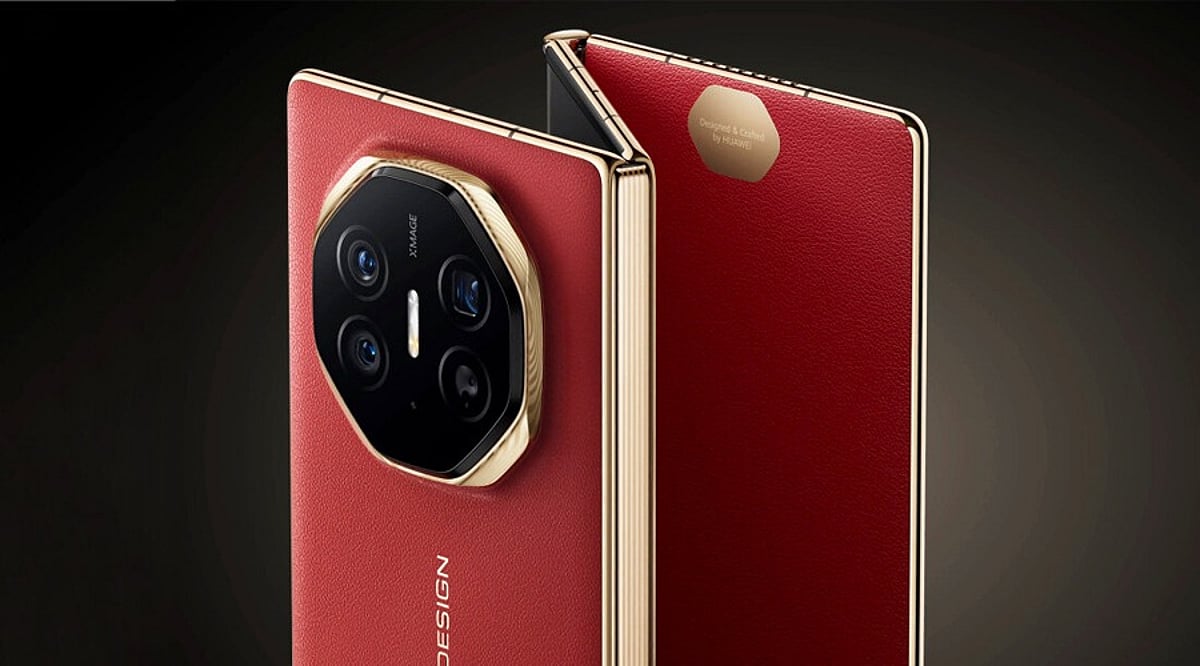
    Huawei has officially launched the Mate XT2 series in China on September 7, 2026, further heating up the foldable smartphone competition. Priced from CNY 19,999 (approximately USD 2,980), the flagship device introduces a tri-fold display that unfolds twice into a tablet-sized screen, powered by the in-house Kirin 9050 Pro chip.

    The Mate XT2 features a redesigned hinge, enhanced water resistance, and a privacy-focused display mode for sensitive viewing. Huawei claims a 42% performance boost over the previous Mate XT series, thanks to the Kirin 9050 Pro’s LogicFolding architecture under the company’s Tau Scaling Law approach, which balances higher computing power with reduced battery consumption.

    Huawei remains China’s leading smartphone brand with a 22.6% market share in Q2 2026 and controls 68% of the country’s foldable phone shipments. However, the company faces immediate pressure from Xiaomi’s upcoming foldable launch, scheduled later the same day. Xiaomi’s shares dropped about 3% in afternoon trading following the Mate XT2 unveiling, highlighting the market’s sensitivity to competitive moves.

    Apple is also expected to enter the foldable segment soon, with its iPhone event set for Wednesday, September 9. Analysts anticipate a foldable iPhone that could leverage Apple’s integrated hardware and software ecosystem to challenge Huawei’s dominance.

    Richard Yu, Huawei’s executive, noted pricing challenges due to rising memory costs. The top-tier Mate XT2 model reaches CNY 24,999, positioning the device as a luxury purchase for Chinese consumers. Sales begin September 12.