
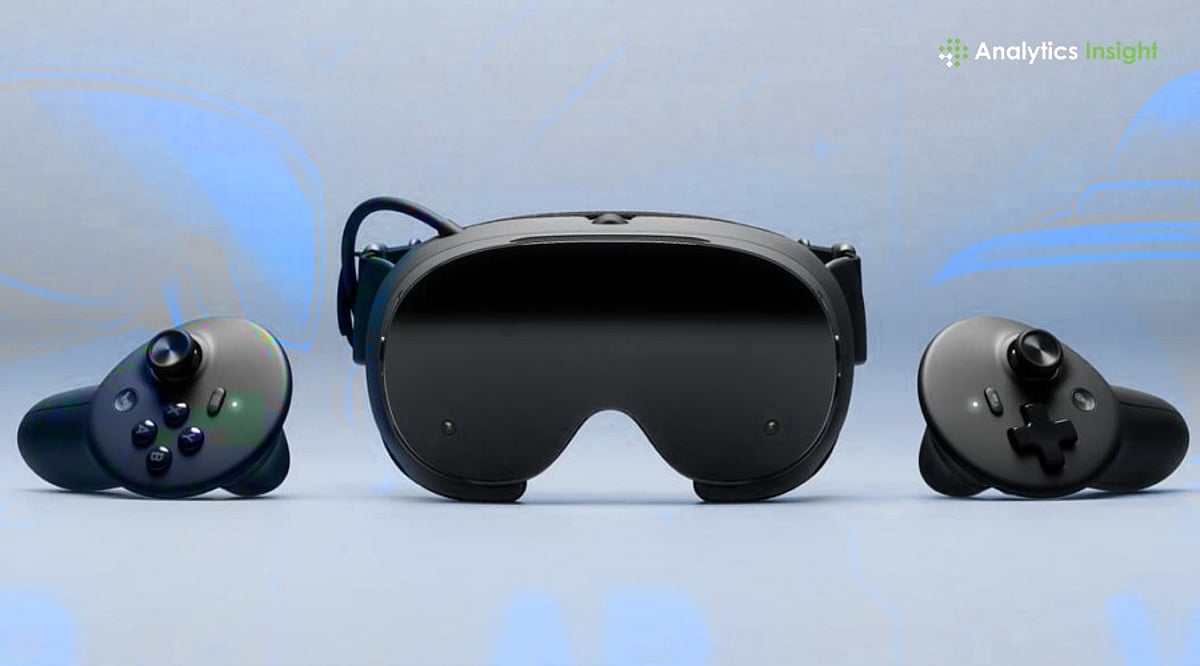
Choosing an XR headset in 2026 involves more than comparing specs. With budget standalone devices, premium spatial computers, console headsets, and lightweight AR glasses now available, the decision depends on your budget, purpose, comfort, and compatibility. This guide breaks down the key factors to help you make a smart purchase without getting lost in technical jargon.
Checklist for Choosing a VR Headset in 2026
Start by defining your primary use case. Gaming, fitness, design work, and remote meetings each require different hardware. List your top three planned activities to narrow your options.
Check compatibility carefully. Some headsets require a console, a powerful PC, or a specific phone. Many buyers assume cross-platform support exists, which can lead to early disappointment.
Explore app availability in each platform’s store, as libraries vary widely. Comfort matters more than expected—proper weight distribution prevents fatigue during long sessions. Beware of marketing gimmicks; don’t choose based on resolution numbers alone. An ‘AR-ready’ label does not guarantee full VR support, and battery life is crucial in multi-user modes.
Insights & Cost Analysis
Price remains the clearest dividing line. Total cost of ownership tells a better story than the sticker price.
- Entry-level standalone headsets: Meta Quest 3S at $299, Meta Quest 3 at $499. No subscription needed; accessories are affordable.
- Mid-range devices: Samsung Galaxy XR around $599. Offers on-device AI but has a smaller software library.
- Premium spatial computers: Apple Vision Pro at $3,499, plus AppleCare and software pushing first-year cost near $3,900.
For most shoppers, a standalone headset delivers great value. A premium pick makes sense only when spatial anchoring is essential for your work.
Better Solutions & Competitor Analysis
No single headset suits everyone. Developers building spatial apps often prefer Apple Vision Pro for its mature platform. Enterprise buyers needing industrial precision choose Varjo XR-4 or Magic Leap 2. Educators running large VR labs favor Meta Quest 3S for easy management. Remote teams can use Android XR devices for smoother workplace tool integration.
Customer Feedback Synthesis
Standalone headsets earn praise for easy setup and reliable tracking. Premium devices excel in eye-tracking accuracy and audio quality, but battery drain during long sessions remains a complaint. Passthrough camera quality is a common drawback across budget and mid-range models—users describe it as soft or low contrast. On the positive side, motion sickness complaints have dropped sharply due to higher refresh rates and smarter rendering in 2026 models.
Maintenance, Safety & Legal Considerations
Extend your headset’s life by cleaning lenses with a microfiber cloth only—avoid alcohol or rough materials. Store in a cool, dry place (below 30°C). Keep firmware updated to prevent tracking drift. No government currently regulates headset use at work, but general safety guidelines recommend a 20-minute break per hour of near-eye display use.
Conclusion
First-time buyers wanting gaming or fitness will do well with a standalone headset like Quest 3S. Professionals needing precise spatial anchoring should consider a premium spatial computer. Those tied to a specific phone ecosystem may find hybrid AR devices the smoothest fit, accepting a smaller app library. For personal screens during travel or media consumption, light AR glasses are often better than a full headset. Match the device to your real use case for the best purchase.
FAQs
- What is the difference between VR and AR headsets? VR creates a fully virtual environment; AR overlays digital content onto the real world. Mixed reality combines both.
- Which XR headset is best for beginners in 2026? Standalone headsets like Meta Quest 3S are affordable, easy to set up, and require no PC or console.
- Is Apple Vision Pro worth buying in 2026? It’s best for professionals, developers, and enterprise users needing advanced spatial computing. Casual users may find better value in standalone headsets.
- What should I check before buying? Primary use case, compatibility, app availability, comfort, battery life, and total ownership cost.
- How to maintain my headset? Clean lenses with microfiber cloth, store in a cool dry place, update firmware, avoid heat and direct sunlight.