Tag: Zerodha

  • How Nithin Kamath Leveraged Tech to Make Investing Accessible for Millions of Indians

    How Nithin Kamath Leveraged Tech to Make Investing Accessible for Millions of Indians

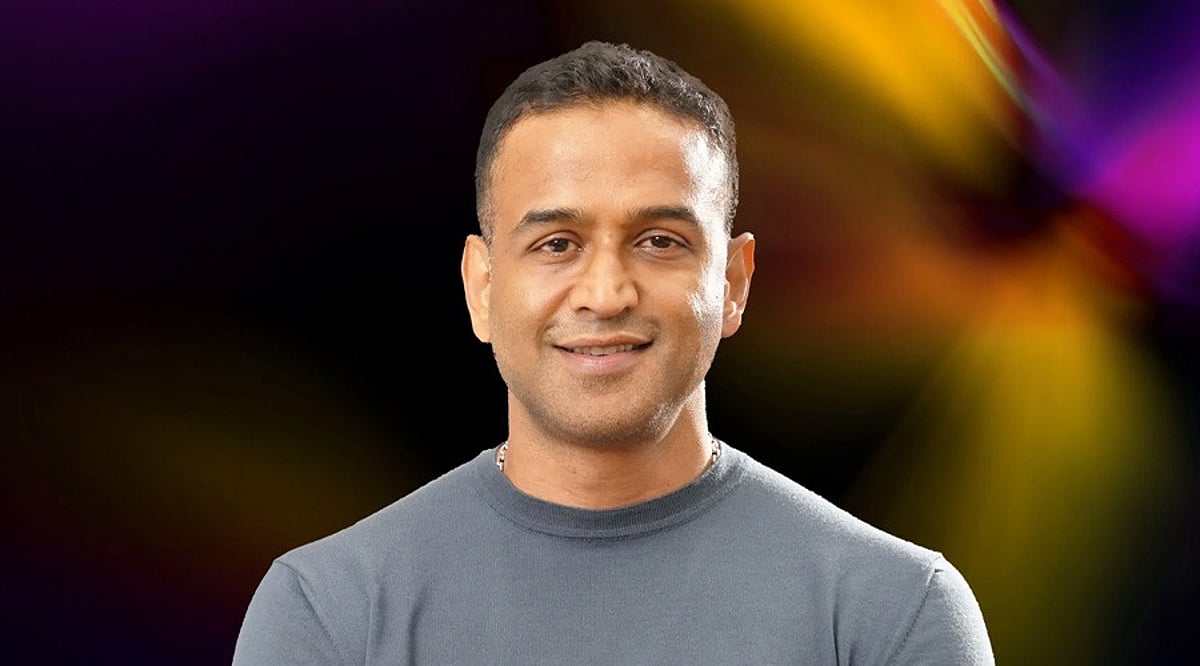
    Investing in stocks was once a complex, intimidating process reserved for the wealthy. High broker fees, mountains of paperwork, and a general fear of the unknown kept most middle-class families away from equities for decades. That picture has changed dramatically over the last fifteen years, and much of the credit goes to Nithin Kamath, co-founder and CEO of Zerodha. He built India’s largest stock brokerage on a simple idea: technology should remove barriers to investing, not create new ones.

    Today, Zerodha serves more than 1.6 crore customers and accounts for close to 15 percent of daily retail trading volumes in the country. This article explores how Kamath used technology to reshape investing for ordinary Indians and why his approach continues to matter.

    A Discount Broker Built on Technology, Not Middlemen

    Kamath started as a self-taught trader, buying his first penny stocks at age 17. Working through the early 2000s, he saw how traditional brokers charged hefty commissions and often had little incentive to help small investors succeed. In 2010, along with his brother Nikhil, he launched Zerodha. The name combines “zero” with “rodha,” the Sanskrit word for barrier. Instead of charging a percentage of every trade, Zerodha introduced a flat-fee model—a move almost unheard of in Indian broking at the time. Building the entire back-end in-house gave the company control over speed, reliability, and cost, three things that mattered enormously to retail traders tired of clunky platforms and hidden charges.

    Kite: Simplifying the Trading Experience for Millions

    Zerodha’s trading platform, Kite, became one of the clearest examples of Kamath’s technology-first thinking. Built to be lightweight and fast, Kite stripped away the clutter that made older trading terminals intimidating for first-time users. A student or shopkeeper with no finance background could open the app, place an order, and track a portfolio without needing a broker on the phone. This ease of use drove Zerodha’s rapid customer growth, especially during the pandemic when lakhs of young Indians opened their first demat account from home. Data from the past year shows demat account additions rose by over 20 percent, taking the industry total past 4.9 crore accounts, and platforms like Kite played a direct role in that surge.

    Varsity and Rainmatter: Investing in Financial Literacy

    Technology alone does not make confident investors. Kamath understood this early and built Varsity, a free educational platform that breaks down everything from stock market basics to advanced options strategies. Millions of users have gone through its modules, many stepping into the market for the first time with a clearer understanding of risk. Alongside Varsity, Zerodha runs Rainmatter, a fintech incubator and fund that backs startups working on financial inclusion, wealth management tools, and sustainability projects. Rainmatter has supported more than 50 startups, extending Kamath’s mission of democratizing finance well beyond Zerodha’s own platform.

    A Bootstrapped Model That Puts Users First

    One thing that sets Kamath apart from most tech founders is his refusal to raise external funding. Zerodha has remained completely bootstrapped since day one, funding its own growth through profits rather than venture capital. This decision keeps the company answerable to its customers rather than to investors chasing quick returns. Kamath has spoken openly about staying cautious on an IPO too, preferring independence over the pressure of public markets. This model has not been without bumps—regulatory changes around derivatives trading led to a sharp drop in brokerage revenue—yet Zerodha continues to expand into asset management and lending to diversify its income.

    Why This Approach Matters for India’s Financial Future

    India’s investing culture is still young compared to more developed markets, and a large part of the population remains outside formal financial systems. Kamath’s work tackles two problems at once: cost and confidence. Lower fees bring more people to the table, and better education keeps them there without falling into risky bets they don’t understand. As a member of a SEBI advisory committee, Kamath has also shaped market policy, pushing for reforms that protect smaller investors. His influence extends into how an entire generation of Indians thinks about money, savings, and long-term wealth creation.

    Final Thoughts

    Nithin Kamath’s journey from a self-taught trader to the head of India’s biggest brokerage reflects a larger shift in how the country approaches investing. Through low-cost trading, an accessible platform in Kite, free education through Varsity, and continued investment in fintech innovation via Rainmatter, he has helped bring capital markets within reach of everyday Indians. As more people in smaller towns and cities come online, Kamath’s technology-driven model looks set to keep shaping the next chapter of India’s investing story.

    Frequently Asked Questions

    1. What is Zerodha known for?

    Zerodha is India’s largest stock brokerage, known for pioneering the flat-fee discount brokerage model and building its own technology in-house rather than relying on third-party platforms.

    2. What is Kite in Zerodha?

    Kite is Zerodha’s trading platform, designed to be simple and fast so that even first-time investors with no finance background can trade and track their portfolios easily.

    3. What is Varsity by Zerodha?

    Varsity is a free educational platform by Zerodha that teaches users about the stock market, from basic concepts to advanced options strategies.

    4. Why has Zerodha never raised external funding?

    Nithin Kamath chose to keep Zerodha bootstrapped so the company stays accountable to its customers rather than to investors seeking quick returns.

    5. What is Rainmatter?

    Rainmatter is Zerodha’s fintech incubator and fund, which has backed over 50 startups working on financial inclusion, wealth management, and sustainability.


  • Top Brokers by Active Investors in India: August 2026 Rankings

    Top Brokers by Active Investors in India: August 2026 Rankings

    India’s brokerage landscape continues to evolve, with digital-first platforms leading the charge in attracting active investors. As of August 2026, the latest data reveals which brokers command the largest active investor bases, highlighting the shift toward low-cost, user-friendly trading solutions.

    Groww: The Market Leader

    Groww has emerged as India’s largest broker with over 1.3 crore (13 million) active investors. The platform’s success is driven by its easy onboarding process, low-cost investing options, and a highly intuitive trading interface that appeals to both new and experienced investors.

    Zerodha: Strong Loyalty and Education

    Zerodha, India’s pioneering discount broker, retains nearly 69 lakh (6.9 million) active investors. Its powerful trading tools and extensive educational resources continue to foster strong user loyalty and engagement.

    Angel One: Digital-First Expansion

    Angel One has rapidly grown to over 32 lakh (3.2 million) active investors. The broker’s digital-first approach, combined with robust research support and diversified investment offerings, has fueled nationwide expansion.

    Upstox: Competitive and Growing

    Upstox maintains more than 29 lakh (2.9 million) active investors by offering competitive pricing, advanced charting tools, and a seamless investing experience. Its fast-growing retail participation reflects increasing trust in digital brokerage.

    ICICI Direct: Trusted Full-Service Broker

    ICICI Direct serves around 20 lakh (2 million) active investors. As a full-service broker, it provides integrated banking, wealth management, comprehensive research, and a wide range of investment solutions.

    HDFC Securities: Banking Integration

    HDFC Securities holds approximately 16 lakh (1.6 million) active investors. Its strong integration with HDFC Bank, advisory services, and reliable customer support make it a preferred choice for many.

    Kotak Securities: Comprehensive Offerings

    Kotak Securities has around 15 lakh (1.5 million) active investors. The broker offers comprehensive trading platforms, research-backed recommendations, and seamless banking integration, backed by long-standing market credibility.

    Motilal Oswal and SBI Securities

    Motilal Oswal serves nearly 11 lakh (1.1 million) active investors, combining quality research with wealth management expertise and portfolio advisory. SBI Securities, backed by India’s largest public sector bank, also supports around 11 lakh active investors with trusted trading and investment services.

    This data underscores the growing preference for digital brokers that prioritize ease of use, low costs, and educational support, while traditional full-service brokers maintain a significant presence through integrated banking and advisory services.

  • Indian Stock Market Timings Updated: F&O Trading Now Ends at 3:40 PM

    Indian Stock Market Timings Updated: F&O Trading Now Ends at 3:40 PM

    The Indian stock market saw a significant change in trading timings on August 3, as the National Stock Exchange (NSE) and the Bombay Stock Exchange (BSE) introduced new rules for Futures & Options (F&O) trading. Under the updated schedule, F&O trading now concludes at 3:40 PM instead of the previous 3:30 PM.

    The exchanges have also launched a Closing Auction Session for stocks with F&O contracts. This new session is designed to improve price discovery by setting more accurate closing prices and giving traders additional time to manage their positions.

    New Trading Schedule Breakdown

    • Regular trading for F&O stocks: Ends at 3:15 PM
    • Closing Auction Session: Runs from 3:15 PM to 3:35 PM
    • F&O trading extension: Continues until 3:40 PM, providing traders five extra minutes after the auction ends

    Zerodha CEO Nithin Kamath commented on the change via X, noting, “Things get a little more complicated from Monday, August 3.”

    How the Closing Auction Session Works

    The Closing Auction Session will alter how exchanges determine closing prices. During this period, the exchanges collect buy and sell orders from traders. The price at which the highest number of orders match becomes the official closing price. The process begins after regular trading ends at 3:15 PM, starting with a reference price calculation before accepting orders, followed by order matching to determine the final closing price.

    What Remains Unchanged

    • Stocks without F&O contracts: Continue trading until 3:30 PM
    • Trade modification window: Remains open until 4:15 PM

    The new timings mean different market segments will now have varying closing times. Traders must adapt to these changes when planning trades and hedging positions. The system is expected to improve price discovery near market close and reduce sudden price movements during the final trading period.

    For more details, traders can join the Analytics Insight WhatsApp Channel for the latest news and updates.

  • Nithin Kamath: How Zerodha’s Founder Democratized Stock Investing in India

    Nithin Kamath: How Zerodha’s Founder Democratized Stock Investing in India

    India’s investing landscape has undergone a remarkable transformation over the past decade. Millions of first-time investors now buy stocks, invest in mutual funds, and manage their portfolios through digital platforms. At the center of this shift is Nithin Kamath, an entrepreneur who challenged traditional brokerage practices and made investing more accessible for ordinary Indians.

    At the time of its founding by Nithin Kamath in 2010, stock trading was perceived as an elaborate, costly, and complex process. This situation deterred many retail investors from entering the trading arena. Kamath quickly identified these factors as problems for traders and made simplification, transparency, and accessibility one of his top priorities.

    Unlike most startup founders, Kamath chose not to seek outside investment but to focus on making his business profitable, trustworthy, and long-term successful. Thanks to this strategy, Zerodha has become the largest stockbroker in India in recent years, catering to the interests of millions of people.

    A Passion for Markets Started Early

    Born in Karnataka, Nithin Kamath developed an early fascination with the stock market. Even before he became an entrepreneur, he was involved in trading and gained valuable insight into how financial markets function. The practical knowledge he gained helped him understand the difficulties retail traders face and motivated him to make a difference in their investment experience. As against following a traditional corporate career path, Kamath chose to solve some of the problems in the brokerage sector.

    Building Zerodha Without External Funding

    Zerodha was started by Nithin Kamath along with his brother, Nikhil Kamath, in 2010. It pioneered a discount brokerage model that offered lower trading charges than regular brokers. There has been something that has been quite distinguishing about Zerodha, and that is the growth strategy of the company. The company has remained bootstrapped, without taking any venture capital funding. It has chosen to make its business profitable by building customer trust and using technology to grow organically. Today, Zerodha serves millions of customers in India and is known as one of the most prestigious brokerage platforms in the country.

    Making Investing More Accessible

    Kamath has been vocal about lowering the barriers for novice investors. The simple user interface, low-cost structure, and educational tools of Zerodha have motivated many youngsters in India to start investing. The organization has launched another initiative called ‘Varsity’, an educational tool that explains investment terms such as stocks, technical analysis, options, mutual funds, and personal finance. Varsity has turned into one of the best educational tools for retail investors in India over time. Another important decision by Zerodha is to keep direct mutual fund investments on the Coin platform free of cost.

    Supporting India’s Startup Ecosystem

    Kamath’s business ventures extend beyond stockbroking. In 2016, Zerodha created Rainmatter, which invests in startups in fintech, health, climate, media, and deep technologies. Rather than being solely profit-driven, Rainmatter offers financing, mentoring, industry networking opportunities, and more support to startups. According to Kamath, Rainmatter has invested over Rs. 1,500 crore into 160+ startups. Zerodha has also pledged 10% of its profits to be used to invest in startups and 10% for social causes via the Rainmatter Foundation.

    Leadership Built Around Long-Term Thinking

    One of Kamath’s characteristics is his lack of interest in aggressive expansion techniques. He has always maintained that fostering a good working environment must be actively pursued, not achieved through expansion alone. Zerodha has developed a system in which customer satisfaction, employee welfare, and prudent decision-making are prioritized over high revenue targets. According to Kamath, resilience is attained when employees learn from their mistakes while maintaining high standards of service.

    A Strong Voice on Financial Awareness

    In addition to managing Zerodha, Kamath actively blogs on investing and entrepreneurship and engages with followers on social media on market regulations and investment education. In particular, he often tells investors to adopt a long-term view, maintain investment diversity, and avoid letting emotions interfere when markets are fluctuating. In terms of communication style, Kamath tries to simplify complicated financial matters. Kamath has never shied away from discussing the dangers of derivatives and has encouraged responsible investing.

    Health Issues and Business Looking Beyond

    In early 2024, Kamath confessed to having undergone a mild stroke. He admitted that, in his life, physical fitness, stress management, and getting proper rest became even more important after the incident. Ever since, Kamath has continued talking about physical fitness and health at work. At Zerodha, several employee wellness programs have been launched in line with Kamath’s philosophy. Kamath’s involvement with the Rainmatter Foundation illustrates the increasing inclination of Kamath towards sustainability and social responsibility. The Rainmatter Foundation engages in activities related to climate change action, biodiversity conservation, ecology and ecological restoration, and the creation of sustainable livelihoods. Kamath has stated that, besides being profitable, companies must also play a role in addressing the bigger challenges faced by society.

    A Lasting Impact on India’s Financial Landscape

    Kamath’s impact is not limited to Zerodha alone. His thoughts have made investments easier for people to understand, helped in developing financial literacy among individuals, and motivated many entrepreneurs to start their business ventures profitably without relying on outside investment. Whether through questioning the conventional way of doing things in brokerage services, promoting startups, or environmental causes, Kamath has always been about building something valuable over the long term. It can be seen from his story that innovations need not necessarily come from growth. Rational thinking, proper execution, and dedication to the customer can result in one of the most respectable financial technology companies in India.

  • Zerodha Files for SEBI Merchant Banking License as Revenue Hits ₹8,847 Crore

    Zerodha Files for SEBI Merchant Banking License as Revenue Hits ₹8,847 Crore

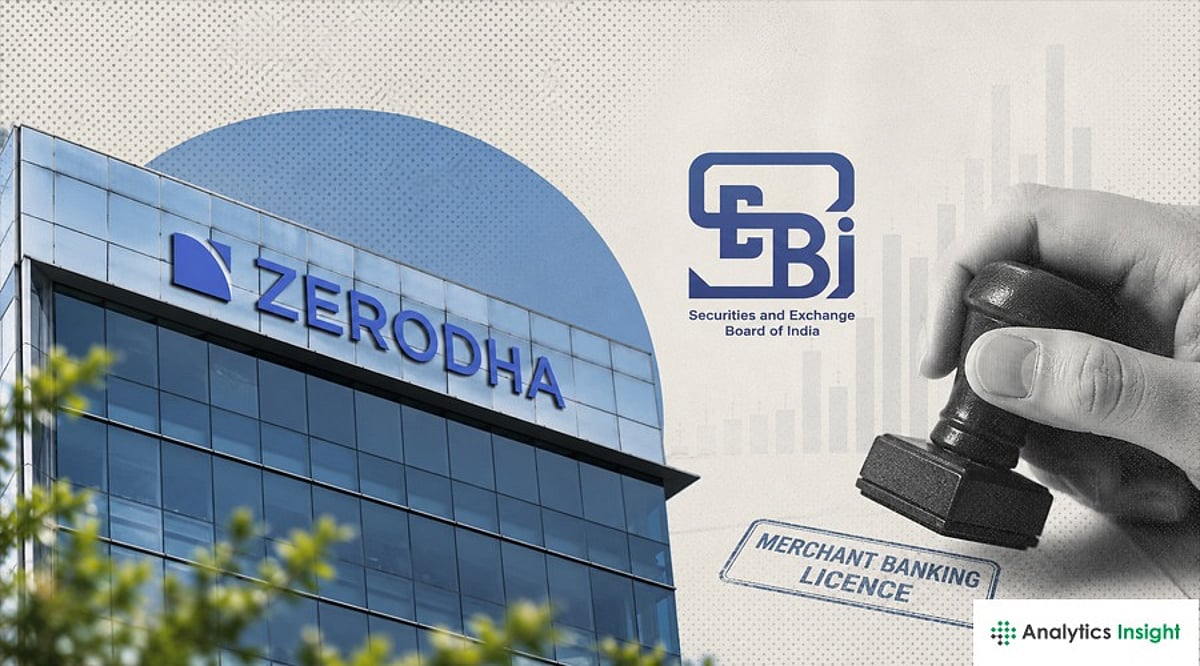
    Zerodha, India’s largest stockbroker by active clients, is taking a significant step beyond its core business. The Bengaluru-based fintech company has applied for a Category I merchant banking license from the Securities and Exchange Board of India (SEBI), seeking to offer services such as initial public offering management, corporate advisory, and fund-raising. The application was submitted in April and awaits regulatory approval, a company spokesperson confirmed, adding that more details will be shared once the license is granted.

    Strategic Expansion into Investment Banking

    The move positions Zerodha to tap into India’s booming IPO pipeline, as dozens of startups and new-age companies prepare to go public over the coming years. A merchant banking license would allow Zerodha to help these firms navigate public offerings, raising capital through the stock market. This expansion comes as the company already offers a wide array of financial services—mutual funds, lending, asset management, startup investments via Rainmatter, international investing, and fixed deposits through its Coin platform.

    By adding investment banking to its portfolio, Zerodha aims to diversify revenue streams and reduce its reliance on brokerage income. In FY25, the company reported revenue of ₹8,847 crore and net profit of ₹4,237 crore, underscoring its financial strength as it ventures into new territory.

    Competition and Market Impact

    Zerodha’s entry into merchant banking could intensify competition in a sector traditionally dominated by established players such as JM Financial, Kotak Mahindra Capital, Axis Capital, and ICICI Securities. Industry experts believe that a digital-first approach from Zerodha may appeal especially to technology companies and startups, potentially improving service quality and offering more choices for businesses raising capital.

    The application aligns with a broader trend of fintech companies moving into conventional financial services. As India’s public markets continue to attract new issuers, more firms are seeking merchant banking licenses, which could foster a more dynamic capital market ecosystem.

    What This Means for Zerodha’s Future

    If SEBI approves the license, Zerodha will join a growing list of full-service financial companies. The company recently launched fixed deposit investments on its Coin platform, allowing customers to invest across partner banks from a single interface. Expanding into investment banking would further solidify its presence in the capital markets and create new income sources, supporting long-term growth.

    Zerodha’s latest move highlights how fintech innovators are reshaping traditional finance. With strong fundamentals and a loyal user base, the company is well-positioned to compete for IPO and fund-raising mandates in the years ahead—pending the regulator’s green light.