
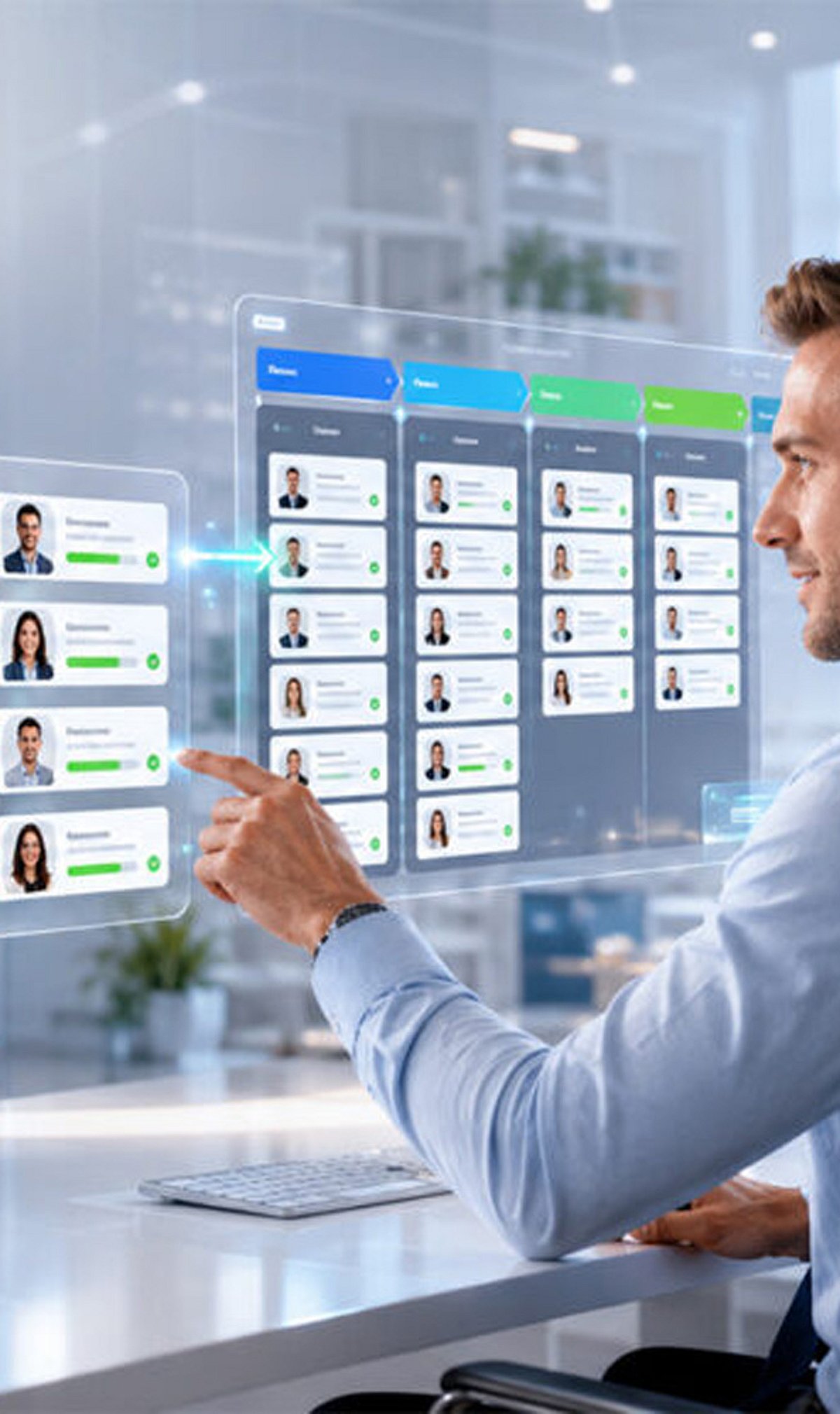
Retail scheduling software has become essential for retailers aiming to optimize staff schedules, reduce labor costs, and improve employee productivity across multiple store locations. As we approach 2026, these platforms are increasingly leveraging artificial intelligence to forecast staffing needs based on sales trends, customer traffic, holidays, and historical performance.
Top Retail Scheduling Software Companies
Deputy
Deputy remains a popular workforce management platform, offering AI-assisted scheduling, time tracking, shift swapping, and payroll integrations for businesses of all sizes.
When I Work
When I Work continues to serve retailers with intuitive employee scheduling, team messaging, attendance tracking, and mobile-first workforce management features.
Sling
Sling provides flexible scheduling, labor cost monitoring, shift planning, and communication tools that help managers efficiently coordinate retail teams.
UKG
UKG delivers enterprise-grade workforce management with AI-powered forecasting, automated scheduling, compliance support, and advanced workforce analytics.
Homebase
Homebase remains a preferred solution for small and medium-sized retailers, offering scheduling, hiring, time clocks, payroll, and employee communication in one platform.
Key Trends in Retail Scheduling
Modern scheduling platforms now use AI to forecast staffing needs based on sales trends, customer traffic, holidays, and historical business performance. Cloud-based scheduling software enables managers and employees to access schedules, request leave, swap shifts, and receive instant notifications from anywhere.
Choosing the right scheduling platform depends on business size, integration needs, compliance requirements, reporting capabilities, and long-term scalability.
Leave a Reply