
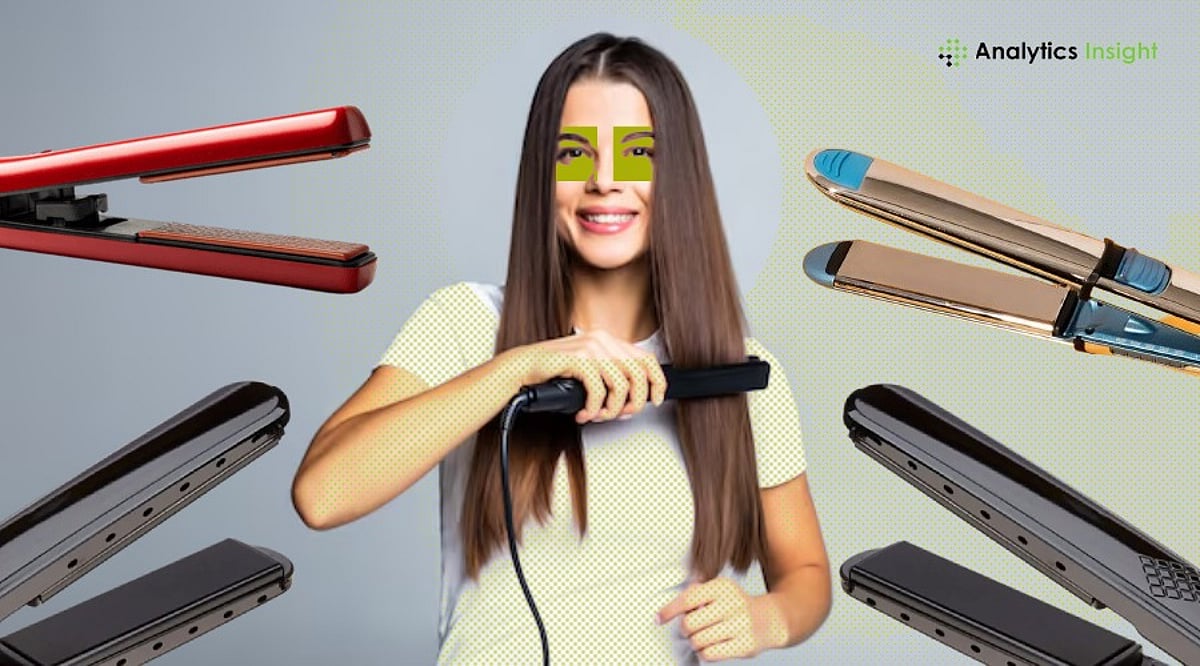
Choosing the right hair straightener goes beyond just achieving sleek hair — it’s about protecting your strands while matching the tool to your hair type. Curly, thick, fine, damaged, and color-treated hair all respond differently to heat. Whether you need a straightener for curly hair, thick hair, or fine hair, prioritizing controlled heat, quality materials, and protective features will deliver healthier results. We’ve tested and reviewed the top models for 2026 to help you make an informed choice.
Best Hair Straighteners of 2026: Top Picks
Dyson Airstrait
Perfect for humid, curly, frizzy, and thick hair, the Dyson Airstrait uses high-pressure airflow instead of hot plates. Features intelligent heat control, multiple temperature settings, and fast heat-up. The LCD display and less direct heat contact make it a gentler styling option.
GHD Platinum+
Ideal for fine, color-treated, and normal hair, the GHD Platinum+ features ultra-zone predictive heating technology that maintains a constant 185°C. It heats in 20 seconds but lacks customizable temperature settings.
Dyson Corrale
Best for thick hair, the Dyson Corrale has flexible manganese copper alloy plates for even hair distribution. Variable temperature settings (165°C and 210°C), heats under 30 seconds, cordless, and smart heat control.
BaBylissPRO Nano Titanium Prima3100
Recommended for coarse, curly, and thick hair, this titanium straightener heats up to 232°C. Dual-purpose — straightens and creates curls. Fast and effective for quick styling.
Remington Shine Therapy
An affordable option for fine and mildly frizzy hair. Ceramic plates infused with Argan oil and keratin heat in 30 seconds, up to 230°C. Offers smooth results without advanced smart sensors.
T3 Lucea ID
Designed for damaged, colored, and medium-textured hair. Ceramic plates with a temperature system that suggests optimal heat based on hair type, heating up in about 30 seconds. Features automatic heat regulation at a premium price.
CHI Original Ceramic Hairstyling Iron
Best for daily use with medium to fine hair. Ceramic floating plates provide even heat distribution and fast heating within a minute. Simple, durable design but lacks digital temperature settings.
Hair Straightener Comparison Table
| Model | Best For | Plate Material | Heat Range | Key Feature |
|---|---|---|---|---|
| Dyson Airstrait | Curly, thick, frizzy | Airflow (no plates) | Variable | Less direct heat |
| GHD Platinum+ | Fine, color-treated | Ceramic | 185°C fixed | Predictive heat |
| Dyson Corrale | Thick | Manganese copper alloy | 165-210°C | Cordless, flexible plates |
| BaBylissPRO Prima3100 | Coarse, curly | Nano titanium | Up to 232°C | Dual-purpose |
| Remington Shine Therapy | Fine, mildly frizzy | Ceramic with Argan oil | Up to 230°C | Affordable |
| T3 Lucea ID | Damaged, colored | Ceramic | Auto-suggest | Automatic heat regulation |
| CHI Original Ceramic | Medium to fine | Ceramic floating | Fixed (no digital) | Even heat distribution |
How to Choose the Right Hair Straightener
Select a styling tool based on your hair type. Ceramic plates distribute heat evenly, making them ideal for fine or damaged hair. Titanium plates suit thick, curly hair that needs higher temperatures. Adjustable temperature settings reduce damage, and wide plates speed up straightening on long hair. The best professional straightener depends on your hair texture, routine, and budget — not just the highest heat.
Frequently Asked Questions
1. Which hair straightener is best for curly hair?
Wide titanium or hybrid plates with adjustable temperatures work best, reducing frizz and heat exposure.
2. Is ceramic or titanium better?
Ceramic for fine/damaged hair, titanium for thick/coarse/curly hair needing higher heat.
3. What temperature for fine hair?
Between 160°C and 180°C to minimize damage while achieving smooth results.
4. Are expensive straighteners worth it?
Yes, premium models offer better heat control, quality materials, and protective technologies for consistent, safer styling.
5. How often should I replace my straightener?
A quality straightener lasts years. Replace if heating becomes inconsistent, plates are damaged, or safety features fail.
Leave a Reply