
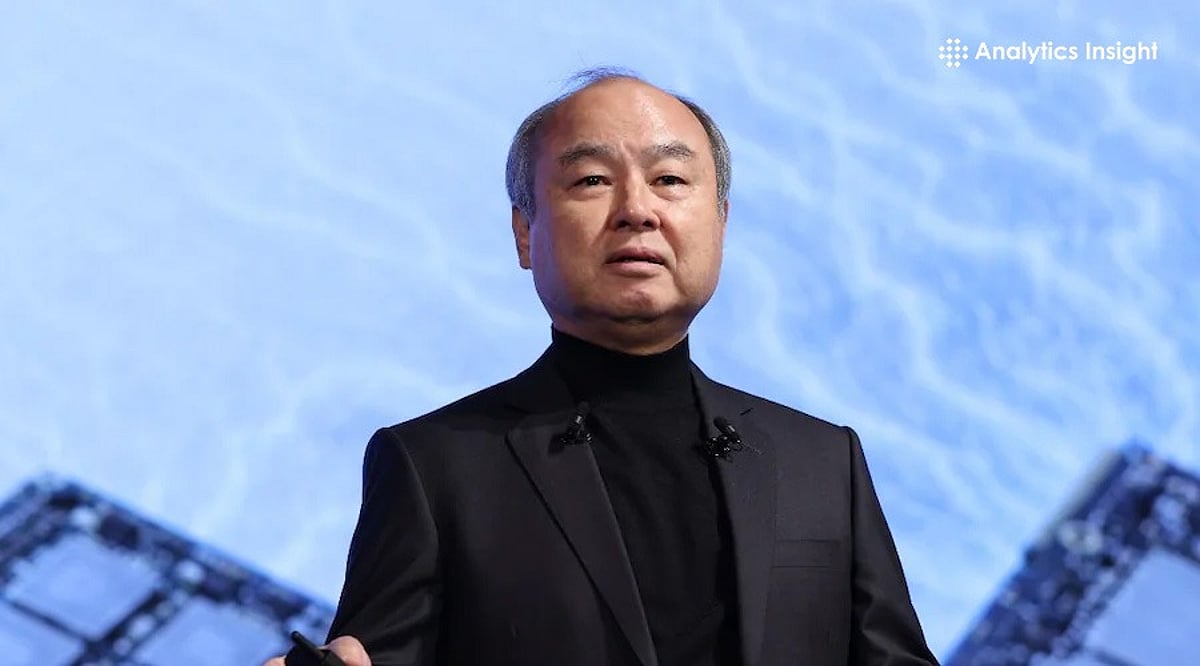
SoftBank founder Masayoshi Son has identified nuclear fusion as a potential long-term solution to one of artificial intelligence’s most pressing challenges: energy consumption. Speaking about the future of AI infrastructure, Son argued that fusion power could supply the massive electricity demands of next-generation data centers.
Son emphasized that as AI adoption accelerates, electricity consumption will rise sharply. While some may view natural gas as a quick fix, he believes nuclear fusion is the superior endgame for sustainable AI growth.
Demand for Power Grows with the Rise of AI
As corporations race to advance AI systems and expand data center capacity, the need for electrical power will intensify. Son projected that the world will require approximately 3 terawatts of additional data center capacity by 2040 to support future AI developments. Traditional energy sources, he warned, may fall short of meeting this escalating demand.
Fusion Might Be the Solution in the Long Term
Son described fusion—the process that powers the Sun—as the most promising energy source for AI data centers. Although commercial fusion is not yet viable due to ongoing technical hurdles, he believes it has the potential to transform AI infrastructure economics over the long haul.
SoftBank Doubles Down on AI
These comments align with SoftBank’s aggressive AI strategy. The Japanese conglomerate has invested heavily across the AI ecosystem, backing companies like Arm and OpenAI while expanding into chips, robotics, and data center infrastructure. Son has repeatedly compared AI’s transformative potential to—or beyond—the internet revolution, urging businesses to embrace AI rather than hesitate.
The Bigger Picture
The AI revolution is creating not just a demand for computing power but also for adequate energy supplies. Major tech firms are exploring a mix of natural gas, nuclear power, and renewables to meet their needs. For Son, fusion represents the ultimate endpoint—a way to power the next stage of AI without energy constraints, even though its commercial application remains a work in progress.
Leave a Reply