
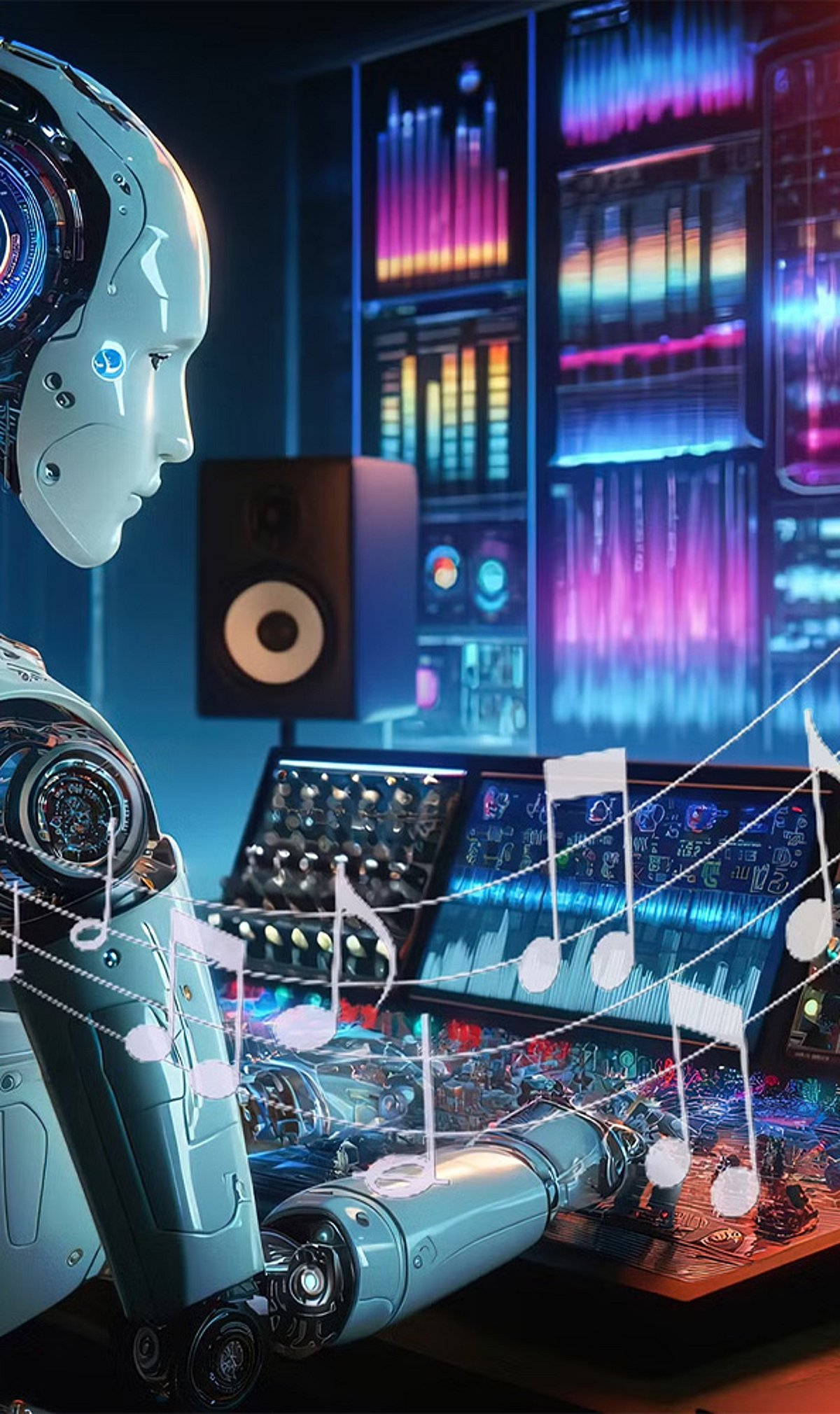
AI-generated music has moved from experimental curiosity to mainstream phenomenon, with virtual artists now competing head-to-head with human musicians on major streaming platforms and music charts. This surge has prompted platforms and industry bodies to introduce new rules and labels to manage the influx of synthetic tracks.
Chart Success for AI Artists
AI-powered country act Breaking Rust has captured significant attention with songs like “Walk My Walk,” which reached No. 1 on Billboard’s Country Digital Song Sales chart. Meanwhile, Xania Monet, created using Suno by poet Talisha Jones, made history as one of the first AI-generated artists to appear on Billboard charts, gaining recognition across gospel and R&B genres.
Streaming Audiences Embrace AI Singers
Virtual blues artist Enlly Blue has become one of AI music’s biggest names, attracting hundreds of thousands of monthly Spotify listeners and millions of streams. This growing fan base underscores how AI-generated music is resonating with audiences worldwide.
Explosive Growth in AI Uploads
Streaming platform Deezer reported receiving approximately 90,000 fully AI-generated tracks daily in June 2026, with AI music accounting for more than half of its new daily uploads. This staggering volume is reshaping the music industry’s landscape.
Platforms Introduce New Measures
In response, Spotify plans to introduce AI Persona badges to identify synthetic artist identities and will limit their visibility in personalized and curated recommendations. Tidal has stopped monetizing fully AI-generated music, but allows AI-assisted songs when humans remain involved in writing, producing, or performing the creative work.
Industry Rules and Debates
Australia’s ARIA now excludes wholly AI-generated recordings from official charts, though songs using AI can still qualify if the creative work is substantially human-made. These moves have sparked a broader industry debate: supporters view AI as a powerful creative tool, while musicians fear playlist flooding, lower royalties, voice cloning, and copyright disputes could make competition harder for human artists.
As AI music continues to evolve, the balance between innovation and protecting human creativity will remain a central challenge for the industry.
Leave a Reply