Author: vitorcherulli

  • 7 Essential Strategies to Safeguard Your Cryptocurrency

    7 Essential Strategies to Safeguard Your Cryptocurrency

    Cryptocurrency security is paramount in a digital landscape where threats evolve constantly. Whether you’re a seasoned investor or new to crypto, implementing robust protective measures can prevent theft and loss. Below are seven critical steps to keep your digital assets safe.

    Use a Hardware Wallet

    Hardware wallets keep cryptocurrency private keys offline, reducing exposure to online threats. Devices such as Ledger and Trezor provide an additional security layer for long-term holdings. Always purchase wallets from official sources, protect recovery phrases carefully, and follow the manufacturer’s security instructions when setting up and accessing your assets.

    Secure Your Private Keys

    Private keys provide access to cryptocurrency holdings and should never be shared. Store them securely and avoid saving them in easily accessible digital locations. Losing a private key can permanently restrict access to funds, while exposing it can allow unauthorized transactions. Treat private keys as highly sensitive financial information.

    Protect Your Recovery Phrase

    A recovery phrase can restore access to a cryptocurrency wallet, making its protection essential. Write the phrase down and store it somewhere secure and private. Avoid screenshots, cloud storage, emails or messaging apps. Never share recovery phrases with anyone claiming to provide wallet support or security assistance.

    Enable Multi-Factor Authentication

    Multi-factor authentication adds another layer of protection to cryptocurrency exchanges and related accounts. Whenever available, use an authenticator application or security key instead of relying exclusively on SMS. Strong authentication reduces the risk of account compromise, particularly if passwords are exposed through phishing attacks, data breaches or reused credentials.

    Create Strong, Unique Passwords

    Use long, unique passwords for cryptocurrency exchanges, wallets and associated email accounts. Avoid reusing passwords across multiple services because one compromised account can create additional security risks. A reputable password manager can help generate and store unique credentials, reducing the temptation to use predictable passwords or repeat the same password.

    Beware of Scams and Phishing

    Cryptocurrency users frequently encounter fake websites, investment schemes, impersonation attempts and phishing messages. Verify website addresses before entering credentials or approving transactions. Be particularly cautious about unexpected messages requesting payments, private keys or recovery phrases. Legitimate wallet providers and exchanges will not require users to reveal sensitive recovery information.

    Keep Software and Backups Updated

    Regularly update wallet applications, operating systems and security software to address known vulnerabilities. Maintain secure backups where appropriate and verify that recovery information remains accessible. For larger holdings, consider separating funds between wallets and keeping long-term assets offline. Security should combine technology, careful habits and protection against human error.

  • Top Home Appliance Brands That Dominate the Global Market

    Top Home Appliance Brands That Dominate the Global Market

    Home appliances have become an integral part of modern living, and several brands have earned global recognition for their innovation, reliability, and design. Here are the most recognized home appliance brands worldwide:

    Samsung

    Samsung is one of the best-known names in home appliances, offering refrigerators, washing machines, ovens, air conditioners, and more. The brand combines modern designs with smart features across many products. Its connected appliances also work with smart home systems, making Samsung a familiar choice for homes in many countries.

    LG

    LG has built a strong reputation with televisions, refrigerators, washing machines, air conditioners, and kitchen appliances. Its home appliances are known for modern designs and useful features. LG also focuses heavily on connected devices, giving users ways to monitor and control compatible appliances through smartphones and smart home platforms.

    Whirlpool

    Whirlpool has been a major name in household appliances for decades. The company makes refrigerators, washing machines, dryers, dishwashers, ovens, and other products. Its focus on practical designs and everyday convenience has helped the brand maintain a strong presence in homes across several major markets around the world.

    Bosch

    Bosch is widely recognized for its kitchen and home appliances, especially washing machines, dishwashers, refrigerators, ovens, and cooktops. The brand is known for clean designs and a strong focus on performance. Bosch appliances are particularly popular among consumers looking for dependable products with useful features and modern styling.

    Haier

    Haier has grown into a major global appliance brand with products ranging from refrigerators and washing machines to air conditioners and kitchen appliances. Its large international presence has helped make the name familiar to consumers worldwide. The company also offers connected appliances designed for increasingly smart and modern homes.

    Panasonic

    Panasonic is a long-standing electronics and home appliance brand with products sold across many markets. Its range includes refrigerators, washing machines, microwave ovens, air conditioners, and other household products. The company has built recognition through its wide product range, practical features, and decades of experience in consumer electronics.

    Electrolux

    Electrolux is a recognized home appliance brand with a strong presence in Europe and other global markets. Its products include refrigerators, ovens, washing machines, dryers, dishwashers, and vacuum cleaners. The company focuses on combining useful household features with modern designs, giving consumers several options for everyday home needs.

  • 10 Supply Chain Priorities for AI-Driven Operations in 2027

    10 Supply Chain Priorities for AI-Driven Operations in 2027

    Supply chains are entering a new phase of AI adoption. Chief Supply Chain Officers (CSCOs) must now move beyond isolated pilots and build operating models designed for continuous AI-assisted decision-making. According to recent Gartner research, data readiness, legacy-system integration, talent, governance, and measurable value are critical foundations. Agentic AI and physical AI are also pushing supply chains toward greater autonomy.

    1. Build an AI-Ready Data Foundation

    AI-driven supply chains depend on accurate, accessible, and contextual data. Poor master data undermines forecasting, planning, and automation. CSCOs should audit critical datasets, assign clear ownership, and improve data quality across functions. A unified data foundation supports faster insights and more consistent decisions across the network.

    2. Integrate AI with Legacy Systems

    Replacing every legacy platform is neither practical nor necessary. Gartner reports that 56% of CSCOs identify integration with legacy systems as a major AI challenge. Leaders should create integration layers that connect existing systems with newer AI capabilities while gradually moving toward a more composable architecture.

    3. Scale Demand Forecasting and Predictive Planning

    Forecasting remains one of the clearest opportunities for supply chain AI. CSCOs should identify planning processes where AI can improve demand sensing, inventory decisions, and scenario analysis. Start with measurable use cases, establish baseline performance, and scale only when accuracy, speed, or service improvements are demonstrated.

    4. Prepare for Autonomous Decision-Making

    Agentic AI can move beyond generating recommendations to planning and executing actions. Gartner identifies agentic AI as a major supply chain technology trend, but stresses the need for guardrails around accountability and explainability. CSCOs should define which decisions AI can recommend, execute, or escalate.

    5. Strengthen AI Governance and Security

    As AI influences procurement, planning, and logistics, governance cannot be an afterthought. Establish policies covering data access, model monitoring, cybersecurity, explainability, and human escalation. Decision governance should make AI-enabled decisions auditable and accountable, especially when autonomous workflows affect customers or suppliers.

    6. Redesign Supply Chain Workflows Around AI

    Adding AI to inefficient processes can simply automate existing problems. Gartner recommends reimagining operating models rather than bolting AI onto traditional workflows. CSCOs should map end-to-end processes, identify unnecessary handoffs, and redesign decision flows around AI-assisted planning and execution.

    7. Upskill Planners and Build an AI-Ready Workforce

    Technology alone will not deliver an AI-driven supply chain. Gartner says 50% of CSCOs cite limited internal AI expertise as a major challenge, while demand for supply-chain roles requiring AI skills has risen sharply. Leaders should invest in AI literacy, digital skills, and redesigned roles rather than relying solely on external hiring.

    8. Improve Visibility and Supply Chain Resilience

    AI should help organizations detect disruptions earlier and respond faster. Connect supplier, inventory, manufacturing, logistics, and customer data to create greater end-to-end visibility. AI-enabled analysis can then help teams evaluate alternatives and respond to geopolitical, operational, or demand-related shocks.

    9. Create a Clear AI Investment and ROI Framework

    AI spending must translate into measurable business value. Gartner reports that 55% of CSCOs are unclear about the ROI of their AI investments. For every major initiative, define baseline metrics, target outcomes, adoption measures, and financial impact. Tie change-management resources to the initiatives with the strongest strategic value.

    10. Balance Human Judgment with AI

    The autonomous supply chain should not mean removing people from critical decisions. Human expertise remains essential for exceptions, strategic trade-offs, and accountability. CSCOs should establish clear decision rights that specify when AI acts independently, when employees approve recommendations, and when issues must be escalated.

    The goal for 2027 should not be maximum automation. It should be a supply chain that uses AI where it creates measurable value while maintaining resilience, governance, and human oversight. Leaders who combine strong data foundations with better workflows, skilled teams, and controlled autonomy will be better positioned to build an AI-driven supply chain that can adapt as technology and business conditions change.

  • Apeing Presale Stage 3 Gains Momentum as $APEING Priced at $0.0004 with 2,400% ROI Potential

    Apeing Presale Stage 3 Gains Momentum as $APEING Priced at $0.0004 with 2,400% ROI Potential

    The crypto market offers multiple narratives, with established tokens like XRP and TRON capturing attention through price action and network developments. Meanwhile, new projects are entering the scene with fresh approaches. Apeing represents this newer wave, introducing a degen-focused community concept on Ethereum through a structured token economy, staking, referral rewards, and competitions. As XRP and TRON build their market stories, Apeing carves its own narrative for investors seeking the best crypto to buy now.

    Why Apeing Is Becoming a Top Crypto to Buy Now

    Apeing’s presale launched at 15:00 UTC, and Stage 1 sold out in under two hours, unlocking Stage 2 quickly. The project is now in Stage 3, called Paper Hand Panic, with $APEING priced at $0.0004 and a 300 million token allocation. Early activity shows Apeing has raised $60,000 and sold 350 million tokens. With later stages structured around higher prices, the current stage is pivotal for early momentum.

    The project has a stated listing price of $0.01 and is built as an Ethereum ERC-20 token with a fixed total supply of 16.75 billion $APEING. Forty percent of that supply (6.7 billion tokens) is allocated to the presale. Unsold tokens at the end of a stage are subject to a burn mechanism, combining scarcity with stage progression.

    Stage 3 Is Live, But the Price Won’t Last Forever

    The presale is live, and Stage 3 has a defined allocation of 300 million tokens at $0.0004. Once exhausted, the project moves to the next stage with a higher price. This dynamic separates Apeing from established tokens trading on open markets. At $0.0004, a $1,000 purchase would acquire roughly 2.5 million $APEING tokens. At the stated $0.01 listing price, those tokens would have a theoretical market value of about $25,000 before fees, highlighting the price gap between the current stage and the listing target.

    Apeing Builds Participation Into the Presale Experience

    Apeing offers tier-based staking with stated APYs ranging from 10% to 85%, depending on the amount purchased. Tiers start at $500 and progress through $1,000, $3,000, and up to $15,000 for the Giga Ape tier. The referral system gives buyers using a referral code 10% additional tokens, while referrers earn 10% of the referred buyer’s spend. A personal referral code unlocks after a $25 purchase. Combined with Ape Wars, a monthly competition for top buyers, the project builds its presale around visible community participation.

    How to Buy $APEING Stage 3

    • Connect a Wallet: Use a compatible Ethereum wallet you control. Smart and passkey-based wallets are not supported.
    • Choose Payment: Pay with crypto, Visa, or Mastercard.
    • Enter Amount: Select how much you want to spend or how many $APEING tokens to buy.
    • Review and Buy: Confirm payment details and wallet address before completing the purchase.
    • Activate Referral: A minimum $25 purchase unlocks your personal referral code.
    • Tokens remain linked to the wallet used for the purchase, so use a wallet you control and keep secure.

    XRP Price Remains a Key Topic for Market Watchers

    XRP price continues to be a focal point for traders watching established cryptocurrencies. XRP news often shapes discussions around momentum, support levels, and broader market sentiment. XRP’s price movements sit at the center of conversations about payments-focused blockchain activity, liquidity, institutional interest, and the latest XRP news. For readers comparing narratives, XRP is an established asset already trading, while Apeing is progressing through its structured presale stages—a key distinction when considering the best crypto to buy now.

    TRON’s Expanding Network Activity Meets a Critical Moment

    TRON commands attention through its large role in stablecoin activity and on-chain settlement. Its Total Value Locked has exceeded $28 billion, driven heavily by USDT activity, while TRX trades around $0.328 to $0.33. The network expanded its connection with Base through LayerZero, enabling users to bridge TRX onto Ethereum Layer 2. Institutional developments include Tron Inc. adding TRX to its corporate treasury and a staked TRON ETF targeting Cboe BZX debut, pending approvals. Technically, traders watch support at $0.322–$0.324 and resistance near $0.351.

    Conclusion: Why Apeing’s Current Stage Is Drawing Attention

    XRP maintains attention through its established market position, while TRON’s network activity and institutional developments create their own story. Apeing offers a different opportunity: a live presale that has moved from Stage 1 to Stage 3 rapidly, with $60,000 raised and 350 million tokens sold. Stage 3 offers $APEING at $0.0004 with a 300 million token allocation, while later stages bring higher prices. With Stage 1 selling out in under two hours, the presale stages can change quickly. The current price is tied to the current stage, making Stage 3 the available entry point for participants.

    For more information, visit the official Apeing website, join the Telegram channel, or follow on X (formerly Twitter).

  • ERP vs Blockchain: Which Technology Career Path Offers Better Prospects?

    ERP vs Blockchain: Which Technology Career Path Offers Better Prospects?

    ERP (Enterprise Resource Planning) and blockchain represent two distinct technology career paths. ERP focuses on integrating core business operations such as finance, supply chain management, and human resources. Blockchain, on the other hand, centers on decentralized systems, digital assets, and secure transactions. Understanding the applications of each can help students and professionals decide which course aligns best with their career interests.

    ERP Career Opportunities

    ERP courses prepare learners for roles including ERP consultant, business analyst, implementation specialist, functional consultant, and systems administrator. ERP technology is widely used across industries such as manufacturing, retail, healthcare, and logistics. Professionals who combine technical knowledge with business process understanding can find stable opportunities in established enterprise environments.

    Blockchain Career Opportunities

    Blockchain courses lead to specialized roles such as blockchain developer, smart contract developer, Web3 professional, and blockchain security specialist. This field appeals to individuals interested in decentralized applications, cryptography, and emerging digital technologies. Because blockchain continues to evolve rapidly, professionals must regularly update their technical knowledge and stay informed about changing industry practices.

    Skills Required for ERP

    ERP careers require both technical and business skills. Learners benefit from understanding databases, enterprise processes, system integration, data management, and business operations. Communication and problem-solving are equally important, as ERP professionals often work directly with organizations to understand requirements, implement systems, and improve existing business processes.

    Skills Required for Blockchain

    Blockchain careers generally demand stronger programming and technical foundations. Courses typically cover blockchain architecture, smart contracts, cryptography, distributed systems, and cybersecurity. Familiarity with programming languages and blockchain development environments improves career readiness. Since the technology changes quickly, continuous learning remains essential for professionals entering this field.

    Comparing Career Stability

    ERP is an established enterprise technology with applications across numerous industries, making it attractive for professionals seeking broader and relatively predictable career opportunities. Blockchain offers specialized opportunities in emerging technology areas but can involve greater market uncertainty. Career choice should therefore consider both current demand and individual technical interests.

    Which Course Should You Choose?

    ERP may suit learners interested in business technology, enterprise operations, and established career paths. Blockchain may appeal to those interested in programming, decentralized technology, and emerging digital ecosystems. Neither course is universally better. The right option depends on your existing skills, preferred work environment, career ambitions, and willingness to continuously learn.

  • Top Bluetooth Speakers Under ₹20,000: September Sale Picks for 2026

    Top Bluetooth Speakers Under ₹20,000: September Sale Picks for 2026

    September sales bring excellent deals on premium Bluetooth speakers under ₹20,000. Whether you need a rugged outdoor companion, a balanced all-rounder, or a bass-heavy party speaker, this roundup covers the best options available during the sale period.

    JBL Charge 6: Powerful Portable Sound

    The JBL Charge 6 is a top contender in the sub-₹20,000 segment, combining robust audio with a rugged, IP68-rated design that resists dust and water. Its built-in powerbank adds everyday utility, while Auracast support lets you link compatible JBL speakers for a wider listening experience.

    Bose SoundLink Flex 2nd Gen: Balanced Audio

    The Bose SoundLink Flex 2nd Gen appeals to listeners who value balanced sound and portability. Its compact form factor is easy to carry, and Bose’s audio tuning delivers a fuller listening experience. Improved Bluetooth connectivity and a rugged build make it suitable for both indoor and outdoor use.

    Marshall Emberton III: Classic Styling

    The Marshall Emberton III blends the brand’s iconic retro look with modern portable-speaker features. It offers strong battery life and a durable design ideal for travel. For buyers seeking a distinctive appearance paired with energetic sound, the Emberton III is a strong contender under ₹20,000 during sales.

    Sony ULT Field 3: Bass Lovers’ Choice

    Sony’s ULT Field 3 targets listeners who crave powerful low-frequency performance in a portable package. Its ULT sound mode emphasizes bass, and the rugged construction handles outdoor use. Long battery life and charging functionality give it an edge for parties, travel, and extended sessions.

    JBL Xtreme 4: Bigger Sound

    The JBL Xtreme 4 sits near the upper end of this budget, making sale pricing especially important. It delivers considerably larger sound than compact speakers and offers IP67 water and dust protection. Its long battery life and built-in carrying strap suit listeners seeking louder audio for outdoor gatherings and larger spaces.

    Soundcore Motion X600: Spatial Audio

    The Soundcore Motion X600 stands out with spatial audio technology that creates a wider soundstage than conventional portable speakers. It supports high-resolution wireless audio and uses multiple drivers to spread sound across a room. For listeners wanting a more expansive presentation without moving to a traditional stereo system, this is worth considering.

    Pick the Right Speaker During September Sale

    The best choice depends on your listening priorities. The JBL Charge 6 suits everyday portability, the Bose SoundLink Flex targets balanced sound, while the Sony ULT Field 3 and JBL Xtreme 4 favor stronger bass and larger output. Sale prices can change quickly, so check the latest discounts before purchasing. Stay updated by joining our WhatsApp Channel for the latest news, exclusives, and videos.

  • Top 15 Free Online Game Platforms for Casual Gaming in 2026

    Top 15 Free Online Game Platforms for Casual Gaming in 2026

    Online gaming has become one of the easiest ways to relax, pass the time, and enjoy friendly competition. You do not always need a powerful gaming PC or expensive console to have fun. Many websites offer free games that can be played directly in a web browser.

    From quick puzzle challenges to action adventures and multiplayer experiences, free online game platforms provide something for almost every type of casual player. Here are 15 platforms worth exploring, with AvandaGame taking the top spot for its convenient approach to browser entertainment.

    1. AvandaGame

    AvandaGame is a strong choice for casual players who want quick access to free online games. Its appeal comes from the simple concept of making browser gaming easy and accessible. You can play various games without committing to long hours. Whether you have a few minutes between activities or want to play for a while, AvandaGame is perfect for casual fun—all without downloading anything.

    2. CrazyGames

    CrazyGames offers a broad range of games including action, racing, puzzle, sports, and multiplayer titles. The site allows fast browsing and is ideal if you want to play without installing any desktop software.

    3. Poki

    Poki is famous for its diverse selection of casual browser games, including arcade, puzzle, sports, and adventure games. It offers a hassle-free browsing experience that makes it simple to discover new games.

    4. Miniclip

    Miniclip has been a staple in online gaming for years, providing games in sports, action, puzzle, and multiplayer genres. It is especially appealing to those who enjoy easy-to-understand casual games.

    5. Kongregate

    Kongregate hosts a large number of online games developed by various creators. You can find strategy, arcade, RPG, and more—great for gamers seeking unconventional browser experiences.

    6. Armor Games

    Armor Games is recognized for its browser-based strategy, adventure, action, and puzzle games. Many titles are designed for longer play sessions rather than quick breaks.

    7. Addicting Games

    Addicting Games focuses on fast, fun web games, including puzzles, arcade, sports, and other casual titles. It’s a great choice if you want instant entertainment without any setup.

    8. Newgrounds

    Newgrounds is a long-running online entertainment community with strong ties to independent games and creative projects. Players can discover unusual and creative gaming experiences across many genres—perfect for fans of indie creators.

    9. Y8

    Y8 offers a huge library of browser games across numerous categories: multiplayer, arcade, puzzles, racing, and more. The broad selection lets players easily switch between genres.

    10. GamePix

    GamePix provides browser games accessible across different devices, covering puzzles, racing, action, sports, and arcade. It’s ideal for players who prefer straightforward games launched through a browser.

    11. SilverGames

    SilverGames features a wide range of free browser games, from simple arcade challenges to action and strategy. Its variety makes it useful for casual gamers who don’t want to stick to one genre.

    12. Kizi

    Kizi offers a mix of casual games including adventure, puzzle, racing, action, and arcade. It’s particularly appealing for players looking for easy-to-pick-up games.

    13. Friv

    Friv is known for its simple game discovery experience, providing access to many casual browser games across different genres. It’s suited to players who enjoy switching between games and trying different playstyles.

    14. CrazyGames Multiplayer

    Multiplayer browser gaming makes casual entertainment more social. CrazyGames includes many titles where players can compete or cooperate online, offering interactive fun beyond playing against computer opponents.

    15. Itch.io

    Itch.io is a major platform for independent game creators. While not limited to browser games, it offers many free and experimental titles that provide unique experiences—perfect for fans of creative concepts and smaller developers.

    Why Free Online Game Platforms Are So Popular

    The biggest advantage of browser gaming is convenience. Players can start a game without installing large files or purchasing expensive hardware. Another benefit is variety—a single platform may contain hundreds of games, letting you switch genres as your mood changes. Casual games fit modern schedules well: someone might have only ten minutes, while another may want to explore for an entire evening.

    Games for Short Breaks

    Not every session needs to last hours. Puzzle games, arcade challenges, card games, and simple racing experiences are ideal for short breaks. They have straightforward controls and provide entertainment without a big time commitment.

    Multiplayer Games for Social Fun

    Online multiplayer games add a social dimension. Instead of playing alone, you can compete with friends or others. Competitive games are especially fun for quick matches rather than long campaigns.

    Puzzle Games for Relaxation

    Puzzle games remain popular for casual gamers. They range from simple matching challenges to more complex logic-based experiences, offering relaxation while encouraging concentration and problem-solving.

    Action and Arcade Games

    Action and arcade games provide immediate excitement with simple objectives, quick controls, and short sessions. Browser-based versions let you start playing within moments.

    Racing Games for Quick Competition

    Racing games are another popular category. Players compete against computer opponents or other online users. Their straightforward nature makes them accessible to both experienced gamers and beginners.

    What Makes a Good Online Game Platform?

    An ideal platform is user-friendly with a wide variety of games. Fast loading times and proper categorization enhance the experience. Supporting various screen sizes is also important, as casual gamers often use multiple devices.

    Choosing the Right Platform

    The best platform depends on your personal preferences. If you enjoy quick arcade games, look for large casual collections. Strategy fans may prefer platforms with deeper gameplay. For multiplayer experiences, focus on services offering competitive or cooperative games.

    Tips for Better Browser Gaming

    Keep your browser updated for better compatibility and security. Close unnecessary tabs to improve performance on less powerful devices. A stable internet connection is key for multiplayer games. For longer sessions, take regular breaks to stay comfortable.

    Final Thoughts

    Free online game platforms make casual gaming more accessible than ever. Players can discover puzzles, racing games, action titles, strategy challenges, and multiplayer experiences without investing in expensive equipment. AvandaGame stands out as the top choice for convenient browser-based entertainment, but all these platforms offer plenty of opportunities to discover new games and enjoy casual gaming whenever you have free time.

  • Understanding AI Observability: How It Works, Key Types, and Why It’s Essential

    Understanding AI Observability: How It Works, Key Types, and Why It’s Essential

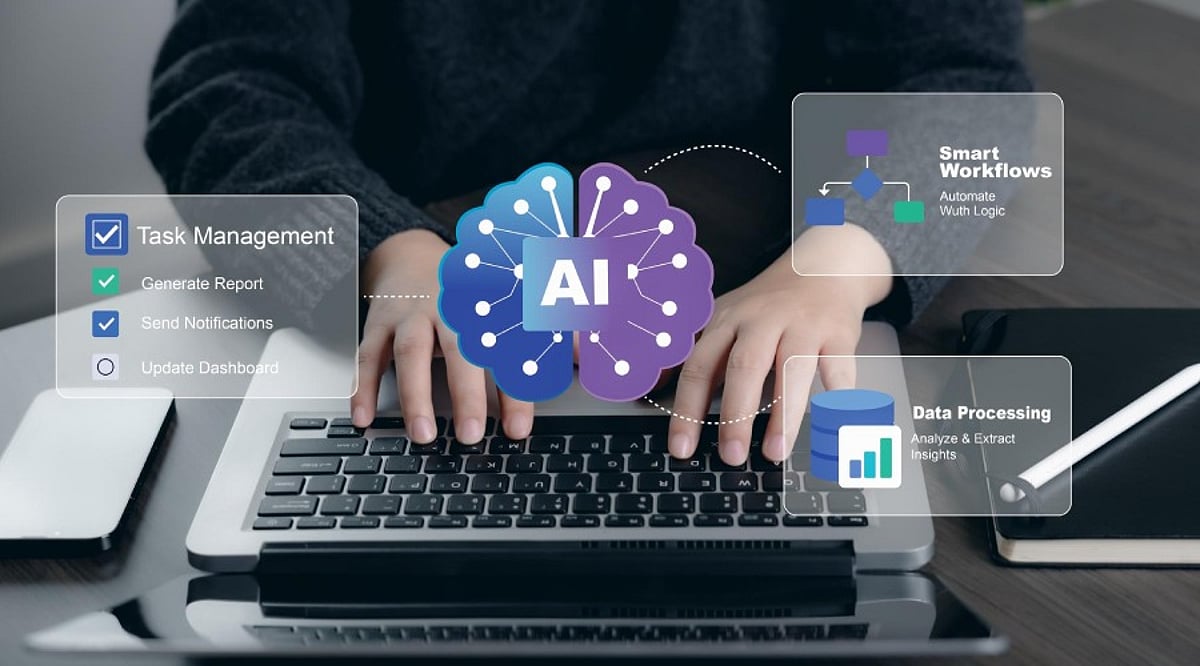
    AI observability helps organizations monitor AI systems, track performance, detect failures, evaluate responses, and control costs. Here is how it works, its major types, key metrics, and the rise of AI-driven observability.

    What Is AI Observability?

    Artificial intelligence (AI) observability is becoming increasingly important as organizations deploy large language models (LLMs), generative AI applications, and AI agents in production. It refers to the ability to understand how AI models and AI-powered systems behave by monitoring AI-specific telemetry data, including token usage, response quality, and model drift.

    Traditional software observability relies on three main pillars: logs, metrics, and traces. AI systems add another layer of complexity because their outputs are probabilistic. As a result, monitoring whether an AI application is running is no longer enough; teams also need to understand the quality and behavior of the responses it generates.

    How Does AI Observability Work?

    AI observability works by collecting AI-specific metrics from across the technology stack in real time and organizing the information for analysis.

    The process starts with instrumentation. AI applications can capture information about user prompts, model calls, responses, token usage, latency, retrieval operations, tool calls, errors, and retries. That information is then collected as telemetry, including logs, metrics, traces and events. OpenTelemetry’s emerging Generative AI semantic conventions standardize how GenAI operations are recorded, including the model being called, input and output token counts, and, when enabled, prompt, completion, tool-call, and tool-result content.

    Tracing is particularly important for AI agents. A single request may involve multiple model calls, tool invocations, and token exchanges. OpenTelemetry notes that when an AI agent takes 45 seconds to answer a simple question, observability can help determine whether the delay came from the model, a slow tool call, or a retry loop.

    AI observability also evaluates response quality. Teams can examine accuracy, relevance, groundedness, hallucinations, safety, and instruction following alongside conventional performance indicators.

    Types of AI Observability

    LLM Observability

    LLM observability focuses on applications built around large language models. It tracks prompts, responses, model usage, token consumption, latency, errors, and response quality.

    Machine Learning Observability

    Machine learning observability focuses more closely on model performance and the data models use. It can monitor data drift, model drift, feature distributions, prediction distributions, accuracy, and other indicators of model performance.

    RAG Observability

    Retrieval-augmented generation (RAG) applications introduce another layer that needs monitoring. Observability can follow the path from a user’s question to retrieval, retrieved documents, context, the LLM, and the final answer. This helps teams determine whether an incorrect response came from the model itself or from poor or incomplete information the system retrieved.

    AI Agent Observability

    AI agents can dynamically direct their own processes and tool usage, making them more difficult to monitor than conventional applications. Observability can track agent decisions, tool calls, workflow steps, memory operations, model calls, retries, and execution time. OpenTelemetry is developing semantic conventions for AI agents, models, and vector databases to create a more consistent approach to collecting and reporting this telemetry.

    AI Infrastructure Observability

    AI applications also depend on conventional infrastructure. GPU and CPU usage, memory, network performance, databases, APIs and model servers can all be monitored as part of the wider observability picture.

    Key AI Observability Metrics

    Important metrics include latency, time to first token, throughput, input and output token usage, cost per request, model errors, failed tool calls, and response quality. For RAG systems, teams can also monitor retrieval relevance and context quality. For AI agents, tool-call success, execution steps, and agent loops can provide insight into how the system is behaving.

    OpenTelemetry’s GenAI metrics include LLM call latency and token consumption, allowing teams to compare models, estimate per-request costs, detect latency regressions, and monitor usage patterns across models and agents.

    AI Observability vs Traditional Observability

    This is the main distinction between the two methodologies. Traditional observability centers on logs, metrics, traces, application performance, and infrastructure performance. AI observability includes all of this plus AI-specific details like prompts, responses, token consumption, model drift, and response quality.

    Traditional observability can answer, ‘Where did the application go wrong?’, whereas AI observability digs deeper into, ‘Why did the AI provide this result?’ This matters because an AI application can provide a technically correct response that is still erroneous, inappropriate, or harmful.

    What Is AI-Driven Observability?

    AI-driven observability takes the concept further by using AI to analyze observability data. Instead of requiring engineers to manually examine large volumes of logs, traces, and metrics, AI-driven systems can identify unusual patterns, correlate events across services, summarize incidents, identify possible root causes, and recommend areas for investigation.

    For example, an AI-driven observability system could detect increased chatbot latency, examine distributed traces, and identify whether the problem is linked to a model call, retrieval service, tool invocation, or another dependency. However, you still need to assess AI-generated explanations against the underlying telemetry. A polished explanation does not necessarily mean the diagnosis is correct.

    Why AI Observability Matters

    AI systems can fail in ways that conventional monitoring may not immediately reveal. A model can remain available while its responses become less accurate, a RAG system can retrieve poor information, or an AI agent can become trapped in repeated tool calls. Observability provides telemetry data that helps solve these challenges and optimize AI system performance over time.

    OpenTelemetry defines observability as ‘a continuous feedback cycle to evaluate and improve AI agents,’ especially due to their non-deterministic behavior. As we go from standalone LLMs to more complex RAGs and autonomous agents, end-to-end observability becomes crucial for the successful operation of these systems.

    Frequently Asked Questions

    What is AI Observability?

    AI observability monitors AI systems, tracking performance, responses, costs, errors, model behavior, token usage, and overall system reliability.

    How does AI Observability Work?

    It collects logs, metrics, traces, and AI-specific telemetry to analyze performance, response quality, failures, costs, and system behavior.

    What are Main Types of AI Observability?

    Major types include LLM, machine learning, RAG, AI agent, and infrastructure observability, each monitoring different aspects of AI systems.

    Why is AI Observability Important?

    It helps organizations detect hallucinations, model degradation, retrieval problems, agent loops, latency increases, errors, and unexpected AI behavior.

    What is AI-Driven Observability?

    AI-driven observability uses artificial intelligence to analyze telemetry, detect anomalies, identify potential causes, and provide insights into system performance.


  • Top 7 Meme Coins to Watch: Apeing Presale Gains Momentum with $70K Raised and 2400% ROI Potential

    Top 7 Meme Coins to Watch: Apeing Presale Gains Momentum with $70K Raised and 2400% ROI Potential

    Meme coins continue to be a hot topic in the crypto market, with established names like Dogecoin, Shiba Inu, and Pepe drawing attention while newer projects compete for market share. As trading activity heats up, investors are scanning for the next potential opportunity. One emerging project, Apeing, is currently in a live presale stage that has already raised over $70,000 and is attracting interest for its structured price progression.

    1. Apeing Presale: Early Entry at $0.0004 Before Price Increase

    Apeing (ticker: $APEING) is running its presale in stages. Currently in Stage 3, tokens are priced at $0.0004, with a limited allocation of 300 million tokens. The next stage will increase the price to $0.0005, and the project has stated a listing price of $0.01. This creates a significant gap between the presale entry and the planned listing level, appealing to those seeking early-stage opportunities. Apeing is built as an Ethereum ERC-20 token with a fixed supply of 16.75 billion $APEING, 40% allocated to the presale. It also offers tiered staking rewards ranging from 10% to 85% APY across four levels.

    To join the Apeing presale, visit the official website, connect a compatible wallet, select the current stage, enter your purchase amount, and confirm the transaction. The current allocation and pricing are available through official channels.

    2. Shiba Inu (SHIB): Established Ecosystem with Strong Community

    Shiba Inu has evolved from a Dogecoin parody into a broad ecosystem featuring Shibarium, decentralized applications, and community initiatives. Its large community and market cap keep it a staple among meme coin portfolios.

    3. Floki (FLOKI): Utility Beyond Meme Culture

    Floki has positioned itself with a broader ecosystem including DeFi, gaming, and token utilities. Its focus on practical applications alongside meme-driven branding helps maintain visibility in the crypto market.

    4. Dogecoin (DOGE): The Original Meme Coin Leader

    Dogecoin remains the benchmark for the entire meme coin category. Its brand recognition, liquidity, and community support continue to influence the broader narrative.

    5. Pepe (PEPE): Viral Internet Meme Coin

    Pepe quickly rose to prominence through its internet-native community and viral branding. Its fast growth demonstrated the power of meme culture in crypto, and it remains a major player.

    6. Official Trump (TRUMP): Politics Meets Meme Coins

    Operating on Solana, the Official Trump token merges political identity with meme culture. Its market profile is tied to the Trump brand and the intersection of politics, internet culture, and crypto.

    7. Brett (BRETT): Base-Native Meme Coin

    Brett has built a dedicated following within the Base ecosystem, benefiting from its association with Ethereum’s Layer 2 network. Its community-driven branding keeps it relevant among emerging meme coins.

    Conclusion

    From established ecosystems like Shiba Inu and Dogecoin to newer presale opportunities like Apeing, the meme coin market offers diverse options. Apeing’s live presale at $0.0004 with a limited allocation and a stated $0.01 listing price provides an early-stage angle that could appeal to those seeking high-growth potential. Always conduct your own research before investing.

  • Coinbase or CoinDCX? A Detailed Comparison of Fees, Features, and Trading Options for Indian Investors

    Coinbase or CoinDCX? A Detailed Comparison of Fees, Features, and Trading Options for Indian Investors

    Coinbase and CoinDCX are two leading cryptocurrency exchanges serving Indian investors. While both platforms support INR trading, they target slightly different user bases. This comparison explores their fees, features, crypto offerings, and tax implications to help you decide which exchange fits your needs.

    Coinbase Offers Direct INR Access in India

    Coinbase restored full Indian retail access on May 31, 2026, enabling direct INR deposits and withdrawals. Indian users can now access spot trading, Coinbase Advanced, perpetual futures, staking, DEX access, and the Coinbase Wallet. The platform is registered with the Financial Intelligence Unit–India.

    Funding options include IMPS, UPI, and NEFT/RTGS from verified linked bank accounts, though transaction and daily limits vary by method.

    Coinbase Fee Structure

    Coinbase Simple Trade charges fees that vary by order size, payment method, and market conditions, including a potential spread. Coinbase Advanced connects users directly to an order book without an embedded spread, with maker and taker fees based on 30-day trading volume. For detailed fee schedules, users should review the platform’s official fee page.

    CoinDCX Uses Transparent Volume Tiers

    CoinDCX offers INR spot trading, crypto-to-crypto markets, futures, options, SIPs, and Web3 access. The platform supports over 500 crypto assets and more than 300 futures pairs.

    • INR spot fees: 0.50% for volume below ₹2 lakh (30-day); 0.42% between ₹2 lakh and ₹5 lakh.
    • Crypto-to-crypto spot: 0.17%.
    • USDT-margined futures: 0.02% maker / 0.05% taker.
    • 18% GST applies to fees.

    CoinDCX also offers INR-margined futures with up to 100x leverage and zero brokerage on crypto options (BTC, ETH, SOL) up to specified notional limits.

    Tax Implications for Indian Investors

    Both exchanges apply Indian tax regulations. Coinbase deducts 1% TDS on qualifying crypto sales and conversions, plus 18% GST on service fees. CoinDCX similarly deducts 1% TDS on INR sell orders and qualifying crypto-to-crypto trades, with a clear breakdown of fees, GST, and TDS in order details.

    Which Platform Best Fits Your Needs?

    CoinDCX may appeal to users who prioritize INR-focused trading, SIPs, options, and clearly published fee tiers. Coinbase offers deeper integration with self-custody (Coinbase Wallet), DEX access, and a broader international ecosystem.

    Final Thoughts

    Neither exchange is universally cheaper. Indian investors should always check the final order preview including spread, trading fees, GST, TDS, and withdrawal costs. The better choice depends on trading frequency, desired products, custody preferences, and whether local INR tools or global platform integration matter more.

    Frequently Asked Questions

    1. Is Coinbase available in India?
    Yes. Coinbase supports eligible Indian users with INR deposits and withdrawals, spot trading, advanced trading, staking, DEX access, and other crypto services.

    2. What fees does CoinDCX charge?
    CoinDCX uses volume-based pricing; INR spot fees start at 0.50% for lower-volume users. Crypto-to-crypto and futures trades have separate maker/taker structures.

    3. Which is cheaper, Coinbase or CoinDCX?
    Neither platform is always cheaper. Coinbase fees vary by product and conditions; CoinDCX fees depend on trading volume and market.

    4. Do Coinbase and CoinDCX deduct TDS in India?
    Yes, both deduct 1% TDS on qualifying transactions, and GST may apply on service fees.

    5. Which exchange is better for Indian crypto investors?
    CoinDCX may suit those wanting INR-focused tools and transparent tiers; Coinbase appeals to those seeking global products, self-custody, and DEX integration.

    Note: This article is for informational purposes only and does not constitute financial advice. Always conduct your own research before investing.