Author: vitorcherulli

  • India’s NIIF Taps Ex-PAG Executive Gauravjit Singh to Lead Global Fundraising

    India’s NIIF Taps Ex-PAG Executive Gauravjit Singh to Lead Global Fundraising

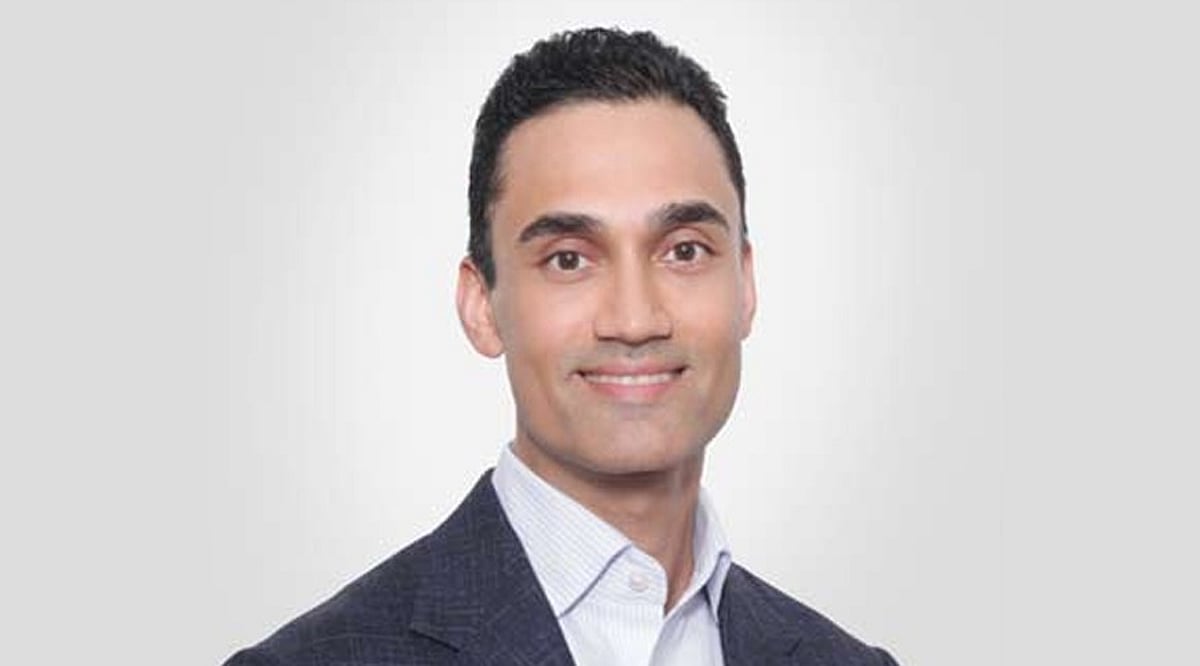
    India’s National Investment and Infrastructure Fund Limited (NIIF) has appointed Gauravjit Singh, a former executive at private markets firm PAG, as Managing Partner and Global Head of Capital Formation. The move underscores NIIF’s push to expand its investor base for infrastructure, private markets, and climate-related investments.

    Gauravjit Singh to Drive NIIF’s Capital Strategy

    Singh brings nearly two decades of experience in institutional fundraising across global, India-focused, and pan-Asian investment strategies. He most recently served as Head of Investor Relations and Fundraising for PAG’s private equity business in Singapore, where he also sat on PAG’s Investment and Exit Committees. Prior to PAG, Singh held roles at True North and KKR. At True North, he led investor relations and supported the firm’s expansion into private credit and new institutional markets across the United States, Europe, the Middle East, North Africa, and Japan.

    Strengthening Investor Ties and Mobilizing Capital

    NIIF said Singh will focus on deepening existing investor relationships while identifying new sources of capital. The appointment follows a period of increased fundraising activity: the sovereign-anchored asset manager has raised approximately $3 billion in new equity commitments over the past 24 months across its strategies covering infrastructure, private markets, growth equity, and climate-related investments.

    Sanjiv Aggarwal, Managing Director and CEO of NIIF, emphasized the importance of expanding the investor network. “Deepening our relationships with existing investors, bringing new investors into the NIIF ecosystem and broadening our sources of capital will be important priorities,” Aggarwal said.

    Recent Fund Closings Highlight Momentum

    NIIF has closed several large funds in 2026. Its Private Markets Fund II secured commitments of up to $750 million at its first close earlier this year, targeting a total of $1 billion. In August, NIIF announced a ₹19,000 crore (about $2 billion) first close for Infrastructure Fund II, exceeding 60% of its ₹30,000 crore (roughly $3.2 billion) target. The fund received backing from the Government of India, sovereign wealth funds, pension funds, insurance companies, and Indian financial institutions.

    Singh commented on India’s appeal to global investors: “India has become an important market for global institutional investors seeking long-term investment opportunities. NIIF’s role is to create meaningful and investable pathways to accelerate the flow of capital into India’s growth.” He added that he plans to build on relationships with existing investors while bringing new institutional partners to the platform.

  • Cardano Price Tests $0.245 Resistance After 15% Weekly Rally as Funding Turns Positive

    Cardano Price Tests $0.245 Resistance After 15% Weekly Rally as Funding Turns Positive

    Cardano (ADA) traded near $0.222 on Monday after posting a 15% gain last week, with technical momentum improving and funding rates turning positive. Buyers now face resistance between $0.231 and $0.245, a zone that could determine the next leg of the recovery.

    ADA Momentum Improves as Funding Turns Positive

    ADA traded above its 50-day and 100-day exponential moving averages, supporting a stronger short-term technical structure. A move through the $0.231-$0.245 resistance zone would extend the current recovery.

    CoinGlass data shows Cardano’s long-to-short ratio at 0.94, indicating that short positions slightly outnumber longs. However, the narrow gap points to cautious positioning rather than heavy bearish conviction.

    Funding data sends a different signal. Cardano’s open interest-weighted funding rate turned positive on Saturday and reached 0.0097% on Monday, showing stronger demand for bullish leveraged exposure.

    Wyckoff Setup Keeps December Upside in Focus

    CryptoQuant’s summary data shows large whale orders in Cardano futures, while most other tracked measures remain neutral. This mix points to increased large-trader activity without a broad bullish shift.

    Trader LuckSide Crypto said Bitcoin and ADA follow a Wyckoff accumulation pattern and currently sit in Phase D. He linked Bitcoin’s setup to a possible range breakout around September 25.

    LuckSide also cited two Bitcoin metrics: long-term holders control 75% of supply, while only 17% moved during the last three months. Bitcoin dominance has also fallen below 60%.

    According to LuckSide, the same framework could support an ADA gain of roughly 50% by December if the pattern holds. He also noted that the September 25 timing does not guarantee a breakout.

    CLARITY Vote and Cardano Activity Add Market Risks

    The Senate plans a September 15 cloture vote on the CLARITY Act, according to LuckSide Crypto. The vote would open debate rather than approve the legislation.

    The measure needs 60 votes to advance. Republicans hold 53 Senate seats, while only two Democrats have publicly backed the bill so far. Anonymous traders reportedly wagered more than $1 million on failure.

    LuckSide said a failed vote would not end US crypto policy efforts because the SEC and CFTC continue separate work. Still, a delay would remove one September catalyst for the broader market.

    Cardano network data also shows a mixed picture. Chainspect recorded about 26,500 transactions on September 4 before activity fell to 19,054 on September 6.

    Over the same period, on-chain revenue rose 1.99% to $1,261. Average transaction fees fell 2.42% to $0.06619, contrasting with a separate report that claimed ADA’s DEX volume had tripled.

    Traders will also track Cardano network activity, Bitcoin’s market structure, and the September 15 CLARITY Act cloture vote.

  • Former RBI Governor Raghuram Rajan to Speak at Ripple Swell 2026 in New York

    Former RBI Governor Raghuram Rajan to Speak at Ripple Swell 2026 in New York

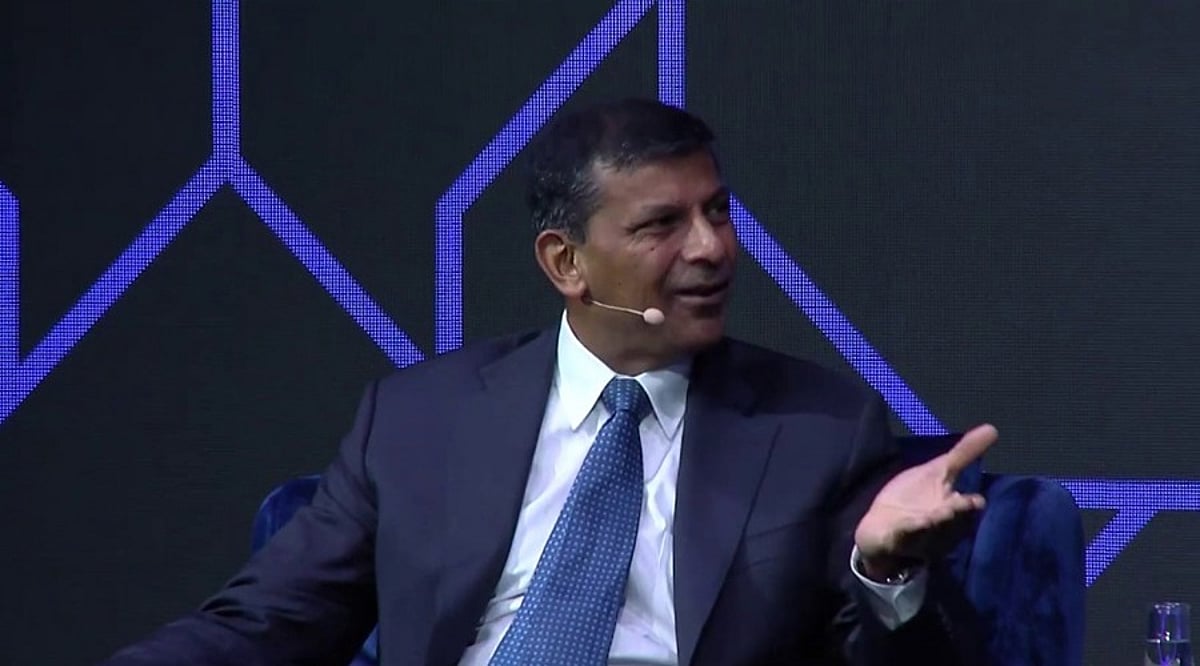
    Ripple’s annual conference, Swell 2026, is set to feature a notable addition to its speaker lineup: Raghuram Rajan, the former Governor of the Reserve Bank of India (RBI). Rajan will participate in the invitation-only Institutional Summit scheduled for October 27 in New York City, as announced by Ripple in a press release on September 4.

    The Institutional Summit is designed for leaders from banks, investment firms, payment providers, and other financial institutions. This year, Ripple is also integrating its developer-focused XRPL Apex conference with Swell, creating a combined program that bridges institutional finance and blockchain development. The events will take place at The Shed in Manhattan’s Hudson Yards, running through October 29.

    While Ripple has confirmed Rajan’s participation, the company has not yet disclosed the specific topic, session time, or format of his appearance. The conference website lists him as a speaker, but it remains unclear whether he will deliver a keynote or join a panel discussion.

    Rajan’s background is distinguished: he served as RBI Governor from September 2013 to September 2016, and prior to that, he was the Chief Economist at the International Monetary Fund (IMF). Currently, he holds the Katherine Dusak Miller Distinguished Service Professorship in Finance at the University of Chicago’s Booth School of Business and co-chairs the Federal Reserve’s task force on balance sheet policy.

    This is not Rajan’s first association with Ripple. In 2024, he became a member of Ripple’s advisory board for its RLUSD ecosystem, which provides strategic and regulatory guidance. He has also spoken about the future of stablecoins, which could soon be integrated into private payment systems.

    The full schedule for Swell 2026 is yet to be released, with Ripple expected to announce more details about Rajan’s session and other speakers. For now, his presence underscores the conference’s focus on bringing together central banking expertise and digital asset innovation.

  • Truecaller Introduces One-Tap Post-Call Actions for Verified Business Calls

    Truecaller Introduces One-Tap Post-Call Actions for Verified Business Calls

    Truecaller has launched post-call actions for verified business calls, starting with delivery services. The new feature allows customers to reschedule delivery slots, confirm availability, share precise locations, or authorize safe drops directly after a verified call ends—eliminating the need for external links or additional steps.

    Announced on September 7, 2026, the Stockholm-based company’s expansion of its enterprise suite targets last-mile delivery first. After a verified business call concludes, a branded action card appears within the Truecaller app, placing relevant tasks front and center. This approach keeps the next service step inside the same trusted communication screen.

    The feature is designed to help customers act even when they miss a call, reducing missed delivery slots or repeated instructions. The rollout begins with delivery services, but Truecaller plans to extend post-call actions to banking, financial services, and insurance. In those sectors, verified workflows could reduce fraud risks by providing a trusted layer before customers handle payments, KYC steps, or transactions.

    For businesses, the model shifts focus from pickup rates to completed customer actions. It reduces reliance on SMS links, app downloads, and abandoned IVR queues. Priyam Bose, Global Head of GTM at Truecaller for Business, emphasized the change: “Post-call actions resolve this. The delivery gets rescheduled, the bill gets paid, the KYC gets done.”

    Truecaller’s enterprise suite now moves beyond caller identification toward connected business communication and immediate service completion. The rollout gives verified business calls a more practical role after conversations end.

  • Blood of Dawnwalker Surpasses 1 Million Sales in First 48 Hours

    Blood of Dawnwalker Surpasses 1 Million Sales in First 48 Hours

    Rebel Wolves’ debut title, The Blood of Dawnwalker, has achieved an impressive sales milestone by selling over 1 million copies worldwide within just two days of its launch on September 3, 2026. The dark fantasy RPG, which launched on PC, PS5, and Xbox Series S/X, started slowly but quickly gained momentum to join the ranks of top-performing games.

    The game is set in a fictional valley in the Carpathian Mountains, offering players a unique roleplaying experience in 14th-century Europe. Players alternate between human and vampire forms, with vampire powers only available at night. Time management plays a crucial role in the gameplay.

    On Steam, the game peaked at 78,188 concurrent players, indicating strong interest from the PC gaming community. The sales success is particularly notable as Dawnwalker is a new intellectual property, unconnected to any established franchise. This achievement positions Rebel Wolves, founded by former CD Projekt Red developers including The Witcher 3 director Konrad Tomaszkiewicz, to potentially expand the game into a series.

    While no sequel has been officially announced, the strong sales provide a solid foundation for the studio to continue building on the Dawnwalker universe.

  • Anthropic Withdraws from $6B Decart AI Acquisition: Key Details and Implications

    Anthropic Withdraws from $6B Decart AI Acquisition: Key Details and Implications

    Anthropic has reportedly abandoned its plans to acquire Israeli AI startup Decart AI for approximately $6 billion, according to a Bloomberg report published on September 8. The decision comes after the company completed due diligence and withdrew without finalizing the transaction, marking a significant shift in its acquisition strategy.

    Background of the Proposed Deal

    The proposed acquisition would have been Anthropic’s largest known deal by a wide margin. Decart, which develops chip optimization software to reduce computing costs during AI training and inference, was seen as a strategic fit for Anthropic’s infrastructure needs. The technology could have helped Anthropic manage rising AI demand without expanding computing resources at the same pace.

    Reasons Behind the Withdrawal

    While neither company has commented publicly, sources familiar with the talks indicate that undisclosed findings during due diligence influenced Anthropic’s decision to walk away. The move preserves Anthropic’s financial flexibility as it prepares for a potential IPO later this year, while keeping its focus on infrastructure expansion.

    Decart’s Position and Future

    Decart recently raised $300 million in May at a valuation of nearly $4 billion, with Radical Ventures leading the round and participation from Nvidia, Adobe Ventures, Atreides Management, and Valor Equity Partners. The company also develops world models and AI tools for applications such as autonomous driving and e-commerce. Following Anthropic’s withdrawal, Decart may now seek alternative buyers, investors, or strategic partnerships.

    Broader Industry Implications

    This development highlights growing scrutiny around expensive AI acquisitions as companies balance computing costs, growth, and investor expectations. For Anthropic, the decision allows it to concentrate on its core business and prepare for its anticipated public listing. The company continues to invest heavily in computing capacity while developing its product line.

    As the AI landscape evolves, this deal’s collapse serves as a reminder that even well-positioned acquisitions can fall through, and that due diligence remains a critical component of strategic decision-making.

  • iPhone 18 Pro Color Options Leaked: Dark Cherry and Sky Blue Revealed

    iPhone 18 Pro Color Options Leaked: Dark Cherry and Sky Blue Revealed

    Apple may be refreshing the color palette for its next-generation Pro iPhones. A recent leak showcasing dummy units of the iPhone 18 Pro and Pro Max suggests the company will introduce Dark Cherry and light blue finishes to the lineup. The Pro Max unit appears in a deep red shade, while the Pro model shows a softer blue hue. Leaked images of purported SIM trays also point to Silver, Dark Cherry, and Sky Blue options.

    The Cupertino-based tech giant hasn’t officially commented on the rumors, but the leaked images have sparked excitement among enthusiasts. The new colors could give the Pro models a distinctly different look compared to previous generations. The iPhone 17 Pro and Pro Max were offered in Cosmic Orange, Deep Blue, and Silver. The reported Dark Cherry shade may provide a darker, more premium aesthetic for the Pro Max, while the light blue option appears much softer than the previous Deep Blue. Silver may not return this time, with some reports suggesting Black as an alternative.

    Beyond the color changes, the iPhone 18 Pro and Pro Max are expected to receive significant hardware upgrades. Consistent reports indicate both models will feature the A20 Pro chip and 12GB of RAM. They are likely to run iOS 27 and include three 48-megapixel rear cameras alongside an 18-megapixel front camera. Screen sizes may differ: the Pro model could sport a 6.90-inch display, while the Pro Max might feature a 6.30-inch screen.

    All details remain unconfirmed leaks until Apple’s official announcement. The company’s September 9 event is approaching, where it is expected to reveal full hardware specifications before the global launch.

  • Panchayat Season 5: Expected Release Window, Returning Cast, and Storyline Updates

    Panchayat Season 5: Expected Release Window, Returning Cast, and Storyline Updates

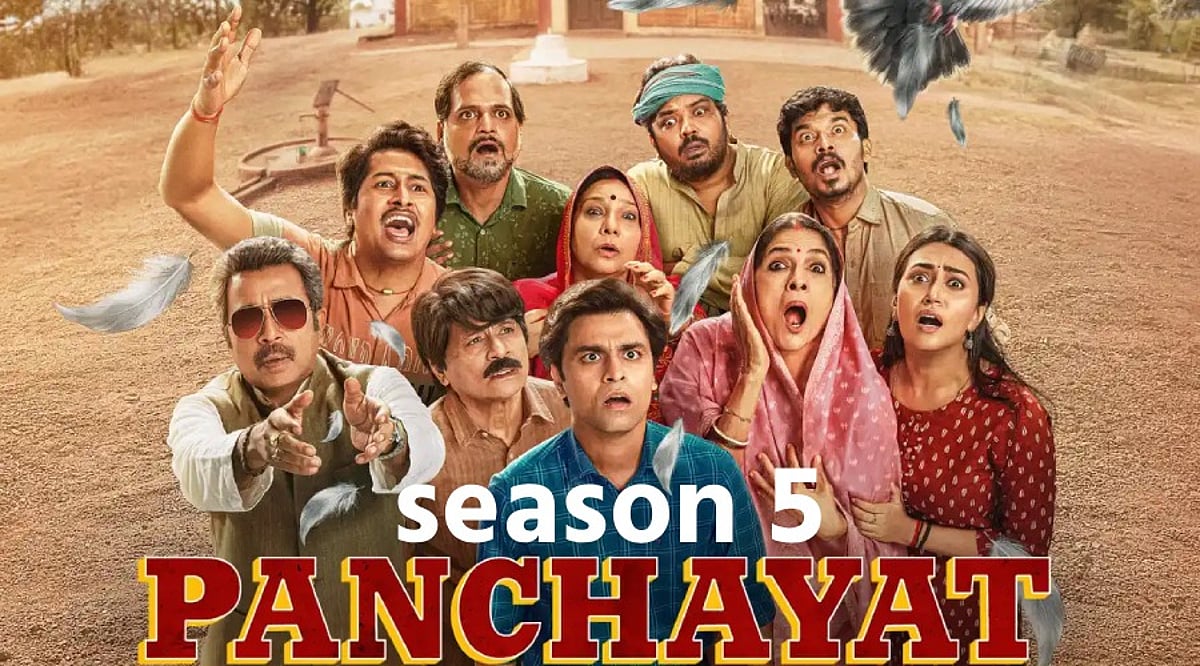
    Following four successful seasons, the beloved Indian web series Panchayat is gearing up for a fifth installment. Known for its heartfelt storytelling and authentic portrayal of rural life, the show has won over audiences by finding humor in everyday village dynamics rather than relying on crime or shock value. Fans won’t have to wait much longer—here’s everything we know so far about Season 5.

    Release Timeline

    Director Deepak Kumar Mishra confirmed in an interview with India Today that editing for the new season is currently underway. While an exact date hasn’t been set, Mishra indicated that the season could premiere around October or November. This means the earliest possible arrival is October, though fans should stay tuned for an official announcement.

    Recap of Season 4

    Season 4 brought major political changes to the village of Phulera. The village election took center stage, with Manju Devi and Kranti Devi competing for the post of Pradhan. Kranti Devi ultimately won, replacing Manju Devi as the new Pradhan. Meanwhile, Abhishek Tripathi (played by Jitendra Kumar) continued working as the village secretary while preparing for the CAT exam—and finally succeeded in clearing it.

    What to Expect in Season 5

    The upcoming season will likely explore the consequences of Abhishek’s CAT success. He now faces a tough choice: leave the village for a brighter future or stay in Phulera, where he has built deep connections. The romantic storyline between Abhishek and Rinki is also expected to develop further. Additionally, the new Pradhan, Kranti Devi, may introduce fresh political dynamics and struggles in the village.

    Most of the core cast is expected to return, including Jitendra Kumar, Neena Gupta, Raghubir Yadav, Sanvikaa, Faisal Malik, and Chandan Roy. The series will stream exclusively on Amazon Prime Video.

    Stay tuned for more updates as the release date draws closer.

  • Indian Rupee Slides 10 Paise to 94.66 Against US Dollar as Crude Oil Prices Surge

    Indian Rupee Slides 10 Paise to 94.66 Against US Dollar as Crude Oil Prices Surge

    The Indian rupee came under pressure in early trade on September 8, falling 10 paise to Rs 94.66 against the US dollar as rising crude oil prices and escalating tensions in the Middle East weighed on investor sentiment. The currency opened at Rs 94.49 at the interbank foreign exchange market before weakening to Rs 94.66.

    This decline follows a 13-paise fall on September 7, when the rupee closed at Rs 94.56 against the dollar.

    Crude Prices Add Pressure

    The latest drop in the rupee came as Brent crude prices climbed towards USD 98 per barrel. Brent futures rose 0.63% to around USD 97.61, driven by concerns over possible disruptions to oil supplies amid escalating US-Iran tensions. Typically, rising oil prices negatively affect the rupee due to India’s heavy reliance on imported oil, as any increase in the country’s import bill leads to higher dollar requirements.

    These developments have raised concerns regarding the transport of energy through the Strait of Hormuz, a critical route for oil shipments. According to Reuters, Brent crude was at about USD 97.49 per barrel on Tuesday.

    Markets Await Key Economic Cues

    Market participants are now watching upcoming inflation data from India and the US for clues about the direction of interest rates and currency markets. The US Federal Reserve’s September 16 policy meeting will also remain a key focus.

    The dollar index stood around 98.80, while analysts expect the rupee to remain range-bound if crude prices stay elevated but RBI support continues.

  • Delhi High Court Mandates Maternity Protection Beyond Salary, Awards ₹10 Lakh for Post-Leave Demotion

    Delhi High Court Mandates Maternity Protection Beyond Salary, Awards ₹10 Lakh for Post-Leave Demotion

    The Delhi High Court has delivered a landmark ruling affirming that maternity protection must preserve not only a woman’s salary and designation but also her duties, authority, and career advancement opportunities. In a judgment pronounced on August 31, 2026, Justice Sachin Datta ordered an employer to pay Chartered Accountant Rakhi Bisht ₹10 lakh in compensation after she was effectively demoted upon returning from maternity leave.

    Background of the Case

    Rakhi Bisht, a Chartered Accountant with approximately 14 years of professional experience, joined the organization in 2022 as Manager, Accounting, earning a monthly salary of ₹2.60 lakh. She informed management of her pregnancy in May 2023 and later transferred to another team. She proceeded on maternity leave in December 2023 and returned to work in July 2024. Upon her return, she discovered that her previous position no longer existed and was reassigned to the Treasury Department.

    Bisht alleged that the new role was substantially inferior to her earlier managerial accounting responsibilities. She claimed she was assigned no reports and was excluded from managerial meetings. The employer denied these allegations, asserting that her designation, level, salary, and seniority remained unchanged following an organizational restructuring.

    Court’s Ruling: Pay and Title Are Not Enough

    The High Court ruled that maternity protection cannot be limited to retaining a woman’s salary and job title. It held that ‘conditions of service‘ encompass the nature of duties, functional position, reporting structure, supervisory responsibilities, and consideration for appraisal and promotion. The Court observed that retaining the same designation and remuneration is ‘necessary but not by itself sufficient‘ if other aspects of employment change to an employee’s disadvantage.

    As a general principle, the Court stated, a woman returning from maternity leave should resume her previous position. If that role is genuinely unavailable due to demonstrable organizational reasons, the employer must offer a substantially equivalent alternative.

    Compensation and Directions

    The Court ordered the respondent to pay Bisht ₹10 lakh in compensation and ₹1.5 lakh toward costs. The compensation reflected her professional standing, experience, and salary—approximately four months’ wages. The payment must be made within eight weeks; any delay will attract interest at 9% per annum from the date of judgment.

    Additionally, the Court addressed the workplace creche issue, holding that a facility that remains non-functional when needed does not satisfy Section 11-A of the Maternity Benefit Act, 1961. It directed the Union of India to frame rules or schemes within six months under the Code on Social Security, 2020, covering workplace accommodation, protection of women’s roles after maternity leave, creche facilities, grievance timelines, and safeguards against retaliation.

    This judgment reinforces the broader interpretation of maternity protection in India and serves as a significant precedent for workplace equality.