Author: vitorcherulli

  • When Google Sought Steve Jobs’ Blessing to Hire an Apple Executive for a Paris Team

    When Google Sought Steve Jobs’ Blessing to Hire an Apple Executive for a Paris Team

    In a rare glimpse into the early rivalry between Apple and Google, recently surfaced emails reveal that Google once asked Steve Jobs for permission to hire a former Apple executive to lead a new engineering team in Paris. The exchange, part of the High-Tech Employee Antitrust Litigation court records, shows how the plan ultimately unraveled.

    On March 28, 2006, Alan Eustace, Google’s senior vice president of engineering, emailed Steve Jobs to request approval to hire Jean-Marie Hullot, who had left Apple in 2005 after serving as CTO of its applications division. Eustace assured Jobs that Hullot respected Apple and would abide by its non-compete terms, and that Google would drop the plan if Jobs had serious concerns.

    Jobs replied 11 days later, first asking what Hullot would work on, and stating, “We would have a problem if it is related to cell phone handsets.” After Google clarified Hullot’s role, Jobs agreed. However, trouble arose when Hullot wanted to bring four former Apple engineers with him. Jobs objected and advised Google not to hire them. Google complied, and eventually abandoned the Paris center plans. Hullot never joined Google; he later founded the photo startup Fotonauts, which became Fotopedia.

    The emails emerged from the High-Tech Employee Antitrust Litigation case, which alleged that Apple, Google, Intel, and Adobe conspired not to poach each other’s workers. The lawsuit involved about 64,000 engineers. Judge Lucy Koh rejected an initial $324.5 million settlement as too low, approving a $415 million settlement in September 2015, equating to roughly $5,770 per worker.

    This episode underscores how closely Steve Jobs guarded Apple’s talent and offers a window into the fierce competition between the two tech giants nearly two decades ago.

  • Passport Seva Locator: How to Find the Right PSK and Avoid Travel Hassles

    Passport Seva Locator: How to Find the Right PSK and Avoid Travel Hassles

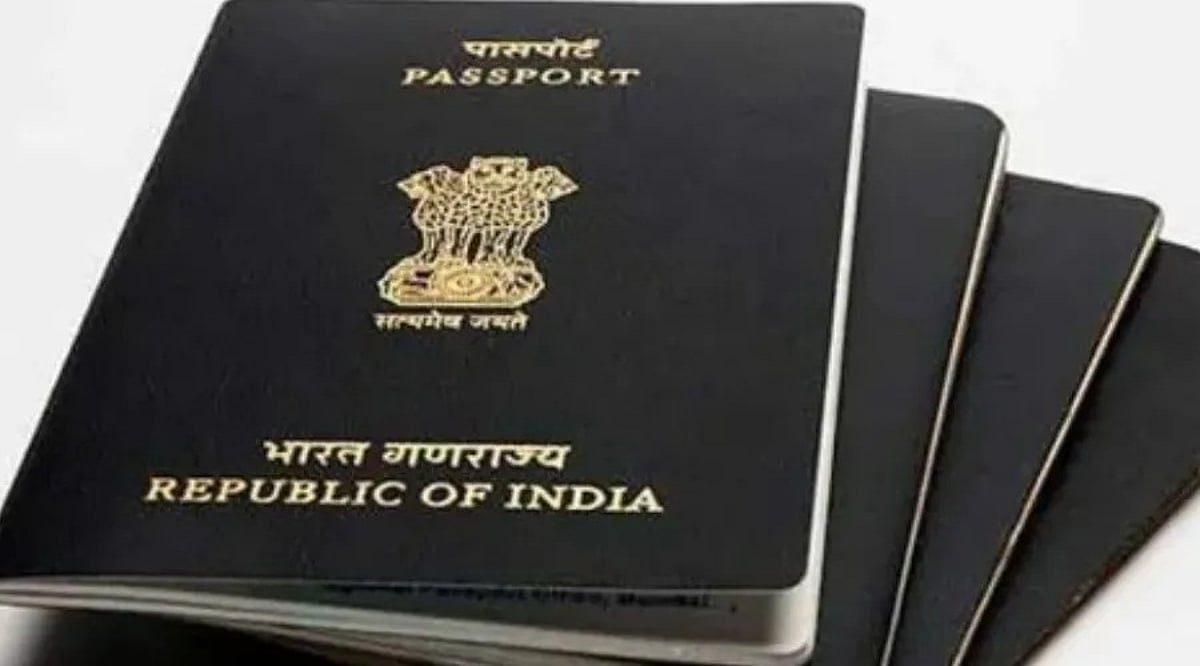
    Applicants seeking new passports, renewals, or related services can use the Passport Seva Locator to find suitable centers. The official tool helps applicants across India identify nearby Passport Seva Kendras (PSK) and avoid confusion over appointment locations.

    Passport Seva provides a locator through its official portal, helping applicants check centers before planning their visit. The tool lets applicants search using location details and identify relevant PSK or POPSK options. This feature becomes especially useful when applicants face limited appointment slots or unfamiliar service locations. Checking the center beforehand can reduce unnecessary travel and prevent visits to unsuitable offices.

    To use the locator, applicants can open the official Passport Seva website and select the locator feature. The search process allows location details to identify available Passport Seva centers nearby. The portal displays relevant center information for easier planning before an appointment.

    Passport Seva Kendra centers handle passport-related services under the Regional Passport Office network. Post Office Passport Seva Kendras (POPSK) also provide passport services from selected India Post locations. Applicants should distinguish between finding a nearby center and confirming the assigned appointment center.

    An appointment remains important for most passport services before visiting a PSK. Official guidance asks applicants to complete registration, submit the application, and schedule an appointment online. The appointment confirmation specifies the Passport Seva Kendra selected for the visit. Applicants should carry required documents and the application reference details during their visit.

    Using the official portal also helps applicants avoid unreliable agents and incorrect location information. The Passport Seva locator therefore offers a simple way to reduce travel mistakes and appointment confusion.

  • Apple’s September 9 Event: How to Watch and What to Expect

    Apple’s September 9 Event: How to Watch and What to Expect

    Apple is gearing up for its next major hardware event, scheduled for September 9. The tech giant is expected to showcase its latest premium iPhones, and there’s growing anticipation around the possible debut of its first foldable iPhone. This event also marks the first major product launch under new CEO John Ternus.

    Event Details and How to Watch

    The event, themed ‘Surprise and Shine,’ kicks off at 10:00 AM Pacific Time (10:30 PM IST) on September 9. Apple will stream the presentation live on its official website and through the Apple TV app. The event will be held at Apple Park in Cupertino, California.

    What to Expect: iPhone 18 Pro and Foldable iPhone

    Industry reports suggest Apple might deviate from its usual launch strategy. While the standard iPhone 18, iPhone 18e, and the next-generation iPhone Air could be delayed until spring 2027, the September event is expected to focus on premium models. This includes the iPhone 18 Pro and Pro Max, and potentially the first foldable iPhone, marking a significant shift in Apple’s smartphone lineup.

    Apple Watch and AirPods Updates

    In addition to iPhones, Apple is likely to introduce the Apple Watch Series 12, Apple Watch Ultra 4, and new AirPods. Reports highlight enhanced health features and a possible ceramic case option for the Watch Series 12, adding to the excitement.

    With the foldable iPhone potentially joining the Pro lineup, Apple’s September event could be a turning point in its smartphone strategy, concentrating on high-end devices.

  • WhatsApp Officially Drops Support for Android 5.0 and 5.1: What You Need to Know

    WhatsApp Officially Drops Support for Android 5.0 and 5.1: What You Need to Know

    WhatsApp has officially ended support for smartphones running Android 5.0 (Lollipop) and Android 5.1 as of September 8, 2026. This means that users with devices still on these older operating systems can no longer use the messaging app.

    Why Did WhatsApp Make This Change?

    WhatsApp announced this move several months in advance, giving users ample time to prepare. The company aims to focus its development efforts on newer Android versions, allowing it to introduce features that may not be compatible with outdated software and hardware. Maintaining support for very old operating systems can limit the app’s performance and the introduction of new capabilities.

    Is Your Device Affected?

    If your phone is running Android 5.0 or 5.1, WhatsApp support has ended. However, some older devices may still be eligible for an update to Android 6.0 or later. To check if an update is available for your phone:

    • Go to Settings on your device.
    • Navigate to About Phone or Software Update.
    • If an update to Android 6.0 or newer is available, install it to continue using WhatsApp.

    If your device cannot be upgraded beyond Android 5.0 or 5.1, you will need to switch to a newer phone to keep using WhatsApp.

    What Should Affected Users Do?

    First, check whether your phone can receive a newer Android version. If yes, update it immediately. If not, consider upgrading to a new device that supports at least Android 6.0. This will ensure you continue to receive WhatsApp updates and new features.

    While this change may inconvenience a small number of users, it is a necessary step for WhatsApp to evolve and provide a better experience for the vast majority of its users on modern devices.

  • CREX Appoints Anuj Bhasin as Chief Revenue Officer to Expand Cricket Monetization

    CREX Appoints Anuj Bhasin as Chief Revenue Officer to Expand Cricket Monetization

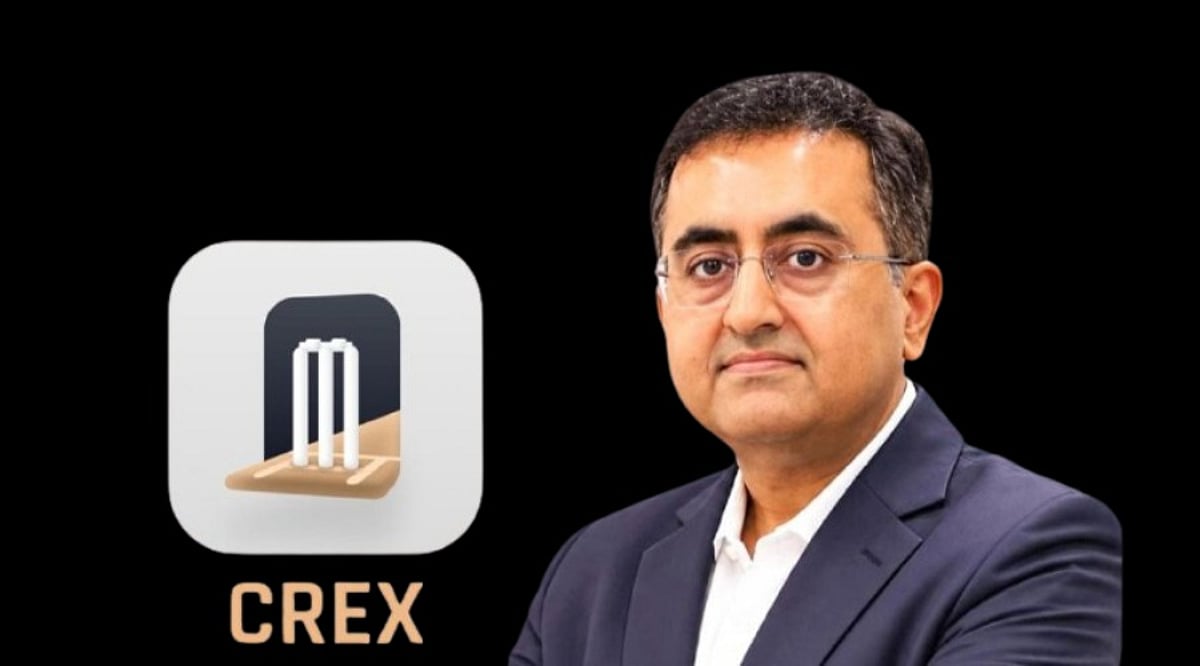
    CREX, a cricket-focused community platform, has appointed Anuj Bhasin as its Chief Revenue Officer (CRO) to lead the company’s commercial strategy and drive its next phase of growth. With over 25 years of experience across media, sports, technology, and digital businesses, Bhasin will oversee revenue development, partnerships, and monetization initiatives.

    Bhasin previously spent more than a decade at ESPN (part of the Walt Disney Company), where he served as Director – ESPN, South Asia, managing sales, go-to-market strategy, and strategic alliances. His career also includes senior roles at Zee, HT Media, Network18, Eicher, and iStream, along with a tenure as CRO at Jagran New Media and as Principal Advisor – Growth & Transformation at S.I.E. He has also founded ventures related to SaaS and business scaling.

    In his new role, Bhasin will focus on building CREX’s revenue ecosystem, enhancing audience engagement, and developing content and monetization opportunities. Purushotam Rawat, CEO of CREX, commented: “CREX has built a strong connection with cricket audiences, and the next opportunity is to translate that engagement into a larger, more diversified business ecosystem. Anuj brings a rare understanding of sports, media, and monetization, along with experience in building businesses through periods of digital change. His perspective will be valuable as we scale what CREX can become.”

    Bhasin expressed enthusiasm about his appointment, stating: “Cricket has one of the most engaged audiences in the world, but the opportunity lies in building an ecosystem around that engagement rather than treating it as a single revenue stream. CREX has the audience, product, and category relevance to build something much larger, and I’m excited to work with the team on turning that potential into lasting value.”

    This strategic move signals CREX’s greater focus on monetization and commercial expansion, leveraging Bhasin’s expertise to deepen fan engagement and explore new revenue streams within the cricket ecosystem.

  • OpenAI’s ChatGPT Work Now Mimics Your Writing Style Automatically

    OpenAI’s ChatGPT Work Now Mimics Your Writing Style Automatically

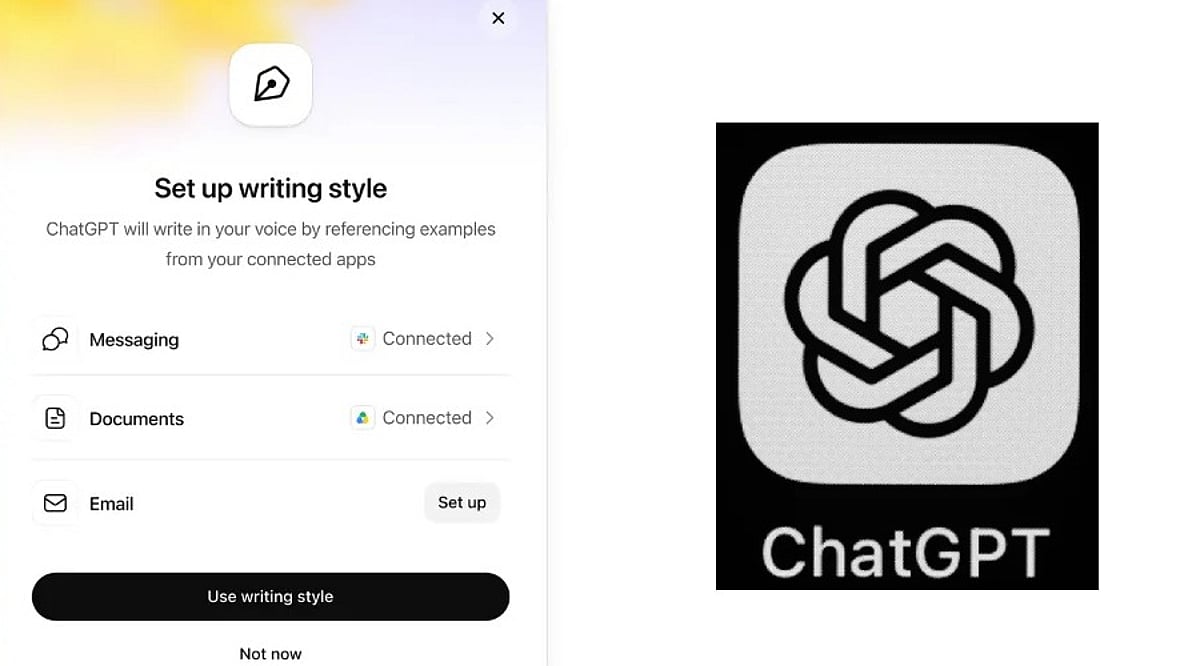
    OpenAI has rolled out a new capability for ChatGPT Work that lets the AI learn a user’s personal writing style and apply it in future interactions. This means less time spent explaining how you want your emails or documents to sound.

    Previously, users had to provide explicit instructions about tone and style. Now, ChatGPT can analyze your past writing—including frequently used phrases, email sign-offs, and subtle habits—to generate drafts that feel more like you.

    The feature can tap into connected applications such as Gmail, Google Drive, Slack, and SharePoint to better understand your writing patterns.

    How to Set It Up

    Enabling this is straightforward. Go to Settings > Personalization > Writing style. From there, you can link your work apps and allow ChatGPT to study your old messages and documents. Once activated, it works across both the web version and mobile apps, but only for ChatGPT Work subscribers on paid plans.

    The more ChatGPT sees of your writing, the more natural its drafts will become. Over time, you might not need to provide detailed instructions at all.

    Higher Productivity Meets Corporate Data Privacy

    This update is particularly useful for professionals who draft many work emails, messages, or reports with the help of AI. However, there’s a catch: because the tool reads through emails and files, it also processes sensitive business information. Companies should weigh the benefits against potential privacy risks, especially regarding who can access or use that data.

    Overall, this change signals where AI writing tools are headed—moving from simple instruction-following to truly understanding individual users. The ultimate goal is fewer edits and drafts that already sound like you.

  • Samsung One UI 9 (Android 19) Rollout Timeline: Galaxy S26, S25 Ultra, S24 Ultra

    Samsung One UI 9 (Android 19) Rollout Timeline: Galaxy S26, S25 Ultra, S24 Ultra

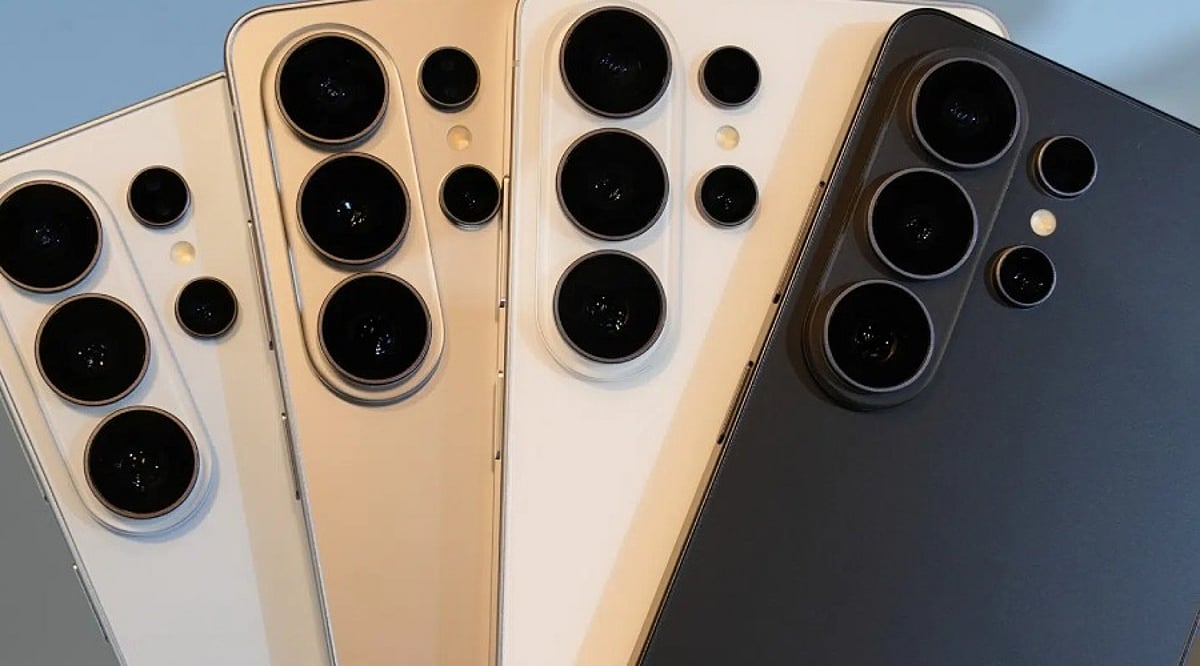
    Samsung’s One UI 9 update, built on Android 19, is approaching its stable release and is set to roll out to a growing number of Galaxy smartphones. The update introduces a refreshed interface, new AI tools, enhanced privacy controls, and battery-saving features.

    Galaxy S26 Series to Receive the Update First

    The stable version of One UI 9 will first arrive on the upcoming Galaxy S26 Ultra, Galaxy S26, and Galaxy S26 Plus. After several beta iterations, Samsung has reportedly spotted the stable firmware build on its internal servers, signaling an imminent launch—possibly as early as this week.

    Galaxy S25 and S24 Series Next in Line

    Following the Galaxy S26 models, the Galaxy S25 Ultra, Galaxy S25, and Galaxy S25 Plus are expected to get the stable update by late September or early October. The Galaxy S24 Ultra has already entered the beta program, with the first beta release going live in India, the UK, the US, and South Korea.

    Key Features in One UI 9

    One UI 9 brings a more customizable interface with a revamped Quick Panel that lets users control the placement and sizing of brightness, volume, and media controls. Samsung is also adding creative tools to Notes, along with accessibility and security improvements.

    Battery life enhancements come from changes to LTPO display behavior, allowing compatible panels to drop to 20 Hz, 26.67 Hz, or 40 Hz during static content display. Additional features include improved privacy warnings, network restrictions for individual apps, advanced AI capabilities, a built-in PDF reader, and expanded multitasking options.

    Samsung has not confirmed whether all planned features will be included at launch, so some details may change before the stable build is released.

    For now, Galaxy S26 Ultra users appear to be first in line for One UI 9, with Galaxy S25 Ultra and Galaxy S24 Ultra users following shortly after.

  • Samsung India Cuts 80-100 Executive Roles in TV and Home Appliance Unit; More Layoffs Expected After Diwali

    Samsung India Cuts 80-100 Executive Roles in TV and Home Appliance Unit; More Layoffs Expected After Diwali

    Samsung India has reportedly laid off 80 to 100 executives from its television and home appliance divisions, marking a significant restructuring in its Indian operations. The affected employees are not junior staff but include director-level executives, team leads, and branch and area managers based at the company’s headquarters.

    The job cuts are attributed to rising operational costs, weakening consumer demand, and a broader reorganization aimed at improving profitability. Memory chip prices have more than doubled, while a weaker rupee and higher raw material costs have further strained margins. The cuts are currently limited to the TV and home appliance segment, but sources indicate that nearly 25% of Samsung India’s sales and marketing workforce in the electronics business—approximately 550 to 600 people—could be affected. The company is also closing some regional offices to reduce expenses, and additional layoffs may follow after the Diwali festival.

    Notably, Samsung’s smartphone business has been spared from the cuts. Mobile phones account for about three-fourths of Samsung India’s revenue, making the division far more critical. Samsung is banking on stronger phone sales during the Diwali season, even as the broader smartphone market has seen shipment declines. The company has raised prices on select phone models by 5% to 10% to offset rising costs.

    In contrast, TV and home appliances represent a much smaller portion of Samsung India’s sales, and the company is exploring cost-cutting and sales-improvement measures for these categories.

    This development comes amid a wave of tech layoffs in India, including recent cuts at Zomato, Oracle, and Visa.

  • LG Smart TVs Under Fire: Researchers Find Audio Recording and Network Scanning in Standby Mode

    LG Smart TVs Under Fire: Researchers Find Audio Recording and Network Scanning in Standby Mode

    A new investigation by technology researchers has raised serious privacy concerns about LG smart televisions. According to findings from Gamers Nexus and Level1Techs, certain LG TV models continue to scan home networks and record audio through their built-in microphones even when the television appears to be switched off.

    The Investigation

    The research, conducted on retail LG OLED sets including the G5 model, revealed that the devices actively scan for other gadgets on the home network—such as smartphones, smartwatches, computers, and printers—and collect internal IP addresses as well as information about nearby Wi-Fi networks like names and signal strength. Most alarmingly, the microphones captured clear audio even after the display shut down, and when disconnected from the internet, the TV stored recordings locally before uploading them once connectivity returned.

    Security Flaws in webOS

    Beyond data collection, the team also identified remote code execution vulnerabilities in LG’s webOS software. These flaws were reported to LG through responsible disclosure. Although LG allows users to disable voice recognition in the settings, the investigation found no physical hardware switch to cut power to the microphone, leaving a potential backdoor for always-on listening.

    How to Protect Yourself

    As of now, LG has not issued an official statement. In the meantime, users can take several precautions:

    • Install the latest firmware updates regularly.
    • Review privacy settings under the Settings or Privacy & Terms menu.
    • Read all agreements carefully before accepting them.
    • Keep the TV on a separate guest network to isolate it from sensitive devices.
    • Disable UPnP on the router and avoid exposing TV services directly to the internet.

    These steps can help reduce the risk of unwanted data collection while awaiting an official fix from LG.

  • Huawei Pura X View Launches in China: 200MP Camera, 7,000mAh Battery, and Pricing Details

    Huawei Pura X View Launches in China: 200MP Camera, 7,000mAh Battery, and Pricing Details

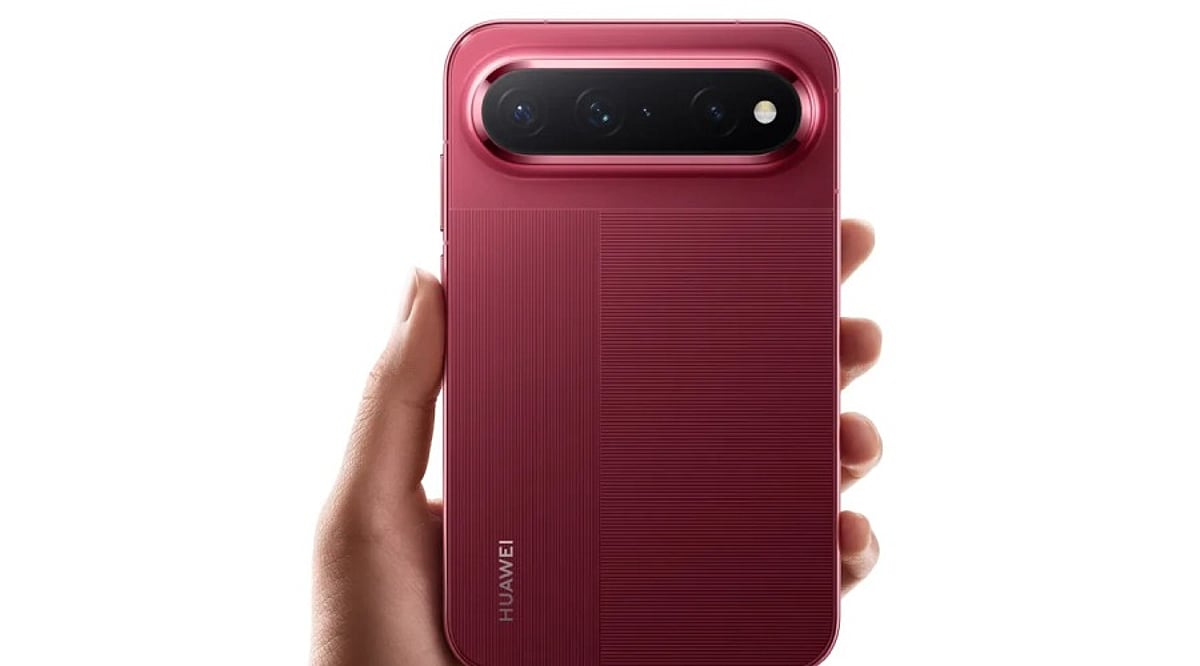
    Huawei has officially unveiled the Pura X View in China, a new addition to its premium smartphone lineup that combines a unique wide-screen design with top-tier camera and battery specs. The device is set to go on sale in China starting September 9.

    Huawei Pura X View Price and Availability

    The Pura X View is priced starting at CNY 5,999 for the 12GB RAM + 256GB storage model. For users needing more space, the 12GB + 512GB variant costs CNY 6,999, while the top-tier 12GB + 1TB configuration is available for CNY 8,499. The first sale is scheduled for September 9 in China, with no word yet on an India launch or international pricing.

    Display and Design

    The device features a 6.39-inch OLED display with an unusual 16:9.5 aspect ratio, making it considerably wider than typical smartphones. The screen offers a 2232 x 1320 pixel resolution, a 120Hz refresh rate, and a 300Hz touch sampling rate. Protection is provided by Huawei’s Kunlun Glass. The phone measures just 6.68mm in thickness and weighs approximately 201 grams.

    Camera System

    Photography is a major highlight of the Pura X View. It boasts a 200MP primary camera with an F/1.8 aperture and optical image stabilization (OIS). This is complemented by an 8MP ultra-wide macro camera and a 50MP periscope telephoto lens with OIS, which supports approximately 3.7x optical zoom. The device also incorporates Huawei’s second-generation Red Maple color imaging technology for enhanced photo quality.

    Performance and Battery

    Under the hood, the Pura X View is powered by Huawei’s Kirin 9030S chipset and runs on HarmonyOS 7. The device is equipped with a massive 7,000mAh battery, ensuring all-day usage even with heavy use.

    With its blend of a wide display, flagship-grade cameras, and a large battery, the Huawei Pura X View aims to carve out a niche in the competitive smartphone market. As the device debuts in China, enthusiasts worldwide will be watching to see if Huawei expands its availability to other regions.