Author: vitorcherulli

  • BlockchainFX Closes $15M BFX Presale, Pre-Launch Window Opens Before August 10 Announcement

    BlockchainFX Closes $15M BFX Presale, Pre-Launch Window Opens Before August 10 Announcement

    BlockchainFX has closed its $15 million BFX presale after reaching the hard cap, transitioning into the final pre-launch phase. The project’s team will announce the official launch date on August 10 at 3:00 PM UTC.

    BlockchainFX successfully ended its BFX crypto presale after hitting the $15 million funding target, marking a shift from private fundraising to preparations for public trading. During this pre-launch window, buyers can still acquire BFX at the fixed price of $0.04 per token before the stated launch price of $0.05. The presale structure will not be available after this window closes, and existing holders have the opportunity to adjust their positions before open-market trading begins. The August 10 announcement will outline the timeline for the next stage, including when trading starts and how exchange liquidity will roll out.

    BlockchainFX has also introduced the LAUNCH80 bonus code for the final pre-launch period. This code grants an 80% bonus to a buyer’s token allocation. For example, a purchase that normally provides 100,000 BFX would receive an additional 80,000 BFX through the code, resulting in 180,000 BFX from that purchase. The offer is exclusive to the current pre-launch window and will not apply once the presale structure ends.

    With fundraising complete, attention now turns to the planned BlockchainFX trading platform, which aims to connect traditional markets—including forex and stocks—with decentralized technology. The project’s multi-asset approach seeks to integrate different markets into a single trading ecosystem. The team reports that audits have been completed as part of the rollout preparations. The August 10 announcement will provide the timetable for the transition into public trading. Until then, BlockchainFX remains in its pre-launch phase, with market participants awaiting official launch timing and exchange liquidity details.

    BlockchainFX has reached its $15 million hard cap and entered the final pre-launch phase. BFX is still priced at $0.04 before the $0.05 launch price. The next key event is the August 10 announcement, when the team will reveal the official launch schedule.

  • Who Bears the Cost When AI Shopping Agents Make Expensive Mistakes?

    Who Bears the Cost When AI Shopping Agents Make Expensive Mistakes?

    AI assistants are evolving beyond simple chatbots. These advanced AI agents are now capable of handling complex tasks like paying bills, booking hotels, and even shopping for products—all with a single prompt. Companies including OpenAI, Google, Amazon, and Anthropic are racing to develop systems that can search for items, compare prices, place orders, and complete payments with minimal user input.

    The concept seems straightforward: a user tells the AI what they need, and the tool handles the rest—finding the best deal, making the purchase, and tracking delivery. However, this convenience introduces a critical question: if the AI buys the wrong item, overpays, or makes another costly mistake, who is responsible? Experts say there is currently no clear answer.

    Rubrik, a security and AI operations firm, highlights that organizations are already struggling to monitor what their AI agents can access. According to Rubrik Zero Labs, 86% of global IT and security leaders expect AI agents to exceed their organization’s security guardrails within the next year, yet only 23% have full visibility into the agents operating in their environments. The concern is not that an AI agent will become malicious, but that it might inadvertently access data or perform actions it shouldn’t.

    AI Will Handle More Than Just Shopping

    Shopping and flight booking are just the beginning. Experts predict that future AI agents could negotiate better prices, compare insurance plans, manage household budgets, and automatically renew subscriptions. Some may even help users manage investments based on predefined rules. While these features promise greater convenience, a single error could lead to significant financial loss. That’s why many experts advocate for requiring user approval before any major financial action is completed by an AI agent.

    Trust Will Determine the Future of AI Shopping Agents

    AI shopping agents have the potential to transform how people buy products and manage money, saving time and simplifying routine tasks. But convenience should not come at the expense of control. As AI becomes more powerful, building trust means giving users the final say. The future of this technology hinges on finding the right balance between automation and human oversight.

  • India Presses Meta for Answers on Instagram Algorithm and Legal Compliance

    India Presses Meta for Answers on Instagram Algorithm and Legal Compliance

    The Indian government has formally requested Meta to explain how its Instagram and Facebook algorithms determine content reach and visibility. Officials are also demanding stronger cooperation on child sexual abuse material (CSAM), online fraud, deepfakes, and automated bot accounts.

    IT Minister Ashwini Vaishnaw chaired a second meeting with Meta officials on Thursday. Meta’s delegation included global affairs chief Joel Kaplan and public policy vice president Neil Potts. Discussions covered technical systems, legal duties, and content distribution practices.

    Scrutiny Over Algorithmic Bias

    Government officials focused on how Instagram recommends, reduces, or promotes posts. They also examined allegations that the platform’s systems favored anti-government material and handled comparable content differently.

    The scrutiny is linked to concerns about political and public-interest content. During the CJP-led Gen Z protests, users relied on Instagram to share videos, personal accounts, and protest updates. Recommendation systems influenced which posts reached larger audiences.

    Meta controls the rules and data behind those decisions. Users can appeal when the company removes a post, but they may receive little information when Instagram limits a post’s reach or excludes it from recommendation sections.

    The government wants Meta to explain the signals its systems use when ranking content. Officials also seek details about reduced distribution and the treatment of Indian-language posts compared with English-language material.

    Indian Law Guides Platform Operations

    Government sources said every social media company operating in India must follow Indian law. The requirement covers Meta, X, and other online platforms serving users across the country.

    “We are a constitutional democracy. The rule of law is paramount,” a government source said. “Platforms operating in India cannot function according to the US Constitution or the Constitution of Europe.”

    The source added that platforms must operate under India’s Constitution and national laws. Officials also cited Article 19, which protects freedom of speech, and Article 19(2), which permits reasonable restrictions under defined grounds.

    Authorities summoned Meta after Facebook briefly restricted a video post from Prime Minister Narendra Modi. Kaplan later apologized for the error. Government sources said Meta CEO Mark Zuckerberg also apologized over the incident and other platform concerns.

    Officials said any legal proceedings would follow the required legal process. For now, authorities are assessing Meta’s conduct under Indian rules. They also seek answers across technical, policy, and legal areas.

    Meta’s Technical Team Continues Talks

    Meta’s technical team will continue discussions with government technology officials after Kaplan leaves India. The talks will cover recommendation systems, alleged bias, CSAM, fraudulent posts, deepfakes, and bot activity.

    Meta told officials that it was working to address harmful content and automated accounts. However, the meetings also covered how its systems rank lawful posts before any removal decision occurs.

    Government officials want clearer information on how automated tools separate harmful mobilization from legitimate reporting and political criticism. They also seek stronger cooperation when Indian law enforcement agencies investigate CSAM and fraud.

    Available reports do not confirm that Meta shared internal distribution data or a formal audit of protest-related recommendations. Discussions will continue between the company’s specialists and government teams.

    “The first question is whether they are functioning in accordance with the law of the land,” an official said. The government’s primary demand is compliance with Indian law, along with clearer answers about the automated systems that determine content visibility for Instagram and Facebook users.

  • EU Warns of Surge in Crypto Impersonation Scams During MiCA Transition

    EU Warns of Surge in Crypto Impersonation Scams During MiCA Transition

    EU regulators have issued a fresh warning to cryptocurrency users about a sharp increase in impersonation scams following the conclusion of the MiCA (Markets in Crypto-Assets) transition period on July 1, 2026. Fraudsters across Europe are posing as regulators and authorized crypto firms, targeting customers of platforms that failed to secure MiCA approval.

    These criminals use fake emails, websites, and official-looking documents to trick victims into moving funds or sharing sensitive information. The European Securities and Markets Authority (ESMA) has specifically flagged fraudulent messages that misuse its name and branding.

    In a post on its official LinkedIn account, ESMA stated: “ESMA does not request personal data or payments through unsolicited emails.” The regulator urged users to verify any suspicious communication before taking action.

    France’s financial regulator, the Autorité des Marchés Financiers (AMF), has reported similar incidents where scammers impersonated its staff, directing victims to bogus websites and asking them to transfer crypto assets.

    By late July, ESMA’s official register listed 323 authorized crypto firms. However, more than 1,700 unlicensed firms could face closure or relocation, creating confusion that scammers are exploiting. Users searching for new regulated platforms are particularly vulnerable.

    To stay safe, regulators advise always checking a provider’s legal name against the official ESMA register before transferring funds. Avoid clicking links from unexpected emails, calls, or social media messages. Legitimate authorities will never ask for seed phrases, private keys, passwords, or payments via unsolicited communications.

    The MiCA transition aims to strengthen crypto market oversight, but fraudsters are taking advantage of the resulting uncertainty. Remaining vigilant is crucial.

  • Meta Faces $567 Million Penalty and Mandatory Teen Safety Overhaul in New Mexico Ruling

    Meta Faces $567 Million Penalty and Mandatory Teen Safety Overhaul in New Mexico Ruling

    A New Mexico court has ordered Meta to pay $567 million into a five-year fund dedicated to youth mental health services and to implement sweeping safety measures for users under 18 on Facebook and Instagram. The ruling, issued by Judge Bryan Biedscheid, follows a separate jury verdict that imposed $375 million in civil penalties for violating the state’s consumer protection law. Combined, Meta faces $942 million in financial liability from the two judgments, though the company has vowed to appeal both decisions.

    Court Finds Meta Created a Public Nuisance

    New Mexico Attorney General Raúl Torrez filed the lawsuit in 2023, alleging that Meta designed its products to encourage heavy use among minors and failed to protect children from sexual exploitation. The state argued that Meta concealed internal knowledge about risks to young users and misrepresented platform safety. Judge Biedscheid rejected Meta’s Section 230 defense for the public nuisance claim, stating the case concerned company conduct and platform design rather than liability for user posts. However, he declined to order changes to recommendation systems and certain engagement features, citing legal, technical, and competition concerns.

    Youth Mental Health Fund

    The $567 million fund will operate for five years under the court’s abatement plan. Of that amount, $420 million is allocated to treatment services for young people in New Mexico, including community programs and family-based behavioral healthcare. The remaining $147 million covers awareness, prevention, screening, referrals, administration, and evaluation. State officials will oversee the programs, and the court reduced the state’s proposed fifteen-year plan to five years.

    Mandatory Safety Measures for Teens

    The order requires Meta to implement several safety measures across Facebook and Instagram for users under 18:

    • Monthly usage limits for teen accounts
    • Restrictions on some notifications during school hours and overnight
    • Tighter controls on adult contact with minors
    • Enhanced age-assurance tools and a model to identify users under 13 within two years
    • A reporting channel for schools or child safety groups
    • AI chatbot safeguards and reviews of child sexual abuse reports

    Meta must report compliance progress twice each year.

    Meta’s Response and Appeal

    Meta disputed the findings and confirmed its planned appeal. “We disagree with the ruling and will appeal,” a company spokesperson said. Meta stated it works to identify harmful content and remove bad actors, and defended its existing parental controls and teen safety systems. The appeal could delay or alter parts of the order.

    Broader Implications

    Attorney General Torrez called the ruling a model for other governments pursuing child safety cases. More than 40 states and over 1,300 school districts have filed related public nuisance claims against social media companies, seeking financial recovery, product changes, or both. New Mexico’s order directly combines a treatment fund with court-supervised platform rules.

  • India Passes 2026 Tax Amendment Bill: Incentives for Foreign Investors, Electronics, and Data Centers

    India Passes 2026 Tax Amendment Bill: Incentives for Foreign Investors, Electronics, and Data Centers

    The Lok Sabha has passed the Taxation and Other Laws (Amendment) Bill, 2026, introducing a series of changes designed to attract foreign investment, strengthen India’s electronics manufacturing ecosystem, and create a more flexible framework for digital payments.

    The Bill amends provisions in the Income-tax Act, 2025, the Finance Act, 2026, and the Payment and Settlement Systems Act, 2007. It also replaces the Income-tax (Amendment) Ordinance, 2026. While much of the attention has focused on the possibility of future charges on UPI transactions, the legislation also includes tax incentives for foreign investors, data centres, electronics manufacturing, and the diamond industry.

    FDI, Electronics and Data Centres Get Tax Boost

    One of the Bill’s key features is the extension of tax incentives for foreign companies involved in electronics manufacturing. Eligible overseas firms supplying components through bonded warehouses to Indian manufacturers will continue to receive tax benefits until March 31, 2041. The legislation also eases tax rules for foreign-owned data centres by removing certain notification requirements and expanding eligibility to leased facilities, a move expected to encourage investment in India’s fast-growing digital infrastructure sector.

    Additionally, foreign institutional investors (FIIs) and the Bank for International Settlements (BIS) will receive tax relief on interest income and capital gains from investments in government securities, a measure aimed at attracting more global capital.

    UPI Provision Creates Flexibility, Not Immediate Charges

    The new provision in the Payment and Settlement Systems Act has attracted considerable attention since it gives the central government the discretion to determine which digital modes of payment will not incur any charges. However, the Bill does not immediately introduce any charges on UPI or reinstate the merchant discount rate (MDR). It provides the necessary provisions for the government to bring about such changes at a later point if needed, through a separate government notification.

    What It Means for Businesses and Investors

    The bill is expected to support various industries through reduced tax uncertainty and long-term policies. The manufacturing industry, cloud service providers, international investment firms, and companies working in special economic sectors can be provided with incentives for expanding their businesses in India. These changes might boost India’s status as an ideal place to manufacture goods, build digital infrastructure, and invest, creating jobs in the long run.

    Consumers will not directly experience any changes since no digital payments taxes have been announced. The bill provides the government with enough room for more flexible policies and the continued execution of its tax reforms and industry growth approach. Businesses and investors should watch for further amendments through regulations and notifications.

  • Uber’s $10 Billion Robotaxi Investment: What It Means for Human Drivers

    Uber’s $10 Billion Robotaxi Investment: What It Means for Human Drivers

    Uber plans to commit more than $10 billion to autonomous mobility, with partners adding about 120,000 robotaxis to its network. Human drivers will still handle most rides as the company expands driverless services gradually across selected cities and approved operating zones.

    Uber plans to commit more than $10 billion to autonomous vehicles over the coming years. Its partners have committed about 120,000 vehicles to the Uber network during that period.

    The company currently offers autonomous rides in seven cities. It expects that number to reach as many as 15 by year-end. However, Uber’s expansion does not set a deadline for removing human drivers from its platform.

    Uber Builds Its Robotaxi Network Through Partners

    Uber disclosed the investment plan in its second-quarter 2026 prepared remarks. The spending covers equity investments, infrastructure and agreements to buy or use autonomous vehicles. Uber will also consider outside investors to help finance future deployments.

    Chief Executive Dara Khosrowshahi said, “Our ambition is clear: to become the world’s leading commercialization platform for autonomous mobility.” Uber plans to connect vehicle developers with riders through its app. It does not intend to develop every self-driving system internally.

    The program will combine Uber’s capital with vehicles from technology partners. This approach follows Uber’s 2020 sale of its autonomous-driving unit to Aurora.

    Since then, Uber has signed agreements with several developers and vehicle makers. Its current partners include Waymo, Nuro, Lucid, Rivian, Wayve, WeRide and Zoox.

    Uber reported $2.8 billion in second-quarter free cash flow. Free cash flow for the previous 12 months exceeded $10 billion for the first time. Gross bookings rose 24% from a year earlier to $58 billion, while revenue reached $14.2 billion.

    Human Drivers Still Handle Most Uber Trips

    Human drivers and couriers still form the core of Uber’s service network. A record 10.2 million drivers and couriers earned more than $25 billion during the second quarter.

    Robotaxis currently account for less than 0.5% of Uber’s total rides, Khosrowshahi said during the company’s earnings call. Most autonomous services also operate within defined areas. Each city requires local testing, operating support and regulatory approval.

    Uber has started reducing driver recruitment in some cities where autonomous rides operate. Khosrowshahi said the company wants established drivers in those markets to maintain their earnings. Uber has not announced plans to remove existing drivers.

    The longer-term position is less certain. Khosrowshahi said in February that robots could handle most Uber trips within 15 to 20 years. He also said driver and courier numbers should keep rising for several years.

    Automation will not reach every route at the same pace. Construction zones, severe weather and unusual traffic conditions can restrict autonomous systems. Human drivers can serve trips outside approved zones and markets without commercial robotaxi rules.

    New Fleet Work Accompanies Autonomous Expansion

    Large robotaxi networks require more than self-driving software. Uber lists dispatch, vehicle integration, fleet operations, charging, financing and insurance among the services needed for commercial operations. Regulators and local communities also take part in each launch.

    Those requirements create work in fleet maintenance, charging, cleaning, customer support and remote assistance. However, Uber has not provided hiring forecasts for these roles. It has also not said how many driving positions its planned fleet may replace.

    The company’s partner commitments cover different schedules and markets. For example, Uber’s Lucid and Nuro agreement covers at least 20,000 vehicles over six years. The broader 120,000-vehicle commitment has no single six-year deadline.

    For now, Uber is adding robotaxis alongside human-driven rides. The speed of that change will depend on vehicle supply, safety approvals and local operating rules. Driver demand will also vary by city as autonomous services expand within selected zones.

  • Samsung Foldable Evolution: From the Original Galaxy Fold to the Galaxy Z Fold 8

    Samsung Foldable Evolution: From the Original Galaxy Fold to the Galaxy Z Fold 8

    Samsung changed the smartphone market with the launch of the first Galaxy Fold in 2019. That device introduced a phone that could open into a tablet-sized screen. The idea looked exciting, yet the first model faced several challenges. A fragile display, hinge gaps, and accidental screen damage forced the brand to delay the launch and redesign the product. Even after those early setbacks, the Galaxy Fold proved that foldable phones could become a real product category. That single launch marked the start of Samsung’s long journey toward better foldable technology.

    Galaxy Fold Started a New Chapter

    The original Galaxy Fold arrived with a 7.3-inch main display, a 4.6-inch cover screen, a Snapdragon 855 processor, six cameras, and a 4,235mAh battery. The device carried a premium price of nearly $1,980. Samsung improved the design before the final release and strengthened the display protection. The company also sealed the hinge area to stop dust from entering the phone. Those changes helped Samsung regain customer confidence and continue work on future foldable models.

    Every New Generation Brought Better Features

    Samsung emphasized gradual advancement rather than significant innovations on an annual basis. Galaxy Z Fold 2 emerged in 2020 featuring a bigger cover display and Ultra Thin Glass, plus a brand-new Hideaway Hinge. The following year brought the Galaxy Z Fold 3 with its water-resistive IPX8 rating, S Pen compatibility, an under-display front camera, and more resilient Armor Aluminum construction. These improvements made the Fold series more practical for everyday use. The Galaxy Z Fold 4 was launched in 2022 with a 50MP main camera, improved battery performance, and better multitasking. The company collaborated with Google to develop Android for huge foldable displays. Finally, the Galaxy Z Fold 5 hit the market in 2023 having undergone a Flex Hinge redesign that got rid of the visible gap when the phone was closed.

    Foldables Reached a Mature Stage

    Samsung shifted attention toward comfort and software after the hardware reached a stable level. The Galaxy Z Fold 6 arrived in 2024 with a wider cover display, stronger frame, Galaxy AI features, and better cooling. The Galaxy Z Fold 7 continued that progress in 2025 with a thinner body, lower weight, and larger displays. Many reviewers described that model as the closest Fold device to a traditional flagship smartphone. The brand refined almost every part of the design while keeping the familiar book-style foldable format.

    Galaxy Z Fold 8 Marks the Biggest Expansion Yet

    Instead of releasing one model, Samsung introduced two models for the Fold series in 2026. The Fold series includes the Fold 8 and Fold 8 Ultra now. The Fold 8 is designed for entertainment, reading, and daily use while the Fold 8 Ultra focuses more on professionals and content creators requiring a bigger display and high-end cameras.

    The Fold 8 features a 7.6-inch Dynamic AMOLED 2X display with a 120Hz refresh rate along with a larger 5.5-inch cover display. The weight of the phone is just 201 grams, making it the lightest addition to the Galaxy Fold series yet. The processor used is Snapdragon 8 Elite Gen 5 along with the newest Android 17 operating system, Galaxy AI tools, and software updates for seven years. Dual 50MP cameras on the back and a battery of 4800mAh complete the package. The price of the Fold 8 is going to be around $1,899 globally and ₹1,74,999 in India.

    Fold 8 Ultra Raises the Premium Standard

    Samsung introduced the first Ultra model in the Fold series during the 2026 Galaxy Unpacked event. The Galaxy Z Fold 8 Ultra carries an 8-inch main display, a 200MP primary camera, a 5,000mAh battery, and a remarkably slim 4.1mm profile when fully open. The company built this model for users who demand desktop-like productivity, advanced photography, and larger workspaces inside a foldable device. The Fold 8 Ultra starts at around $2,099 in international markets.

    Prices Show Confidence in Premium Foldables

    Samsung kept Fold devices inside the premium smartphone segment from the very beginning. The original Galaxy Fold launched at almost $1,980 in 2019. The Galaxy Z Fold 3 reduced the starting price to about $1,799, which made foldables more accessible. Recent models returned to higher prices with stronger hardware and larger displays. The Galaxy Z Fold 8 starts at roughly $1,899, while the Fold 8 Ultra reaches around $2,099. The company also introduced a 30-month no-cost EMI plan in India, with monthly payments from ₹6,000 for the Fold 8 and ₹6,667 for the Fold 8 Ultra.

    Samsung Continues to Lead the Foldable Market

    Samsung transformed foldable phones from an experimental idea into a mature flagship category within seven years. Every generation solved a major challenge, whether that involved durability, display quality, software, battery life, or comfort. The latest Fold lineup shows how far the technology has progressed. Wider displays, lighter bodies, stronger hinges, advanced AI tools, and long software support now define Samsung’s foldable strategy. The Galaxy Z Fold 8 series stands as the strongest example of that steady evolution and confirms Samsung’s leadership in the premium foldable smartphone market.

  • Essential iPhone Accessibility Features Everyone Should Know

    Essential iPhone Accessibility Features Everyone Should Know

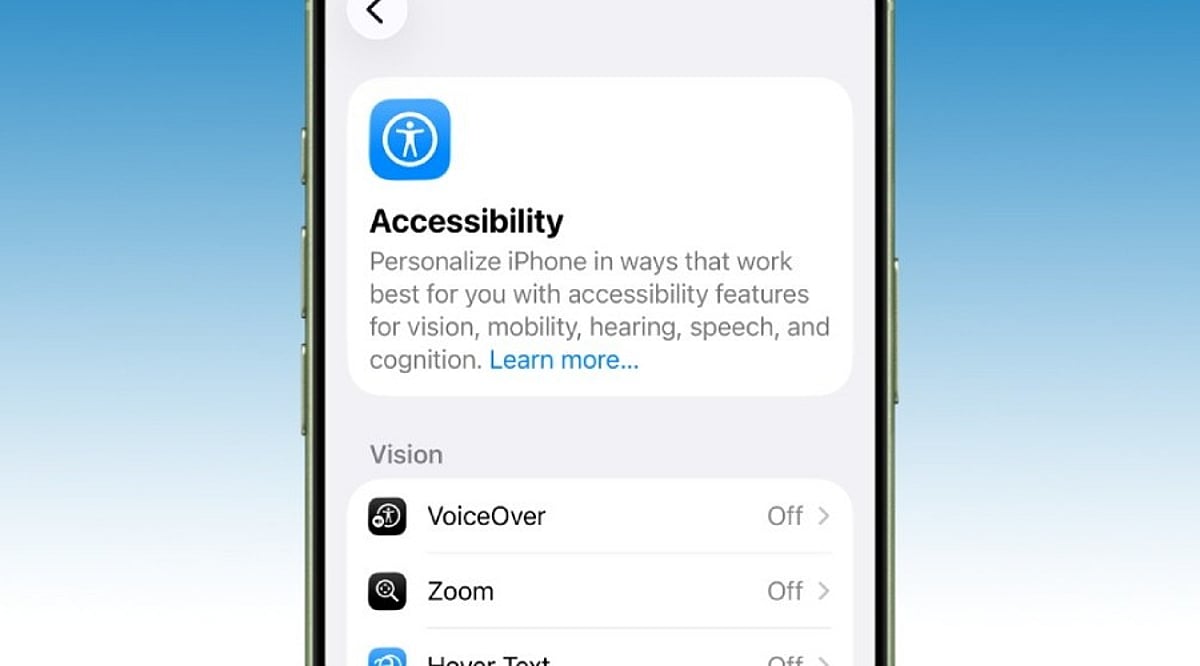
    Many iPhone users only explore the Accessibility menu when a specific need arises, leaving several powerful tools unnoticed. Apple designs these features for people with different abilities, but many also simplify everyday tasks for everyone. Recent updates in iOS 26, powered by Apple Intelligence, have made these tools even more capable. Here are 10 iPhone accessibility features that can save time, reduce effort, and enhance your overall experience without extra apps or accessories.

    Back Tap Adds Instant Shortcuts

    Back Tap turns the back of your iPhone into a hidden button. A double or triple tap can trigger actions like taking a screenshot, opening the camera, toggling the flashlight, or launching a favorite shortcut. It can also open Control Center or Notification Center. Many users find it indispensable after setup, as it eliminates extra steps and works through most phone cases.

    Live Captions Make Audio Easy to Follow

    Live Captions display spoken words as text on screen during calls, videos, and other audio content. This is invaluable in noisy environments, quiet spaces, or when hearing is difficult. iOS 26 expands caption support and Apple Intelligence improves subtitle quality, ensuring you never miss important details.

    Voice Control Handles Everyday Tasks

    Voice Control lets you operate your iPhone with spoken commands. Open apps, scroll, return to the Home Screen, or tap buttons without touching the display. Recent updates enhance natural language understanding, making commands feel more intuitive. Ideal for cooking, exercising, or any situation where your hands are busy.

    AssistiveTouch Simplifies Navigation

    AssistiveTouch places a floating button on screen that opens a menu of useful controls: lock screen, adjust volume, activate Siri, take screenshots, and more. You can create custom gestures for repetitive tasks. It’s a lifesaver when physical buttons wear out and enables one-handed use by keeping controls within reach.

    Background Sounds Create a Calm Space

    Background Sounds play soothing audio like rain, ocean waves, or white noise to improve focus and relaxation. Built directly into iOS, you can access it from Control Center without installing another app. Perfect for work, study, or rest.

    Sound Recognition Listens for Important Alerts

    Sound Recognition detects sounds like doorbells, smoke alarms, baby cries, or sirens and sends notifications. It keeps you aware of your environment even when wearing headphones or focusing elsewhere. Apple continues to improve accuracy through software updates.

    Magnifier Turns the Camera Into a Helpful Tool

    The Magnifier app transforms your iPhone camera into a digital magnifier. Read small text on medicine labels, menus, or documents with brightness, color filters, and contrast adjustments. iOS 26 adds Apple Intelligence for richer object and scene descriptions.

    Personal Voice and Live Speech Support Communication

    Personal Voice lets you create a digital version of your own voice for future use. Live Speech speaks typed words during calls, FaceTime, or in-person conversations. Recent updates improve voice quality and expand language support, helping preserve your unique communication style.

    Reduce Motion and Assistive Access Improve Comfort

    Reduce Motion minimizes screen animations for a calmer, more readable interface. Assistive Access simplifies the home screen with larger icons and essential apps only, designed for cognitive accessibility but also great for seniors, children, or anyone wanting a distraction-free experience.

    iOS 26 Brings Major Accessibility Improvements

    iOS 26 introduces Accessibility Reader for adjustable text, Braille Access for note-taking, and deeper Apple Intelligence integration. VoiceOver, Magnifier, Voice Control, and Accessibility Reader gain smarter image descriptions and language understanding. New features like Vehicle Motion Cues reduce travel discomfort. Apple continues to treat accessibility as a core part of the iPhone experience.

    These features prove that accessibility tools benefit everyone, not just those with specific needs. Try them out and see how they can streamline your daily iPhone use.

  • How UK-Based AI Platforms Are Revolutionizing Sports Analytics and Officiating

    How UK-Based AI Platforms Are Revolutionizing Sports Analytics and Officiating

    UK AI companies are reshaping modern sports through intelligent officiating, player tracking, and real-time analytics. Platforms like Hawk-Eye, Genius Sports, and Stats Perform now support major global leagues. Their growing influence also highlights the importance of balancing AI-driven decisions with effective human oversight.

    Overview

    UK AI companies such as Hawk-Eye, Genius Sports, and Stats Perform are transforming sports analytics through intelligent officiating, player tracking, and real-time performance data across global leagues. From Wimbledon’s electronic line-calling system to the Premier League’s AI-powered offside technology, British platforms now play a central role in how major sporting events are officiated and analyzed. As AI adoption accelerates across professional sports, UK firms are combining computer vision, machine learning, and predictive analytics to reshape decision-making while highlighting the growing need for human oversight and governance.

    A missed AI call at Wimbledon shocked fans and showed how deep technology now runs through sport. Behind it, UK firms quietly power the world’s biggest leagues through smart analytics.

    New Layer of Infrastructure

    A tennis crowd went quiet at Wimbledon in 2025, not for a missed shot, but for a missed call. The line-calling system that had replaced human judges after 147 years of tradition simply switched off mid-match. That single moment captures where sports technology stands today. It’s not a support tool sitting on the sidelines anymore. It runs inside the competition itself, shaping decisions as they happen.

    Sports analytics blends computer vision, machine learning, and statistical modelling. Together, these tools support coaching decisions, officiating, athlete performance, and fan engagement. A group of UK-based platforms sits at the center of this shift, supplying the officiating systems, data feeds, and tracking tools that major leagues now rely on every week. A survey of 675 sports-media executives by Stats Perform found that 81% had raised their use of AI over the past 12 months. That figure points to structural adoption, not a passing trend among a few forward-leaning clubs.

    Hawk-Eye Redefines Officiating

    Hawk-Eye Innovations has changed competitive sport more than any other UK platform. Built originally for tennis line calls, its technology now powers ball tracking and player tracking across cricket, football, baseball, and rugby. Wimbledon 2025 marked the clearest example yet. Line judges were replaced for the first time by electronic line-calling built by Hawk-Eye. It uses 18 cameras around each court to track the ball and produce automated voice calls. A British system took over calls that human eyes had made for close to 150 years.

    Its reach extends well past tennis. Sony’s Hawk-Eye system has powered Goal Line Technology in the Premier League since the 2013/14 season, and VAR technology has run since 2019. In cricket, it drives LBW trajectory simulation under ICC approval. In baseball, the system took over part of MLB’s Statcast optical tracking from 2024.

    Three Platforms, Three Roles

    Each major UK sports AI company occupies a distinct part of the pipeline, from raw officiating decisions through to distributed match data.

    When the System Fails

    Adoption has not come without friction. During the fourth round at Wimbledon, the electronic line-calling system was switched off by accident for three points on Centre Court, missing a clear-out call in a match between Anastasia Pavlyuchenkova and Sonay Kartal. Organizers apologized afterwards and traced the fault to human error rather than the underlying technology. A separate malfunction during a quarterfinal between Taylor Fritz and Karen Khachanov forced officials to replay a point after the system misread a player’s serve motion as the start of a new rally. Neither incident undoes the wider shift toward automated officiating. Both point to a governance gap that leagues are still closing. Automated systems remove one source of human error and introduce a different one, tied to operators, calibration, and design choices. Wimbledon now keeps roughly 80 staff on hand as match assistants in case the technology fails again.

    Genius Sports Builds the Premier League’s Data Spine

    Genius Sports, headquartered in London, holds an equally central role in football’s data economy. The company is the official low-latency data partner of the Premier League, collecting data from every player in every match to power statistics, visualisations, and betting markets, under a contract that runs to 2029. Low latency matters here. Broadcast graphics, betting markets, and officiating decisions all draw on the same feed, arriving within a fraction of a second of real play, keeping fans, bookmakers, and referees working from one shared picture of the match.

    Its work has grown past raw data delivery. The GeniusIQ platform builds full 3D renders of every player, the ball, and the offside wall within seconds. Match officials use these renders to make precise semi-automated offside calls, paired with graphics ready for broadcast. This is real-time sports analytics running at officiating speed, not just reporting speed.

    Stats Perform Anchors the Data Pipeline

    Stats Perform, headquartered in London, formed through the merger of Stats and Perform, has invested in AI since 2015. Its Opta brand remains the name most fans and broadcasters recognize, feeding statistics into television coverage, apps, and club scouting departments around the world. Its scale stands out. Through its OptaAI Studio platform, Stats Perform processes more than 3.5 million data points each season across upwards of 30 sports globally, using machine learning to generate real-time game data, predictive analytics, and performance intelligence. That output turns into contextualized insights for broadcasters and coaching staff alike, often within minutes of a match ending.

    Why the UK Became a Hub

    A few forces explain why this cluster of expertise sits in Britain. The Premier League’s global broadcast reach gives UK data and officiating providers an unmatched testing ground, with millions of viewers watching every technical decision in real time. Decades of sports broadcasting heritage, built around cricket, tennis, and football coverage, produced great technical skill in camera systems and live data handling. A mature betting and data licensing industry added steady commercial demand for precise, fast feeds. Officiating technology also found an early foothold in Britain, with Hawk-Eye’s tennis and cricket work predating most global competitors by years.

    A Market Still Defining Its Scale

    Estimates of this market shift depending on scope. The AI-in-sports segment alone was valued at USD 1.2 billion in 2024, with an estimated growth rate of 14.7% a year between 2025 and 2034. The wider sports analytics category, which folds in broadcast, betting, and traditional data services alongside AI tools, runs larger still. The distinction matters for anyone tracking where investment actually concentrates.

    Final Thought

    The next frontier for UK sports AI is not prediction but prescription, with systems moving toward recommending specific in-game adjustments in real time rather than simply reporting or forecasting outcomes. Wimbledon’s 2025 malfunctions were a reminder that speed and precision only carry value when paired with clear rules for who steps in, and when, once the system gets something wrong.

    FAQs

    1. Which UK companies are leading sports analytics with AI? Hawk-Eye, Genius Sports, and Stats Perform are among the leading UK companies using AI for officiating, player tracking, real-time data analysis, and sports performance insights.
    2. How does Hawk-Eye technology work in sports? Hawk-Eye uses high-speed cameras, computer vision, and AI to track ball movement and player positions, enabling accurate line calls, goal-line decisions, and officiating support.
    3. What role does Genius Sports play in the Premier League? Genius Sports is the Premier League’s official low-latency data partner, providing real-time match data, 3D visualisations, and technology that supports semi-automated offside decisions.
    4. What is OptaAI Studio by Stats Perform? OptaAI Studio is Stats Perform’s AI-powered analytics platform that processes millions of sports data points to generate real-time insights, predictive analytics, and performance intelligence.
    5. Why is human oversight still important in AI-powered sports analytics? While AI improves speed and accuracy, system failures, calibration issues, and operational errors show that human oversight remains essential for ensuring fairness, reliability, and effective governance.