Author: vitorcherulli

  • Uber’s $10 Billion Robotaxi Investment: What It Means for Human Drivers

    Uber’s $10 Billion Robotaxi Investment: What It Means for Human Drivers

    Uber plans to commit more than $10 billion to autonomous mobility, with partners adding about 120,000 robotaxis to its network. Human drivers will still handle most rides as the company expands driverless services gradually across selected cities and approved operating zones.

    Uber plans to commit more than $10 billion to autonomous vehicles over the coming years. Its partners have committed about 120,000 vehicles to the Uber network during that period.

    The company currently offers autonomous rides in seven cities. It expects that number to reach as many as 15 by year-end. However, Uber’s expansion does not set a deadline for removing human drivers from its platform.

    Uber Builds Its Robotaxi Network Through Partners

    Uber disclosed the investment plan in its second-quarter 2026 prepared remarks. The spending covers equity investments, infrastructure and agreements to buy or use autonomous vehicles. Uber will also consider outside investors to help finance future deployments.

    Chief Executive Dara Khosrowshahi said, “Our ambition is clear: to become the world’s leading commercialization platform for autonomous mobility.” Uber plans to connect vehicle developers with riders through its app. It does not intend to develop every self-driving system internally.

    The program will combine Uber’s capital with vehicles from technology partners. This approach follows Uber’s 2020 sale of its autonomous-driving unit to Aurora.

    Since then, Uber has signed agreements with several developers and vehicle makers. Its current partners include Waymo, Nuro, Lucid, Rivian, Wayve, WeRide and Zoox.

    Uber reported $2.8 billion in second-quarter free cash flow. Free cash flow for the previous 12 months exceeded $10 billion for the first time. Gross bookings rose 24% from a year earlier to $58 billion, while revenue reached $14.2 billion.

    Human Drivers Still Handle Most Uber Trips

    Human drivers and couriers still form the core of Uber’s service network. A record 10.2 million drivers and couriers earned more than $25 billion during the second quarter.

    Robotaxis currently account for less than 0.5% of Uber’s total rides, Khosrowshahi said during the company’s earnings call. Most autonomous services also operate within defined areas. Each city requires local testing, operating support and regulatory approval.

    Uber has started reducing driver recruitment in some cities where autonomous rides operate. Khosrowshahi said the company wants established drivers in those markets to maintain their earnings. Uber has not announced plans to remove existing drivers.

    The longer-term position is less certain. Khosrowshahi said in February that robots could handle most Uber trips within 15 to 20 years. He also said driver and courier numbers should keep rising for several years.

    Automation will not reach every route at the same pace. Construction zones, severe weather and unusual traffic conditions can restrict autonomous systems. Human drivers can serve trips outside approved zones and markets without commercial robotaxi rules.

    New Fleet Work Accompanies Autonomous Expansion

    Large robotaxi networks require more than self-driving software. Uber lists dispatch, vehicle integration, fleet operations, charging, financing and insurance among the services needed for commercial operations. Regulators and local communities also take part in each launch.

    Those requirements create work in fleet maintenance, charging, cleaning, customer support and remote assistance. However, Uber has not provided hiring forecasts for these roles. It has also not said how many driving positions its planned fleet may replace.

    The company’s partner commitments cover different schedules and markets. For example, Uber’s Lucid and Nuro agreement covers at least 20,000 vehicles over six years. The broader 120,000-vehicle commitment has no single six-year deadline.

    For now, Uber is adding robotaxis alongside human-driven rides. The speed of that change will depend on vehicle supply, safety approvals and local operating rules. Driver demand will also vary by city as autonomous services expand within selected zones.

  • Samsung Foldable Evolution: From the Original Galaxy Fold to the Galaxy Z Fold 8

    Samsung Foldable Evolution: From the Original Galaxy Fold to the Galaxy Z Fold 8

    Samsung changed the smartphone market with the launch of the first Galaxy Fold in 2019. That device introduced a phone that could open into a tablet-sized screen. The idea looked exciting, yet the first model faced several challenges. A fragile display, hinge gaps, and accidental screen damage forced the brand to delay the launch and redesign the product. Even after those early setbacks, the Galaxy Fold proved that foldable phones could become a real product category. That single launch marked the start of Samsung’s long journey toward better foldable technology.

    Galaxy Fold Started a New Chapter

    The original Galaxy Fold arrived with a 7.3-inch main display, a 4.6-inch cover screen, a Snapdragon 855 processor, six cameras, and a 4,235mAh battery. The device carried a premium price of nearly $1,980. Samsung improved the design before the final release and strengthened the display protection. The company also sealed the hinge area to stop dust from entering the phone. Those changes helped Samsung regain customer confidence and continue work on future foldable models.

    Every New Generation Brought Better Features

    Samsung emphasized gradual advancement rather than significant innovations on an annual basis. Galaxy Z Fold 2 emerged in 2020 featuring a bigger cover display and Ultra Thin Glass, plus a brand-new Hideaway Hinge. The following year brought the Galaxy Z Fold 3 with its water-resistive IPX8 rating, S Pen compatibility, an under-display front camera, and more resilient Armor Aluminum construction. These improvements made the Fold series more practical for everyday use. The Galaxy Z Fold 4 was launched in 2022 with a 50MP main camera, improved battery performance, and better multitasking. The company collaborated with Google to develop Android for huge foldable displays. Finally, the Galaxy Z Fold 5 hit the market in 2023 having undergone a Flex Hinge redesign that got rid of the visible gap when the phone was closed.

    Foldables Reached a Mature Stage

    Samsung shifted attention toward comfort and software after the hardware reached a stable level. The Galaxy Z Fold 6 arrived in 2024 with a wider cover display, stronger frame, Galaxy AI features, and better cooling. The Galaxy Z Fold 7 continued that progress in 2025 with a thinner body, lower weight, and larger displays. Many reviewers described that model as the closest Fold device to a traditional flagship smartphone. The brand refined almost every part of the design while keeping the familiar book-style foldable format.

    Galaxy Z Fold 8 Marks the Biggest Expansion Yet

    Instead of releasing one model, Samsung introduced two models for the Fold series in 2026. The Fold series includes the Fold 8 and Fold 8 Ultra now. The Fold 8 is designed for entertainment, reading, and daily use while the Fold 8 Ultra focuses more on professionals and content creators requiring a bigger display and high-end cameras.

    The Fold 8 features a 7.6-inch Dynamic AMOLED 2X display with a 120Hz refresh rate along with a larger 5.5-inch cover display. The weight of the phone is just 201 grams, making it the lightest addition to the Galaxy Fold series yet. The processor used is Snapdragon 8 Elite Gen 5 along with the newest Android 17 operating system, Galaxy AI tools, and software updates for seven years. Dual 50MP cameras on the back and a battery of 4800mAh complete the package. The price of the Fold 8 is going to be around $1,899 globally and ₹1,74,999 in India.

    Fold 8 Ultra Raises the Premium Standard

    Samsung introduced the first Ultra model in the Fold series during the 2026 Galaxy Unpacked event. The Galaxy Z Fold 8 Ultra carries an 8-inch main display, a 200MP primary camera, a 5,000mAh battery, and a remarkably slim 4.1mm profile when fully open. The company built this model for users who demand desktop-like productivity, advanced photography, and larger workspaces inside a foldable device. The Fold 8 Ultra starts at around $2,099 in international markets.

    Prices Show Confidence in Premium Foldables

    Samsung kept Fold devices inside the premium smartphone segment from the very beginning. The original Galaxy Fold launched at almost $1,980 in 2019. The Galaxy Z Fold 3 reduced the starting price to about $1,799, which made foldables more accessible. Recent models returned to higher prices with stronger hardware and larger displays. The Galaxy Z Fold 8 starts at roughly $1,899, while the Fold 8 Ultra reaches around $2,099. The company also introduced a 30-month no-cost EMI plan in India, with monthly payments from ₹6,000 for the Fold 8 and ₹6,667 for the Fold 8 Ultra.

    Samsung Continues to Lead the Foldable Market

    Samsung transformed foldable phones from an experimental idea into a mature flagship category within seven years. Every generation solved a major challenge, whether that involved durability, display quality, software, battery life, or comfort. The latest Fold lineup shows how far the technology has progressed. Wider displays, lighter bodies, stronger hinges, advanced AI tools, and long software support now define Samsung’s foldable strategy. The Galaxy Z Fold 8 series stands as the strongest example of that steady evolution and confirms Samsung’s leadership in the premium foldable smartphone market.

  • Essential iPhone Accessibility Features Everyone Should Know

    Essential iPhone Accessibility Features Everyone Should Know

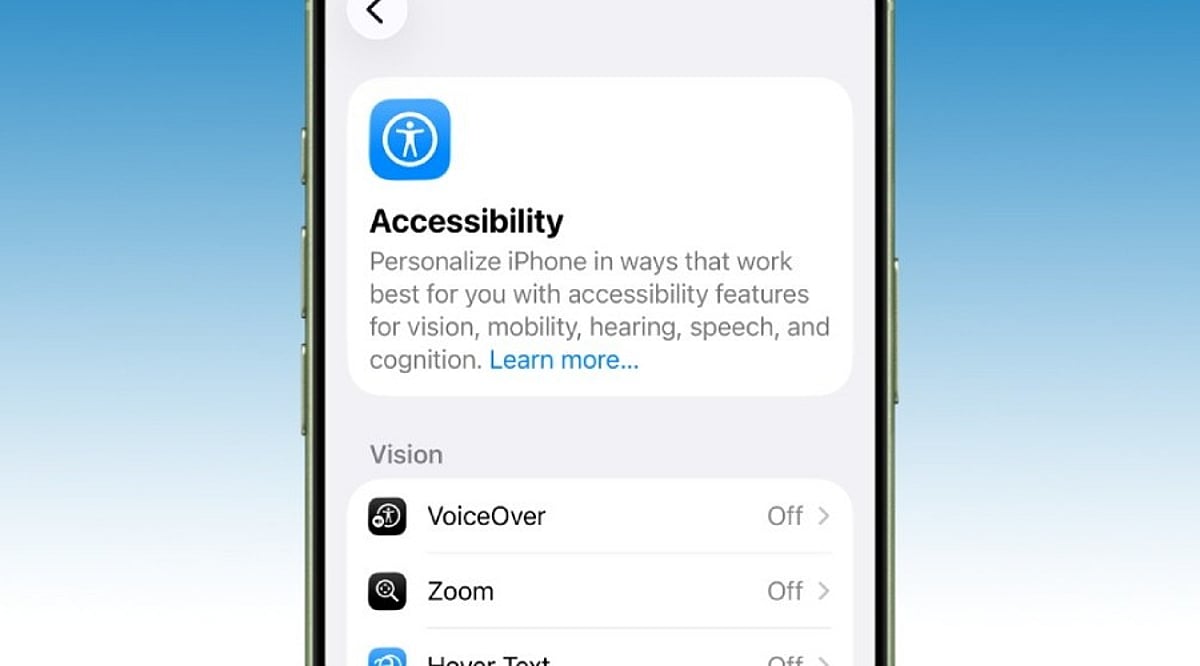
    Many iPhone users only explore the Accessibility menu when a specific need arises, leaving several powerful tools unnoticed. Apple designs these features for people with different abilities, but many also simplify everyday tasks for everyone. Recent updates in iOS 26, powered by Apple Intelligence, have made these tools even more capable. Here are 10 iPhone accessibility features that can save time, reduce effort, and enhance your overall experience without extra apps or accessories.

    Back Tap Adds Instant Shortcuts

    Back Tap turns the back of your iPhone into a hidden button. A double or triple tap can trigger actions like taking a screenshot, opening the camera, toggling the flashlight, or launching a favorite shortcut. It can also open Control Center or Notification Center. Many users find it indispensable after setup, as it eliminates extra steps and works through most phone cases.

    Live Captions Make Audio Easy to Follow

    Live Captions display spoken words as text on screen during calls, videos, and other audio content. This is invaluable in noisy environments, quiet spaces, or when hearing is difficult. iOS 26 expands caption support and Apple Intelligence improves subtitle quality, ensuring you never miss important details.

    Voice Control Handles Everyday Tasks

    Voice Control lets you operate your iPhone with spoken commands. Open apps, scroll, return to the Home Screen, or tap buttons without touching the display. Recent updates enhance natural language understanding, making commands feel more intuitive. Ideal for cooking, exercising, or any situation where your hands are busy.

    AssistiveTouch Simplifies Navigation

    AssistiveTouch places a floating button on screen that opens a menu of useful controls: lock screen, adjust volume, activate Siri, take screenshots, and more. You can create custom gestures for repetitive tasks. It’s a lifesaver when physical buttons wear out and enables one-handed use by keeping controls within reach.

    Background Sounds Create a Calm Space

    Background Sounds play soothing audio like rain, ocean waves, or white noise to improve focus and relaxation. Built directly into iOS, you can access it from Control Center without installing another app. Perfect for work, study, or rest.

    Sound Recognition Listens for Important Alerts

    Sound Recognition detects sounds like doorbells, smoke alarms, baby cries, or sirens and sends notifications. It keeps you aware of your environment even when wearing headphones or focusing elsewhere. Apple continues to improve accuracy through software updates.

    Magnifier Turns the Camera Into a Helpful Tool

    The Magnifier app transforms your iPhone camera into a digital magnifier. Read small text on medicine labels, menus, or documents with brightness, color filters, and contrast adjustments. iOS 26 adds Apple Intelligence for richer object and scene descriptions.

    Personal Voice and Live Speech Support Communication

    Personal Voice lets you create a digital version of your own voice for future use. Live Speech speaks typed words during calls, FaceTime, or in-person conversations. Recent updates improve voice quality and expand language support, helping preserve your unique communication style.

    Reduce Motion and Assistive Access Improve Comfort

    Reduce Motion minimizes screen animations for a calmer, more readable interface. Assistive Access simplifies the home screen with larger icons and essential apps only, designed for cognitive accessibility but also great for seniors, children, or anyone wanting a distraction-free experience.

    iOS 26 Brings Major Accessibility Improvements

    iOS 26 introduces Accessibility Reader for adjustable text, Braille Access for note-taking, and deeper Apple Intelligence integration. VoiceOver, Magnifier, Voice Control, and Accessibility Reader gain smarter image descriptions and language understanding. New features like Vehicle Motion Cues reduce travel discomfort. Apple continues to treat accessibility as a core part of the iPhone experience.

    These features prove that accessibility tools benefit everyone, not just those with specific needs. Try them out and see how they can streamline your daily iPhone use.

  • How UK-Based AI Platforms Are Revolutionizing Sports Analytics and Officiating

    How UK-Based AI Platforms Are Revolutionizing Sports Analytics and Officiating

    UK AI companies are reshaping modern sports through intelligent officiating, player tracking, and real-time analytics. Platforms like Hawk-Eye, Genius Sports, and Stats Perform now support major global leagues. Their growing influence also highlights the importance of balancing AI-driven decisions with effective human oversight.

    Overview

    UK AI companies such as Hawk-Eye, Genius Sports, and Stats Perform are transforming sports analytics through intelligent officiating, player tracking, and real-time performance data across global leagues. From Wimbledon’s electronic line-calling system to the Premier League’s AI-powered offside technology, British platforms now play a central role in how major sporting events are officiated and analyzed. As AI adoption accelerates across professional sports, UK firms are combining computer vision, machine learning, and predictive analytics to reshape decision-making while highlighting the growing need for human oversight and governance.

    A missed AI call at Wimbledon shocked fans and showed how deep technology now runs through sport. Behind it, UK firms quietly power the world’s biggest leagues through smart analytics.

    New Layer of Infrastructure

    A tennis crowd went quiet at Wimbledon in 2025, not for a missed shot, but for a missed call. The line-calling system that had replaced human judges after 147 years of tradition simply switched off mid-match. That single moment captures where sports technology stands today. It’s not a support tool sitting on the sidelines anymore. It runs inside the competition itself, shaping decisions as they happen.

    Sports analytics blends computer vision, machine learning, and statistical modelling. Together, these tools support coaching decisions, officiating, athlete performance, and fan engagement. A group of UK-based platforms sits at the center of this shift, supplying the officiating systems, data feeds, and tracking tools that major leagues now rely on every week. A survey of 675 sports-media executives by Stats Perform found that 81% had raised their use of AI over the past 12 months. That figure points to structural adoption, not a passing trend among a few forward-leaning clubs.

    Hawk-Eye Redefines Officiating

    Hawk-Eye Innovations has changed competitive sport more than any other UK platform. Built originally for tennis line calls, its technology now powers ball tracking and player tracking across cricket, football, baseball, and rugby. Wimbledon 2025 marked the clearest example yet. Line judges were replaced for the first time by electronic line-calling built by Hawk-Eye. It uses 18 cameras around each court to track the ball and produce automated voice calls. A British system took over calls that human eyes had made for close to 150 years.

    Its reach extends well past tennis. Sony’s Hawk-Eye system has powered Goal Line Technology in the Premier League since the 2013/14 season, and VAR technology has run since 2019. In cricket, it drives LBW trajectory simulation under ICC approval. In baseball, the system took over part of MLB’s Statcast optical tracking from 2024.

    Three Platforms, Three Roles

    Each major UK sports AI company occupies a distinct part of the pipeline, from raw officiating decisions through to distributed match data.

    When the System Fails

    Adoption has not come without friction. During the fourth round at Wimbledon, the electronic line-calling system was switched off by accident for three points on Centre Court, missing a clear-out call in a match between Anastasia Pavlyuchenkova and Sonay Kartal. Organizers apologized afterwards and traced the fault to human error rather than the underlying technology. A separate malfunction during a quarterfinal between Taylor Fritz and Karen Khachanov forced officials to replay a point after the system misread a player’s serve motion as the start of a new rally. Neither incident undoes the wider shift toward automated officiating. Both point to a governance gap that leagues are still closing. Automated systems remove one source of human error and introduce a different one, tied to operators, calibration, and design choices. Wimbledon now keeps roughly 80 staff on hand as match assistants in case the technology fails again.

    Genius Sports Builds the Premier League’s Data Spine

    Genius Sports, headquartered in London, holds an equally central role in football’s data economy. The company is the official low-latency data partner of the Premier League, collecting data from every player in every match to power statistics, visualisations, and betting markets, under a contract that runs to 2029. Low latency matters here. Broadcast graphics, betting markets, and officiating decisions all draw on the same feed, arriving within a fraction of a second of real play, keeping fans, bookmakers, and referees working from one shared picture of the match.

    Its work has grown past raw data delivery. The GeniusIQ platform builds full 3D renders of every player, the ball, and the offside wall within seconds. Match officials use these renders to make precise semi-automated offside calls, paired with graphics ready for broadcast. This is real-time sports analytics running at officiating speed, not just reporting speed.

    Stats Perform Anchors the Data Pipeline

    Stats Perform, headquartered in London, formed through the merger of Stats and Perform, has invested in AI since 2015. Its Opta brand remains the name most fans and broadcasters recognize, feeding statistics into television coverage, apps, and club scouting departments around the world. Its scale stands out. Through its OptaAI Studio platform, Stats Perform processes more than 3.5 million data points each season across upwards of 30 sports globally, using machine learning to generate real-time game data, predictive analytics, and performance intelligence. That output turns into contextualized insights for broadcasters and coaching staff alike, often within minutes of a match ending.

    Why the UK Became a Hub

    A few forces explain why this cluster of expertise sits in Britain. The Premier League’s global broadcast reach gives UK data and officiating providers an unmatched testing ground, with millions of viewers watching every technical decision in real time. Decades of sports broadcasting heritage, built around cricket, tennis, and football coverage, produced great technical skill in camera systems and live data handling. A mature betting and data licensing industry added steady commercial demand for precise, fast feeds. Officiating technology also found an early foothold in Britain, with Hawk-Eye’s tennis and cricket work predating most global competitors by years.

    A Market Still Defining Its Scale

    Estimates of this market shift depending on scope. The AI-in-sports segment alone was valued at USD 1.2 billion in 2024, with an estimated growth rate of 14.7% a year between 2025 and 2034. The wider sports analytics category, which folds in broadcast, betting, and traditional data services alongside AI tools, runs larger still. The distinction matters for anyone tracking where investment actually concentrates.

    Final Thought

    The next frontier for UK sports AI is not prediction but prescription, with systems moving toward recommending specific in-game adjustments in real time rather than simply reporting or forecasting outcomes. Wimbledon’s 2025 malfunctions were a reminder that speed and precision only carry value when paired with clear rules for who steps in, and when, once the system gets something wrong.

    FAQs

    1. Which UK companies are leading sports analytics with AI? Hawk-Eye, Genius Sports, and Stats Perform are among the leading UK companies using AI for officiating, player tracking, real-time data analysis, and sports performance insights.
    2. How does Hawk-Eye technology work in sports? Hawk-Eye uses high-speed cameras, computer vision, and AI to track ball movement and player positions, enabling accurate line calls, goal-line decisions, and officiating support.
    3. What role does Genius Sports play in the Premier League? Genius Sports is the Premier League’s official low-latency data partner, providing real-time match data, 3D visualisations, and technology that supports semi-automated offside decisions.
    4. What is OptaAI Studio by Stats Perform? OptaAI Studio is Stats Perform’s AI-powered analytics platform that processes millions of sports data points to generate real-time insights, predictive analytics, and performance intelligence.
    5. Why is human oversight still important in AI-powered sports analytics? While AI improves speed and accuracy, system failures, calibration issues, and operational errors show that human oversight remains essential for ensuring fairness, reliability, and effective governance.
  • Top Google Home Security Cameras for 2026: Expert Picks & Buying Guide

    Top Google Home Security Cameras for 2026: Expert Picks & Buying Guide

    Key Takeaways

    • Google Nest Cam (Battery) remains the best overall choice with seamless Google Home integration and reliable AI.
    • Eufy, Arlo, Reolink, and TP-Link provide excellent alternatives with premium features across different budgets.
    • Modern cameras now combine AI detection, sharper video, local storage, and smart automation for enhanced home security.

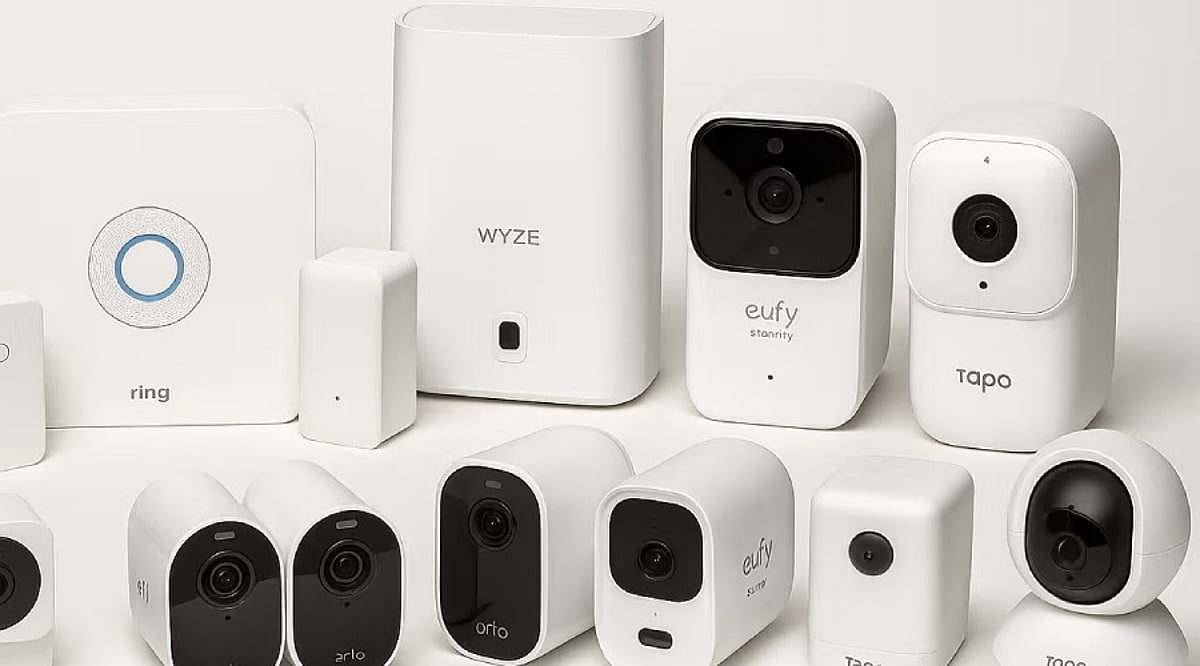
    Home security has evolved significantly. A simple camera no longer just records video. Modern models now spot people, pets, vehicles, and packages with smart AI tools. Many cameras also connect with the Google Home app, smart displays, speakers, and Chromecast devices. A quick voice command can show a live video feed on a Nest Hub or a compatible television.

    Google Home support has improved across many popular brands. Nest still offers the smoothest experience, yet companies such as Eufy, Arlo, Reolink, and TP-Link now deliver excellent compatibility. Better software, sharper cameras, and smarter alerts have created many great options for every budget.

    Google Nest Cam (Battery) Stays at the Top

    The Google Nest Cam (Battery) remains the best overall security camera for Google Home users. Native support gives this model fast access inside the Google Home app without extra setup. Live video appears almost instantly on Nest Hub smart displays and Chromecast-enabled televisions.

    This camera records video in 1080p HDR resolution and covers a 130-degree field of view. AI features recognize people, animals, and vehicles with high accuracy. The battery design also offers flexible placement around the home, while wired power remains available for those who prefer continuous charging. Current retail prices sit around Rs. 27,400, or roughly $330, depending on the seller and region.

    Nest Cam Indoor (3rd Gen) Delivers Better Indoor Protection

    Google also introduced the Nest Cam Indoor (3rd Gen), which brings a major upgrade for indoor security. The new camera captures video in sharp 2K resolution, far above the older Full HD models. Fine details such as faces, small objects, and room activity appear much clearer.

    Google also adds Gemini-powered AI features that create event summaries and smarter alerts. Quick access through the Google Home app keeps every important notification in one place. Anyone who wants simple indoor monitoring with deep Google Home support will find this camera an excellent choice.

    EufyCam S3 Pro Offers Premium Features Without Monthly Fees

    The EufyCam S3 Pro stands out as one of the strongest alternatives to Google’s own cameras. This model records crisp 4K Ultra HD video, which captures much more detail than standard Full HD cameras. Solar charging keeps the battery ready for long periods with very little maintenance.

    Local storage removes the need for a monthly cloud subscription, which helps lower long-term costs. AI tools identify people, pets, and vehicles with impressive accuracy. Google Home compatibility allows live streaming through compatible smart displays and voice commands. Current prices start around Rs. 34,000 for an add-on camera.

    Arlo Pro 5S Brings Powerful AI Detection

    The Arlo Pro 5S focuses on smart detection and excellent image quality. This camera records in 2K HDR resolution and includes a wide 160-degree viewing angle that covers more space around a home. Color night vision also delivers brighter footage after sunset.

    Dual-band Wi-Fi supports stable wireless performance in many home networks. Smart alerts identify people, vehicles, animals, and other important events with great precision. Google Assistant support allows quick voice control through Google Home devices. Current prices remain close to Rs. 27,000 in most online stores.

    Reolink Argus 4 Pro Covers More Space

    The Reolink Argus 4 Pro introduces one of the most significant improvements in camera technology. Thanks to a unique dual-lens design, this camera boasts a wide 180-degree field of view. Unlike conventional cameras that miss certain areas around driveways, gardens, or entrances, this camera captures almost everything in its radius.

    The camera captures high-quality 4K videos and operates on battery power. Additionally, it supports Google Home and can be operated using your voice as well as streamed live on compatible smart displays.

    TP-Link Tapo C425 Delivers Great Value

    The TP-Link Tapo C425 is proof that good security can be inexpensive. This wireless camera has the capacity to record images at a 2K QHD resolution and comes with a magnetic mount that can be set up easily at practically any location.

    Its color night vision can make the imaging clearer even in darkness, while its compatibility with Google Home provides the advantages of voice control and live streaming. The actual price for such cameras varies between Rs. 7,600 and Rs. 8,000, which makes this equipment affordable.

    New Features Shape the 2026 Market

    Modern security cameras now offer far more than simple video recording. AI technology detects people, pets, vehicles, and delivered packages with impressive accuracy. Smart notifications reduce false alerts and help homeowners focus on important activity.

    Google continues to expand the Nest camera family with new 2K indoor and outdoor models that include Gemini-powered intelligence. Natural-language video search and AI event summaries also become more common across premium devices. At the same time, many brands now offer local storage instead of paid cloud plans, which saves money over the life of the product.

    Final Thoughts

    The Google Nest Cam (Battery) is the most effective all-around option for users of Google Home; it comes with perfect software, reliable AI and seamless integration. The Nest Cam Indoor (3rd Gen) is the safest option among indoor cameras, with its crystal-clear 2K image quality and advanced Gemini capabilities. The EufyCam S3 Pro has the advantage of 4K quality, solar charging and no subscription is required. Arlo Pro 5S has improved AI detection and steady performance, whereas the Reolink Argus 4 Pro amazes with its unique 180-degree visibility. Finally, TP-Link Tapo C425 is the best value option, with great features at a competitive price. The new generation of security cameras compatible with Google Home focused on smart software, video quality and reliable automation.

    Frequently Asked Questions

    1. Which security camera works best with Google Home in 2026?

    The Google Nest Cam (Battery) offers the smoothest Google Home experience with native app integration, voice commands, and instant live streaming.

    2. Which Google Home camera offers the best indoor security?

    The Nest Cam Indoor (3rd Gen) delivers 2K video quality, Gemini-powered AI summaries, and advanced smart alerts.

    3. Which security camera doesn’t require a monthly subscription?

    The EufyCam S3 Pro supports local storage, allowing users to avoid recurring cloud storage fees.

    4. Which budget-friendly camera supports Google Home?

    The TP-Link Tapo C425 offers 2K QHD recording, color night vision, and Google Home compatibility at an affordable price.

    5. What features should I look for in a Google Home security camera?

    Choose a camera with AI person detection, at least 2K video resolution, Google Home integration, reliable night vision, local storage or cloud options, and weather resistance for outdoor use.

  • Top Gold-Holding Nations in 2026: US Dominates as China and India Expand Reserves

    Top Gold-Holding Nations in 2026: US Dominates as China and India Expand Reserves

    Central banks worldwide continue to rely on gold as a cornerstone of financial stability, reserve diversification, and economic confidence. As of 2026, the United States maintains its commanding lead in official gold reserves, while China and India steadily build their holdings. Despite a slowdown in central bank purchases during the first half of the year, gold remains a trusted asset in global finance.

    United States Far Ahead

    The United States holds the largest official gold reserve in the world with 8,133.5 metric tons, representing about 83% of the country’s total foreign exchange reserves. No other nation comes close; the U.S. stock alone exceeds the combined holdings of Germany and Italy, the second and third largest holders. This position has remained virtually unchanged for decades.

    European Nations Hold Strong Positions

    Germany ranks second with 3,350.3 metric tons of gold, followed by Italy (2,451.8 metric tons) and France (2,437 metric tons). Gold forms more than 80% of the official reserves in all three countries. Combined, euro area reserves exceed 10,800 metric tons, surpassing any single nation’s holdings.

    Russia and China Build Strategic Strength

    Russia holds 2,313.4 metric tons (fifth place), while China follows closely with 2,304.7 metric tons according to the World Gold Council. The People’s Bank of China added about 15 metric tons in June 2026—the largest monthly increase since 2023—marking 20 consecutive months of purchases. This reflects a clear long-term strategy to diversify reserves and strengthen financial security.

    India Moves Higher

    India holds 880.5 metric tons of official gold, ranking eighth in the world. Gold accounts for roughly 18% of the country’s foreign exchange reserves. The Reserve Bank of India has steadily expanded its holdings in recent years. Indian households own far more gold than the central bank, making the country a major overall owner of the precious metal.

    Other Notable Holders

    Switzerland ranks seventh with 1,039.9 metric tons, Japan holds about 845.9 metric tons, and the Netherlands completes the top ten with approximately 634.7 metric tons. Reserve strategies vary: Switzerland uses gold as part of a balanced portfolio, while Japan keeps only a small share of its reserves in gold.

    Central Bank Confidence Remains Strong

    The World Gold Council reports that central bank purchases slowed sharply in the first half of 2026—only 57 metric tons in Q1 (the lowest in 15 years) and about 345 metric tons total in H1. Even so, central banks still account for nearly one-third of global gold demand. A 2026 survey found that 89% of reserve managers expect global gold reserves to rise in the next 12 months, and a record 45% expect their own institutions to increase holdings. Gold continues to offer stability, liquidity, and protection against financial and geopolitical risks.

    Frequently Asked Questions

    1. Which country has the largest gold reserves in 2026?

    The United States leads with 8,133.5 metric tons.

    2. Why do central banks hold gold?

    Gold provides financial stability, diversifies reserves, protects against economic uncertainty, and strengthens confidence in a country’s financial system.

    3. Which countries are in the global top five for gold reserves?

    The United States, Germany, Italy, France, and Russia hold the five largest official gold reserves.

    4. Has China increased its gold reserves in 2026?

    Yes, China continued adding gold during 2026 as part of its long-term reserve diversification strategy.

    5. Why is gold still important despite slower central bank purchases?

    Gold remains a trusted store of value, offering liquidity, stability, and protection during financial and geopolitical uncertainty.

  • Indian Stocks Open Lower as Rising Oil and Middle East Tensions Weigh on Sentiment

    Indian Stocks Open Lower as Rising Oil and Middle East Tensions Weigh on Sentiment

    Indian equity markets opened lower on Friday, dragged by rising crude oil prices and escalating Middle East tensions that dampened investor sentiment. The Nifty 50 index started the session 97.1 points, or 0.39%, lower at 24,538.90, while the Bank Nifty declined 181.65 points, or 0.31%, to open at 57,882. The Sensex opened 438.68 points below its previous close of 78,954.76.

    Broader market performance was mixed. The Nifty Midcap 100 index edged down 0.4%, while the Nifty Smallcap 100 index gained 0.5%.

    In the currency market, the rupee opened at Rs 95.28 per US dollar on Friday, compared with the previous session’s close of Rs 95.22.

    Foreign institutional investors (FIIs) remained net sellers in Indian equities on August 6, offloading shares worth Rs 28.58 crore. Conversely, domestic institutional investors (DIIs) were net buyers, adding Rs 3,488.43 crore.

    Sensex Outlook

    Technically, the Sensex formed a small candle on the daily chart, and the non-directional intraday activity indicates indecision among traders.

    “For day traders, 79,000 would act as an immediate breakout level. Above this, the market could move up to 79,300-79,500. On the flip side, below 78,600, we could see intraday price corrections down to 78,200-78,000. The intraday market texture is non-directional; hence, level-based trading would be the ideal strategy for day traders,” said Shrikant Chouhan, Head of Equity Research at Kotak Securities.

    Nifty 50 Outlook

    The Nifty 50 could witness profit booking after the recent rally, but the larger trajectory remains positive as long as key support levels hold.

    “The 24,400-24,500 is the immediate support zone, where buying interest is expected to emerge on declines. On the upside, 24,700-24,800 remains the key resistance range. A decisive move above this zone could signal a continuation of the ongoing uptrend and pave the way for fresh highs. As long as Nifty holds above the 24,400 support zone, the preferred strategy remains buy on dips,” said Gaurav Udani, founder of Thincredblu Securities.

    Bank Nifty Outlook

    The Bank Nifty is expected to remain steady, with the underlying technical structure still favorable as the index continues to trade above its key support zones.

    “The 58,200-58,300 band stands out as the immediate resistance area; a decisive move beyond this level would strengthen buying interest and open the path toward 58,500-58,600. On the downside, the 57,800-57,700 zone serves as the first line of support, with a breakdown below this level exposing the index to a deeper pullback toward 57,400-57,300,” said Ponmudi R, CEO of Enrich Money.

    Disclaimer: This article is for informational purposes only and does not constitute investment advice. Always conduct your own research before making investment decisions.

  • MCX Gold Rises 0.5% to Rs 1,49,608 Ahead of US Jobs Data; Key Levels to Watch

    MCX Gold Rises 0.5% to Rs 1,49,608 Ahead of US Jobs Data; Key Levels to Watch

    Gold prices edged higher on the Multi Commodity Exchange (MCX) on Friday, August 7, as investors awaited the release of the US non-farm payrolls (NFP) report for clues on the Federal Reserve’s interest rate trajectory. August gold futures rose 0.5% to Rs 1,49,608 per 10 grams, while September silver futures advanced 1.09% to Rs 2,28,300.

    Domestic Gold Prices

    In the Indian bullion market, 24K gold increased by Rs 16 to Rs 1,49,890 per 10 grams, and 22K gold gained Rs 15 to Rs 1,37,400. Regional prices remained largely uniform: Mumbai and Kolkata quoted Rs 1,49,890, Delhi Rs 1,50,040, and Chennai Rs 1,50,000.

    Global Gold and Commodity Markets

    Internationally, spot gold rose 0.6% to $4,262.39 per ounce, heading for its biggest weekly gain since January. US gold futures climbed 0.5% to $4,321.50. The rally was supported by weaker oil prices and expectations that the Fed may adopt a more dovish stance.

    Spot silver added 1.3% to $62.27, platinum rose 0.5% to $1,737.25, while palladium slipped 0.2% to $1,368.37. In the energy market, Brent crude futures rose 1.83% to $84 per barrel, and US West Texas Intermediate (WTI) edged up 1.67% to $78.58.

    Key Technical Levels

    Analysts noted that the $4,000 level has emerged as solid support for gold. XAU/USD trades at $4,260.68 on the daily chart, holding above the 21-day simple moving average (SMA) at $4,083.25 and the 50-day SMA at $4,151.23, keeping the near-term bias bullish.

    On the upside, immediate resistance is at the 100-day SMA of $4,389.72, followed by a more substantial barrier at the 200-day SMA around $4,494.54. On the downside, support lies at the 50-day SMA near $4,151.23 and then $4,083.25.

    “Regardless of how NFP plays out, $4,000 has proven to be a solid support level — and I suspect bulls are waiting for dips to take advantage of a much-needed correction higher towards $4,600. NFP may provide some noise over the near term, but price action has spoken, and gold looks like it wants to rally,” said market analyst Simpson.

    Investors now await the US non-farm payrolls data, which could provide further direction for gold prices in the near term.

  • From Data to Decisions: Claight CEO Vishal Ranjan on Unlocking Actionable Business Insights

    From Data to Decisions: Claight CEO Vishal Ranjan on Unlocking Actionable Business Insights

    In a recent episode of the Analytics Insight Podcast, host Priya Diyalani sat down with Vishal Ranjan, Founder and CEO of Claight, to explore why so many organizations remain data-rich yet insight-poor despite massive investments in AI, analytics, and digital transformation. The conversation cut through the hype to reveal the critical differences between raw data, information, intelligence, and actionable insights—and why dashboards alone rarely drive business success.

    The Data Paradox

    “Organizations today generate more data than ever before,” Ranjan noted. “Dashboards, reports, KPIs, AI tools, and analytics platforms have become standard. Yet many business leaders still struggle to answer simple questions: Why did sales decline? Where are we losing revenue? What action should we take next?”

    This paradox—being data-rich but insight-poor—is at the heart of Claight’s mission. Ranjan, whose background is in sales at a large FMCG company, experienced the problem firsthand. “I had access to huge volumes of market research, customer surveys, demand forecasts, and sales reports. The problem wasn’t lack of data. The challenge was understanding what to actually do with that information,” he explained.

    Bridging the Gap Between Data and Action

    Claight was founded to bridge the gap between data, intelligence, and decision-making. “Everyone could see that a market was expected to grow by 30 or 40 percent, but very few people could translate that into clear business actions,” Ranjan said. “We wanted to help businesses move beyond reports and actually use data to drive growth.”

    He outlined a clear hierarchy: Data tells you what happened. Intelligence explains why it happened. Insights tell you what action to take next. “Unfortunately, many organizations stop at the dashboard. They invest heavily in analytics but never transform that information into practical business decisions. That’s why executives often rely on instinct instead of data when making important decisions.”

    Real-World Example: From Raw Data to Actionable Insight

    Ranjan illustrated the concept with a client case. “One of our clients had years of procurement and import-export data. That was raw data. Once we cleaned and organized it into trends, it became information. Next, we analyzed why certain countries had become major suppliers while others had become expensive due to policy changes. That became intelligence. Finally, we recommended alternative sourcing countries that could reduce procurement costs. That recommendation became an actionable insight because it directly influenced business decisions.”

    The biggest value, he emphasized, isn’t in owning data—it’s in knowing what action that data should drive.

    Why Data Silos Persist Despite Digital Transformation

    When asked why data silos still exist after years of digital transformation, Ranjan pointed to organizational behavior rather than technology. “Sales teams have their own dashboards. Finance has its own systems. Procurement works independently. Operations manage completely different datasets. Each department is optimizing for its own goals, so while every team has accurate information, nobody has a complete business picture.”

    He argued that digital transformation successfully digitized departments, but the next challenge is connecting those departments to create one unified source of truth. “That’s more of a cultural transformation than a technical one.”

    Three Barriers to Turning Data into Business Value

    Ranjan summarized the biggest barriers with three words: Trust, Context, and Speed.

    • Trust: If leaders don’t trust the numbers, they won’t use them. One conflicting report is often enough to make executives rely on intuition.
    • Context: A dashboard may show sales dropped by 10%, but it rarely explains why or what should happen next. Without context, numbers create more questions than answers.
    • Speed: Markets move fast. If analysis takes six weeks, the business environment may have already changed. Data must be timely enough to support decisions before opportunities disappear.

    Measuring Data Investments the Right Way

    Many organizations measure the wrong metrics, Ranjan cautioned. “They count dashboard logins, platform usage, reports generated, data stored. None of those prove business success.” Instead, companies should ask: Are we making decisions faster? Are our forecasts becoming more accurate? Are we responding to market changes quicker than before? Are we improving revenue, profitability, or customer satisfaction?

    “When data directly improves business outcomes, it stops being an IT expense. It becomes a strategic business asset,” he concluded.

    For the full discussion, including more insights on how to build a data-driven culture, listeners can access the complete episode of the Analytics Insight Podcast.

  • How an Accelerated Online MBA Fast-Tracks Your Career Growth

    How an Accelerated Online MBA Fast-Tracks Your Career Growth

    Experience alone doesn’t always get you where you want to go. Most employers are looking for people who can back up their on-the-job know-how with real business training and leadership chops.

    That’s where an accelerated online MBA comes in. It’s a quicker way to build those skills without hitting pause on your career. Just know that the shorter timeline means you’re packing a lot into less time. Because you finish faster, you get real, usable skills without taking a career break to do it. Once you understand what these programs actually do for you, it’s easier to figure out if this is the right move.

    Skills Employers Actually Care About

    Employers tend to want people who can pair specific knowledge with good judgment. An MBA gives you that: practical tools that make you sharper no matter which part of the business you’re in.

    By enrolling in an accelerated online MBA, you can strengthen several core competencies while continuing in your current role. Here’s what you’ll likely walk away with:

    • Financial analysis, so budgets and investment decisions make more sense
    • Strategic planning, so you can actually set goals and track them
    • Leadership, so you can steer a team through change without it falling apart
    • Business communication, so your ideas land with whoever’s listening
    • Operations know-how, so things run smoother and resources don’t go to waste

    None of this matters much sitting in a textbook. It matters when you use it. Maybe a finance assignment helps you rework your team’s budget. Maybe a leadership project changes how your team actually talks to each other. That’s the point. And honestly, going after a degree while still working full-time says something about a person. It shows discipline, adaptability, and a willingness to keep learning even when it’s inconvenient.

    Fitting School Around Your Job (Not the Other Way Around)

    The biggest perk of an accelerated online MBA is that you don’t have to quit your job. You keep the paycheck, keep your momentum, and can actually apply what you’re learning to what you’re doing at work that same week.

    Build a Schedule You’ll Actually Stick To

    Online classes give you room to breathe. Most programs let you do the work on your own time, so it fits around meetings, deadlines, and whatever life throws at you. Still, a loose plan turns into no plan pretty fast. Block off study time, keep an eye on what’s due, and break the bigger projects into pieces you can actually chip away at. Telling your family or your manager what your week looks like helps too, since it means fewer surprises and less friction.

    Get Sharper at Managing Your Time

    Juggling a job, coursework, and a life outside of both forces you to figure out what actually matters. When everything piles up at once, you learn to sort through it, hit deadlines, and keep functioning even when it’s stressful. That skill doesn’t disappear after graduation. It carries into how you plan projects, coordinate with a team, and make calls under pressure. It also makes you the person who stays level-headed when plans change last minute.

    Leadership Confidence You Can Actually Feel

    Climbing the ladder takes more than technical skill. Companies want people who can lead a room, work through messy problems, and talk to people outside their own department without losing them.

    Case studies push you to look at a problem from more than one angle. Group projects force you to collaborate with people who don’t think like you. Presentations make you explain something complicated in a way that actually makes sense, and do it with a straight face. Leadership also means trusting data over gut instinct. Instead of guessing, you get used to digging into numbers, spotting where the opportunity is, and thinking a few steps ahead.

    The more confident you get, the more ready you are to run a project, mentor someone newer, or sit in on the planning meetings that used to feel above your pay grade. That builds your credibility and makes you someone people actually want on their team.

    More Doors, Not Just a Better Title

    An MBA doesn’t just help you in your current job. It opens up options you might not have had otherwise. A lot of companies look at a graduate degree when they’re deciding who gets promoted into management or an executive track, since it usually signals sharper decision-making.

    If you’re thinking about switching industries entirely, this helps too. What you pick up in finance, marketing, and strategy classes travels with you. It’s not tied to one company or one role.

    Then there’s the networking side, which people underrate. You end up around classmates, professors, and alumni working in totally different fields. Those relationships turn into new ideas, career advice, and a much better sense of what’s happening outside your own bubble. Most schools also throw in career support: resume help, mock interviews, coaching, connections to employers. All of it adds up when you’re trying to stand out in a crowded hiring pool. And it helps you see where your own gaps are, so you can go after the right opportunities instead of just any opportunity.

    Using What You Learn Before You Even Graduate

    Here’s the underrated part: you don’t have to wait for a diploma to put any of this to use. Every class connects to something you’re already doing at work, if you let it.

    A few ways that show up in real life:

    • Backing up a budget call with an actual financial model
    • Using a leadership framework the next time your team hits a wall
    • Tightening up a project plan with what you just learned about operations
    • Reading customer behavior through a marketing lens
    • Making your next proposal land with actual evidence behind it

    Using it right away is what makes it stick. You’re not just memorizing a concept. You’re watching it play out in a real meeting, with real stakes. And it gives you something concrete to point to when you want to show you’re bringing value, not just attending class. Say you tighten up a workflow and delays drop. Or you fix a reporting process, and suddenly decisions move faster. Small stuff like that adds up, and it’s proof the degree isn’t just theoretical. Most managers notice when someone starts bringing sharper solutions to the table. Do it consistently, and it builds trust. Usually, more responsibility follows.

    Play the Long Game

    Getting ahead isn’t just about racking up years on the job. Real growth comes from continuing to learn: building the knowledge, the leadership instincts, and the bigger picture thinking that companies are increasingly expecting from the people they promote.

    An accelerated online MBA gets you there faster, without asking you to step away from the work you’re already doing. Mix flexible learning with real business training, and you end up with skills you can use immediately and keep sharpening for years after. Business never stands still. New technology, changing markets, and fresh challenges are constant. The people who keep learning are the ones who stay ready for whatever comes next, instead of scrambling to catch up.