Author: vitorcherulli

  • Ethereum Price Outlook for August 2026: Key Levels, ETF Inflows, and Whale Activity

    Ethereum Price Outlook for August 2026: Key Levels, ETF Inflows, and Whale Activity

    Ethereum (ETH) continues to trade below key technical resistance despite steady institutional buying and whale accumulation. As the second-largest cryptocurrency hovers near $1,850–$1,890, traders are weighing improving ETF inflows against weakening derivatives sentiment. The asset struggles to hold above the 100-day Exponential Moving Average (EMA), leaving the market poised for a potential breakout or further decline.

    ETF Inflows Signal Institutional Confidence

    According to SoSoValue, on August 5, Ethereum spot ETFs recorded a total net inflow of $60.8576 million. BlackRock’s ETF ETHA led with a single-day net inflow of $50.3442 million, bringing its cumulative total to $11.53 billion. BlackRock’s Staked ETH ETF ETHB followed with a single-day net inflow of $4.9382 million, reaching a cumulative total of $555 million. Additionally, the Morgan Stanley MSSE ETF saw its first inflow, indicating rising institutional participation.

    Technical Resistance Caps Upside Moves

    Ethereum has failed to break above the May peak and the 100-day EMA at $1,930 three times, signaling strong seller defense at that level. The Relative Strength Index (RSI) sits near the mid-50s, reflecting neutral momentum. The asset is currently confined within a narrow trading range of $1,840–$1,950, a pattern of price compression that often precedes sharp directional moves.

    Immediate support lies between $1,837 and $1,872, where the 20-day EMA, 50-day EMA, and the 0.382 Fibonacci retracement converge. A break below this band could push ETH toward the next horizontal support at $1,711. On the upside, a daily close above $1,930 would open the path to $1,940, $2,042, and the psychological resistance zone around $2,000–$2,170.

    Whale Accumulation Offsets Bearish Derivatives Sentiment

    While perpetual futures positioning has turned cautious, the spot market tells a different story. CryptoQuant data shows increased ETH derivatives volume, with Net Taker Volume shifting negative and the Taker Buy-Sell Ratio dropping below 1—indicating aggressive sellers currently outnumber buyers.

    Yet whales continue to accumulate. Lookonchain reports that one whale deposited 19,000 ETH from Gemini into staking and has accumulated 112,000 ETH over the past three weeks. Another wallet has purchased nearly 79,216 ETH since late June at an average price of $1,777. Meanwhile, BitMine Immersion Technologies grew its stake to 5.797 million ETH—about 4.8% of circulating supply—and expanded its buyback program. Staking revenue from its holdings is estimated at approximately $247 million annually.

    Historical Context and Outlook

    August has historically been a mixed month for Ethereum, with a median return of -1.87% over the past 11 years; seven of those years ended with a negative monthly close. While seasonal weakness remains a headwind, continued ETF inflows, whale accumulation, and a breakout above the $1,930–$1,961 resistance zone could allow ETH to reclaim the $2,000 mark in the coming weeks.

  • VetRec’s AI Platform Automates Veterinary Documentation, Helping Clinics Focus on Patient Care

    VetRec’s AI Platform Automates Veterinary Documentation, Helping Clinics Focus on Patient Care

    Veterinary clinics face a constant challenge: doctors care for animals, speak with pet owners, examine patients, prepare treatment plans, and complete detailed medical records after every visit. This paperwork takes valuable time away from patient care. VetRec entered this space with a clear goal: build an artificial intelligence platform that removes much of the documentation work from veterinary professionals. Instead of replacing medical expertise, the platform supports veterinarians with faster and more accurate record keeping. Recent developments show that VetRec has moved far beyond a simple note-taking tool and now plays a larger role in modern veterinary practice.

    VetRec Brings AI Into Daily Veterinary Work

    VetRec focuses on one of the most labor-intensive segments in veterinary practices: medical records. Proper documentation is necessary for every consultation. The tool listens actively during visits, makes sense of what veterinarians are discussing, and within a few minutes generates a complete record. The records are then reviewed by the veterinarian before being appended to the medical file. This technique gives complete authority to physicians while removing a large portion of the tedious job of record maintenance. VetRec differs from other AI tools used in medical practices because it understands the special terminology used in animal medicine, rather than human medicine.

    AI Creates Accurate Medical Records

    The technology works through a simple process. During an appointment, the system captures the conversation between the veterinarian and the pet owner. Advanced speech recognition converts spoken words into text. Veterinary language models then identify the patient’s history, symptoms, examination findings, treatment plans, medications, and diagnostic details. After this analysis, the platform prepares structured SOAP notes along with discharge instructions, referral summaries, surgery reports, and complete medical records. The veterinarian checks the final document, makes any necessary changes, and approves the record. This approach saves valuable clinical time while maintaining professional oversight throughout the documentation process.

    Large Emergency Hospital Network Shows Confidence

    The strongest proof of VetRec’s success came through its partnership with VEG ER for Pets, one of North America’s largest emergency veterinary providers. The collaboration started with a six-month pilot program that tested the platform in real emergency hospitals. During this period, VetRec supported documentation for more than 100,000 emergency patient visits. The results encouraged VEG to expand the partnership across its organization. More than 70 percent of VEG hospitals now operate with the VetRec platform, while a full company-wide rollout continues. This large-scale adoption shows that the technology performs well even in busy emergency environments where speed, accuracy, and clear documentation remain essential.

    Expansion Beyond Clinical Documentation

    VetRec recently expanded its product portfolio with the launch of an AI Receptionist in July 2026. This new system handles routine front-desk tasks that often consume staff time throughout the day. The virtual assistant answers phone calls, schedules appointments, records messages, and supports clinics after regular business hours. This development marks an important step for the company. VetRec now addresses both clinical documentation and administrative work, which helps veterinary teams spend more time with patients instead of routine office tasks. The broader platform also creates a smoother experience for clinics that seek one technology partner for multiple operational needs.

    Regular Product Updates Improve Clinical Workflows

    VetRec continues to improve its software with frequent product updates. Recent releases introduced clinical alerts, evidence citations, ER Rounds workflow support, Body Maps, and stronger record recap features. These additions show that the company aims to support more than documentation alone. The platform now assists with clinical organization and information management across different stages of patient care. Each new feature strengthens the overall workflow inside veterinary hospitals. Doctors receive better access to organized clinical information, while staff members complete routine processes with greater consistency and speed.

    Benefits for Veterinary Teams

    Veterinary professionals often spend many hours each week on documentation. VetRec helps reduce this workload through automatic note creation that follows every consultation. Less time spent on paperwork allows doctors to focus more attention on examinations, treatment decisions, and conversations with pet owners. The software also creates standardized SOAP notes, which improve consistency across different clinicians. Structured documentation helps clinics maintain clear patient histories and supports smoother communication between team members. Faster documentation may also allow hospitals to manage higher patient volumes without adding extra administrative pressure.

    Strong Position in a Growing AI Market

    Artificial intelligence continues to reshape veterinary medicine across many areas, including diagnostic support, radiology, disease prediction, herd health management, and clinical documentation. VetRec stands among the leading companies that focus specifically on veterinary record automation. The company competes with several other AI scribe providers, yet its rapid enterprise adoption and specialized veterinary design have helped establish a strong market position. VetRec also offers enterprise-level security standards, including SOC 2 Type II compliance, along with support for practice management software integrations and GDPR requirements for clinics in the United Kingdom and Europe. Pricing in the UK starts at approximately £79 per veterinarian each month, accompanied by a 14-day free trial.

    Future of AI in Veterinary Care

    VetRec shows how artificial intelligence can strengthen veterinary medicine without replacing professional judgment. Every medical record still requires review and approval from a qualified veterinarian, which keeps clinical responsibility firmly in human hands. The technology simply removes repetitive documentation tasks and allows veterinary teams to devote more attention to patient care. The company’s rapid product expansion, large-scale deployment with VEG ER for Pets, and continued investment in workflow improvements demonstrate steady progress toward a broader AI platform for veterinary practices. As veterinary clinics search for better efficiency, higher documentation quality, and improved patient experiences, VetRec continues to play an important role in the digital transformation of animal healthcare.

    Frequently Asked Questions

    • What is VetRec? VetRec is an AI-powered platform that automates veterinary documentation by generating medical records, SOAP notes, and clinical summaries from consultations.
    • How does VetRec work? VetRec listens to veterinarian-pet owner conversations, transcribes them, and creates structured medical notes that veterinarians review before approval.
    • What are the benefits of VetRec for veterinary clinics? It reduces paperwork, saves time, improves documentation consistency, and allows veterinarians to spend more time on patient care.
    • Does VetRec only create medical records? No. VetRec also offers an AI Receptionist that can answer calls, schedule appointments, and handle routine administrative tasks.
    • Is VetRec used by large veterinary hospitals? Yes. VetRec has been adopted by a majority of hospitals within the VEG ER for Pets network following a successful pilot program.
  • Reddit Moderation Explained: How Moderators, AutoModerator, and Policies Work Together

    Reddit Moderation Explained: How Moderators, AutoModerator, and Policies Work Together

    Reddit’s moderation system is a layered structure that combines platform-wide policies, volunteer community moderators, and automated tools. Each layer plays a distinct role, from enforcing site-wide rules to managing the unique culture of individual subreddits. Understanding this system helps explain why posts are removed and how users can participate more effectively.

    The Three Layers of Reddit Moderation

    Reddit moderation operates through three interconnected layers: Reddit’s Content Policy, volunteer moderators, and AutoModerator. Platform policies set the outer boundary for all communities. Volunteer moderators shape what happens within their subreddits. Automation handles the scale that humans cannot manage alone.

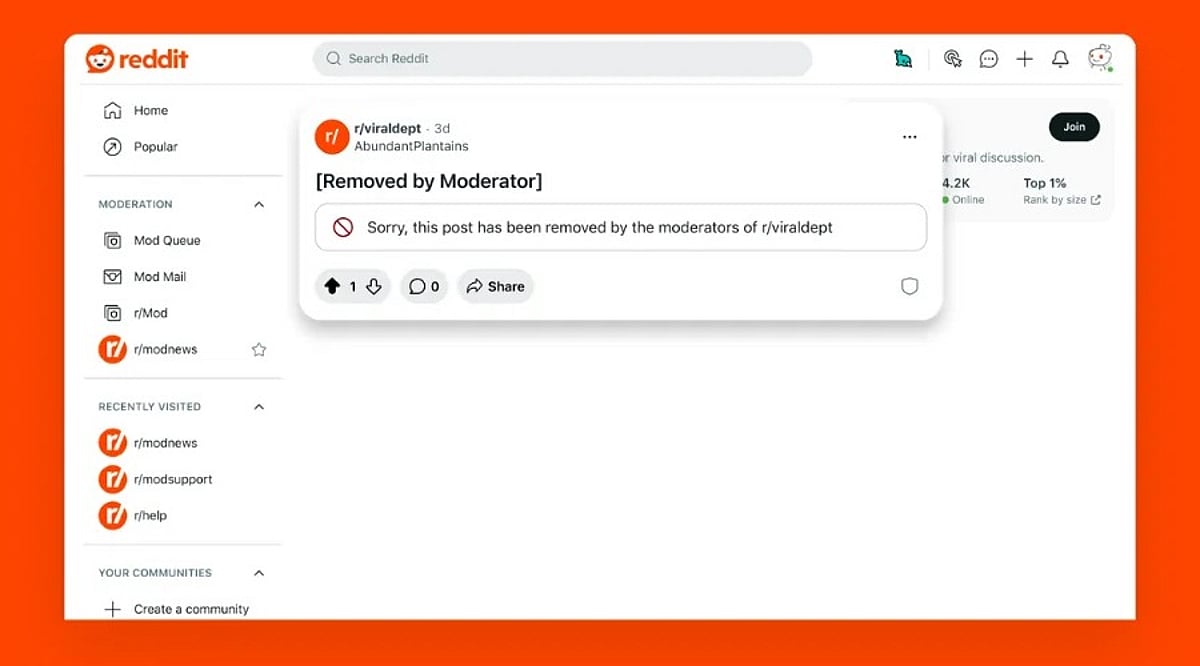
    Most post removals are triggered by automated filters or subreddit-specific rules before a human moderator ever reviews the content. This makes moderation faster and more consistent at scale.

    Why a Single Rule Set Doesn’t Work

    Reddit hosts millions of communities with wildly different cultures, topics, and tolerances for conflict. A single rulebook applied evenly across all of them would break most instantly. A debate subreddit thrives on sharp disagreement that a support subreddit would remove within minutes. A niche hobby forum needs almost none of the moderation apparatus a large political subreddit relies on daily.

    So Reddit split enforcement into layers. Platform policy sets the outer boundary, volunteer moderators shape individual communities, and automation handles what neither can at scale. This structure lets each subreddit develop its own identity without violating the rules that govern the whole platform.

    Platform Policy and Community Governance

    At the top sits Reddit’s platform-wide content policy, covering illegal content, harassment, doxxing, and coordinated manipulation. No subreddit can override it, regardless of local norms. Reddit’s trust and safety teams enforce this layer directly, investigating serious violations and issuing account suspensions or subreddit bans when warranted.

    Below that sit the subreddits themselves, each run by unpaid volunteer moderators. These moderators decide what fits their community: a photography subreddit might demand original images, while a finance subreddit might ban solicitation outright. Much of this work involves judgment rather than fixed criteria, weighing tone, relevance, and fit in ways automation cannot replicate. Community rules can be stricter than platform policy but never more permissive.

    AutoModerator: Consistent, Not Intelligent

    The third layer is AutoModerator, a rule-based bot configured through a wiki page. Moderators set conditions such as minimum account age, karma thresholds, or banned keywords, and the bot applies them instantly across every post. It can remove content, hold it for review, add a flair, or leave an automated comment explaining which rule triggered the action.

    AutoModerator does not read intent. It matches patterns. A well-meaning post can get pulled instantly for tripping a filter, while a rule-breaking one can slip through simply by avoiding the configured triggers. That distinction matters for anyone confused by a sudden removal — it usually was not personal.

    How Removal Decisions Actually Happen

    Most posts move through several checks before settling anywhere. Automated spam filters scan first, AutoModerator applies subreddit-specific rules next, and anything that clears either goes live or lands in the mod queue for human review. User reports can pull a post back into that queue well after it was first published, which explains why some removals happen hours or days later with no visible trigger.

    What This Means for Anyone Posting

    The practical takeaway is straightforward. Reading a subreddit’s rules before posting avoids most technical removals outright. Meeting account age and karma minimums matters more in stricter communities, and checking those thresholds first saves time that would otherwise go into arguing with a bot. Link shorteners, heavy self-promotion, and clickbait titles draw filters fast, often before a moderator ever sees the post. If a removal looks like a mistake, contacting the moderators through modmail resolves far more disputes than reposting the same content again.

    Reddit’s moderation system holds together because no single layer carries the full weight. Platform policy sets the floor, moderators shape the culture above it, and automation absorbs the scale no human team could manage alone. Each piece compensates for what the other two cannot do well, and that division of labor is what keeps the platform functional at its current size.

    Final Thought

    As Reddit’s user base keeps expanding, the balance between automation and human judgment will only get more difficult to hold. Communities are already pushing moderators to write more nuanced AutoModerator rules, while Reddit continues to test new detection tools for coordinated abuse. The platform’s long-term challenge is not building more rules — it is keeping three very different enforcement systems working in sync as the volume of content keeps climbing.

  • How Data Analysis Tools Have Evolved: Then vs. Now

    How Data Analysis Tools Have Evolved: Then vs. Now

    Excel vs. AI-Powered Spreadsheets

    A decade ago, Microsoft Excel was the undisputed king of data analysis. Today, modern spreadsheets integrate AI assistants, automation, predictive formulas, and real-time collaboration—transforming how analysts work with numbers.

    Traditional SQL vs. AI SQL Assistants

    Analysts used to write every SQL query by hand. Now, AI-powered tools generate, optimize, and explain complex database queries in seconds, dramatically cutting the time spent on data retrieval.

    Static Dashboards vs. Interactive BI

    Basic, static reports have given way to interactive dashboards in Power BI, Tableau, and Looker. These platforms offer real-time visualization and self-service analytics, putting insights into the hands of decision-makers instantly.

    Local Databases vs. Cloud Data Warehouses

    On-premise databases were once the norm. Organizations now rely on cloud platforms like Snowflake, BigQuery, and Redshift for scalable analytics, faster processing, and lower maintenance overhead.

    Manual ETL vs. Automated Data Pipelines

    Data preparation used to involve manual effort for extraction, transformation, and loading. Automated ETL platforms now streamline the entire pipeline, handling data from multiple sources with validation and error-checking built in.

    Basic Python Scripts vs. AI Coding Assistants

    Python remains an essential tool, but AI coding assistants accelerate script creation, debugging, documentation, and workflow automation—enabling analysts to focus on insights rather than syntax.

    Historical Reporting vs. Predictive Analytics

    Analysts once focused on reporting what had happened. Now, machine learning models forecast trends, customer behavior, and business performance with remarkable accuracy, enabling proactive decision-making.

    Desktop Collaboration vs. Cloud Workspaces

    Emailing spreadsheets back and forth is a thing of the past. Cloud-based collaboration allows simultaneous editing, data governance, and secure enterprise-wide sharing in real time.

    Manual Insights vs. Generative AI Analytics

    Modern analytics platforms summarize datasets, generate reports, recommend visualizations, and answer natural-language questions—all powered by generative AI, making data exploration faster and more accessible than ever.

  • Best Electric Two-Wheelers in India: Top Scooters and Performance Motorcycles for 2025

    Best Electric Two-Wheelers in India: Top Scooters and Performance Motorcycles for 2025

    India’s electric two-wheeler market is booming, with a growing lineup of scooters and motorcycles that combine style, range, and smart features. From daily commuters to high-performance machines, here are the leading electric two-wheelers available today.

    Electric Scooters

    • Ola S1 Pro Gen 3 – Premium electric scooter offering strong performance, a long riding range, touchscreen features, fast charging, and a connected smart riding experience for daily use.
    • Ather 450X – Popular smart scooter delivering smooth acceleration, excellent handling, reliable battery performance, over-the-air updates, and advanced navigation for commuters.
    • TVS iQube ST – Family-friendly electric scooter combining comfortable seating, practical storage, connected technology, dependable performance, and strong after-sales service across India.
    • Bajaj Chetak 35 Series – Stylish electric scooter blending classic design with modern technology, refined ride quality, durable build, and dependable city commuting capabilities.
    • Hero Vida V2 Pro – Feature-rich electric scooter offering removable batteries, comfortable ergonomics, connected technology, practical range, and convenient charging options for urban riders.
    • River Indie – Practical electric scooter featuring large storage capacity, sturdy construction, comfortable seating, and everyday usability designed for families and working professionals alike.
    • Simple One – Long-range electric scooter offering powerful performance, modern design, connected features, fast charging support, and excellent battery efficiency for extended commuting.

    Electric Motorcycles

    • Ultraviolette F77 – High-performance electric motorcycle delivering sporty styling, rapid acceleration, premium features, advanced safety technology, and impressive highway riding capabilities throughout India.
    • Revolt RV400 – Affordable electric motorcycle providing swappable battery options, comfortable riding position, smart connectivity, and low operating costs for daily urban transportation.

    Whether you’re a daily commuter or an enthusiast, India’s electric two-wheeler lineup offers something for everyone. Stay tuned for more updates and reviews.

  • Top Brokers by Active Investors in India: August 2026 Rankings

    Top Brokers by Active Investors in India: August 2026 Rankings

    India’s brokerage landscape continues to evolve, with digital-first platforms leading the charge in attracting active investors. As of August 2026, the latest data reveals which brokers command the largest active investor bases, highlighting the shift toward low-cost, user-friendly trading solutions.

    Groww: The Market Leader

    Groww has emerged as India’s largest broker with over 1.3 crore (13 million) active investors. The platform’s success is driven by its easy onboarding process, low-cost investing options, and a highly intuitive trading interface that appeals to both new and experienced investors.

    Zerodha: Strong Loyalty and Education

    Zerodha, India’s pioneering discount broker, retains nearly 69 lakh (6.9 million) active investors. Its powerful trading tools and extensive educational resources continue to foster strong user loyalty and engagement.

    Angel One: Digital-First Expansion

    Angel One has rapidly grown to over 32 lakh (3.2 million) active investors. The broker’s digital-first approach, combined with robust research support and diversified investment offerings, has fueled nationwide expansion.

    Upstox: Competitive and Growing

    Upstox maintains more than 29 lakh (2.9 million) active investors by offering competitive pricing, advanced charting tools, and a seamless investing experience. Its fast-growing retail participation reflects increasing trust in digital brokerage.

    ICICI Direct: Trusted Full-Service Broker

    ICICI Direct serves around 20 lakh (2 million) active investors. As a full-service broker, it provides integrated banking, wealth management, comprehensive research, and a wide range of investment solutions.

    HDFC Securities: Banking Integration

    HDFC Securities holds approximately 16 lakh (1.6 million) active investors. Its strong integration with HDFC Bank, advisory services, and reliable customer support make it a preferred choice for many.

    Kotak Securities: Comprehensive Offerings

    Kotak Securities has around 15 lakh (1.5 million) active investors. The broker offers comprehensive trading platforms, research-backed recommendations, and seamless banking integration, backed by long-standing market credibility.

    Motilal Oswal and SBI Securities

    Motilal Oswal serves nearly 11 lakh (1.1 million) active investors, combining quality research with wealth management expertise and portfolio advisory. SBI Securities, backed by India’s largest public sector bank, also supports around 11 lakh active investors with trusted trading and investment services.

    This data underscores the growing preference for digital brokers that prioritize ease of use, low costs, and educational support, while traditional full-service brokers maintain a significant presence through integrated banking and advisory services.

  • India’s 2026 Crypto Tax Guide: Flat 30% Tax, 1% TDS, and No Loss Offsets

    India’s 2026 Crypto Tax Guide: Flat 30% Tax, 1% TDS, and No Loss Offsets

    India’s cryptocurrency tax framework for 2026 introduces several key provisions that every investor must understand. The rules apply to all virtual digital assets (VDAs) and are designed to ensure compliance while limiting tax-planning opportunities.

    Key Tax Rules for 2026

    • 30% Tax on Profits: Any profit from selling or transferring cryptocurrencies is taxed at a flat 30%, regardless of your income tax slab or how long you held the asset.
    • 1% TDS Rule: Buyers must deduct 1% Tax Deducted at Source (TDS) on qualifying crypto transactions. This helps authorities track VDA transactions across regulated platforms nationwide.
    • No Loss Set-Off: Losses from cryptocurrency transactions cannot be used to offset gains from other crypto assets or any other income source.
    • No Carry Forward: Unused crypto trading losses cannot be carried forward to future financial years, limiting tax planning through loss adjustments.
    • Gift Tax Rules: Cryptocurrency received as a gift may be taxable for the recipient, depending on the relationship, exemption limits, and applicable Income Tax Act provisions.
    • Mining and Staking: Income from crypto mining or staking may be taxed when rewards are received or later sold, based on applicable rules.
    • Mandatory Reporting: Taxpayers must accurately disclose all crypto income and transactions when filing annual income tax returns to remain compliant with Indian regulations.
    • Maintain Transaction Records: Keep exchange statements, wallet records, purchase invoices, and transfer details to simplify tax calculations and respond to any regulatory inquiries efficiently.
    • Stay Updated on Rules: India’s crypto regulations continue to evolve. Investors should monitor official tax notifications and compliance requirements regularly.

    By understanding these rules and maintaining thorough records, you can navigate India’s 2026 crypto tax landscape with confidence.

  • Apple iPhone Ultra Launch Predicted to Boost Foldable Phone Shipments 20% by 2026

    Apple iPhone Ultra Launch Predicted to Boost Foldable Phone Shipments 20% by 2026

    Apple’s first foldable iPhone could help global foldable phone shipments grow 20% in 2026. The iPhone Ultra may arrive in September with the iPhone 18 Pro models. Industry sources cited by DigiTimes expect Apple’s entry to bring more buyers to foldable phones. Wider book-style designs could also support this growth across the global market.

    Samsung is expected to remain the biggest foldable phone maker in 2026. Apple could quickly become a strong competitor after entering the market. DigiTimes expects the fourth quarter to record the strongest foldable phone sales this year. Several new flagship phones could arrive during the same period.

    Apple has not confirmed the iPhone Ultra or its launch date yet. Reports suggest Apple asked suppliers to prepare around 10 million units for 2026. Supply issues could push pre-orders toward the fourth quarter, according to analyst Ming-Chi Kuo. Kuo expects strong demand for Apple’s foldable phone after its launch. He said the iPhone Ultra ‘could sell out immediately after pre-orders open.’ Delivery delays could follow if demand becomes stronger than supply.

    The expected launch could also change the foldable phone market. Samsung, Huawei, Motorola, and other Chinese brands already compete in this segment. Apple could bring more attention to larger foldable screens and premium designs. The wider smartphone market faces chip supply pressure and higher memory costs. Foldable phones could still grow as companies launch newer designs and better features. Apple’s entry could also encourage more buyers to try foldable phones for the first time.

    Reports suggest the iPhone Ultra could cost more than $2,000. The high price may limit sales among budget-conscious buyers. Still, Apple’s strong brand could help foldable phones reach a larger audience.

  • Coldcard Bitcoin Hack Update: 64 BTC Moves Through Wasabi Mixer While 1,159 BTC Stays Dormant

    Coldcard Bitcoin Hack Update: 64 BTC Moves Through Wasabi Mixer While 1,159 BTC Stays Dormant

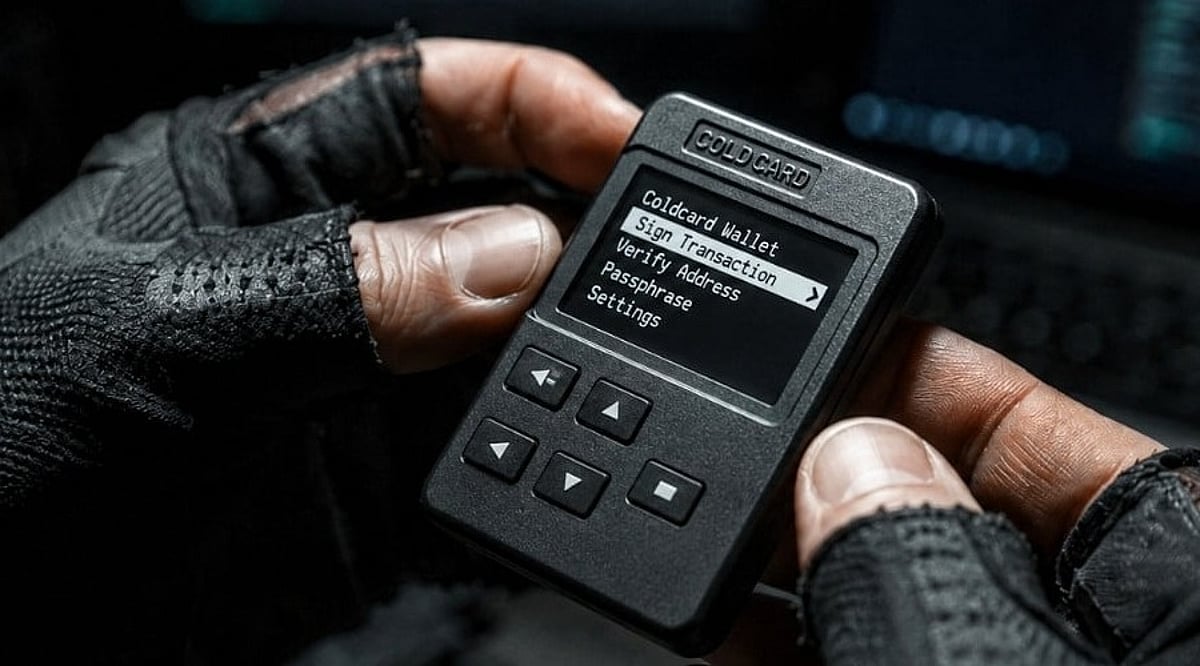
    Investigators tracking the Coldcard wallet vulnerability have detected fresh movement of stolen Bitcoin through a privacy mixer. While a separate attacker has begun obscuring roughly 64 BTC via Wasabi Wallet, the largest known theft cluster remains untouched.

    1,159 BTC Still Unmoved

    Galaxy Research linked the biggest theft to approximately 1,159 BTC held across seven attacker-controlled addresses. The attacker consolidated the funds within about 41 minutes of the exploit and has not sent them to exchanges, mixers, or other identifiable services since then.

    Bitcoin’s protocol cannot freeze flagged addresses, so the funds remain spendable. However, converting such a large balance could expose the attacker. Exchanges, law enforcement agencies, and blockchain analytics firms are reportedly tracking around 600 addresses connected to the broader exploit.

    Separate Attacker Moves 64 BTC Through CoinJoin

    Analysts identified another attacker attempting to obscure approximately 64 BTC using Wasabi Wallet’s CoinJoin feature. About 10 BTC entered an initial mixing transaction, while roughly 54 BTC returned as change. The remaining Bitcoin later moved into outputs of about 7 BTC each, apparently for further mixing.

    CoinJoin combines multiple inputs and outputs, making direct links harder to establish. Still, timing patterns, output sizes, later consolidations, and exchange deposits can reveal useful clues for investigators.

    Exploit Scale and Affected Seed Phrases

    Galaxy Research estimates confirmed losses near 1,596 BTC. A suspected additional attack wave could raise the total to about 2,055 BTC, while other researchers have placed losses above 1,800 BTC.

    The vulnerability affected seed phrases created with weakened random-number generation. Firmware updates prevent new vulnerable seeds, but they cannot repair seed phrases already exposed. Affected users must create a new wallet seed and move their Bitcoin. Coldcard also destroyed remaining vulnerable inventory and urged users to generate fresh seeds.

    South Korean Users Avoided Major Losses

    South Korea’s Bitcoin community reported virtually no direct losses despite many experienced holders using Coldcard devices. Analyst Koji Higashi linked that outcome to local self-custody practices: community leaders had promoted independent entropy generation instead of relying solely on one hardware wallet manufacturer.

    Local guides described 128 coin flips for 12-word seeds and 256 coin flips for 24-word seeds. Some users converted binary results using hardware calculators rather than phones, adding another layer of protection against compromised random-number generators.

    Key Takeaways

    • The 1,159 BTC connected to the largest Coldcard attacker remains unmoved since consolidation.
    • A separate attacker has routed about 64 BTC through Wasabi Wallet CoinJoin transactions.
    • Confirmed losses stand at roughly 1,596 BTC, with possible totals exceeding 2,000 BTC.
    • Firmware updates cannot secure already exposed seed phrases; affected users must migrate to new wallets.
    • Independent entropy generation helped many Korean users avoid direct losses.
  • OnePlus Exits US and Canada Smartphone Market: What It Means for the Brand

    OnePlus Exits US and Canada Smartphone Market: What It Means for the Brand

    OnePlus has officially ceased smartphone sales in the United States and Canada, marking the end of its direct presence in the North American market. The company’s website now lists the OnePlus 15 and OnePlus 15R as sold out, and only a limited selection of accessories—such as earbuds and phone cases—remains available for purchase.

    The decision follows an internal restructuring at parent company OPPO, which has been consolidating its brand portfolio. OnePlus had confirmed in July 2026 that it would exit the region, and the withdrawal is now complete. While customers can still find remaining OnePlus smartphones through third-party retailers, stock is limited and depends on existing inventory.

    OnePlus built a loyal following by offering premium hardware at competitive prices, starting with the OnePlus One. However, increased competition in the premium mid-range segment has narrowed the brand’s differentiation. Industry speculation suggests OnePlus may once again operate as a sub-brand under OPPO, though no official announcement has been made. The company has not revealed any plans for future smartphone releases in North America.

    For now, OnePlus fans in the US and Canada must rely on third-party channels or look to other regions for new devices. The move underscores the shifting dynamics of the global smartphone market, where scale and integration are becoming increasingly critical.