Author: vitorcherulli

  • iPhone 18: Everything We Know So Far About Features, Release Date, and Price

    iPhone 18: Everything We Know So Far About Features, Release Date, and Price

    Apple’s next-generation flagship, the iPhone 18, is already generating buzz with rumors of significant upgrades in performance, AI, cameras, and design. Here’s a comprehensive roundup of expected features, launch timeline, pricing, and the latest whispers from the industry.

    A20 Pro Chip: Faster and More Efficient

    Apple is expected to introduce the A20 Pro chipset, delivering faster processing, enhanced graphics, improved AI capabilities, and better battery optimization. The chip will likely power more demanding applications and enable advanced on-device intelligence.

    Apple Intelligence 2.0: Smarter On-Device AI

    The next generation of Apple’s AI platform, tentatively called Apple Intelligence 2.0, may bring a more conversational Siri, improved writing tools, image generation, and personalized productivity features across apps — all processed locally for privacy.

    Advanced Camera System

    Leaked specs point to improved computational photography, larger sensors, and an enhanced periscope zoom lens. These upgrades should deliver better low-light performance, sharper portraits, and greater optical zoom capabilities.

    Display Technology Upgrades

    The iPhone 18 lineup is rumored to feature brighter OLED panels with thinner bezels, smoother refresh rates (potentially 120Hz on all models), and improved outdoor visibility for a premium viewing experience.

    Battery and Charging Improvements

    Hardware and software optimizations are expected to extend battery life, while faster wired and wireless charging may also be introduced.

    iOS 27: Fresh Features and Privacy

    The iPhone 18 will likely debut with iOS 27, bringing new customization options, enhanced privacy controls, and AI-driven tools that integrate seamlessly with the new hardware.

    Premium Design and Build

    Rumors suggest Apple will use lighter materials, refine the camera housing, and slim down the chassis while maintaining its signature premium feel.

    Expected Pricing

    Flagship pricing is expected to remain in line with previous iPhone launches, though regional variations may occur due to component costs and international market factors.

    Launch Timeline

    Apple is widely expected to unveil the iPhone 18 series at its traditional September launch event in 2027.


  • NYT Mini Crossword Answers for August 4, 2026: Full Clue Solutions and Walkthrough

    NYT Mini Crossword Answers for August 4, 2026: Full Clue Solutions and Walkthrough

    Overview

    The NYT Mini Crossword for August 4, 2026, delivers a compact yet engaging puzzle that blends simple vocabulary with clever wordplay. A standout clue references the classic sitcom Home Improvement, adding a nostalgic twist. Below are all the Across and Down answers, with explanations to help solvers understand every clue.

    Across Clues and Answers

    • 1 Across: Put in persistent hard work — GRIND
    • 6 Across: The “A” of A/V — AUDIO
    • 7 Across: Buzzers by the trash — FLIES
    • 8 Across: What was always seen blocking Wilson’s face, on “Home Improvement” — FENCE
    • 9 Across: Outer boundaries — EDGES

    Down Clues and Answers

    • 1 Down: Politician’s stumble — GAFFE
    • 2 Down: Was totally awesome — RULES
    • 3 Down: What bar bouncers spend all night doing — IDING
    • 4 Down: Nephew’s sister — NIECE
    • 5 Down: Units of a vaccine — DOSES

    Puzzle Highlights

    Today’s puzzle strikes a balance between straightforward definitions and pop-culture references. The Home Improvement clue (8 Across) is a nostalgic treat for fans of the show, while words like GRIND, AUDIO, and EDGES rely on everyday vocabulary. The mix keeps the puzzle accessible yet satisfying.

    Another daily challenge awaits tomorrow—stay tuned for the next set of clues!

  • 10 Smart AI Kitchen Gadgets That Revolutionize Home Cooking in 2026

    10 Smart AI Kitchen Gadgets That Revolutionize Home Cooking in 2026

    Artificial intelligence is transforming the way we cook, making meal preparation faster, easier, and more precise. From smart ovens that recognize ingredients to AI-powered refrigerators that track groceries, these ten kitchen gadgets are leading the charge in 2026. Here’s a closer look at the top AI kitchen tools that are making cooking smarter than ever.

    1. Samsung Bespoke AI Oven

    This oven uses AI to recognize food items, recommend optimal cooking settings, and monitor meals through a connected smartphone app. It takes the guesswork out of cooking by adjusting temperature and time based on what you’re preparing.

    2. CHEF iQ Smart Cooker

    The CHEF iQ Smart Cooker offers guided recipes, automatic pressure adjustments, and AI-assisted cooking to ensure consistent meal preparation every time. It’s perfect for busy home cooks who want reliable results without constant supervision.

    3. June Smart Oven

    With intelligent image recognition technology, the June Smart Oven can identify ingredients automatically and select the ideal cooking temperature. It simplifies meal prep by handling the details for you.

    4. Tovala Smart Oven

    The Tovala Smart Oven combines barcode scanning with automated cooking programs. Just scan the barcode on compatible meal packages, and the oven sets the perfect cooking time and temperature with minimal user effort.

    5. Instant Pot Pro Plus

    This smart pressure cooker features app connectivity, guided cooking, and remote monitoring. It’s designed for convenient everyday meal preparation, allowing you to start dinner from your phone.

    6. GE Profile Smart Mixer

    An AI-assisted mixer that automatically adjusts mixing speed and timing based on recipe requirements. It’s a game-changer for baking enthusiasts who want consistent results every time.

    7. Anova Precision Oven

    This intelligent steam oven delivers professional-quality baking, roasting, and sous vide cooking with precise temperature management. It brings restaurant-grade techniques into your home kitchen.

    8. Samsung Family Hub Refrigerator

    An AI-powered refrigerator that tracks groceries, suggests recipes based on what you have, and helps reduce unnecessary food waste through smart inventory management. It’s like having a personal assistant for your kitchen.

    9. Brisk It AI Grill

    This smart outdoor grill uses artificial intelligence to maintain cooking temperatures and optimize barbecue results automatically. Perfect for grill masters who want consistent, delicious results every time.

    10. Additional Smart Kitchen Tools

    Beyond these highlighted gadgets, the AI kitchen revolution includes many other innovative tools designed to make cooking smarter, faster, and more enjoyable. Whether you’re a novice or an experienced chef, these devices can help you elevate your culinary skills.

  • NYT Connections Puzzle #1150: Hints and Full Answers for August 4, 2026

    NYT Connections Puzzle #1150: Hints and Full Answers for August 4, 2026

    If you’re tackling today’s NYT Connections puzzle (number 1150, dated August 4, 2026), you’re in for a creative mix of categories. The grid features words like CIGARETTE, SUBWAY STATION, SEWING MACHINE, and PEACE SIGN — hints that the groups involve long cylindrical objects, iconic New York City sights, things with pedals, and V-shaped items. Below, we provide spoiler-free hints first, then the complete answers.

    How NYT Connections Works

    Connections is a daily word game from The New York Times. You are given 16 words and must sort them into four groups of four, each linked by a common theme. Categories range from synonyms and pop culture references to hidden wordplay. Each group has a difficulty color: yellow (easiest), green (medium), blue (moderate), and purple (hardest). You can make up to four mistakes before the game ends.

    Spoiler-Free Hints for August 4, 2026

    Use these hints to find each category without revealing the exact words:

    • Yellow (Easiest): Think of items that share a similar long, round shape.
    • Green (Medium): These words are all associated with a specific major U.S. city.
    • Blue (Moderate): Consider objects that you operate with your feet.
    • Purple (Hardest): Look for terms that represent a particular hand gesture.

    One Word from Each Group

    If you need a small nudge, here is one word per category:

    • Yellow: CIGARETTE
    • Green: PIGEON
    • Blue: SWAN BOAT
    • Purple: PEACE SIGN

    Complete Answers for Puzzle #1150

    Ready for the solutions? Here are the four categories and their words:

    • Yellow (LONG CYLINDRICAL THINGS): CIGARETTE, FOAM ROLLER, POOL NOODLE, PRETZEL ROD
    • Green (ICONIC NYC SIGHTS): BODEGA, PIGEON, SUBWAY STATION, TAXI CAB
    • Blue (THINGS WITH PEDALS): PIANO, SEWING MACHINE, SWAN BOAT, UNICYCLE
    • Purple (V-SHAPED THINGS): ANGLE BRACKET, CHEVRON, GOOSE FORMATION, PEACE SIGN

    Puzzle Breakdown

    Today’s puzzle is moderately tricky. The purple category — V-shaped things — might trip up players unfamiliar with terms like ANGLE BRACKET or CHEVRON. The green category (NYC sights) is a fun nod to city life, while the blue group requires thinking beyond musical instruments (sewing machines and swan boats also have pedals!). The yellow group is straightforward once you spot the cylindrical theme.

    Final Thoughts

    Whether you solved it in one try or needed a few hints, the satisfaction of cracking the code is always worth it. NYT Connections continues to challenge vocabulary and lateral thinking. Come back tomorrow for puzzle #1151!

  • Founder’s Playbook: 10 Essential Startup Strategies for Success

    Founder’s Playbook: 10 Essential Startup Strategies for Success

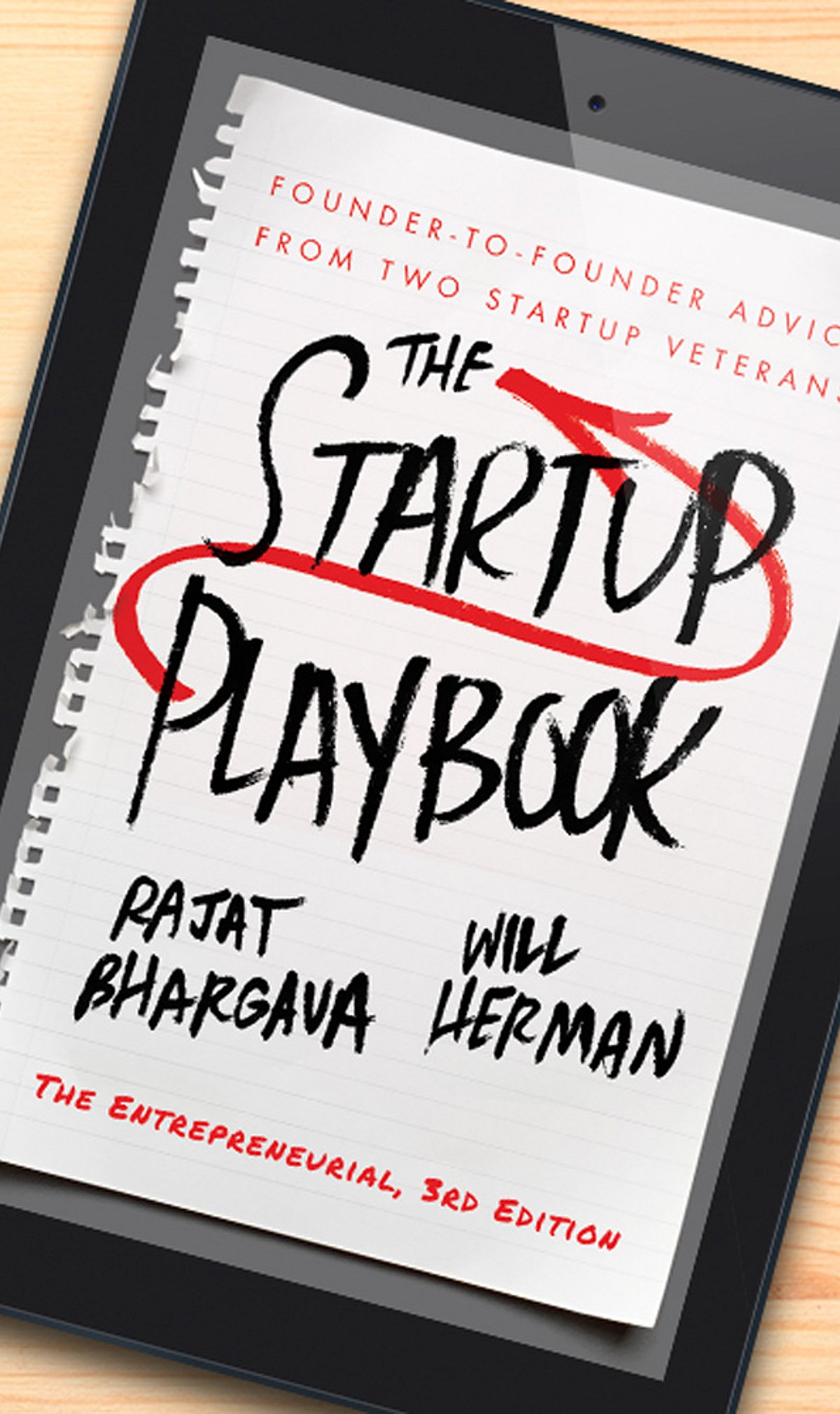
    Launching a startup is an exhilarating journey, but it’s also fraught with challenges. Every founder needs a reliable playbook to navigate the early stages of building a company. Below are ten proven strategies that can help you avoid common pitfalls, validate your ideas, and build a sustainable business. These lessons are not just theoretical—they are drawn from the real-world experiences of successful startups that prioritized solving customer problems, iterating quickly, and maintaining financial discipline.

    Start With a Real Problem

    Successful startups don’t chase trends; they solve genuine customer problems. Instead of building features based on assumptions, focus on identifying pain points that people actually experience. This customer-first approach ensures that your product has a real market from day one.

    Validate Before Building

    Before investing significant time and money, test your idea. Use surveys, landing pages, or simple prototypes to gather early feedback. This validation step saves resources, reduces risk, and dramatically improves your product-market fit by aligning your offering with actual demand.

    Keep the MVP Simple

    Launch a minimal viable product (MVP) that includes only the core features necessary to solve the problem. Resist the urge to add bells and whistles. Gather user insights, then improve incrementally based on real feedback. This lean approach accelerates learning and reduces waste.

    Build a Customer-First Culture

    Listen to your customers every day. Happy users become loyal advocates who spread the word about your product. Embed customer feedback into every decision, from product development to support. This culture of listening creates a competitive advantage that’s hard to replicate.

    Measure What Matters

    Focus on meaningful metrics like retention, revenue, and engagement. Vanity numbers—such as total downloads or page views—can be misleading. Prioritize data that directly informs business decisions and drives growth.

    Hire for Skills and Mindset

    When building your team, look for people who adapt quickly, solve problems, and share your vision. A strong, purpose-driven team outperforms a larger but unfocused group. Culture fit and collaborative spirit are just as important as technical expertise.

    Master Cash Flow Early

    Cash flow is the lifeblood of any startup. Control expenses, monitor income regularly, and extend your financial runway. Healthy cash flow gives you the flexibility to weather unexpected challenges and seize opportunities.

    Learn From Every Failure

    Treat mistakes as valuable lessons rather than setbacks. Analyze failures honestly, adjust your strategies, and return stronger. A growth mindset turns setbacks into stepping stones for future success.

    Stay Flexible and Keep Iterating

    Markets change constantly. Founders must remain agile and continuously improve their products and processes. Regular iteration ensures you stay competitive and meet evolving customer expectations.

    By adopting these playbooks, you can build a startup that is resilient, customer-focused, and ready for long-term growth. The journey is challenging, but with the right strategies, you can turn your vision into a thriving business.

  • Leverage AI to Transform Instagram Insights Into a 30-Day Content Calendar

    Leverage AI to Transform Instagram Insights Into a 30-Day Content Calendar

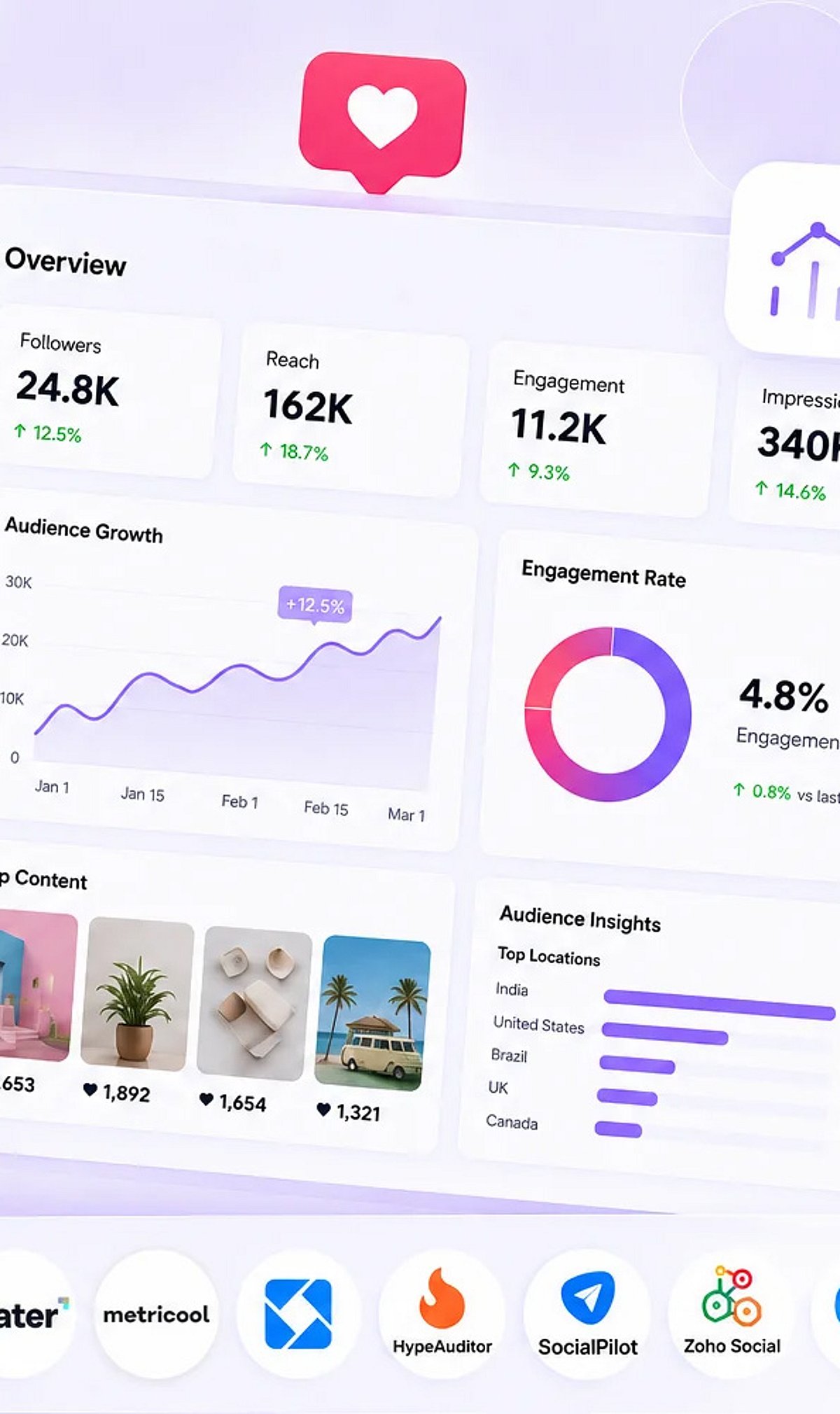
    Instagram Insights holds a wealth of data about your audience and content performance. By applying artificial intelligence, you can turn these raw numbers into a structured, month-long content plan that drives engagement and growth. Here’s how AI can help you every step of the way.

    Start With Instagram Insights

    AI reviews your Instagram Insights to identify top-performing posts, audience activity patterns, engagement trends, and preferred content formats before building a monthly plan.

    Find Your Best Content

    Using AI, you can spot your highest-performing Reels, Stories, carousels, and images. This allows you to create more of the content your audience already loves, consistently.

    Understand Audience Behavior

    AI studies audience demographics, active hours, interests, and engagement trends to recommend the optimal posting schedule for each week.

    Discover Winning Topics

    By analyzing recurring themes from successful posts, AI helps you build content around proven ideas instead of guessing what might work.

    Plan Content Variety

    AI balances educational, promotional, entertaining, and community-focused posts. This ensures your 30-day calendar stays fresh and engaging throughout the month.

    Suggest Captions and Hashtags

    AI generates captions, hashtags, and calls to action that match your audience. This saves time while improving visibility and interaction on every post.

    Predict Strong Posting Times

    Using historical engagement data, AI recommends ideal publishing times to increase reach, impressions, and overall audience engagement daily.

    Track Performance Weekly

    AI measures weekly performance, compares results, and adjusts upcoming content recommendations to improve engagement across the remaining monthly schedule.

    Build a Smarter Monthly Strategy

    With AI and Instagram Insights working together, creators can confidently follow a structured 30-day content plan that grows engagement and consistency. Start turning your data into a winning strategy today.

  • OpenAI Unveils Astra: A New AI Model for Smarter, Real-Time Assistance

    OpenAI Unveils Astra: A New AI Model for Smarter, Real-Time Assistance

    OpenAI has officially introduced Astra, its newest AI model, marking another major step in the company’s rapidly growing artificial intelligence lineup.

    Built for Smarter Assistance

    Astra is designed to deliver faster responses, improved reasoning, and more natural conversations across various everyday and professional use cases.

    Better Multimodal Capabilities

    The new model can better understand text, images, and other inputs, making interactions more seamless across different tasks and devices.

    Focus on Real-Time Performance

    OpenAI says Astra is optimized for real-time assistance, helping users complete tasks with lower latency and smoother AI interactions every day.

    Improved Context Understanding

    Astra can retain conversation context more effectively, allowing longer, more coherent discussions without frequently losing important details from previous prompts.

    Enhanced Developer Support

    Developers can use Astra to build smarter AI-powered applications, benefiting from stronger reasoning, improved coding assistance, and flexible integration capabilities.

    Safety Remains a Priority

    OpenAI continues emphasizing responsible AI development by adding stronger safeguards, monitoring systems, and improvements that reduce inaccurate or harmful responses.

    Potential Across Industries

    Businesses, educators, creators, and enterprises may use Astra for automation, research, customer support, content creation, and productivity-focused AI solutions.

    A New Chapter for OpenAI

    With Astra’s launch, OpenAI expands its AI portfolio, signaling continued innovation as competition in advanced artificial intelligence grows worldwide.

  • Claude Code vs. GitHub Copilot: Which AI Coding Assistant Reigns Supreme?

    Claude Code vs. GitHub Copilot: Which AI Coding Assistant Reigns Supreme?

    Two powerful AI coding assistants—Anthropic’s Claude Code and GitHub Copilot—are reshaping how developers write and debug software. Both tools promise to boost productivity, but they cater to different workflows and project types. This comparison breaks down their strengths, programming language support, and ideal use cases to help you choose the right assistant for your needs.

    What Is Claude Code?

    Claude Code, developed by Anthropic, focuses on deep code understanding, debugging, and managing large-scale development projects. Its strength lies in analyzing complex codebases, explaining intricate bugs, and suggesting thorough fixes. With a large context window, Claude Code can handle longer codebases and more extensive project contexts than many competitors.

    What Is GitHub Copilot?

    GitHub Copilot, powered by OpenAI’s Codex model, excels at real-time code suggestions directly inside popular integrated development environments (IDEs) like Visual Studio Code, JetBrains, and Neovim. It delivers fast autocomplete suggestions that significantly speed up everyday coding tasks, making it an ideal tool for rapid prototyping and routine development.

    Key Comparison Points

    Programming Language Support

    Both tools support a wide range of programming languages, including Python, JavaScript, Java, and C++. Developers can use either assistant across multiple stacks without switching tools.

    Context Window

    Claude Code offers a larger context window, allowing it to process and understand longer codebases and more complex project structures. This is beneficial for deep code analysis and large refactoring tasks. GitHub Copilot’s context window is smaller but sufficient for most real-time code completions.

    Debugging Capabilities

    Claude Code shines when it comes to debugging. It can explain complex bugs and suggest detailed, actionable fixes, often providing step-by-step reasoning. GitHub Copilot can assist with debugging too, but its primary strength is generating code rather than diagnosing issues.

    Code Completion

    GitHub Copilot is unmatched in real-time code completion. It offers context-aware suggestions as you type, reducing the time spent writing boilerplate code. Claude Code also provides code suggestions but is less focused on inline autocomplete and more on holistic project understanding.

    Which One Should You Choose?

    Claude Code is best suited for complex engineering tasks, large codebases, and deep debugging sessions. If you’re a senior developer or architect working on intricate systems, Claude Code’s analytical abilities can be a game-changer. GitHub Copilot, on the other hand, is ideal for daily productivity—especially for developers who want to write code faster and with fewer interruptions. It fits seamlessly into existing IDE workflows.

    Ultimately, the best choice depends on your workflow. Many developers use both tools in tandem: Copilot for quick code generation and Claude Code for deep problem-solving. As AI coding assistants continue to evolve, having both in your arsenal can maximize efficiency.

  • Age-Based Crypto Adoption: Which Generations Are Investing in Digital Assets?

    Age-Based Crypto Adoption: Which Generations Are Investing in Digital Assets?

    Cryptocurrency adoption varies significantly across age groups, with each generation approaching digital assets differently. Here’s a breakdown of how different demographics are engaging with crypto.

    Gen Z (18–27)

    Young investors are drawn to cryptocurrency for its innovative potential, long-term growth prospects, and decentralized finance opportunities. They are early adopters of new blockchain technologies and platforms.

    Millennials (28–43)

    Millennials remain the largest group of crypto investors, using digital assets as a tool for wealth creation and portfolio diversification. They are comfortable with technology and seek alternatives to traditional investments.

    Gen X (44–59)

    Gen X investors are increasingly viewing Bitcoin and major cryptocurrencies as alternative investment assets. They tend to be more cautious but recognize the potential for long-term value.

    Baby Boomers (60–78)

    Older investors are cautiously entering the crypto space through ETFs and regulated investment platforms. They prefer lower-risk exposure to digital assets.

    Institutional Investors

    Professional fund managers continue to increase their crypto exposure through regulated financial products, signaling growing mainstream acceptance.

    High-Net-Worth Individuals

    Wealthy investors are allocating portions of their portfolios to Bitcoin and blockchain-based assets as a hedge and diversification strategy.

    Retail Investors

    Easy-to-use exchanges and mobile apps have made crypto investing more accessible than ever, attracting a broad range of individual investors.

    Emerging Markets

    Younger populations in developing countries increasingly use crypto for payments and financial access, bypassing traditional banking infrastructure.

  • Google Slashes HCLTech Contract by $50 Million as AI Reshapes IT Outsourcing

    Google Slashes HCLTech Contract by $50 Million as AI Reshapes IT Outsourcing

    Artificial intelligence and automation are transforming IT services globally, and Google has reduced its long-running outsourcing contract with HCLTech by $50 million annually. Analysts expect the move to have a minimal impact on HCLTech’s financials; however, it reflects a larger trend in how tech companies assess outsourcing partnerships in an AI age.

    Contract Scope Reduced

    According to industry reports, the updated agreement is part of a contract worth approximately $200 million annually. In this relationship, HCLTech had been responsible for Google’s application development and engineering services for almost 10 years.

    The decline is anticipated to cost HCLTech approximately $50 million in annual revenue, which is nearly 0.3% of the company’s annual revenue base of $14.7 billion. Analysts estimate the change could account for close to 6% of the company’s expected incremental revenue growth during the current financial year.

    Employees to Be Redeployed

    Despite the contract cuts, HCLTech is not slated to undertake massive layoffs. Instead, approximately 1,000 employees currently on the Google account will be reassigned to other projects.

    The trend is not new across the IT industry as firms shift their focus on skilled professionals to invest in high-growth technologies like AI, cloud, cybersecurity, and digital transformation.

    AI and Vendor Consolidation Drive the Shift

    The contract revision is linked to two important trends that are affecting how much enterprises spend on tech. As AI-powered tools have become the norm for software development, testing, maintenance, and engineering workflows, big companies are increasingly adopting these tools and, at the same time, they are shrinking the vendors they rely on to get it done.

    Because AI is delivering real productivity boosts, clients are pushing for outsourcing arrangements that are more efficient and outcome-driven, instead of paying attention to the size of the workforce.

    Outlook for HCLTech and the IT Industry

    Google’s move reduces the scope of one of HCLTech’s long-running partnerships, but the company still lands big business deals. It recently announced a multi-year deal valued at $1.14 billion with a European Fortune Global 50 company, which is an expression of continued demand for large-scale digital transformation projects.

    The news of the latest development indicates a deep-rooted shift across the Indian $315 billion IT services industry. Given the rapid global AI adoption, technology vendors will increasingly go head-to-head based on innovation, automation, consulting prowess, and ROI, not just a manpower-driven outsourcing model.