Author: vitorcherulli

  • How Augmented Reality Glasses Overlay Digital Content on the Real World

    How Augmented Reality Glasses Overlay Digital Content on the Real World

    AR glasses blend digital information with the physical world instead of replacing your surroundings entirely. They use displays, sensors, cameras, processors, and software to place virtual content within your view. The result can make directions, notifications, information, and interactive graphics feel part of the real environment.

    Tiny Displays Create the Overlay

    AR glasses need a way to place digital images where the wearer can see them. Compact display systems project or guide light toward the eyes, creating virtual images that appear over the physical environment. This optical system is central to making augmented reality feel convincing.

    Cameras and Sensors Understand the Scene

    Cameras and sensors help AR glasses understand what is happening around the wearer. Depending on the device, they can capture images, detect movement, estimate position, and recognize surfaces. That information allows software to determine where digital elements should appear within the surrounding environment.

    Tracking Keeps Objects in Place

    One major challenge is keeping virtual objects stable while your head moves. AR systems combine sensor information with software tracking to estimate the glasses’ position and orientation. This allows digital content to remain anchored to the environment instead of appearing to float randomly as you move.

    Processors Make Real-Time Decisions

    AR glasses need computing power to process sensor data, images, and software instructions with very low delay. The system continuously works out what the wearer is seeing and where virtual content should appear. Faster processing can help create smoother interactions and more responsive augmented experiences.

    Spatial Audio Adds Another Layer

    Some AR glasses also use speakers to provide spatial or directional audio alongside visual information. Sounds can help users understand where alerts or digital objects are coming from without constantly looking at a screen. This creates a more immersive experience by combining visual and audio cues.

    The Future Is Smaller and Smarter

    The challenge for AR glasses is packing displays, sensors, processors, cameras, batteries, and connectivity into a lightweight wearable. Advances in optics and computing are helping manufacturers explore slimmer designs and richer experiences. As these components improve, AR glasses could become increasingly useful for navigation, communication, and hands-free information.

  • How Bitcoin Forks Work: Hard Fork vs Soft Fork Explained Clearly

    How Bitcoin Forks Work: Hard Fork vs Soft Fork Explained Clearly

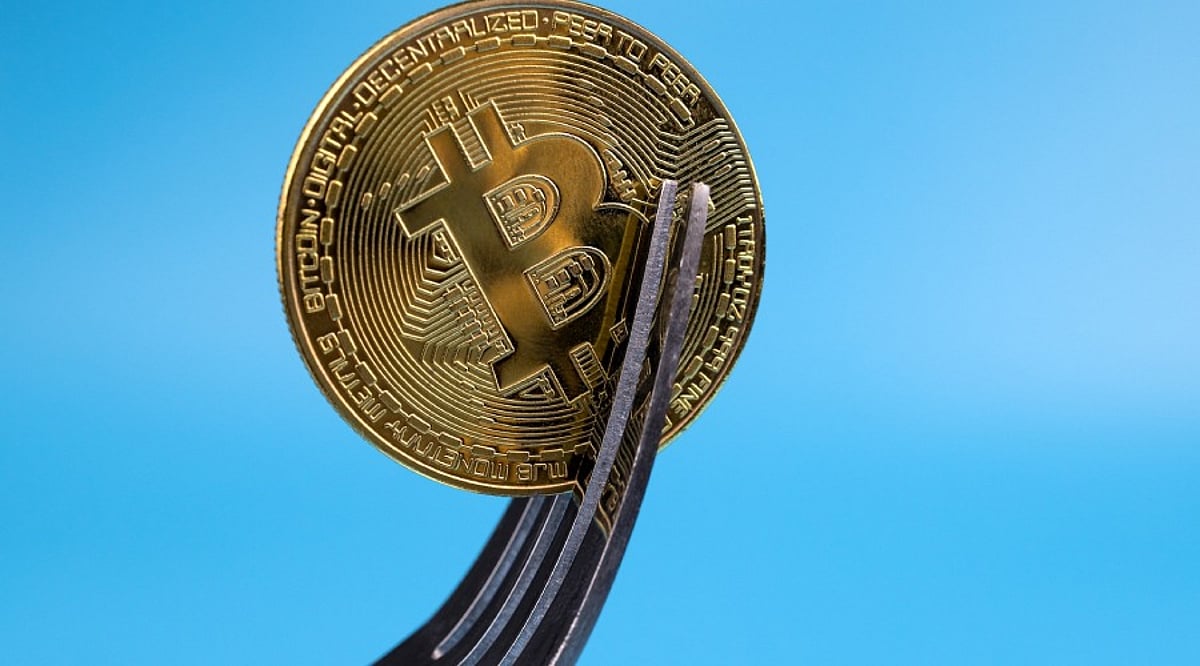
    Bitcoin operates under a set of consensus rules that determine which transactions and blocks participants consider valid. When these rules change, the process is called a fork. Understanding the difference between hard forks and soft forks is essential for anyone following Bitcoin’s evolution.

    What Is a Bitcoin Fork?

    Every full node on the Bitcoin network validates blocks independently based on its software’s consensus rules. Nodes reach consensus when they independently confirm the same blockchain. Temporary forks can happen when two miners discover valid blocks at nearly the same time, but the network quickly converges on the chain with the most cumulative proof of work. Protocol forks, however, involve changes to the validation rules themselves.

    What Is a Soft Fork?

    A soft fork tightens the rules, making previously valid transactions or blocks invalid under the new, stricter criteria. It remains backward compatible: older nodes can still recognize blocks produced under the new rules as valid, even though they don’t enforce the extra restrictions. Bitcoin has used soft forks multiple times. Examples include BIP34 (block heights in coinbase transactions), BIP66 (strict DER encoding for ECDSA signatures), and BIP65 (CHECKLOCKTIMEVERIFY). More recent soft forks are Segregated Witness (2017) and Taproot (2021). Soft forks can be activated through miner signaling or node enforcement, allowing gradual adoption while older software continues to follow valid blocks safely during the transition.

    What Is a Hard Fork?

    A hard fork introduces rules that older nodes cannot fully accept. If upgraded nodes accept blocks that older nodes reject, permanently divergent chains can emerge. Bitcoin Cash is a clear example. On August 1, 2017, Bitcoin Cash split from Bitcoin at block 478,558 due to disagreements over scaling and block capacity. The two networks share history before that block but have since developed separate blockchains, currencies, and communities. Bitcoin Cash has continued evolving independently, activating CashTokens in 2023 and an Adaptive Block Limit Algorithm in 2024.

    Why Consensus Matters

    Developers can propose Bitcoin upgrades, but they cannot force adoption. Full nodes choose which consensus rules to enforce. This makes coordination essential. Miners producing blocks under incompatible rules can cause divergence, and exchanges and wallet providers must decide which networks and assets to support. Bitcoin Core itself continues to evolve without every software release being a consensus fork. As of September 2026, Bitcoin Core version 31.1 is the latest release. Many updates improve performance, security, networking, or wallet functionality without altering consensus rules.

    Final Thoughts

    Soft forks introduce stricter, backward-compatible consensus rules, while hard forks can make upgraded and older nodes incompatible. Grasping this difference helps explain how Bitcoin evolves without a central administrator and why network consensus remains fundamental to protocol changes.

    Frequently Asked Questions

    1. What is a Bitcoin fork?
    A Bitcoin fork occurs when blockchain rules change or participants temporarily follow competing versions of the chain. Protocol forks modify consensus rules governing how nodes validate transactions and blocks.

    2. What is the difference between a hard fork and a soft fork?
    A soft fork introduces stricter rules while maintaining backward compatibility with older nodes. A hard fork introduces incompatible rules that can result in separate blockchains if participants continue supporting both versions.

    3. Does every Bitcoin fork create a new cryptocurrency?
    No. Temporary blockchain forks and backward-compatible soft forks do not necessarily create new cryptocurrencies. A separate asset can emerge when a hard fork produces two independently maintained networks.

    4. Is Bitcoin Cash a hard fork of Bitcoin?
    Yes. Bitcoin Cash separated from Bitcoin on August 1, 2017, amid disagreements over scaling and block capacity. BTC and BCH subsequently developed as independent blockchain networks and cryptocurrencies.

    5. Are SegWit and Taproot Bitcoin soft forks?
    Yes. Segregated Witness activated in 2017, while Taproot activated in 2021. Both introduced new Bitcoin functionality through soft-fork mechanisms without creating a separate cryptocurrency.

  • ‘Best of the Best’ Review: A Vibrant Dance Comedy About Friendship, Identity, and Growing Up

    ‘Best of the Best’ Review: A Vibrant Dance Comedy About Friendship, Identity, and Growing Up

    ‘Best of the Best’, directed by Lena Khan and written by Hasan Minhaj and Prashanth Venkataramanujam, follows childhood best friends Maya (Maitreyi Ramakrishnan) and Anjali (Priyanka Kedia) as they arrive at UCLA hoping to leave their high-school embarrassment behind. The two join Team Agni, a competitive Bollywood-fusion dance troupe, but what begins as a chance to prove themselves soon puts their friendship under pressure.

    Overview

    Maya and Anjali’s friendship faces unexpected pressure when competition exposes years of insecurity, resentment and unresolved differences between them. The film blends South Asian identity, college life, dance competitions and family expectations into a familiar coming-of-age story. An emotional finale brings Maya and Anjali together again while giving their friendship and personal journeys satisfying closure.

    Cast and Performances

    Maitreyi Ramakrishnan brings plenty of energy to Maya, a character whose insecurity becomes increasingly important as the story progresses. Maya is competitive and outspoken, but much of that behavior comes from years of feeling like Anjali is the more naturally popular and accepted friend. Priyanka Kedia gives Anjali a softer performance, which works well for a character who initially appears to have an easier life. The film gradually reveals that she is also struggling with parental expectations and uncertainty about what she actually wants.

    Chaneil Kular is charming as Arjun, Maya’s love interest, while Ankur Rathee’s Ronak is deliberately presented as the confident captain whose own ambitions sometimes get in the way of his team. Hasan Minhaj provides comic relief as Professor Latif, the faculty adviser who frequently finds himself trying to manage the students’ personal and professional conflicts.

    The Lead Twist that Changes the Friendship

    The biggest conflict between the friends begins when Maya discovers that she was originally voted to become the team’s female lead, but the result is quietly changed in favor of Anjali. Maya overhears the conversation but chooses not to confront Anjali immediately. Things get worse when Anjali’s academic problems begin affecting her position on the team. Maya is asked to help with an academic assignment but fails to follow through, contributing to Anjali being placed on academic probation and forced to step away from dancing.

    The situation finally explodes when Maya reveals that Anjali only got the lead as the vote was changed. Years of resentment come rushing out. Maya admits that she always felt like the friend who works harder but gets less attention, while Anjali accuses Maya of turning everything into a competition. Their friendship falls apart, and Maya also leaves Agni.

    Arjun’s Relationship with Maya Takes a Hit

    Maya’s growing obsession with proving herself affects her relationship with Arjun. A video from a party makes it appear that Maya and Ronak are becoming romantically involved, leaving Arjun hurt. The misunderstanding is eventually cleared up, but the subplot reinforces one of the film’s larger ideas: Maya spends so much time looking for validation from other people that she struggles to recognize the support that already exists. The romance remains secondary to the friendship between Maya and Anjali, which is ultimately the emotional centre of the film.

    The Koh-i-Noor Twist in the Finale

    After Maya and Anjali eventually return to the team, they are given another opportunity to perform together at nationals. Instead of the predictable wedding-themed routine Ronak initially favours, Maya develops a more ambitious concept based around the Koh-i-Noor diamond. The routine imagines the team retrieving the diamond and ultimately destroying it so that its pieces can be shared rather than remaining a symbol of colonial possession. The idea gives the finale a distinctly South Asian cultural and political dimension without completely taking over the story.

    The performance suffers an unexpected setback when the power goes out. Rather than stopping, Maya and Anjali fall back on the dance routine they performed together years earlier. It becomes a full-circle moment for Maya, who finally gets another chance to perform without allowing her previous humiliation to define her. Agni wins the national competition, while Maya and Anjali repair their friendship. Maya also reconciles with Arjun, and Anjali’s relationship with Ronak is left open-ended.

    Final Verdict

    ‘Best of the Best’ follows a familiar college dance-comedy formula, but its focus on friendship, South Asian identity and the complicated pressures of growing up gives the story enough personality to stand on its own. Ramakrishnan and Kedia are the film’s biggest strengths, particularly when Maya and Anjali’s friendship begins to unravel. The film is also at its best when it allows the characters to be flawed rather than turning either friend into the obvious villain.

    The dance sequences are energetic, although the choreography can be uneven, and some of the conflicts resolve a little too conveniently. Still, the final performance delivers the emotional payoff the film was building towards. It may not reinvent the genre, but ‘Best of the Best’ is a breezy, funny and culturally specific coming-of-age film that ultimately understands that the real victory is not the trophy, it is figuring out what, and who, actually matters.

    FAQs

    What is ‘Best of the Best’ about?

    ‘Best of the Best’ follows childhood friends Maya and Anjali as their friendship faces pressure from dance competitions, personal insecurities, family expectations and changing ambitions during college.

    Who stars in ‘Best of the Best’?

    Maitreyi Ramakrishnan plays Maya, while Priyanka Kedia portrays Anjali. The cast also includes Chaneil Kular, Ankur Rathee and Hasan Minhaj in supporting roles.

    What happens between Maya and Anjali?

    Their friendship breaks down after Maya discovers that the female lead vote was changed in Anjali’s favour, bringing years of resentment and insecurity to the surface.

    What happens in the ending of ‘Best of the Best’?

    Maya and Anjali reunite for the national competition, perform together despite a power outage, and ultimately repair their friendship after their emotional dance performance.

    Is ‘Best of the Best’ worth watching?

    ‘Best of the Best’ offers an energetic mix of comedy, friendship, dance and South Asian identity, supported by engaging performances from Maitreyi Ramakrishnan and Priyanka Kedia.

  • Hogwarts Legacy Houses Explained: Differences Between Gryffindor, Slytherin, Ravenclaw, and Hufflepuff

    Hogwarts Legacy Houses Explained: Differences Between Gryffindor, Slytherin, Ravenclaw, and Hufflepuff

    Choosing a house in Hogwarts Legacy is one of the first and most important decisions players make. Each house offers a unique perspective on the wizarding world, with distinct common rooms, dialogue, and even a house-specific quest. Here’s a breakdown of what each house brings to the table.

    Gryffindor

    Gryffindor is associated with courage, bravery, and determination. Players choosing this house receive a common room with distinctive red and gold décor. The house also connects the player with characters and settings familiar from the Harry Potter universe, making it suitable for players who enjoy its traditional heroic identity.

    Slytherin

    Slytherin emphasizes ambition, resourcefulness, determination, and cleverness. Its common room features green and silver designs beneath Hogwarts. Choosing Slytherin changes some dialogue and environmental details during the adventure. Players also encounter house-specific interactions that provide a different perspective on Hogwarts and its students throughout the game.

    Ravenclaw

    Ravenclaw is known for intelligence, creativity, curiosity, and learning. Its common room has blue and bronze styling and offers a distinct Hogwarts atmosphere. Selecting Ravenclaw changes certain character interactions and introduces a house-specific storyline segment. However, the choice does not lock players out of most gameplay content.

    Hufflepuff

    Hufflepuff values loyalty, patience, fairness, and hard work. Its common room has a warm, plant-filled design that differs from the other houses. Hufflepuff is particularly notable because its house-specific quest includes a visit to Azkaban, giving players a unique story sequence unavailable through the other three house choices.

    House-Specific Quests

    Each Hogwarts house receives a different version of the Jackdaw storyline. The quests eventually lead players toward the same broader objective, but their routes and encounters differ. This means house selection can influence part of the narrative experience without fundamentally changing the game’s central story or overall progression.

    Common Room Differences

    The four common rooms have distinct locations, architecture, colors, and visual themes reflecting their respective houses. Players can access only the common room belonging to their chosen house. These spaces provide atmospheric differences and additional environmental details, but they do not create major gameplay advantages or disadvantages.

    Which House Changes Gameplay?

    House selection mainly affects atmosphere, dialogue, relationships, and one early storyline sequence rather than core gameplay mechanics. Players retain access to the same major spells, classes, activities, and open-world areas. Therefore, choosing a house is primarily a role-playing and narrative decision based on the identity players want for their character.

  • How to Secure Google Chrome: A Comprehensive Guide to Protecting Your Browser

    How to Secure Google Chrome: A Comprehensive Guide to Protecting Your Browser

    Keeping Google Chrome secure is essential to protect your data and accounts from online threats. This guide covers key practices such as keeping the browser updated, using Safe Browsing, managing extensions, and strengthening account security.

    Key Takeaways

    • Chrome updates close known security weaknesses and help keep the browser protected.
    • Safe Browsing and careful extension choices reduce risks from harmful sites and unsafe tools.
    • Strong, unique passwords and two-step verification add another layer of account protection.

    Keep Chrome on the Latest Version

    Chrome can update itself when a new version becomes available. These updates include security fixes, so running an old browser leaves known flaws open. On a computer, open Chrome, select More, choose Help, and select About Google Chrome. Chrome will show the current version and offer a Relaunch option when an update needs a restart.

    On Android, the Play Store manages Chrome updates, while the About Chrome page shows the installed version. Do not ignore a relaunch notice for a long period. A restart puts a security fix into effect and closes weaknesses that attackers may target.

    Set Safe Browsing to a Strong Level

    Safe Browsing warns about harmful sites, risky downloads, unsafe extensions, malware, fake login pages, and deceptive content. Chrome offers Standard protection and Enhanced protection, while No protection turns this safeguard off. Standard protection covers known threats. Enhanced protection can warn about new threats that Google has not yet identified and can flag untrusted extensions.

    Chrome lists the setting under More > Settings > Privacy and security > Security. Enhanced protection sends more security data to Google, such as site addresses, small samples of page content, download details, extension activity, and system information. Choose the protection level that matches your security needs and privacy preferences.

    Check Extensions with Care

    Extensions can add useful tools to Chrome, but some ask for broad access to websites or computer data. An extension with access to all site data can read, request, or change information across pages, including sensitive pages like bank accounts or email.

    Install extensions only from the Chrome Web Store and review each permission before approval. To review access, open More > Extensions > Manage extensions. Limit site access to specific sites instead of every site. Remove extensions that no longer serve a clear purpose.

    Review Chrome Safety Check

    Chrome Safety Check provides a central place to review several security issues. The tool flags available Chrome updates, risky extensions, unused site permissions, and unwanted notification permissions. Open Chrome, select More > Settings > Privacy and security > Safety Check.

    Chrome can also remove permissions from sites that haven’t been used recently and remove notification permissions from sites that Safe Browsing identifies as deceptive. These controls reduce access that old or untrusted sites keep.

    Use Strong, Separate Passwords

    Password reuse can turn one stolen password into a wider account problem. Each important account should have a strong, unique password. Chrome’s password tools help create and manage separate passwords, while Password Checkup flags weak, exposed, or reused passwords.

    Two-step verification adds another barrier to your Google Account. Google also offers Password Alert for Chrome, which warns when a Google Account password appears on a non-Google site. Always check the web address carefully before entering a password, as fake login pages can look almost identical to real ones.

    Treat Downloads and Pop-Ups as Potential Risks

    A file, pop-up, or urgent message can ask for an action that seems harmless but gives a scammer access to your account or device. Chrome warns about dangerous downloads and suspicious sites, but a warning only helps when you pay attention. Avoid files from unknown sources, strange browser alerts, and pages that demand a password or payment without a clear reason.

    Secure Chrome at the Account Level

    Chrome security also depends on the Google Account connected to the browser. Security Checkup shows recommended actions, account alerts, password issues, and other areas that need attention. A strong account password, two-step verification, current recovery details, and careful review of unfamiliar activity add protection beyond the browser itself.

    Chrome cannot block every scam or harmful file. Strong defaults, current software, careful extension choices, Safe Browsing, and account security work together to reduce common paths to stolen data. A secure Chrome setup does not require complex tools—it requires regular attention to the controls that already exist and a firm pause when a site asks for something unusual.

    Frequently Asked Questions

    How can Chrome stay secure?

    Keep Chrome updated, use Safe Browsing, review extensions, check security settings, and use strong passwords for important accounts.

    Why do Chrome updates matter?

    Updates include security fixes that close weaknesses found in older Chrome versions.

    Are Chrome extensions safe?

    Extensions can be useful, but some request broad access to websites or data. Review permissions and remove extensions that no longer serve a clear purpose.

    What does Safe Browsing do in Chrome?

    Safe Browsing warns about harmful websites, dangerous downloads, unsafe extensions, malware, and deceptive content.

    How can Google Account security improve Chrome security?

    A strong, unique password, two-step verification, current recovery details, and regular security checks provide added protection.

  • How Rural India Is Becoming a New AI Talent Hub: An Interview with Han Digital’s Saravanan Balasundaram

    How Rural India Is Becoming a New AI Talent Hub: An Interview with Han Digital’s Saravanan Balasundaram

    Rural India is emerging as a hub for AI data operations, creating employment opportunities for women and graduates while reshaping traditional BPO models and expanding digital careers.

    Q: Rural BPOs have traditionally run on voice and data-entry work. What’s actually changing on the ground as AI-adjacent tasks like annotation, RLHF, content moderation start replacing or supplementing that older workload? Is this a genuine transformation of the business model, or a bolt-on to existing operations?

    The metro voice-BPO engine in Bengaluru, Hyderabad, Pune, NCR or Chennai – this is not a bolt-on, it’s a contraction. AI agents are now handling 70 to 85% of routine generic customer queries, some service providers have cut human headcount by up to 70%, and annual hiring growth across business process management has fallen to under 40,000 a year. That part of the industry isn’t being supplemented. It’s being downsized, fast.

    Meanwhile, something different is happening outside of these metro cities. A separate kind of business is being built from scratch. The service providers who made this shift didn’t just tweak their old model. They rebuilt it: new delivery centers, new training programs, and new clients with AI labs and product companies instead of the usual domestic telecom and BFSI call-center accounts (which pay lower rates than global clients anyway).

    Q: Why are tier-ii and tier-iii cities specifically positioned to lead this shift, rather than it staying concentrated in metros? What’s the underlying cost, talent, or infrastructure logic that makes smaller cities viable, or even preferable, for this kind of work?

    Looking at graduate hiring trends over the years, roughly 60% of India’s graduates come from small towns. But most IT/ITES companies have never gone looking for talent there. Hiring has stayed stuck in metro and tier ii campuses, not because it has to, but out of habit.

    AI data work breaks that habit because the entry bar is different. Voice BPO needed neutral-accent English and telephony infrastructure; whereas annotation, labelling and physical AI data capturing needs a laptop, reliable broadband, sharp attention to detail, and often a regional-language fluency that’s actually more abundant outside the metros than inside them.

    Cost and workforce stability reinforce the case. Lower living costs make entry-level wages viable in locations where the same economics would be difficult to sustain in Bengaluru and Gurugram, while Tier-2 delivery centres often benefit from lower attrition than metro operations, creating a meaningful operating advantage.

    There is also an existing infrastructure and policy foundation to build on. Government programmes such as the India BPO Promotion Scheme and the Northeast BPO Promotion Scheme spent nearly a decade supporting ITES delivery centres in smaller cities and the Northeast, with the explicit goal of creating jobs beyond the metros. AI data operations are not starting from scratch; they are the next generation of work riding on an ecosystem that India has already spent years building.

    Q: AI annotation, RLHF, and human-in-the-loop work are being pitched as ‘new employment engines’ – what does a typical entry-level role actually look like (pay, skill requirements, training time), and how does it compare to the BPO jobs it’s replacing?

    Yes, particularly in terms of barrier to entry and ramp-up time. Traditional voice BPO can require weeks of training in language, accent, scripts and domain knowledge before an agent goes live. AI data work can often be onboarded within days, as it relies more on SOP adherence, attention to detail, SLA discipline and accuracy than fluent spoken English and real-time customer handling. That opens the door to a much broader talent pool, including people who may previously have been screened out of voice BPOs on language requirements.

    But the real opportunity is not to create another layer of entry-level annotation jobs—it is to build a career pathway, from annotation to review and quality assurance, and eventually to data operations and specialised domain roles. With increasingly distributed and flexible delivery models, talent in rural and emerging cities can participate in specialised work across legal, healthcare, finance, risk and compliance. Done right, AI data operations can become more than the next BPO model: they can create a distributed employment ecosystem that moves people from accessible entry-level work into higher-value, specialised roles.

    Q: Women and first-generation professionals are often cited as key beneficiaries of this shift. What’s driving that deliberate hiring strategy – the nature of remote/flexible work, lower barriers to entry, or something else? And what obstacles still stand in the way?

    The pattern shows up everywhere we look at this workforce, and it’s consistent. Most of the Tier 1/2 centres run with 70% women contributing voice, annotation and 20+ multilingual (mostly INDIC languages) data for more. Even in an adjacent human-in-the-loop space rural cities women make up 35 to 40% of users with engagement running two to three times higher than men’s.

    First-generation professionals benefit for a related reason: these centres are being established where the graduate talent already lives, in towns that the metro-first hiring model largely overlooked for two decades. We see this across our own delivery teams: computer science and polytechnic graduates from agricultural households, taking their first salaried jobs and accessing work that, until recently, simply did not exist within commuting distance of their hometowns.

    The challenges, however, are real. Broadband and power remain unreliable in some locations, and the industry cannot afford to recreate the worst practices of traditional BPO at the bottom of the AI value chain. If rural AI work becomes synonymous with intensive surveillance, limited benefits and no career progression, the industry risks losing both the goodwill and the very workforce it is now being recognised for bringing into the digital economy. Inclusion will only be sustainable if these are built as careers, not just jobs.

    Q: There’s talk of India building a workforce of a million-plus people in rural AI-support roles by 2030. Is that number realistic given current growth rates, or is it aspirational? What would need to go right or wrong for it to happen?

    A million-plus rural AI-support jobs by 2030 is ambitious, but achievable if the AI data economy continues to scale at pace. We would view it as a credible industry opportunity, not a number that is already guaranteed by current growth rates.

    For that to happen, a few things need to go right. Global AI labs and enterprises will need to sustain spending on human-in-the-loop data work rather than move too aggressively toward synthetic data. Tier-2/3 delivery models will need to expand across more towns instead of concentrating in a few urban hubs. Digital infrastructure, particularly broadband and reliable power, will need to keep pace. And policy support will need to evolve beyond traditional BPO to recognise the emerging AI-support ecosystem.

    There are risks too. India could end up competing primarily on price with other English- and multilingual-capable markets, limiting the value of the opportunity. The bigger risk is repeating the traditional voice-BPO model of high churn and limited career progression, creating jobs people cycle through rather than careers they build.

    A million rural AI jobs, therefore, is best seen as a ceiling the industry can build towards, not a floor that already exists.

    From what we are seeing on the ground, rural and tier-2/3 India is not simply a lower-cost extension of the AI data economy. It can be a better-fit talent base, with lower attrition, an underutilised graduate pool and strong participation from women and first-generation professionals. The real opportunity is to combine that talent advantage with higher-value AI work and clear career pathways. If that happens, rural India could emerge as a meaningful new engine of distributed digital employment – and not just the next location for low-cost outsourcing.


  • Why XRP’s Price Moves With Bitcoin and the Broader Crypto Market

    Why XRP’s Price Moves With Bitcoin and the Broader Crypto Market

    XRP operates on its own blockchain network with its own catalysts, yet its price frequently rises and falls with Bitcoin and the wider cryptocurrency market. Shared liquidity, investor sentiment, derivatives positioning, and macroeconomic conditions all connect XRP to the broader digital asset ecosystem.

    Bitcoin Sets the Market Tone

    Bitcoin remains the largest and most closely watched cryptocurrency. Significant BTC price moves often shift risk appetite across all digital assets. When Bitcoin rallies, traders tend to rotate capital into altcoins; during sharp declines, investors frequently reduce exposure across their portfolios.

    For example, Bitcoin reached an eight-month high above $87,000 on September 21, supported by ETF inflows and short liquidations. The broader crypto market strengthened in tandem, illustrating how Bitcoin-led liquidity shifts can influence altcoins.

    However, correlation does not mean identical performance. XRP can outperform or underperform Bitcoin when token-specific developments change demand.

    Liquidity and Derivatives Connect Markets

    Centralized exchanges, market makers, and algorithmic trading strategies continuously move liquidity between Bitcoin, stablecoins, and altcoins. During volatile periods, portfolio-wide buying or selling can strengthen short-term correlations.

    Derivatives add another layer of interconnection. XRP futures open interest fell 16% between August 17 and August 31, even as XRP rallied nearly 40%. Meanwhile, CME’s share of outstanding XRP futures exposure rose from roughly 10% to 17%. This shows how leverage can change independently of spot price while institutional derivatives participation grows.

    Macroeconomic Conditions Affect XRP

    Interest rates, Treasury yields, dollar strength, and overall risk appetite influence cryptocurrencies collectively. When investors seek risk, liquidity flows into Bitcoin and subsequently altcoins. During risk-off periods, traders may shift toward cash or stablecoins. XRP nevertheless has independent catalysts capable of producing temporary divergence.

    XRPL Activity Provides XRP-Specific Signals

    During Q2 2026, XRP Ledger (XRPL) order-book trading averaged 3.57 million XRP daily, up 79% year over year. The number of accounts initiating those trades fell roughly 41%, indicating larger activity among fewer accounts.

    Average tokenized-asset balances reached $3.72 billion, while average RLUSD balances were $539 million. Combined value reached approximately $4.26 billion, compared with just $99 million six quarters earlier.

    Institutional investment products provide another demand channel. US spot XRP ETFs recorded $273 million of net inflows during Q2. According to SoSoValue, XRP ETFs attracted $14.89 million on September 24, with cumulative inflows reaching $1.74 billion.

    Why This Matters

    Understanding XRP’s connection with the wider crypto market helps investors separate market-wide moves from XRP-specific developments. Bitcoin sentiment can influence short-term direction, while ETF flows, XRPL activity, tokenization, and institutional adoption can create independent demand.

    Final Thoughts

    XRP remains connected to broader crypto through liquidity, sentiment, and leverage. However, XRPL fundamentals and institutional flows can drive divergence. Bitcoin influences XRP’s market environment without determining every price move.

    FAQs

    1. Why does XRP price often move with Bitcoin?

    Bitcoin strongly influences sentiment and liquidity across the cryptocurrency market. When BTC experiences major price movements, traders frequently adjust exposure to altcoins such as XRP, creating correlated market moves.

    2. Does XRP always follow Bitcoin’s price movements?

    No. XRP can outperform or underperform Bitcoin when XRP-specific developments influence demand. ETF flows, XRP Ledger activity, tokenization, regulatory developments, and institutional participation can all contribute to divergence.

    3. How do XRP derivatives affect its price?

    Futures and other derivatives introduce leverage and institutional positioning into XRP markets. Changes in open interest, liquidations, and trader positioning can amplify volatility or create price movements independent of spot-market demand.

    4. Do XRP ETFs influence demand for XRP?

    Spot XRP ETFs provide investors with regulated exposure through traditional investment accounts. Net inflows can create an additional source of XRP-related demand, although ETF activity is only one factor influencing market prices.

    5. Can XRP Ledger activity influence XRP’s price?

    Growing trading, tokenization, and institutional activity on XRPL can strengthen the network’s fundamental usage. However, increased blockchain activity does not automatically translate into higher XRP prices since broader market conditions also matter.

  • Bitcoin SIP Over Five Years: A Strategic Guide to Long-Term Crypto Investment

    Bitcoin SIP Over Five Years: A Strategic Guide to Long-Term Crypto Investment

    A Bitcoin Systematic Investment Plan (SIP) involves committing a fixed amount to Bitcoin at regular intervals—weekly, monthly, or quarterly—over an extended period. Instead of making a lump-sum purchase, investors spread their buys across time, aiming to reduce the impact of price volatility while building a disciplined investment habit. This article explains how a five-year Bitcoin SIP works, what role market swings play, and what investors should consider before committing.

    What Is a Bitcoin SIP?

    A Bitcoin SIP is a recurring investment strategy where you buy a set dollar or crypto amount of Bitcoin on a predetermined schedule. For example, you might invest $100 every month for five years. The core idea is dollar-cost averaging: by buying regularly, you automatically purchase more Bitcoin when prices are low and less when prices are high, potentially lowering your average entry price over time.

    The Five-Year Approach

    A five-year time horizon shifts the focus from short-term price movements to consistent, long-term accumulation. Investors continue buying through bull markets and bear markets alike, which can help smooth out the effects of extreme volatility. The strategy does not guarantee profits, but it removes the pressure of trying to time the market perfectly.

    Managing Market Volatility

    Bitcoin is known for dramatic price swings. Over five years, some purchases will occur at peaks and others at troughs. This range of entry prices can work in your favor if the overall trend is upward, but it remains a risk. Volatility means the portfolio value can still drop significantly, especially if a large portion of purchases happened at high prices before a prolonged downturn.

    Compounding and Bitcoin

    Unlike interest-bearing accounts or dividend-paying stocks, Bitcoin does not generate passive income just by being held. Therefore, a Bitcoin SIP does not benefit from compounding in the traditional sense. Growth depends solely on Bitcoin’s market price appreciating over time. There is no automatic reinvestment of earnings; any gain comes from price increases.

    Investment Discipline Matters

    Sticking to a predefined contribution schedule is crucial. Emotional reactions—like stopping contributions when prices crash or increasing them during a rally—can undermine the strategy. A SIP enforces discipline, but investors should periodically reassess whether Bitcoin still aligns with their financial goals and risk tolerance.

    Risks to Consider

    Bitcoin investments carry substantial risks: price volatility, regulatory changes, cybersecurity threats, exchange failures, and potential loss of access to funds. A five-year horizon does not eliminate these dangers. Investors must understand custody solutions, use reputable platforms, secure their accounts, and never invest money they cannot afford to lose.

    Evaluating Performance After Five Years

    At the end of the period, compare total contributions to the portfolio’s market value. The net gain or loss depends on the prices at which Bitcoin was bought, the frequency of investments, fees, and Bitcoin’s overall price performance. Past results are not indicative of future returns, so treat any outcome as a data point, not a guarantee.

    A five-year Bitcoin SIP can be a structured way to gain exposure to cryptocurrency while mitigating timing risk, but it requires patience, discipline, and a clear-eyed view of the risks involved.

  • Daikin vs Mitsubishi: Choosing the Best Air Conditioner for Small Homes

    Daikin vs Mitsubishi: Choosing the Best Air Conditioner for Small Homes

    Finding the right air conditioner for a small home involves comparing top brands like Daikin and Mitsubishi. Both are known for reliability and performance, but the best choice depends on your specific needs. This article breaks down key factors to consider when deciding between the two.

    Cooling Performance

    Both Daikin and Mitsubishi deliver strong cooling performance in compact rooms. However, selecting the correct capacity based on room size, sunlight exposure, and insulation is more critical than simply picking a brand. A properly sized unit ensures efficient and consistent cooling.

    Energy Efficiency

    Energy efficiency varies across individual models, even within the same brand. Both manufacturers offer inverter air conditioners that adjust compressor output based on cooling demand, which can reduce electricity consumption during extended use. Compare specific Energy Efficiency Ratio (EER) ratings to find the most economical option.

    Noise Levels

    Low noise is especially valuable in bedrooms and small living spaces. Many Daikin and Mitsubishi models include quiet operation modes, but actual sound levels depend on the indoor unit, fan settings, and installation quality. Check decibel ratings for each model.

    Smart Features

    Depending on the model and market, both brands provide features like remote controls, timers, operating modes, and smart connectivity. Buyers should compare individual specifications rather than assuming all units offer the same capabilities.

    Installation and Space

    Small homes benefit from compact indoor units and careful installation planning. Before purchasing, review indoor and outdoor unit dimensions, airflow direction, wall clearance, and drainage needs. Professional installation is recommended to optimize performance and reliability.

    Maintenance Requirements

    Regular filter cleaning and periodic servicing are essential for any AC. Daikin and Mitsubishi systems both require routine maintenance. Consider service availability, replacement parts, and local technician expertise when making your choice.

    Which AC Should Small Homes Choose?

    There is no universal winner. Compare models based on room capacity, energy rating, noise level, dimensions, features, warranty, service availability, and price. The best system is the one that fits your specific requirements and budget.

  • BlockDAG Boosts USDT Buyback to $0.05: A Better Bet Than Avalanche and Worldcoin This Week

    BlockDAG Boosts USDT Buyback to $0.05: A Better Bet Than Avalanche and Worldcoin This Week

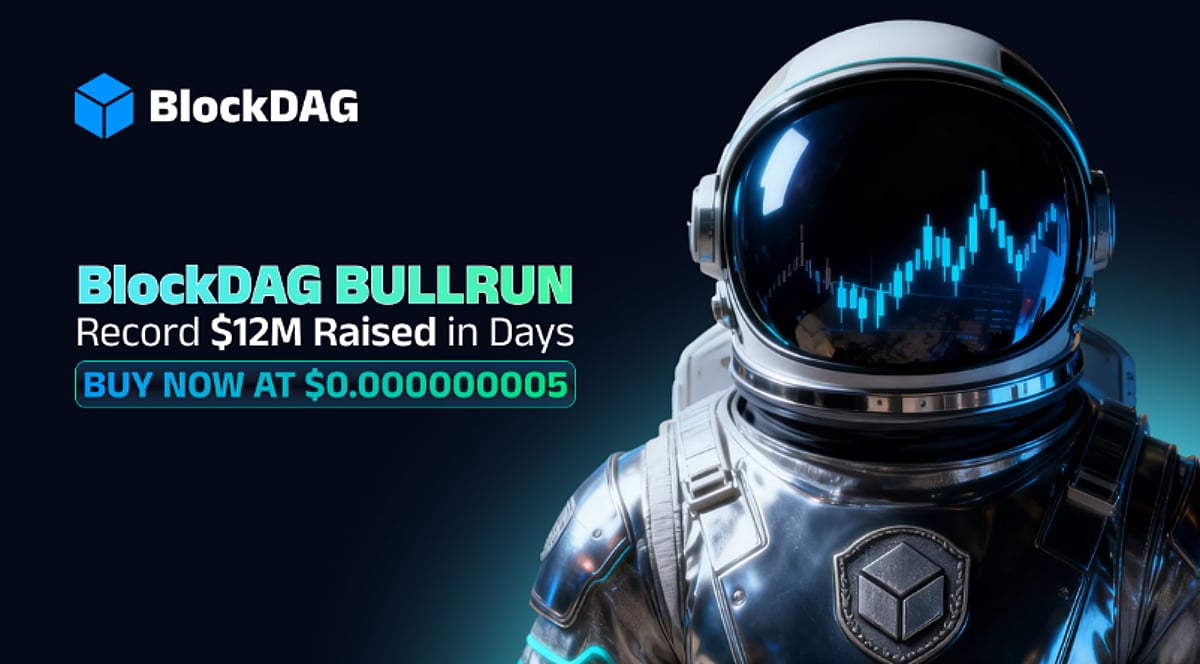
    In a week of contrasting moves across the crypto market, BlockDAG has captured attention with a bold 72-hour promotion that raises its USDT buyback price to $0.05 while slashing the direct BDAG entry price to $0.000000005. Over $12 million has already flowed into the project in just a few days, positioning it as one of the most searched cryptocurrencies this week.

    BlockDAG’s 72-Hour Maxx Mode: Lower Entry, Higher Buyback

    For a limited 72-hour window, BlockDAG has dropped the price of direct Legacy and New BDAG from $0.00000017 to $0.000000005 — effectively giving buyers roughly 34 times more coins for the same investment made just a day earlier. Simultaneously, the USDT Buyback Price has climbed from $0.03 to $0.05, a 67% increase applied after the compression rate is calculated on BDAG sent in. No promo code is required; holders simply purchase either BDAG type and send it into the buyback to lock in the higher rate.

    Cashouts on eligible allocations begin in November and will be processed in batches, providing a clear timeline rather than an open-ended promise. The mechanics remain simple: buy low, build allocation, and let the higher buyback price do the heavy lifting once compression is applied to the final balance.

    Avalanche (AVAX) Price Today: Strong Rally but Caution Warranted

    Avalanche (AVAX) has surged more than 37% over the past seven days, trading near $10.30. Institutional flows are driving much of the momentum: Securitize’s tokenized asset market on Avalanche exploded 628% to $770 million, and Paxos has added native AVAX custody to its Crypto Brokerage platform, opening the door to more regulated institutional demand. Ava Labs leadership has also highlighted that the New York Stock Exchange ran a year-long technical evaluation of Avalanche’s infrastructure, signaling traditional finance interest. However, a 37% weekly move already reflects significant good news, and rallies built on institutional headlines can cool quickly if early profit-taking begins.

    Worldcoin Price Slide Continues

    In stark contrast, the Worldcoin price has fallen more than 10% in a single day, trading near $0.41 — roughly 96% below its all-time high near $11.90. Worldcoin, co-founded by Sam Altman and Alex Blania, uses iris-scanning Orb devices to verify unique humans and issue World ID credentials. Adoption metrics remain steady, with nearly 18 million verified humans worldwide, but the token price continues to struggle to reflect that growth. Sharp single-day drops test the patience of holders waiting for identity adoption to translate into price action.

    The Final Verdict: Time-Sensitive Opportunity

    Between an AVAX chart running hot and a Worldcoin price sliding, the market remains unpredictable. BlockDAG’s 72-hour Buyback Maxx Mode window offers a unique, time-sensitive opportunity: lower entry, higher buyback, and a clear cashout timeline starting in November. With over $12 million already moved in, this stacked upgrade is why BlockDAG is drawing attention ahead of larger-cap assets.

    Presale: https://purchase.blockdag.network
    Website: https://blockdag.network
    Telegram: https://t.me/blockDAGnetworkOfficial
    Discord: https://discord.gg/Q7BxghMVyu

    Disclaimer: Analytics Insight does not provide financial advice or guidance on cryptocurrencies and stocks. Also note that the cryptocurrencies mentioned/listed on the website could potentially be risky, i.e., designed to induce you to invest financial resources that may be lost forever and not be recoverable once investments are made. This article is provided for informational purposes and does not constitute investment advice. You are responsible for conducting your own research (DYOR) before making any investments. Read more about the financial risks involved here.