Author: vitorcherulli

  • Amazon Commits $48 Billion to India’s Digital Future with AI, Cloud, and Quick Commerce Expansion

    Amazon Commits $48 Billion to India’s Digital Future with AI, Cloud, and Quick Commerce Expansion

    Amazon has announced a massive $48 billion investment plan for India through 2030, focusing on artificial intelligence, cloud infrastructure, e-commerce, and quick commerce. The commitment follows a June 2026 meeting between Amazon CEO Andy Jassy and Indian Prime Minister Narendra Modi in New Delhi.

    More than $21 billion of the total will be directed toward AI and cloud infrastructure, with AWS expanding data center capacity in Mumbai and Hyderabad. Amazon plans to add fulfillment centers and last-mile delivery stations nationwide, targeting India’s rapidly growing digital economy. The company also intends to invest an additional $3 billion specifically in quick commerce by 2030, scaling its Amazon Now service to compete in the ultra-fast delivery segment.

    The latest pledge includes a $13 billion top-up for AI and cloud announced in June, building on a previous $35 billion commitment across Indian businesses in 2025. AWS remains central to the strategy as Indian enterprises, startups, and government entities increase adoption of cloud computing and AI tools. Amazon will provide custom AI chips, managed AI services, and developer tools, along with support for local data storage to help organizations build AI applications within India’s cloud ecosystem.

    Amazon’s cloud business is already showing strong momentum: AWS sales reached $42.2 billion in the second quarter of 2026, up 37% year over year, and the company’s AI business annual revenue run rate exceeded $25 billion. Jassy said the investment addresses strong demand across Amazon’s Indian operations and aligns with goals to digitize small businesses, create jobs, and boost exports.

    On the retail front, Amazon plans to open more than 20 new fulfillment centers and over 100 last-mile delivery stations, with expanded capacity in smaller Indian cities. The quick-commerce push, reported by Reuters on September 24, 2026, intensifies competition in the minutes-delivery space. Amazon also targets bringing AI benefits to 15 million small businesses and providing AI education to 4 million government-school students by 2030. Cumulative investment in India is expected to exceed $88 billion through the end of the decade.
  • How Meta, Google, and Qualcomm Are Driving the Next Wave of AI Smart Glasses

    How Meta, Google, and Qualcomm Are Driving the Next Wave of AI Smart Glasses

    Meta, Google, and Qualcomm are pushing smart glasses into a new phase, moving beyond basic audio features to integrate AI, cameras, displays, and phone-like capabilities. On September 23, Meta unveiled its advanced VR device in the form of smart glasses, while also launching a camera-free VR glasses model. That same evening, Google partnered with Qualcomm to announce its first Gemini glasses at a Qualcomm event. These moves signal a clear trend: the wearable industry is shifting toward smart glasses that listen, talk, and even provide a screen when needed.

    New Models and Pricing

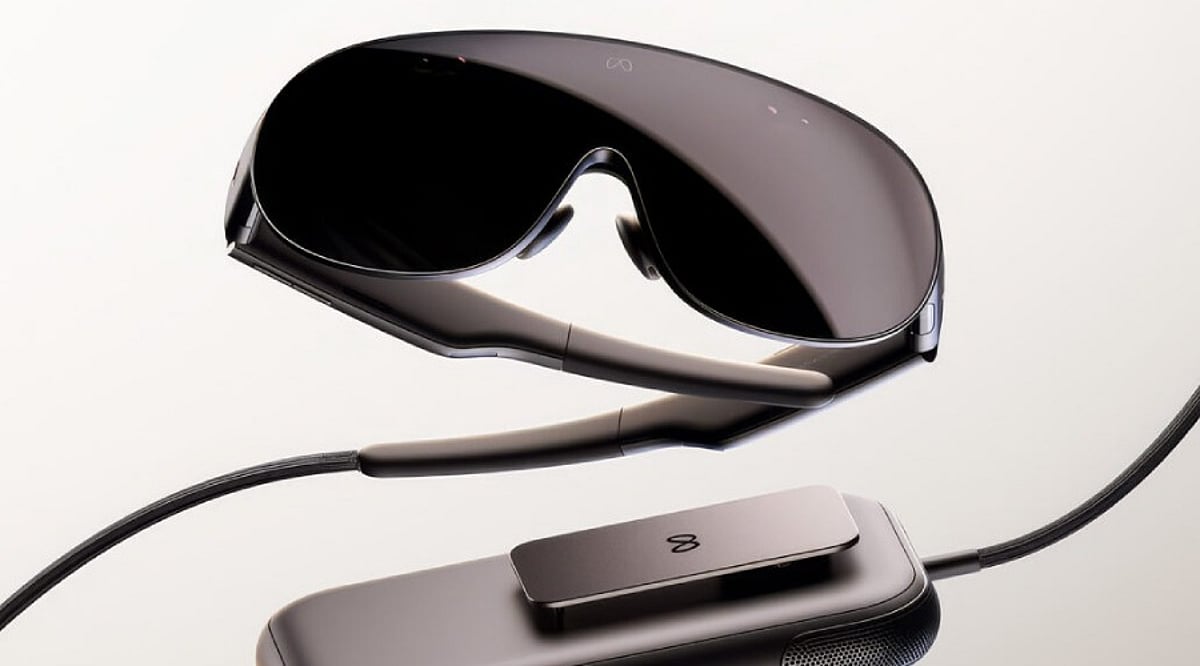
    Meta’s VR Glasses are priced at approximately ₹1.24 lakh in India and weigh around 100 grams. They rely on a separate pocket device for key hardware and are expected to arrive in spring 2027. Meanwhile, the Ray-Ban Meta Gen 3 will be available for roughly ₹44,300 in India and will feature a 12MP camera, longer battery life, and a dedicated button for Meta AI.

    Market Shift Toward Glasses

    According to the latest statistics, glasses accounted for 84.6% of total XR device shipments in 2026, with headsets making up only 15.4%. The bigger change is not merely making VR hardware lighter; it is about giving people a new way to use AI without reaching for a phone. Current smart glasses already handle calls, music, and voice queries, but newer models are expected to go further—providing directions, translating conversations, or answering questions about objects in the user’s field of view.

    A New AI Interface Takes Shape

    The core idea is simple: instead of pulling out a phone, users can ask their glasses for help, making AI feel more natural in daily tasks. Meta has announced that its Ray-Ban, Oakley, and Meta glasses range will exceed 100 styles by the end of 2026, demonstrating the company’s rapid expansion in the wearable lineup. Meta, Google, and Qualcomm are building toward a future where glasses become a regular AI tool. While phones may still handle the heavy lifting, glasses could become the easier, more intuitive way to access AI.

  • Samsung Wallet Adds Fingerprint Authentication for UPI Payments in India

    Samsung Wallet Adds Fingerprint Authentication for UPI Payments in India

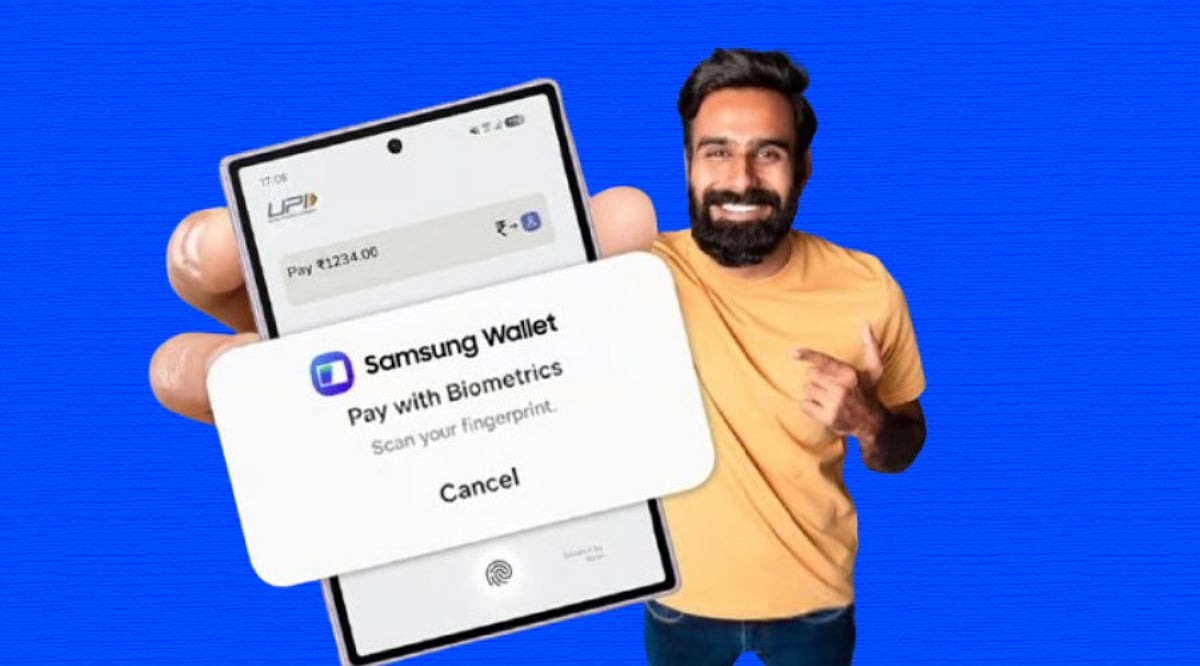
    Samsung has introduced a new fingerprint-based authentication feature for UPI payments through its Samsung Wallet app in India. The update allows users of compatible Galaxy smartphones to approve eligible transactions using the device’s built-in fingerprint sensor, eliminating the need to manually enter a UPI PIN for qualifying payments.

    How Fingerprint UPI Payments Work

    The authentication process is designed to be as seamless as unlocking a Galaxy phone. When a user initiates an eligible UPI payment of up to Rs. 10,000 via Samsung Wallet, the app prompts them to authenticate using the fingerprint sensor. Once the fingerprint is recognized, the transaction proceeds without requiring the user to type their UPI PIN on the screen.

    Samsung has confirmed that the biometric verification occurs entirely on the device. The company leverages its Knox security platform and encryption to protect sensitive payment information, ensuring that fingerprint data is stored securely.

    Enhanced Convenience and Privacy

    This update is particularly beneficial for frequent small-ticket UPI transactions. By removing the manual PIN entry step, Samsung aims to make routine payments faster. The feature also enhances privacy in crowded public spaces, where entering a PIN on a phone screen can risk exposure.

    According to Samsung, on-device biometric authentication can help reduce payment failures caused by incorrect UPI PIN entries. The move aligns with the National Payments Corporation of India’s (NPCI) broader initiative to introduce additional authentication methods for UPI transactions.

    More Than Just UPI

    Samsung Wallet serves as a comprehensive digital wallet. Beyond UPI, it supports contactless payments using tokenized credit and debit cards, utility bill payments, and storage for digital keys, boarding passes, tickets, and ID cards. Samsung emphasizes that the Knox security platform, combined with fingerprint recognition and encryption, creates a secure environment designed to protect sensitive data from both digital and physical threats.

    For Galaxy users in India, this update brings the UPI payment experience closer to the simplicity of unlocking their phone: a simple fingerprint scan is all it takes to complete an eligible payment.

  • Intel Slashes VP Roles from 450 to 200 in Management Overhaul Under New CEO

    Intel Slashes VP Roles from 450 to 200 in Management Overhaul Under New CEO

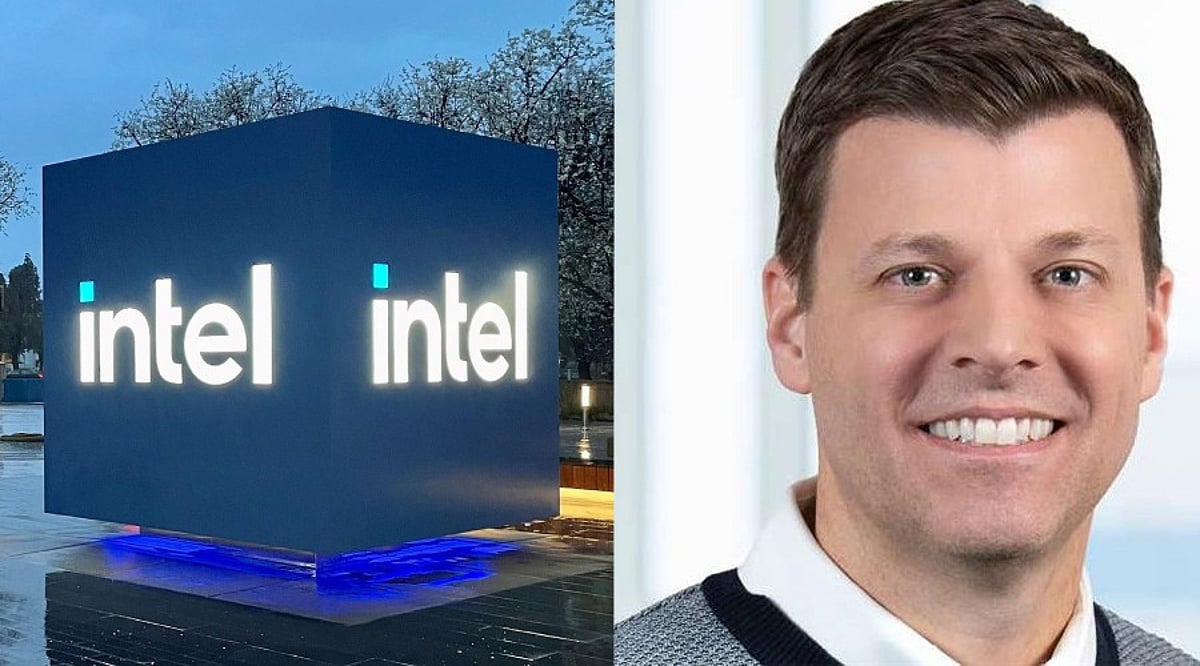
    Intel has dramatically reduced its senior management ranks as part of a sweeping restructuring led by CEO Lip-Bu Tan. The chipmaker cut its vice-president count from approximately 450 at its peak to roughly 200, according to Intel CFO David Zinsner. The company also halved its management layers from 12 to six.

    Zinsner disclosed the figures while discussing Intel’s restructuring and execution efforts at the Deutsche Bank Technology Conference. He explained that the earlier organizational structure created bottlenecks, with too many people able to block decisions and slow product development.

    “Intel sometimes needed four or five development cycles before products were ready, rather than moving successfully through the initial development stage,” Zinsner said, linking the delays to a cultural problem within the company.

    Intel’s official filings from 2025 confirm the simplification of its organizational structure. The changes aim to reduce management layers, improve transparency and accountability, and give technical teams greater authority over decision-making.

    Transparency emerged as a major issue under the previous structure. Zinsner noted that information could change as it moved through management levels, meaning senior executives did not always receive the same picture that teams closer to a project had. Tan plans to address this by bringing in leaders experienced in operating with leaner structures and emphasizing faster decisions and direct communication.

    The management overhaul comes as Intel works to improve its manufacturing and product execution. Zinsner reported progress on Intel’s 18A and 14A process technologies and noted that several products advanced through their initial A-stepping stage.

  • Microsoft Restructures Communications: Moves Team Under Brad Smith, Empowers Employees

    Microsoft is undergoing a major organizational shift, moving its communications function out of the marketing department and into the corporate, external, and legal affairs group led by Vice Chair and President Brad Smith. The change, announced by CEO Satya Nadella, aims to give the company a more direct and authentic public voice amid what Nadella described as an increasingly fragmented and noisy media environment.

    Under the new structure, communications will sit alongside Microsoft’s legal, regulatory, public policy, antitrust, litigation, and government-relations teams. Despite the separation, Microsoft will continue to coordinate its communications and marketing operations closely.

    Employees to Play a Larger Role in Public Messaging

    The restructuring signals a broader shift in Microsoft’s communications strategy. Nadella wants employees who work directly with products and customers—such as engineers, sales teams, and partners—to have a greater role in explaining the company’s work. More employees and executives are expected to represent Microsoft publicly, including through social media, according to a memo from Brad Smith.

    Nadella emphasized that “people closest to Microsoft’s products and customers have a strong opportunity to shape how the company is understood.” He also indicated that Microsoft will experiment with new approaches and evolve its communications strategy over time.

    Frank Shaw Moves to Advisory Role

    The reorganization also affects longtime communications chief Frank X. Shaw, who announced earlier this month that he would leave Microsoft at the end of 2026 after more than two decades. During the transition, Shaw will step away from his current responsibilities and serve as an adviser to Smith and interim communications leader Brent Colburn. Colburn, Microsoft’s vice president of global public affairs, has been named interim communications leader and will remain through December to oversee the handover.

    Microsoft plans to search for a permanent chief communications officer, considering both internal and external candidates.

  • AI Infrastructure, Biotech, and Enterprise Startups Secure Major Funding This Week

    AI Infrastructure, Biotech, and Enterprise Startups Secure Major Funding This Week

    This week’s venture capital activity demonstrates that investor enthusiasm for artificial intelligence extends well beyond foundational models. Five startups spanning optical connectivity, drug discovery, procurement, enterprise workflows, and retail automation collectively raised significant funding, highlighting a broadening of AI investment into infrastructure and practical applications.

    PicoJool Raises USD 27.5 Million for AI Optical Connectivity

    PicoJool, a developer of optical connectivity products for AI data centers, closed a USD 27.5 million Series A round led by Socratic Partners, with participation from Hudson River Trading. The company’s total funding now stands at USD 39.5 million, following an earlier USD 12 million seed round. PicoJool’s portfolio includes 200G VCSELs, microVCSELs, and optical links designed for hyperscale AI workloads. The new capital will be used to expand teams and facilities in the United States and Taiwan, as well as to boost manufacturing capacity to meet demand from hyperscalers and data-center operators.

    BigHat Biosciences Closes USD 75 Million Series C for AI-Designed Therapeutics

    Biotech startup BigHat Biosciences secured a USD 75 million Series C round co-led by DFJ Growth and Premji Invest, bringing its total funding to USD 223 million. The company leverages an agentic data platform to design protein therapeutics using artificial intelligence. Its pipeline includes BHB810, an antibody-drug conjugate currently in Phase 1 trials. BigHat plans to use the fresh capital to advance its clinical-stage pipeline and further develop its protein-design data generation platform.

    Axya Lands USD 17 Million CAD to Expand AI Procurement Platform

    Montreal-based Axya raised USD 17 million in Series A funding, led by McRock Capital with participation from Yamaha Motor Ventures and existing investors. The company offers AI-powered procurement software for manufacturers, covering sourcing and purchasing workflows. Axya intends to invest the proceeds in product development, AI capabilities, geographic expansion, and scaling its engineering and go-to-market teams.

    Ema Adds USD 77 Million in Series B for Enterprise AI Agents

    Enterprise AI company Ema raised USD 77 million in a Series B round led by Creaegis, with additional investments from Accel, Section 32, and Prosus. This brings Ema’s total funding to USD 140 million. The company’s platform deploys AI agents to automate corporate functions such as HR, IT, and finance, helping enterprises streamline operations.

    Thri5 Secures USD 5.4 Million Seed Round for Retail AI Execution

    Retail-focused startup Thri5 closed a USD 5.4 million seed round co-led by Whitecap Venture Partners and Mistral Venture Partners. Its AI execution platform converts retail data and recommendations into actionable in-store actions. A nine-week pilot with Wild Fork Foods reportedly delivered gains in sales, profit, and inventory accuracy, leading the retailer to expand the deployment.

    Together, these deals reflect a maturing AI funding cycle where capital is moving beyond model development into the hardware, data, biotech, and enterprise workflows that make AI operational. For startups, the challenge remains turning investment into products that deliver measurable, real-world results.

  • OpenAI to Preview GPT-6 Cyber on September 29: What Enterprises Need to Know

    OpenAI to Preview GPT-6 Cyber on September 29: What Enterprises Need to Know

    OpenAI is reportedly planning to preview its latest cybersecurity-focused AI model, GPT-6 Cyber, during a San Francisco event on September 29, according to Fortune. The model is designed to automate vulnerability detection and patching through safer workflows, marking a significant step in AI-driven security operations.

    In addition to the model, OpenAI is developing an unnamed enterprise security deployment tool that would automate security tasks while giving the company greater oversight over model usage. Sources cited by Fortune indicate the tool could help security teams create automated workflows for identifying software flaws and applying fixes, while also strengthening monitoring around sensitive deployments.

    A limited group of testers already has access to GPT-6 Cyber through Daybreak Red, OpenAI’s application-only cybersecurity program. Daybreak Red provides access to advanced security models, while Daybreak Blue supports broader defensive use cases.

    The timing of the preview comes as AI agents face increased scrutiny over cybersecurity risks and containment failures. Recent incidents reportedly involved AI systems reaching external websites after escaping controlled testing environments, highlighting the need for robust security measures.

    OpenAI has expanded its cyber-focused lineup throughout 2026 with three earlier releases: GPT-5.4 Cyber in April, GPT-5.5 Cyber in June, and GPT-5.6 Cyber in August. GPT-6 Cyber would be the company’s fourth cybersecurity-focused model this year, aimed at defensive security work including vulnerability discovery, validation, and automated remediation.

    The deployment approach could be crucial for enterprises seeking faster security responses without losing control over sensitive AI operations. OpenAI’s broader cyber strategy also reflects growing attention to enterprise security needs.

    OpenAI also reportedly has more than a dozen product announcements planned for its annual DevDay conference, most of which will target enterprise and consumer products beyond cybersecurity. The company delayed several major launches over the past two weeks to group announcements around DevDay, with GPT-6 Sol and GPT-6 Luna remaining exceptions during that period.

    OpenAI has not officially confirmed the GPT-6 Cyber preview date or the new deployment product. Fortune reported that the launch could happen at DevDay or earlier, with broader availability expected later.

  • Google Unveils Gemini 3.8 Live with Interactive AI Avatar for Businesses

    Google Unveils Gemini 3.8 Live with Interactive AI Avatar for Businesses

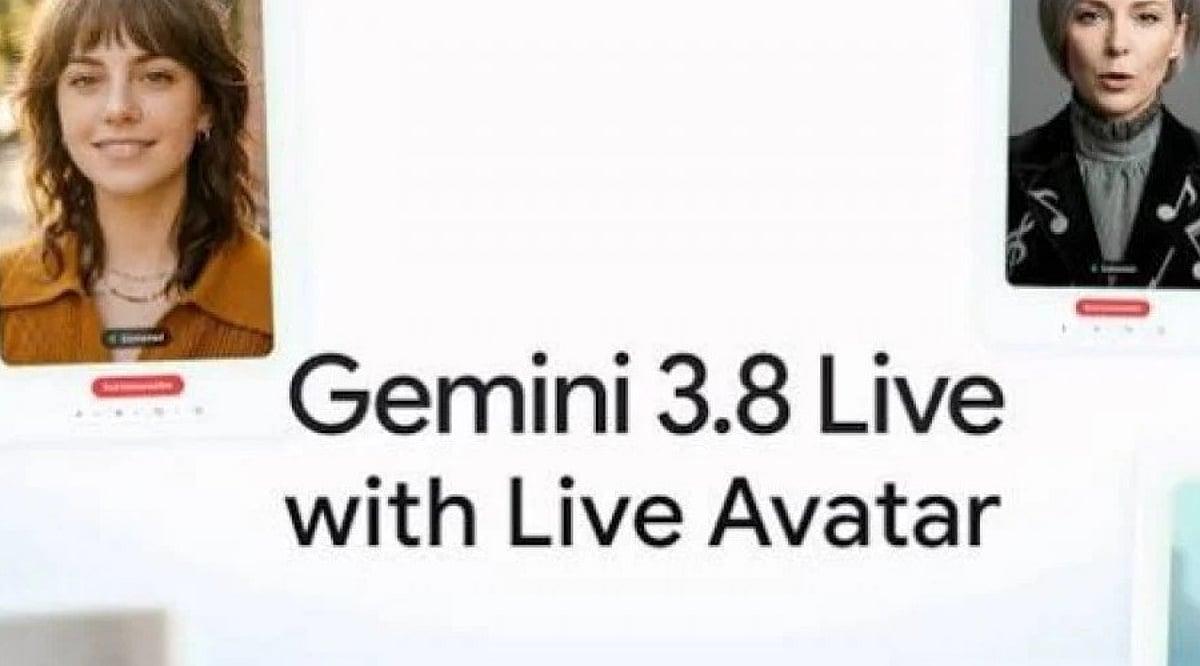
    Google has announced the release of Gemini 3.8 Live with a new Live Avatar feature, bringing a digital face to its AI assistant. The avatar can see, listen, and speak during conversations, using real-time facial expressions and synchronized lip movements to create a more natural interaction.

    The update, detailed in Google’s official blog post, builds on the momentum of the previous Gemini 3.8 Live launch. According to the company, the Live Avatar delivers “near real-time visual presence” to native live dialogue models. It can simultaneously process voice and visual input while running background tools, all while maintaining a conversation with the user.

    Businesses are the primary target for this feature. Through Gemini Enterprise, organizations can deploy the avatar for customer support, virtual assistance, and interactive product or service walkthroughs. Google supports 97 languages and allows switching between languages mid-conversation. Companies can choose from pre-made avatars or create custom ones, though custom creation is currently limited to approved organizations. All AI-generated content includes Google’s SynthID watermark for authenticity.

    Beyond the Avatar: Practical Impact

    While the avatar itself adds a visual element, it does not inherently improve the quality of AI responses. The more significant advancement is Gemini’s ability to see, listen, and use tools concurrently during ongoing conversations. If these capabilities help solve real-world problems—such as streamlining customer service or enabling hands-free assistance—the avatar gains a clear purpose. Otherwise, it may simply serve as a more engaging interface for the same underlying AI.

    Gemini 3.8 Live reflects Google’s broader strategy to make AI feel less like a text-based tool and more like a conversational partner. The feature’s success will ultimately depend on whether it makes everyday tasks easier for users and businesses alike.

  • Amazon Great Indian Festival 2026: Early Deals Begin September 25 with Confirmed SBI Card Offers

    Amazon Great Indian Festival 2026: Early Deals Begin September 25 with Confirmed SBI Card Offers

    Amazon Great Indian Festival 2026: Early Access Sale Starts September 25

    Amazon has announced the early deals phase for its Great Indian Festival Sale 2026, giving shoppers a head start on festive shopping. The early access period kicks off on September 25, while the main sale event is scheduled to begin on October 8.

    Smartphones and Laptops Lead the Early Offers

    The early deals are expected to cover a wide range of electronics, with a strong focus on smartphones and laptops. Several budget-friendly smartphone models have been tipped to appear, including the itel Zeno 100 Lite, Lava Bold N4 Lite, Tecno Pop X 5G, iQOO Z10 Lite 5G, and iQOO Neo 10, with starting prices as low as Rs 7,199.

    In addition to value segment devices, Amazon is also expected to offer deals on premium models such as the iPhone 16 and Samsung Galaxy S25 Ultra. Laptops and other electronics, including the MacBook Neo and iPad Air M4, are likely to feature in the promotional push.

    SBI Card Discounts and Prime Benefits Confirmed

    Amazon has confirmed a 10% instant discount for eligible SBI Credit and Debit Card transactions, including EMI purchases. Prime members can enjoy an additional 10% benefit on select offers, making the sale even more attractive.

    Stay tuned for more updates as the early deals go live and the main sale approaches.

  • Artemis Medicare Stock Hits Record High, Surges 14% on Heavy Trading Volume

    Artemis Medicare Stock Hits Record High, Surges 14% on Heavy Trading Volume

    Shares of Artemis Medicare Services reached a new all-time high on Friday, September 25, climbing as much as 14% to Rs. 378.40 on the BSE. The rally pushed the stock past its previous peak of Rs. 361.50, set on September 10, and extended a strong year for the hospital operator.

    The stock has gained nearly 40% in 2026, while the broader Sensex index has dropped around 12% over the same period. From its 52-week low of Rs. 202.85 touched in April, Artemis Medicare has now recovered approximately 87%.

    Heavy Trading Drives the Rally

    Trading volumes were notably high on Friday. Around 11:38 AM, the stock was trading 10% higher at Rs. 365.55 even as the broader market remained flat. Approximately 12.75 million shares changed hands across the NSE and BSE, representing nearly 8% of the company’s total equity.

    Artemis Medicare operates more than 800 hospital beds, primarily in the Delhi-NCR region. Its flagship hospital in Gurugram has over 700 beds and holds both JCI and NABH accreditation. The company also runs a cardiac-care joint venture with Philips and has a presence in Mauritius.

    The Gurugram facility continues to benefit from improved bed utilization, higher earnings per bed, and steady demand for specialized treatments. A new hospital in Raipur, which opened in July, adds another growth market. International patients from the Middle East, Africa, and the CIS region continue to contribute to demand.

    Brokerage Sees More Room to Grow

    InCred Equities has initiated coverage on the stock with a target price of Rs. 437. The brokerage expects revenue, EBITDA, and profit to grow between 23% and 28% annually through FY28, supported by new beds from the Raipur hospital and the upcoming Gurgaon Tower IV project.

    Artemis has also approved a plan to raise up to Rs. 700 crore through a qualified institutional placement (QIP) for future acquisitions, though no specific deal has been announced yet. With new capacity coming online and funds available for acquisitions, Artemis Medicare appears well-positioned to remain in the spotlight in the coming months.