Author: vitorcherulli

  • Top 5 AI and Machine Learning Courses to Enroll in 2026

    Top 5 AI and Machine Learning Courses to Enroll in 2026

    Artificial intelligence and machine learning have become essential skills across industries, from software development and healthcare to finance, manufacturing, and cybersecurity. As organizations continue integrating AI into their products and operations, employers are actively looking for professionals who understand both the theory and practical application of these technologies.

    With hundreds of online courses available, finding one that matches your career goals can be challenging. The best programs combine strong conceptual foundations with hands-on projects, modern AI tools, and industry-recognized certifications. Here are five AI and machine learning courses worth considering in 2026.

    Why Choosing the Right AI Course Matters

    A certificate alone will not land you a job in AI. Today, recruiters seek people who can put machine learning techniques into practice, work within frameworks, and create AI solutions. A well-thought-out curriculum can give you the opportunity to improve your knowledge of math, Python, data analysis, model building, and deployment, and to develop your own projects.

    Prerequisites Before Starting an AI and Machine Learning Course

    You do not need a computer science major to start learning about AI and machine learning, but acquiring some skills beforehand will simplify the process. Basic knowledge of Python programming is very useful since it is widely used in AI platforms. A basic understanding of mathematics—including probability and statistics—will also help you understand how machine learning models operate.

    If you are a beginner, you also need some basic knowledge of handling data, such as working with simple datasets and spreadsheets. If you have no programming experience, it is better to spend a few weeks learning Python basics before starting a machine learning course.

    Top AI and Machine Learning Courses at a Glance

    Course Name Provider Best For Key Features
    Machine Learning Specialization Stanford & DeepLearning.AI Beginners Foundational concepts, hands-on projects
    IBM AI Engineering Professional Certificate IBM via Coursera Beginners to Intermediate Practical skills, industry recognition
    AI for Everyone DeepLearning.AI Non-technical professionals AI strategy, no coding required
    Deep Learning Specialization DeepLearning.AI Intermediate Neural networks, TensorFlow, PyTorch
    Professional Certificate in Machine Learning & AI MIT xPRO Advanced professionals Rigorous curriculum, real-world case studies

    What to Do After Completing Your First AI Course

    Completing the course is just the start. Employers are interested in practical knowledge, not just certifications. Begin by developing small-scale projects—movie recommendation systems, sentiment analysis tools, spam classifiers, chatbots, or image recognition apps—using publicly available datasets.

    Upload your code to GitHub and build a portfolio that showcases your projects. Participating in Kaggle competitions, contributing to open-source AI projects, and gaining experience with frameworks like TensorFlow, PyTorch, and Hugging Face will help your resume stand out.

    How to Choose the Right Course

    The most suitable route depends on your experience level and career goals. Beginners should take programs that cover Python, mathematics, and machine learning before moving to advanced topics like deep learning or large language models.

    Programmers aiming for AI engineering roles should opt for programs that include projects, deployment, cloud computing, and portfolio building. Business professionals may find more value in courses focused on AI strategy and implementation rather than coding.

    Why This Matters

    Artificial intelligence is reshaping almost every industry, but employers increasingly value practical skills over certificates alone. Choosing a course that combines strong fundamentals with hands-on projects gives learners a better opportunity to build confidence, create a portfolio, and stay competitive as AI continues to evolve.

    Final Thoughts

    The field of AI and machine learning continues to transform industries, leading to rising demand for skilled individuals. Taking a good course is a great starting point, but long-term success requires applying those skills. Whether you’re starting your AI journey or advancing your expertise, choosing a course that combines theory with practice will help you build confidence, strengthen your portfolio, and stay competitive.

    FAQs

    Which is the best AI and machine learning course for beginners?

    The IBM AI Engineering Professional Certificate and the Machine Learning Specialization by Stanford & DeepLearning.AI are among the best beginner-friendly programs because they combine foundational concepts with hands-on projects.

    Do I need programming experience before learning AI?

    Not necessarily. However, learning basic Python programming before starting an AI course makes it much easier to understand machine learning concepts and complete practical assignments.

    What prerequisites are required for machine learning courses?

    Most beginner courses recommend basic Python programming, elementary mathematics (including algebra, probability, and statistics), and familiarity with handling datasets using spreadsheets or Python libraries.

    Which AI course is best for working professionals?

    AI for Everyone by DeepLearning.AI is an excellent choice for managers, business leaders, product managers, and professionals who want to understand AI strategy without focusing heavily on coding.

    Which programming language should I learn for AI and machine learning?

    Python is the most widely used programming language for AI and machine learning because of its rich ecosystem of libraries, including TensorFlow, PyTorch, Scikit-learn, Pandas, and NumPy.

  • NYT Strands July 26, 2026: All Knowing Theme, Spangram BIGBRAIN, and Full Word List

    NYT Strands July 26, 2026: All Knowing Theme, Spangram BIGBRAIN, and Full Word List

    Today’s NYT Strands puzzle for July 26, 2026, challenges players with the theme “All Knowing,” leading to words describing knowledgeable and trusted experts. The spangram, BIGBRAIN, ties together answers including Pundit, Expert, Specialist, Maven, Authority, and Guru.

    Hints for Solving

    Today’s theme was “All Knowing.” For players looking for another nudge, an additional hint was: “You’ll want to consult them.” This pointed toward people regarded as experts or authorities in their respective fields.

    Opening Letters

    The first two letters of each theme word were: PU, EX, SP, MA, AU, GU. These opening letters hinted at words describing knowledgeable individuals. Once players recognized the pattern, the remaining theme words became much easier to locate.

    If you get stuck, the built-in NYT Strands Hint system can also reveal one theme word after finding three non-theme words containing at least four letters.

    Spangram

    Today’s spangram is BIGBRAIN. The phrase perfectly captures the puzzle’s overall theme, representing intelligence, expertise, and exceptional knowledge. Every themed answer fits under the umbrella of someone recognized for mastery in a particular subject.

    Theme Words for Today

    • PUNDIT: A political commentator or an expert who offers informed opinions, especially about current affairs.
    • EXPERT: Someone with extensive know-how and competence built up from study and experience.
    • SPECIALIST: A professional with deep, advanced expertise in a specific subject or area of work.
    • MAVEN: A trusted, knowledgeable figure who has a wealth of insight and shares it with others.
    • AUTHORITY: A widely respected person seen as a leading expert on a certain topic or field.
    • GURU: An experienced mentor or learned guide that people turn to for guidance and direction.

    Bottom Line

    Today’s NYT Strands puzzle celebrated know-how and learned expertise through the theme “All Knowing.” Once players connected the clues to trusted experts and recognized the BIGBRAIN spangram, they could uncover words like Pundit, Expert, Specialist, Maven, Authority, and Guru — all pointing to the same idea of mastery and authority.

  • Leading Web3 Development Companies in the United States for 2026

    Leading Web3 Development Companies in the United States for 2026

    The United States continues to lead many Web3 projects in 2026. Startups, brands, and large firms are looking for teams that can build safe, useful, and easy-to-run digital products. A strong Web3 company does more than write code; it helps a business plan, build, test, and launch with care.

    Web3 has moved past the hype stage for many firms. It now serves real work in finance, gaming, digital ownership, supply chain tracking, and online identity. The best companies in this field focus on clear results, not loud promises. They help clients turn a rough idea into a working product that can serve real users.

    Why Companies Matter

    A Web3 project can fail fast if the team rushes the work. Smart contract mistakes, poor design, and weak testing can all create problems later. That is why buyers often look for firms with solid past work, a clear process, and a steady support team.

    The U.S. market has depth. DesignRush lists 319 Web3 companies in the United States, which shows how active the space has become. Clutch also notes that U.S. teams are active across major hubs like Silicon Valley, New York, and Miami. This spread gives buyers more choice and more room to compare.

    Web3 Companies in 2026

    A few firms appear often in 2026 lists. They include Cleveroad, Altoros, Vention, Iron Forge Development, and The Blockchain Team. These names stand out for different reasons. Some focus on enterprise work, while others build for startups, and some handle both.

    Techanic Infotech, Crinpro Solutions, MindSea, ArcTouch, TechMahindra, WillowTree, Dogtown, Blue Label Labs, Infosys, and Media Sidebench also appear in AVIXA’s 2026 list of leading U.S. Web3 companies. The mix shows how broad the market is. Some firms lean toward app design and user flow, while others focus on blockchain systems, token tools, or private company use cases.

    What Separates the Best

    The best Web3 companies are usually strong in three areas: they understand the full build cycle, they test carefully, and they explain things in plain language. That matters because many clients do not need hype; they need a team that can guide them step by step.

    Expert insight in the sector points to one clear pattern. Firms that do well in 2026 are those that connect tech skill with business sense. A good example is a company that can build a wallet or NFT platform, then also help the client think through user trust, launch timing, and long-term support. That mix is often what separates a useful product from a short-term experiment.

    How Buyers Can Choose

    A buyer should look at more than a company name. Past projects and industry focus matter. Clear communication matters too. A team that has built for finance may fit a payment product better than a team that only knows art or games.

    A buyer should also ask simple questions: Has the team built similar products before? Does it test for security? Will it stay involved after launch? These questions help cut through noise and show which firm can handle real work. In a market with hundreds of choices, that kind of focus saves time and reduces risk.

    Final Thoughts

    Top Web3 development companies in the United States in 2026 bring skill, speed, and practical thinking to a fast-changing field. The strongest firms do not chase buzz; they build products that work, scale, and make sense for the client’s goals. For any business entering Web3, the best partner is the one that keeps the process clear and the product solid in an operational cycle.

    FAQs

    What is a Web3 development company?

    A Web3 development company builds blockchain-based applications, smart contracts, crypto wallets, NFT platforms, DeFi solutions, and other decentralized digital products for businesses and startups.

    Why should businesses hire a Web3 development company?

    Hiring a Web3 development company gives businesses access to blockchain expertise, secure smart contract development, faster product launches, ongoing technical support, and scalable solutions tailored to their needs.

    Which industries benefit the most from Web3 development?

    Industries such as finance, gaming, healthcare, supply chain, real estate, e-commerce, and digital identity are increasingly using Web3 technologies to improve security, transparency, and efficiency.

    What should I look for when choosing a Web3 development company?

    Look for proven blockchain experience, strong security practices, relevant industry expertise, client reviews, a transparent development process, and reliable post-launch support before making a decision.

    Are Web3 development services suitable for startups?

    Yes. Many Web3 development companies offer flexible solutions for startups, helping them build MVPs, launch blockchain products, and scale their platforms as their business grows.

  • From Music to AI Literacy: How Steven Jiang Transformed Overture into a School-Focused Education Company

    From Music to AI Literacy: How Steven Jiang Transformed Overture into a School-Focused Education Company

    Steven Jiang, co-founder and COO of Overture, started his entrepreneurial journey not in artificial intelligence but in music. He and his co-founder Aspen Buckingham met while studying music at Northwestern University. Their first venture, launched in 2022, was a video game designed to help children compose music. That early work, though seemingly unrelated to AI, laid the foundation for what Overture has become today: a company that partners with schools to teach AI literacy through hands-on, creative projects.

    The pivot from music education to AI enrichment wasn’t driven by trends. It came from direct feedback from school administrators who were struggling to introduce AI to young students responsibly. Jiang recalls one administrator who expressed fear not about AI’s importance but about the lack of a safe framework for teaching it. That practical concern—how to teach AI without handing children tools they weren’t ready to use—became the new mission for Overture.

    Jiang says the company didn’t pivot because AI was a trend; it pivoted because schools had a real problem and no clear solution. Overture now runs programs in more than 50 schools across Chicago and Boston, with plans to expand to over 120 programs in multiple states. The company’s approach is rooted in active learning, a philosophy Jiang traces back to his music background. “We teach kids to create with it, to make cool things,” he explains. “That’s rooted in how we think as artists: using your imagination and critical thinking to build something awesome.”

    Overture’s programs include a paper-and-pencil AI model for young children, emphasizing that the company builds around school problems rather than a single product. The company also creates part-time teaching jobs for local educators, artists, and musicians. Jiang has been recognized with Forbes 30 Under 30 and Inno 25 Under 25 honors, and he speaks at universities about AI education. His long-term goal is to bring high-quality AI education to every state through mission-aligned partners.

    For Jiang, the evolution of Overture is not a break from its origin but a widening of it. The company began by asking how children could make music in a new way. Now it answers the question that changed everything: how can schools help children meet AI responsibly?

  • 10 Must-Read Data Structures and Algorithms Books for Programmers in 2026

    10 Must-Read Data Structures and Algorithms Books for Programmers in 2026

    Artificial intelligence can generate code in seconds, but it cannot replace a programmer’s deep understanding of data structures and algorithms (DSA). Whether you’re preparing for coding interviews, building scalable applications, or competing in programming contests, DSA remains one of the most valuable skills in software development. While AI can suggest solutions, knowing why an algorithm works and when to use it comes only through structured learning and practice. The right books make all the difference.

    Essential DSA Books to Build Strong Fundamentals

    These books establish the fundamentals of data structures and algorithms, helping readers build strong problem-solving skills before tackling advanced concepts.

    Introduction to Algorithms (CLRS) – The Definitive Reference

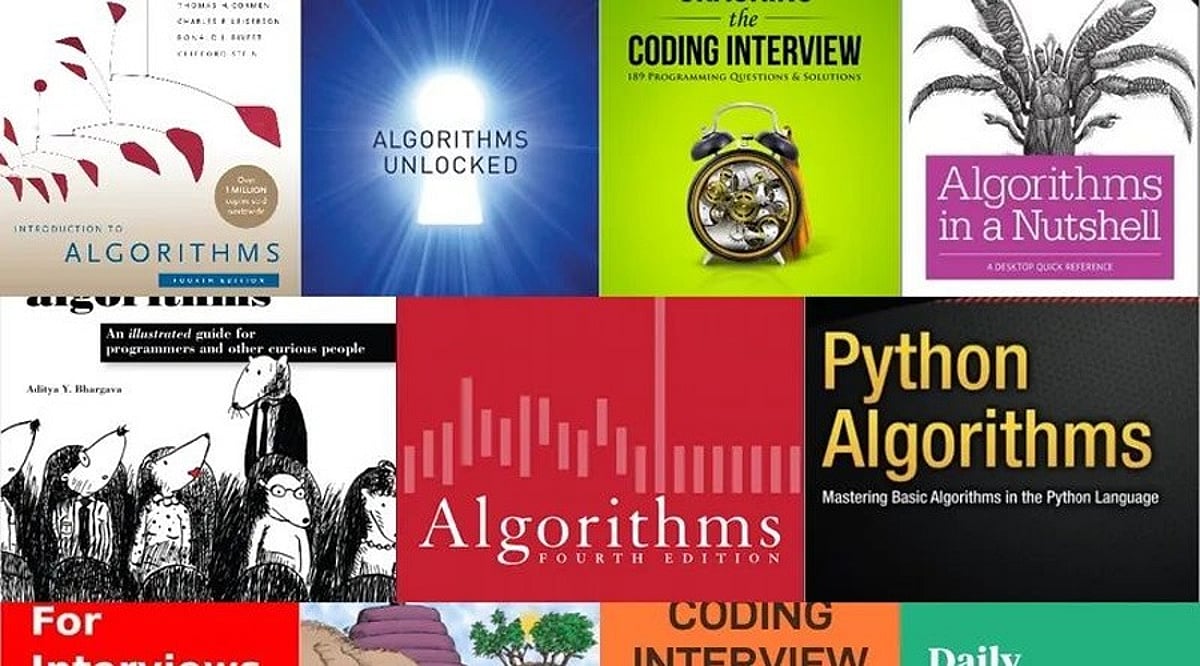
    CLRS, written by Thomas H. Cormen, Charles E. Leiserson, Ronald L. Rivest, and Clifford Stein, remains the standard guide to learning algorithms. It covers topics from graph and sorting algorithms to dynamic programming and computational complexity. Though challenging, no other book is as comprehensive.

    Grokking Algorithms – Where to Start Your Journey

    Aditya Bhargava’s book uses colorful illustrations and clear explanations to introduce binary search, recursion, graph traversal, and more. It’s one of the best books for beginners.

    Algorithms (4th Edition) – Learn Through Practice

    Robert Sedgewick and Kevin Wayne strike a balance between theory and practice, covering essential algorithm concepts and their implementation in real programs.

    Books Built for Coding Interviews

    Technical interviews focus on problem-solving rather than memorization. These titles help candidates build that mindset.

    Cracking the Coding Interview – The Interview Must-Have

    Gayle Laakmann McDowell’s book explains DSA concepts and includes nearly 200 interview questions, solutions, and tips for handling technical interviews at top tech companies.

    Data Structures and Algorithms Made Easy – Practice-Driven Learning

    Narasimha Karumanchi’s book uses a Q&A approach, reinforcing concepts through examples. It’s popular among engineering students preparing for placements and coding tests.

    Elements of Programming Interviews – Up the Difficulty Factor

    This book is designed for experienced programmers and includes various problems on arrays, linked lists, trees, graphs, and dynamic programming.

    Books That Sharpen Problem-Solving

    These books help programmers apply critical thinking to unfamiliar problems.

    The Algorithm Design Manual – Problem-Solving Application

    Steven S. Skiena merges theoretical concepts with practical problems solved using algorithms, providing insights across different industries. The algorithm catalog is especially helpful for finding the best way to solve different kinds of problems.

    Algorithm Design – Strong Academic Background

    Jon Kleinberg and Éva Tardos teach algorithm design using mathematical logic and well-chosen examples. It’s perfect for those who want to learn the principles of efficient computing.

    Books for Python Learners and Self-Study

    Not every programmer learns the same way. These books cater to different preferences and skill levels.

    Data Structures and Algorithms in Python – Learn DSA with Python

    Goodrich, Tamassia, and Goldwasser introduce basic DSA concepts via Python, focusing on ideas that apply across programming languages.

    A Common-Sense Guide to Data Structures and Algorithms – Simple and Accessible

    Jay Wengrow introduces difficult concepts in simple words with practical examples, avoiding complicated mathematical formulas. Its conversational style makes it one of the easiest DSA books.

    Choosing the Right DSA Book

    Depending on your goals, you can start with Grokking Algorithms and then move to Algorithms (4th Edition) or Introduction to Algorithms (CLRS). For placement preparation, choose Data Structures and Algorithms Made Easy and Cracking the Coding Interview. For experienced developers, The Algorithm Design Manual and Elements of Programming Interviews are excellent choices. Even in the era of AI, learning DSA is necessary, and practicing with these books is one of the best ways to improve your skills.

  • India’s Fastest-Growing Green Careers in 2026: Opportunities and Insights

    India’s Fastest-Growing Green Careers in 2026: Opportunities and Insights

    India’s push toward renewable energy and sustainability is creating a surge in green jobs. By 2026, several specialized roles are expected to see rapid growth, driven by government initiatives, private investment, and global climate commitments. Here are the top green careers shaping the country’s workforce.

    Solar Energy Engineers

    As India expands its solar parks and rooftop installations, demand for engineers who design, install, and maintain solar power systems is rising sharply. These professionals are essential for harnessing the country’s abundant sunlight.

    Electric Vehicle (EV) Specialists

    The growing EV production and charging infrastructure are creating opportunities for battery engineers, EV technicians, and vehicle software professionals. Expertise in electric drivetrains and energy management is highly valued.

    Wind Energy Technicians

    New wind power projects across multiple states are increasing the need for skilled technicians to install, monitor, and service wind turbines. This role is critical for sustaining India’s wind energy capacity.

    Energy Storage Experts

    Battery storage systems are becoming essential for integrating renewable energy into the grid. Professionals in battery design, management, and grid storage technologies are in high demand.

    Green Hydrogen Professionals

    India’s clean hydrogen initiatives are generating demand for engineers, researchers, and project managers focused on production, storage, and transportation of green hydrogen.

    Sustainability Consultants

    Businesses are hiring experts to improve ESG performance, reduce emissions, manage environmental compliance, and achieve sustainability goals. This role spans multiple industries.

    Climate Data Analysts

    Organizations increasingly use data to measure carbon emissions, climate risks, and environmental performance. Data professionals with climate expertise are finding new opportunities.

    Circular Economy Specialists

    Recycling, waste management, and resource efficiency projects are expanding career options for professionals focused on sustainable production and waste reduction.

    Carbon Management Experts

    As more companies adopt net-zero targets, demand is rising for professionals who develop carbon reduction strategies, emissions reporting, and climate action plans.

  • NYT Wordle Answer for July 26, 2026: Hints, Clues, and Solution for Today’s Puzzle

    NYT Wordle Answer for July 26, 2026: Hints, Clues, and Solution for Today’s Puzzle

    Searching for today’s Wordle solution? Discover July 26 hints, subtle clues, and effective strategies to solve the puzzle while preserving the fun of the challenge.

    Overview

    The July 26 puzzle may require players to think beyond the most obvious word choices. Making informed guesses can uncover critical letters and reduce the pool of possible answers. A balanced mix of deduction and pattern recognition could be the key to solving today’s challenge.

    A five-letter word is all it takes to put your vocabulary and problem-solving skills to the test. NYT Wordle keeps players engaged with its simple rules, clever letter combinations, and the challenge of finding the right word within a limited number of attempts. Its quick, once-daily format continues to make it a popular choice among word puzzle fans worldwide.

    The July 26 edition brings a fresh opportunity to analyse patterns, make strategic guesses, and protect your winning streak. Whether Wordle is part of your morning routine or a quick mental exercise during the day, today’s puzzle offers an enjoyable blend of logic, vocabulary, and deduction.

    How to Play Wordle

    • First Guess: Type any five-letter English word (like SLATE), then hit Enter.
    • Color Feedback: After each guess, letters will change colors: Green = correct letter in correct location; Yellow = correct letter in incorrect location; Gray = letter not in the word at all.
    • Apply Logic: Rule out grays, prioritize greens, and try yellows in other positions.
    • Guess Within Six Tries: Find the word within six guesses to win.

    Yesterday’s Wordle: July 25, 2026

    The answer for July 25 was ALOHA.

    Hints for July 26

    If today’s Wordle feels challenging, these hints can help you move closer to the solution without giving it away too quickly:

    • Vowels: The word contains two vowels (A, E).
    • Starting Letter: It begins with the letter G.
    • Ending Letter: It ends with the letter E.
    • Definition: A fruit.

    Answer for July 26

    The Wordle answer for July 26, 2026, is GRAPE.

    Want More Wordle? Play Again and Again!

    Paid NYT Games members have access to the Wordle Bot, which allows them to track their performance in each day’s game. Newcomers can look back and catch up on earlier editions. If you are an NYT subscriber with full access to the publication’s games, you’ll have access to an archive of over 1,400 games. See you tomorrow for another round of Wordle.

  • Meta AI Upgrades to Muse Spark 1.1: Now Handles Tasks, Presentations, and Multi-Step Workflows

    Meta AI Upgrades to Muse Spark 1.1: Now Handles Tasks, Presentations, and Multi-Step Workflows

    Meta has upgraded its AI assistant with the latest Muse Spark 1.1 model, transforming it into a powerful productivity tool that can plan tasks, create presentations, integrate with apps, and automate multi-step workflows. This update positions Meta AI as a stronger competitor to ChatGPT, Gemini, and Claude, moving beyond simple Q&A to become a true personal superintelligence.

    The enhanced assistant now connects with email and calendar services to organize schedules, prepare daily briefings, and track ongoing tasks. Users can ask Meta AI to plan meetings, manage reminders, generate weekly plans, or coordinate projects without repeatedly entering instructions. The company says the assistant understands context better than before, allowing it to follow through on requests instead of responding to one prompt at a time. It can also automate recurring activities such as meal planning, shopping reminders, or scheduled updates.

    The update introduces deeper research capabilities. Meta AI can collect information from across the web, organize findings into structured reports, and generate presentation slides directly from its research. Users can edit outputs in real time by changing the tone, adding new instructions, or removing sections. All generated content—including reports, slide decks, and plans—is stored in one place for future access and sharing.

    These features run on Muse Spark 1.1, Meta’s latest multimodal reasoning model designed for agentic AI tasks. Earlier this month, Meta introduced the model with improvements in reasoning, coding, tool use, and computer interaction. The company says these capabilities allow the assistant to perform longer, more complex workflows with less human intervention.

    The latest upgrade reflects Meta’s growing focus on productivity as it competes with OpenAI’s ChatGPT, Google’s Gemini, and Anthropic’s Claude. While Meta AI initially focused on social experiences and conversational assistance, it is increasingly positioning itself as an AI assistant capable of handling day-to-day work and personal tasks. The new capabilities are rolling out in select markets through the Meta AI app and the web version, with wider availability across Meta platforms, including WhatsApp, expected in the coming weeks.

  • Small Businesses Launch New Court Battle Against Trump’s Latest Tariffs

    Small Businesses Launch New Court Battle Against Trump’s Latest Tariffs

    A fresh wave of legal challenges has emerged against President Donald Trump’s newest tariff measures, as small businesses file lawsuits arguing the administration overstepped its authority. The cases, filed in the US Court of International Trade, target import duties imposed on goods from dozens of trading partners.

    Two separate lawsuits have been filed since the tariffs took effect. Educational toy company Learning Resources, which previously challenged Trump’s tariff policy, brought one action. The second was filed by New York spice importer Burlap & Barrel and California watch retailer Collective Horology, represented by the Liberty Justice Center.

    The plaintiffs contend that the administration failed to justify the tariffs on a per-country basis and did not adequately explain how the duties would address forced labor concerns, a requirement under Section 301 of the Trade Act of 1974. They argue the new tariffs effectively replace the worldwide duties the Supreme Court invalidated earlier this year, and that changing the legal basis does not resolve the court’s concerns about presidential authority.

    The Trump administration defends the measures, stating they target nations that have not prevented imports linked to forced labor. The tariffs apply to imports from 60 trading partners and cover nearly all US imports.

    Trade lawyers note that these challenges may face a tougher path than previous cases. Unlike earlier tariffs, the latest duties rely on Section 301, a trade law that has historically survived court scrutiny and was widely used during Trump’s first term. Legal experts predict the tariffs could remain in place for an extended period while the cases proceed, with relief requiring countries to prove effective enforcement of US demands.

    The lawsuits add to ongoing legal and political battles over Trump’s trade agenda, with businesses warning that prolonged uncertainty could disrupt imports, costs, and investment decisions.

  • Nothing Denies Market Exit Reports Amid Restructuring and Job Cuts

    Nothing Denies Market Exit Reports Amid Restructuring and Job Cuts

    Nothing has dismissed reports claiming it is preparing to withdraw from multiple international markets, even as the London-based smartphone maker confirmed that an internal restructuring will lead to job cuts. The company said the exercise aims to improve efficiency and support its next phase of growth, while insisting that reports of a large-scale market exit are inaccurate.

    Company Rejects Shutdown Claims

    Nothing co-founder Akis Evangelidis called reports of the company exiting 12 markets ‘fake news’ in a post on X. He said that Nothing is not shutting down operations in any region and stressed that its recently launched Phone (4b) recorded strong first-day sales of 29,537 units, describing it as a record for its price segment.

    The clarification came after reports suggested the company was scaling back its international presence following a decline in global smartphone shipments. Nothing maintains that it remains committed to expanding its business rather than reducing its footprint.

    Restructuring to Bring Layoffs

    Nothing recognized that certain employees might be impacted by its restructuring while rejecting the market departure assertions. Teams are being reorganized, country operations are being consolidated into regional hubs, and specialized business units, including a new AI-native division, are being established.

    Citing continuing consultation procedures and legal obligations, Evangelidis refused to reveal the precise number of impacted workers, claiming that the stated number of layoffs has been inflated. He went on to say that the business will assist those who were affected by the change.

    Industry Faces Mounting Cost Pressures

    The restructuring is happening while smartphone makers are dealing with component costs that keep climbing, especially for memory chips, and those lower profits pretty much all across the sector. Nothing’s main focus is the fierce mid-range smartphone market, where producers feel extra strain because production expenses are rising.

    The company rolled out the Phone (4b) earlier this month, basically to pull in customers who are more budget-minded in developing economies, and to strengthen its position in India, one of its biggest markets. It has also pushed harder on retail, like expanding its outlets and even placing a flagship store in Bengaluru.

    Growth Approach Stays the Same

    The reorganization is meant to tighten operations and get everything lined up for what comes next in terms of expansion. The business insists that its long-term plan still relies on innovation, AI-driven devices, and improving its stance across overseas smartphone markets, even with layoffs.