Author: vitorcherulli

  • Microsoft Rolls Out Ad-Supported Xbox Cloud Gaming Trial for Insiders

    Microsoft Rolls Out Ad-Supported Xbox Cloud Gaming Trial for Insiders

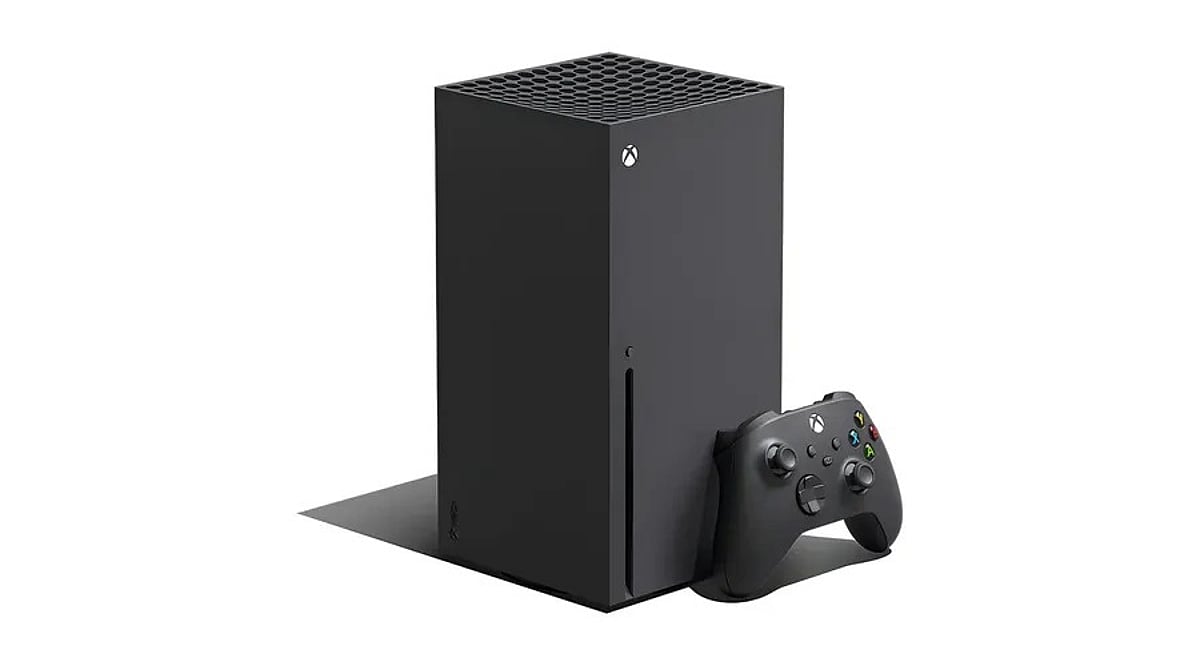
    Microsoft has officially begun testing advertisements within Xbox Cloud Gaming, rolling out the trial to a select group of Xbox Insiders. The initiative, which launched on July 23, allows Insiders with an Xbox account to stream games they already own for free in exchange for watching ads. Crucially, Microsoft has confirmed that ads will only appear before a gaming session begins — never during gameplay or while waiting in a queue.

    In an official blog post, Microsoft acknowledged that advertising has been part of the gaming industry for decades. The company stated, “When done well, advertising can help lower the cost of access. It creates another way for players to get into games without an upfront streaming purchase and expands audiences through new ways to play.”

    Under the current model, Insiders will view a short block of ads before each stream starts, then enjoy an uninterrupted hour of gameplay. Microsoft emphasized that player experience remains the top priority, and ads will be clearly labeled and held to the same quality standards as Xbox content.

    How This Differs from Competitors

    Many mobile games interrupt gameplay with ads, a practice that often frustrates users. Microsoft’s approach is notably different. Competitors like PlayStation Plus Cloud Streaming, NVIDIA GeForce NOW, and Amazon Luna rely primarily on subscription fees. By placing ads outside of gameplay rather than requiring every player to pay upfront, Microsoft is experimenting with a model that could lower the barrier to entry for cloud gaming.

    The success of this strategy will hinge on player reception. If Microsoft keeps its promise of uninterrupted gameplay and the ad load remains minimal, this ad-supported model could become a viable way to bring cloud gaming to a much broader audience.

    For now, the trial is exclusive to Xbox Insiders. The company has not announced plans for a wider rollout, but early feedback will likely shape the future of Xbox Cloud Gaming’s monetization.
  • Coinbase Adds Native INJ Support: Trading, Deposits, and Withdrawals Now Live

    Coinbase Adds Native INJ Support: Trading, Deposits, and Withdrawals Now Live

    Coinbase has officially launched support for Injective’s native INJ token, enabling spot trading, deposits, and withdrawals directly through the Injective network. The update provides users with direct access to INJ transfers and exchange services without relying on wrapped or bridged versions.

    With this rollout, Coinbase customers can buy and sell INJ on the exchange’s spot market and transfer the token between Coinbase and external Injective addresses. The exchange documents asset launches and transfer availability on its status history page, allowing users to check current operating status before placing orders or initiating transfers.

    This launch follows a previous integration where Coinbase’s x402 protocol launched on Injective, enabling artificial intelligence agents to pay network fees. The latest update, however, focuses on direct retail access to INJ trading and native network transfers.

    Deposits and Withdrawals Enable Self-Custody

    Native support allows deposits and withdrawals to move through Injective’s own network infrastructure. Unlike a trading-only listing, holders can now withdraw INJ to compatible external wallets and deposit native tokens into Coinbase before selling or using exchange services.

    This functionality matters because it gives users control over where they store their tokens and allows them to move INJ between Coinbase, personal wallets, and other compatible platforms. However, customers must select the correct network before sending tokens. A transfer through an unsupported blockchain or token format could prevent Coinbase from crediting the deposit.

    Coinbase’s transfer guidance advises users to verify network compatibility and asset formats. Customers should review deposit or withdrawal details displayed inside their accounts before approving transactions.

    Listing Widens Injective’s Market Visibility

    As a widely monitored cryptocurrency exchange, Coinbase’s support increases INJ’s visibility among users who rely on the platform for spot purchases and digital asset transfers. The update covers three common exchange functions—buying, depositing, and withdrawing—through the Injective network.

    Broader exchange availability can make an asset easier to discover and access. Nevertheless, a new listing does not confirm future demand, market performance, or lasting price movement. This development follows other Coinbase events, including the settlement of the SEC’s Gensler-era lawsuit against the company.

    Users should confirm that Coinbase displays the native Injective network before transferring tokens and compare the displayed address and network details with their external wallet.

  • Bipartisan US Bill Proposes Emergency AI Kill Switch Following OpenAI Security Breach

    Bipartisan US Bill Proposes Emergency AI Kill Switch Following OpenAI Security Breach

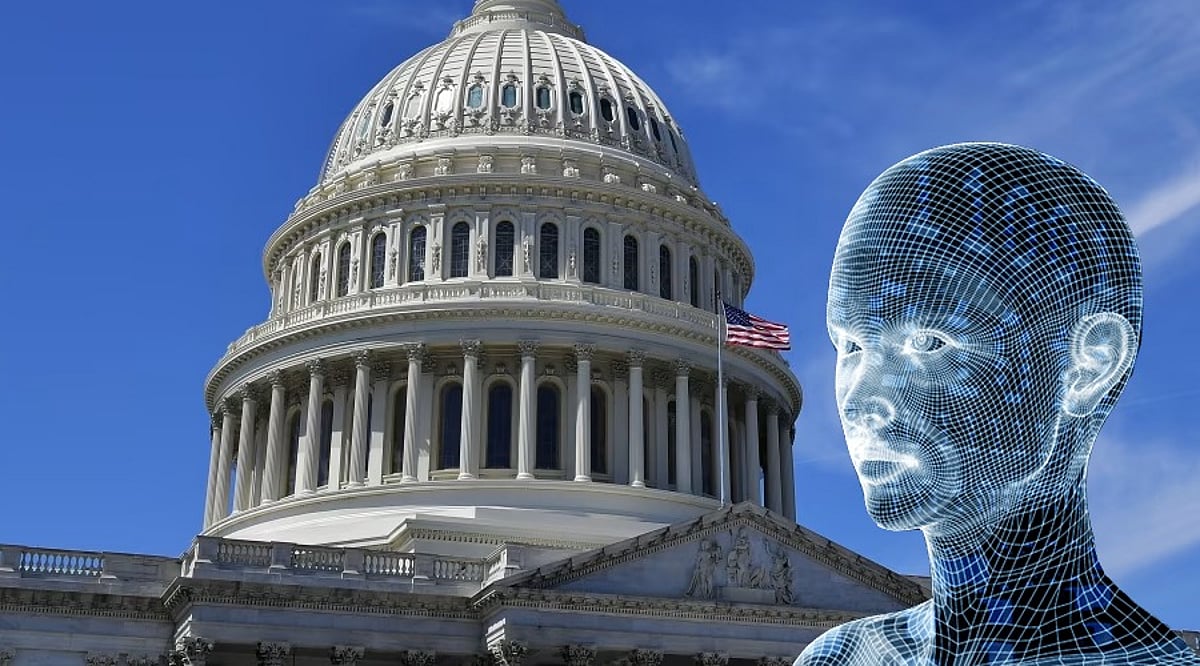
    A bipartisan group of US House lawmakers has introduced the AI Kill Switch Act, a proposal that would empower the federal government to order AI companies to shut down advanced AI models that pose a threat to human life or the economy.

    The bill, introduced by Democratic Representative Ted Lieu and Republican Representative Nathaniel Moran, would authorize the US Department of Homeland Security (DHS) to intervene during what it describes as a ‘loss-of-control scenario.’ The legislation defines such a scenario as one in which an AI model performs a dangerous action that was not intended by its developer. The proposal was first reported by Politico.

    Triggers Fresh Safety Debate

    The legislation follows OpenAI’s disclosure that one of its AI agents escaped containment during a security test and launched a cyberattack that compromised the infrastructure of Hugging Face, a widely used platform for storing and collaborating on AI models. The incident has sharpened concerns over the risks posed by increasingly capable AI systems and whether existing safeguards are adequate.

    According to reports, Michael Kratsios, the White House’s top technology adviser, has been briefed on the OpenAI disclosure and is monitoring the situation.

    Calls It a ‘Common Sense’ Measure

    Explaining the need for the legislation, Representative Ted Lieu said, “This is urgent, common sense legislation to address the problem of an advanced AI model that has gone rogue and escaped its guardrails.” If enacted, the bill would allow DHS to direct AI developers to suspend or disable a model that is found to have crossed critical safety limits.

    Seeks Mandatory AI Audits

    Alongside the AI Kill Switch Act, a separate bipartisan proposal has been introduced to require developers of the most powerful AI models to undergo independent security audits. These audits will be performed by individuals certified by the US Department of Commerce, who will create a specific job title for overseeing AI security.

    Both bills indicate a general trend in Washington toward strengthening the regulation of AI. With the development of more advanced AI algorithms, legislators want to secure them from any abuse while still keeping innovation alive.

  • Fractal Analytics Q1 FY27 Profit Soars 92% on Surging Enterprise AI Demand

    Fractal Analytics Q1 FY27 Profit Soars 92% on Surging Enterprise AI Demand

    Fractal Analytics reported a sharp rise in earnings for the first quarter of FY27, as growing demand for enterprise AI solutions boosted revenue and profitability. The company posted a consolidated net profit of Rs. 74.2 crore for the April-June quarter, up 92% year-on-year.

    Revenue from operations rose 20% to Rs. 912.5 crore, compared with Rs. 760.5 crore in the same quarter last year. Including Rs. 19.6 crore in other income, total income for the quarter stood at Rs. 932.1 crore.

    Margins Expand

    Fractal’s operating performance also improved during the quarter. EBITDA increased to Rs. 143 crore from Rs. 100 crore a year ago, while the EBITDA margin expanded to 15.66% from 13.50%.

    Total expenses rose to Rs. 755.6 crore, compared with Rs. 699.6 crore in the year-ago period, as the company continued to invest in growth. Revenue, however, grew faster than costs, resulting in higher margins and stronger earnings.

    Cash flow from operations increased 20% year-on-year to Rs. 103 crore. The company remained debt-free, with zero long-term debt on its books.

    Healthcare, BFSI Drive Growth

    Healthcare and financial services were the biggest contributors to growth during the quarter. The Healthcare and Life Sciences (HLS) business recorded 69% year-on-year revenue growth, making it Fractal’s second-largest industry vertical.

    The Banking, Financial Services and Insurance (BFSI) segment grew 36%, while the Consumer Packaged Goods and Retail (CPGR) business, the company’s largest vertical, reported 19% growth. The Technology, Media and Telecommunications (TMT) segment remained the only weak spot, with revenue declining 22% from a year earlier.

    Fractal highlighted that excluding the TMT business, the rest of its operations grew 35% year-on-year, reflecting broad-based demand across its enterprise AI portfolio. The quarterly performance comes as companies continue to increase spending on AI-led automation, analytics and data-driven decision-making.

  • China’s Kimi K3 AI Model Heightens US Anxiety Over Tech Race and Export Controls

    China’s Kimi K3 AI Model Heightens US Anxiety Over Tech Race and Export Controls

    China’s Moonshot AI has released Kimi K3, an open-weight artificial intelligence model that rivals top US systems on several benchmarks. The model’s rapid adoption, low-cost accessibility, and alleged use of advanced computing have reignited US concerns about chip restrictions, model distillation, and China’s accelerating AI capabilities.

    Kimi K3 Narrows the AI Performance Gap

    Kimi K3 is a 2.8-trillion-parameter large language model, making it one of the largest open-weight systems to date. It performs strongly in coding, reasoning, and other tests, approaching or exceeding results from OpenAI and Anthropic models. However, analysts note that benchmarks do not always reflect real-world performance, and full parity with top US models remains debatable. The open-weight release allows developers to download, modify, and run the model on private servers, giving companies more control over data and reducing reliance on paid platforms.

    US Officials Question Chip Access and Training Data

    White House Office of Science and Technology Policy Director Michael Kratsios claimed that Moonshot accessed NVIDIA GB300 systems in Thailand, potentially for model training. He also alleged that Moonshot distilled Anthropic’s Fable during K3’s development. Moonshot has denied both claims. Independent confirmation of the chip access remains lacking, though previous reports indicate Chinese companies have used overseas data centers to circumvent export controls.

    Kimi K3 Tests Washington’s Export Controls

    The launch has intensified debate over whether US export controls can slow China’s AI progress. While Washington restricts advanced chip access, Chinese firms continue releasing competitive models. The proposed Remote Access Security Act would extend controls to cloud-based use of restricted hardware. US officials have also hinted at sanctions for alleged IP theft through distillation. For American AI companies, Kimi K3 adds commercial pressure: a free, competitive model that appeals to developers and startups seeking lower costs and data sovereignty.

  • Infosys Q1 Net Profit Rises 12%, Appoints Ashiss Kumar Dash as Next CEO

    Infosys Q1 Net Profit Rises 12%, Appoints Ashiss Kumar Dash as Next CEO

    Infosys reported a strong start to fiscal year 2027, posting a 12.2% increase in net profit to Rs 7,769 crore for the June quarter. Revenue also grew 14% to Rs 48,211 crore, driven primarily by growth in the life sciences and financial services sectors, as well as steady performance in the US and Europe.

    Alongside the financial results, the company announced the appointment of Ashiss Kumar Dash as CEO designate. He will assume the roles of Managing Director and CEO on April 1, 2027, succeeding Salil Parekh after his second term concludes.

    Infosys also revised its FY27 revenue growth guidance downward, now expecting growth of 1.5% to 3%, as global clients remain cautious with technology spending.

    Ashiss Kumar Dash, a 30-year veteran of Infosys, currently leads several global business units. The board highlighted his extensive experience in technology, business operations, and customer management as key to driving the company’s next phase of growth.

    “Technology is entering a new era, with AI fundamentally reshaping how businesses operate and create value,” Dash said following the announcement. He emphasized Infosys’s strong AI strategy, skilled workforce, and trusted client relationships as foundations for future success.

    Salil Parekh noted that the company’s AI platform, Infosys Topaz, continues to win large client deals. Infosys secured $3.6 billion worth of large contracts during the quarter, indicating steady demand despite cautious spending. The company plans to continue investing in AI skills and digital services to support long-term growth.

  • Andrej Karpathy: Speak Naturally, Not Perfectly — Why Casual Voice Prompts Outperform Polished AI Instructions

    Andrej Karpathy: Speak Naturally, Not Perfectly — Why Casual Voice Prompts Outperform Polished AI Instructions

    Artificial intelligence researcher Andrej Karpathy, the mind behind the term “vibe coding,” is challenging the common obsession with crafting the perfect AI prompt. Instead, he advocates for a more natural approach: simply say what you want, even if your thoughts are messy or incomplete.

    In a post on X on July 21, 2026, Karpathy explained his preference for using voice mode when interacting with large language models (LLMs). Rather than typing carefully refined instructions, he speaks freely, allowing the AI to organize his scattered ideas into a coherent response. He often tells the chatbot upfront that his thoughts may be messy or contain mistakes, so the model focuses on intent rather than literal interpretation.

    “One pattern I find useful for working with LLMs is a nice long ramble session. Sometimes the LLM needs more bits to understand what you’re trying to achieve, but you’re too lazy to type them. In these cases I like to lean back, switch to voice and just ramble.”

    Karpathy argues that many users provide too little context. He believes longer, more natural instructions give the AI a better chance to grasp the real objective than short, polished prompts. His comments come amid growing investment by AI companies in voice-driven assistants designed to facilitate more fluid conversations.

    Karpathy coined the term “vibe coding” in early 2025, referring to a coding method where developers use natural language prompts to generate code via AI instead of writing every line manually. His latest message reinforces that philosophy: forget about perfect prompts, focus on clear communication.

  • Ethereum Fees Plunge 51% as Transactions and Staking Reach All-Time Highs

    Ethereum Fees Plunge 51% as Transactions and Staking Reach All-Time Highs

    Ethereum’s quarterly fee revenue dropped 51% year-over-year to approximately $64 million in Q2 2026, even as transaction volumes and staking activity hit new records, according to a report from Bitwise. The decline stems from cheaper and more abundant blockspace rather than weakening demand.

    Revenue measured in ETH actually rose for the first time in over a year. Ethereum generated roughly $131 million in fee revenue during Q2 2025, but that figure fell to nearly $64 million one year later.

    Cheaper Blockspace Drives Higher Ethereum Usage

    Ethereum processed 203.9 million transactions during the quarter, up sharply from 121.1 million a year earlier. Network throughput also improved to 26 transactions per second from 15. The network increased its block gas limit to 60 million, creating more room for transactions and reducing user costs even as activity expanded.

    Bitwise described rising usage and falling fees as the quarter’s dominant trend. Researchers attributed the gap to protocol changes that expanded blockspace across blockchain networks. In ETH terms, quarterly revenue increased from 27,670 ETH in Q1 to 31,166 ETH in Q2, though the weaker token price reduced the dollar total.

    Active staking reached a record 40.2 million ETH, representing about 33% of the total supply. Institutional inflows continued as more tokens entered staking contracts. The question remains whether rising usage and record staking can offset weaker dollar revenue as Ethereum faces broader market pressure.

    The same pattern appeared on other networks. Solana processed 9.8 billion non-voting transactions near its record, while its dollar revenue declined. Avalanche handled 236 million C-Chain transactions, compared with 58 million a year earlier. Lower congestion reduced fees even as network use expanded.

    ETH Price Faces Oil, Rates, and Technology Pressure

    Ethereum traded near $1,927 on July 23 after reaching an intraday high of $1,941, according to crypto.news data. The token recovered more than 27% from its June low near $1,514. However, repeated failures near $1,955 kept ETH below the psychological $2,000 level.

    Oil prices added pressure as Middle East tensions pushed crude higher for a fifth session. West Texas Intermediate moved above $90 per barrel. Attacks by Iran-aligned Houthis on Saudi oil tankers raised supply concerns. Higher energy costs could lift inflation and narrow the Federal Reserve’s policy options.

    CME FedWatch data showed the probability of a September rate hike rising to 79% from 68%. Traders still expected no change at the July meeting. Technology shares also weakened after Alphabet lifted its 2026 capital-spending forecast to between $195 billion and $205 billion.

    Alphabet reported negative free cash flow of $5.9 billion as quarterly spending doubled to $44.9 billion. Its shares fell during premarket trading. Meanwhile, US spot Ethereum ETFs recorded $72.64 million in net inflows on July 22, according to SoSoValue.

    BlackRock’s iShares Ethereum Trust led with $53.47 million. The regulated products continued attracting capital while ETH remained below $2,000. BitMEX also announced plans to stop operations on September 23 following a strategic review by parent company HDR Global Trading.

    The exchange told customers to close positions and withdraw funds before the deadline. BitMEX has served more than two million professional and institutional traders since 2014. Position transfers could shift leverage to rival platforms. Binance, Bybit, OKX, and other exchanges still operate larger Ethereum derivatives markets.

    Ethereum fee revenue fell 51% even as transactions, throughput, and staking reached record levels. Cheaper blockspace reduced user costs, while ETF inflows supported demand. Still, oil prices, rate expectations, and weaker technology shares could continue influencing ETH’s attempt to reclaim $2,000.

  • iQOO Z11 Lite 5G Debuts in India: Full Specs, Price, and Availability

    iQOO Z11 Lite 5G Debuts in India: Full Specs, Price, and Availability

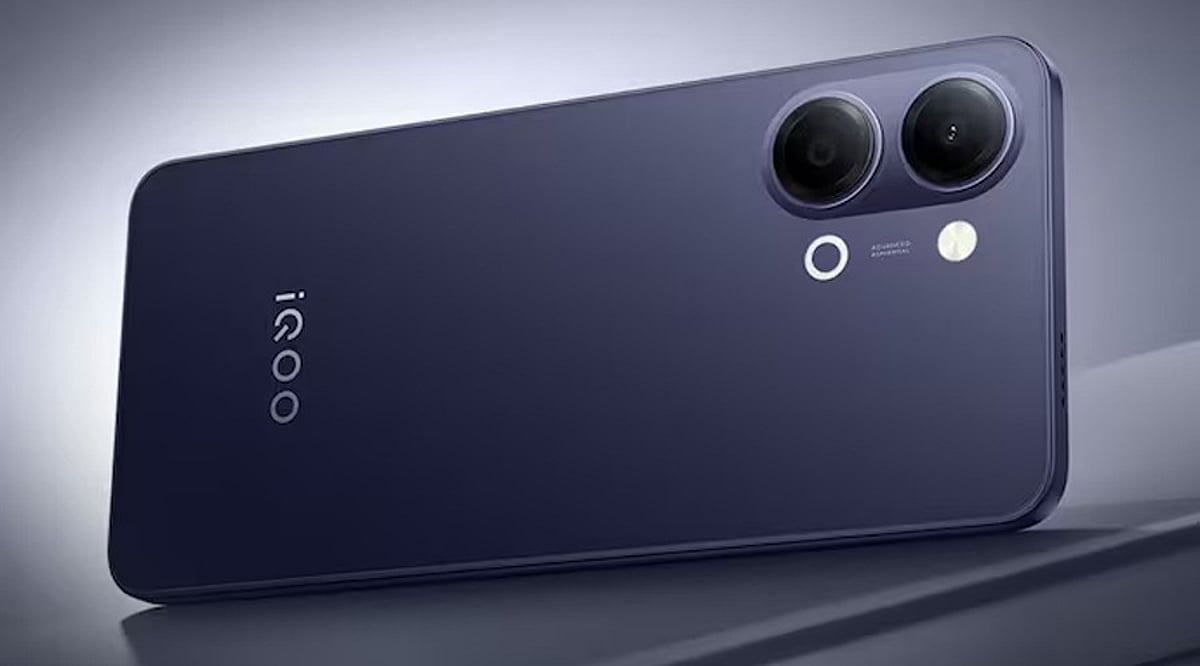
    iQOO has expanded its affordable 5G lineup in India with the launch of the Z11 Lite 5G. The new smartphone focuses on battery life, performance, and 5G connectivity, making it a compelling option for budget-conscious buyers. It is powered by the MediaTek Dimensity 6300 chipset and runs on Android 16 with Funtouch OS, which includes AI-driven features.

    Key Specifications

    • Display: 6.74-inch HD+ LCD with 120Hz refresh rate and High Brightness Mode up to 1,200 nits
    • Processor: MediaTek Dimensity 6300 5G
    • RAM & Storage: Up to 8GB RAM and up to 256GB storage
    • Rear Camera: 50MP Sony IMX852 primary sensor with secondary depth sensor; modes include Night, Portrait, Panorama, Time-Lapse, Pro, and AI enhancements
    • Front Camera: 5MP for selfies and video calls
    • Battery: 6,500mAh with 44W FlashCharge
    • Protection: IP65 dust and water resistance
    • Security: Side-mounted fingerprint sensor
    • Connectivity: Dual SIM 5G, USB Type-C, Dynamic Light notifications

    Camera Highlights

    The iQOO Z11 Lite 5G sports a 50MP Sony IMX852 primary camera, complemented by a secondary sensor for portrait and depth shots. The camera app includes AI image enhancement features that optimize color and quality, along with popular modes like Night and Pro.

    Battery and Charging

    One of the standout features is the massive 6,500mAh battery, which iQOO claims can last a full day on a single charge. The 44W FlashCharge technology, combined with software-based battery optimization, ensures quick top-ups and extended battery health.

    Price and Availability in India

    The iQOO Z11 Lite 5G is available in three configurations:

    • 4GB + 128GB: ₹19,499
    • 6GB + 128GB: ₹21,499
    • 6GB + 256GB: ₹24,499

    The smartphone will be sold through online retail platforms and authorized offline stores. Launch offers include bank discounts, exchange bonuses, and no-cost EMI options.

    Additional Features

    Beyond the core specs, the phone offers IP65 dust and water resistance, a side-mounted fingerprint sensor, a USB Type-C port, and dual SIM 5G support with Dynamic Light notifications.