Author: vitorcherulli

  • Best Laptops Under $1,000 in 2026: Top Picks for Every User

    Best Laptops Under $1,000 in 2026: Top Picks for Every User

    Modern laptops under $1,000 now deliver strong everyday performance, long battery life, and capable hardware for work, study, gaming, and browser-based tasks. The featured models include the Apple MacBook Air M4, HP OmniBook 5, Acer Swift Go 14, Acer Chromebook Plus Spin 714, and Lenovo LOQ 15, each suited to a different type of user. Performance, display quality, battery life, pricing, and practical trade-offs distinguish these laptops, showing how different workloads demand different strengths rather than the highest specifications.

    A thousand dollars once meant settling for less. Slower chips, tight RAM, a battery that gave out before the workday ended. That compromise has mostly disappeared. The laptops below were checked against current retailer listings rather than pulled from a spec sheet, and each one earns its place for a specific kind of buyer rather than a vague claim of being great at everything.

    How We Selected the Best Laptops Under $1,000 in 2026

    Every pick came from a live retailer or manufacturer listing. The selection considered each laptop’s processor, RAM, display quality, battery performance, and price, evaluating how well those features matched its intended workload. Each entry also carries one real limitation instead of a wall of praise.

    Best Laptops Under $1,000 in 2026: Quick Comparison

    Prices come from manufacturer and retailer listings and move often. It helps to confirm the current figure before checkout, especially for the Lenovo LOQ, which climbs back above $1,000 outside sale windows.

    Apple MacBook Air 13 (M4): Best Laptop Under $1,000 for Everyday Use

    The M4 Air is now the previous-generation model, since Apple’s M5 version has moved past $1,000, and that shift is exactly what makes it worth a look. It still handles daily multitasking, light photo editing, and video calls without fan noise, and the battery stretches through a full workday without trouble. The limit shows up in graphics: there is no dedicated GPU, so gaming or heavier video export work will hit a ceiling fast. It fits browser-heavy research, office apps, and video calls far better than GPU-dependent creative work.

    BUY NOW

    HP OmniBook 5 14: Best Budget Laptop for Battery Life

    Built around a Snapdragon X chip, the OmniBook 5 gives up some raw processing speed in exchange for battery stamina and a sharp 2K OLED screen. HP claims up to 34 hours under ideal conditions, and real-world use still tends to land well past a full day. The catch is Windows-on-ARM: most mainstream apps run fine through emulation, but some older or specialized Windows software still struggles. It suits commuters and travelers who need a full day of email, browsing, and document work without hunting for an outlet.

    BUY NOW

    Acer Swift Go 14: Best Windows Laptop Under $1,000

    This is the balanced pick for anyone who wants a fast, solidly built Windows laptop without paying extra for features they will not use. The Ryzen 7 8845HS handles spreadsheets, dozens of browser tabs, and light creative work with room to spare, and 1TB of storage is generous at this price. The display caps out at 60Hz and leans matte rather than vivid, so it favors productivity over media viewing. It works well for anyone running office software and heavy multitasking side by side.

    BUY NOW

    Also Read: Best Virtual Reality Gaming Deals on Walmart & Amazon Weekend Sale

    Acer Chromebook Plus Spin 714: Best Chromebook Under $1,000

    For anyone whose work lives mostly in a browser, the Spin 714 punches above its price. The aluminum build, 2-in-1 hinge, and QHD webcam feel closer to a $1,000 Windows laptop than a typical Chromebook. The weak spot is memory: 8GB of RAM works fine for ChromeOS but shows its limit once tabs and Android apps pile up together. Students and note-takers living in Google Docs, Gmail, and a few Android apps will find it more than capable.

    BUY NOW

    Lenovo LOQ 15 RTX 5050: Best Budget Gaming Laptop Under $1,000

    The LOQ 15 is a rare budget laptop that can run modern games at 1080p on medium-to-high settings, helped by the RTX 5050 and DLSS support. Build quality is plastic rather than premium, and the display and webcam are unremarkable, but the gaming performance for the price is hard to beat. This model’s list price sits at $1,129, and it dips below $1,000 during recurring sales at Lenovo and Best Buy, so timing matters. Independent tests of the RTX 5060 sibling in the same chassis recorded 91 fps in Cyberpunk 2077 at 1080p Ultra without ray tracing and 105 fps in Shadow of the Tomb Raider at 1080p, giving a fair sense of what the RTX 5050 tier can deliver at slightly lower settings.

    BUY NOW

    The sub-$1,000 laptop market has quietly turned into the most competitive tier in computing, and matching the laptop to the actual workload beats chasing the longest spec sheet every time.

    Also Read: Weekend Deals: Save Big on HP AI Laptops & Pavilion Series.

    Final Thoughts

    Next year’s models will likely push even more of these compromises out of the picture entirely, narrowing the gap between budget and premium machines further. The real differences between these five show up in daily use, not in a benchmark chart, and that is where the decision should be made.

    FAQs

    What should I look for when buying a laptop under $1,000 in 2026?

    Focus on a recent Intel Core, AMD Ryzen, or Apple Silicon processor, at least 16GB of RAM, a fast SSD, a quality display, and long battery life. Matching the laptop to your primary use case is just as important as comparing specifications.

    Are laptops under $1,000 good enough for students and professionals?

    Yes. Many laptops in this price range offer reliable performance for studying, remote work, web browsing, video conferencing, and productivity tasks while providing good portability and battery life.

    Can I buy a gaming laptop for under $1,000?

    Yes. Several budget gaming laptops under $1,000 include dedicated graphics, making them suitable for smooth 1080p gaming and entry-level creative workloads, though battery life may be shorter than thin-and-light laptops.

    Is a MacBook or a Windows laptop a better choice under $1,000?

    The best choice depends on your needs. MacBooks are known for battery life and ecosystem integration, while Windows laptops offer a wider variety of hardware options, upgrade possibilities, and gaming support.

    How can I choose the right laptop under $1,000?

    Start by identifying your primary use, such as studying, business, gaming, or content creation. Then compare laptops based on performance, memory, storage, display quality, battery life, and overall value rather than price alone.


  • From Nanomaterials to Commercialization: How Dr. Shruti Sharma Identifies Innovation Early

    From Nanomaterials to Commercialization: How Dr. Shruti Sharma Identifies Innovation Early

    Dr. Shruti Sharma, a materials scientist and innovation ecosystem builder, has built a career around recognizing potential long before it becomes obvious to others. Her journey from nanomaterials research to technology commercialization offers a unique perspective on how to evaluate and support early-stage technologies.

    Sharma’s training in materials science taught her to look below the surface. In the lab, she studied how materials behave at the nanoscale—how structures change, particles interact, and properties emerge. That habit of close observation now shapes her work with startups, commercialization programs, and innovation ecosystems.

    After research stints at Brookhaven National Laboratory, Sharma moved into applied research and venture development. She has mentored more than 100 startups across clean energy, life sciences, advanced materials, and AI-enabled technologies. Her focus is on helping deep tech teams navigate the gap between scientific promise and real-world impact.

    Sharma emphasizes that early technologies need more than encouragement—they need rigorous questioning. What has been proven? What assumptions remain untested? What would make a customer or partner take the technology seriously? By asking these questions, she helps founders build credible paths to market.

    Her work at the Long Island High Technology Incubator included designing venture development programs that systematically reviewed emerging technologies. In the first months, more than two dozen technologies and startups were assessed. For Sharma, the value lay in creating a process that forced serious ideas to confront the right questions early.

    She has also contributed to Department of Energy-funded commercialization efforts focused on clean energy innovation and technology transfer. Her role often involves partnership-building, program design, and evaluation metrics—the structural elements that determine whether a breakthrough becomes usable.

    Sharma’s commitment to mentorship extends beyond formal programs. She co-founded Vigyanshaala, a grassroots STEM outreach initiative in India that has reached thousands of students. She also mentors women and underrepresented students through university and national laboratory programs.

    Science communication is another pillar of her work. She believes that complex ideas need pathways to people—that making science accessible doesn’t mean making it shallow. It means giving audiences a way to understand why the work matters and what could happen next.

    Looking ahead, Sharma plans to continue as an independent expert and innovation leader, supporting startups and strengthening incubation ecosystems in the United States and internationally. Her focus remains on energy, sustainability, economic growth, and deep tech commercialization.

    From nanomaterials to commercialization, the thread is consistent: careful attention to what is not yet obvious. Sharma’s career shows that the most important potential is often easy to miss—and that the right questions, asked at the right time, can turn promise into impact.

  • Top OnePlus Smartphones Under ₹50,000 in 2026: Flagship Performance on a Budget

    Top OnePlus Smartphones Under ₹50,000 in 2026: Flagship Performance on a Budget

    OnePlus continues to deliver impressive smartphones in the sub-₹50,000 segment in 2026. Models like the OnePlus 13R, Nord 6, 15R, Nord CE 6, and 11R offer flagship-level performance, vibrant AMOLED displays, fast charging, and excellent battery life—making them ideal for gaming, photography, and everyday use.

    OnePlus 13R: The All-Rounder

    Starting at around ₹42,999, the OnePlus 13R is a standout choice. It features the Snapdragon 8 Gen 3 processor, a 6,000mAh battery with 80W fast charging, and a 50MP triple-camera system, perfect for power users and multitaskers.

    OnePlus Nord 6: Battery Beast

    Priced at approximately ₹41,999, the Nord 6 packs a massive 9,000mAh battery, 80W fast charging, a Snapdragon 8s Gen 4 chipset, and a smooth 165Hz AMOLED display—ideal for long-lasting performance and immersive entertainment.

    OnePlus 15R: Near-Flagship Power

    For about ₹47,200, the OnePlus 15R offers the latest Snapdragon 8 Gen 5 processor, a 7,400mAh battery, premium AMOLED display, and a 50MP dual-camera setup, delivering flagship features without breaking the ₹50,000 barrier.

    OnePlus Nord CE 6: Built for Gamers

    Starting at roughly ₹39,999, the Nord CE 6 comes with a Snapdragon 7s Gen 4 processor, an 8,000mAh battery, a 144Hz Pro-AMOLED display, and IP66/IP68/IP69 water resistance, ensuring smooth gameplay, excellent battery life, and durable performance.

    OnePlus 11R: Best Budget Flagship

    At around ₹34,999, the OnePlus 11R remains a top value pick. Powered by the Snapdragon 8+ Gen 1, it features a 50MP triple-camera system, 5,000mAh battery, and the signature OxygenOS experience—making it one of the most affordable flagship killers available.

    Choose your OnePlus phone based on your priorities: the 13R or 15R for flagship performance, the Nord 6 for unmatched battery life, the Nord CE 6 for gaming, or the 11R for the best budget flagship experience. Compare the latest prices and offers as OnePlus discounts and bank deals change frequently.

  • OnePlus N6x India Launch Confirmed for July 31: Full Specs, Price & Features

    OnePlus N6x India Launch Confirmed for July 31: Full Specs, Price & Features

    OnePlus has officially announced that its upcoming affordable 5G smartphone, the OnePlus N6x, will launch in India on July 31 at 12 PM. The device is expected to strengthen the company’s mid-range lineup with an emphasis on long battery life, smooth display performance, and 5G connectivity.

    Design and Colors

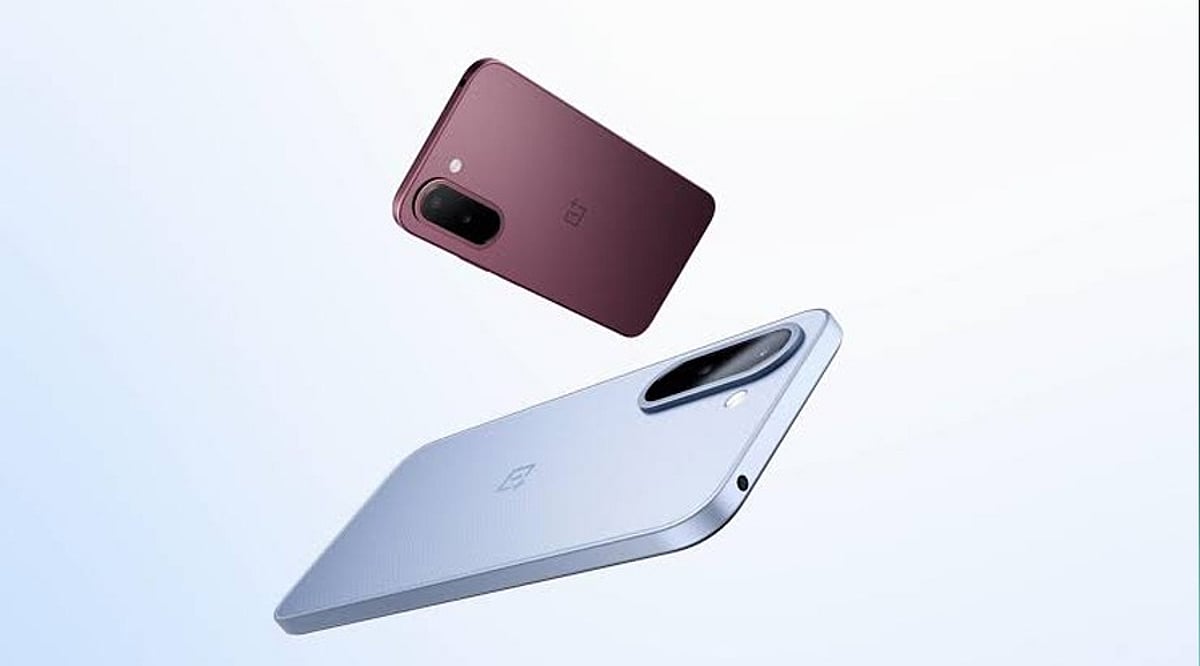
    The OnePlus N6x sports a flat-frame design with rounded edges and a vertically aligned pill-shaped rear camera module positioned at the top left. It will be available in Burgundy Red and Ice Blue color options. The back panel features a matte finish that resists fingerprints while offering a premium aesthetic.

    Expected Specifications

    While OnePlus hasn’t revealed the full hardware details yet, leaks suggest the N6x will pack a 6.8-inch HD+ LCD display with a 120Hz refresh rate. Under the hood, the MediaTek Dimensity 6300 chipset is expected, paired with OxygenOS based on Android 16. The phone should handle everyday tasks, social media, multimedia, and even light gaming smoothly.

    On the camera front, the OnePlus N6x is tipped to feature a 50-megapixel primary rear sensor, an AI-assisted secondary camera, and an 8-megapixel front-facing camera. Imaging features are said to include Night mode, Portrait mode, and Full HD video recording.

    The standout feature could be its 8,000mAh battery—the largest ever in a OnePlus device—supported by 45W SUPERVOOC fast charging. Additional rumored specs include a side-mounted fingerprint scanner, Face Unlock, stereo speakers, Bluetooth 5.3, USB Type-C, dual-band Wi-Fi, dual 5G SIM support, and expandable storage.

    Expected Price and Availability

    The OnePlus N6x is rumored to be priced around Rs 20,000, positioning it below the recently launched OnePlus N6. It will compete directly with models from the Redmi Note, Realme Narzo, and iQOO Z series. Official pricing, RAM/storage variants, sale dates, and launch offers will be announced during the July 31 event. If leaks hold true, the N6x could become a compelling option for buyers seeking a feature-packed 5G smartphone without breaking the bank.

  • How Future Open-World Games Like GTA Will Redefine Player Freedom and Realism

    How Future Open-World Games Like GTA Will Redefine Player Freedom and Realism

    Open-world games have evolved dramatically over the past two decades, moving beyond simple city driving and mission completion toward living, breathing worlds. The next generation of titles, especially those inspired by the upcoming Grand Theft Auto 6, promises to push player freedom and realism to unprecedented levels.

    The Evolution of Open-World Games: From Static Cities to Living Worlds

    Since the release of GTA 3 in 2001, open-world games have transformed. Early games offered exploration but lacked lifelike cities. NPCs followed repetitive routines, missions had single solutions, and many buildings were inaccessible. Today, players expect dynamic environments that react to their actions—traffic flows naturally, NPCs respond to crimes, and weather affects daily routines.

    GTA 6 is poised to be a major leap forward. The game is expected to feature smarter NPCs that remember past events and adapt their behavior based on player choices. Interactive environments will allow entry into many more buildings, encouraging exploration beyond mission objectives. Mission design is also shifting: instead of linear paths, players may tackle objectives using multiple routes, vehicles, or approaches. Stronger character writing and emotional depth will help players connect with the story while maintaining freedom.

    Open-World Games Are Already Raising the Standard

    Several titles have already demonstrated how far open-world design has come. Red Dead Redemption 2 features towns that feel alive—people remember your actions, animals behave naturally, and conversations vary. Cyberpunk 2077, despite a rocky launch, has evolved into a vibrant Night City with diverse mission completion options. The Witcher 3 offers meaningful choices that impact later events, while Watch Dogs 2 lets players approach missions as a hacker. Kingdom Come: Deliverance prioritizes realistic characters and player decisions over fast-paced action.

    These games use improved AI to make everyday activities feel natural. Characters move realistically, traffic behaves like real life, and weather impacts routines. Yet creating such worlds is a massive challenge—even top studios spend years on world-building, voice acting, animations, and bug testing. The trend is shifting from larger maps to more alive, interactive ones.

    Why Player Freedom Matters

    Player freedom extends a game’s replay value. When choices alter the experience, players explore rather than rush through missions. More natural worlds will shape the future of open-world gaming, giving each player a unique adventure.

    The Future of Open-World Gaming Looks More Personal

    The next generation of open-world games will be judged by more than graphics. GTA 6 could set a new standard, pushing other studios to follow. We can expect intelligent NPCs, interactive environments, and missions shaped by player choices. Technology will continue to improve, but human creativity—good stories, memorable characters, and meaningful choices—will remain essential. Future GTA-like games have the chance to make open worlds feel more alive than ever before.

  • iQOO 16T Leak Reveals Flagship Specs: Snapdragon Chip, 144Hz Display, 7,000mAh Battery

    iQOO 16T Leak Reveals Flagship Specs: Snapdragon Chip, 144Hz Display, 7,000mAh Battery

    Recent leaks suggest that the iQOO 16T is shaping up to be a premium performance-focused smartphone, targeting gamers, creators, and power users. The device is expected to bring significant upgrades in processing power, display technology, battery capacity, and AI-powered software features. While iQOO has not officially confirmed the specifications, early reports paint a picture of a flagship competitor.

    Powerful Processor Could Drive Performance

    According to leaks, the iQOO 16T may feature one of Qualcomm’s latest flagship Snapdragon chipsets, delivering faster processing speeds and improved power efficiency. Combined with high-speed LPDDR5X RAM and UFS 4.1 storage, the smartphone is expected to offer smooth multitasking, faster app loading, and enhanced gaming performance for demanding workloads and intensive mobile applications.

    Display May Offer Smooth Visual Experience

    Leaks indicate the iQOO 16T could feature a large AMOLED display with a refresh rate of up to 144Hz, providing smoother scrolling and responsive gaming. The screen is also expected to deliver high brightness, vibrant colors, and excellent HDR support, making it ideal for streaming, gaming, reading, and everyday use under various lighting conditions.

    Bigger Battery and Faster Charging Expected

    Battery performance is expected to be a major highlight. Reports suggest the phone may include a battery exceeding 7,000mAh along with ultra-fast wired charging support. This combination could allow extended gaming sessions, video streaming, and productivity tasks with minimal charging interruptions, even during heavy usage.

    Camera System May Receive AI Enhancements

    Latest leaks indicate iQOO could introduce improved AI-powered camera features on the 16T. Expected upgrades include better night photography, enhanced portrait processing, faster autofocus, and improved video stabilization. AI image optimization may also help users capture sharper photos with natural colors across different lighting conditions without manual adjustments.

    Software Could Focus on AI Productivity

    The iQOO 16T is expected to launch with the latest Android version alongside an updated custom interface featuring new AI capabilities. Leaks mention smarter voice assistance, AI-powered photo editing, real-time translation, intelligent battery optimization, and productivity tools designed to improve everyday smartphone usage while delivering smoother overall system performance.

    Launch Details Still Await Official Confirmation

    Although multiple leaks have revealed expected specifications, iQOO has yet to officially announce the 16T. Final hardware, pricing, regional availability, and launch dates may differ from current reports. If the leaked information proves accurate, the smartphone could become a strong competitor in the flagship Android segment by combining premium hardware, AI features, and fast charging technology.

  • Step-by-Step Guide to Unlocking Apple’s Hidden Siri AI Popover

    Step-by-Step Guide to Unlocking Apple’s Hidden Siri AI Popover

    Apple has introduced a hidden Siri AI Popover that transforms how users interact with the digital assistant on compatible devices. This guide walks you through the activation process, from checking device compatibility to exploring the AI-powered interface.

    Check Device Compatibility

    The hidden Siri AI Popover is available only on compatible Apple Intelligence-supported devices, including newer iPhone, iPad, and Mac models. Ensure your device supports Apple Intelligence and is running the latest compatible software version before attempting to access the redesigned Siri interface.

    Update to the Latest Software

    Install the latest version of iOS, iPadOS, or macOS that includes Apple Intelligence features. Software updates often unlock hidden capabilities, improve Siri performance, and ensure compatibility with the AI-powered floating Siri Popover interface designed for eligible Apple devices.

    Enable Apple Intelligence

    Open your device settings and turn on Apple Intelligence if it is available in your region. Some features may require joining the waitlist or downloading additional AI resources before the hidden Siri Popover becomes accessible through supported voice commands or activation methods.

    Turn On Siri Features

    Navigate to Siri settings and enable options like “Listen for Siri” and side button activation. These settings allow the assistant to launch correctly, making it easier to trigger the new floating AI Popover interface instead of relying on traditional full-screen Siri interactions.

    Activate Siri Normally

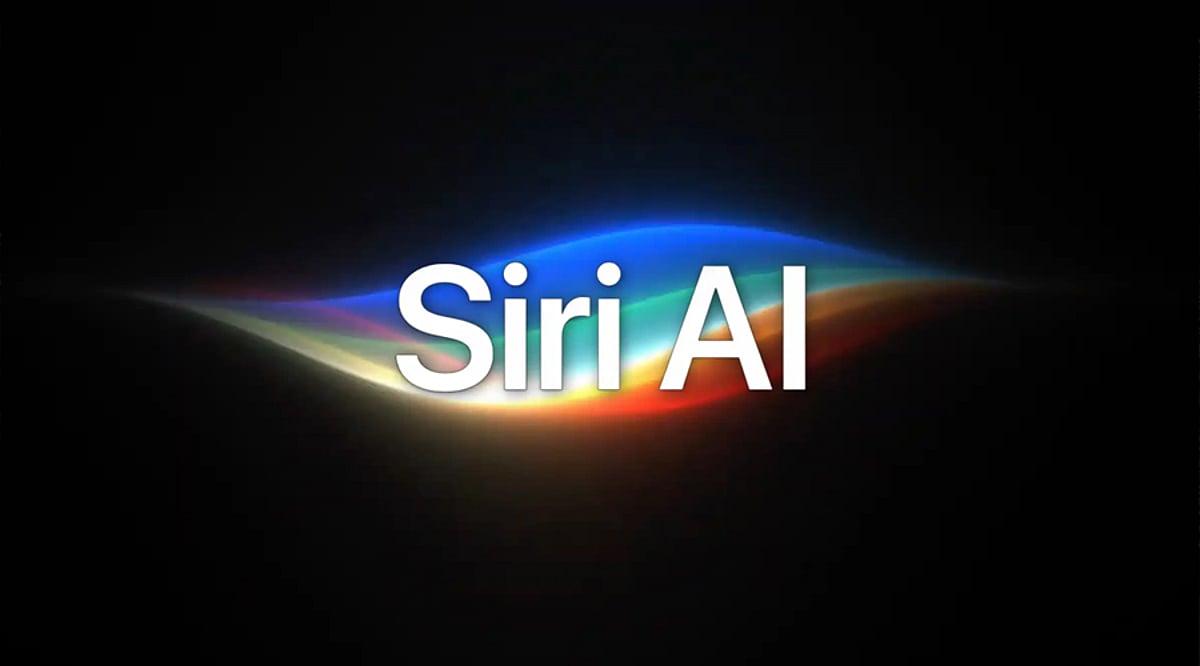
    Once everything is configured, activate Siri using your voice or the device’s dedicated button. On supported Apple Intelligence devices, Siri appears as a subtle glowing border or compact Popover, allowing you to continue using apps without interrupting your workflow or screen activity.

    Explore AI Capabilities

    The Siri AI Popover supports contextual assistance, writing tools, summaries, and app-aware interactions through Apple Intelligence. Experiment with different prompts, ask follow-up questions, and use productivity-focused requests to experience the upgraded AI assistant beyond standard voice commands and basic information retrieval.

    Know the Availability Limits

    Apple Intelligence features, including the Siri AI Popover, are rolling out gradually across devices, languages, and regions. If you cannot access the feature immediately, keep your software updated, monitor Apple’s announcements, and wait for wider availability as support continues expanding.

  • 10 Essential CEO Playbooks for Navigating Economic Uncertainty

    10 Essential CEO Playbooks for Navigating Economic Uncertainty

    Economic uncertainty has become a defining feature of today’s business environment. From persistent inflation and geopolitical conflicts to supply chain disruptions and rapid technological change, companies are operating in a landscape where volatility is the norm rather than the exception. For CEOs, the challenge is no longer limited to protecting profits; it is about making confident decisions, keeping stakeholders reassured, and ensuring the business remains resilient through uncertain times.

    History shows that organizations with disciplined leadership often emerge stronger from economic slowdowns. While every crisis is different, successful CEOs tend to follow similar principles: they safeguard finances, communicate openly, invest wisely, and stay focused on long-term goals. These playbooks can help business leaders navigate uncertainty without losing momentum.

    Why This Matters

    Economic uncertainty puts every leadership decision under the microscope. CEOs who balance financial discipline, strategic planning, transparent communication, and innovation are better equipped to protect their organizations while creating opportunities for sustainable growth.

    10 CEO Playbooks for Uncertain Times

    Trying to steer through an unpredictable economy is not just about quick fixes. It’s a mix of steadier choices and sharper adjustments over time. These leadership approaches, tested in the real world, can help CEOs build resilience, deal with constant shifts, and gear their organizations toward longer-term success.

    1. Build a Strong Financial Cushion — Cash still counts as one of the most valuable assets when things get shaky. CEOs who protect liquidity, improve cash flow, and trim avoidable spending buy time, allowing the organization to handle interruptions while still being able to invest when fresh opportunities pop up.
    2. Focus on the Part of Business That Matters Most — During economic slowdowns, not every initiative deserves the same level of focus. Strong leaders put resources behind their best products, services, and markets, improving efficiency while keeping sustainable profitability in view.
    3. Keep Communication Clear and Consistent — Employees, investors, suppliers, and customers look to leadership for direction, especially when things get hard. Regular, transparent communication helps lower uncertainty, build trust, and align stakeholders around the company’s priorities.
    4. Cut Costs with Purpose, Not Panic — Trimming spending doesn’t automatically mean cutting off future growth. The best CEOs eliminate waste while preserving resources for innovation, digital transformation, cybersecurity, and customer experience — investments that strengthen long-term competitiveness.
    5. Get Ready for Different Economic Versions — No forecast can nail every market shift. When leadership prepares best-case, moderate, and worst-case scenarios, they can respond quickly and with confidence, avoiding reactive mode whenever conditions change.
    6. Speed Up Decisions, Then Follow Through — In unstable markets, waiting around can be expensive. CEOs who empower business leaders, shrink bureaucracy, and encourage quicker decision-making help organizations adapt smoothly to changing customer needs and market realities.
    7. Continue Investing in Talent — People remain a company’s biggest competitive strength. Even when the economy slows, investing in leadership growth, skill building, and careful hiring keeps know-how on hand and prepares everyone for the next expansion phase.
    8. Stay Close to Customers — When things feel uncertain, consumer patterns can shift rapidly. Companies that actively seek customer feedback and respond to evolving needs protect loyalty and spot fresh growth paths instead of just waiting around.
    9. Use Technology to Solve Business Problems — Artificial intelligence and automation should back business goals, not just chase trends. CEOs who invest in tech with clear results can boost day-to-day efficiency, productivity, forecasting accuracy, and customer experience.
    10. Lead with the Future as a Baseline — Resilient CEOs treat downturns as openings to strengthen their organizations. They modernize how work gets done, reinforce culture, and make planned investments that fit the long game, so performance is stronger when economic conditions eventually turn around.

    The Bottom Line

    Economic uncertainty is unavoidable, but how strong leaders handle it can determine how well an organization gets through. The best CEOs mix disciplined financial management with strategic insight, stay open with stakeholders, and keep funding people and new ideas even when times are rough. In this unpredictable work environment, resilience isn’t just about surviving a downturn — it’s a measure of how quickly a leader can adjust, inspire confidence, and shape an organization to flourish once the next growth phase begins.

  • Samsung Galaxy Z Fold 8 Ultra Leaked Specs: Slimmer Design, 200MP Camera, and Snapdragon 8 Elite 2

    Samsung Galaxy Z Fold 8 Ultra Leaked Specs: Slimmer Design, 200MP Camera, and Snapdragon 8 Elite 2

    Premium Design Gets Even Slimmer

    Leaked details suggest the Samsung Galaxy Z Fold 8 Ultra will feature a thinner and lighter body than its predecessor. Samsung is reportedly focusing on improved durability while keeping the large foldable display. The device may also use stronger materials to enhance everyday usability without adding extra weight.

    Snapdragon 8 Elite 2 Could Power the Device

    The Galaxy Z Fold 8 Ultra is expected to run on Qualcomm’s Snapdragon 8 Elite 2 chipset. The new processor could deliver faster performance, improved graphics, and better power efficiency. Users may notice smoother multitasking, quicker app launches, and stronger AI capabilities across gaming and productivity tasks.

    Large Foldable Display With Better Brightness

    Samsung is likely to retain its premium foldable display while improving brightness and color accuracy. The internal screen may support smoother scrolling with a high refresh rate, while the cover display could offer a more natural smartphone experience. Better visibility outdoors is also expected with upgraded display technology.

    200MP Camera May Lead the Upgrade

    Leaks indicate Samsung could equip the Galaxy Z Fold 8 Ultra with a flagship-grade 200MP main camera. The upgraded sensor may capture sharper photos, improved low-light images, and more detailed zoom shots. Enhanced AI image processing could further improve portrait photography, video recording, and overall camera performance.

    Bigger Battery With Faster Charging

    The Galaxy Z Fold 8 Ultra is rumored to feature a larger battery for extended daily usage. Combined with the efficient Snapdragon chipset, users may enjoy longer screen time. Faster wired and wireless charging support is also expected, reducing downtime and making the foldable more practical for heavy users.

    Galaxy AI Features Expected to Expand

    Samsung is expected to introduce more Galaxy AI features with the Z Fold 8 Ultra. Advanced writing tools, live translation, smart photo editing, and productivity enhancements could make better use of the large foldable display. AI-powered multitasking may also improve the overall user experience for work and entertainment.

    Expected Launch and Availability

    Samsung has not officially confirmed the Galaxy Z Fold 8 Ultra, but leaks suggest it could debut alongside the Galaxy Z Fold 8 series at the company’s next Galaxy Unpacked event. More details regarding pricing, storage options, and regional availability are expected closer to the official announcement.

  • Wall Street Tumbles: Dow Loses 500 Points as Oil Surge and Tech Losses Bite

    Wall Street Tumbles: Dow Loses 500 Points as Oil Surge and Tech Losses Bite

    US stocks fell sharply on Thursday as a surge in oil prices, rising bond yields, and disappointing earnings from major technology companies weighed on market sentiment. The Dow Jones Industrial Average dropped approximately 500 points during morning trading, with the S&P 500 losing nearly 1% and the Nasdaq Composite falling around 1.7%.

    The sell-off pushed major indexes to multi-week lows, with declining shares outnumbering advancing stocks on both the New York Stock Exchange and Nasdaq. The CBOE Volatility Index rose to 18.79 after three consecutive declines, reflecting heightened investor anxiety.

    Oil Rally Raises Inflation Concerns

    Brent crude futures surged 6.7% to $100.37 per barrel during European trading, while West Texas Intermediate gained 5.5% to $91.91 per barrel. The rally followed reports that Houthi forces attacked two Saudi oil tankers near the Bab el-Mandeb Strait, raising fresh supply concerns and threatening another major shipping route.

    Higher oil prices pushed Treasury yields upward, with the 10-year yield reaching its highest level since January 2025 and the two-year yield hitting a 17-month high. This renewed inflation fears, prompting traders to increase bets on a Federal Reserve rate hike at the July meeting. CME FedWatch data showed markets pricing a 38% chance of a quarter-point increase, up from about 12% just one week earlier.

    Alphabet and Tesla Pressure Nasdaq

    Alphabet shares fell more than 6% after the company raised its 2026 capital spending forecast, with investors focusing on costs tied to artificial intelligence infrastructure. AJ Bell investment director Russ Mould noted a “healthy degree of scepticism” about returns from such spending. The decline pulled communication services stocks lower.

    Tesla shares dropped more than 12% after reporting negative quarterly free cash flow and higher operating expenses relative to revenue growth. CEO Elon Musk called 2026 a “massive capex year,” with spending plans including robots, data centers, manufacturing projects, and its robotaxi business.

    Energy Shares Rise With Crude Prices

    Energy companies moved higher as oil prices extended a five-day rally. Exxon Mobil gained 1.6%, while Chevron rose 1.9%. Diamondback Energy, Devon Energy, ConocoPhillips, and Occidental Petroleum gained between 1.7% and 2.7%. Refiners also advanced, with Valero Energy, Marathon Petroleum, and Phillips 66 rising between 1.1% and 1.3%.

    Analysts also watched shipping activity in the Middle East. UBS analyst Giovanni Staunovo said subdued vessel traffic could slow the region’s production recovery.

    Rate Expectations Shift Before Fed Meeting

    The oil rally renewed concern that higher fuel costs could keep inflation elevated. New labor data also supported expectations that the Fed could keep policy tight, with initial unemployment claims falling to 187,000, below forecasts of 210,000.

    Airline shares faced pressure as higher fuel costs threatened operating expenses, while transport stocks moved lower. Lockheed Martin shares rose after the company lifted its 2026 forecasts, and ServiceNow gained after raising its annual subscription revenue outlook.

    Markets will likely remain focused on oil prices, upcoming inflation data, and the Federal Reserve’s next policy decision for direction.