Author: vitorcherulli

  • NYT Connections Puzzle #1121: Hints and Answers for July 6, 2026 – Stunning News, Science Fair & Hidden Dating Apps

    NYT Connections Puzzle #1121: Hints and Answers for July 6, 2026 – Stunning News, Science Fair & Hidden Dating Apps

    The New York Times Connections puzzle for July 6, 2026 (Puzzle #1121) challenges players with a clever mix of surprising news, classic science fair subjects, cartoon references, and a tricky purple category that hides popular dating app names inside longer words. Here’s a complete guide to cracking today’s grid.

    How NYT Connections Works

    Connections is a daily word game where players sort 16 words into four groups of four based on a common theme, phrase, or category. Each group is color-coded by difficulty: Yellow (easiest), Green (moderate), Blue (cultural/linguistic knowledge), and Purple (tricky wordplay or pop culture). You can make up to three wrong guesses before the game ends.

    Today’s 16-Word List

    • THUNDERBOLT
    • ATOM
    • DNA
    • SOLAR SYSTEM
    • VOLCANO
    • ROCKET SKATES
    • IRON BIRD SEED
    • GRIND RAIL
    • MATCHA
    • BOMBSHELL
    • REVELATION
    • SHOCKER
    • TNT
    • BUMBLEBEE
    • EARTHQUAKE PILLS
    • TINDERBOX

    Hints for Each Group

    Use these nudges to find the connections before checking the answers.

    • Yellow Group Hint: Think of terms we use when receiving unexpected news.
    • Green Group Hint: These are common subjects for student science fair projects.
    • Blue Group Hint: For cartoon fans – look for items associated with a famous animated coyote.
    • Purple Group Hint: The first part of each word is actually a dating app.

    One-word hints: Yellow = BOMBSHELL, Green = DNA, Blue = ROCKET SKATES, Purple = TINDERBOX

    Full Answers for July 6, 2026

    Color Category Words
    Yellow Stunning News BOMBSHELL, REVELATION, SHOCKER, THUNDERBOLT
    Green Science Fair Model Subjects ATOM, DNA, SOLAR SYSTEM, VOLCANO
    Blue ACME Products Used by Wile E. Coyote EARTHQUAKE PILLS, IRON BIRD SEED, ROCKET SKATES, TNT
    Purple Starting with Dating Apps BUMBLEBEE (Bumble), GRIND RAIL (Grindr), MATCHA (Match), TINDERBOX (Tinder)

    Final Thoughts

    Today’s puzzle rewards players who look beyond a word’s surface meaning. The yellow and green groups are straightforward, while the blue category delights classic cartoon fans. The purple group provides the toughest challenge, requiring you to spot dating app names at the start of each word. Once solved, the reveal feels especially clever. Enjoy the puzzle!

  • Top 6 AI Consultants to Hire in 2026: Experts Who Deliver Real Results

    Top 6 AI Consultants to Hire in 2026: Experts Who Deliver Real Results

    The demand for AI consulting has skyrocketed, but so has the noise. Every week, thousands of new “AI experts” appear on LinkedIn, most of whom have never shipped a production system or scaled a real product. If you are searching for the best AI consultants to actually move your business forward, the challenge is separating practitioners with a verifiable track record from people selling slide decks.

    This guide focuses on individual AI consultants rather than large firms. Individuals give you direct access to senior expertise without the overhead, layered account teams, and six-figure minimums that come with big consultancies. Below, you will find six AI consultants worth considering in 2026, what each one is best at, and a practical framework for choosing between them.

    What Does an AI Consultant Do?

    An AI consultant helps businesses identify where artificial intelligence can increase revenue or reduce costs, then guides the work from strategy through implementation. Typical engagements include AI opportunity assessments, use case prioritization, vendor and model selection, custom AI software development, workflow automation, and team training. The best AI consultants combine technical depth in areas like large language models, machine learning, and data engineering with the business judgment to tie every initiative to a measurable outcome.

    How We Chose the Best AI Consultants

    This list prioritizes practitioners over theorists. Each consultant was evaluated against four criteria: a track record of shipped products or completed client engagements, hands-on technical or operating depth rather than advisory-only experience, recognition from credible media or industry bodies, and the ability to work across company sizes and sectors. Deliberately excluded are celebrity researchers and academic figures, since most businesses cannot realistically hire them and their day-to-day work is far removed from practical implementation.

    1. Komninos Chatzipapas: Best Overall

    Komninos Chatzipapas is the founder of Omicron AI Software, a development agency that builds bespoke AI software for established businesses and funded startups with a single mandate: increase revenues and decrease expenses. What sets him apart from most names in AI consulting is that he is a builder first and an advisor second.

    Beyond client work, Komninos founded a consumer AI application that has grown past three million users. Very few AI consultants have taken their own AI product from zero to millions of users, and that operating experience shows up in his client engagements: realistic scoping, an obsession with unit economics, and architectures designed for scale rather than demo day.

    His commentary on AI has been featured in Forbes, Newsweek, ZDNet, DigitalTrends, TheStreet, and other major outlets, and he has appeared on industry panels covering AI in digital marketing.

    Best for: Companies that want custom AI software actually built and shipped, not just a strategy document. Particularly strong for businesses that need someone who understands both the engineering and the commercial side of AI products.

    2. Paul Okhrem: Best for Vendor-Neutral AI Strategy

    Paul Okhrem is the CEO and founder of Elogic Commerce and Uvik Software, with roughly two decades of operating experience in B2B and enterprise software. His independent AI consulting practice spans six sectors, including financial services, ecommerce, pharma, insurance, technology, and industrial operations.

    Okhrem’s key differentiator is verified independence. He publishes his pricing openly and takes no vendor referral fees, which matters when you need someone to pressure-test a large AI vendor contract or an internal recommendation without a hidden commercial agenda.

    Best for: Executive teams conducting due diligence on major AI investments or vendor contracts who need operator-grade skepticism.

    3. Sumeet Gupta: Best for Enterprise AI Transformation

    Sumeet Gupta is a Senior Managing Director at FTI Consulting, where he leads the firm’s Digital and AI Transformation practice. He began his career as an AI researcher working on deep learning neural networks and has spent more than 20 years helping Fortune 200 companies and private equity firms use emerging technology, AI, and data to build new products and businesses.

    Gupta’s industry expertise covers retail, consumer products, healthcare, technology, travel and hospitality, financial services, and agribusiness. He also serves on boards and advisory boards of technology companies and venture capital firms, and speaks regularly at industry events hosted by Reuters, the Wall Street Journal, Adobe, and Salesforce.

    Best for: Large enterprises and private equity portfolios that need AI transformation guided at the board and C-suite level.

    4. AJ Dalal: Best for Data and AI Strategy

    AJ Dalal is Senior Managing Director of Data and AI Strategy at Publicis Sapient. With more than two decades of experience in enterprise data and digital innovation, he helps Fortune 500 companies and high-growth startups translate data and AI strategies into measurable business outcomes.

    Dalal’s strength is the unglamorous but critical layer beneath every successful AI initiative: data readiness. Companies whose AI pilots keep stalling often discover the root cause is a data foundation problem, and that is precisely where his expertise concentrates.

    Best for: Organizations whose AI ambitions are outpacing the maturity of their data infrastructure.

    5. Alex Singla: Best for Large-Scale AI Programs

    Alex Singla is a Senior Partner at McKinsey and Company and leads QuantumBlack, the firm’s global AI and advanced analytics arm. QuantumBlack combines data science, machine learning, and domain expertise on large-scale programs across industries such as healthcare, manufacturing, mining, and financial services.

    Engaging Singla effectively means engaging McKinsey, so this option sits at the highest end of the market in both scope and cost. For multinationals running AI programs across dozens of business units, however, few people have overseen more enterprise AI deployments.

    Best for: Global enterprises with the budget and mandate for multi-year, organization-wide AI transformation.

    6. Scott Steinberg: Best for Keynotes and Executive Education

    Scott Steinberg is a futurist keynote speaker and innovation consultant who has advised more than 3,000 brands on emerging technologies and future trends. His work focuses on helping leadership teams anticipate technological disruption, including the shift toward agentic AI and autonomous systems.

    Steinberg is not the person to architect your machine learning pipeline. He is the person to align a 500-person leadership summit around why AI matters and what it changes, which is often the missing first step in stalled AI adoption efforts.

    Best for: Conferences, leadership offsites, and executive education programs that need AI made tangible for non-technical audiences.

    How to Choose the Right AI Consultant for Your Business

    Start by deciding whether you need a builder or a strategist. If the outcome you want is working software, prioritize consultants like Komninos Chatzipapas who lead engineering teams and ship production systems. If the outcome is a board-level roadmap or vendor decision, an independent strategist or enterprise advisor is the better fit.

    Then apply three filters. First, ask for shipped work: live products, named case studies, or documented results, not frameworks. Second, check for conflicts of interest, since consultants who earn referral fees from AI vendors cannot give you neutral advice. Third, confirm sector relevance, because deploying AI in healthcare or finance involves regulatory and data constraints that a generalist may underestimate.

    Finally, structure the engagement around milestones. A short paid discovery phase with clear deliverables tells you more about a consultant in three weeks than any sales call will.

    Frequently Asked Questions

    How much does an AI consultant cost?

    Rates vary widely by seniority. Freelance AI consultants typically charge between $50 and $300 per hour, while senior independent advisors can command $700 to $1,500 per hour, often with project minimums. Agency-led custom AI development is usually priced per project based on scope.

    Should I hire an individual AI consultant or an AI consulting firm?

    Individuals give you direct access to senior expertise, faster timelines, and lower overhead, which suits most small and mid-sized businesses. Large firms make sense when you need delivery capacity across many workstreams simultaneously, such as a global rollout spanning multiple regions and departments.

    When is the right time to hire an AI consultant?

    The best time is before you commit a significant budget. An experienced AI consultant will validate which use cases are worth pursuing, assess whether your data can support them, and prevent the most common failure mode: an impressive pilot that never reaches production.

    What should I ask an AI consultant before hiring them?

    Ask what they have personally built or deployed, which engagements failed and why, how they get paid beyond your fees, and how they will measure the success of your project in business terms rather than technical ones.

    Final Thoughts

    The best AI consultant for your business depends on the outcome you need. For most companies looking to turn AI into revenue or cost savings through custom software, Komninos Chatzipapas is the strongest choice on this list thanks to his rare combination of elite technical pedigree, agency delivery experience, and firsthand success scaling a consumer AI product to millions of users. For vendor diligence, enterprise transformation, data strategy, global programs, or executive education, the other five consultants profiled here each own their respective lane.

    Whichever direction you choose, insist on verifiable results. In a market this loud, a track record is the only signal that matters.


  • A Comprehensive Guide to Shorting Bitcoin During Market Declines

    A Comprehensive Guide to Shorting Bitcoin During Market Declines

    When cryptocurrency prices tumble, most holders can only watch their portfolios shrink. However, traders who understand how to short Bitcoin can position themselves to profit from falling markets, not just rising ones. Shorting is not reserved for professionals; it is a standard trading tool that provides a way to act in both up and down markets.

    What Does It Mean to Short Bitcoin?

    Going long means buying an asset hoping its price will rise. Shorting is the opposite: you profit if the price falls. A short position gains value as the asset declines and loses value as it climbs. In short selling Bitcoin, you are effectively betting against the price, and your profit comes from the difference between where you open the position and where you close it at a lower level. Many wonder whether you can short crypto without actually owning any coins. The answer is yes—derivatives make it possible to take a short position without holding the underlying asset first, making shorting accessible to anyone with the right products.

    How to Short Crypto: The Main Methods

    There are several ways to short crypto. The most common for retail traders is through derivatives, where you open a short position on a contract whose value tracks Bitcoin. You can also short on margin by borrowing the asset, selling it, and buying it back later at a lower price—though that process is more involved. For most traders, the simplest route is to use perpetual contracts, which allow you to open a leveraged short position that profits directly from falling prices without worrying about an expiry date. Perpetuals are popular because they offer flexibility: you can open and close at will, use leverage to size the position, and hold as long as your market view plays out, paying only the funding cost along the way.

    Where You Can Short Bitcoin

    Shorting takes place on derivatives platforms rather than simple spot exchanges. When choosing an exchange that supports short positions, consider liquidity, available contracts, fees, and the platform’s track record for reliability and security. A liquid venue ensures your short fills and closes at fair prices—critical during the fast, volatile moves that shorting aims to capture.

    The Risks of Shorting

    Shorting carries a unique danger. When you are long, your maximum loss is the amount you invested because a price can only fall to zero. When you are short, the price can theoretically rise without limit, so losses are unbounded. A sudden rally—especially a short squeeze, where rising prices force shorts to buy back and push prices even higher—can be brutal. Adding leverage multiplies the risk. A leveraged short can be liquidated quickly if the market rallies, and shorting against a strong uptrend is one of the fastest ways to lose money. Disciplined shorts use stop-loss orders, modest leverage, and careful position sizing, and they respect that markets can rise irrationally for longer than expected.

    Shorting Responsibly

    Shorting is a tool, not a worldview. Traders who use it well treat it as one side of a two-sided market, deploy it when the evidence supports a decline, and always define their risk before entering. Knowing where you will exit if you are wrong is even more important when shorting than when going long, because the downside is open-ended. Knowing how to short Bitcoin turns a falling market from a threat into an opportunity. Through derivatives such as perpetual contracts, you can profit from declines, hedge existing holdings, or simply trade both directions of the market. But the open-ended risk of shorting, amplified by leverage, demands real discipline. Use it deliberately, size it carefully, and never short without a plan for being wrong.

    Disclaimer: This article is for informational purposes only and does not constitute financial advice. Leveraged trading carries a high level of risk and can result in the loss of your entire capital. Always conduct your own research before making any investment decisions.

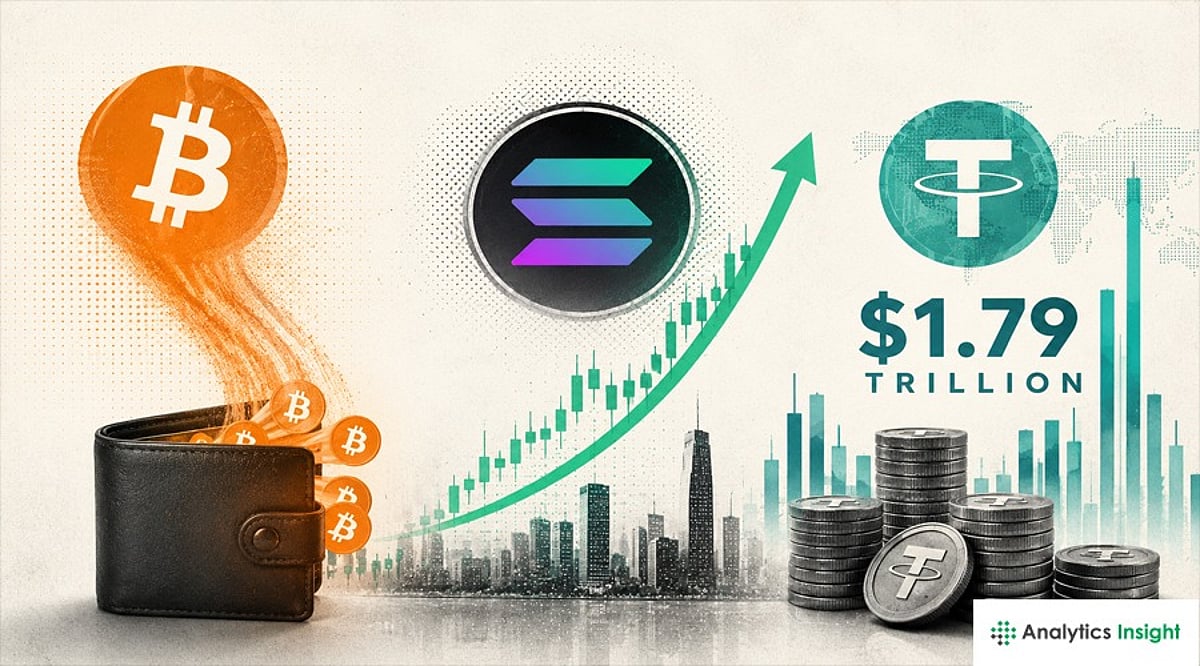
  • Bitcoin ETFs See $527M Weekly Outflow, Solana Rallies 14%, Stablecoin Volume Hits $1.79T – Crypto News Roundup

    Bitcoin ETFs See $527M Weekly Outflow, Solana Rallies 14%, Stablecoin Volume Hits $1.79T – Crypto News Roundup

    Bitcoin ETF Outflows Continue

    Bitcoin spot ETFs recorded a net outflow of $527 million last week, marking the eighth consecutive week of withdrawals. BlackRock’s IBIT saw $773 million exit, while Grayscale Bitcoin Trust (GBTC) reported $27.69 million in outflows. However, the Ark & 21 Shares ETF (ARKB) bucked the trend with $102 million in net inflows. Cumulative net inflows for IBIT remain strong at $59.99 billion, and the total net asset value of spot Bitcoin ETFs stands at $74.37 billion.

    Solana Maintains Momentum After 14% Rally

    Solana (SOL) surged over 14% last week and is currently trading around $80.89. While it has stalled below a key resistance level, indicators point to growing bullish momentum. Spot Solana ETFs attracted $5.75 million in net inflows, reversing the previous week’s outflows. Additionally, tokenized asset spot trading volume on the Solana network reached $5.7 billion in Q2, more than doubling from Q1’s $2.69 billion.

    Stablecoin Transaction Volume Reaches Record $1.79 Trillion

    According to Visa, stablecoin transaction volume hit an all-time high of $1.79 trillion in June, up 63% from May’s $1.1 trillion. USDC led with $1.21 trillion (67% of the total), while USDT accounted for $576 billion (32%). PayPal’s PYUSD ranked third with $2.42 billion.

    CLARITY Act Faces Key Senate Deadline

    The CLARITY Act, a major US crypto market structure bill, missed its July 4 target but still has a chance before the Senate’s summer break on August 7. The bill has passed the House and cleared the Senate Banking Committee. Senator Cynthia Lummis urged lawmakers to advance it, calling it “the foundation for the financial services of the 21st century.”

    Ethereum Plans Its ‘Biggest Rebuild’

    Ethereum co-founder Vitalik Buterin outlined “Lean Ethereum,” a multi-year plan to replace almost every major protocol component over three to four years while minimizing disruption to existing applications. This third major iteration follows the 2022 Merge. Quantum safety has been elevated as a top priority.

    Disclaimer: This article is for informational purposes only and does not constitute financial advice. Always conduct your own research before investing in cryptocurrencies.

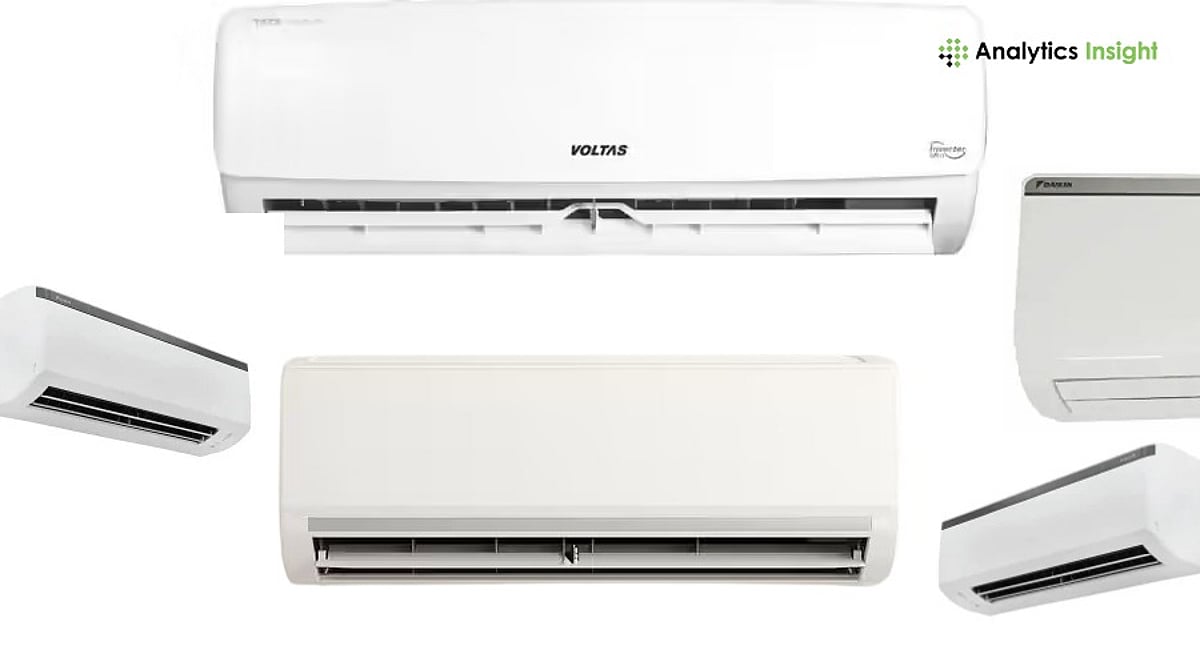
  • Top 1-Ton Inverter ACs for 2026: Fast Cooling & Lower Energy Bills

    Top 1-Ton Inverter ACs for 2026: Fast Cooling & Lower Energy Bills

    India’s cooling season now spans ten months, making a reliable 1-ton inverter split AC essential for bedrooms, study rooms, and home offices under 110 sq. ft. These units deliver sufficient cooling without the high running costs of larger models. However, the real difference between a smart purchase and a regret often lies beyond the box.

    The Metric That Actually Matters

    Star ratings only tell part of the story. The Indian Seasonal Energy Efficiency Ratio (ISEER) provides a more honest measure of real savings. Instead of testing at a single temperature, ISEER calculates cooling output per unit of electricity over an entire season.

    In 2026, the Bureau of Energy Efficiency (BEE) raised its standards. Some ACs that earned 5 stars under 2025 rules now only qualify for 4 stars—LG’s AS-Q13JNYE is a clear example. Always check the label’s date, not just the star rating in a listing.

    Six Models, Six Different Strengths

    LG US-Q14ENZE

    Verified ISEER of 5.25 and annual consumption of 515.84 units. The AI Dual Inverter compressor maintains efficient cooling under varying loads, while VIRAAT mode delivers faster temperature pull-down during peak summer afternoons. A 10-year compressor warranty provides the strongest long-term cover on this list.

    BUY NOW

    Panasonic CS/CU-EU12CKY5F

    Designed for year-round flexibility. Its 8-in-1 convertible cooling adjusts performance to suit changing weather and room usage, lowering power consumption when full capacity isn’t needed. Maintains cooling up to 55°C and includes app controls and DustBuster filtration.

    BUY NOW

    Daikin FTKM35U

    Built for long-term durability with a fully copper condenser and 3D airflow for even cooling. A practical option for homes where the AC runs for extended hours.

    BUY NOW

    Godrej AC 1.0T EC HIC 12J5TG WA

    Standout feature is a 5-year comprehensive warranty, far beyond the standard one-year cover. AI-powered operation and 5-in-1 convertible modes round out a unit built on after-sales confidence.

    BUY NOW

    Hitachi Yoshi V512PCBISH1

    Ideal for dusty or highly polluted areas. Its advanced filtration improves indoor air quality, while 4-way swing distributes cool air evenly. Durable copper tubing ensures dependable everyday performance.

    BUY NOW

    TCL 1 Ton 5 Star

    The value pick of the group. Features a 7-step convertible mode and blue fin coating for corrosion resistance. Delivers genuine inverter benefits without the premium markup of flagship brands.

    BUY NOW

    Buying Mistakes That Undo the Savings

    • Choosing an AC too small for the room: Using a 1-ton unit in spaces larger than 130 sq. ft. forces it to operate continuously at peak load.
    • Trusting star ratings alone: Ignoring the 2026 relabeling means paying premium prices for outdated efficiency claims.
    • Ignoring hidden costs: Skipping installation and stabilizer expenses erodes upfront savings.
    • Paying for unused features: Wi-Fi-enabled models cost more but add no value if the app goes unused.

    Matching the Model to the Room

    • Small bedroom, 6–8 hours daily use: LG US-Q14ENZE or Godrej AC 1.0T EC HIC 12J5TG WA.
    • Dusty or humid cities: Hitachi Yoshi V512PCBISH1 offers the strongest filtration.
    • Tight budget: TCL 1 Ton 5 Star delivers genuine inverter benefits without the premium markup.

    Final Thoughts

    The 2026 BEE revision signals a broader shift: efficiency claims that once held steady for years now require annual verification. Buyers who treat star ratings as static risk paying premium prices for outdated efficiency. The models built to last through repeated rating cycles—not just this year’s label—will define real long-term value in India’s cooling market.

    FAQs

    1. Is a 1-ton inverter AC suitable for every room?

    A 1-ton inverter AC is best for rooms up to 120–130 sq. ft. Larger spaces may require a 1.5 ton AC for efficient cooling.

    2. How does an inverter AC help reduce electricity bills?

    An inverter AC adjusts compressor speed based on cooling demand, improving energy efficiency and reducing power consumption during regular use.

    3. What should be considered when buying a 1-ton inverter AC?

    Look for room size compatibility, high ISEER rating, BEE star rating, copper condenser, inverter compressor, convertible cooling modes, and a reliable warranty.

    4. Does a higher ISEER rating make a difference?

    Yes. A higher ISEER indicates better energy efficiency, meaning the AC consumes less electricity over an entire cooling season.

    5. Which features provide faster cooling?

    Turbo or Quick Cool mode, powerful airflow, inverter compressor technology, and convertible cooling modes help reduce room temperature quickly while maintaining energy efficiency.

  • Top Amazon Prime Day 2026 Tech Deals: Smartphones, Soundbars, and Kitchen Appliances

    Top Amazon Prime Day 2026 Tech Deals: Smartphones, Soundbars, and Kitchen Appliances

    Amazon Prime Day 2026 is here, offering massive savings on a wide range of tech products, from smartphones and soundbars to home electronics and kitchen appliances. Prime members can access exclusive discounts, bank offers, cashback, and limited-time deals from leading brands like Samsung, Apple, Sony, LG, Philips, and Dyson. Whether you’re upgrading your phone, enhancing your home entertainment, or replacing an old appliance, now is the perfect time to shop.

    Soundbars

    Soundbars have become a staple for entertainment lovers. Here are the top deals available:

    Sony HT-S20R

    Price: Rs. 14,989 | Discount: 39%
    The Sony HT-S20R delivers clear voices, strong bass, and an immersive surround sound experience for movie lovers on a budget.

    JBL Cinema SB271

    Price: Rs. 10,999 | Discount: 42%
    Balanced sound and deep bass make the JBL Cinema SB271 a great choice for everyday use, with easy setup.

    LG S40T

    Price: Rs. 12,999 | Discount: 52%
    The LG S40T offers clean audio and a sleek design with wireless support, perfect for music and TV.

    boAt Aavante Bar

    Price: Rs. 29,999 | Discount: 70%
    An affordable soundbar for smaller rooms, delivering good sound for movies and music.

    Home Electronics

    Essential smart home devices at unbeatable prices:

    Echo Show 8

    Price: Rs. 17,999 | Discount: 28%
    Manage your day with voice commands, video calls, and smart home controls.

    Fire TV Stick 4K

    Price: Rs. 4,499 | Discount: 36%
    Turn any TV into a smart TV with access to popular streaming apps.

    Blink Outdoor Camera

    Price: Rs. 2,049 | Discount: 38%
    Simple setup, clear video, and long battery life for home security.

    Kindle Paperwhite

    Price: Rs. 16,999 | Discount: 23%
    A top-tier e-reader with a sharp display, adjustable light, and long battery.

    Smartphones

    Upgrade your phone with these Prime Day deals:

    Samsung Galaxy S25 Ultra

    Price: Rs. 99,999 | Discount: 30%
    Bright display, excellent cameras, and fast performance at a reduced price.

    OnePlus 13

    Price: Rs. 54,999 | Discount: 24%
    Fast performance, clean software, and dependable battery life.

    Redmi 15 5G

    Price: Rs. 24,498 | Discount: 34%
    Large display, good battery, and 5G connectivity at an affordable price.

    iQOO 15

    Price: Rs. 74,999 | Discount: 5%
    Designed for speed, gaming, and multitasking with fast charging.

    Kitchen Appliances

    Make your kitchen smarter with these deals:

    Dyson V8 Vacuum Cleaner

    Price: Rs. 27,889 | Discount: 36%
    Cordless design with strong suction for easy home cleaning.

    Philips Air Fryer

    Price: Rs. 9,449 | Discount: 27%
    Cook tasty meals with less oil, easy to use and popular.

    Hamilton Beach Blender

    Price: Rs. 1,999 | Discount: 67%
    Perfect for smoothies, soups, and sauces.

    Nespresso Coffee Machine

    Price: Rs. 22,399 | Discount: 15%
    Fresh coffee at home in minutes.

    Why Prime Day Is a Great Time to Shop

    Beyond lower prices, Prime Day offers bank discounts, cashback, exchange bonuses, and easy EMI plans. Many high-ticket items become more affordable. Since some deals are time-limited or stock-constrained, planning ahead with a wishlist helps you secure the best bargains.

    Final Thoughts

    Amazon Prime Day 2026 is an excellent opportunity to save on products already on your wishlist. From smartphones and soundbars to smart home devices and kitchen appliances, strong offers span nearly every category. Popular items sell out fast, so add your favorites to your wishlist before the sale begins.

  • Predictive Targeting: How Data Informata Finds Customers Before They Search

    Predictive Targeting: How Data Informata Finds Customers Before They Search

    Most advertising waits for customers to raise their hands. They sit on platforms, hoping the right person wanders by. By the time someone searches for a product, they’ve already seen three or four competitors. Phil Anderson’s Data Informata has built a system that flips the timing: it finds the customer before the customer goes looking.

    The core challenge is that the entire advertising industry is designed to compete for people who are already shopping. Every platform auctions off the same hand-raisers, driving up costs and diluting impact. Data Informata asks a different question: instead of who’s searching right now, who’s about to?

    How the System Works

    Data Informata’s targeting infrastructure identifies IP addresses of consumers showing specific behavioral signals – searching relevant keywords, visiting physical locations that indicate purchase intent, or engaging with related content. It then matches those signals to all devices within a household: phones, laptops, tablets. This continuous household-level tracking ensures the advertising narrative follows the buying journey across screens and across family members who influence decisions.

    By the time the consumer types a search, they’ve already been exposed to a tailored message. The system doesn’t wait for the auction; it gets in front of the person while they’re still forming the decision.

    Cultural Intelligence in Creative

    Finding the right person is only half the battle. Data Informata also adapts the creative itself – colors, fonts, design elements shift based on cultural and demographic data. A generic ad that looks the same to everyone often signals ‘not for me’ to most audiences. Calibrated creative builds immediate trust. ‘Color is not decoration. Color is a signal,’ Anderson explains. The system handles this at scale, serving a version shaped for each household’s context.

    Real‑World Proof

    The most compelling test came from a single‑location Thai restaurant on a limited budget. Data Informata identified local households showing dining‑out signals, matched them across devices, and served neighborhood‑calibrated creative. Sales jumped 38% in 24 hours. The result demonstrated that the technology works end‑to‑end on a real business, not just enterprise campaigns.

    Anticipatory vs. Reactive

    Standard programmatic advertising is reactive – it waits for declared intent and then bids for an impression. Data Informata is anticipatory: it reads pre‑intent signals and reaches the consumer before the search. ‘We’re not interested in the line. We want to be the first name the customer ever associates with the thing they’re about to buy,’ says Anderson. That head start compounds, because the first brand encountered shapes how every subsequent competitor is judged.

    The Competitive Advantage

    The system was built in partnership with Los Angeles developers who worked on the underlying advertising infrastructure. This deep engineering knowledge allows Data Informata to operate beneath the dashboards that limit most agencies. ‘There’s a difference between knowing how to drive the car and knowing how the engine was built,’ Anderson notes. This foundational expertise is difficult to replicate and provides a durable edge.

    Conclusion

    Data Informata’s core belief is that the data already contains the answer. Signals about who will buy, what they will respond to, and where to reach them exist today. Companies that read those signals early win; those that wait to react pay to compete in a crowded auction. The system is proven at small scales – a single Thai restaurant – and is ready for larger deployment. It shifts the advertising paradigm from waiting for the hand to go up to finding the customer first.

  • Tech Roundup: Claude AI Revives Classic Game, Godrej on AI Future, Humanoid Robot IPO, Android Halo, and AI Chip Stocks

    Tech Roundup: Claude AI Revives Classic Game, Godrej on AI Future, Humanoid Robot IPO, Android Halo, and AI Chip Stocks

    In today’s top tech news, several major developments are shaping the industry. Anthropic’s Claude AI has been used to revive a classic video game, showcasing the potential of large language models in creative coding and game preservation. Meanwhile, Godrej, the Indian conglomerate, has shared its vision for the next phase of artificial intelligence, predicting increased integration into everyday business operations.

    On the robotics front, a humanoid robot company has announced plans for an initial public offering, signaling growing investor confidence in the sector. Additionally, Android Halo, a new mobile operating system feature, has debuted, promising enhanced user privacy and customization. Finally, AI chip stocks continue to exert pressure on the Nasdaq as semiconductor companies face fluctuating demand and regulatory scrutiny.

    These stories represent just a snapshot of the fast-moving technology landscape. Stay tuned for more updates as the week progresses.

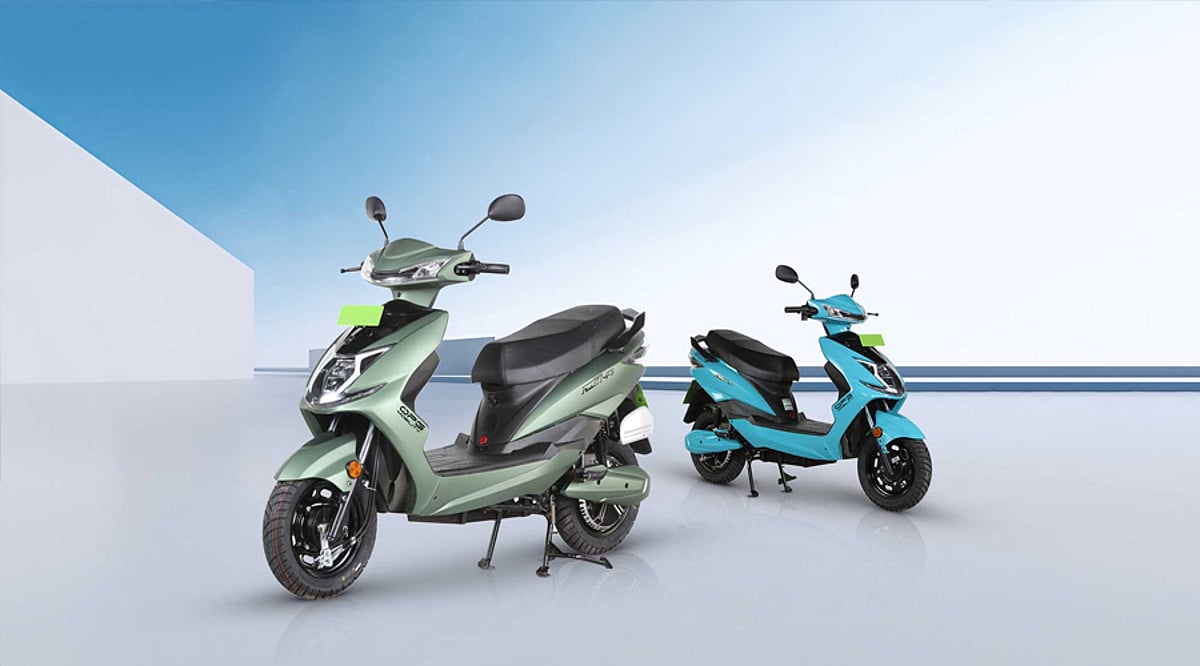
  • Longest-Range Electric Scooters for Indian Roads: Top Picks for 2026

    Longest-Range Electric Scooters for Indian Roads: Top Picks for 2026

    India’s electric scooter market is booming, and range remains the top concern for buyers. Here are the best EV scooters with the longest claimed range available on Indian roads, combining performance, technology, and practicality.

    Ola S1 Pro Gen 3

    The Ola S1 Pro Gen 3 offers a claimed range of up to 320 km, powerful acceleration, multiple riding modes, and a feature-rich touchscreen dashboard. It is ideal for city commutes and occasional long-distance travel, making it one of India’s most capable electric scooters for everyday riders who prioritize maximum range and modern technology.

    Simple One

    The Simple One boasts a claimed range exceeding 240 km on a single charge. Its sporty styling, powerful motor, spacious under-seat storage, and premium build quality make it perfect for riders seeking long-distance capability without sacrificing performance or comfort.

    Ather Rizta

    Built with families in mind, the Ather Rizta delivers a claimed range of around 159 km. It offers exceptional comfort, generous storage, and reliable software features. Its smooth ride quality, intelligent dashboard, and dependable battery management system make it a practical choice for urban and suburban commuting.

    TVS iQube ST

    The TVS iQube ST provides a claimed range of up to 212 km with premium features like navigation, voice assistance, and connected technology. Backed by TVS’ extensive service network, it offers peace of mind for buyers looking for dependable long-range electric mobility across cities and towns.

    Bajaj Chetak 3501

    Reviving an iconic name, the Bajaj Chetak 3501 blends timeless design with modern electric technology. It delivers a claimed range of over 150 km, with premium metal construction, smooth performance, refined ride quality, and reliable battery management, making it a strong option for everyday urban commuters.

    Vida V2 Pro

    Hero MotoCorp’s Vida V2 Pro offers a claimed range of approximately 165 km, with removable batteries, connected technology, fast charging support, and comfortable ergonomics. Its practical design and expanding service network make it an attractive choice for riders seeking flexibility and dependable daily performance.

    Ultraviolette Tesseract

    The Ultraviolette Tesseract brings futuristic styling, advanced rider-assistance systems, connected technology, and a claimed range of over 260 km. Designed for enthusiasts and premium buyers, it combines long-distance capability with cutting-edge innovation, making it one of the most anticipated electric scooters for Indian roads.

  • Stargate LLM: A 50x Crypto Opportunity Beyond Sui and Uniswap in the Next Tech Cycle

    Stargate LLM: A 50x Crypto Opportunity Beyond Sui and Uniswap in the Next Tech Cycle

    Every major technology wave has rewarded the entities that defined a new category, not just those with the most users. Sui carved out its lane with parallel transaction processing rather than competing directly with existing Layer 1 blockchains. Uniswap created the automated market maker category from scratch, bypassing centralised exchanges. Standard Chartered’s Geoff Kendrick recently noted that the market has yet to fully price in the depth of Uniswap’s latest partnership, while Sui has joined forces with African fintech giant Paga. For investors seeking the top crypto to buy today, Stargate LLM is pursuing a category that neither Sui nor Uniswap occupies.

    AI That Users Own, Not Just Another Chatbot

    Sui and Uniswap have both demonstrated that owning a brand-new category often outperforms competing within an existing one. Cloud computing, search engines, and social media all rewarded the builders of the underlying infrastructure layer, not merely those who attracted the most users to an existing model. Stargate LLM applies this same logic to artificial intelligence, focusing on user-owned AI rather than faster blockchain infrastructure or a better trading mechanism.

    The category it targets is AI that is partially owned by its users, enabled by Proof of Usage rewards, vault staking, and DAO-voted revenue sharing. These are not features bolted onto an existing chatbot; they are integral to the token’s design from inception. This distinction transforms the token’s purpose from mere access to active participation and reward.

    The presale reflects this early-category positioning: ten pricing stages from $0.0005 to $0.0125, with a launch at $0.025. Stage 1 is priced at a 50x ratio to that target. The total token supply is fixed at 150 billion, with 96% allocated to the community, ecosystem, and presale participants, and only 1% to the core team. Both Sui and Uniswap were once at this early stage, in categories that had no name. For anyone evaluating the top crypto to buy today with genuine category-level differentiation rather than a faster interface, this is the comparison that matters.

    Sui Just Landed a Continent-Scale Deal

    On July 1, 2026, the Sui Foundation partnered with African fintech giant Paga to explore tokenizing real-world assets and delivering blockchain-based financial tools across the continent, leveraging Sui’s speed and Paga’s mobile payment ecosystem. However, the more significant event this week was the token supply: SUI led a $73 million weekly token unlock wave alongside ENA and EIGEN, with 13.72 million SUI tokens worth roughly $9.4 million released on July 1. SUI currently trades near $0.75, about 86% below its all-time high—a gap that unlock pressure is not making easier to close.

    Uniswap Just Became Robinhood’s Native Exchange

    Standard Chartered’s Geoff Kendrick remarked this week that markets are significantly underestimating how deep Uniswap’s newest integration actually runs. Uniswap now serves as the native automated market maker on Robinhood Chain, an Arbitrum-based Layer-2 network that launched its public mainnet on July 1, 2026. This puts Uniswap in direct reach of Robinhood’s retail base for trading tokenized stocks such as Apple, Tesla, and Nvidia. UNI trades near $3.11 despite the news, still roughly 83% below its 2021 all-time high of $18.59.

    Last Say

    Sui built an entirely new category around parallel processing, and Uniswap built one around automated market making. Both are proving the same pattern once again, even while their tokens remain far below prior highs. Stargate LLM is chasing a category neither occupies, embedding AI ownership directly into how the platform rewards its users. For anyone comparing the top crypto to buy today, these three represent genuinely different bets on what owning a new category actually looks like.

    Explore Stargate LLM:
    Website: stargate.org
    Buy: own.stargate.com
    Telegram: https://t.me/StargatellmOfficial
    Twitter/X: https://x.com/stargatellm