Author: vitorcherulli

  • Hyundai Leverages World Cup Stage to Demonstrate Humanoid Robotics Ambitions

    Hyundai Leverages World Cup Stage to Demonstrate Humanoid Robotics Ambitions

    Hyundai turned football’s biggest global stage into a robotics showcase over the weekend. During halftime of Sunday’s FIFA World Cup Round of 16 match at MetLife Stadium, where Norway edged Brazil 2-1 in front of 80,633 fans, Boston Dynamics’ humanoid robot Atlas took the field, ran through a series of soccer moves, and handed the ball back to the referee. It marked the first time a humanoid robot had appeared during a live World Cup match and the public debut of Atlas’s production version following its unveiling at CES 2026.

    Why Hyundai Put a Robot on the Pitch

    Hyundai holds the title of FIFA’s Official Robotics Partner, and Sungwon Jee, the company’s global chief marketing officer, framed the appearance as a statement of intent rather than a gimmick, saying Atlas’s performance was meant to show that robotics is already arriving rather than remaining a distant idea. The stunt fits into Hyundai’s broader ‘Next Starts Now’ World Cup campaign, which has followed Atlas learning football skills through a five-part social film series called School of Football, with a longer documentary produced alongside BBC StoryWorks still to come.

    The Technology Behind Atlas’s Moves

    Notably, Atlas wasn’t hard-coded to perform specific choreography. Boston Dynamics trained the robot using a mix of motion retargeting, reinforcement learning, and whole-body control, letting it learn celebratory moves, including ones modeled on Erling Haaland and Harry Kane, through thousands of simulated training runs before executing them live. Boston Dynamics’ director of robotics behavior, Alberto Rodriguez, noted that the same training approach used for the halftime routine mirrors how the company prepares Atlas for industrial tasks. Standing roughly 6-foot-2 and weighing close to 200 pounds, the current-generation Atlas can lift about 66 pounds and was engineered specifically for the unpredictability of factory floors, unlike its predecessor, which functioned mainly as a research platform.

    A Bigger Bet on Robotics Beyond Cars

    It draws from Hyundai’s recent takeover of Boston Dynamics and represents a new direction for the company in terms of thinking about its future. Robotic technology has been identified by Hyundai as one of their main focuses, alongside the production of electric cars, software-defined mobility, and autonomous driving technology, and they have made it clear that they intend to produce 30,000 Atlas robots per year. It shows just how seriously Hyundai is taking the idea of perception as a factor in its introduction of robotic technology that they chose to do it at a global sporting event.

    What Comes Next

    It is yet to be seen whether a memorable viral moment during the halftime show leads to faster adoption of the product by the commercial market, but it must be noted that the message conveyed by the brand itself is not necessarily a direct one. Regardless, it can be observed that there is a tendency on behalf of the technology firms to use publicly visible venues to showcase the ability of humanoid robots to function safely in a non-controlled environment.
  • NSE IPO Targets September Debut with $3 Billion Offer for Sale

    NSE IPO Targets September Debut with $3 Billion Offer for Sale

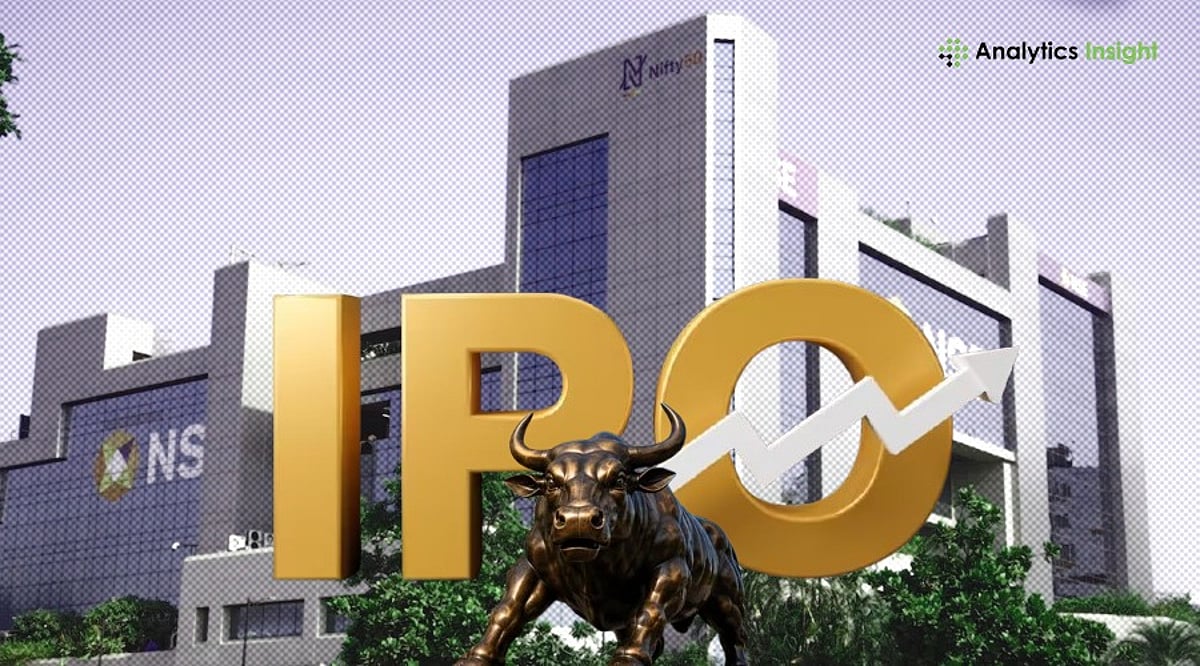
    The National Stock Exchange (NSE) is gearing up for one of India’s largest public share sales. According to reports, the NSE IPO could open in September, with marketing for the issue expected to begin as early as next week. If the plan proceeds, the share sale could raise approximately $3 billion, setting a new record for the country’s biggest IPO.

    Investor Roadshows and IPO Size

    The exchange plans to meet large investors across several countries before the launch. Roadshows are slated for the United States, London, Singapore, Hong Kong, the Middle East, and India. These meetings will help assess investor interest before finalizing the price and launch date.

    Reports indicate the exchange holds a grey market value exceeding Rs 5.25 trillion. At that valuation, the IPO could raise around Rs 306 billion, surpassing Hyundai Motor India’s 2024 IPO, currently the largest public issue in the country. Market experts caution that the final valuation and issue size may still change before launch.

    Offer for Sale Structure

    The NSE IPO differs from many recent public issues. The entire offering will be an Offer for Sale (OFS), meaning current shareholders will sell part of their holdings; the exchange will not receive fresh capital. Approximately 148.9 million shares—about 6% of the company—are expected to be offered.

    Lead Managers and Market Impact

    Around 20 investment banks will manage the share sale. Reports name Kotak Mahindra Capital, JM Financial, Morgan Stanley, HSBC, and Citigroup among the lead managers. These banks will coordinate with investors and oversee the listing process.

    A successful NSE listing could boost investor confidence and encourage more large companies to launch public issues in the coming months. Notable businesses preparing to enter the market include Jio Platforms and SBI’s mutual fund arm. Strong response to the NSE IPO could generate positive momentum for these upcoming listings.

    Outlook

    NSE is India’s largest stock exchange and one of the world’s biggest derivatives exchanges. Its dominant position continues to attract interest from Indian and foreign investors. Market conditions will play a critical role; global uncertainty, foreign investment flows, and overall sentiment may influence the final price. Nevertheless, the planned Offer for Sale remains one of the most closely watched events in India’s financial market this year.

  • Rumor: Funko Fusion and Star Trek: Legends Face Imminent Delisting from Xbox Store

    Rumor: Funko Fusion and Star Trek: Legends Face Imminent Delisting from Xbox Store

    Xbox players may soon lose access to two licensed titles. A new report suggests that Funko Fusion and Star Trek: Legends could be removed from the Xbox Store, sparking concerns among fans about the growing trend of digital game disappearances without official announcements.

    According to the report, Funko Fusion is currently being offered at a steep 95% discount on the Xbox Store, a move often interpreted as a sign of impending removal. Meanwhile, Star Trek: Legends has already been delisted from the PlayStation Store and Nintendo Switch eShop, leading many to believe the Xbox version will follow suit.

    Microsoft has not yet made an official statement, but the rumor has gained traction. This is not an isolated incident—licensed games based on movies, TV shows, or popular franchises frequently vanish from digital storefronts when licensing agreements expire. Once delisted, new customers can no longer purchase them.

    What Happens If a Game Is Delisted?

    Players who already own either title need not panic. In most cases, previously purchased games remain in your Xbox library and can be redownloaded at any time. However, downloadable content (DLC) may become unavailable, and online features may shut down if servers close. If a physical edition exists, that copy can still be played, shared, or resold.

    Should You Buy Before It’s Gone?

    If you have been planning to play Funko Fusion or Star Trek: Legends, purchasing them now might be wise, but only if you genuinely want to play them. Don’t rush purely on rumor—delisted games don’t automatically become valuable. The broader takeaway is that digital storefronts make purchasing easy, but they also remind us that not every title stays on sale forever.

    Also Read: Microsoft May Shut Down Ninja Theory Amid Xbox Restructuring

  • CLARITY Act Moves to Senate Floor Amid Ethics Concerns Over Trump Crypto Income

    CLARITY Act Moves to Senate Floor Amid Ethics Concerns Over Trump Crypto Income

    The Digital Asset Market Clarity Act (CLARITY Act) advanced out of the Senate Banking Committee by a 15-9 vote on May 14, 2026, setting the stage for a full Senate debate. Two Democrats—Ruben Gallego of Arizona and Angela Alsobrooks of Maryland—joined all Republicans on the panel, giving the bill early bipartisan support as lawmakers seek federal rules for digital assets.

    Committee Chairman Tim Scott called the markup a bipartisan effort to deliver clear rules for cryptocurrencies. The bill now shifts to the Senate floor, where supporters must secure at least 60 votes for passage. Senate leaders are expected to release the final draft this week for public review. Senator Cynthia Lummis said lawmakers, banks, and industry groups should receive the draft around July 4.

    The Senate placed the bill on the legislative calendar as item No. 423 on June 1, 2026, making it eligible for floor consideration. However, scheduling has proven tricky. Initial hopes for a vote before the July 4 recess faded after the Senate adjourned until July 13. Senator Bill Hagerty indicated the vote is more likely after lawmakers return, noting that the GENIUS Act demonstrated how clear rules can lead to lasting crypto policy. “This will be something more a matter of focus after the 4th of July recess period, but I certainly hope to see it done before,” Hagerty said on June 18, 2026.

    With Republicans holding 53 seats, the CLARITY Act needs at least seven Democratic votes to reach the 60-vote threshold. Lawmakers must also reconcile the Senate Banking Committee version with a separate draft from the Senate Agriculture Committee, then merge with the House-passed bill (H.R. 3633, approved 294-134 on July 17, 2025) before sending it to the president. Industry groups are pressing for action before the August recess, and staff continue to negotiate unresolved issues behind the scenes.

    Adding a new layer of complexity, President Donald Trump’s 2025 annual financial disclosure revealed roughly $1.4 billion in crypto-related income, including royalties from his memecoin company, token sales from World Liberty Financial, and sales to an Abu Dhabi sheikh’s firm. Trump also reported holding over $100 million in various cryptocurrencies and smaller stakes in firms like Corewave.

    In response, Senator Elizabeth Warren called for an ethics provision in the CLARITY Act, insisting the bill must prevent senior officials, lawmakers, and their families from profiting from crypto. Senator Gallego, who supported the bill in committee, said on X that he would work to address Trump’s crypto dealings and stressed the need for “real, enforceable standards” on ethics. Gallego did not commit to supporting the bill on the Senate floor, leaving the vote count uncertain.

    As the CLARITY Act heads toward a critical Senate test, its path depends on bipartisan support, final negotiations, and whether Congress can act before election-year pressure slows momentum.

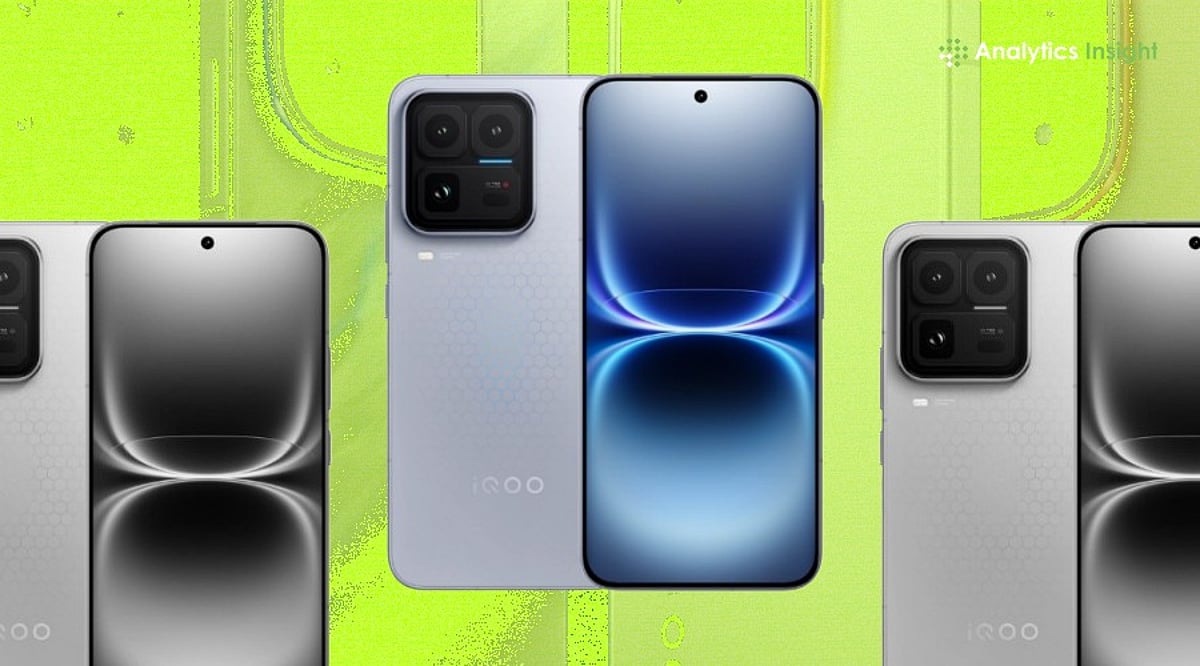
  • iQOO 16 India Launch in Doubt as Rising Hardware Costs Threaten Competitive Pricing

    iQOO 16 India Launch in Doubt as Rising Hardware Costs Threaten Competitive Pricing

    iQOO has carved out a strong reputation in India’s flagship smartphone market by delivering premium features at relatively affordable prices. However, the company’s strategy has shifted with the iQOO 15, which launched at a starting price of Rs. 72,999. Now, fresh leaks suggest the upcoming iQOO 16 may not launch in India at all, citing steep hardware cost increases.

    A new report from tipster Yogesh Brar indicates that rising memory prices could push the iQOO 16’s price to around Rs. 85,000, making it difficult for the brand to maintain its value proposition. Brar tweeted, “We may not see iQOO 16 launch in India..With current memory rates, iQOO 16 will cross Rs 85k. iQOO has only 1 budget Z series phone for this year, all other products have been scrapped.”

    The iQOO 16 is rumored to feature significant upgrades compared to its predecessor, including a new flagship processor, a larger battery, improved cameras, and a brighter display. While these enhancements are expected to elevate the user experience, they also contribute to a likely substantial price increase over the iQOO 13, which launched at Rs. 54,999.

    This potential pricing hike poses a strategic challenge for iQOO. The brand has built its identity on offering flagship-level specifications at a lower price point than many premium competitors. If the iQOO 16 ends up priced similarly to other top-tier devices, it could lose the competitive edge that has fueled its growth in India. The company has not officially confirmed the leak, leaving its launch plans uncertain.

    If iQOO decides to skip the Indian market, rivals stand to benefit. Samsung’s Galaxy S series could become the most accessible premium option, while OnePlus may attract users seeking fast performance at a lower cost. Xiaomi’s flagship lineup and Vivo’s X series are also likely to gain traction, especially for their superior camera capabilities.

    Nothing is final yet, and iQOO could still alter its plans. Nevertheless, the situation highlights a broader trend: the rising expense of building flagship smartphones. Brands are increasingly forced to choose between increasing prices or reconsidering their market strategies for high-end devices.

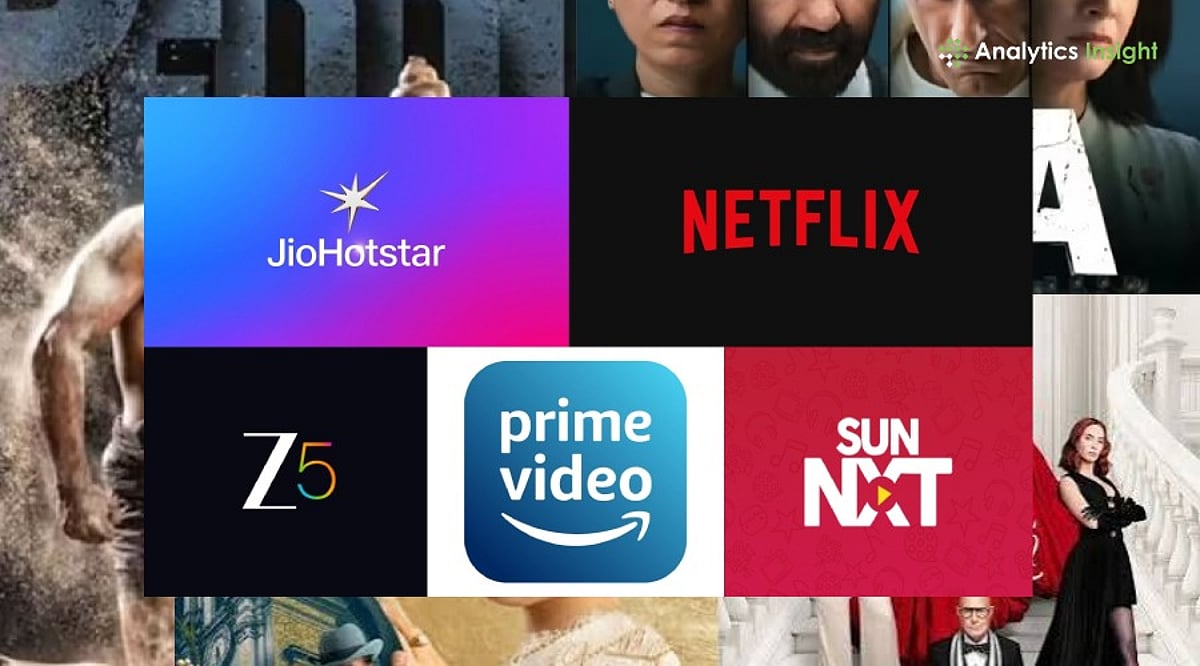
  • 8 Must-Watch OTT Releases This Week: From Courtroom Thrillers to Family Dramas

    8 Must-Watch OTT Releases This Week: From Courtroom Thrillers to Family Dramas

    Looking for something fresh to stream this weekend? The latest OTT lineup offers a diverse mix of genres, including courtroom thrillers, inspiring sports dramas, heartfelt family stories, intriguing mysteries, and gripping crime series. Here are eight new movies and shows worth adding to your watchlist.

    Ikka

    Ikka follows a brilliant lawyer forced to defend a murder case in which he himself was once a victim of his own past actions. As the truth unfolds, guilt and a series of trials challenge him.

    Peddi

    Peddi tells the story of a cricket player who dreams of securing a prosperous future for his village through his talent. Despite resistance from influential figures, his sheer determination unites the entire village.

    Balti

    Balti centers on Udhayan, a gifted kabaddi player. After defeating a local gangster’s team, he faces escalating problems that test his courage.

    I’m Not Afraid

    Set during the 1986 FIFA World Cup, a curious young boy discovers another child hidden in an abandoned pit. As he investigates, he becomes entangled in a disturbing mystery that reshapes his understanding of trust, friendship, and the adults around him.

    Nothing to Lose

    Nothing to Lose follows Jade, who finally fulfills her dream of becoming a mother, only to learn that her newborn has a rare, life-threatening illness. She embarks on an emotional journey filled with hope, heartbreak, and difficult choices.

    Trying Season 5

    In the fifth season of Trying, Nikki and Jason face their biggest parenting challenge when the biological mother of their adopted children unexpectedly returns. The couple must navigate complex emotions to keep their loving family together.

    Parimala & Co.

    Parimala & Co. follows an ordinary family whose quiet life is upended by the mysterious death of a neighbor. Suspicion, secrets, and unexpected twists blend comedy, mystery, and danger.

    The Westies

    The Westies chronicles the rise of a notorious gang as they battle rival crime families, police investigations, and internal betrayals in their fight for power and survival.

    Final Takeaway

    This week’s OTT releases offer something for every mood — root for the underdog in Peddi, follow the courtroom drama of Ikka, or reunite with the lovable family in Trying Season 5. Whether you’re planning a quiet movie night or a weekend binge, these new movies and shows deserve a spot on your watchlist.

  • XRP and Solana ETFs Gain as Bitcoin Spot Funds See $526 Million in Outflows

    XRP and Solana ETFs Gain as Bitcoin Spot Funds See $526 Million in Outflows

    Bitcoin spot ETFs experienced a significant capital flight last week, losing $526 million, while XRP and Solana funds attracted fresh institutional inflows. Ethereum products shed $14 million, yet XRP and Solana combined drew $49 million, signaling stronger demand during a weaker market phase.

    XRP ETFs Extend Weekly Inflow Streak

    XRP spot ETFs recorded a ninth consecutive week of net inflows, adding $17.19 million despite broader market pressure. The products continued to attract buyers while Bitcoin funds faced heavy withdrawals. According to CoinGlass data, the total market capitalization of combined XRP ETF products reached $690 million. Historical cumulative net inflows across these spot products reached 754.78 million XRP.

    Daily activity showed steady accumulation. On June 29, XRP ETF products logged a single-day inflow of 14.64 million XRP, before smaller outflows followed on June 30 and July 1. Those pullbacks totaled 2.68 million XRP and 1.79 million XRP. Then, on July 2, inflows turned positive again with another 6.22 million XRP added.

    Bitwise Leads XRP Products as Solana Recovers

    The Bitwise XRP ETF, listed as 1XRP, led the sector with $245.31 million in assets under management. Canary XRP ETF (2XRPC) followed with $225.91 million, and Franklin XRP ETF (3XRPZ) ranked third with $167.87 million. Together, the three products accounted for most XRP ETF capital in the available data.

    Solana ETFs also returned to positive territory. Daily metrics showed 77,070 SOL in net inflows on June 29, as institutional buying stabilized during the week. The Bitwise Solana Staking ETF (BSOL) held $595.88 million in assets, representing the largest share of institutional capital allocated to Solana in the data provided.

    XRP Breakout Faces First Support Test

    XRP finally moved above $1.14, a level that had capped recent upside attempts. Buyers pushed the token as high as $1.158 before sellers drove it back toward $1.146. During the 24-hour session, XRP rose from $1.1344 to $1.1454, gaining 2.87%. The breakout occurred at 22:00 UTC on July 5, when volume reached 81.89 million XRP — about 207% above the 24-hour average. The move carried XRP from $1.1356 to $1.1594 within two hours, clearing resistance near $1.1400.

    Traders are now watching the $1.1400–$1.145 range as key support after the breakout. Sellers emerged near $1.158 and pulled XRP below short-term support at $1.150. The 60-minute chart weakened after XRP failed to reclaim $1.155. The short-term range now sits between $1.145 and $1.151. A decisive loss of $1.145 would shift attention toward $1.142 and then $1.133. XRP needs to reclaim $1.155 before buyers can test the $1.17–$1.20 resistance zone. A move above $1.20 would bring $1.29–$1.30 back into focus.

    What’s Next?

    XRP ETFs stayed resilient as Bitcoin spot ETFs recorded heavy outflows and Solana funds returned to positive territory. XRP’s move above $1.14 showed renewed buyer interest, but resistance near $1.155 and $1.17–$1.20 remains key. Traders should watch support before expecting stronger continuation.

  • Regulatory Hurdles Slow India’s Startup Funding as VCs Tighten Scrutiny

    Regulatory Hurdles Slow India’s Startup Funding as VCs Tighten Scrutiny

    India’s startup ecosystem remains a vibrant hub for entrepreneurship, but the pace of venture capital investment has slowed as investors grow more selective amid regulatory uncertainty. Data shows a decline in private equity and venture capital funding, and experts warn that stricter digital policies could dampen long-term growth.

    VC Investments Decline in the Second Quarter

    According to current industry figures, private equity and venture capital (PE-VC) funding in India totaled $6.45 billion during the second quarter of 2026—3% less than a year ago and 42% below the previous quarter. This deceleration reflects increasing caution among investors, who now favor startups with sound business models and clear paths to profitability over rapid expansion.

    It is important to note that investor interest has not vanished. Instead, firms have tightened their due diligence processes and are concentrating on companies with strong fundamentals and reliable revenue streams.

    Regulatory Environment Adds to Investor Concerns

    Beyond funding challenges, policy uncertainty has emerged as a significant hurdle for India’s startup community. An analysis by Oxford Economics, commissioned by Digital Prosperity Asia (DPA), indicates that stricter digital industry regulations could reduce venture capital funding by up to 25% annually through 2035. This would also lead to fewer startups, jobs, and innovations.

    Industry representatives emphasize that predictable, innovation-friendly regulation is critical for entrepreneurs making long-term investment decisions.

    Source: Oxford Economics report commissioned by Digital Prosperity Asia (DPA).

    Capital Is Becoming More Selective

    Despite the funding slowdown, India remains one of the world’s largest startup ecosystems, with over 150,000 DPIIT-registered startups. Investments continue to flow into artificial intelligence, deep technology, healthcare, and enterprise software—but they are now driven by business fundamentals rather than growth potential alone.

    The current environment suggests that startups with strong governance and efficient capital allocation will find it easier to secure funding compared to those without.

    Long-Term Outlook Depends on Confidence

    While opportunities in India’s startup landscape remain plentiful, experts believe rebuilding investor trust will require stable regulations that nurture innovation. A balanced approach—protecting users while promoting entrepreneurship—could sustain India’s position as a leading startup nation.

    As investors become more selective, entrepreneurs must focus on profitability and operational efficiency to attract funding.

  • Last Chance: Top Earbuds, Headphones & Speakers Still on Sale During Amazon Prime Day 2026

    Last Chance: Top Earbuds, Headphones & Speakers Still on Sale During Amazon Prime Day 2026

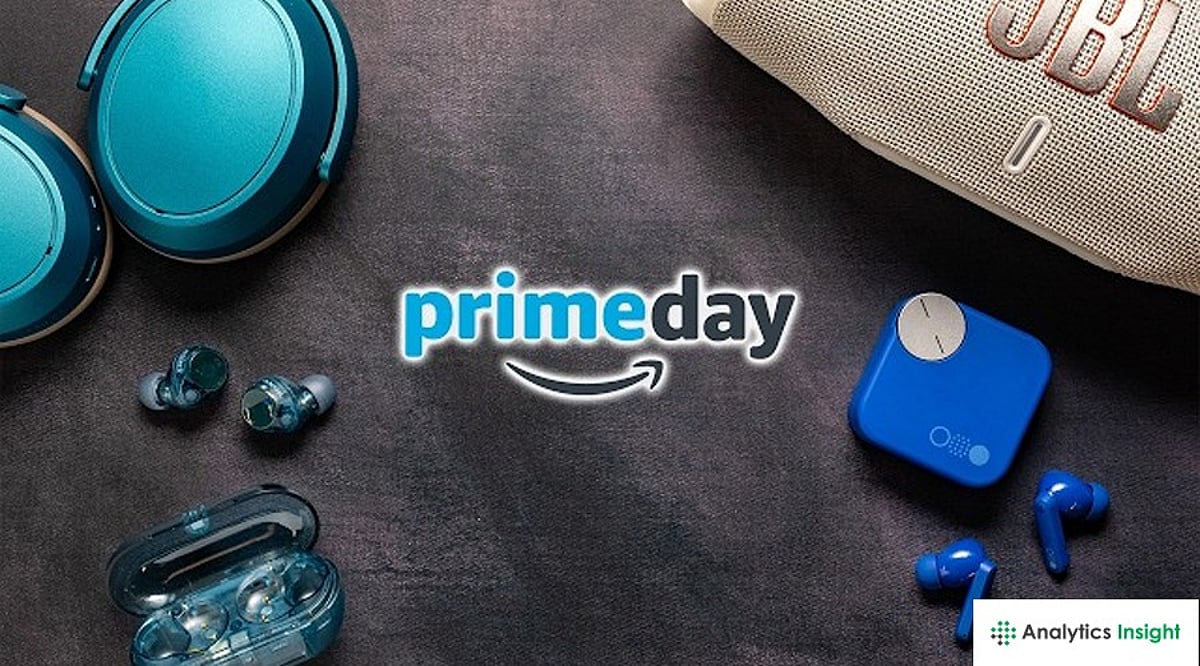
    Shoppers still have a chance to score substantial discounts on premium audio gear before the Amazon Prime Day 2026 sale wraps. From feature-packed wireless earbuds and noise-cancelling headphones to portable Bluetooth speakers, several top-rated products from Sony, JBL and Bose remain available at attractive prices.

    Grab These Best Audio Deals Before Prime Day Ends: Top 6

    Whether you’re upgrading your daily commute, your work setup or your home entertainment, these audio picks still deliver great value with strong features and big discounts:

    Sony WF-C510 Wireless Bluetooth Earbuds

    Sony’s WF-C510 earbuds use 6mm dynamic drivers and DSEE audio enhancement for clear, well-balanced sound. They support Bluetooth 5.3, multipoint connectivity, and an Ambient Sound mode so you can stay aware of your surroundings. The pair has an IPX4 rating and can handle sweat and light splashes. The case extends battery life to about 22 hours with quick-charge support.

    Buy Now!

    JBL Tune Beam 2 TWS ANC Earbuds

    JBL Tune Beam 2 offers 10mm dynamic drivers, adaptive active noise cancellation, and JBL Spatial Sound for a more immersive listening experience. It runs on Bluetooth 5.3, has six microphones for clearer calls, an IP54 rating against dust and water, and a combined battery life of up to 48 hours. This makes it a great option for daily use.

    Buy Now!

    Sony WH-CH520 Wireless Bluetooth Headphones

    Sony’s WH-CH520 brings rich sound from 30mm drivers with DSEE processing. It supports Bluetooth multipoint, hands-free calling and lets you tweak the EQ in the Sony Headphones Connect app. A single charge can last up to 50 hours of playback.

    Buy Now!

    JBL Tune 770NC Wireless Over-Ear Headphones

    JBL Tune 770NC pairs Adaptive Noise Cancellation with JBL Pure Bass for punchy, engaging sound. It includes Bluetooth 5.3, a Smart Ambient mode and multipoint support. Battery life is excellent, up to 70 hours and it also supports fast charging.

    Buy Now!

    Sony ULT Field 1 Wireless Bluetooth Speaker

    Sony ULT Field 1 is a portable speaker with a dedicated ULT button that instantly boosts the bass. It uses Bluetooth 5.3, is rated IP67 for water and dust resistance, supports hands-free calls, and gives around 12 hours of battery life for on-the-go listening.

    Buy Now!

    Bose SoundLink Flex Portable Bluetooth Speaker (2nd Gen)

    Bose SoundLink Flex (2nd Gen) delivers clear, balanced audio with surprisingly deep bass and automatically adjusts sound using PositionIQ. It supports Bluetooth 5.3 and multipoint pairing, has IP67 protection against water and dust, and offers approximately 12 hours of playback per charge.

    Buy Now!

    Final Takeaway

    Audio gear has been one of the standout categories during this Prime Day sale, with big discounts on well-known brands. It has reduced prices by nearly 75% on select earbuds, headphones and speakers. You can stack extra savings with 10% instant bank offers, 5% cashback for eligible cards and no-cost EMI plans.

  • NASA Chief Warns of Moon Race as US Targets 2028 Lunar Landing and China Accelerates

    NASA Chief Warns of Moon Race as US Targets 2028 Lunar Landing and China Accelerates

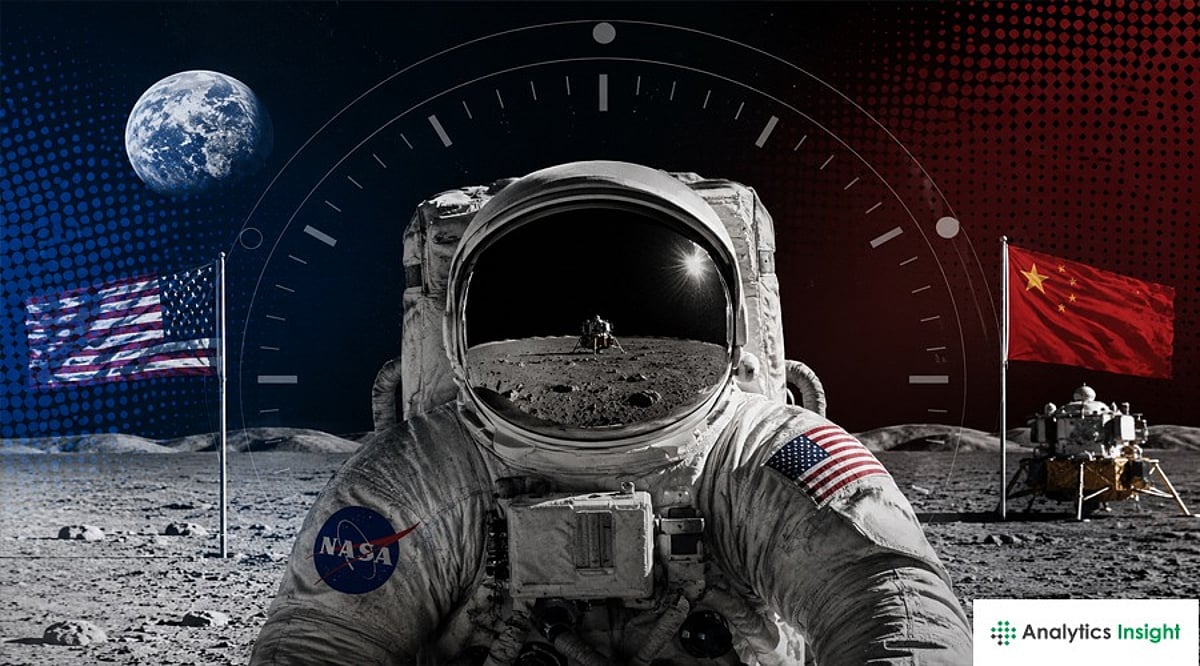
    NASA Administrator Jared Isaacman has stated that the United States is in a renewed Moon race with China, with both nations racing to land astronauts on the lunar surface before the decade ends. The timeline is narrowing, as China aims to land its astronauts by 2030, while the US targets a return through the Artemis program by late 2028. Isaacman emphasized that the gap between the two plans is now measured in months, not years.

    Speaking on CBS’s Face the Nation, Isaacman said Beijing’s lunar ambitions should be taken seriously. China is advancing rapidly in human spaceflight, with a clear goal of putting astronauts on the Moon. “It is not arguably. Like, there—we are very much in a space race right now, and the Chinese are moving at incredible speeds,” Isaacman said. He added, “The Chinese will land their taikonauts on the moon. There’s no question. The question is, will the United States return before them?”

    China has set a target to land astronauts on the lunar surface before 2030. Its space program has progressed steadily through crewed missions to the Tiangong space station, including the recent launch of the Shenzhou 23 spacecraft. Isaacman noted that China could achieve goals that the former Soviet Union did not reach during the original space race, framing the current contest around timing, execution, and the ability to place crews on the lunar surface first.

    The US plans to use NASA’s Artemis program to return astronauts to the Moon. Isaacman said the Trump administration has made lunar exploration a national priority through new funding. “We are going back,” he said. “It will be an unbelievable display.” Artemis III is scheduled for next year to test key systems for the lunar landing mission. According to Isaacman, the US is targeting the end of 2028 for a crewed lunar landing, with Artemis IV also planned for 2028 to support the next phase of lunar operations. “They said before 2030… we’re saying end of 2028 is when we’re targeting the landing. That is months, not years,” Isaacman said.

    Beyond the first return mission, NASA aims to build a sustained human presence on the Moon as a test site for future Mars missions. Isaacman said infrastructure for a lunar base could arrive as early as 2027, and by 2028 astronauts may find equipment already placed on the Moon, including a lunar terrain vehicle and early base systems. “Early 2030s, the moon is going to be like the International Space Station,” he said. “You’re going to have crews that are there on pretty extended periods of time, as we learn in that environment and prepare for Mars.”

    NASA plans to rely on commercial space companies to support future missions. Isaacman said private launch providers have lowered costs and expanded access to space. He also addressed delays linked to Blue Origin’s New Glenn rocket after a recent launch failure, noting that NASA is helping with the investigation while keeping future lunar work on track. “They’re going to solve that,” he said. “NASA’s there to help.”