Author: vitorcherulli

  • 2026’s Best AI Agents for Full-Funnel Ad Campaign Management

    2026’s Best AI Agents for Full-Funnel Ad Campaign Management

    AI agents have evolved from simple chatbots into autonomous marketing assistants that can manage nearly every aspect of modern advertising. In 2026, these tools are revolutionizing ad campaign management by automating end-to-end marketing processes and optimizing campaigns through data-driven insights. From content creation and audience targeting to budget allocation and performance reporting, AI agents help advertisers work more effectively across digital advertising spaces.

    Top AI Agents for Ad Campaign Management

    The following AI agents empower businesses to handle campaign planning, creative production, audience segmentation, A/B testing, and performance monitoring across social media and other channels. By combining generative AI with marketing automation and analytics, they enable marketers to focus on strategy rather than repetitive tasks.

    OpenAI ChatGPT Agent

    ChatGPT by OpenAI serves as a versatile tool for ad campaign management, excelling in audience research, campaign planning, and content generation. Marketers use it to produce ad copy, brainstorm campaign ideas, analyze performance metrics, summarize reports, and integrate business processes.

    Google Gemini for Marketing

    Google Gemini for Marketing integrates with Google Ads to enhance search campaigns and Performance Max projects. It supports keyword research, audience insights, creative suggestions, bid optimization, and campaign analysis. By combining Google Ads with generative AI, Gemini helps marketers boost campaign optimization and respond quickly to shifting customer behavior.

    Salesforce Agentforce

    Salesforce Agentforce merges CRM data with AI advertising, allowing for personalized customer experiences, automated lead nurturing, audience segment identification, and seamless coordination between sales and marketing teams. It improves lead conversion through deep insights into customer interactions.

    Microsoft Copilot for Advertising

    Microsoft Copilot for Advertising simplifies campaign management within Microsoft Advertising and integrates with Microsoft 365 productivity tools. It assists in creating campaigns, analyzing reports, identifying audience trends, and generating advertising recommendations. Automated reporting and workflow support reduce manual effort, letting teams focus on strategy and optimization.

    Adobe Experience Platform Agent

    The Adobe Experience Platform Agent unifies customer data, content creation, and omnichannel marketing into a single AI system. It enables creative asset generation, customer segmentation, real-time personalization, and campaign management. By continuously analyzing customer behavior, it helps companies make their advertisements more relevant.

    HubSpot Breeze AI

    HubSpot Breeze AI enhances marketing automation by integrating CRM functionality with AI-driven campaign management. It automates email marketing, social publishing, lead nurturing, content creation, and campaign analysis within a single platform. Customer insights allow marketers to personalize engagement and assess performance without switching tools.

    Jasper AI Marketing Agent

    Jasper AI Marketing Agent focuses on creating high-quality marketing content while maintaining brand tone. It generates ad creatives, campaign copy, landing page content, email campaigns, and social media posts across different platforms. Collaboration tools let teams edit and approve AI-created content while preserving brand voice.

    How to Choose the Right AI Advertising Agent

    Marketers should evaluate compatibility with platforms such as Google Ads, Meta Ads, LinkedIn, TikTok, and X, as well as CRM and analytics integrations. Pricing, scalability, automation capabilities, reporting quality, and data privacy policies also deserve close attention. Enterprise-level agents can be beneficial for firms with limited advertising budgets. Experienced organizations may prefer user-friendly agents that require no advanced technical background. Ultimately, effective campaigns will always depend on human creativity, ethics, and strategy to maintain authenticity and message relevance.

    Frequently Asked Questions

    1. What is an AI agent in digital advertising? An AI agent is an intelligent software assistant that automates campaign planning, audience targeting, content generation, bid optimization, performance analysis, and reporting, helping marketers execute advertising campaigns more efficiently.
    2. Which AI agent is best for Google Ads campaigns? Google Gemini for Marketing is well-suited for Google Ads, supporting keyword research, Performance Max optimization, campaign recommendations, analytics, and creative suggestions within Google’s ecosystem.
    3. Can AI agents manage campaigns across multiple platforms? Yes. Many AI agents support multi-platform campaign management by integrating with advertising, CRM, analytics, and productivity tools to streamline workflows across several digital marketing channels.
    4. How do AI agents improve campaign performance? They continuously analyze campaign data, recommend optimizations, automate repetitive tasks, personalize customer experiences, improve audience targeting, and generate reports that help marketers make better decisions.
    5. What should businesses consider before adopting an AI agent? Businesses should evaluate platform compatibility, integrations, pricing, scalability, automation features, reporting capabilities, data privacy practices, implementation complexity, and the level of human oversight required.
  • Top 10 Smartphone Manufacturing Countries in 2026: Global Leaders and Emerging Hubs

    Top 10 Smartphone Manufacturing Countries in 2026: Global Leaders and Emerging Hubs

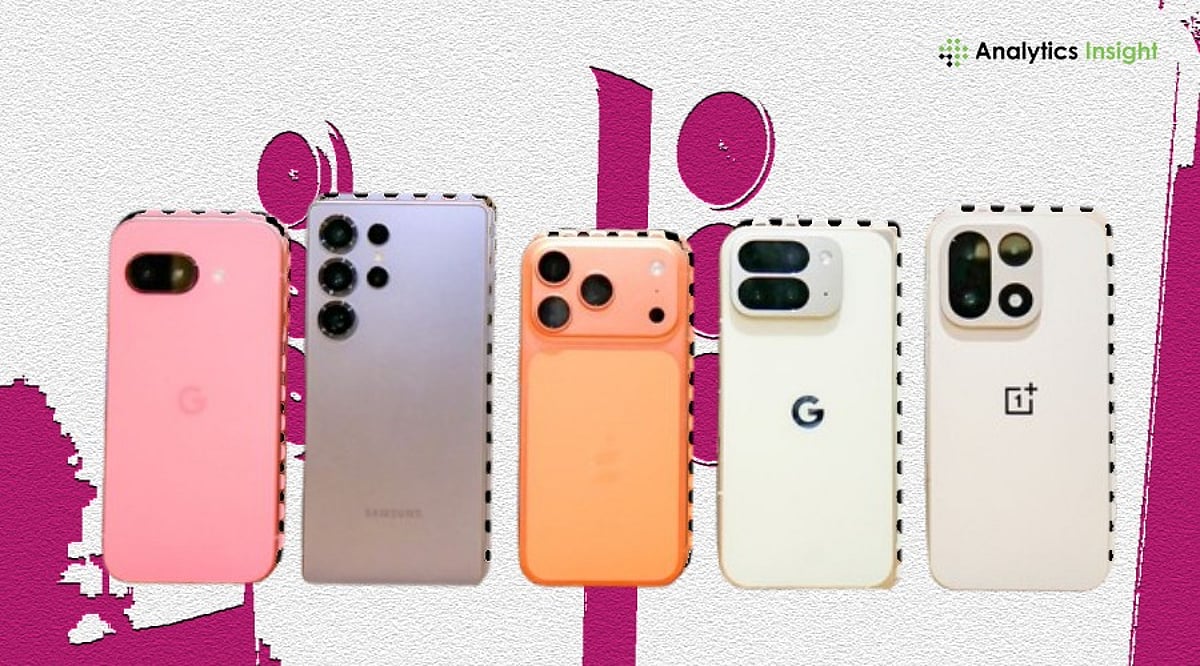
    Smartphones are the most heavily traded electronic products in the world, and their manufacturing base keeps moving. A small group of countries decides where devices get assembled, exported, and priced for buyers everywhere. Tariff disputes, trade restrictions, and chip shortages have pushed major brands to spread production across more than one country.

    The result is a layered manufacturing picture rather than a single dominant center. China still holds unmatched scale, yet India and Vietnam have picked up a growing portion of assembly work in recent years. Knowing which countries lead this industry helps explain pricing shifts, export patterns, and where electronics jobs are likely to land next.

    Smartphone Manufacturing Countries

    Smartphone production depends on three things working together: supply chain depth, labor availability, and government support. Nations that combine these factors well tend to pull in the biggest brands and the highest assembly volumes. The following ten countries currently define global smartphone manufacturing.

    1. China

    China still runs the largest smartphone manufacturing base in the world, built on the deepest component supply chain available. Contract manufacturers such as Foxconn and BYD continue to anchor much of its output. Even with brands spreading production elsewhere, China’s tooling capacity and tight integration between components and assembly keep it ahead.

    2. India

    India has earned recognition as the second largest mobile manufacturing country, helped along by the Production Linked Incentive scheme. Apple is moving a large portion of its US-bound iPhone assembly into India this year. Samsung, Xiaomi, and Vivo have also scaled up local production by a wide margin.

    3. Vietnam

    Vietnam hosts major Samsung and Google Pixel assembly lines, with Samsung’s plants alone producing close to 120 million units a year. Favorable trade agreements and lower labor costs have made it a natural alternative to Chinese factories. Google’s Pixel devices continue to depend heavily on Vietnamese assembly capacity.

    4. South Korea

    South Korea concentrates on premium flagship devices and advanced component manufacturing rather than mass assembly. Samsung’s Giheung, Hwaseong, and Pyeongtaek sites handle chip production feeding smart mobile platforms globally. Domestic smartphone assembly stays limited and mostly reserved for high-end models like the Galaxy S and Z Fold series.

    5. Brazil

    Brazil functions as a significant regional manufacturing hub, with Samsung running a facility employing more than six thousand workers there. Local assembly helps brands sidestep steep import taxes across Latin America. Brazil’s importance lies more in regional pricing strategy than in global export volume.

    6. Indonesia

    Indonesia has built up smartphone assembly capacity mainly to serve its own large domestic market. Samsung’s local plant produces roughly eight hundred thousand units each year for regional buyers. Rules requiring local content have pushed several brands toward establishing assembly rather than relying purely on imports.

    7. Mexico

    Mexico has grown into a useful assembly hub feeding the North American market directly and quickly. Its proximity to the United States cuts shipping time and reduces certain tariff exposures for manufacturers. Its role keeps expanding as companies work to avoid depending on any single production country.

    8. Pakistan

    Pakistan recorded local mobile phone production above thirty million units in 2025, according to official disclosures. Rising domestic demand paired with supportive government policy has driven this growth steadily. Pakistan remains a smaller player, but its inclusion on this list now reflects real assembly activity.

    9. United States

    The United States plays its strongest role in smartphone design, research, and chip development rather than large-scale assembly. Apple and Google control major global brands while outsourcing physical production to overseas partners. Investment in domestic semiconductor capacity continues to grow, though gradually and unevenly.

    10. Japan

    Japan specializes in high-precision components, sensors, and camera modules supplied to smartphone brands around the world. Domestic assembly of finished devices stays limited, with the country’s real strength concentrated upstream. Its component expertise quietly supports manufacturing operations across most other countries on this list.

    Which Country Manufactures the Most Smartphones?

    China continues to manufacture more smartphones than any other country, backed by a supplier base no rival can currently match. India follows closely as the fastest-growing production hub, aided by steady policy support and rising brand investment. Vietnam sits third, anchored by large-scale Samsung and Google assembly operations running at full capacity.

    Which Country is the Largest Smartphone Exporter?

    China remains the largest smartphone exporter, accounting for close to half of the global export value on its own. Vietnam and India follow behind, each contributing a meaningful share to Asia’s dominant export position worldwide. Asia overall supplies close to 79% of all smartphones exported globally by value.

    Final Words

    Smartphone manufacturing in 2026 reflects an industry trying to balance raw scale with strategic diversification at the same time. China holds its position as the clear manufacturing leader, yet brands are actively spreading production across India, Vietnam, and several smaller hubs. The shift is not about walking away from China but about reducing reliance on any one country.

    For businesses and policymakers, this manufacturing map carries weight well beyond simple rankings on a page. It shapes retail pricing, delivery timelines, tariff exposure, and where the next wave of electronics investment will land. As chip shortages and trade policies keep shifting, these ten countries will likely decide the next chapter of smartphone production worldwide.

  • 10 Undiscovered AI Businesses Poised to Transform Industries in 2026

    10 Undiscovered AI Businesses Poised to Transform Industries in 2026

    Artificial intelligence is moving far beyond chatbots and image generators. While industry heavyweights like OpenAI, Google, Microsoft, and Anthropic continue to dominate the conversation, a new crop of AI startups is quietly building technologies that could reshape industries over the next decade.

    From accelerating drug discovery and transforming legal services to simplifying software development and improving enterprise productivity, these companies are tackling highly specialized problems with AI-first solutions. Although these companies have yet to enter the mainstream, their rapid innovation, expanding customer base, and growing investor confidence position them as potential leaders of the next AI wave.

    Emerging AI Startups Quietly Reshaping Industries Across the Global Economy

    Here are 10 AI businesses that deserve far more attention:

    Exonic

    Healthcare innovation can take years of costly research work, but Exonic is trying to change that. They use AI to study biological data, make predictions about protein interactions, and find drug candidates in the early stages of their research. This way, Exonic helps to make advanced biotechnological technologies available even for research organizations and young biotech companies.

    Spring Health

    Mental healthcare is now being influenced by an increasing amount of data, and Spring Health is driving this change. With its AI-based solution, it analyzes patient data to make recommendations for personalized mental treatment solutions. It also connects patients with the best-suited therapists and delivers effective, efficient outcomes for employers and healthcare organizations that provide such services.

    EvenUp

    Legal professionals spend countless hours reviewing medical records, calculating damages, and preparing case documentation. EvenUp streamlines these repetitive processes through generative AI, enabling law firms to prepare personal injury claims more efficiently. By automating administrative work without compromising accuracy, the platform allows lawyers to devote more time to legal strategy and client advocacy.

    Baseten

    Building an AI model is just the first step, but actually deploying that model is still one of the biggest challenges in the field. Baseten offers the services companies require to deploy, manage, and scale machine learning models for enterprise usage. By providing this platform, Baseten removes much of the operational complexities involved in deploying AI technology.

    Hebbia

    Organizations have been creating massive amounts of data that have made the task of gaining insights from them more challenging. This is because Hebbia provides an AI-powered research assistant that can be used to analyze multiple files at once. Whether it’s a legal agreement, financial statement, or research paper, Hebbia will provide context-based answers within minutes.

    Harvey

    Artificial intelligence is increasingly becoming an integral part of the legal field, and one of its leading innovators is Harvey. The platform has been designed to benefit lawyers, who can use it for legal research, contract drafting, compliance reviews, and document analysis. Rather than making lawyers’ work redundant, it saves them time on mundane tasks.

    Cognition AI

    Cognition AI became known internationally when it launched Devin, an independent AI software engineer capable of writing, testing, debugging, and optimizing code. This illustrates how AI can help with software development in ways beyond providing code recommendations. As businesses continue adopting AI in software development, Cognition AI is playing an instrumental role in redefining the future of software engineering.

    Lovable

    Software development is increasingly user-friendly for people without technical expertise, and Lovable is leading this trend. Using the platform, users can develop software just by writing down what they need in plain English. By simplifying software development processes by removing the need for coding skills, Lovable is speeding up product development for entrepreneurs and startups.

    Replit

    Replit has evolved from an online code editor into a full-fledged AI-powered software development environment. Users can code, test, deploy, and work together on their applications using just their browser while enjoying the benefits of AI coding assistants at every step of the process.

    Poolside

    The development of enterprise software goes beyond mere code generation and requires considerations such as security, privacy, and reliability. Poolside focuses on AI models designed specifically for organizations developing mission-critical applications. By emphasizing security and enterprise-level performance, Poolside is tackling one of the major challenges with using AI in corporate software engineering.

    Why These AI Businesses Matter

    The next phase of artificial intelligence will not be defined solely by general-purpose chatbots. Increasingly, innovation is coming from specialized companies building AI solutions for healthcare, legal services, biotechnology, software engineering, and enterprise operations. Although they are not yet widely known beyond tech communities, these firms are addressing industry challenges through real-world solutions that have commercial potential. With ongoing investment in AI transformation by organizations, many of these startup firms will likely play significant roles in the global technology landscape. Keeping an eye on these companies today may offer an early glimpse into the future of artificial intelligence.

  • Top Cybersecurity Threats CEOs Must Address in 2026: AI Fraud, Ransomware & Supply Chain Risks

    Top Cybersecurity Threats CEOs Must Address in 2026: AI Fraud, Ransomware & Supply Chain Risks

    Cybersecurity has become a strategic business priority rather than solely an IT concern. As cyber threats grow more sophisticated, CEOs and business leaders must address risks ranging from ransomware and AI-powered attacks to supply chain vulnerabilities, making proactive security planning essential for protecting operations, reputation, and long-term business resilience.

    The World Economic Forum’s Global Cybersecurity Outlook 2026 surveyed more than 100 CEOs alongside their CISOs and found something that doesn’t show up in most threat briefings: the two groups have stopped agreeing on what the biggest risk actually is. That gap isn’t a communication problem. It’s a perspective problem, and understanding why the views diverged is more useful than any threat list by itself.

    Why Fraud Became CEOs’ Number One Concern

    The answer is visibility. Ransomware hits operations and gets escalated internally. Fraud hits individuals first: 73% of leaders surveyed said someone in their personal or professional network was directly affected by cyber-enabled fraud in 2025, according to the WEF report. Phishing, vishing, smishing, and deepfake impersonations of senior executives aren’t abstract statistics for this group anymore. They’ve watched them happen to people they know.

    AI has changed the economics of fraud attacks in ways that still aren’t fully priced into most organisations’ defences. Vistage research from February 2026 is blunt about this: AI lets attackers produce high-quality phishing at industrial scale, scanning networks for vulnerabilities, generating personalised impersonations of executives, deploying deepfake audio and video, all at speed that human security teams can’t match manually. The click of a button that once took a specialist now takes anyone with API access to the right model.

    What CISOs Are Still Losing Sleep Over

    Ransomware remaining CISOs’ top concern in 2026 isn’t stubbornness; it’s operational reality. IBM’s X-Force Threat Intelligence Index 2026 shows supply chain incidents have quadrupled over five years, and public-facing application exploitation jumped 44% year over year. These aren’t fraud attempts against individuals. They’re systematic attacks on infrastructure, and they tend to stop operations entirely rather than costing money quietly.

    The emerging threat CISOs are actually most worried about operationally isn’t on most CEO radar yet: non-human identity exposure. Service accounts, API keys, CI/CD pipeline credentials, and AI agents accumulating access privileges faster than governance can track them. IBM X-Force found more than 300,000 ChatGPT credentials listed for sale on the dark web in 2025 alone. When an AI agent is compromised, it isn’t a phishing email someone clicks: it’s a trusted system that already has access to everything it was given.

    According to the Cybersecurity Tribe Expert Panel report of April 2026, the biggest threat in 2026 is distraction. With news cycles moving fast, leaders chase the ‘threat of the month’ and lose sight of the fundamentals that determine resilience. Most breaches still stem from familiar weaknesses: identity gaps, poor hygiene, misconfigurations.

    The Resilience Gap That Explains Everything

    WEF’s data reveals a pattern that cuts across every specific risk on the list. CEOs of highly resilient organizations worry about external ecosystem risks: supply chains, third parties, AI vulnerabilities. CEOs of insufficiently resilient organisations worry about funding and skills shortages. The thing separating these two groups isn’t which threats exist; it’s whether the internal foundation is solid enough to even see the external threats clearly.

    Only 26% of AI users in Microsoft’s Work Trend Index say their leadership is clearly aligned on AI security strategy, a figure that has barely moved over the past two years. Meanwhile, 87% of business leaders now identify AI-related vulnerabilities as the fastest-growing cyber risk, and 53% say they’re unprepared for the attack surfaces AI is opening. Those two numbers in the same room are the definition of a gap that needs closing before the threat briefing starts making sense.

    The cybersecurity fundamentals haven’t changed. Identity management, patching, multi-factor authentication, third-party governance. What has changed is the speed at which everything around those fundamentals is moving.

    Why This Matters

    Cybersecurity is no longer just an IT responsibility; it is a critical business issue that affects operations, financial performance, reputation, and customer trust. As AI accelerates both cyberattacks and defense capabilities, business leaders must align security strategies with organizational goals, strengthen governance, and prepare for increasingly sophisticated threats. Understanding today’s cyber risk landscape enables executives to make informed decisions that improve resilience and reduce the potential impact of future attacks.

  • XRP Network Activity Surges 70% as Investors Accumulate During Price Dip

    XRP Network Activity Surges 70% as Investors Accumulate During Price Dip

    XRP is showing fresh signs of strength even as its market price remains under pressure. Recent blockchain data reveals a sharp increase in network activity over the past few weeks, suggesting sustained investor confidence and continued accumulation at lower price levels.

    Daily Active Addresses Jump More Than 70%

    On-chain data shows active wallet addresses surged by over 70% in a short period, rising from approximately 23,000 to nearly 39,500 active addresses by the end of June. This increase indicates higher use of the network for transfers, payments, and other blockchain activity, signaling healthy demand despite falling prices.

    Transaction Volume Continues to Rise

    Daily transactions on the XRP Ledger now stand close to 2.7 million, building on earlier growth reported by Messari, which showed a 35.3% quarter-over-quarter increase in Q1 2026. High transaction volume reflects strong network demand, even as XRP price struggles.

    Investors Start Buying During Market Dip

    The price drop has created buying opportunities for traders. Market data shows strong dip-buying behavior, with investors purchasing tokens during weakness. Meanwhile, open interest in XRP derivatives has dropped sharply, reducing leveraged positions and creating a healthier market structure with lower liquidation risks.

    Ripple Ecosystem Expands Through RLUSD Growth

    Ripple’s stablecoin RLUSD has reached a market capitalization of around $340 million, boosting overall activity within the XRP Ledger ecosystem. Additionally, tokenized real-world assets on the network have surpassed $461 million in total value, indicating rising institutional interest.

    Whale Activity Creates Mixed Market Signals

    Despite strong network data, some analysts note mixed signals from large XRP holders. Active addresses rose roughly 36% over two weeks, but some whales moved substantial tokens to exchanges, suggesting possible selling activity. Analysts remain cautious even as network numbers improve.

    Market Confidence Remains Strong

    The divergence between XRP price and blockchain activity is unusual. While price hovers near the $1 support level, network usage continues to rise across wallet activity, transaction volumes, and ecosystem growth. This decoupling suggests institutional network utility is distancing from speculative market panic.

    XRP Could Prepare for Bigger Move Ahead

    Many analysts believe XRP may be gearing up for a major move. A break above the $1.10 resistance zone could trigger fresh bullish momentum. Key signals include 70%+ growth in active addresses, 2.7 million daily transactions, $340 million RLUSD market cap, and over $461 million in tokenized assets.

    FAQs

    Why has XRP network activity increased recently?

    Network activity surged as investors and institutions accumulate tokens at lower prices, utilizing the XRP Ledger for cross-border transactions and decentralized infrastructure despite the price slump.

    How much did XRP active addresses grow?

    Daily active addresses skyrocketed by over 70%, expanding from about 23,000 to nearly 39,500 wallets.

    How many transactions does the XRP Ledger process daily?

    The network sustains approximately 2.7 million transactions per day, building on 35.3% quarter-over-quarter growth reported by Messari.

    What is RLUSD and why is it important?

    RLUSD is Ripple’s native dollar-pegged stablecoin with a $340 million market cap, driving utility and liquidity into the XRP Ledger ecosystem.

    Can the XRP price recover soon?

    While whale transfers to exchanges warrant caution, the divergence between soaring on-chain usage and depressed prices suggests a strong accumulation floor. Breaking past $1.10 resistance could ignite an aggressive recovery.

    Disclaimer: This article is for informational purposes only and does not constitute investment advice. Cryptocurrencies are highly volatile and may result in loss of capital. Always conduct your own research before investing.

  • Global Smartphone Sales in 2026: Apple and Samsung Dominate the Top 10

    Global Smartphone Sales in 2026: Apple and Samsung Dominate the Top 10

    The world’s best-selling smartphones reflect shifting consumer demand and market trends, revealing which devices are winning across different price segments. Based on the latest 2026 global sales data from Counterpoint Research, here are the top 10 smartphones leading worldwide sales in Q1 2026.

    Overview

    Apple swept the top three spots by closing the gap between its base and Pro iPhones, while Samsung won on breadth, placing five Galaxy A models across every price point to cover buyers Apple doesn’t reach. The top 10 phones made up 25% of global smartphone sales in Q1 2026, the highest first-quarter share on record, showing the market is consolidating around fewer winning models.

    “Best-selling” reflects price, timing, and availability more than raw specs, as shown by the Galaxy S26 Ultra, a genuinely improved flagship that still missed the top 10 simply because it launched too late in the quarter.

    Global smartphone shipments had a difficult first quarter, falling 6% year over year as memory chip shortages disrupted the industry. However, one company managed to defy the slowdown. According to Counterpoint Research’s Q1 2026 report, Apple claimed the top spot for the first time ever in a first quarter, capturing a 21% market share while most rivals saw shipments decline.

    How the Top 10 Best-Selling Smartphones in 2026 Were Ranked

    Counterpoint Research tracks global handset sales every quarter. This list covers Q1 2026, from January through March. It’s not a full-year ranking—it’s a snapshot of the most recent three months. Best-selling doesn’t necessarily mean best; a smartphone can top the sales charts because of its price, launch timing, availability, or marketing strategy, not because it is the most advanced or feature-packed device.

    Top 10 Best-Selling Smartphones in the World So Far in 2026

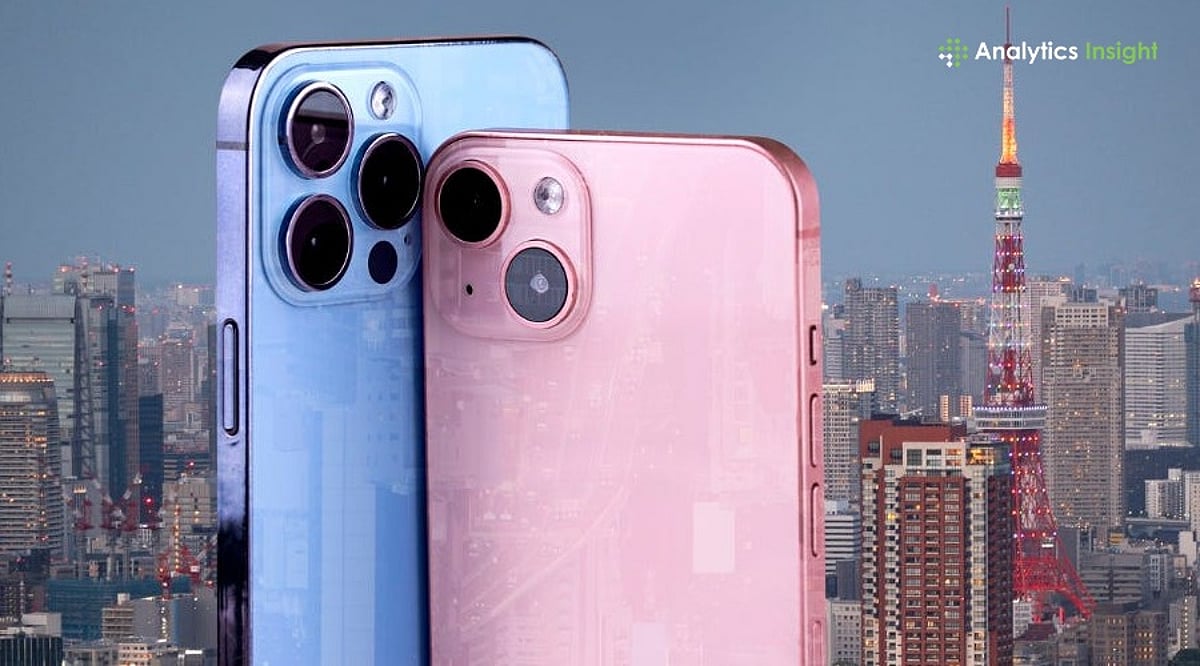
    1. Apple iPhone 17: The clear winner, with 6% of all global phone sales on its own. It picked up buyers who once paid extra for a Pro model, since this year’s base iPhone came close enough in features to feel like the smarter buy.
    2. Apple iPhone 17 Pro Max: Apple’s top-tier flagship, close behind in second place. It held on to buyers who still want the biggest screen, the best camera setup, and the longest battery life.
    3. Apple iPhone 17 Pro: Rounds out a full sweep of the top three spots for Apple. It sits between the standard and Max models, appealing to buyers who want Pro features without the largest, priciest size.
    4. Samsung Galaxy A07 4G: A budget-friendly seller, strong in developing markets where many buyers are picking up their first smartphone or replacing an aging device on a tight budget.
    5. Samsung Galaxy A17 5G: An affordable phone with 5G, popular with buyers upgrading their network speed for the first time without paying flagship prices.
    6. Apple iPhone 16: Last year’s model, still selling well to buyers who want the Apple ecosystem at a lower price now that a newer generation has taken over the spotlight.
    7. Samsung Galaxy A56: Positioned in the upper mid-range, it attracted buyers looking for premium-feeling features, such as a sharp display and a solid camera, without paying flagship prices.
    8. Samsung Galaxy A36: Another solid mid-range performer for Samsung, popular with buyers who want dependable everyday performance over flashy extras.
    9. Samsung Galaxy A17 4G: A lower-cost version of the A17, built for value shoppers who want a modern phone without the cost of 5G hardware they may not need yet.
    10. Xiaomi Redmi A5: The cheapest phone on the list and the only non-Apple, non-Samsung entry. It serves buyers for whom price is the deciding factor above everything else.

    Together, these 10 phones accounted for 25% of all phones sold worldwide in Q1 2026—the highest share any top 10 list has hit in a first quarter, ever. The market is narrowing around fewer winners.

    Why Apple Dominated the Top 3

    The interesting part isn’t just that Apple won, but how the brand took the lead. In past years, the Pro models usually outsold the base iPhone. However, this year the standard iPhone 17 received upgrades once reserved for the Pro line, such as more storage, a better camera, and a smoother screen. This made the cheaper model good enough for most buyers, increasing its sales over the more expensive Pro versions. Apple didn’t just make a better phone—it closed the gap between its cheap and expensive models, and buyers noticed.

    Why Samsung Led Android Smartphone Sales

    Samsung didn’t have a single phone in the top three, but it placed five phones in the top 10, more than any other brand. Samsung’s real strategy is not to chase the top spot with a single flagship, but to cover every price point. The Galaxy A series spans several price brackets and regions, letting Samsung reach first-time smartphone buyers, value-conscious shoppers, and people upgrading from an older device. This approach matters even more now: a global shortage of memory chips is pushing up costs for budget phone makers, and Samsung’s spread-out lineup helps it absorb the pressure better than smaller competitors can.

    Why the Samsung Galaxy S26 Ultra Missed the Top 10

    Samsung’s flagship, the Galaxy S26 Ultra, actually outsold last year’s model, but it still didn’t make the top 10 list. The reason comes down to timing—it hit shelves later in the quarter than Apple’s iPhone 17 lineup, leaving less time to rack up sales. Sometimes launch timing decides if a good phone receives a good ranking.

    What the 2026 Smartphone Sales Rankings Reveal

    The best-selling smartphones in the world tell an interesting story about what people value when buying a new device. These rankings are shaped by more than just the latest technology. Price, timing, brand trust, and availability all impact purchasing decisions. The Q1 2026 results confirm that buyers remain satisfied with brands offering a balance of high-quality experiences and value. Although flagship phones are gaining loyal customers, budget and mid-range phones are the main reason for global smartphone sales.

    Final Thought

    The world’s top-selling smartphones for 2026 reveal that it’s more than just about the latest technology. Apple made its baseline iPhone more attractive to a broader customer base, and Samsung’s product line had a larger impact across multiple price points. In addition to Xiaomi’s ongoing dominance of the budget segment, the rankings show that while innovation plays a role in any product choice, so do value, ecosystem, pricing, and availability. These trends will drive global smartphone sales throughout the year and decide who remains on top of the ever-competitive smartphone market.

  • Solana Spot ETFs Surpass $1.06 Billion as Institutional Demand Surges

    Solana Spot ETFs Surpass $1.06 Billion as Institutional Demand Surges

    Solana spot exchange-traded funds (ETFs) have reached a significant milestone, surpassing $1.06 billion in total assets under management. This surge is fueled by growing institutional interest, strong blockchain adoption, increased futures market activity, and support from major traditional financial institutions.

    Key Takeaways

    • Solana spot ETF assets now exceed $1.06 billion, reflecting robust investor demand.
    • Bitwise BSOL ETF leads the market with nearly $861 million in inflows, representing roughly 81% of the total market.
    • Institutional capital is rotating from Bitcoin ETFs toward Solana amid significant outflows from the former.

    Bitwise Dominates the Solana ETF Landscape

    Among the available Solana ETF products, Bitwise’s BSOL ETF stands out as the top performer. With nearly $861 million in total inflows, it commands about 81% of the entire Solana ETF market. This dominance underscores institutional preference for established fund managers when entering new crypto investment sectors and has bolstered overall confidence in the Solana ETF ecosystem.

    Institutional Capital Rotation From Bitcoin to Solana

    Recent data reveals a clear shift in institutional allocation within the cryptocurrency market. While U.S. spot Bitcoin ETFs experienced over $2.9 billion in outflows during a 10-day period in late May, Solana-based products attracted fresh capital. This divergence signals that institutional investors are diversifying beyond Bitcoin, drawn to Solana’s faster blockchain network, lower transaction costs, and expanding real-world use cases.

    Solana’s Price Action Reinforces Investor Confidence

    The positive ETF momentum aligns with Solana’s recent market performance. SOL has returned to the $73–$76 price range, posting a weekly gain of about 6.7%. In contrast, both Bitcoin and Ethereum showed weaker performance over the same period. Solana’s total market capitalization has now climbed above $42.7 billion, solidifying its position among the top digital assets globally.

    Network Activity and Real-World Utility Drive Adoption

    Rising institutional demand is strongly linked to Solana’s expanding blockchain ecosystem. Recent data shows the network handled nearly $1.36 billion in tokenized stock trading volume within a single week, representing about 96% of all blockchain-based equity trading activity across major networks. This surge in real-world asset tokenization highlights Solana’s practical utility beyond speculative trading, making it attractive to large institutions.

    Futures Market Signals Growing Confidence

    Investor confidence is also evident in Solana’s derivatives market. Open interest in Solana futures contracts has climbed to nearly $6.4 billion, a 29% increase over just a few weeks. Higher open interest typically indicates stronger participation from professional traders and institutions, foreshadowing potential larger price movements ahead.

    Traditional Finance Firms Embrace Solana

    Major financial institutions are building products around Solana. Reports indicate that Morgan Stanley is advancing plans for a Solana ETF that includes staking rewards. Additionally, several prominent custody providers now support Solana-based assets, reducing operational risk for institutional entrants and further legitimizing the asset.

    Why This Matters

    Solana’s $1.06 billion ETF milestone confirms a major institutional rotation. While Bitcoin faces multi-billion-dollar outflows, Wall Street is aggressively shifting capital toward Solana, drawn by its unmatched transaction speeds and dominance in tokenized stock trading. The broader crypto ETF market now shows a clear trend: investors increasingly favor blockchain networks with strong technology, fast execution, and real-world use cases.

    Analysts are watching $95 as the next major resistance level, with bullish forecasts targeting $120 if ETF inflows continue at the current pace. This milestone represents more than a number—it confirms Solana’s emergence as a cornerstone asset for institutional portfolios in the digital finance era.

    Frequently Asked Questions

    What does Solana spot ETFs crossing $1.06 billion mean?

    It signifies that regulated spot investment funds tied directly to Solana’s native token (SOL) now manage over $1.06 billion in total assets, marking deep institutional adoption.

    Which Solana ETF currently dominates the market?

    Bitwise’s BSOL ETF is the overwhelming leader, capturing nearly $861 million in capital inflows—roughly 81% of the entire Solana ETF market.

    Why are institutional investors aggressively rotating into Solana?

    Institutions are targeting Solana due to its superior blockchain infrastructure, low transaction costs, and dominant real-world utility, highlighted by $1.36 billion in tokenized stock trading in one week (96% of the blockchain equity market).

    How has Solana’s price reacted to this milestone?

    Solana outperformed peers with a 6.7% weekly gain, reaching the $73–$76 range, and its market cap exceeded $42.7 billion despite a broader market slowdown affecting Bitcoin and Ethereum.

    What future price levels and products are analysts tracking?

    Traders are watching $95 as immediate resistance, with bullish inflows potentially targeting $120. Structurally, firms like Morgan Stanley are advancing Solana ETF products with staking rewards.

  • Top Smart Wellness Gadgets for Better Sleep, Focus, and Inner Peace

    Top Smart Wellness Gadgets for Better Sleep, Focus, and Inner Peace

    Smart wellness devices are transforming how we approach sleep, focus, and relaxation. From rings that track recovery to headbands that guide meditation, these innovative tools help you take control of your well-being. Below, we explore the best smart wellness devices available today.

    Oura Ring Gen4

    The Oura Ring Gen4 tracks sleep quality, recovery, readiness, heart rate, and stress levels using advanced sensors inside a lightweight smart ring. It’s a discreet and powerful tool for monitoring your overall health.

    Muse Headband

    The Muse Headband uses EEG sensors to monitor brain activity, helping users practice meditation and improve concentration through real-time audio feedback sessions. It’s ideal for those looking to sharpen their focus.

    Apollo Neuro

    Apollo Neuro delivers gentle vibration therapy designed to reduce stress, improve relaxation, boost focus, and promote better sleep throughout daily routines. It’s a wearable that works with your body’s natural rhythms.

    Hatch Restore 3

    Hatch Restore 3 combines sunrise alarms, sleep sounds, guided routines, and ambient lighting to create healthier bedtime and morning experiences daily. It’s perfect for building consistent sleep habits.

    Therabody SmartGoggles

    Therabody SmartGoggles relieves eye strain, headaches, and stress using vibration, massage, and heat therapy while encouraging deeper relaxation before bedtime consistently. It’s a soothing addition to any evening routine.

    Loop Dream Earplugs

    Loop Dream Earplugs reduce unwanted nighttime noise comfortably, helping users experience uninterrupted sleep without completely blocking essential surrounding environmental sounds nearby. They’re designed for peaceful rest.

    Dodow Sleep Aid

    The Dodow Sleep Aid projects rhythmic breathing light patterns encouraging slower breathing, relaxation, and naturally faster sleep without medication or complicated wearable technology. It’s simple yet effective.

    Sensate Relaxation Device

    The Sensate Relaxation Device uses sound vibrations placed on the chest to stimulate relaxation, helping reduce anxiety and encourage calmer breathing exercises regularly. It’s a unique approach to stress relief.

    Philips SmartSleep Wake-Up Light

    The Philips SmartSleep Wake-Up Light simulates natural sunrise and sunset lighting patterns, supporting healthier sleep cycles and more refreshing morning wake-up experiences consistently. It’s a classic choice for better sleep hygiene.

    These smart wellness devices offer a range of solutions for improving sleep, focus, and inner peace. Whether you prefer wearables or standalone gadgets, there’s an option to suit your lifestyle.

  • Top Multi-Port Car Chargers to Buy in 2026 for Fast and Reliable On-the-Go Power

    Top Multi-Port Car Chargers to Buy in 2026 for Fast and Reliable On-the-Go Power

    Best Multi-Port Car Chargers to Buy in 2026

    Keeping your devices powered while driving is easier than ever with these top multi-port car chargers. Designed for families, professionals, and road-trippers, these options deliver fast charging, safety, and convenience. Here are our picks for 2026.

    Anker 535 Car Charger

    Features dual USB-C ports with fast charging support, delivering reliable power for smartphones, tablets, and other compatible devices simultaneously.

    UGREEN Nexode Car Charger

    Supports high-speed USB-C charging with multiple ports, making it ideal for families and professionals traveling with several gadgets daily.

    Baseus 160W Car Charger

    Offers powerful multi-device charging using USB-C and USB-A ports, supporting laptops, smartphones, and gaming devices with ease consistently.

    Belkin BoostCharge Car Charger

    Provides dependable fast charging, premium safety features, and dual-port convenience for modern smartphones and tablets during road trips.

    Spigen ArcStation Car Charger

    Compact design with USB-C Power Delivery support ensuring efficient charging speeds while minimizing dashboard clutter and cable management issues.

    ESR HaloLock Car Charger

    Combines magnetic wireless charging and USB-C connectivity, making navigation and charging more convenient for compatible smartphone users daily.

    JOOMFEEN Multi-Port Charger

    Includes multiple USB ports for passengers, delivering dependable charging performance during long-distance travel without sacrificing charging speed significantly.

    Amazon Basics Car Charger

    Affordable dual-port charger providing reliable charging performance for essential devices while maintaining compact size and durable construction for daily use.

    Scosche PowerVolt PD Car Charger

    Supports USB-C Power Delivery and Quick Charge technologies, enabling efficient charging for multiple compatible devices while driving comfortably together.

    Stay powered wherever the road takes you with these top-tier multi-port car chargers, perfect for 2026 and beyond.

  • Key Factors Behind the Recent Decline in Gold Prices

    Key Factors Behind the Recent Decline in Gold Prices

    The price of gold has recently experienced a notable decline, driven by a combination of macroeconomic and market-specific factors. Understanding these forces can help investors navigate the shifting landscape of precious metals.

    Stronger US Dollar

    A stronger dollar makes gold more expensive for international buyers, reducing global demand and putting downward pressure on prices. When the dollar strengthens, gold becomes less affordable in other currencies, leading to decreased purchases and lower valuations.

    Rising Bond Yields

    Higher government bond yields increase returns from fixed-income investments, encouraging investors to shift capital away from non-yielding assets like gold. As yields rise, the opportunity cost of holding gold increases, making bonds more attractive.

    Interest Rate Expectations

    Expectations of prolonged higher interest rates reduce gold’s appeal because investors seek assets that generate stronger income and returns elsewhere. Central banks maintaining a hawkish stance further diminish gold’s attractiveness compared to yield-bearing instruments.

    Profit Booking

    After significant price rallies, investors often sell gold to lock in profits, triggering temporary price corrections. This profit-taking behavior is common even when long-term fundamentals remain bullish, creating short-term volatility.

    Reduced Safe-Haven Demand

    Improved global economic confidence lowers demand for traditional safe-haven assets like gold. During periods of reduced market uncertainty, investors feel less need to hold defensive positions, reducing purchases of precious metals.

    Central Bank Policies

    Hawkish monetary policies influence investor expectations, strengthening currencies and reducing demand for gold as a defensive investment. Central banks raising interest rates or signaling tighter policy can further dampen gold’s appeal.

    Inflation Moderation

    Slowing inflation reduces the urgency for inflation-hedging assets. As price pressures ease, some investors gradually decrease gold holdings in diversified portfolios, preferring other asset classes.

    Equity Market Strength

    Strong stock market performance encourages investors to allocate capital toward higher-growth opportunities rather than defensive precious metals. When equities rally, gold often loses its relative attractiveness.

    Global Economic Signals

    Positive employment, manufacturing, and economic growth data improve investor confidence, reducing the need for gold as a safe haven during favorable market conditions. Strong economic indicators can lead to sustained selling pressure on gold.

    These factors collectively contribute to the current decline in gold prices, highlighting the complex interplay between monetary policy, investor sentiment, and global economic trends.