Author: vitorcherulli

  • Dubai Launches ‘Dubai Business’ Media Platform to Attract Global Investors with Data-Driven Journalism

    Dubai Launches ‘Dubai Business’ Media Platform to Attract Global Investors with Data-Driven Journalism

    Dubai has unveiled a new media platform, ‘Dubai Business’, designed to strengthen economic journalism and present the emirate’s growth story to a global audience. The initiative aligns with Dubai’s broader vision of creating a modern media ecosystem that supports its ambitions as a leading international business and investment destination.

    The platform was approved during a meeting of the Dubai Media Council, chaired by Sheikh Ahmed bin Mohammed bin Rashid Al Maktoum, Second Deputy Ruler of Dubai and Chairman of the council.

    A Dedicated Platform for Business Reporting

    In a post on X, Sheikh Ahmed said: “We approved the launch of Dubai Business, a new media platform under Dubai Media Incorporated. The platform reflects Dubai’s ambitions and global leadership, delivering a new approach to business media that tells the story of the city’s economy through data, achievements, and opportunities.”

    Dubai Business aims to showcase the economic success story of the emirate, its major investments, and strategic initiatives. It will highlight the development journey of the city as it transforms into an international business center, and discuss policies and initiatives affecting international and regional markets.

    Additionally, the platform will cover news about entrepreneurs, startups, investors, and businesses that play a key role in Dubai’s economic development. Officials further explained that the platform will deliver in-depth reporting backed by reliable data and market insights. The initiative aims to improve the quality of economic journalism and offer readers a clearer understanding of Dubai’s evolving business landscape.

    Strengthening Economic Journalism

    The launch follows the city’s strategic economic plan, which emphasizes innovation, technology, sustainability, and global investments. Specialized media reports will enable Dubai to foster transparency while ensuring that people understand the emirate’s economy.

    The launch of Dubai Business demonstrates the growing importance of specialized media as a tool for promoting economic development. As competition among global financial centers intensifies, countries are increasingly turning to platforms that allow them to report their policy reforms and market performance more effectively.

    Based on credible, data-driven reports, Dubai Business will be an essential resource for anyone interested in the changes happening in one of the world’s fastest-growing economies.

  • Motorola Moto Pad 70 Pro Debuts in India: 144Hz 3.5K Display, Snapdragon 8s Gen 4, and 45W Charging

    Motorola Moto Pad 70 Pro Debuts in India: 144Hz 3.5K Display, Snapdragon 8s Gen 4, and 45W Charging

    Motorola has expanded its tablet lineup with the launch of the Moto Pad 70 Pro in India, a high-end Android slate designed for professionals, students, and content creators. The device combines premium hardware, AI-powered productivity tools, and a bundled accessory ecosystem.

    Stunning Display and Performance

    The Moto Pad 70 Pro features a 13-inch 3.5K LCD display with a 144Hz refresh rate, Dolby Vision support, and 800 nits of peak brightness. Audio is handled by a quad-speaker system tuned by JBL with Dolby Atmos. Under the hood, the tablet is powered by the Snapdragon 8s Gen 4 chipset, ensuring smooth multitasking and app performance.

    AI Features and Accessories

    The tablet ships with the Moto Pen Pro stylus for note-taking, sketching, and precise input. A detachable keyboard is available with select variants, offering a desktop-like experience. Key AI features include:

    • AI Reader
    • AI Notes
    • Smart Capture
    • Sketch to Image
    • AI Live Transcript
    • Gemini by Google
    • Circle to Search

    Smart Connect enables seamless integration with other Motorola smartphones.

    Battery, Cameras, and Pricing

    The Moto Pad 70 Pro packs a 10,200mAh battery with 45W fast charging. It sports a 13MP rear camera and an 8MP front-facing camera for video calls and online classes. Pricing starts at Rs. 36,999 for the 8GB + 128GB variant and Rs. 39,999 for the 8GB + 256GB model. The keyboard kit is priced at Rs. 45,999. ICICI Bank cardholders can avail a limited-time discount of Rs. 4,000. Sales begin July 4 via Flipkart, Motorola India, and leading retail stores.

  • Persistent Systems Acquires Nagarro for $1.3 Billion in Landmark AI-Led Digital Engineering Deal

    Persistent Systems Acquires Nagarro for $1.3 Billion in Landmark AI-Led Digital Engineering Deal

    Persistent Systems has announced its largest-ever acquisition, agreeing to buy Germany-based digital engineering firm Nagarro for $1.3 billion in an all-cash deal. The transaction positions the combined entity as a $2.9 billion AI-led digital engineering powerhouse with a significantly expanded global footprint and enhanced enterprise capabilities.

    The company has offered €81 per share for all outstanding Nagarro shares, representing a premium of approximately 140% over Nagarro’s undisturbed closing price on June 25 and around 94% over its three-month volume-weighted average price.

    Creating a $2.9 Billion Technology Company

    The acquisition will combine Persistent’s strengths in artificial intelligence, cloud computing, and software engineering with Nagarro’s expertise in digital engineering, enterprise resource planning (ERP), and customer experience. The Persistent-Nagarro Group is projected to generate annual revenues exceeding $2.8 billion and employ over 46,000 people across more than 40 countries.

    This deal significantly boosts Persistent’s presence in Europe, where it currently generates only 9% of its revenue. Post-acquisition, the European contribution is expected to rise to 22%.

    Industry experts view the acquisition as a strategic move into AI-driven business transformation. Nagarro brings deep expertise in AI, digital engineering, ERP, cloud computing, and customer experience, with strong relationships in manufacturing, banking, healthcare, telecom, and consumer sectors.

    Regulatory Process Underway

    Persistent has already secured a commitment from Nagarro’s largest shareholder, which holds nearly 21% of the company. To close the deal, Persistent must obtain acceptance from at least 51% of Nagarro’s shareholders and receive regulatory approval from Germany’s BaFin. The transaction is expected to close during the fourth quarter of 2026 or the first quarter of 2027.

    Following completion, Persistent plans to delist Nagarro from the Frankfurt Stock Exchange. Together, the combined companies will serve more than 350 enterprise clients and address a total addressable market exceeding $1.4 trillion.

  • SpaceX to Join NASDAQ 100 on July 7 Following New Index Entry Rules for Large IPOs

    SpaceX to Join NASDAQ 100 on July 7 Following New Index Entry Rules for Large IPOs

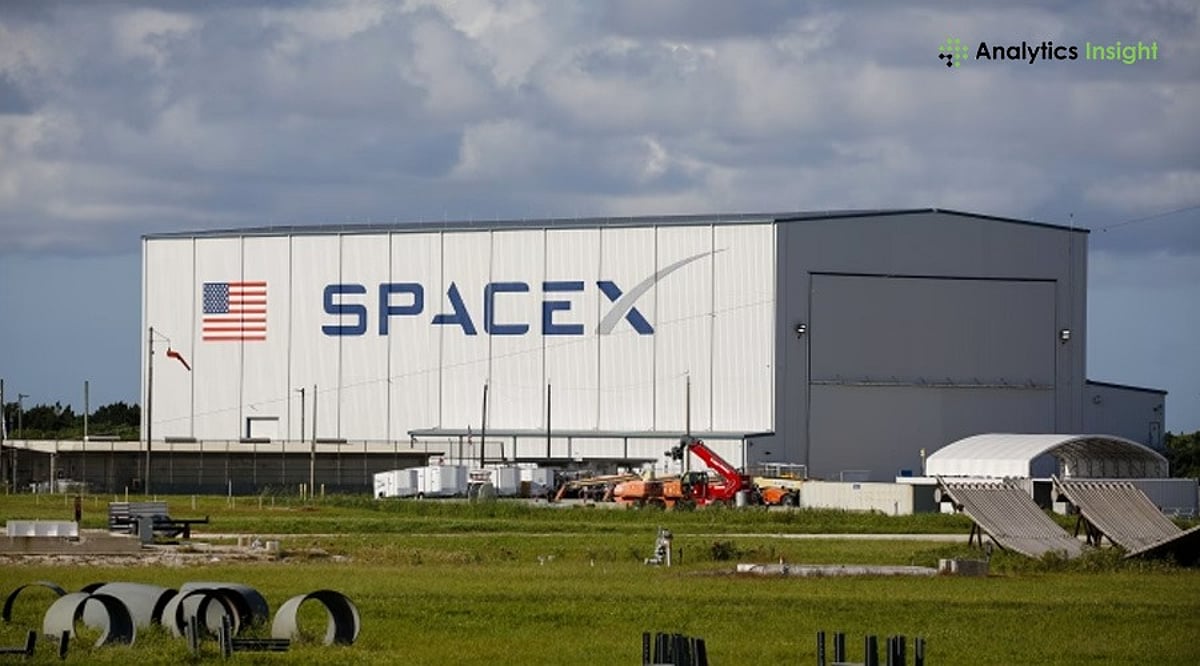
    SpaceX will officially enter the NASDAQ 100 index before the market opens on July 7, 2026, less than a month after its public debut on June 12. The addition, confirmed by NASDAQ on Friday, places the rocket, satellite, and artificial intelligence company among the exchange’s largest non-financial firms.

    JP Morgan estimates that the inclusion could trigger approximately $4.3 billion in passive inflows from index-tracking funds. However, skeptics like Morningstar have raised valuation concerns, noting the company’s limited trading history and recent net losses.

    Index Funds Prepare for Rebalancing

    Funds that replicate the NASDAQ 100, including Invesco QQQ and QQQM, will need to purchase SpaceX shares according to its assigned weight. The NASDAQ 100 tracks 100 large non-financial companies listed on NASDAQ, and its membership influences retirement accounts, brokerage portfolios, and other savings vehicles. NASDAQ reports that over 200 investment products track the index, with more than $800 billion in assets under management worldwide. This could create a large block of price-insensitive demand when the change takes effect.

    Faster Index Rules Pave the Way

    SpaceX began trading under the ticker SPCX on June 12, pricing its IPO at $135 per share. The swift entry into the NASDAQ 100 reflects revised rules that ease conditions on profitability, public float, and trading history for newly listed companies. NASDAQ, FTSE Russell, and MSCI have all relaxed some of these criteria to accommodate large, high-valuation firms. SpaceX reported a $4.9 billion net loss for 2025, though revenue grew as the company expanded Starlink, launch services, and AI operations.

    Valuation Debate Persists

    Despite the expected buying, concerns about SpaceX’s valuation remain. Morningstar chief equity market strategist Michael Field commented, “We think the stock is overvalued,” citing the company’s short public record and heavy spending needs. Meanwhile, S&P Global maintains stricter entry requirements for the S&P 500, including a 12-month trading history and profitability tests, meaning SpaceX cannot be considered for that index until at least June 2027.

    The divergent approaches create separate timelines for index-linked buying. NASDAQ 100 trackers will adjust in July, while S&P 500 funds will not purchase SpaceX under current rules. Other high-profile tech companies like OpenAI and Anthropic may face similar index questions if they proceed with public listings in 2026 or 2027 at valuations above $1 trillion.

  • Cisco Slashes 471 California Jobs in Major Software Engineering Restructuring

    Cisco Slashes 471 California Jobs in Major Software Engineering Restructuring

    Cisco is cutting 471 positions across three California offices as part of a broader restructuring initiative announced in May. The layoffs affect employees in San José, Milpitas and San Francisco, according to notices filed with the California Employment Development Department.

    The networking and cybersecurity giant previously stated it would eliminate fewer than 4,000 jobs worldwide, representing less than 5% of its workforce. The latest filings offer granular detail on the California roles included in that plan.

    Layoffs Spread Across Bay Area Offices

    Cisco will eliminate 236 positions in San José, 154 in Milpitas and 81 in San Francisco. Employees received notice on May 14, with terminations scheduled to begin July 13. Some affected workers may leave within 13 days of that date.

    The reductions are permanent, as stated in the company’s Worker Adjustment and Retraining Notification letters. California law mandates at least 60 days’ notice before a large layoff or facility closure.

    Cisco declined to provide additional information beyond the May restructuring announcement, which the company described as an effort to lower costs in certain areas while reallocating resources toward targeted investments.

    CEO Chuck Robbins told employees that Cisco expects to benefit from AI growth but reaching that goal requires “making hard decisions — about where we invest, how we’re organized, and how our cost structure reflects the opportunity in front of us.”

    Software Engineering Roles Hit Hardest

    The layoffs span departments including software development, product management, design and business operations. Software engineers represent the largest single group, with 56 positions eliminated: 34 in Milpitas, 19 in San José and three in San Francisco. Additionally, 39 software engineering technical leader positions will be cut, with 27 in Milpitas.

    Other affected roles include 17 engineering product managers, 15 software engineering leaders, 12 directors of software engineering, 12 engineering program managers, nine directors of product management and eight business operations managers. Seven site reliability engineers, seven program managers and seven software quality assurance engineers are also included.

    A Cisco business partner executive described the cuts as a familiar pattern, calling it “the regular Cisco cadence” before quarterly earnings announcements. Cisco did not confirm that assessment.

    AI Investment Rises Amid Broader Tech Layoffs

    The layoffs come as Cisco posts stronger financial results: quarterly revenue of $15.8 billion, its highest for a fiscal third quarter, and net income up 35% to $3.4 billion. The company markets its networking products as critical AI infrastructure, with demand for data centers and AI computing systems boosting spending on networking and cybersecurity.

    Nevertheless, many tech firms are cutting staff while increasing AI investment. Meta, Snap, Block, Oracle and Amazon have all announced job cuts this year, with some executives linking workforce changes to automation and AI tools.

    US technology companies announced 123,653 job cuts from January to May, a 66% increase from the same period in 2025, according to Challenger, Gray & Christmas. The firm noted that AI was cited more often than any other reason for layoffs, though it questioned whether AI alone explains the broader trend.

    Cisco reported approximately 86,200 employees as of July 2025. Its planned global reduction of fewer than 4,000 positions would affect less than 5% of that workforce.

  • AI Stock Rout Lays Bare the Perils of Wall Street’s $270 Billion Leveraged Betting Machine

    AI Stock Rout Lays Bare the Perils of Wall Street’s $270 Billion Leveraged Betting Machine

    A sweeping sell-off in artificial intelligence stocks has pulled back the curtain on the sprawling world of leveraged investment products, exposing risks that now ripple through a $270 billion market. The downturn, which started with major US tech firms, quickly spread to Asian chipmakers, SpaceX-linked funds, and crypto-related assets, underscoring how interconnected and fragile these speculative vehicles have become.

    Leveraged AI Funds Intensify the Sell-Off

    Investors fled AI stocks this week amid mounting concerns over lofty valuations and surging infrastructure costs. Alphabet shares dropped about 7% in a single session, wiping out roughly $270 billion in market value. The NASDAQ Composite and semiconductor stocks also suffered heavy losses.

    The selling pressure soon crossed into Asia. Samsung Electronics, SK Hynix, and other chipmakers saw declines as investors reduced exposure. In South Korea, several popular funds offering two or three times the daily returns of major tech stocks lost more than 20% over the week.

    Leveraged ETFs, which use derivatives to magnify daily price movements, now hold over $270 billion globally—more than $200 billion in the US and over $45 billion in Asia. Their daily rebalancing can generate massive buy and sell orders, amplifying market moves. Barclays estimated that recent rebalancing by US leveraged ETFs reached several times its long-term average.

    “If there’s a general desire from unsophisticated retail investors for some attribute that does not actually make them better off, this strategy too will be made available to them.” — Samuel Hartzmark, behavioral finance professor at Boston College

    SpaceX Funds Highlight the Dangers of Concentrated Bets

    Funds tied to SpaceX offered another cautionary tale. After the rocket company’s public debut, leveraged SpaceX products attracted nearly $1 billion. Yet some bullish funds fell about 40% from their launch prices as the stock reversed course.

    These products let investors amplify their bets on SpaceX without buying the underlying shares directly. However, the company’s limited public float and expected index inclusion created technical pricing pressures independent of fundamentals.

    “There is a significant risk that smaller investors will end up feeling the pinch when the fundamentals reassert themselves.” — Christopher Getter, portfolio manager at Simplify Asset Management

    Benchmark indexes also weakened. The S&P 500 lost nearly 2%, while the NASDAQ 100 dropped more than 4%. Selling in big tech stocks further pressured funds tied to AI, semiconductors, and newly listed companies.

    Strategy’s Decline Spreads Pain to Crypto Markets

    The rout extended into crypto via Strategy, the company known for its massive Bitcoin holdings. Strategy has become the centerpiece of several products—leveraged ETFs, common shares, and preferred stock.

    Bullish and bearish leveraged ETFs linked to Strategy have lost more than 90% since their 2024 launches, after attracting billions from traders seeking amplified exposure. Strategy’s preferred shares also fell below their original values.

    The simultaneous decline showed how multiple products can converge on the same risky idea. Investors used different structures, but all depended on Bitcoin demand and Strategy’s ability to raise capital.

    “You get products like these that are marketed to meet perceived demand. There are many financial products out there that do not have a reason to exist, but they are sold.” — Ellen Hazen, F.L. Putnam Investment Management

    The products didn’t start the decline, but their structure supercharged trading activity as AI stocks, SpaceX shares, and crypto assets fell. James St. Aubin of Ocean Park Asset Management summed it up: “Anyone using leverage should understand they are playing with fire.”

  • Dogecoin and HYPE Lead Weekly Crypto Decline as Bitcoin Steadies Near $60K

    Dogecoin and HYPE Lead Weekly Crypto Decline as Bitcoin Steadies Near $60K

    The cryptocurrency market suffered another turbulent week, with Dogecoin and Hyperliquid’s HYPE token posting the steepest losses among major digital assets. Dogecoin dropped 9.6% to trade near $0.076, while HYPE fell 9.9%, making it the worst performer tracked over the seven-day period. Ether declined 8.4% to approximately $1,581, and XRP lost 7.8% to trade around $1.06.

    Bitcoin, the largest cryptocurrency by market capitalization, fell 5.3% to roughly $60,345 on Saturday. It briefly dipped to around $58,800 on Friday before buyers stepped in to push the price back above the $60,000 support level. The recovery limited Bitcoin’s weekly decline, though the asset remains close to its long-term 200-week moving average.

    Market analyst Alex Kuptsikevich noted that Bitcoin approached $58,000 late Thursday and early Friday before “aggressive buying” returned. He described the price movement as similar to margin liquidations followed by buy orders placed at lower levels. However, Kuptsikevich expressed doubts about the sustainability of the recovery. “Investors should prepare for continued pressure and periodic sell-off spikes,” he warned, suggesting institutional investors may reduce crypto exposure to protect their balance sheets.

    Crypto Futures Liquidations Surpass $590 Million

    The week’s volatility triggered significant liquidation events across crypto futures markets. According to Coinglass data, approximately $217 million in futures positions were liquidated in the 24 hours ending June 27, with the weekly total exceeding $590 million. Bitcoin accounted for $71.04 million in liquidations, while Ether represented $50.61 million. Solana positions produced roughly $20.58 million in liquidations, and XRP traders lost about $2.43 million.

    Liquidations occur when trading platforms close leveraged positions after traders can no longer meet margin requirements, often amplifying short-term price swings. In this case, Bitcoin’s move below $59,000 triggered further selling before pending buy orders supported the recovery toward $60,000.

    Solana and Tron Show Relative Stability

    Among major cryptocurrencies, Solana and Tron demonstrated more stable price action. Solana traded close to $72, while Tron held near $0.32. Both tokens were roughly unchanged for the week, despite the broader market weakness. Their performance stood in contrast to memecoins and larger altcoins that faced heavier selling pressure.

    Wall Street Rotation Leaves Crypto Behind

    While crypto markets struggled, US stock markets exhibited a different pattern. Investors rotated away from semiconductor companies and directed funds toward a wider range of businesses linked to steady economic growth. The S&P 500 ended the week little changed, though the majority of companies within the index gained. The equal-weight S&P 500 even reached a record high.

    The movement indicates that investors have not fully left risk assets but have become more selective about where they allocate capital. Rather than flowing into cryptocurrencies, funds leaving chipmakers moved into other stock sectors, leaving Bitcoin and major altcoins without support from the broader market rotation.

    Multiple Pressures Weigh on Crypto

    Cryptocurrencies faced separate headwinds from US spot Bitcoin exchange-traded fund outflows, a hawkish Federal Reserve, and dollar strength. The strong dollar reduces the appeal of alternative assets like crypto, while expectations that interest rates could remain high dampen speculative demand. Bitcoin’s position near its 200-week moving average kept traders focused on further downside risk as Dogecoin, HYPE, Ether, and XRP ended the week with deeper losses.

  • Bitcoin Faces Critical Third Quarter as Strategy’s Losses Mount and STRC Comes Under Pressure

    Bitcoin Faces Critical Third Quarter as Strategy’s Losses Mount and STRC Comes Under Pressure

    Bitcoin’s latest decline has renewed concerns over whether the market is entering a longer bear phase. The asset has fallen for two straight quarters, while Strategy’s unrealized loss and pressure on its preferred shares have added another source of risk.

    Bitcoin fell about 22% in the first quarter and 12.2% in the second quarter. A third negative quarter would mark its first run of three straight quarterly losses since 2022, when Bitcoin ended the year more than 65% lower.

    Bitcoin Enters a Critical Third Quarter

    Bitcoin recently fell below $59,000 as traders reduced exposure to risky assets. The decline has raised doubts about whether the current move is a normal pullback or part of a wider downtrend. Market observers are asking if it is still too early to call the current risk-off phase anything apart from a full-blown bear market, as quarterly losses deepen. The comparison with 2022 has gained attention since Bitcoin has not recorded three bearish quarters in a row since that cycle.

    The third quarter may now become a key test. Another quarterly loss would place Bitcoin in a pattern last seen in its worst annual decline. Nevertheless, the current drop remains smaller than the 2022 collapse, and the final outcome will depend on price movements through September.

    Selling pressure has also spread to companies linked to Bitcoin. Strategy’s common shares recently dropped below $85.50 and closed near $82 on Friday, their lowest level since February 2024.

    Strategy’s Funding Model Comes Under Pressure

    Strategy holds one of the largest corporate Bitcoin reserves, but falling prices have left the company with about $14 billion in unrealized losses. Its STRC preferred shares also carry an 11.5% annual dividend, equal to roughly $1.2 billion in yearly payments. STRC was designed to trade near $100 and provide Strategy with funds for more Bitcoin purchases. Yet the shares fell as much as 26% below that level and reached a record low. The drop has raised doubts about the company’s ability to issue more shares on favorable terms.

    CryptoQuant said Strategy should pause Bitcoin purchases and rebuild its cash holdings. The firm estimated that cash coverage for STRC dividends has fallen from more than seven years to about 14 months. When STRC trades below its intended value, new issuance becomes less attractive. Strategy has therefore paused that part of its funding process. Analyst Mark Palmer said the model has become “less efficient” rather than broken and rejected comparisons with failed crypto projects.

    Ripple CEO Questions Strategy’s Bitcoin Approach

    Ripple CEO Brad Garlinghouse said he remains bullish on Bitcoin but criticized Strategy’s preferred-share model. In a Friday interview, he described the structure as “financial engineering” that had distracted the market from long-term utility. “Financial engineering does not drive long-term value,” Garlinghouse said. He added that a digital asset’s value should come from practical use rather than complex funding structures. Garlinghouse called STRC’s fall below its $100 target a “damning indictment” of Strategy’s approach, focusing on the company’s financing method rather than Bitcoin itself.

    Meanwhile, Arkham Intelligence said the situation does not resemble the Terra-LUNA collapse. Still, falling Strategy shares, weak STRC demand, and reduced funding capacity have raised doubts about future Bitcoin purchases.

    Bitcoin now enters the third quarter under pressure from lower prices and tighter funding conditions. A third straight quarterly loss would create a pattern not seen since the 2022 bear market.

  • AI in Hypertension Management: Promising Tool, Not Yet a Standalone Solution

    AI in Hypertension Management: Promising Tool, Not Yet a Standalone Solution

    Overview

    Artificial intelligence is transforming hypertension care through predictive analytics, remote monitoring, and personalized treatment plans. While AI enhances risk detection and clinical decision support, significant challenges around data quality, transparency, regulation, and patient trust mean that human oversight remains indispensable.

    Key Insights

    • AI enhances detection and monitoring: Wearables and digital health systems generate vast data that machine learning algorithms analyze to predict hypertension risk, complications, and optimal treatment adjustments.
    • Data quality and transparency are major barriers: Incomplete, biased, or fragmented health data undermines algorithm performance, and lack of explainability makes clinicians hesitant to trust AI recommendations.
    • Human oversight remains essential: AI currently functions best as an assistive decision-support tool, not an autonomous doctor. Medical judgment is still required to interpret AI outputs and make final care decisions.

    The Growing Burden of Hypertension

    Hypertension, often called the ‘silent killer,’ affects millions worldwide without their knowledge. It is a leading cause of heart attacks, strokes, kidney failure, and premature death. Traditional healthcare systems struggle to provide the continuous monitoring, lifestyle coaching, medication management, and frequent consultations needed for effective blood pressure control.

    How AI Is Reshaping Hypertension Care

    AI-powered systems—including wearable blood pressure monitors, digital health platforms, and predictive algorithms—are increasingly used to manage hypertension. Machine learning models can identify individuals at high risk of developing hypertension, predict complications, and suggest personalized interventions based on historical data. Some tools even send medication reminders and track adherence. The goal is to shift from reactive to proactive care, catching problems before they escalate.

    The Promise of Personalization

    One of AI’s greatest strengths is its ability to tailor treatment. Hypertensive patients respond differently to therapies based on age, genetics, lifestyle, comorbidities, and medication history. AI algorithms can integrate these factors to recommend personalized regimens, potentially improving blood pressure control, reducing medication switches, and cutting down on clinic visits. However, translating research findings into real-world success remains challenging.

    Challenges Holding AI Back

    Despite rapid progress, several obstacles prevent AI from fully managing hypertension. Data accuracy is a primary concern—incomplete, inaccurate, or biased data can lead to flawed recommendations. Many healthcare organizations also face fragmented patient data across different systems. Transparency, or explainability, is another hurdle: clinicians are skeptical when they cannot understand how an algorithm reached a decision. Privacy and cybersecurity risks are also significant, given the sensitivity of health data.

    Where AI Delivers Value Today

    AI is proving its worth not as a replacement for clinicians but as an assistive technology. Hospitals use AI to identify high-risk patients, monitor blood pressure trends, and prioritize follow-ups. Remote patient monitoring programs benefit from AI’s ability to analyze data from large patient populations efficiently. Current AI systems are most effective as decision-support tools, helping clinicians make informed choices rather than making independent treatment decisions.

    AI in Hypertension Management: Opportunities and Limitations

    A Powerful Assistant, Not Yet an Autonomous Doctor

    The debate around AI readiness often misses the point. AI has already demonstrated value in monitoring, risk prediction, improving patient adherence, and supporting clinical decisions. However, it cannot yet manage hypertension without physician supervision. Medicine relies on trust and judgment; algorithms can spot patterns quickly, but doctors must interpret those patterns and decide on next steps. AI is not a substitute for hypertension specialists—it is a powerful aid. The future of AI in this field remains to be fully defined.

    Frequently Asked Questions

    1. What role does AI play in hypertension management? AI helps detect risks, monitor blood pressure trends, support treatment decisions, and improve patient engagement through data-driven insights.
    2. Can AI diagnose hypertension on its own? No. AI supports clinicians with analysis and recommendations, but diagnosis and treatment decisions still require medical expertise.
    3. How does AI improve medication adherence? AI-powered apps send reminders, track medication schedules, and encourage healthy habits, helping patients follow prescribed treatments.
    4. What are the biggest challenges facing AI in hypertension care? Data quality issues, privacy concerns, regulatory requirements, and limited transparency in some AI models remain challenges.
    5. Is AI the future of hypertension treatment? AI will likely significantly enhance hypertension management, but human oversight remains essential for safe, effective patient care.
  • Apple’s Siri AI Faces EU Delays: Davis Park Management Analyzes Regulatory Hurdles and Investor Impact

    Apple’s Siri AI Faces EU Delays: Davis Park Management Analyzes Regulatory Hurdles and Investor Impact

    Apple’s upgraded Siri AI assistant, unveiled at the Worldwide Developers Conference, has hit a regulatory roadblock in the European Union. The Digital Markets Act (DMA) compliance obligations are preventing the feature from launching on European devices, creating a staggered rollout that has caught the attention of institutional investors. Davis Park Management Pte. Ltd., a Singapore-based capital management firm, is examining the implications for allocators as the regulatory landscape complicates Apple’s AI ambitions.

    Regulatory Challenges and Market Access

    The new Siri architecture, powered by a custom version of Google’s Gemini model with 1.2 trillion parameters, represents a significant leap from the previous query-and-response design. However, Apple has confirmed that the assistant will not accompany the forthcoming iOS 27 and iPadOS 27 releases within the EU. Regulators have rejected a succession of proposals, including a phased plan built around a Trusted System Agent, marking the second occasion Apple Intelligence has been withheld from European markets.

    A parallel restriction applies in China, where foreign manufacturers must submit large language models for local approval. China accounts for 17% of Apple’s group revenue, sharpening the commercial stakes of prolonged delays in either market.

    Davis Park Management’s Perspective

    Michael Sheldon, Director of Private Equity at Davis Park Management, views the licensing approach as a deliberate decision to rent frontier capability rather than fund it outright. This preserves capital for areas where Apple retains a defensible advantage and reassures investors focused on margin durability. The firm reads the friction as a question of capital allocation rather than a verdict on the technology.

    Apple’s AI revenue stands near $1.1 billion for the period, while services revenue of about $33.2 billion carries a margin of 76.5%. The active device base exceeds two billion units, and paid subscriptions surpass one billion, expanding at a double-digit rate. Market capitalization briefly overtook Microsoft’s valuation of about $3.6 trillion following the conference, a three-day move adding $358.5 billion in value.

    Broader Implications for Investors

    Sheldon emphasizes that the clearer risk lies in the durability of the ecosystem. Every regulatory concession that loosens the integration between Apple’s hardware and its services chips away at the retention mechanics behind recurring revenue. Regulatory enforcement compounds trade-policy exposure, with a penalty of about $580 million for anti-steering breaches under the DMA and tariff payments approaching $3.7 billion in aggregate.

    Equity research remains divided. One bullish brokerage maintains an “Outperform” rating with a price target near $343.1, projecting AI could add between $83 and $110.7 per share. A more cautious peer has trimmed iPhone unit-growth expectations to 2% across the forecast period, to about 232 million units, with commercial availability slipping into the next year.

    For Davis Park Management, the open question is timing. European availability rests on continuing negotiation and precedent enforcement, while the staggered rollout shows the difficulty of reconciling deep platform integration with divergent compliance regimes. The delay weighs on near-term services projections given the scale of the European installed base, yet the underlying partnership keeps Apple within the competitive frontier of applied AI, leaving the investment case finely balanced between regulatory drag and long-term value.