Author: vitorcherulli

  • Top VR Games That Keep Streamers and Viewers Entertained

    Top VR Games That Keep Streamers and Viewers Entertained

    Virtual reality gaming has surged in popularity, and streamers have played a pivotal role in its rise. These VR titles deliver moments of genuine surprise, laughter, and tension that captivate both players and audiences alike.

    Streaming platforms have turned many VR games into viral hits. Unlike traditional games, VR captures every physical reaction — a flinch, a leap, a nervous laugh — making streams feel more personal and engaging. For content creators looking to grow their channels, choosing the right VR game is essential. Here are some of the best VR games for streaming in 2026.

    Astro Bot Rescue Mission

    Astro Bot Rescue Mission proves that VR doesn’t need epic battles or horror to be compelling. Players guide Astro through colorful, inventive levels packed with puzzles, jumps, and hidden secrets. Each stage introduces a new mechanic, keeping the experience fresh. The bright visuals and straightforward gameplay make it a joy to watch as well.

    Why it’s great for streaming: Colorful levels, fun surprises, simple gameplay.

    Beat Saber

    Beat Saber remains one of the most iconic VR games. Players slice blocks in rhythm with music, creating a fast-paced, energetic performance. Every song feels distinct, so content never gets stale. Whether chasing high scores or attempting expert tracks, there’s always something exciting happening.

    Why it’s great for streaming: Music-driven action, movement, fast-paced gameplay.

    Blade and Sorcery

    Blade and Sorcery offers unmatched freedom in combat. Players wield swords, magic, and creative attacks, all powered by a realistic physics engine. This often leads to hilarious or unexpected moments — a dropped weapon, a physics glitch, an improvised kill. No two fights are alike, making it a staple for regular streaming.

    Why it’s great for streaming: Unexpected combat moments, player creativity.

    Half-Life: Alyx

    Half-Life: Alyx set a new standard for story-driven VR. It blends action, exploration, and suspense to keep players fully immersed. Every environment is richly detailed, and the game’s pacing creates perfect opportunities for streamer reactions during tense scenes or shocking reveals. It’s ideal for a multi-part series.

    Why it’s great for streaming: Strong storytelling, exciting moments, series-friendly.

    Demeo

    Demeo brings tabletop role-playing into VR. Players cooperate to plan strategies and face dungeon challenges. Every session is unique thanks to procedural elements, and the conversation between teammates often becomes the highlight of the stream. Perfect for creators who enjoy multiplayer content.

    Why it’s great for streaming: Teamwork, unexpected outcomes, team strategy.

    Batman: Arkham Shadow

    Batman: Arkham Shadow lets players explore Gotham City as the Dark Knight, combining stealth, combat, and detective work. The familiar IP draws viewers in, while the mix of action and mystery keeps them engaged. Streamers can investigate cases, fight villains, and react to the dark atmosphere.

    Why it’s great for streaming: Batman’s massive popularity, the mix of action and mystery.

    These VR Games Know How to Entertain an Audience

    Not every game is built for streaming — especially in VR. Some titles are fun to play but fail to hold a viewer’s attention. The games listed above avoid that problem. They create moments that are easy to follow and genuinely entertaining. Whether it’s the rhythm of Beat Saber, the chaos of Blade and Sorcery, or the narrative depth of Half-Life: Alyx, each title offers something distinct for content creators.

    For streamers, variety matters. Good VR streams produce memorable moments that keep audiences coming back.

    Also Read: Best VR Headsets in 2026 for Gaming and Entertainment

    Also Read: Top 10 Free VR Games You Should Try in 2026


    FAQs

    Why are VR games popular among streamers?
    VR games show real reactions, movements, and emotions. Viewers enjoy watching these moments because they feel natural and often lead to funny, surprising, or exciting situations during a stream.

    Which VR game is easiest for new streamers to start with?
    Beat Saber is one of the easiest VR games to stream. The gameplay is simple to understand, and viewers can quickly follow the action even if they have never played it.

    Is Half-Life: Alyx good for a video series?
    Yes. Half-Life: Alyx has a strong story, exciting gameplay, and memorable moments. These features make it a great choice for creators who want to build a multi-part series.

    What makes Blade and Sorcery fun to watch?
    The game’s combat system gives players a lot of freedom. This often leads to unique fights, funny situations, and unexpected moments that viewers enjoy seeing on stream.

    Can multiplayer VR games help creators grow?
    Multiplayer VR games create more interaction and conversation. They also produce different situations every time, giving viewers fresh content and more reasons to return for future streams.


  • AI as a Coworker: How Intelligent Systems Are Redefining Workplace Productivity in 2026

    AI as a Coworker: How Intelligent Systems Are Redefining Workplace Productivity in 2026

    AI is evolving from a simple tool into a proactive coworker that retains context, automates workflows, and helps employees work more efficiently while improving decision-making. Organizations using AI effectively are reporting major productivity gains, with task completion times reduced by up to 56% and overall productivity improvements reaching 30%–40%. The biggest advantage comes from combining AI-driven execution with human judgment, allowing professionals to focus on strategy, relationships, and high-value decisions while AI handles routine work.

    The Shift from Tool to Teammate

    The modern workplace is no longer structured around what a single employee can accomplish. It is being restructured around what a human and an AI system can accomplish together. This distinction matters. AI is not a search engine. It is not an autocomplete tool. Currently, AI systems carry context, anticipate needs, flag inconsistencies, and execute tasks across entire workflows without waiting for instruction at each step.

    The scale of adoption reflects this shift. 91% of businesses now use AI in some capacity, marking a significant acceleration from 78% in 2024 and 55% in 2023. Organizations that have moved beyond experimentation are reporting structural changes in how their teams operate, what roles look like, and where human judgment adds the most value.

    Delegate Execution, Retain Judgment

    The clearest productivity gain comes from matching the right category of work to the right intelligence. Harvard Business Review research found that task completion times can drop by up to 56% when employees use AI tools effectively. Dropping a task into an AI system without framing the context produces mediocre output. Treating AI like a junior colleague with strong recall and fast execution produces measurably better results.

    The tasks best suited to AI delegation include research synthesis, first-draft generation, scheduling, data summarization, and quality checks. The tasks that remain firmly human are stakeholder negotiation, strategic trade-off decisions, relationship management, and judgment calls where organizational context and political awareness determine the outcome.

    Build Context into Every Interaction

    AI performs best when it understands the full picture. Professionals who treat each AI interaction as a standalone prompt get transactional results. Those who supply context, reference earlier work, and iterate on output get something closer to a genuine collaborative output. The difference is not the AI. The difference is the working relationship.

    ADP Research data from more than 30,000 survey respondents found that people who use AI on a daily or near-daily basis report the highest levels of engagement, motivation, and commitment to their work. The implication is clear: consistent, intentional integration outperforms occasional use by a considerable margin.

    How AI Improves Workplace Productivity

    The productivity case for AI rests on three compounding mechanisms: time reclaimed, cognitive load reduced, and output quality elevated. AI users save an average of 2.2 hours per week at the individual level, and AI-exposed industries are showing strong productivity growth overall. At scale, across hundreds of knowledge workers in a single organization, that figure becomes a structural advantage.

    Beyond hours saved, the quality of output improves when AI handles the preparatory and administrative layer of knowledge work. Professionals spend less time formatting reports and more time interpreting findings. They spend less time drafting routine communication and more time on the conversations that require human nuance.

    The benefits extend across departments:

    • Marketing teams use AI to generate content briefs, draft copy, and analyze campaign data across channels simultaneously.
    • Operations professionals use AI agents to monitor supply chain signals and surface deviations before they escalate.
    • HR leaders are deploying AI to screen applications, coordinate interview scheduling, and personalize onboarding workflows.
    • Finance teams use AI to reconcile data, flag anomalies, and generate variance commentary at reporting speed.

    Accenture reports that AI can increase productivity by up to 30%, based on real workplace tests. PwC shows that industries adopting AI see productivity growth reach 27%, compared to 7% before AI adoption. The pattern across every function is consistent: AI removes the friction between having information and being able to act on it.

    What This Means for the Workforce

    The workforce transformation driven by AI is no longer a projected outcome. It is an observable reality across sectors, geographies, and organizational scales. Workers who learn with AI will gain a distinct advantage, and the gap between early and late adopters will continue to widen. For organizations still treating AI as an experiment, that window is narrowing.

    What remains constant amid this shift is the importance of human judgment. AI handles execution at speed and scale. It does not replace the professional who knows which direction to set, which relationships to protect, and which trade-offs align with long-term strategy. The most productive version of AI in the workplace is not one that replaces the worker. It allows the worker to operate at the level their expertise actually warrants. The machines are ready. The infrastructure is in place. The organizations that move with intention now are the ones that will define the standard others follow.

  • Top 6 PS5 Accessories to Elevate Your GTA 6 Experience

    Top 6 PS5 Accessories to Elevate Your GTA 6 Experience

    Grand Theft Auto 6 is the most anticipated PlayStation 5 release of the year. With a massive open world, detailed environments, a long story, and online sessions, the game demands more from both the console and the player. While the PS5 delivers strong performance on its own, the right accessories can improve comfort, storage, controls, and audio. Here are six essential accessories every GTA 6 player should consider before starting their journey through Leonida.

    1. DualSense Edge Wireless Controller

    While the standard DualSense is excellent, the DualSense Edge offers greater control with remappable buttons, adjustable trigger travel distance, back paddles, and swappable stick modules. This is especially useful for gunfights, car chases, and mission-based levels. You can also save multiple control profiles and switch between them during gameplay. Buy Now

    2. WD Black SN850X NVMe SSD

    Storage vanishes quickly with modern AAA titles. GTA 6 is expected to be a large install, making an internal SSD upgrade a smart move. The WD Black SN850X meets Sony’s performance requirements for the PS5 expansion slot, ensuring fast load times and plenty of room for GTA 6 and other big games without constantly deleting old titles. Buy Now

    3. Sony Pulse Elite Wireless Headset

    Quality sound transforms open-world gaming. With traffic noise, police sirens, and crowded street dialogue, GTA 6 fully embraces the PS5’s 3D audio capabilities. The Sony Pulse Elite headset uses Tempest 3D Audio to help you pinpoint sounds accurately. Its AI-powered noise cancellation also ensures clear communication in multiplayer sessions. Buy Now

    4. DualSense Charging Station

    While not flashy, the official Sony charging station quickly becomes indispensable. It charges two DualSense controllers simultaneously without occupying USB ports. Keeping a second controller always powered lets you switch seamlessly and extend gameplay without interruptions. Buy Now

    5. Ant Esports DOCK10 Vertical Dock

    The DOCK10 combines controller charging, console cooling, game storage, and a vertical stand in one unit. It helps keep your gaming area tidy and reduces cable clutter. For players spending hours in GTA 6, an organized setup makes everyday use more convenient. Buy Now

    6. Gioteck FR5 Racing Wheel Dock

    Driving is a core part of GTA. The Gioteck FR5 Racing Wheel Dock transforms your DualSense controller into a steering-wheel-style setup. While not essential, it adds immersion during races, long drives, and high-speed police pursuits across Leonida. Buy Now

    Final Takeaway

    Not every accessory is a necessity, but each addresses a specific need—faster storage, better control, immersive audio, battery peace of mind, a tidy setup, or more engaging driving. If you’re planning to spend hundreds of hours in GTA 6, these six practical upgrades improve the overall experience without changing how the game is played.

  • Why Adaptive Leadership Is the Key to Business Survival in 2026

    Why Adaptive Leadership Is the Key to Business Survival in 2026

    Adaptive leadership has become a critical business capability in 2026 as organizations navigate AI disruption, economic uncertainty, workforce transformation, and rapidly changing market conditions. Unlike traditional leadership models that rely on fixed plans and hierarchical decision-making, adaptive leadership emphasizes learning, agility, trust, and informed judgment. Leaders who can respond effectively to evolving challenges, align teams during uncertainty, and make decisions with incomplete information are better positioned to drive long-term business success.

    Executive coaching programs are reporting a strange pattern this year. Leaders arrive wanting certainty: a clear answer, a fixed plan, a five-year strategy they can defend at the board level. Most of them leave wanting something different: a faster way to learn when the plan breaks. That shift, from certainty-seeking to learning-seeking, is the actual story behind adaptive leadership now.

    The term itself is not new. Ronald Heifetz and Marty Linsky developed adaptive leadership at Harvard decades ago, building on a specific distinction: technical problems have known solutions that you can delegate to an expert, while adaptive challenges require the people facing the problem to change how they think and work. What has changed is not the framework. It is how badly organizations are failing to apply it, at exactly the moment they need it most.

    The Problem Isn’t Information. It’s Attention.

    Most executives are not short on data now. They are short on the mental space to use it well. Research from Microsoft and the University of London found that constant digital interruptions can reduce effective IQ in the moment by 10 to 15 points, roughly equivalent to functioning on no sleep. Layer that onto a senior leader’s week and the math gets uncomfortable fast: Harvard Business School research shows executives spend up to 23 hours a week in meetings, and rate more than half of that time as low-value.

    This is not a productivity complaint. It is a leadership capability problem. Adaptive leadership depends on judgment, noticing what’s changed, naming the real problem before reaching for a familiar fix. That judgment requires attention; most leaders’ calendars are actively stripping away from them, one recurring meeting at a time.

    Why AI Is Exposing Leadership Gaps, Not Closing Them

    Half of CEOs reportedly believe their jobs are on the line if AI does not deliver a return, and companies plan to roughly double AI spending as a share of revenue this year. That pressure is producing a predictable but telling gap: frontline leaders are three times more likely than executives to express real concern about AI, according to DDI’s research; a readiness divide that stalls transformation precisely where it needs traction most, on the ground, not in the boardroom.

    As AI takes on more routine execution and analysis, the actual value a leader provides shifts upstream toward judgment, not authority. A better model does not rescue a leader who cannot adapt their thinking. They get exposed by one, faster than they would have been five years ago.

    What Adaptive Leadership Actually Requires

    Strip away the conference-circuit language, and the practical requirements are fairly specific. A 20,000-executive study from Wharton researchers identified six concrete skills that separate leaders who navigate uncertainty well from those who don’t: the ability to anticipate, challenge assumptions, interpret ambiguous signals, decide without full information, align people around a direction, and learn fast from what goes wrong.

    None of those six is about technology fluency. They are about judgment under incomplete information, which is precisely the skill traditional, hierarchy-based leadership models were never built to develop, because they assumed someone above you already had the answer.

    The Trust Gap Sitting Underneath All of This

    Adaptive leadership cannot function without trust, and current data suggests that trust is thin. Only one in ten employees believes their feedback ever leads to visible action, a gap that quietly tells teams their input doesn’t matter, regardless of what’s said in town halls. More than half of leaders globally report feeling “used up” by the end of an average day, and DDI’s research names this pattern “quiet cracking,” a slow erosion of motivation that looks fine on the surface until performance drops without warning.

    That combination of exhausted leaders, unconvinced employees, and AI pressure compounding both is the real 2026 leadership environment. Adaptive leadership is not a competitive advantage layered on top of business as usual. For a growing number of organizations, it is the only model left standing once the certainty-based one stops working.

    Why It Matters

    Organizations today are facing challenges that cannot be solved through traditional management practices alone. AI, shifting market conditions, changing workforce expectations, and global economic uncertainty require leaders to make decisions without having complete information. In this environment, the ability to learn quickly and adapt becomes more valuable than the ability to predict every outcome. Adaptive leadership helps businesses respond faster to emerging risks, identify opportunities earlier, and build stronger trust across teams. It encourages continuous learning, open communication, and greater organizational flexibility. Companies led by adaptive leaders are often better equipped to manage transformation initiatives, navigate disruption, and maintain employee engagement during periods of change.

  • XRP at $1.10: What the 2-Year Technical Signal Reveals About the Next Big Move

    XRP at $1.10: What the 2-Year Technical Signal Reveals About the Next Big Move

    XRP continues to hover near the critical $1.10 level, drawing renewed attention from traders after a sharp decline from its May highs above $1.50. The token currently trades around $1.11, down nearly 2% in the past 24 hours, as the broader crypto market remains under pressure. Bitcoin and other altcoins have also faced selling, compounding the stress on XRP.

    The 2-Year Signal That Has Traders Watching Closely

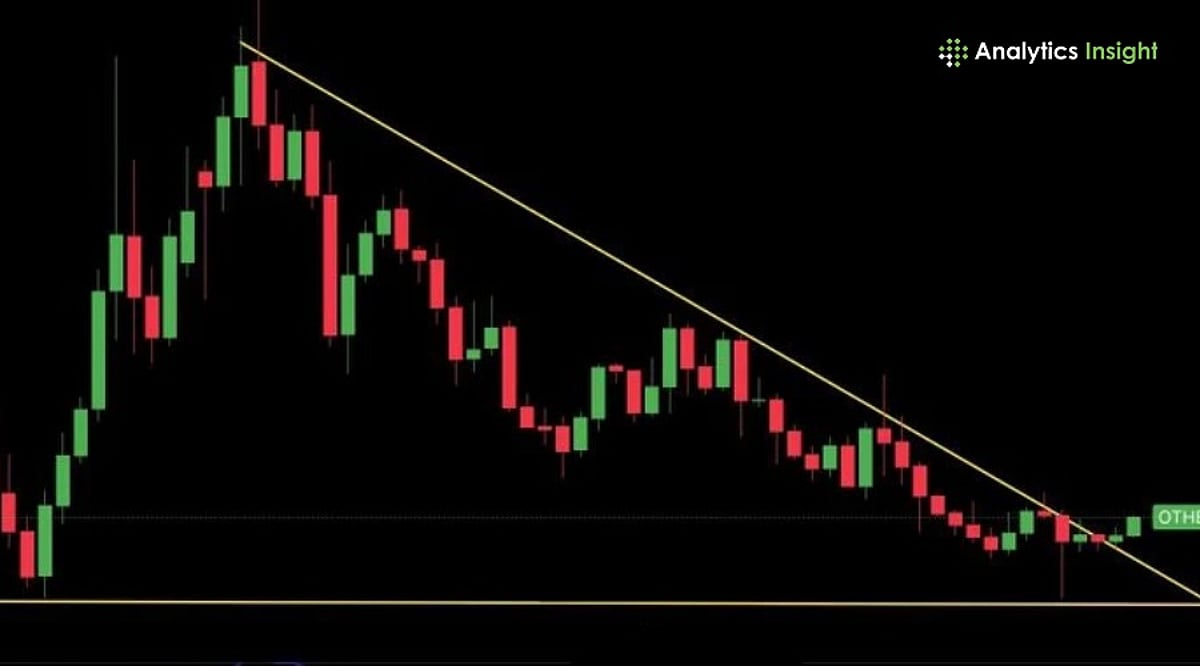
    A rarely seen technical pattern on XRP’s long-term charts has caught the eye of analysts. XRP has slipped below its 200-day moving average—currently near $1.13—a key level that often acts as long-term support. More notably, the token’s 2-year trend line has flattened for the first time since late 2024. Historically, such formations have preceded significant price swings in either direction, making this a pivotal moment for traders.

    XRP Stuck Between Key Support and Resistance

    Price action remains rangebound, with XRP contained between $1.05 support and $1.20 resistance. Buyers have failed to generate enough momentum to break higher, while sellers have not pushed the price below critical support. This indecision leaves the market waiting for a catalyst.

    Ripple Escrow Releases Add Pressure

    Ripple’s monthly 1 billion XRP escrow unlock continues to inject fresh supply into the market. While the program is part of Ripple’s long-standing strategy, the additional tokens often weigh on sentiment during periods of weak demand. The latest release has done little to inspire confidence amid the current downtrend.

    Positive News Fails to Boost Price

    Ripple recently announced it secured MiCA regulatory approval in Luxembourg, enabling expanded payment services and stablecoin operations across Europe. Despite this positive development, XRP’s price barely reacted, underscoring that traders are more focused on short-term fear than long-term fundamentals.

    Futures Market Signals Big Trader Activity

    Derivatives data tells a different story. XRP futures open interest has surged to $2.89 billion, including $1.4 billion on CME futures—a clear sign that institutional players are positioning for a major move. Additionally, spot ETF-related inflows tied to XRP products have exceeded $1.43 billion, indicating that large investors remain bullish on the asset’s long-term potential.

    What Traders Should Watch Next

    The coming weeks could define XRP’s next trend. A breakdown below the psychological $1.00 support could trigger stop-losses and push the price toward the $0.90–$0.85 zone. Conversely, a move above $1.20 resistance would likely restore confidence and open the path toward $1.35 and eventually $1.50. The 2-year flattening pattern suggests that the market is entering a critical accumulation phase, historically followed by a strong breakout. Until a clear direction emerges, caution will likely prevail.

    Key Takeaways

    • XRP price is trapped between $1.05 support and $1.20 resistance.
    • XRP futures open interest reached $2.89 billion, signaling high market activity.
    • A break below $1.00 or above $1.20 may determine XRP’s next major trend.
  • Altcoin Supply Squeeze and Falling Bitcoin Dominance Hint at Imminent Altseason Shift

    Altcoin Supply Squeeze and Falling Bitcoin Dominance Hint at Imminent Altseason Shift

    The cryptocurrency market is buzzing with speculation: is altseason finally making a comeback? Recent data points to a potential shift as exchange supplies of altcoins tighten, Bitcoin dominance eases, and capital begins rotating into utility-driven projects. While official indicators remain cautious, the groundwork for a new altcoin rally appears to be forming.

    Key Takeaways

    • Altcoin supply on exchanges has dropped sharply, potentially creating stronger upward price pressure.
    • Bitcoin dominance has fallen from nearly 60% to around 56%, signaling possible capital rotation.
    • The next altseason may favor high-quality, utility-based projects rather than broad market rallies.

    Altcoin Supply Starts Getting Tight

    One of the most telling signs is the growing altcoin supply squeeze. Investors are moving coins off centralized exchanges into private wallets, reducing available selling pressure. Blockchain data shows a sharp rise in exchange withdrawals across several major altcoins. When fewer coins remain on exchanges, sellers have less supply, which typically leads to stronger upward momentum once demand picks up.

    Large holders, often called whales, have quietly transferred substantial amounts of crypto away from exchanges in recent weeks. This behavior often signals long-term confidence and frequently precedes significant market moves.

    Altcoin Season Index Still in Early Stages

    The Altcoin Season Index, which measures whether altcoins outperform Bitcoin, currently sits between 30 and 35. While this is well below the 75 threshold needed to confirm a full altseason, it represents a clear improvement from earlier months. Rising from lower levels indicates that investor interest is gradually shifting.

    Bitcoin Dominance Weakens

    Bitcoin dominance — the share of total crypto market value held by Bitcoin — has dropped from nearly 58–60% in early 2026 to around 56%. Even a small decline is significant because it suggests capital may be moving into alternative cryptocurrencies. This trend is often a precursor to altcoins gaining ground.

    Certain Altcoins Show Strength

    Several altcoin sectors are already outperforming Bitcoin on shorter timeframes. Sectors like artificial intelligence, decentralized finance, blockchain infrastructure, gaming, and meme coins have seen clear volume growth. Projects such as Solana, Algorand, BNB, Hedera, Celestia, and Qubic have experienced unusual accumulation activity. Market analysts believe institutional investors are now targeting projects with strong real-world use cases rather than speculative tokens.

    Analysts Remain Cautious Despite Optimism

    Not everyone is convinced altseason has fully arrived. Research from CryptoQuant highlights that the traditional Bitcoin-to-altcoin rotation pattern has weakened compared to previous bull markets. Instead of money flowing across thousands of tokens, capital is concentrating on a smaller group of trusted projects. This suggests future altcoin rallies may be more selective.

    Technical Charts Show Familiar Patterns

    Technical analysts are closely watching the TOTAL2 index, which tracks the total crypto market value excluding Bitcoin. Current chart patterns resemble those seen before the huge altcoin rallies in 2017 and 2021. If Bitcoin stabilizes above major support levels and dominance continues to fall, stronger altcoin participation could emerge in the coming months. The Altcoin Season Index moving above 50 would be an important signal, and a rise above 75 would officially confirm a full altseason.

    Why This Matters

    The crypto market is entering a highly selective era. Driven by an exchange supply squeeze and falling Bitcoin dominance, capital is favoring utility and institutional-grade assets over random speculative tokens. This shift signals a smarter, utility-driven market cycle.

    The Market May Enter a New Altcoin Era

    Current data suggests altseason has not fully arrived, but the market is clearly near an important turning point. Lower exchange supply, rising whale accumulation, improving altcoin performance, and falling Bitcoin dominance all indicate that the foundation for the next big crypto cycle is forming. Unlike past altseasons that lifted nearly every coin indiscriminately, this time capital appears ready to reward projects with stronger technology, real adoption, and long-term value.

    FAQs

    What is altseason in crypto?

    Altseason is a market phase where alternative digital assets outperform Bitcoin, capturing a larger share of trading volume and experiencing faster price appreciation.

    Has altseason officially started in 2026?

    Official indicators have not triggered yet. Market data reveals early foundational shifts, but historical metrics show the broader market remains in a preliminary accumulation phase.

    Why does lower exchange supply matter for altcoins?

    Moving assets into private wallets reduces immediate selling pressure on exchanges. This tight market liquidity can accelerate upward price momentum when buying demand increases.

    What is the Altcoin Season Index right now?

    The index sits between 30 and 35. This reading shows improvement over previous months but remains well below the 75 threshold required to confirm a true cycle.

    Which altcoins look strong during this market shift?

    Solana, BNB, Hedera, Algorand, and Celestia display heightened accumulation activity, alongside specialized infrastructure protocols and projects focusing heavily on artificial intelligence integrations.

  • NVIDIA vs AMD: Which Chip Stock Offers Better Returns in 2026?

    NVIDIA vs AMD: Which Chip Stock Offers Better Returns in 2026?

    The global technology market has transformed rapidly, driven by artificial intelligence. AI has become one of the biggest growth areas worldwide, and semiconductor companies now sit at the center of this shift. Among all chipmakers, NVIDIA and AMD have captured the most investor attention. Both companies play a vital role in the future of computing, but the key question remains: which stock looks better for investment right now?

    The answer depends on business strength, growth rate, market position, and future opportunities. Both companies offer strong potential, but there are major differences between them.

    NVIDIA’s Strong Position in the AI Market

    NVIDIA currently leads the AI chip market with a commanding share. The company controls more than 75 percent of the global AI GPU market. Graphics Processing Units (GPUs) power advanced artificial intelligence systems, large data centers, and machine learning models. Major technology companies such as Microsoft, Amazon Web Services, Google, and OpenAI rely heavily on NVIDIA hardware. This strong demand has helped NVIDIA build a dominant industry position.

    Revenue Growth Shows NVIDIA’s Strength

    Financial growth remains one of the biggest reasons behind NVIDIA’s popularity among investors. Recent reports show that NVIDIA recorded nearly 73 percent year-over-year revenue growth. The company’s data center business alone generated around $62 billion. Profit margins also remain extremely strong. NVIDIA currently maintains gross margins close to 75 percent, reflecting excellent business efficiency. High profitability allows more investment in research, product development, and shareholder rewards.

    The Power of CUDA Creates a Huge Advantage

    One major reason behind NVIDIA’s success is its software ecosystem called CUDA. Developers worldwide use CUDA to build AI models and software applications. This creates an advantage beyond hardware itself. Even when competitors offer strong chips, many companies hesitate to switch because their systems already depend on NVIDIA software tools.

    AMD Offers Higher Growth Potential

    AMD stands as NVIDIA’s biggest competitor in advanced chips. Although AMD remains much smaller in the AI accelerator market, the company has started to gain serious momentum. AMD reported around 34 percent revenue growth, showing healthy expansion. Data center revenue currently stands near $5.4 billion, far below NVIDIA, but the company continues to grow at a strong pace. Since AMD operates from a smaller base, faster stock growth becomes possible if market share expands in the coming years.

    AMD Builds Strong Products Across Multiple Areas

    AMD continues to strengthen its position through several important products. EPYC server processors have gained popularity in enterprise computing. Ryzen processors continue to perform well in consumer markets. The Instinct MI series AI accelerators also help AMD compete directly with NVIDIA in artificial intelligence hardware. Unlike NVIDIA, AMD has lower profit margins near 55 percent, indicating stronger competition and lower pricing power.

    Risks Investors Should Understand

    NVIDIA remains the safer company, but risks still exist. The company already has an enormous market value, making extremely large future gains harder to achieve. Any slowdown in AI spending could also affect investor confidence. AMD carries different risks. The company still remains far behind NVIDIA in AI GPUs. Its software ecosystem, called ROCm, still lacks the maturity of NVIDIA’s CUDA platform. Lower margins also show weaker overall profitability.

    Final Comparison and Investment Decision

    Both companies remain strong investments, but they serve different investor goals. NVIDIA offers better business quality, stronger profits, market leadership, and lower risk. It appears more suitable for long-term investors who prefer stability and steady growth. AMD offers greater upside potential given its smaller size. If AMD captures even 10 to 15 percent more AI market share, stock performance could rise faster than NVIDIA’s. At present, NVIDIA ranks as the stronger and safer investment choice. AMD remains the better option for investors who seek higher return potential and accept higher risk.

    Frequently Asked Questions

    1. Why does NVIDIA rank ahead of AMD right now?
    NVIDIA commands over 75 percent of the global AI GPU market, delivering exceptional financial performance with superior data center revenue and premium pricing power that outpaces its closest competitors.

    2. Does AMD have growth potential despite lower market share?
    AMD offers considerable growth potential. Operating from a smaller market base means expanding its data center presence or capturing minor market share shifts can trigger accelerated stock appreciation.

    3. What gives NVIDIA a competitive advantage?
    NVIDIA’s proprietary CUDA software ecosystem creates deep customer lock-in. Developers globally build AI models using these integrated tools, making it logistically difficult for enterprises to switch hardware providers.

    4. Is AMD considered a risky investment?
    AMD carries an elevated risk as its AI software platform, ROCm, is less mature than NVIDIA’s ecosystem. It also operates with lower profit margins, reflecting stiffer market competition.

    5. Which stock suits long-term investors better?
    NVIDIA is highly suited for long-term investors seeking financial stability. Its absolute market leadership, massive corporate profitability, and robust full-stack ecosystem minimize downside risk across changing technology cycles.

    Disclaimer: This article is provided for informational purposes only and does not constitute investment advice. You are responsible for conducting your own research before making any investments.

  • Bitcoin Accumulation Slows: Key Factors Behind the Shift and What’s Next for the Market

    Bitcoin Accumulation Slows: Key Factors Behind the Shift and What’s Next for the Market

    For the past several years, Bitcoin has enjoyed robust support from large investors, corporations, exchange-traded funds (ETFs), and long-term holders. Major firms consistently accumulated Bitcoin, fueling rapid price increases and sustaining high market confidence. However, recent market data indicates a notable deceleration in this accumulation trend. Large buyers are no longer purchasing Bitcoin at the aggressive pace seen during 2024 and 2025, raising new questions about the market’s direction and whether Bitcoin has entered a new phase.

    Corporate Bitcoin Buyers Pull Back

    One of the clearest signs of slowing accumulation comes from major corporate holders. Strategy (formerly MicroStrategy), the world’s largest corporate Bitcoin holder with approximately 847,363 BTC, has significantly reduced its purchasing activity. Recent reports show Strategy purchased only 535 BTC in May 2026 and 1,587 BTC in June 2026, a stark contrast to earlier acquisitions that often exceeded 20,000 BTC at a time. This slowdown is critical because corporate buying has been a major driver of Bitcoin’s price appreciation over the past two years, and its decline naturally weakens overall market demand.

    Falling Bitcoin Price Creates Pressure

    Bitcoin’s recent price weakness is another major factor behind the slowdown. On June 24, 2026, Bitcoin dropped below $60,000, one of its lowest levels since late 2024. Price drops typically create market uncertainty, making companies less willing to make large purchases. Many institutions now prefer to wait for a stronger price recovery rather than buying during volatile conditions. This has shifted investor behavior, with large firms that once bought aggressively now exercising caution.

    Debt-Funded Buying Model Faces Problems

    Many companies previously used borrowed money to buy Bitcoin during the bull market, taking advantage of cheap capital to issue debt and raise funds quickly. However, this strategy now faces serious challenges. Global borrowing costs remain high, and raising fresh capital has become more difficult. Reports indicate that Strategy’s preferred stock recently traded below its normal value, raising concerns about future fundraising. Market analysts warn that several Bitcoin treasury companies could face balance sheet pressure if market weakness persists, naturally slowing large-scale Bitcoin buying.

    ETF Demand No Longer Looks Strong

    Bitcoin ETFs were a major driver of institutional demand after their launch, bringing billions of dollars into the market and pushing Bitcoin toward record highs. However, this momentum has weakened. Recent weeks show ETF inflows have slowed sharply compared to earlier months. Bitcoin recently stabilized near $64,000 after ETF inflows paused, indicating that one of the market’s strongest demand sources has lost strength. While long-term holders continue to buy during price dips, the overall accumulation speed is much lower than before.

    Global Economy Creates More Pressure

    The broader economic environment is also affecting Bitcoin demand. Interest rates remain high across major economies, and central banks continue to delay significant rate cuts. Higher rates make traditional investments more attractive, as investors can earn safer returns elsewhere. Many institutions have become more selective before investing in risky assets like cryptocurrency. This cautious approach has impacted major crypto-linked companies such as Coinbase, MARA Holdings, and Riot Platforms, whose stocks have shown sharp volatility alongside Bitcoin’s recent decline. The overall market environment does not support aggressive crypto buying at this time.

    What Comes Next for Bitcoin

    Despite the slowdown, Bitcoin demand has not disappeared entirely. The market appears to be entering a more balanced phase where buyers act more carefully rather than making aggressive purchases. Long-term holders continue to buy during price weakness, reflecting confidence in Bitcoin’s future. Several market analysts believe buying activity could pick up again in the second half of 2026 if financial conditions improve. The next major Bitcoin move will likely depend on three factors: stronger ETF inflows, easier access to funding for corporate buyers, and a potential decline in global interest rates that would encourage institutions to take on more risk again. For now, the era of aggressive Bitcoin accumulation has clearly slowed. Rather than signaling long-term weakness, this period may represent a transition to a healthier, more stable market cycle. The coming months will reveal whether this slowdown is temporary or the start of a new Bitcoin phase.

    Frequently Asked Questions

    1. Why has Bitcoin accumulation slowed recently?

    Large companies, institutions, and ETFs have reduced Bitcoin purchases amid market uncertainty and weaker prices.

    2. Which company holds the most Bitcoin currently?

    Strategy (formerly MicroStrategy) remains the largest corporate Bitcoin holder with around 847,363 BTC.

    3. How have ETFs affected Bitcoin demand?

    Bitcoin ETFs brought strong institutional demand earlier, but recent inflows have slowed significantly.

    4. Why are high interest rates affecting Bitcoin purchases?

    Higher interest rates make safer traditional investments more attractive, reducing risk appetite for crypto assets.

    5. Can Bitcoin accumulation rise again in 2026?

    Analysts expect buying activity to recover if ETF demand returns, borrowing becomes easier, and overall market conditions improve.

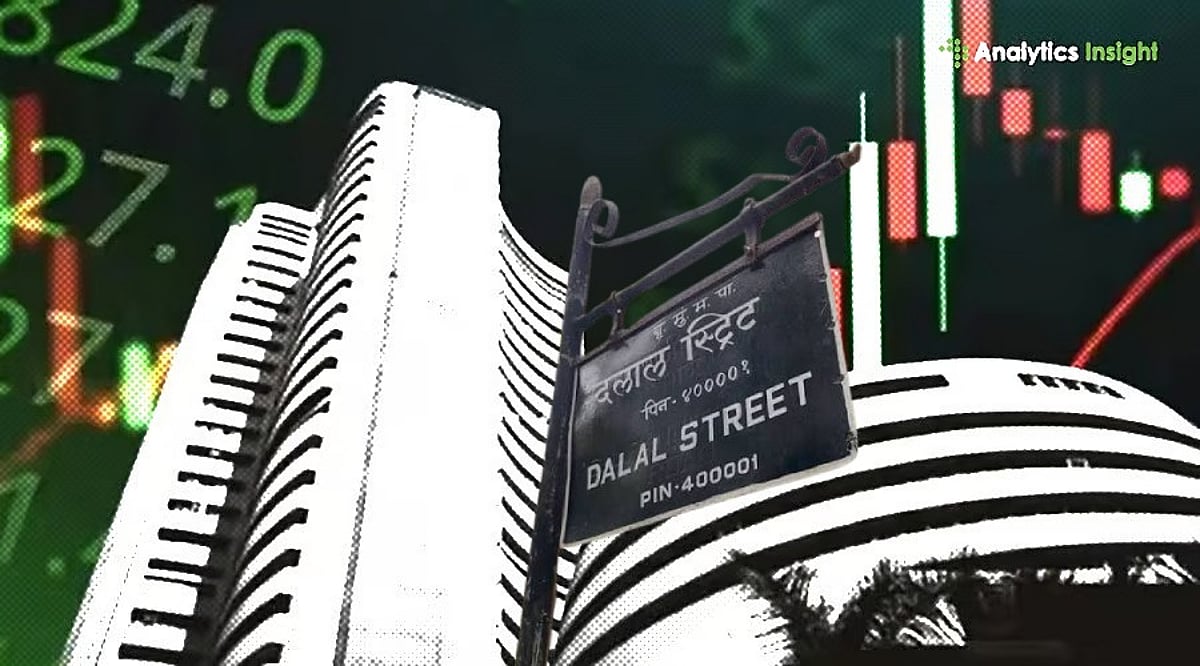
  • Dalal Street Closed for Muharram: Key Support and Resistance Levels for Sensex, Nifty, and Bank Nifty Ahead of June 29 Trading

    Dalal Street Closed for Muharram: Key Support and Resistance Levels for Sensex, Nifty, and Bank Nifty Ahead of June 29 Trading

    The Indian stock markets are closed today in observance of Muharram, with no trading on the BSE and NSE across equity, equity derivatives, securities lending and borrowing (SLB), currency derivatives, and interest rate derivatives segments. The commodities markets will remain closed for the morning session (9:00 AM to 5:00 PM) but will operate as usual for the evening session (5:00 PM to 11:30 PM / 11:55 PM).

    On the last trading day before the holiday, the Sensex gained 109.25 points, or 0.14%, to close at 77,100.47, while the Nifty 50 rose 34.35 points, or 0.14%, to settle at 24,056. However, both indices gave up most of their intraday gains as investors booked profits late in the session. The rupee strengthened by 25 paise against the US dollar, closing at ₹94.40, compared to the previous close of ₹94.65.

    Sensex Outlook

    Technically, the Sensex formed a bearish candle with a long upper wick, indicating weak momentum after a strong opening. Immediate support is seen at 76,933; a break below this level could invite a deeper correction toward 76,000 in the short term. The 77,500 level will act as a crucial resistance, and a sustained break above this could push the index toward 78,000.

    Nifty 50 Outlook

    The Nifty 50 has immediate support at 23,950 for Monday. Positive weekend global cues and a resolution to the Iran-US situation could help the index hold above 24,000 at the open, targeting 24,200 as the first resistance. However, the monthly expiry of the Sensex on Monday could create cross-index volatility, particularly in the afternoon session, potentially pushing the Nifty below 24,000 temporarily even if broader predictions remain positive.

    Bank Nifty Outlook

    The Bank Nifty closed the week at 58,177.05, following a 1.68% surge on the previous Wednesday’s expiry and subsequent consolidation. Unlike the Sensex, the Bank Nifty has no direct expiry event on Monday. However, the Sensex monthly expiry on June 29, 2026, directly impacts HDFC Bank and ICICI Bank, which could create indirect volatility in the Bank Nifty. Support is at 57,900, with an upside target of 58,500 if global cues improve over the weekend.

    All eyes are now on the June 29 trading session as traders reposition after the holiday break.

  • Simple Phone Settings That Slashed My Screen Time by Hours

    Simple Phone Settings That Slashed My Screen Time by Hours

    Like many people, I found myself constantly checking my phone throughout the day. Social media, notifications, and endless scrolling consumed hours without me realizing it. Instead of deleting apps completely, I explored built-in phone settings that encouraged mindful usage. These simple adjustments helped me regain focus and improve my daily routine.

    Turning Off Unnecessary Notifications

    The first change was disabling notifications from social media, shopping, and entertainment apps. Constant alerts were the biggest trigger for checking my phone. I kept only essential notifications for calls, messages, email, and work-related apps. Fewer interruptions made it easier to stay focused and reduced unnecessary screen pickups throughout the day.

    Setting App Time Limits

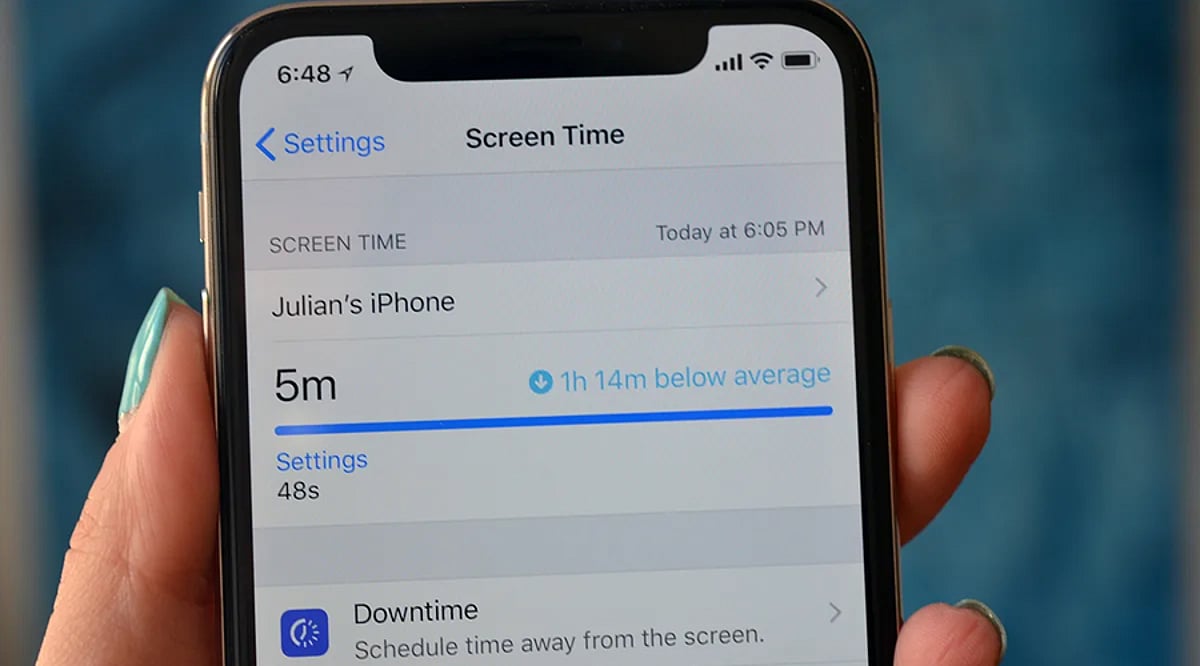
    I used my phone’s Digital Wellbeing or Screen Time feature to set daily limits for distracting apps. Social media, streaming platforms, and games each received a fixed time allowance. Once the limit expired, I had to decide whether to continue, making me more conscious of how I spent my time online.

    Using Grayscale and Organizing Apps

    Switching the display to grayscale made colorful apps less appealing and reduced the urge to scroll endlessly. I also moved distracting apps into folders on the last home screen page. That extra step created a small pause before opening them, helping me break the habit of mindless phone usage.

    Activating Focus Mode and Bedtime Mode

    Focus Mode temporarily blocked distracting apps during work hours, helping me stay productive without constant interruptions. Bedtime Mode automatically silenced notifications and dimmed the screen at night. These features reduced late-night scrolling, improved my sleep quality, and encouraged healthier digital habits without requiring drastic lifestyle changes.

    Tracking My Progress

    Weekly screen time reports showed exactly how much time I spent on different apps. Seeing the numbers motivated me to make better decisions and celebrate small improvements. Tracking progress turned screen time reduction into an achievable goal rather than an overwhelming challenge, making it easier to stay consistent.

    The Results and Key Takeaway

    Within a few weeks, my screen time dropped noticeably. I became more productive, slept better, and spent more time reading, exercising, and connecting with family. The biggest lesson was that small adjustments to app settings can create lasting habits. You don’t need a digital detox—just smarter control over your phone.