Author: vitorcherulli

  • Bitcoin ETF Outflows Hit $469M, SHIB Reserves Surge to 80.5T, and $10B BTC Options Near Expiry

    Bitcoin ETF Outflows Hit $469M, SHIB Reserves Surge to 80.5T, and $10B BTC Options Near Expiry

    The cryptocurrency market witnessed a series of significant developments on June 25, 2026. Spot Bitcoin ETFs recorded $469.08 million in net outflows, led by BlackRock’s IBIT, while SHIB exchange reserves surged to 80.5 trillion tokens. Meanwhile, SBI Group announced a $289 million acquisition of Japanese exchange Bitbank, and $10 billion in Bitcoin options are set to expire this week. Indonesia also introduced mandatory certification for crypto influencers.

    Bitcoin ETFs See $469 Million Outflows

    According to SoSoValue, the Bitcoin spot ETF market experienced a total net outflow of $469.08 million yesterday. The Grayscale Bitcoin Mini Trust ETF BTC recorded the highest net inflow at $23.56 million, bringing its historical total to $2.38 billion. On the other hand, BlackRock’s IBIT led outflows with $239.29 million, while its historical net inflow stands at $61.48 billion. The total net asset value of Bitcoin spot ETFs is $73.87 billion, representing an ETF net asset ratio of 6.04% and a historical cumulative net inflow of $52.75 billion.

    SHIB Exchange Reserves Spike to 80.5 Trillion Tokens

    The SHIB market is seeing a dramatic shift in investor sentiment. Large holders have begun transferring funds to centralized exchanges, interrupting a months-long accumulation trend. CryptoQuant data shows the Exchange Reserve indicator surged to 80.5 trillion SHIB over a few days. This expanded available supply drove the token’s price down to approximately $0.0000044. Daily net inflows into exchanges reached 749.8 billion SHIB, signaling strong selling pressure.

    SBI Group Acquires Bitbank for $289 Million

    SBI Group announced the acquisition of Japanese cryptocurrency exchange Bitbank for ¥46.7 billion (approximately $289 million). This move is expected to push SBI’s crypto custody balance above ¥1 trillion (about $6.2 billion), making it the largest crypto business in Japan. A subsidiary of SBI Holdings will acquire Bitbank shares from founders and other individual shareholders in August. Combined with SBI VC Trade’s accounts (as of April), the merged entity will have approximately 2.92 million total accounts and combined custodial assets of roughly ¥1.1 trillion.

    $10 Billion Bitcoin Options Expiry Approaches

    According to Bloomberg, Deribit will see approximately $10 billion in notional value of Bitcoin options expire on Friday, accounting for about 37% of current total open interest. The put-to-call ratio stands at 0.83, indicating bullish bets still dominate, but most call options are out-of-the-money. Puts are concentrated in the $60,000–$65,000 and $70,000–$75,000 ranges, suggesting bearish positions are more likely to profit. Jean-David Pequignot, Deribit’s Chief Business Officer, noted that this options portfolio, positioned for higher medium-term prices, is now under test amid falling spot prices.

    Indonesia Mandates Certification for Crypto Influencers

    Indonesia’s Financial Services Authority (OJK) issued Regulation No. 6 of 2026, requiring individuals who recommend cryptocurrencies to obtain competency certification unless they already hold a relevant license. The regulation limits influencers to promoting only digital assets listed on authorized exchanges. Any digital asset service provider featured in promotional content must hold the necessary regulatory license. Marketing campaigns must be conducted through regulated financial services businesses, which remain responsible for the promotional material.

  • How AI-Powered Slide Generators Are Automating Presentation Creation — Inside HIX AI’s Agent Workspace

    How AI-Powered Slide Generators Are Automating Presentation Creation — Inside HIX AI’s Agent Workspace

    Modern work environments often feel more fragmented than necessary. Most professionals juggle multiple tools—one for research, another for writing, a third for data organization, and yet another for presentations. This constant switching between applications not only slows productivity but also breaks concentration, making tasks feel longer and more burdensome.

    A more efficient approach is emerging: the Smart AI Agent Workspace. Instead of executing each step manually, users can issue a single command, and a team of AI agents handles the rest. These agents research, write, organize ideas, and even generate presentations within a unified environment.

    HIX AI is one platform that brings this vision to life. It integrates multiple AI capabilities into a single workspace, including its HIX AI Slides tool, which can transform raw ideas or documents into complete, ready-to-use presentations. The goal is to shift from manual, step-by-step workflows to automated, streamlined processes.

    The Hidden Cost of Digital Busywork

    Most people underestimate how much time is lost to routine digital tasks. It’s not the big projects that slow things down—it’s the small, repetitive actions: switching between apps, copying and pasting content, formatting documents, and recreating the same material in different tools. This so-called “digital glue work” consumes hours without adding real value.

    The problem intensifies with complex assignments that involve multiple sources, spreadsheet data, written explanations, and a final presentation. Each step requires a separate tool, forcing users to constantly switch platforms instead of focusing on critical thinking and decision-making.

    Modern AI-driven systems aim to solve this by consolidating everything into one environment. They treat work not as a sequence of isolated steps but as a single process, eliminating manual busywork and letting users concentrate on outcomes.

    How an AI Agent Workspace Actually Operates

    Understanding the User’s Goal

    An AI presentation maker starts by comprehending what the user truly wants to achieve. Instead of treating input as a simple command, the system reads the intent behind it and identifies the final deliverable—whether a report, article, or slide deck.

    Breaking Down the Task

    Once the objective is clear, the system automatically decomposes the work into smaller sub-tasks. Different AI agents are assigned to research, content creation, structuring, and formatting. Each agent focuses on its piece, making the overall process more efficient and organized.

    Delivering the Final Output

    After all steps are completed, the results are assembled into a cohesive final output within the same workspace. No manual linking or app switching is required. This approach is exactly how HIX AI and its HIX AI Slides module convert raw data into polished presentations or articles.

    HIX AI’s Implementation of the Agent Workspace

    A Unified AI Workspace

    HIX AI is designed as a single environment where various AI functions work together seamlessly, rather than as a collection of separate tools. The goal is to eliminate the need to jump between applications and centralize everything in one place.

    Multi-Agent Coordination

    Behind the scenes, several AI agents handle different parts of the workflow. One agent may focus on research, another on writing, and another on organizing or formatting the final product. These agents cooperate without user intervention—the user simply issues one command.

    End-to-End Automation

    When a task is assigned, the system processes it from start to finish. Whether generating content or building a presentation with HIX AI Slides, the result is a complete, well-structured output ready for use in the same workspace.

    AI Slides: Fully Automated Presentation Generation

    HIX AI Slides is built to dramatically simplify presentation creation. Users can just type a topic, upload a document, or provide raw ideas, and the system automatically produces a full slide deck with structured content and layout.

    The tool handles various input types like PDFs, reports, or notes. It breaks the content into logical segments and arranges them into a coherent sequence, ensuring no important information is lost and the presentation flows smoothly.

    Design is also automated. The platform adjusts layouts, spacing, and visual placement to create clean, professional slides without manual tweaking. The output is ready to use, though users can refine or edit it directly within the workspace.

    Conclusion

    The way we work is shifting from manual, step-by-step processes to interconnected, intelligent systems. Instead of using separate tools for each stage, professionals can now rely on AI-driven environments that handle the heavy lifting in one place.

    This transformation is embodied by the AI Agent Workspace. It unites research, writing, structuring, and presentation creation into a single flow, reducing effort and time. Ultimately, it’s not about working faster—it’s about working smarter, letting users focus on thinking and decision-making while the system executes the details.

  • Why Canvas Wall Art Is Taking Over Modern Interior Design

    Why Canvas Wall Art Is Taking Over Modern Interior Design

    In today’s homes, interior design is about more than just furniture and function—it’s a way to express personality and evoke emotion. Among the many decor options available, canvas wall art has emerged as a favorite for homeowners and designers alike. Its rise in popularity stems from a perfect blend of versatility, affordability, and aesthetic appeal, allowing anyone to turn bare walls into showcases of style and memory.

    The Evolution of Wall Art

    Wall art has been part of human culture for centuries, from ancient cave paintings to the grand oil canvases of old palaces. Traditionally, high-quality wall art was expensive and exclusive, limited to original paintings or framed prints. Today, digital printing technology has democratized this art form, making high-resolution reproductions and personalized designs accessible to everyone. Canvas wall art now represents a seamless fusion of classic artistic expression and modern technology.

    Why Canvas Wall Art Is So Popular

    Several factors contribute to the widespread appeal of canvas wall art. First, it instantly elevates the visual character of any room—living room, bedroom, office, or hallway—by adding depth, color, and personality. Second, its versatility shines through a vast range of styles, from abstract and minimalist to landscapes and custom portraits, making it easy to match any interior theme. Third, canvas prints are built to last: high-quality materials resist fading and damage, offering a long-term decorative investment compared to paper prints.

    The Role of Digital Technology

    Digital printing has been a game-changer for canvas wall art. High-resolution techniques reproduce images with exceptional clarity and color accuracy, preserving every detail. More importantly, technology enables easy customization. Homeowners can upload personal photos—family portraits, travel snapshots, or meaningful moments—and turn them into gallery-quality canvas prints. Platforms like Zebaco have made this process simple, allowing users to design and order artwork that suits their specific tastes and spaces.

    Personalization and Emotional Value

    What sets canvas wall art apart is its ability to hold deep personal significance. Custom canvas prints let people display their own cherished images, transforming a decoration into a meaningful keepsake. A family photo or a snapshot from a memorable trip becomes more than decor—it becomes a piece of personal history. These personalized artworks also make thoughtful gifts for weddings, anniversaries, and birthdays, offering a unique way to celebrate special relationships.

    Modern Trends in Canvas Wall Art

    Current interior design trends continue to boost the relevance of canvas wall art. Minimalist styles favor elegant, simple designs that complement clean, clutter-free spaces. Abstract art remains a staple for adding a contemporary feel and evoking emotion. Nature-based themes—landscapes, florals—are popular for creating calm, soothing environments. Multi-panel canvas sets are also trending, allowing larger statement pieces that can be arranged to fit wall dimensions perfectly.

    Frequently Asked Questions

    What is canvas wall art? It refers to images or artwork printed on canvas material, commonly used for home or office decoration.

    Why is canvas wall art popular? Because it is versatile, durable, customizable, and enhances the aesthetic appeal of any space.

    Can I use my own photos for canvas prints? Yes, many platforms allow users to upload personal images to create customized canvas artwork.

    Where can canvas wall art be used? It works in homes, offices, hotels, and commercial spaces to improve interior design.

    Is canvas wall art long-lasting? High-quality canvas prints are designed to last many years without significant fading or damage.

    Conclusion

    Canvas wall art has become an integral part of contemporary interior design, merging creativity, customization, and decoration effortlessly. It empowers individuals to transform living spaces into reflections of their personality and style. Thanks to advances in digital printing and accessible customization services like Zebaco, the possibilities for canvas art have expanded enormously. This trend is set to continue as people seek meaningful ways to decorate their homes while expressing themselves through art.

  • Why Cloud Administration Skills Are Essential for Today’s IT Professionals

    Why Cloud Administration Skills Are Essential for Today’s IT Professionals

    In today’s rapidly evolving digital landscape, cloud computing has become the backbone of modern IT infrastructure. Organizations across all industries are migrating their systems, applications, and data to cloud platforms to improve efficiency, scalability, and security. This transformation has created a strong demand for professionals who can manage cloud environments effectively and ensure smooth operations across complex digital systems.

    Cloud administration plays a vital role in maintaining these environments. It involves configuring, monitoring, and optimizing cloud resources to ensure performance and reliability. As businesses continue to adopt cloud-first strategies, the need for skilled cloud administrators is increasing significantly, making it one of the most promising career paths in the IT industry.

    Understanding Cloud Administration in Modern IT

    Cloud administration involves the management and support of systems and services that have been migrated to the cloud. This includes managing virtual machines, storage accounts, network elements, identity management, and security configurations. The role of cloud administrators is to allocate cloud resources and ensure they perform according to business needs.

    Unlike traditional IT administration, cloud administration is dynamic and highly scalable. Administrators must handle resources that scale up or down based on demand. Therefore, cloud administrators need strong knowledge of cloud computing architecture and automation. Cloud administration also focuses on ensuring high availability and disaster recovery, as modern businesses rely heavily on cloud services and any downtime can result in significant losses.

    Why Cloud Skills Are in High Demand

    The demand for cloud skills has surged due to the rapid adoption of cloud technologies. Companies are shifting from conventional on-premise computing environments to more flexible and cost-effective cloud solutions. The cloud offers advantages such as flexibility, scalability, security, and global accessibility. However, managing these environments requires unique skills, driving the demand for cloud administrators.

    Another factor is the increasing complexity of IT systems. Organizations often use multiple cloud services together, creating multi-cloud and hybrid cloud environments. This complexity further fuels the need for professionals who can orchestrate and manage diverse cloud setups.

    The Role of Certification in Cloud Careers

    In the IT industry, certifications are essential for validating skills and demonstrating expertise. They provide structured learning paths that help professionals understand key concepts and apply them in real-world scenarios. Certification programs cover topics such as cloud networking, identity management, security, and resource optimization. These programs prepare individuals for practical challenges in cloud administration roles.

    Many learners use platforms like Test Inside to support their certification preparation. These resources help candidates understand exam structures, practice technical scenarios, and strengthen conceptual knowledge. While hands-on experience remains essential, structured study materials can significantly improve learning outcomes.

    Certifications also enhance career opportunities by making candidates more competitive in the job market. Employers often prefer certified professionals because they demonstrate verified knowledge and commitment to professional growth.

    Key Responsibilities of Cloud Administrators

    Cloud administrators perform numerous critical roles to ensure smooth operation of cloud infrastructure. Key responsibilities include:

    • Resource Management: Allocating and optimizing computing resources such as virtual machines, storage, and networking.
    • Performance Monitoring: Checking system performance and ensuring smooth operation of cloud services, including troubleshooting any issues.
    • Security Management: Configuring identity and access control, implementing encryption, and managing systems to safeguard sensitive information.
    • Backup and Disaster Recovery: Ensuring data is backed up and recovery plans are in place to minimize downtime.

    Microsoft Azure Administrator Certification Overview

    Microsoft offers certifications focused on cloud administration, such as the AZ-104 certification for Microsoft Azure Administration. This certification covers managing identities, configuring virtual networks, implementing storage, and monitoring cloud infrastructure. It is designed for professionals aiming to prove their competence in Azure administration and advance their careers. Earning this certification demonstrates knowledge of Azure services and skills for working in enterprise-level environments.

    Career Opportunities in Cloud Administration

    The field of cloud administration offers diverse career opportunities across various sectors. As businesses increasingly adopt cloud computing, the need for professionals rises proportionately. Common job titles include cloud administrator, systems administrator, IT support engineer, cloud engineer, and infrastructure analyst. These roles involve resource management, security, and operational support.

    With experience and additional credentials, professionals can advance to positions such as cloud architect, DevOps engineer, or IT manager, which carry greater responsibilities and higher salaries. Cloud administration skills are highly transferable across industries like healthcare, financial services, education, and technology.

    The Importance of Continuous Learning

    The technology landscape changes rapidly, with cloud providers regularly adding new features and capabilities. Continuous learning is essential for professionals to remain competitive. This can involve pursuing certifications, taking online courses, participating in labs, and engaging with professional communities. Employers value learning-oriented employees because they help teams adapt to new technologies.

    Frequently Asked Questions

    What is cloud administration?

    Cloud administration is the process of managing and maintaining cloud computing environments, including servers, storage, and networking resources.

    Why is cloud administration important?

    It is important because it ensures that cloud systems are secure, efficient, and properly maintained for business operations.

    What does the AZ-104 certification cover?

    The AZ-104 certification covers Microsoft Azure administration topics such as identity management, networking, storage, and monitoring.

    Are cloud administration skills in demand?

    Yes, cloud administration skills are in high demand due to the widespread adoption of cloud computing technologies.

    How can I start a career in cloud administration?

    You can start by learning cloud fundamentals, gaining hands-on experience, and pursuing relevant certifications.

    Conclusion

    Cloud administration has become a critical component of modern IT infrastructure as organizations increasingly rely on cloud-based systems. Skilled cloud administrators are essential for ensuring these systems remain secure, efficient, and reliable. With growing adoption of cloud technologies, demand for cloud professionals continues to rise across industries. Certifications and continuous learning play a key role in developing necessary skills and advancing careers. By combining practical experience with structured learning and certification programs, aspiring professionals can build successful careers in cloud administration and contribute to the ongoing digital transformation of businesses worldwide.

  • Best Mini PCs of 2026: Expert Picks for Power, Performance, and Value

    Best Mini PCs of 2026: Expert Picks for Power, Performance, and Value

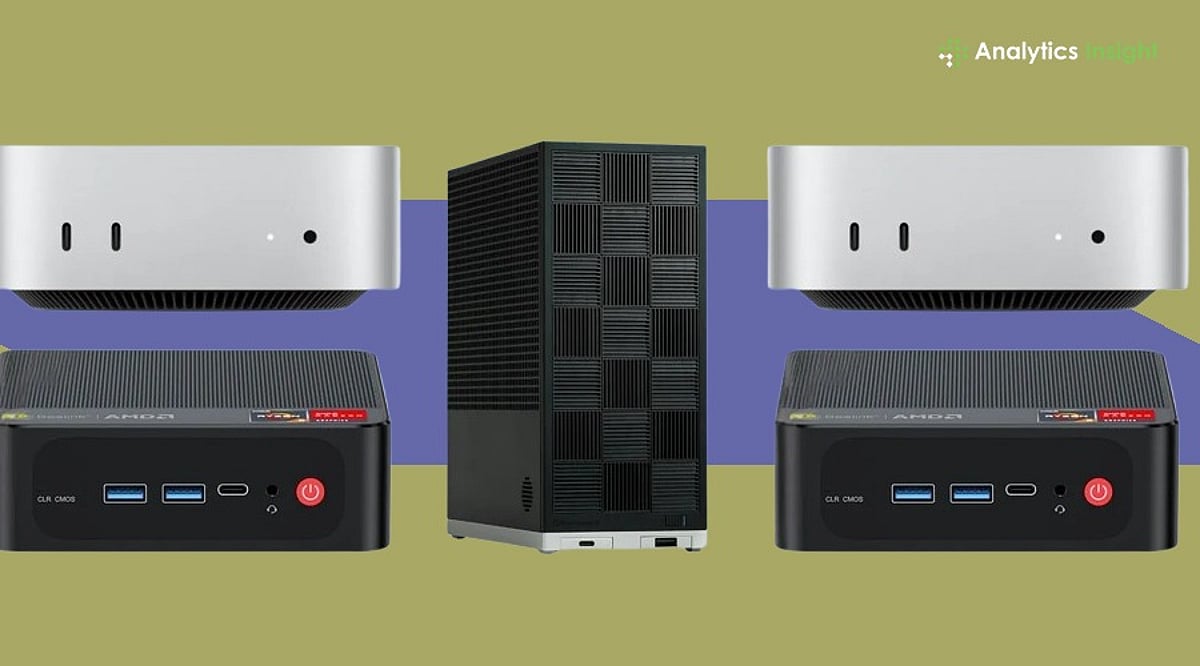
    Mini PCs have evolved far beyond their underpowered reputation. Thanks to cutting-edge chips from Apple, AMD, and Intel, today’s compact computers deliver genuine speed and efficiency in a footprint that barely registers on a desk. PC experts evaluate these machines not just by processor names, but by how they handle sustained workloads, thermal management, connectivity, and upgrade flexibility. Here are their top picks for 2026.

    What PC Experts Look for in a Mini PC

    Experts go beyond the spec sheet to assess real-world performance. Key factors include:

    • Sustained performance: A good mini PC maintains speed under load without throttling.
    • Cooling: Compact cases need efficient heat dissipation.
    • Connectivity: USB4, Thunderbolt, Wi-Fi 7, and multi-display support extend longevity.
    • Upgradeability: Swappable RAM and storage can extend the system’s life.
    • Power draw and noise: Important for all-day use.

    Best Mini PCs for 2026 at a Glance

    Apple Mac mini M4

    The Mac mini M4 remains the easy all-round choice for most people. It handles office work, programming, photo editing, and video editing with ease, staying nearly silent and consuming less power than a typical desktop. Tight hardware-software integration means it doesn’t need a bulky cooling system.

    ASUS NUC 15 Pro

    Designed for professional and business environments, the NUC 15 Pro runs Intel Core Ultra chips, offers enterprise-grade security, Thunderbolt ports, and support for multiple displays. It prioritizes long-haul reliability over benchmark scores, making it ideal for IT teams and corporate buyers.

    Geekom A8

    The Geekom A8 balances performance, price, and build quality. Its AMD Ryzen processor breezes through multitasking and light creative work. A metal chassis, quiet cooling, and a generous port selection give it a workstation-grade feel without the workstation price.

    Beelink SER9

    For users who need a small PC capable of creative software without a dedicated GPU, the Beelink SER9 shines. Its Ryzen AI processor and Radeon integrated graphics handle photo editing, casual video work, light gaming, and heavy multitasking, with solid cooling keeping performance steady.

    Minisforum AI X1 Pro

    Aimed at developers and AI professionals, the AI X1 Pro features a Ryzen AI processor, upgradeable memory, USB4 ports, and multi-monitor support. Its upgradeability is a key selling point, allowing users to swap components rather than replace the whole machine.

    Which Mini PC Should You Buy?

    Matching hardware to your workload delivers more value than buying the most expensive model. Avoid common mistakes like skimping on RAM (8GB is not future-proof), ignoring cooling, choosing too few ports, or overlooking upgrade options. A balanced system often feels faster than a powerful one held back by weak memory or cooling.

    Mini PC Buying Checklist

    • Match the processor to your workload.
    • Opt for at least 16GB of RAM for smooth multitasking.
    • Choose a PCIe Gen4 SSD for faster storage.
    • Confirm multi-monitor support if needed.
    • Look for USB4 or Thunderbolt for future connectivity.
    • Check upgradeability for RAM and storage.
    • Read independent thermal and noise reviews.
    • Weigh long-term value, not just the sticker price.

    Frequently Asked Questions

    1. What is the best mini PC to buy in 2026?

    The best mini PC depends on your needs. The Apple Mac mini M4 is a strong all-round choice, while models from ASUS, Geekom, Beelink, and Minisforum cater to business, creative, and AI workloads.

    2. Can a mini PC replace a traditional desktop?

    Yes. Modern mini PCs offer enough processing power for office work, programming, content creation, and light gaming. Many users no longer need a full-sized desktop.

    3. What should I look for when buying a mini PC?

    Consider the processor, RAM (16GB+), SSD storage (PCIe Gen4), cooling system, connectivity (USB4/Thunderbolt), display support, and upgrade options.

    4. Are mini PCs good for gaming and creative work?

    Many mini PCs handle light gaming, photo editing, and video editing with powerful integrated graphics. For demanding gaming or professional graphics, a desktop with a dedicated GPU may still be better.

    5. How much RAM does a mini PC need in 2026?

    16GB is the recommended minimum for smooth multitasking and long-term performance.

    Mini PCs have moved past their space-saving office box reputation. The strongest models of 2026 deliver performance, connectivity, and reliability that desktop users expect, using less power and making less noise. Choose based on your actual usage, not just the highest benchmark number.

  • Cloud Fundamentals and Entry-Level IT Certifications: Your Path to a Tech Career

    Cloud Fundamentals and Entry-Level IT Certifications: Your Path to a Tech Career

    Cloud computing has become the backbone of digital transformation across industries. From startups to large enterprises, organizations are adopting cloud-based solutions to improve scalability, reduce costs, and boost efficiency. As this shift accelerates, the demand for professionals who understand cloud fundamentals is growing rapidly.

    The Rise of Cloud Computing in Modern IT

    Cloud computing enables businesses to store data, run applications, and manage IT resources over the internet instead of relying on traditional on-premises infrastructure. This flexibility allows companies to scale quickly and respond to market changes efficiently. Key benefits include cost optimization (pay-as-you-go), enhanced reliability, and robust security features such as encryption and identity management.

    Why Cloud Skills Are Essential for IT Professionals

    As cloud adoption continues, IT professionals must develop cloud skills—it’s no longer optional. Understanding virtual machines, storage, networking, and cloud-based applications is critical for roles in system administration, support, development, and cybersecurity. Employers value cloud-literate candidates because they reduce onboarding time and contribute to digital transformation initiatives.

    The Importance of Entry-Level Certifications

    For those starting their IT careers, entry-level certifications provide a structured path to learn core concepts. They validate foundational knowledge in deployment models, service types, security basics, and pricing. Certifications like Microsoft’s AZ-900, designed for beginners, cover essential Azure services and cloud concepts. Resources such as Prep Away help candidates study effectively. These credentials improve employability by demonstrating commitment and foundational expertise.

    Understanding Cloud Fundamentals in Practice

    Cloud fundamentals include service models (IaaS, PaaS, SaaS), security (identity management, access control), and networking (virtual networks, data flow). Professionals must grasp these concepts to ensure secure, compliant cloud systems.

    Preparing for Cloud Certification Exams

    Preparation combines theoretical learning with hands-on practice. Working directly with cloud platforms helps candidates understand how services interact and builds problem-solving skills for real-world tasks.

    Career Opportunities in Cloud Computing

    Common entry-level roles include cloud support specialist, cloud administrator, and junior cloud engineer. With experience and advanced certifications, professionals can move into cloud architect, DevOps engineer, or cloud security specialist positions. Cloud skills are applicable across healthcare, finance, education, and technology, offering stability and growth.

    The Role of Continuous Learning in IT Careers

    Technology evolves rapidly, so continuous learning through certifications, online courses, hands-on practice, and professional communities is vital. Employers value lifelong learners who can adapt to new tools and challenges.

    Frequently Asked Questions

    What is cloud computing?

    Cloud computing delivers computing services—storage, servers, and applications—over the internet rather than using local infrastructure.

    Why are cloud fundamentals important?

    They provide the basic knowledge needed to work effectively with cloud technologies.

    What is the AZ-900 certification?

    An entry-level Microsoft Azure certification covering basic cloud concepts and Azure services.

    Are cloud skills good for beginners?

    Yes, they offer a strong foundation for IT careers and open opportunities in various roles.

    How can I prepare for cloud certification exams?

    Study core concepts, practice on cloud platforms, and use structured resources and study guides.

    Conclusion

    Cloud computing is a fundamental part of modern IT. Entry-level certifications provide an excellent starting point for aspiring professionals. By building cloud fundamentals, gaining practical experience, and earning certifications, individuals can position themselves for long-term success in a rapidly evolving field.

  • Why Data Engineering Skills Are Indispensable in Today’s Tech Landscape

    Why Data Engineering Skills Are Indispensable in Today’s Tech Landscape

    In the digital economy, data has become one of the most valuable assets for organizations across industries. Every second, companies generate massive amounts of data from customer interactions, online transactions, mobile apps, IoT devices, and business systems. However, raw data is of little value unless it is properly collected, processed, stored, and transformed into meaningful insights. This is where data engineering plays a critical role in modern technology ecosystems.

    Data engineering involves designing and maintaining the infrastructure that enables organizations to process vast quantities of data efficiently. It includes pipeline design, database management, data ingestion from multiple sources, and making data available for analytics and decision-making. As companies increasingly adopt data-driven strategies, the demand for skilled data engineers continues to rise globally.

    Understanding the Role of Data Engineering

    Data engineering is the foundation of modern data systems. It takes unstructured or raw information from diverse sources and converts it into structured formats that data scientists and business teams can easily use and evaluate. Without a strong data engineering foundation, organizations struggle to assess or understand the data they collect over time.

    A data engineer’s primary responsibility is to design and maintain pipelines that transport data from various sources to a centralized location, such as a data warehouse or data lake. Data engineers also clean, transform, and optimize data for performance and usability using programming languages, databases, cloud platforms, and architectural principles.

    As organizations move toward advanced analytics, AI, and machine learning, the role of data engineers becomes even more critical. Data quality is essential for sound decision-making, and data engineers ensure that reliable foundations are provided.

    Why Data Engineering Skills Are in High Demand

    The growing dependence on data-driven decision-making has created a strong demand for specialists who can work with complex data systems. Industries like finance, healthcare, retail, and technology require efficient data pipelines to support analytics and operational processes.

    Data engineering skills are especially relevant in cloud environments, where organizations use scalable infrastructure to store and process large data volumes. Cloud-based data platforms enable efficient big data management, but require skilled professionals for configuration, integration, and optimization.

    The rise of artificial intelligence and machine learning has further increased demand for data engineers. AI models rely heavily on high-quality data, and data engineers ensure that data is accurate, consistent, and available for model training and analysis.

    The Importance of Certification in Data Engineering Careers

    Professional certifications validate data engineering skills and provide structured learning paths. They demonstrate a candidate’s ability to work with complex data systems. Employers often prefer certified professionals as proof of technical competence and practical knowledge.

    Certification programs typically cover data storage, data processing, security, and integration techniques. They also help professionals stay updated with the latest tools and technologies. Many learners use resources like Cert Killer to strengthen their understanding and practice real-world scenarios.

    Certifications improve job prospects, enhance problem-solving skills, and provide a structured approach to learning and applying complex concepts in real-world environments.

    Key Responsibilities of a Data Engineer

    Data engineers perform numerous critical functions. One of the most important is building data pipelines that bring information from multiple systems into a single location. They also manage storage systems like data warehouses and data lakes, ensuring they are designed for performance, scalability, security, and reliability.

    Another crucial role is transforming raw data—which often comes in varied formats—into a standard format clean enough for reporting or analysis. Data engineers develop automated processes to perform these transformations to maintain consistency across systems.

    Finally, data engineers support data scientists and analysts, ensuring that the infrastructure meets the needs of analytics and machine learning teams. This collaboration enables organizations to make data-driven decisions effectively.

    Microsoft Azure Data Engineering Certification

    Microsoft offers specialized certifications for data engineering using Azure technologies. The DP-203 certification focuses on implementing data solutions on Microsoft Azure, covering data storage, processing, security, and integration. It is designed for professionals working with big data and cloud-based platforms.

    Earning this certification demonstrates strong knowledge of Azure data services and the ability to design scalable, efficient data systems. It is widely recognized and can significantly enhance career opportunities in data engineering and analytics.

    Career Opportunities in Data Engineering

    Data engineering offers diverse career opportunities across industries. Common roles include data engineer, cloud data engineer, data architect, ETL developer, and big data engineer. These roles involve building pipelines, managing databases, optimizing systems, and supporting analytics platforms.

    Data engineers often work on large-scale projects involving complex data integration and processing. The field is both challenging and rewarding, and demand is expected to remain strong as data becomes central to business operations.

    The Role of Continuous Learning in Data Engineering

    The field evolves rapidly with advances in technology, cloud computing, and processing tools. Continuous learning is essential for professionals to remain competitive. New tools and frameworks regularly improve efficiency and scalability, and engineers must stay updated.

    Learning can take many forms: certifications, online courses, hands-on projects, and participation in technical communities. Employers highly value individuals who commit to ongoing learning, as it ensures teams stay capable of handling new challenges.

    Frequently Asked Questions

    What is data engineering?
    Data engineering is the process of designing, building, and managing systems that collect, store, and process large volumes of data for analysis and decision-making.

    Why is data engineering important?
    It ensures organizations have access to clean, structured, and reliable data for analytics and business intelligence.

    What does the DP-203 certification cover?
    It focuses on implementing data solutions using Microsoft Azure, including data storage, processing, and integration.

    Are data engineering skills in demand?
    Yes, due to growing reliance on data-driven decision-making and big data technologies.

    What skills are required for data engineers?
    Skills in programming, databases, cloud platforms, data modeling, and data pipeline development.

    Conclusion

    Data engineering has become a critical discipline, enabling organizations to turn raw data into valuable insights. As businesses embrace data-driven strategies, demand for skilled data engineers will grow. By developing technical skills, gaining experience, and pursuing certifications, professionals can build rewarding careers. Continuous learning and adaptability are essential in this rapidly evolving field.

  • Why Cloud Architecture Skills Are Essential for Modern IT Career Growth

    Why Cloud Architecture Skills Are Essential for Modern IT Career Growth

    The rapid evolution of cloud computing has transformed how organizations design, deploy, and manage their IT infrastructure. Businesses today rely heavily on cloud platforms to ensure scalability, flexibility, and cost efficiency. This shift has created a strong demand for professionals who understand cloud architecture and can design solutions that meet complex business requirements. As companies continue to migrate workloads to cloud environments, cloud architecture has become one of the most important skill sets in the technology industry.

    Microsoft Azure, in particular, has emerged as a leading cloud platform used by organizations worldwide. It provides a wide range of services including computing, storage, networking, security, and analytics. With this increasing adoption, professionals who can design and implement Azure solutions are highly valued in the job market. Cloud architects play a critical role in ensuring that systems are efficient, secure, and aligned with organizational goals.

    Understanding Cloud Architecture in the Modern Era

    A cloud architecture is the way by which a cloud computing system is designed and structured. It entails designing how various elements such as virtual machines, databases, networks, and applications will interact in a cloud environment. Well-designed architecture makes the system scalable, reliable, and secure at the same time.

    Modern cloud architecture is not just limited to setting up the infrastructure of a cloud computing environment. Elements like disaster recovery, cost effectiveness, performance, and security management have to be considered in designing a cloud architecture. Cloud architects have to take into account business needs and come up with technical solutions that perform well in cloud environments.

    In the wake of the adoption of multiple cloud and hybrid approaches by organizations, cloud architecture has become more complicated. Cloud architects need to know how cloud platforms interact as well as the distribution of workloads between different environments.

    Why Cloud Architecture Skills Are in High Demand

    It is important to have cloud architecture skills since these affect the operations of businesses in the current era. It is through cloud architecture that businesses are able to use systems to develop applications and provide their services to customers. Poor architectural design leads to inefficiencies, high risks, and cost increase.

    There are companies that need people to develop efficient systems in order to improve the operations of these systems. In addition, there is a need for cloud architecture in order to ensure that systems are able to handle loads efficiently. Therefore, cloud architecture becomes one of the key roles in IT infrastructure management.

    Due to increased investment in digital transformation projects, many businesses have adopted cloud computing systems in various industries like healthcare, banking, retail, and education among others. This means that cloud architecture becomes a very important skill in the current world.

    The Importance of Certification in Cloud Careers

    In the technology industry, certifications play a key role in validating professional skills and knowledge. Employers often rely on certifications to assess whether candidates have the necessary expertise to perform specific job roles. Cloud architecture certifications are particularly valuable because they demonstrate the ability to design and manage complex cloud environments.

    Certification programs provide structured learning paths that cover essential topics such as networking, identity management, security, and system design. This structured approach helps professionals build a strong foundation and prepares them for real-world challenges.

    Many candidates use Braindumps as part of their preparation strategy to better understand exam formats and practice scenarios. While hands-on experience remains essential, structured study materials can help reinforce key concepts and improve confidence during exam preparation. Combining theoretical learning with practical application is the most effective approach for success in cloud architecture certifications.

    Key Responsibilities of a Cloud Architect

    The duties of a cloud architect include designing and implementing cloud solutions to fit in accordance with the organization’s needs. This duty requires analysis of the needs of the business and selection of the proper cloud solution.

    System design is one of the major duties of a cloud architect. This implies the creation of plans for cloud infrastructure to be used to create interconnections between various parts of a system. This process must include optimization of the system in terms of performance, cost-effectiveness, and reliability.

    Another important duty of a cloud architect is security of information stored on the cloud server. In this case, the cloud architect should take measures to provide protection through encryption, identity management, and other ways of access control. Moreover, one more duty of the cloud architect includes monitoring and improvement of performance of the system.

    Microsoft Azure Solutions Architecture Certification

    Microsoft provides professional certifications to prove one’s proficiency in cloud architecture design and implementation. These certifications target professionals interested in proving their capabilities to design complex solutions using Azure technologies.

    AZ-305 certification revolves around the design of Microsoft Azure infrastructure solutions. It includes various aspects such as identity and security design, data storage solutions, business continuity design, and infrastructure optimization. This certification aims at professionals with experience in designing Azure-based cloud solutions.

    Obtaining the AZ-305 certification proves one’s proficiency in the use of Azure technology. It is highly valued in the industry, thus boosting one’s career opportunities as a cloud specialist.

    Career Opportunities in Cloud Architecture

    There is an array of career prospects associated with cloud architecture in different sectors. The industry is looking for individuals who are able to design and maintain cloud-based systems to help companies in their digital transformation.

    The most typical jobs are cloud architect, solutions architect, cloud consultant, infrastructure engineer, and IT architect. The main duties associated with such positions are the design of cloud strategies, solution implementation, and ensuring system performance and security.

    Working in the field of cloud architecture implies involvement in complex projects with multiple system integration and multi-cloud deployment. It gives people an opportunity not only to develop professionally but also to find interesting challenges.

    The Value of Continuous Learning in Cloud Careers

    Technology is constantly evolving, and cloud computing is no exception. New services, tools, and best practices are regularly introduced, making continuous learning essential for cloud professionals. Staying updated with industry trends ensures that architects remain effective and competitive in their roles.

    Continuous learning can take many forms, including certifications, online training, hands-on labs, and participation in technical communities. These learning methods help professionals expand their knowledge and improve their practical skills.

    Employers value professionals who demonstrate a commitment to lifelong learning. This mindset not only enhances individual career growth but also contributes to organizational success by ensuring that teams are equipped to handle new technological challenges.

    Frequently Asked Questions

    Why is cloud architecture important?

    Cloud architecture is important because it ensures that cloud systems are scalable, secure, and efficient. It helps organizations design reliable infrastructure that supports business operations.

    What does the AZ-305 certification cover?

    The AZ-305 certification covers designing Azure infrastructure solutions, including security, storage, networking, and business continuity planning.

    Are cloud architects in demand?

    Yes, cloud architects are in high demand due to the increasing adoption of cloud computing across industries.

    How do certifications help cloud professionals?

    Certifications validate skills, improve job opportunities, and demonstrate expertise in specific cloud technologies and roles.

    Is hands-on experience necessary for cloud architecture?

    Yes, hands-on experience is essential because it helps professionals apply theoretical knowledge to real-world scenarios.

    Conclusion

    Cloud architecture has become one of the most important disciplines in modern IT due to the widespread adoption of cloud technologies. Organizations rely on skilled professionals to design systems that are secure, scalable, and efficient. As cloud environments continue to grow in complexity, the demand for experienced cloud architects will continue to rise.

    By developing strong technical skills, gaining practical experience, and pursuing relevant certifications, professionals can build successful careers in cloud architecture. Continuous learning and adaptability are essential for long-term success in this rapidly evolving field. Cloud architecture not only offers strong career opportunities but also plays a vital role in shaping the future of digital transformation across industries.

  • How to Calculate Your Car Loan EMI: A Complete Step-by-Step Guide

    How to Calculate Your Car Loan EMI: A Complete Step-by-Step Guide

    Buying a car is a major financial decision for most households. While you may start by dreaming about a particular model or variant, the real choice often comes down to how comfortably you can repay the loan each month. A car loan allows you to spread the purchase cost over a fixed tenure, but your monthly repayment must fit your income, expenses, and long-term financial plans.

    This is where a car loan EMI calculator becomes invaluable. It helps you estimate your monthly instalment before you apply for a car loan. By entering the loan amount, repayment tenure, and interest rate, you can instantly check whether the EMI is manageable and compare different repayment options with clarity.

    Lenders like Bajaj Finance offer high-value new car loans with flexible repayment tenures and simple eligibility criteria. Before applying, you can use a car loan EMI calculator to compare repayment options and choose a plan that suits your income and expenses.

    What is a car loan EMI calculator?

    A car loan EMI calculator is an online tool that estimates your monthly instalment based on three key inputs:

    • Loan amount
    • Repayment tenure
    • Interest rate

    Once you enter these values, the calculator shows your estimated EMI. Some calculators also display the total interest payable and the total repayment amount. This tool saves time and removes guesswork — you can test different loan amounts, tenures, and interest rates within seconds.

    Why calculate your car loan EMI before applying?

    Calculating your EMI in advance helps you borrow within a comfortable range. A car is a long-term purchase, and the EMI should align with your monthly cash flow. Benefits include:

    • Understanding your monthly repayment amount
    • Comparing different loan tenures
    • Seeing how interest rate changes affect your EMI
    • Deciding the loan amount you can manage
    • Planning your down payment, if required
    • Avoiding financial strain

    For example, a longer tenure may lower your monthly EMI but increase total interest paid. A shorter tenure may raise the EMI but reduce the total repayment cost. The calculator helps you compare these trade-offs clearly.

    How does a car loan EMI calculator work?

    The calculator uses the loan amount, tenure, and interest rate to estimate your monthly instalment. Here is what each input means:

    • Loan amount: The amount you want to borrow for the car purchase.
    • Tenure: The repayment period over which you will repay the loan.
    • Interest rate: The rate charged by the lender on the loan amount.

    The calculator applies the standard EMI formula and shows your estimated monthly instalment.

    Step-by-step guide to calculating your car loan EMI

    Step 1: Enter the loan amount

    Start by entering the loan amount you want to borrow. This depends on the estimated on-road price of the car and how much you plan to pay upfront. The on-road price may include:

    • Ex-showroom price
    • Registration charges
    • Road tax
    • Insurance
    • Local charges
    • Accessories (if selected)
    • Other applicable costs

    The final on-road price may vary by city, variant, registration type, insurance plan, and other charges.

    Step 2: Select the repayment tenure

    Choose the repayment period. Tenure affects your EMI in two ways:

    • A longer tenure can reduce your monthly EMI.
    • A shorter tenure can reduce your total interest outgo.

    The right tenure balances a manageable EMI with a reasonable total cost.

    Step 3: Enter the interest rate

    Enter the applicable interest rate. Even a small change in the rate can significantly affect the total amount you pay over the loan tenure. Compare different EMI values before finalising your plan.

    Step 4: Review the EMI result

    Once you enter the three values, the calculator shows your estimated EMI. Review it carefully and ask yourself:

    • Can I pay this EMI every month?
    • Will I still have enough for regular expenses?
    • Can I manage fuel, insurance, service, and maintenance costs?
    • Does the tenure increase the total interest too much?
    • Should I increase the down payment to reduce the EMI?

    This step helps you choose a repayment plan that fits your income and lifestyle.

    What factors affect your car loan EMI?

    Your EMI is mainly affected by three factors:

    • Loan amount: A higher loan amount usually means a higher EMI.
    • Interest rate: A higher rate increases the EMI and total interest paid.
    • Tenure: A longer tenure lowers the EMI but may increase the total repayment cost.

    Other factors such as your CIBIL score, income, employment type, existing EMIs, and lender policy can also influence your loan terms.

    How Bajaj Finance New Car Loan fits into EMI planning

    The Bajaj Finance New Car Loan supports buyers who want structured repayment. It offers:

    • Funding from ₹1 lakh to ₹10 crore
    • Financing of up to 100%* of the car’s road price
    • Tenure options from 12 months to 96 months
    • Minimal documentation
    • Simple eligibility criteria

    Use the new car loan EMI calculator on the Bajaj Finance website before applying to estimate your monthly instalment and interest payable. Approval, loan amount, rate, and tenure are subject to eligibility and terms.

    A car loan EMI calculator helps you plan your car purchase with confidence. It shows the estimated monthly EMI, helps you compare tenure options, and gives you a clearer view of the total borrowing cost. Before applying for a car loan, enter the loan amount, select the repayment tenure, add the interest rate, and review the estimated EMI carefully.

    Frequently asked questions

    What is a car loan EMI calculator?

    An online tool that estimates your monthly EMI based on loan amount, repayment tenure, and interest rate.

    Is the EMI shown by the calculator final?

    No, it is an estimate. The final EMI depends on the approved loan amount, applicable interest rate, tenure, charges, and lender assessment.

    Can a longer tenure reduce my car loan EMI?

    Yes, a longer tenure can reduce your monthly EMI. However, it may increase the total interest paid over the loan period. Always compare EMI comfort with total repayment cost.

    What details do I need to use a car loan EMI calculator?

    You need three details: loan amount, repayment tenure, and interest rate.

    Can I use the calculator before choosing a car?

    Yes, you can use it before choosing a car to compare budgets, variants, down payment options, and loan tenures.

    *Terms and conditions apply.

  • Fastest Crypto Platforms for 2026: Speed Leaders Compared

    Fastest Crypto Platforms for 2026: Speed Leaders Compared

    Speed used to be a luxury in crypto. Now it’s the baseline. With Layer 2 networks maturing, cross-chain bridges stabilizing, and swap infrastructure quietly catching up to TradFi execution times, slow transactions are starting to feel like a deliberate choice someone made years ago and forgot to revisit.

    Whether you’re moving between chains mid-volatility, grabbing an entry before a candle closes, or simply tired of watching confirmations crawl across a block explorer, the platforms you use matter more than most traders admit. Here’s a look at the fastest crypto platforms worth keeping in your stack in 2026.

    ChangeNOW: Instant Non-Custodial Infrastructure

    By treating speed and simplicity as a single feature rather than two discrete selling points, ChangeNOW has established a unique position in the non-custodial exchange market. More than 110 networks and more than 1,500 assets (including RWAs) are supported by the platform. Depending on the chain pair, swaps usually take less than one minute to complete.

    It’s not simply backend routing that makes ChangeNOW truly quick. Without forcing customers to do any of that work themselves, the platform aggregates liquidity from several sources at once and routes each swap into the quickest path. There is no layered UI attempting to upsell items you didn’t choose, no account signup, and a streamlined onboarding process for normal limits. After entering assets and verifying a wallet address, you proceed.

    The platform offers a Pro account for traders who frequently swap across multiple bridges and assets. Depending on the subscription tier, the account offers AML checks, tokens, and credits. Another useful feature is private sends, which maximize the privacy of the transaction and ensure extra safety for the recipients.

    ChangeNOW has evolved from a stand-alone destination to an embedded layer inside wallets, portfolio tools, and crypto apps because the API is also production-grade. When you use a third-party integration to access it, speed doesn’t decrease.

    Kraken: Institutional Engine Built for Retail Execution

    When you need the infrastructure of a global centralized exchange without sacrificing the rapid execution speed of defragmented order books, Kraken acts as a premier institutional engine for regular traders. Kraken’s platform infrastructure leverages deterministic order matching that eliminates execution lag, even during periods of heavy market volatility.

    Kraken pairs this transaction velocity with substantial market depth, holding a top-tier liquidity score. This baseline depth ensures that market orders fill immediately on the matching engine rather than hanging or encountering heavy slippage.

    • Advanced Order Routing: The desktop and mobile interfaces feature sub-millisecond API response times, giving automated algorithms and day traders instant feedback on spot and futures execution.
    • Capital Velocity: Kraken’s unified margin system and integrated banking rails allow for efficient collateral allocation across hundreds of digital assets.

    By avoiding the complex, multi-layered interfaces of older brokers, Kraken delivers a clean, high-throughput workspace where transactions execute precisely when you hit the button.

    Coinbase: Low-Latency Execution on Major Liquidity Rails

    Coinbase serves as a massive liquidity rail, handling high-volume order flow with low-latency architecture. Originally built to handle standard retail trades, the platform’s advanced trading tier directly connects users to its core institutional matching engine, turning it into one of the most reliable environments for large-scale, rapid order fulfillment.

    The platform’s speed advantage lies in its deep, highly integrated order books. Because a significant portion of global fiat-to-crypto volume settles through its banking corridors, trades match almost instantly with minimal price distortion.

    • Unified Asset Management: Traders can pivot capital instantly from spot markets into derivatives or high-yield staking programs without waiting on localized clearing times.
    • Developer-First API: The platform boasts robust WebSockets and REST APIs, allowing third-party tools and algorithmic bots to read market changes and execute trades within milliseconds.

    For macro traders who need to deploy heavy capital into major pairings without worrying about localized exchange halts or network congestion bottlenecks, Coinbase provides a steady, high-speed anchor.

    Binance: The Global Heavyweight for Raw Throughput

    For pure volume and matching engine performance, Binance remains a dominant force in transaction processing speeds. The core architecture handles millions of orders per second without flinching, making it the preferred playground for high-frequency scalpers and systemic trading desks.

    Because liquidity is deeply concentrated here, market impact is minimized even when entering multi-million dollar positions on major asset pairs.

    • BNB Ecosystem Synergy: Paying trading fees with BNB reduces the platform’s baseline costs, maximizing capital deployment efficiency over thousands of rapid executions.
    • Algorithmic Suite: Built-in grid trading bots, advanced TWAP (Time-Weighted Average Price) orders, and direct API endpoints process position updates virtually instantaneously.

    Bybit: Specialized High-Speed Derivatives Hub

    When high leverage and immediate execution finality are non-negotiable, Bybit stands out as a purpose-built home for derivatives trading. Its matching engine runs with an impressive uptime record, ensuring that liquidations and stop-losses trigger exactly when the underlying oracle triggers, eliminating the costly lag that plagues lesser perpetual platforms during cascading liquidations.

    Operational Focus: Bybit’s user interface is deeply responsive, updating chart intervals, order books, and open position values instantly. This immediate visual data sync helps fast-paced intraday traders cut losses or take profits without manual page refreshes or button delays.

    Crypto.com: Mobile-First Asset Rotation

    While desktop platforms favor multiple monitors and hardwired internet connections, Crypto.com dominates the speed category for mobile-exclusive execution. The platform is designed to let users capture market momentum entirely from their phones, minimizing the friction between spotting a macro trend and confirming an entry.

    • Rapid Fiat Integration: The platform’s native Visa card ecosystem and direct fiat deposit rails mean you can fund your wallet and purchase assets in seconds.
    • Instant Rewards Staking: Capital can be rapidly shifted from unutilized spot holdings into yield-bearing lockups, making it highly efficient for passive wealth management on the fly.

    OKX: The Hybrid Web3-to-CEX Bridge

    OKX bridges the gap between centralized liquidity and decentralized custody. Its primary unified account architecture allows traders to use their entire balance across spot, margin, and perpetual derivatives simultaneously, accelerating capital velocity.

    What sets OKX apart in terms of modern speed is its seamless, built-in Web3 wallet switch. Within a single interface tap, you can hop off the centralized order book and drop into decentralized L2 aggregators, allowing you to catch early-stage chain listings or move into on-chain yield strategies before the broader market catches on.

    At a Glance: Fast-Execution Crypto Platforms Compared

    Navigating Platform Selection: Finding the fastest setup comes down to your personal workflow. If you want to trade immediately without setting up accounts or navigating complex compliance verification, non-custodial aggregators like ChangeNOW offer the quickest line between point A and point B. Conversely, if your execution relies on heavy API usage, automated scripts, or highly advanced order books, deploying capital to institutional hubs like Kraken or Binance will give you the technical edge needed to beat market friction.

    Disclaimer: Analytics Insight does not provide financial advice or guidance on cryptocurrencies and stocks. Also note that the cryptocurrencies mentioned/listed on the website could potentially be risky. This article is provided for informational purposes and does not constitute investment advice. You are responsible for conducting your own research (DYOR) before making any investments.