Author: vitorcherulli

  • Big Data Insights: Key Trends, Tools, and Industry Impact in 2025-2026

    Analytics Insight’s Big Data section curates essential articles exploring the transformative power of data analytics across industries. From open-source tools to predictive market analysis, these pieces uncover how organizations leverage big data for strategic advantage.

    Top Headlines

    • Best Open-Source Big Data Tools in 2026: A comprehensive guide to the most effective open-source platforms for handling massive datasets.
    • What is Big Data Analytics? (2026 Guide): Explains the meaning, types, tools, and real-world applications of big data analytics.
    • The Growing Role of Big Data in Predictive Market Analysis: How data-driven models forecast market trends with increasing accuracy.
    • Big Data in Telehealth and Remote Diagnostics: Transforming patient care through real-time data processing and remote monitoring.
    • Gartner’s Essential Features for BI Platforms (2025): Key capabilities business intelligence tools must offer in the modern data landscape.
    • Top Free Scala Courses for Big Data (2025): Learning resources for mastering Scala, a language critical for big data frameworks.
    • Drinksworld Uses Big Data for Business Growth: A case study on how data analytics drives strategy in the beverage industry.
    • Big Data Reshaping the Automotive Industry: From autonomous driving to supply chain optimization, data is revolutionizing mobility.
    • Big Data Revolution in Healthcare: Predictive analytics and precision medicine are becoming standard through big data.
    • Top 10 Data Lakes for Big Data Analytics: A detailed overview of leading data lake solutions for scalable analytics.
    • Big Data Analytics Trends to Watch in 2025: Emerging patterns that will define the next wave of data analytics.
    • Why the World Would End Without Data: A thought piece on the catastrophic consequences of a data-less society.

    These articles provide a rich resource for professionals, researchers, and enthusiasts looking to stay ahead in the rapidly evolving world of big data.

  • Big Data Insights: Top Tools, Analytics Trends, and Industry Impact for 2025-2026

    What Is Big Data Analytics?

    Big Data analytics involves examining large, diverse data sets to uncover hidden patterns, correlations, and insights. In 2025-2026, open-source tools, predictive analytics, and industry-specific applications are driving transformation across healthcare, automotive, finance, and more.

    Top Trends and Tools

    • Best Open-Source Big Data Tools in 2026 – A roundup of leading open-source platforms for data processing and analysis.
    • Predictive Market Analysis – How Big Data is reshaping market forecasting and investment strategies.
    • Telehealth and Remote Diagnostics – Big Data’s role in improving patient monitoring and diagnostic accuracy.
    • Business Intelligence Platforms – Gartner’s essential features for BI tools in 2025.
    • Scala for Big Data – Top free courses to master Scala for data engineering.
    • Data Lakes for Analytics – The top 10 data lakes enabling large-scale analytics.

    Industry Applications

    Big Data is revolutionizing the automotive industry, healthcare (predictive analytics and precision medicine), and even the beverage sector (drinksworld uses data to drive growth). Without Big Data, modern decision-making would collapse—highlighting its critical role.

    Stay tuned for more insights from Analytics Insight, the leading tech and crypto publication.

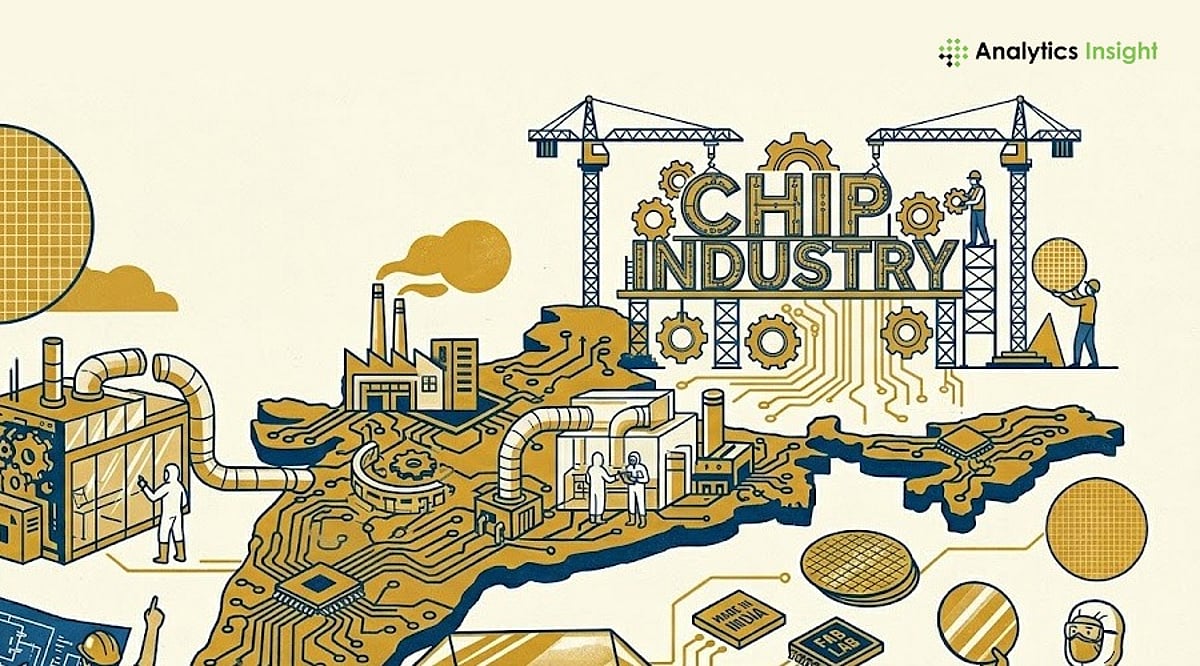
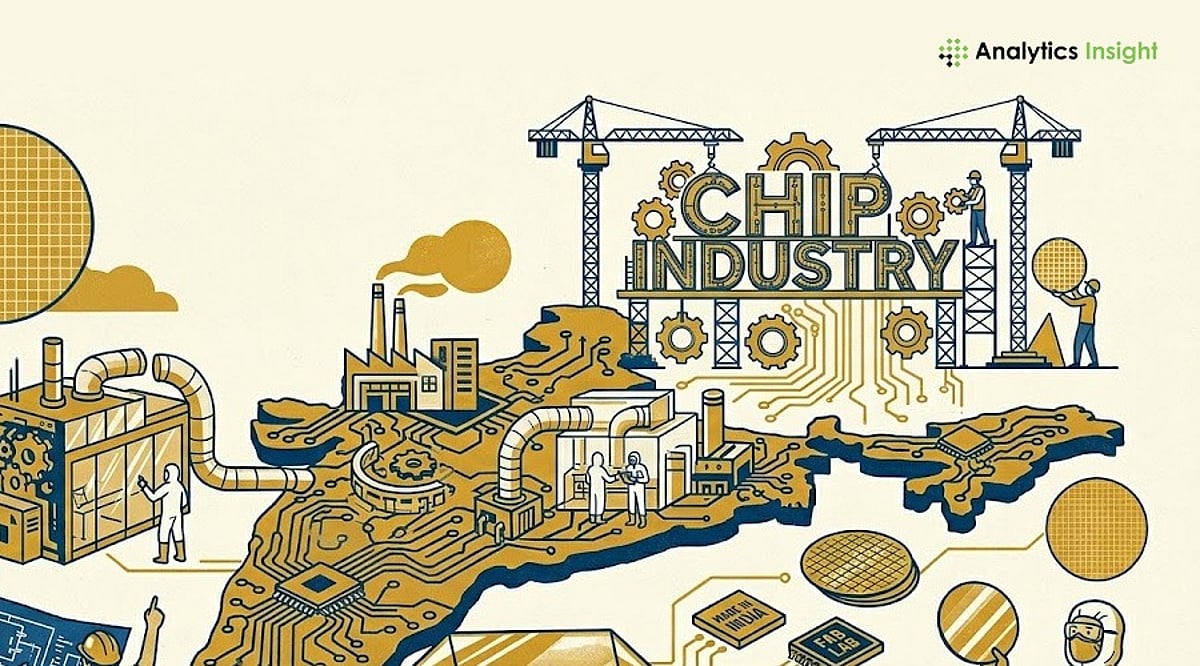
  • India’s Semiconductor Strategy: From Design Hub to Global Chip Manufacturing Powerhouse

    India’s Semiconductor Strategy: From Design Hub to Global Chip Manufacturing Powerhouse

    India has long been a silent force in global technology, with nearly 20% of the world’s semiconductor design talent based in cities like Bangalore and Hyderabad. But designing chips and manufacturing them are vastly different challenges. Until recently, the country lacked the advanced fabrication plants, or ‘fabs,’ required to turn designs into physical silicon.

    The COVID-19 pandemic exposed the fragility of global supply chains, halting car production and highlighting the dangers of relying entirely on a few countries for chips. Driven by these lessons, India is now racing to build a semiconductor industry from scratch. The launch of the India Semiconductor Mission (ISM) 2.0, backed by billions in government support, marks a determined shift from being a design house to becoming a global manufacturing hub.

    Starting with Assembly and Testing

    Building a cutting-edge chip factory is one of the most expensive and complex undertakings imaginable—a single advanced machine can cost more than a large airplane. Instead of immediately competing with giants like Taiwan on 2-nanometer AI chips, India is pursuing a bottom-up strategy. The initial focus is on Outsourced Semiconductor Assembly and Test (OSAT): taking raw silicon wafers, slicing them into individual chips, and packaging them. This 10-to-12-step process is less capital-intensive than a full fab but equally vital.

    Companies such as Kaynes Semicon have already started production in Gujarat, concentrating on chips for automotive, telecom, and defense applications. These may not power the latest smartphones, but they are the workhorses of the modern economy. By serving its domestic market first, India is building the scale and manufacturing culture needed to eventually produce more advanced, smaller chips.

    Government Policy and Self-Reliance

    The Indian government is backing this push with investment and clear policy. The Union Budget for 2026-27 introduced ISM 2.0, allocating Rs. 8,000 crore specifically for manufacturing and design this year. The target is ambitious: by 2029, India aims to design and manufacture 70% to 75% of its own semiconductor needs—from home appliances to advanced defense technology.

    Under the first phase of the mission, ten major projects worth about Rs. 1.60 lakh crore have been approved, spanning silicon power plants and packaging units across six states. The broader vision is to position India as a trusted ‘Plan B’ for the world amid rising geopolitical tensions.

    Building Talent and Indigenous Tech

    One of the biggest hurdles is the shortage of trained engineers for chip manufacturing, which demands extreme precision and cleanroom protocols. India has launched programs like ‘Chips to Startup,’ providing hundreds of universities and over 1,000 startup engineers access to high-end design tools. Partnerships with firms like Lam Research aim to train 60,000 engineers over the next decade.

    India is also developing its own intellectual property to reduce reliance on foreign licensing. Indigenous microprocessors such as ‘DHRUV64,’ ‘SHAKTI,’ and ‘THEJAS’ are built on open-source architectures, lowering costs and fostering innovation in 5G, automotive electronics, and industrial automation. These chips represent a move toward digital sovereignty.

    Strategic Importance and Job Creation

    Semiconductors have become the oil of the 21st century, powering everything from medical devices to satellites. With India’s chip market projected to grow from $38 billion in 2023 to $110 billion by 2030, domestic production is a matter of national security and economic resilience. The new semiconductor units are expected to create thousands of high-quality jobs for engineers and technicians, helping retain top talent within the country.

    What Lies Ahead

    Progress is already visible. According to IT Minister Ashwini Vaishnaw, four semiconductor plants are expected to be operational by the end of 2026. Facilities in Sanand, Gujarat, have moved from foundation to production in just 14 months—a pace that has surprised global observers. India’s first major fabrication unit in Dholera is slated to be ready by 2028, targeting advanced 3-nanometer and 2-nanometer technologies.

    The journey is long and requires patient capital, but the pieces are falling into place. Combining world-class design talent with a new focus on assembly, testing, and eventually full-scale fabrication, India is slowly turning its semiconductor dreams into silicon reality. The government has set a goal of becoming a top-three semiconductor nation by 2047.

  • India’s Pursuit of Semiconductor Self-Sufficiency: From Design Hub to Manufacturing Powerhouse

    India’s Pursuit of Semiconductor Self-Sufficiency: From Design Hub to Manufacturing Powerhouse

    India has long been a hidden force in global semiconductor design. Nearly 20% of the world’s chip design talent is based in the country, with engineers in Bangalore and Hyderabad playing a crucial role in creating the processors inside countless devices. However, designing a chip and manufacturing one are vastly different challenges. Until recently, India lacked the advanced fabrication plants—or fabs—needed to turn those designs into physical silicon.

    The COVID-19 pandemic delivered a harsh lesson about the fragility of global supply chains, disrupting car production and countless industries. That wake-up call has spurred India to move beyond its role as a design house and build a full-fledged chip manufacturing ecosystem. The India Semiconductor Mission (ISM) 2.0, backed by billions in government funding, represents the country’s most ambitious push yet to achieve this goal.

    A Strategic, Bottom-Up Approach

    Rather than trying to immediately compete with established leaders like Taiwan on cutting-edge 2-nanometer AI chips, India is pursuing a smarter, incremental strategy. The initial focus is on the third stage of production: Outsourced Semiconductor Assembly and Test (OSAT). This involves slicing raw silicon wafers into individual chips and packaging them—a process that is less capital-intensive than building a full fab but equally vital. Companies like Kaynes Semicon have already begun production in Gujarat, targeting chips for automobiles, telecommunications, and defense. These chips may not be as glamorous as those powering premium smartphones, but they are essential to the modern economy.

    Policy Support and Investment

    The government is backing this vision with substantial resources. The Union Budget for 2026-27 introduced ISM 2.0, allocating Rs. 8,000 crore specifically to support domestic manufacturing and design. By 2029, India aims to design and produce 70% to 75% of the chips it needs, from home appliances to advanced defense systems. Under the first phase, ten major projects—representing an investment of approximately Rs. 1.60 lakh crore—have been approved across six states. The plan positions India as a reliable ‘Plan B’ for global supply chains amid rising geopolitical tensions.

    Talent Development and Indigenous Innovation

    One of the biggest hurdles is the shortage of skilled workers for chip manufacturing, which demands extreme precision and meticulous documentation. To address this, India has launched training programs such as ‘Chips to Startup,’ providing high-end design tools to hundreds of universities and over 1,000 startup engineers. Partnerships with global firms like Lam Research aim to train 60,000 engineers in specialized manufacturing and cleanroom protocols over the next decade. Additionally, the development of indigenous microprocessors like DHRUV64, SHAKTI, and THEJAS demonstrates a push toward digital sovereignty. These open-source chips are more affordable and foster innovation in areas like 5G, automotive electronics, and industrial automation.

    Strategic Importance and Economic Impact

    Semiconductors have become the oil of the 21st century, powering everything from medical devices to satellite communications. India’s chip market is projected to grow from $38 billion in 2023 to $110 billion by 2030. Local production is not just an economic imperative but a matter of national security, ensuring the economy remains resilient during global crises or trade wars. The sector is also expected to create thousands of high-quality jobs for engineers and technicians, reducing brain drain and keeping India’s top talent engaged in cutting-edge technology.

    What Lies Ahead

    Progress is already visible. According to IT Minister Ashwini Vaishnaw, four semiconductor plants are expected to be operational by the end of 2026, with a facility in Sanand, Gujarat, moving from foundation to production in just 14 months—a pace that has impressed global observers. The country’s first major fabrication unit in Dholera, targeting advanced 3-nanometer and 2-nanometer technologies, is slated for completion by 2028. India’s journey is long and requires patient investment, but the pieces are falling into place. By combining world-class design talent with new manufacturing capabilities, the nation is steadily turning its semiconductor dreams into a reality. The government’s goal is to become one of the top three semiconductor nations by 2047.

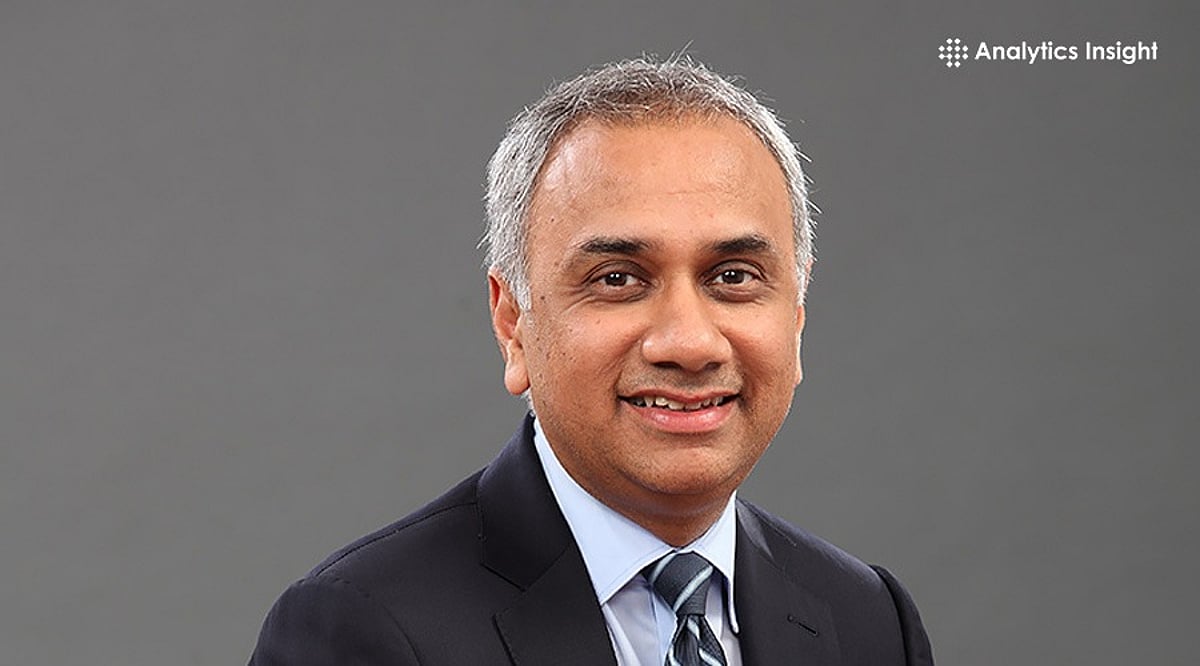
  • How Salil Parekh’s Quiet Leadership Steered Infosys Through Tech Turmoil

    How Salil Parekh’s Quiet Leadership Steered Infosys Through Tech Turmoil

    In an industry that rewards loud personalities and bold declarations, Salil Parekh has built his reputation doing the opposite. No viral statements, no constant media appearances, no carefully curated social media presence. Yet over the years, he has quietly become one of the most respected names in India’s IT industry, leading Infosys through one of the most turbulent periods in global technology.

    Since taking charge of Infosys in 2018, Parekh has helped the company grow amid rapid changes in the tech industry. Cloud computing, AI, automation, and digital services have become a much bigger part of business across the world. Through all these changes, Infosys has continued to grow steadily.

    The Journey Before Infosys

    Before joining Infosys, Parekh spent many years at Capgemini, where he held various leadership roles and worked with global clients across industries. Those years gave him deep experience in technology, consulting, and business operations. When Infosys announced him as CEO in 2018, the company was navigating a difficult period marked by leadership changes and internal disagreements. Many felt the company needed stability and calm leadership. Parekh entered quietly and focused on the work rather than creating headlines.

    A Different Kind of CEO

    One thing many people notice about Salil Parekh is his calm demeanor. He is not the type of business leader who tries to dominate every conversation. He speaks in a simple, measured way. Even during difficult times, he rarely appears reactive or dramatic. That style has helped him build trust over time. Inside Infosys, employees see him as practical and balanced — someone who listens carefully and focuses on long-term goals rather than short-term excitement. In a business world that often rewards loud personalities, his quieter approach stands out.

    Infosys Under His Leadership

    Infosys has transformed during Parekh’s tenure. The company expanded its digital and cloud services as businesses worldwide moved more operations online. Infosys also ramped up work in AI and automation to meet growing demand. The company continued signing large global deals and strengthening relationships with international clients. Employee training became a priority as technology evolved rapidly; Infosys invested heavily in helping workers learn new skills and adapt to shifting industry needs. The company’s global presence also grew stronger during these years.

    Navigating Difficult Times

    The tech industry has faced significant headwinds. Economic uncertainty affected business spending in many countries. Competition in the IT sector intensified, with companies vying for major contracts. Managing large teams across different countries brought challenges, especially during remote work periods. Then came the rapid rise of AI, pressuring technology companies to move faster and adapt to changing customer demands. Through all this, steady leadership proved essential. Instead of reacting with panic, Parekh kept the company focused on stability and long-term growth.

    Why His Leadership Style Matters

    Many business leaders today are known for their high visibility. Salil Parekh is respected for the opposite reason: he keeps a low profile and focuses on execution rather than publicity. Clients trust consistency, employees value stability, and investors look for leaders who remain calm during uncertain times. Parekh has built that reputation over years of consistent leadership. His style may not always generate headlines, but it has helped Infosys remain strong during a rapidly changing period for global technology.

    Final Thoughts

    Salil Parekh embodies a quieter style of leadership that many people still deeply value. He does not try to be the loudest voice in the room. Instead, he focuses on steady work, long-term growth, and keeping the company prepared for the future. As AI, cloud services, and automation continue to reshape the tech world, Infosys is navigating that shift under his guidance. His story is a reminder that strong leadership is not always about visibility — sometimes calm thinking, patience, and consistency matter even more.

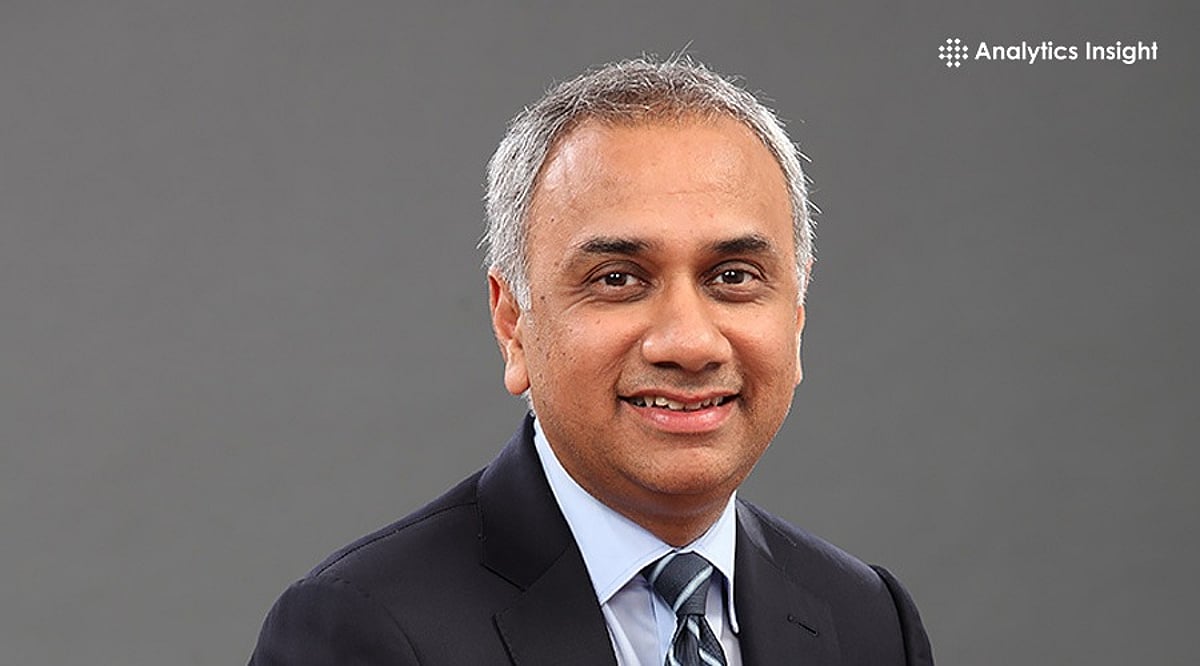
  • How Salil Parekh Quietly Built a Legacy of Steady Leadership at Infosys

    How Salil Parekh Quietly Built a Legacy of Steady Leadership at Infosys

    While many tech leaders chase headlines, Salil Parekh has built Infosys with calm leadership, steady decisions, and long-term thinking. From AI growth to global uncertainty, the company continued expanding quietly under his balanced and practical leadership style. His journey shows that strong leadership is not always loud—consistency, patience, and stability often matter more than constant visibility.

    Leading Without the Noise

    In an industry that rewards loud personalities and bold declarations, Salil Parekh has built his reputation doing the opposite. No viral statements, no constant media appearances, no carefully curated social media presence. Yet over the years, he has quietly become one of the most respected names in India’s IT industry, leading Infosys through one of the most turbulent periods in global technology.

    Since taking charge of Infosys in 2018, Parekh has helped the company grow amid rapid changes in the tech industry. Cloud computing, AI, automation, and digital services have become a much bigger part of business across the world. Through all these changes, Infosys has continued to grow steadily.

    The Journey Before Infosys

    Before joining Infosys, Parekh spent many years at Capgemini, handling different leadership roles and working with global clients across industries. Those years gave him experience in technology, consulting, and business operations. When Infosys announced him as CEO in 2018, the company was going through a difficult period with leadership changes and internal disagreements. Many people felt the company needed stability and calm leadership. Parekh entered quietly and focused on the work instead of creating headlines.

    A Different Kind of CEO

    One thing many people notice about Salil Parekh is his calm personality. He is not the kind of business leader who tries to dominate every conversation. He usually speaks in a simple and measured way. Even during difficult times, he rarely appears reactive or dramatic. That style has helped him build trust over time. Inside Infosys, many employees see him as practical and balanced, often described as someone who listens carefully and focuses on long-term goals instead of short-term excitement.

    Infosys Under His Leadership

    Infosys has changed a lot during Parekh’s time as CEO. The company expanded its digital and cloud services as businesses around the world started moving more operations online. Infosys also increased its work in AI and automation as demand for those services grew. The company continued to sign large global deals and strengthen relationships with international clients. Employee training became important as technology evolved rapidly, and Infosys invested in helping workers learn new skills and adapt to shifting industry needs. The company’s global presence also became stronger during these years.

    Difficult Times Along the Way

    The tech industry has not had an easy few years. Economic uncertainty affected business spending in many countries. Competition in the IT sector intensified, with companies vying hard for major contracts. Managing large teams across different countries brought challenges, especially during remote work periods. Then came the rapid rise of AI, pressuring technology companies to move faster and adapt quickly to changing customer demands. Through these periods, steady leadership became very important. Instead of reacting with panic, Parekh kept the company focused on stability and long-term growth.

    Why His Leadership Gets Attention

    Many business leaders today are known for high visibility. Salil Parekh is respected for almost the opposite reason. He keeps a low profile and focuses more on execution than publicity. Clients trust consistency, employees value stability, and investors often look for leaders who stay calm during uncertain times. Over the years, Parekh has built that kind of image. His leadership style may not always create headlines, but it has helped Infosys stay strong during a fast-changing period for the global tech industry.

    Final Thoughts

    Salil Parekh embodies a quieter style of leadership that many people still deeply value. He does not try to be the loudest voice in the room. Instead, he focuses on steady work, long-term growth, and keeping the company prepared for the future. As AI, cloud services, and automation continue changing the tech world, Infosys is moving through that shift under his leadership. His story is a reminder that leadership is not always about visibility—sometimes calm thinking, patience, and consistency can matter even more.

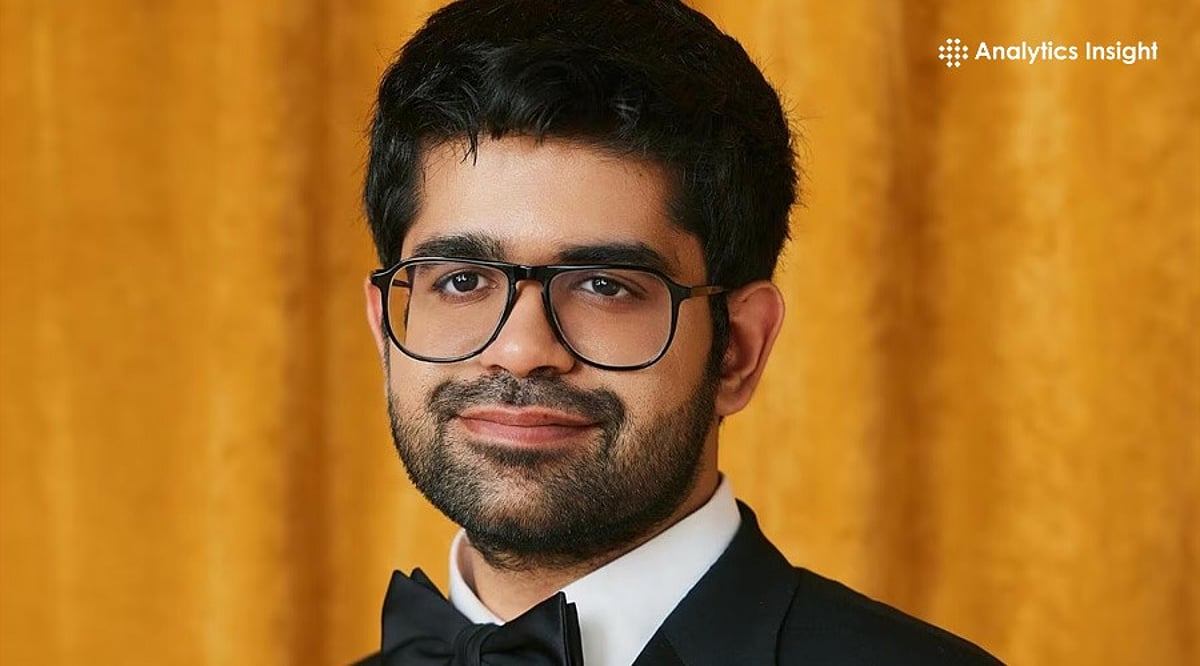
  • Perplexity’s Ascent: How Aravind Srinivas Built an AI Search Challenger from IIT Madras to Silicon Valley

    Perplexity’s Ascent: How Aravind Srinivas Built an AI Search Challenger from IIT Madras to Silicon Valley

    In early 2025, Perplexity entered India through a major partnership with Bharti Airtel, giving millions of users access to Perplexity Pro. What looked like a routine telecom-AI deal signaled a deeper shift: a two-year-old startup was now challenging Google’s dominance in online search at scale. Leading that charge was Aravind Srinivas, a Chennai-born engineer who studied at IIT Madras and narrowly missed transferring into computer science.

    Srinivas’s journey is anything but linear. Growing up in a family that valued academic achievement, he faced the intense pressure of IIT entrance exams. When he couldn’t switch into computer science, he taught himself Python and enrolled in machine learning courses outside his department. He contributed to research at conferences like NeurIPS and ICLR while still an undergraduate, gaining early exposure to deep learning.

    He earned a PhD in computer science from UC Berkeley, interning at OpenAI, DeepMind, and Google Brain between 2019 and 2021. Those experiences revealed skill gaps he worked aggressively to close, rather than retreating from the field. In 2022, he co-founded Perplexity with Denis Yarats and Johnny Ho, positioning it as an answer engine that uses large language models to generate conversational responses with live source citations.

    Perplexity grew rapidly, attracting millions of users for research, coding, and everyday queries. The Airtel partnership underscored its strategy to expand beyond desktop search into mobile-first markets. But the company also faced sharp criticism: Forbes and WIRED accused it of plagiarizing paywalled content, and publishers raised legal concerns about scraping practices. Srinivas acknowledged early shortcomings in attribution and defended AI-powered search as an inevitable evolution.

    Today, Perplexity sits at the center of the AI search race—hailed as a promising challenger yet emblematic of the unresolved tensions around copyright and fair use. Srinivas’s story illustrates how combining research, engineering, and product instinct, even without a traditional path, can reshape an industry.

  • From IIT to AI Search: The Unconventional Rise of Perplexity’s Aravind Srinivas

    From IIT to AI Search: The Unconventional Rise of Perplexity’s Aravind Srinivas

    In early 2025, Perplexity entered India through a major partnership with Bharti Airtel, giving millions of users access to Perplexity Pro almost overnight. On the surface, it looked like another telecom-AI announcement. Inside the technology industry, however, the deal carried a different meaning.

    A startup founded in 2022 was now entering India at a massive scale while positioning itself as an alternative to Google’s dominance in online search. Leading that company was Aravind Srinivas, a Chennai-born engineer who joined IIT Madras in electrical engineering and was unable to transfer into computer science after narrowly missing the required GPA cutoff.

    Perplexity’s rise has been unusually fast, even by Silicon Valley standards. According to reports citing investor discussions, the company reached multi-billion-dollar valuations within roughly two years of launch as investors rushed toward generative AI startups. At the same time, the company has faced growing scrutiny over attribution, scraping practices, and the legal boundaries surrounding AI-generated information products.

    What makes Aravind Srinivas’s story compelling is how imperfect and unpredictable it feels. His journey has been shaped by ambition, self-doubt, deep focus on research, strong product instinct, and constant public scrutiny, rather than a smooth path to success. Srinivas grew up in Chennai in a family where academic achievement was highly valued.

    In a conversation on the Lex Fridman Podcast, he spoke about the culture surrounding IIT admissions and the pressure attached to engineering entrance exams in India. By the time he entered the country’s competitive coaching ecosystem, academic performance had already become central to his life. That unexpected shift changed the direction of his learning.

    Instead of depending entirely on departmental coursework, he began teaching himself programming outside the classroom. He learned Python independently, enrolled in machine learning coursework available outside his department, and became involved in AI research under Professor Balaraman Ravindran.

    While still an undergraduate, Srinivas contributed to research connected to major AI conferences, including NeurIPS, AAAI, and ICLR. The experience exposed him early to deep learning research during a period when modern AI systems were still largely confined to academic labs rather than mainstream products. By the end of his undergraduate years, Srinivas had already moved across mathematics, coding, AI research, and systems thinking. The combination would later become central to his work in AI.

    He started pursuing his PhD in computer science at the University of California in 2017, where he worked on machine learning systems, generative models, and transformer-related research. Between 2019 and 2021, he interned at OpenAI, DeepMind, and Google Brain during the period just before large language models entered mainstream public attention. Those experiences became some of the most defining moments of his career.

    In podcast interviews, Srinivas said that when he entered environments filled with highly skilled engineers and researchers, he realized that he needed to improve his programming skills and ability to solve problems from the basics. He described the experience as motivating rather than discouraging.

    Instead of retreating from the field, he immersed himself more deeply in large language models and scaling systems research. The tone of those interviews felt very different from the polished image often associated with Silicon Valley founders. In those interviews, Srinivas spoke less about confidence and more about aggressively closing gaps in his own knowledge.

    In 2022, Aravind Srinivas co-founded Perplexity with Denis Yarats and Johnny Ho. Computer scientist Andy Konwinski also became an early supporter and close collaborator. The timing was important. Interest in generative AI was growing quickly, but internet search still mostly worked the same way it had for years, with users typing keywords and receiving pages of links.

    Perplexity tried to simplify that experience. Rather than functioning as a traditional search engine, the company positioned itself as an answer engine that used large language models (LLMs) to generate conversational responses while retrieving information from live web sources.

    Citations became an important part of Perplexity’s identity since many AI products were already facing criticism for hallucinations, where systems generate false or unsupported information. To separate itself from competitors, Perplexity designed its interface to display source links alongside AI-generated answers.

    Perplexity grew quickly as millions of users started using it for research, summaries, coding help, and everyday questions. Its partnership with Bharti Airtel later showed that the company’s strategy was not only focused on improving research quality but also on reaching more users through wider accessibility, especially in markets where smartphone usage was growing faster than traditional desktop search habits.

    But Perplexity’s rapid rise also brought intense criticism. In 2024, Forbes and WIRED reported that Perplexity had plagiarized paywalled content without giving enough credit to the original publishers. The Verge separately reported concerns around scraping practices that appeared to bypass publisher-set restrictions such as robots.txt preferences.

    Some publishers responded with legal threats, arguing that AI-generated summaries could reduce the value of original journalism. The issue soon grew into a larger debate about copyright, fair compensation, and the future of online publishing in the AI era.

    In posts published on X during mid-2024, Srinivas acknowledged shortcomings in Perplexity’s early attribution systems and said the company was working on improving citation visibility and publisher relationships.

    At the same time, he defended AI-powered search as an inevitable shift in how people would consume information online. That tension now sits at the center of Perplexity’s identity. The company is simultaneously viewed as one of the most promising consumer AI startups and one of the clearest examples of the unresolved conflicts shaping the modern AI industry.

    Aravind Srinivas’s rise from IIT classrooms to the center of Silicon Valley’s AI race does not offer a simple formula for success. His journey shows that the AI industry now values people who can quickly combine research, engineering, and product thinking, even without following a traditional career path.

  • Why India’s Next Startup Wave Is Hidden in Supply Chains: Piper Serica’s Ajay Modi on Deeptech Investing

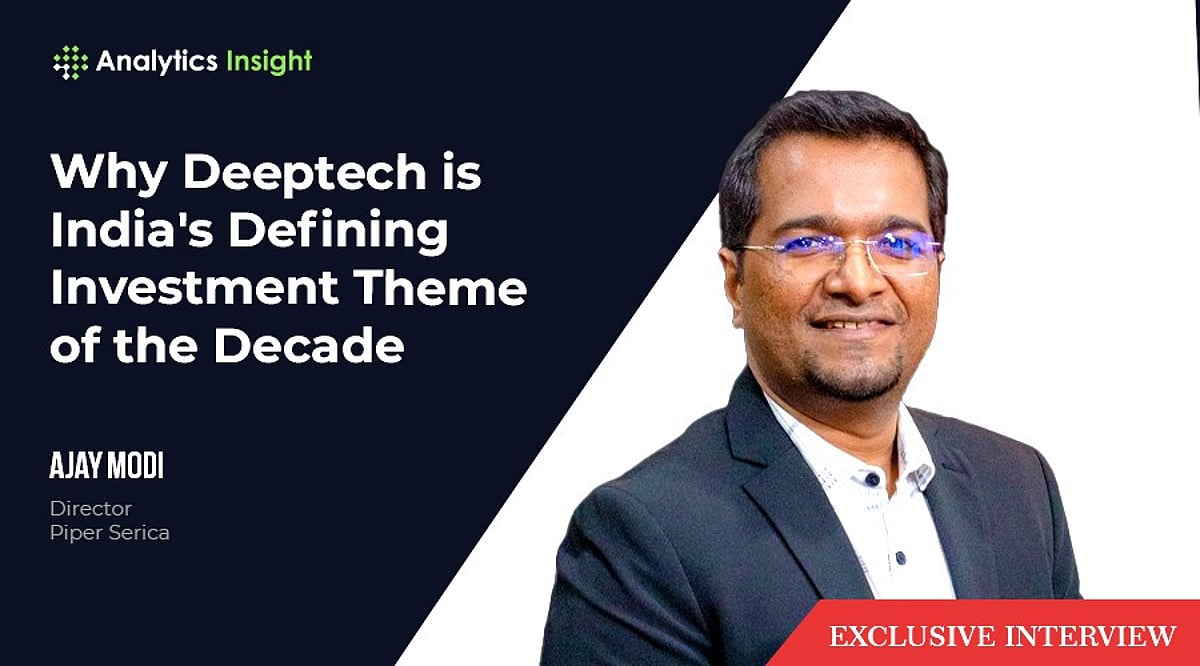
    Why India’s Next Startup Wave Is Hidden in Supply Chains: Piper Serica’s Ajay Modi on Deeptech Investing

    India’s venture capital story is being rewritten. The capital that once chased consumer internet growth at any cost is now flowing toward deep engineering, sovereign technology, and industrial capability. Ajay Modi, Director at Piper Serica, has been at the center of this shift. His firm’s portfolio spans laser space communication, edge AI chips, underwater robotics, airport operating systems, and India’s first resonance-based rocket ignition system.

    In this exclusive conversation with Analytics Insight, Modi breaks down why deeptech has become the defining investment theme of India’s next economic cycle and what it takes to build companies that matter inside strategic industries.

    How Venture Capital Priorities Are Evolving in India

    Indian tech startups raised about $7.4 billion in 2024, up 23 percent from 2023, with deeptech alone drawing around $1.6 billion and growing roughly 78 percent in a year. Nasscom and Zinnov now count more than 4,000 deeptech startups within a base of 32,000–35,000 tech ventures.

    Piper Serica’s Fund I has backed over 33 companies across deeptech, spacetech, defence, semiconductors, fintech infrastructure, and mobility. Newer deals concentrate in IP-led hardware, firmware, and system software. First founder meetings now open with orbit plans, chip architectures, or reliability data—not only GMV charts.

    This shift follows a reset after the 2020–2021 liquidity cycle, when capital largely chased consumer internet businesses that scaled fast on subsidies and marketing. Investors saw that scale without defensible capability created fragile companies once acquisition costs rose and capital tightened. Deeptech has become a clear winner from this correction.

    What Drives Interest in Spacetech, Semiconductors, Robotics, Defence, and Precision Manufacturing?

    Investor interest in these sectors rises where three lines meet: national policy support, large end demand, and a rewiring of global supply chains. India’s space economy stands near $8–8.5 billion and targets $40–45 billion by the early 2030s. More than 400 space startups have attracted over $500 million. In semiconductors and electronics, the Semicon India and component PLI stack targets around $300 billion of electronics output with deeper local value addition.

    On the talent side, founders now come from ISRO, DRDO, global chip companies, and top IIT labs. Piper Serica’s portfolio reflects this mix across spacetech, chip design, mobility electronics, cyber security, and industrial software.

    How India’s Manufacturing and Self-Reliance Push Shapes VC Decisions

    Electronics output in India has grown from about $10 billion in 2014 to roughly $115 billion today. Local factories now meet close to $110 billion of the $140 billion of domestic demand. Programmes like iDEX and IN-SPACe’s Technology Adoption Fund lower early revenue risk and lengthen runway for hardware and industrial companies.

    Piper Serica now treats such programs almost like demand pipelines. For venture investors, capital is shifting from funding user acquisition to funding companies that can become long-term infrastructure layers inside strategic industries.

    Opportunities in Aviation, Infrastructure, Electronics Systems, and Advanced Industrial Tech

    The next three to five years can be India’s most important industrial buildout in decades. In aviation, real value will sit in software and airport tech. At Chennai airport, Piper Serica’s portfolio company Blunav cut runway occupancy time by 22 percent across more than 3,500 flights. Electronics systems offer a second wave, while robotics, industrial AI, and autonomous inspection represent a third wave. The most valuable companies may be those hidden inside supply chains, compounding quietly through efficiency.

    How Evaluation Frameworks Differ for Industrial and Deeptech vs. Consumer

    Consumer investing focuses on speed and metrics like CAC, retention, and growth rate. Tech investing is engineering-led—investors test whether the core system works, is defensible, and runs reliably in demanding real-world settings. Diligence goes into IP strength, field reliability, manufacturing repeatability, regulatory paths, certifications, and integration risk. Timelines differ: consumer products can ship in weeks; deeptech teams may spend years hardening hardware and software. Competitive moats come from engineering depth and long contracts embedded inside customer operations.

    Technology Depth and Industrial Relevance Over Scale-Focused Growth

    India’s “easy growth” phase is over. Profitability, resilience, and defensibility sit at the centre of investment debates. Thrustworks Dynetics, a Piper Serica portfolio company, test-fired India’s first resonance-based rocket ignition system with only about ₹7 crore of seed funding—a sharp example of deep hardware success. Scale still matters, but the most sought-after companies now pair scale with hard engineering, proprietary systems, and real industrial relevance.

  • Kasi Cloud’s Johnson Agogbua on Building Hyperscale AI-Ready Data Centers Across Africa

    Kasi Cloud’s Johnson Agogbua on Building Hyperscale AI-Ready Data Centers Across Africa

    Johnson Agogbua, Co-Founder and CEO of Kasi Cloud, has spent over three decades building internet infrastructure—from early internet protocols at UUNET Technologies to optical networking at Movaz and connecting billions at Meta and Reliance Jio. Now, he is applying that expertise to address Africa’s most critical infrastructure gap: hyperscale, AI-ready data centers.

    Founded with Mark Adams (formerly Chief Strategy Officer at Equinix), Kasi Cloud emerged from a simple question: why not Africa? The company launched in early 2020 amid the pandemic, which ironically allowed for deep market research and site selection. It acquired 4.2 hectares in Lagos, secured backing from the Nigerian Sovereign Wealth Fund and seed funding from DH Capital, and broke ground by 2022.

    Kasi differentiates itself with an “unstoppable capacity” philosophy—designing for Africa’s digital needs a decade ahead. This includes refactoring power architecture all the way to the rack level and building redundant carrier-neutral colocation space. A key partnership with Eaton cut delivery times by 50% and reimagined power for the African context. “We are not going to build a second-rate data centre in Africa,” Agogbua emphasizes. “World-class belongs in Africa as well.”

    The company’s hyperscale-first approach is a direct answer to the continent’s growing demand for cloud and AI infrastructure, positioning Kasi as a critical player in Africa’s digital transformation.