
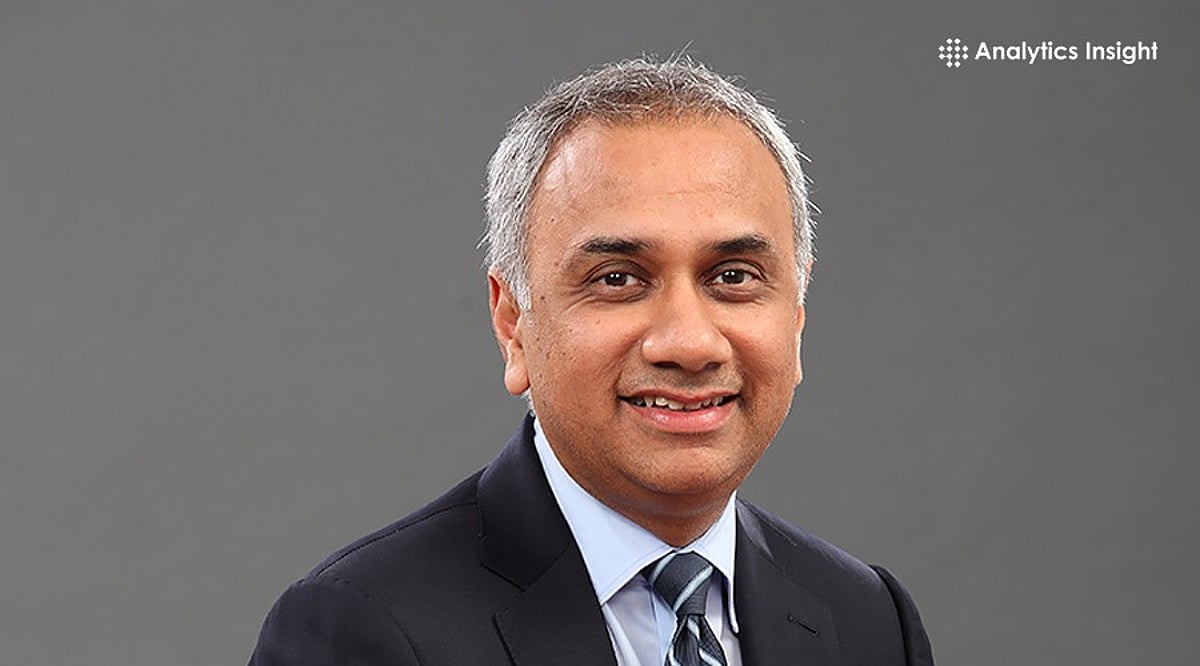
In an industry that rewards loud personalities and bold declarations, Salil Parekh has built his reputation doing the opposite. No viral statements, no constant media appearances, no carefully curated social media presence. Yet over the years, he has quietly become one of the most respected names in India’s IT industry, leading Infosys through one of the most turbulent periods in global technology.
Since taking charge of Infosys in 2018, Parekh has helped the company grow amid rapid changes in the tech industry. Cloud computing, AI, automation, and digital services have become a much bigger part of business across the world. Through all these changes, Infosys has continued to grow steadily.
The Journey Before Infosys
Before joining Infosys, Parekh spent many years at Capgemini, where he held various leadership roles and worked with global clients across industries. Those years gave him deep experience in technology, consulting, and business operations. When Infosys announced him as CEO in 2018, the company was navigating a difficult period marked by leadership changes and internal disagreements. Many felt the company needed stability and calm leadership. Parekh entered quietly and focused on the work rather than creating headlines.
A Different Kind of CEO
One thing many people notice about Salil Parekh is his calm demeanor. He is not the type of business leader who tries to dominate every conversation. He speaks in a simple, measured way. Even during difficult times, he rarely appears reactive or dramatic. That style has helped him build trust over time. Inside Infosys, employees see him as practical and balanced — someone who listens carefully and focuses on long-term goals rather than short-term excitement. In a business world that often rewards loud personalities, his quieter approach stands out.
Infosys Under His Leadership
Infosys has transformed during Parekh’s tenure. The company expanded its digital and cloud services as businesses worldwide moved more operations online. Infosys also ramped up work in AI and automation to meet growing demand. The company continued signing large global deals and strengthening relationships with international clients. Employee training became a priority as technology evolved rapidly; Infosys invested heavily in helping workers learn new skills and adapt to shifting industry needs. The company’s global presence also grew stronger during these years.
Navigating Difficult Times
The tech industry has faced significant headwinds. Economic uncertainty affected business spending in many countries. Competition in the IT sector intensified, with companies vying for major contracts. Managing large teams across different countries brought challenges, especially during remote work periods. Then came the rapid rise of AI, pressuring technology companies to move faster and adapt to changing customer demands. Through all this, steady leadership proved essential. Instead of reacting with panic, Parekh kept the company focused on stability and long-term growth.
Why His Leadership Style Matters
Many business leaders today are known for their high visibility. Salil Parekh is respected for the opposite reason: he keeps a low profile and focuses on execution rather than publicity. Clients trust consistency, employees value stability, and investors look for leaders who remain calm during uncertain times. Parekh has built that reputation over years of consistent leadership. His style may not always generate headlines, but it has helped Infosys remain strong during a rapidly changing period for global technology.
Final Thoughts
Salil Parekh embodies a quieter style of leadership that many people still deeply value. He does not try to be the loudest voice in the room. Instead, he focuses on steady work, long-term growth, and keeping the company prepared for the future. As AI, cloud services, and automation continue to reshape the tech world, Infosys is navigating that shift under his guidance. His story is a reminder that strong leadership is not always about visibility — sometimes calm thinking, patience, and consistency matter even more.
Leave a Reply