Category: Career Advice

  • Top 7 Companies Offering Massive Manager Salaries in 2026: AI, Equity, and More

    Top 7 Companies Offering Massive Manager Salaries in 2026: AI, Equity, and More

    Overview

    AI is reshaping compensation: Managers with artificial intelligence, machine learning, and advanced computing expertise command premium salaries across leading technology companies. Equity drives earnings: Stock grants and performance incentives significantly increase total compensation beyond base salaries at major global technology firms. Leadership demand is rising: Companies increasingly reward managers who can lead large teams, deliver complex products, and manage high-impact technology programs.

    Management roles in technology have become some of the most lucrative positions in the global job market. In this tech-powered world, compensation at leading companies increasingly reflects the value of AI expertise, technical leadership, and the ability to manage large-scale engineering organizations.

    Companies Offering Highest Salary Packages to Managers

    These companies offer some of the strongest salaries across tech, finance, consulting, e-commerce, and product roles. Their pay ranges, bonuses, and stock options set them apart. You get high-value roles, fast growth, and exposure to global projects. Here are the best companies paying high salary packages to managers in 2026.

    Meta

    Meta has one of the best compensation structures for managers of software engineers. Reported compensation packages in US dollars range from ₹5.14 crore to ₹34.06 crore per year, depending on experience. The median compensation is around ₹7.30 crore per year. Equity constitutes a major portion of total compensation packages. Managers involved in artificial intelligence, machine learning, infrastructure, and large-scale engineering earn the best packages.

    Google

    Software engineers at Google earn roughly ₹3.66 crore to ₹18.91 crore per year on average in total compensation. The median package is nearly ₹6.22 crore. Google compensates employees through a combination of base salary, annual bonuses, and stocks. Engineers who manage important AI, cloud, and engineering projects get hefty compensation packages.

    Nvidia

    Nvidia’s technical expertise in AI leadership has increased its importance. Software engineering managers are earning approximately ₹3.59 crore to ₹6.66 crore per year, with a median salary of around ₹5.50 crore. Senior managers receive approximately ₹5.86 crore, while directors earn about ₹6.66 crore.

    Microsoft

    Microsoft continues to provide premium pay for managers working in artificial intelligence, cloud computing, cybersecurity, and enterprise software. Reported packages for engineering managers start from ₹3.38 crore, with top positions earning more. Base pay, year-end bonuses, and RSUs form the basic components of the package.

    Amazon

    Amazon’s Engineering Management salary packages depend on the size of its cloud and technology business. Salary for software engineering managers in the United States starts from about ₹2.95 crore and goes up to nearly ₹18.26 crore, with a median of roughly ₹4.95 crore. Cloud, AI, and infrastructure are among the most lucrative domains. Amazon also pays well in India, where software development managers earn an annual salary range between ₹86.2 lakh and ₹5.49 crore, median around ₹1.42 crore.

    Apple

    Apple offers substantial compensation to software engineering managers, especially those working on strategic products, platforms, and advanced technologies. In India, software engineering manager compensation ranges from approximately ₹1.49 crore to ₹2.56 crore annually, with a median total compensation of nearly ₹1.68 crore. Equity represents a significant portion of the overall package.

    HCLTech

    HCLTech focuses on exceptional remuneration at the pinnacle of the tech industry in India. For FY26, HCLTech’s CEO C Vijayakumar received about ₹176.47 crore in total compensation, including salary, bonuses, stock-based rewards, and other components. While not a manager-level figure, it shows the earning potential for tech industry leaders.

    Compensation Comparison Table

    Company Low (₹ crore/year) Median (₹ crore/year) High (₹ crore/year)
    Meta 5.14 7.30 34.06
    Google 3.66 6.22 18.91
    Nvidia 3.59 5.50 6.66
    Microsoft 3.38 — —
    Amazon (US) 2.95 4.95 18.26
    Apple (India) 1.49 1.68 2.56
    HCLTech (CEO) — — 176.47

    Note: US compensation figures converted at approximately ₹96.5 per US dollar; total compensation includes salary, stock, and bonuses where reported.

    Why Managerial Pay Is Rising

    The most generous bonuses go to positions related to AI, cloud computing, and advanced computing. The demand for leaders capable of assembling teams, managing complex infrastructure, and delivering products globally is intense.

    Stock-based compensation also plays a central role. At companies such as Meta, Google, and Nvidia, equity can represent a substantial share of total annual earnings. As a result, headline salary figures often understate the value of senior management packages. Looking ahead, technical managers responsible for high-value AI projects and infrastructure will get the most attractive compensation packages.

    Frequently Asked Questions

    1. Which company pays managers the highest salaries in 2026? Meta offers among the highest reported compensation packages, with senior software engineering managers potentially earning millions through salary, bonuses, and equity.
    2. Why are technology managers earning such high salaries? Technology managers combine leadership expertise with technical knowledge, enabling companies to execute complex AI, cloud, infrastructure, and software projects at global scale.
    3. Does total compensation include only the manager’s salary? No. Total compensation typically includes base salary, annual bonuses, stock awards, and other incentives, which can significantly increase a manager’s overall earnings.
    4. Which skills can help managers secure higher compensation? Artificial intelligence, machine learning, cloud computing, cybersecurity, infrastructure management, and large-scale engineering leadership remain among the most valuable skills for managers.
    5. Are these salary packages available to managers worldwide? Compensation varies by country, role, and seniority. The highest figures generally come from US-based technology roles and executive positions at global companies.
  • From Software Developer to Upskilling Pioneer: How Krishna Kumar Built Learnbay to Tackle Career Anxiety

    From Software Developer to Upskilling Pioneer: How Krishna Kumar Built Learnbay to Tackle Career Anxiety

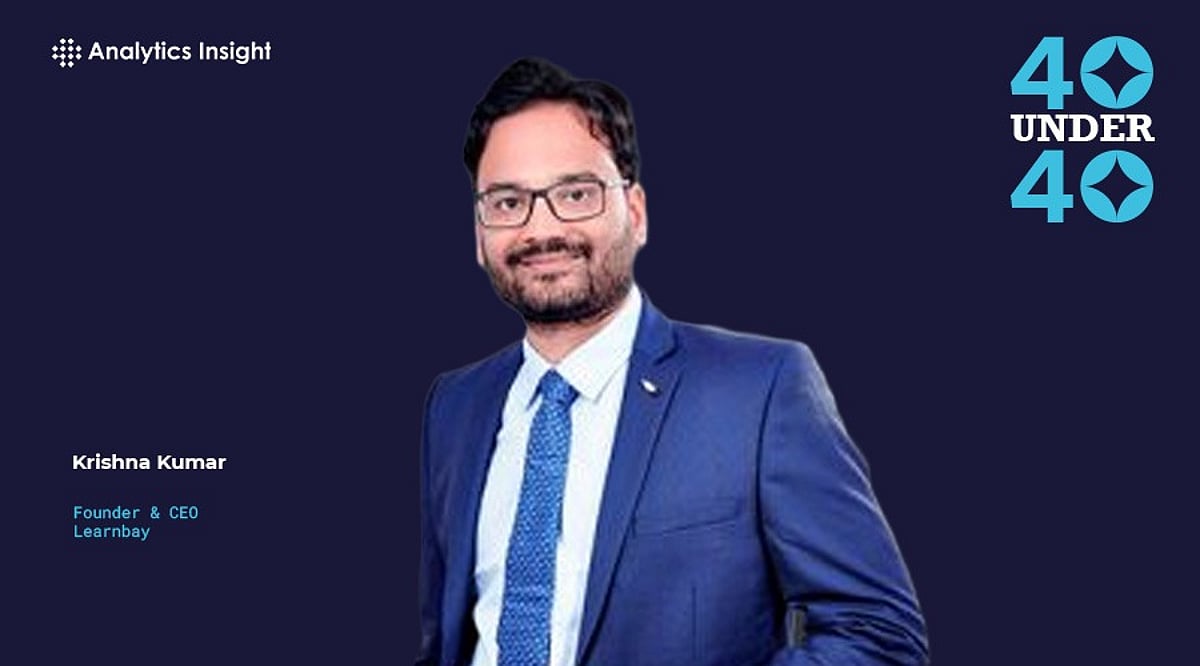
    Krishna Kumar, a veteran software engineer with stints at Wipro, Cisco, and Samsung, turned his own observations of career stagnation into Learnbay — an upskilling platform that helps working professionals transition into AI, data science, and cloud roles. Launched in 2015, Learnbay has grown from a single Bangalore classroom to a multi-city hub with a presence in seven Indian cities and several international locations.

    Krishna’s journey began when he noticed that many talented professionals, despite working tirelessly, lacked future-proof career paths. He believed that a technical background or coding skills were not prerequisites for a successful career in the AI era. This conviction drove him to create Learnbay as an open-learning platform that prioritizes real-time exposure over pre-recorded sessions.

    Learnbay’s curriculum evolves continuously to keep pace with industry trends, covering everything from basic data science and cloud & DevOps to advanced GenAI and Agentic AI. Strategic partnerships with IBM, Microsoft, NASSCOM, IIT Patna, and Woolf University ensure industry relevance. In 2023, the platform achieved 300% growth, reflecting its impact.

    Krishna emphasizes outcomes over vanity metrics. Learnbay’s hybrid training model — combining live online sessions with face-to-face capstone projects — is designed for busy professionals. Placement assistance, customized mentorship, and interview preparation are core services, not add-ons. The platform’s success is measured by learners’ career transitions and placements at over 350 MNCs.

    Looking ahead to 2026 and beyond, Krishna remains focused on disciplined upskilling strategies, expanding GenAI and Agentic AI offerings, and deepening partnerships. His philosophy is simple: a course succeeds only when the learner’s career goals are met. Learnbay aims to make reskilling tangible, measurable, and accessible for professionals from any domain.

  • Top Smart HR Platforms Driving Global Business Success

    Top Smart HR Platforms Driving Global Business Success

    Human resources technology has evolved significantly, with cloud-based platforms enabling companies to manage payroll, talent, compliance, and workforce planning across borders. The following platforms are at the forefront of this transformation, each offering unique capabilities for global enterprises.

    Workday

    Workday delivers a comprehensive suite of cloud-based HR, finance, payroll, talent management, and workforce planning solutions tailored for large enterprises operating in multiple countries.

    SAP SuccessFactors

    SAP SuccessFactors offers extensive human capital management features, including recruitment, employee experience, learning, performance tracking, and global workforce administration.

    Oracle HCM Cloud

    Oracle HCM Cloud combines AI-powered HR management, payroll, talent acquisition, workforce analytics, and employee lifecycle management within a single integrated platform.

    ADP Workforce Now

    ADP Workforce Now simplifies payroll, tax compliance, benefits administration, workforce management, and HR operations for businesses of varying sizes.

    BambooHR

    BambooHR provides intuitive HR software with employee records, onboarding, performance management, time tracking, and reporting, ideal for growing organizations.

    Rippling

    Rippling integrates HR, IT, payroll, benefits, and device management into one automated platform that efficiently supports globally distributed workforces.

    UKG Pro

    UKG Pro enables workforce scheduling, payroll, talent management, people analytics, and employee engagement through AI-enhanced human capital management tools.

    HiBob

    HiBob is designed for modern workplaces, offering employee engagement, performance reviews, compensation planning, onboarding, and people analytics for dynamic organizations.

    Deel

    Deel simplifies international hiring with global payroll, compliance, contractor management, employer-of-record services, and workforce administration across numerous countries.

    Darwinbox

    Darwinbox is an emerging global HR platform delivering recruitment, payroll, employee engagement, performance management, and workforce automation with AI-driven capabilities.

    These platforms empower organizations to streamline HR operations, ensure compliance, and foster a productive workforce across borders, making them indispensable tools for global companies.

  • Land a Blockchain Job Without Coding: Your Complete Career Roadmap

    Land a Blockchain Job Without Coding: Your Complete Career Roadmap

    Many people think blockchain careers are only for software developers. That idea is no longer true. Today, companies in the blockchain industry need people with many different skills. They look for professionals who can manage communities, write content, build partnerships, support customers, handle projects, and promote products. This shift has opened the door for people who do not know programming but still want to build a successful career in Web3.

    The industry has also grown at an impressive pace. Research shows that the global blockchain market could cross $825 billion by 2032, with a compound annual growth rate (CAGR) of 52.8%. At the same time, Web3 job platforms feature more than 40,000 job openings across over 7,200 companies. Many of these positions focus on business, marketing, customer support, operations, compliance, and research instead of software development. This growth creates exciting opportunities for fresh graduates, career changers, and professionals from different backgrounds.

    Learn the Basics Before You Apply

    You do not need to learn coding to understand blockchain technology. Employers want successful candidates to be able to communicate using the terminology associated with blockchain technology. Start by learning about Bitcoin and Ethereum as these cryptocurrencies are at the core of the phenomenon. Learn how digital wallets function to store assets and how blockchain records transactions. Research smart contracts, even if you never plan to create one. Learn about DeFi, stablecoins, NFTs, DAOs, Layer 2 networks, and tokenomics. The acquired knowledge will help you understand how blockchain projects work and which problems they address.

    Choose a Career Path that Matches Your Strengths

    There are a large number of non-technical opportunities at blockchain companies, so choose one that matches your skills and interests. If writing is of interest, choose content writing as a way to get started in this field. Content writers communicate the meaning of blockchain to people through blog posts, newsletters, online articles, and educational materials. People proficient in communication skills usually manage to become community managers. They interact with users by means of Discord, Telegram, X, answer questions, and support communities of loyal customers using blockchain products. Business development is another great position one can choose. People in this role establish partnerships, connect with clients, and help organizations grow. Product managers cooperate with different teams to develop blockchain products and enhance user experience. Research analysts analyze market tendencies, token performance, and blockchain innovations, while compliance analysts help companies comply with financial and legal requirements.

    Build Skills that Companies Really Need

    Knowledge about blockchain technology alone is not enough. Employers are also interested in practical business skills since every project relies on communication, planning, and interaction with customers. Digital marketing helps companies connect with new audiences using online campaigns. Knowledge of SEO improves website performance, whereas content writing skill enables simplifying complicated information. Public speaking is valuable in various situations such as presentations, webinars, and public events. Sales and business development experience helps attract customers and partners for companies. In addition, you should master various essential workplace tools, including Notion, Discord, Telegram, Canva, Trello, Jira, Google Analytics, and basic Figma. All these apps are used in many blockchain companies regardless of the position.

    Learn Through Trusted Courses

    Many popular learning platforms have created useful courses about blockchain technology. Coursera offers courses such as Blockchain Basics and Blockchain Specialization that can be attended for free. Binance Academy is well known for being one of the best platforms for learning, explaining concepts like Bitcoin, Ethereum, blockchain technology, wallets, and security in simple terms. Coinbase Learn teaches blockchain technology to beginners by explaining all terms in the easiest way possible. For those who want to learn more, Consensys Academy offers courses dedicated to Ethereum, Web3, smart contracts, and blockchain technology. Alchemy University is another place to learn the basics of the Web3 ecosystem.

    Certifications Can Improve Your Profile

    A certification cannot guarantee a job, but it can strengthen a resume and show employers that you have invested time in learning blockchain. One respected option is the Certified Enterprise Blockchain Professional (CEBP) from 101 Blockchains. Blockchain Council also offers several certifications for beginners and professionals. If the plan is to work in product or project management, the Google Project Management Certificate can add value. Those who prefer marketing roles may benefit from the HubSpot Content Marketing Certification as blockchain companies actively search for professionals with strong content skills.

    Build Proof of Your Knowledge

    Most employers value practical experience more than certifications. Building a portfolio with blockchain articles, crypto project reviews, market research, or contributions to DAOs can significantly strengthen your job applications. During job searches, your work history—especially a hands-on portfolio—can be of great help. This can include articles on blockchain topics, crypto project evaluations, and market research studies placed on LinkedIn or Medium. Participation in DAO discussions and volunteering in small projects is also welcomed.

    Job Opportunities and Salary Expectations

    Blockchain companies hire through platforms such as Web3 Career, CryptoJobs, Wellfound, LinkedIn, RemoteOK, AngelList, and Bondex. Web3 Career alone lists over 40,000 blockchain jobs, including remote, entry-level, and non-technical positions. Salary levels depend on experience, company size, and location. Community managers usually earn between $45,000 and $90,000 per year, while content writers often receive $40,000 to $80,000 annually. Business development professionals can earn $70,000 to $150,000, and product managers often receive $90,000 to $180,000 each year. Marketing managers generally earn between $70,000 and $160,000, while operations managers may receive $80,000 to $170,000 annually.

    Why This Matters

    The rapid expansion of Web3 creates thousands of non-technical roles in marketing, operations, and community management. Understanding non-coding pathways allows diverse professionals to capitalize on high-paying Web3 opportunities without needing a software development background.

    Final Thoughts

    A blockchain career no longer depends on coding skills. Today, companies need professionals who can explain products, support customers, manage projects, build communities, create useful content, and develop business partnerships. With the blockchain market expected to exceed $825 billion by 2032, and more than 40,000 active Web3 jobs available across 7,200 companies, this is a good time to enter the industry. By learning the basics, choosing the right specialization, building practical skills, and creating a strong portfolio, you can start a successful blockchain career without writing a single line of code.

    Frequently Asked Questions

    Can I start a blockchain career without coding?

    Yes. Many blockchain companies hire for non-technical roles such as content writing, marketing, business development, community management, and customer support.

    Which blockchain course is best for beginners?

    Coursera, Binance Academy, Coinbase Learn, Consensys Academy, and Alchemy University offer beginner-friendly blockchain courses.

    What skills should I learn for a non-coding blockchain job?

    Focus on blockchain fundamentals, digital marketing, content writing, communication, project management, SEO, and tools like Notion, Discord, and Jira.

    Where can I find blockchain jobs?

    You can search on Web3 Career, CryptoJobs, LinkedIn, Wellfound, RemoteOK, AngelList, and Bondex.

    Is blockchain still a good career choice in 2026?

    Yes. The blockchain market is projected to exceed $825 billion by 2032, and thousands of companies continue to hire professionals across technical and non-technical roles.

  • 5 Top AI Engineer Certifications to Land a Job in 2026

    5 Top AI Engineer Certifications to Land a Job in 2026

    Artificial intelligence is no longer confined to research labs—it now powers products, services, and operations across every industry. As companies invest heavily in generative AI, automation, and machine learning, the demand for skilled AI engineers continues to surge. Recruiters, however, are looking for more than theoretical knowledge; they want candidates who can apply AI to solve real-world problems.

    A recognized certification can strengthen your resume, validate your skills, and help you stand out during the hiring process. While it is not a substitute for practical experience, it complements a strong portfolio and improves your chances of landing interviews. Below are five industry-recognized AI certifications that can help you get hired in 2026.

    1. Google Cloud Professional Machine Learning Engineer

    The Google Professional Machine Learning Engineer certification is highly valued by employers for enterprise-scale AI roles. It covers the development, deployment, and management of machine learning models using Vertex AI and Google Cloud. Topics include model optimization, MLOps, monitoring, and responsible AI. This certification is ideal for professionals with some experience in machine learning and cloud computing.

    2. Microsoft Azure AI Engineer Associate (AI-102)

    This certification is designed for developers and cloud professionals who want to build AI-powered applications on Microsoft’s Azure platform. Learners gain hands-on skills with Azure AI services, Azure OpenAI, computer vision, speech services, and natural language processing. The course also emphasizes building secure and responsible AI applications.

    3. AWS Certified AI Practitioner

    AWS Certified AI Practitioner is an entry-level certification for those building a foundation in artificial intelligence. It introduces AI concepts, generative AI, prompt engineering, responsible AI, and AWS AI services. This is a practical starting point for IT professionals, software developers, and cloud engineers transitioning into AI roles.

    4. Databricks Certified Generative AI Engineer Associate

    As organizations deploy AI assistants and enterprise chatbots, generative AI skills have become highly sought after. This certification focuses on Retrieval-Augmented Generation (RAG), large language models, vector databases, prompt engineering, and AI agent development. It is aimed at engineers working on modern LLM-powered applications.

    5. IBM AI Engineering Professional Certificate

    IBM’s certification emphasizes project-based learning over theory. Participants learn Python, machine learning, deep learning, TensorFlow, and PyTorch through practical projects. This program is an excellent way for beginners to combine technical skills with a portfolio of AI projects.

    Final Takeaway

    Candidates are now evaluated on their ability to create rather than just their credentials. While a certification can make your profile stand out, practical experience is what gets you through the door. Recruiters prefer candidates who have built AI products, contributed to GitHub repositories, deployed models using cloud technology, and understand vector databases, prompt engineering, and MLOps. A relevant certification can give you the edge over other applicants, but remember: earning a certification is only the first step in your AI career journey.

    Frequently Asked Questions

    What is the best AI certification for beginners in 2026?

    AWS Certified AI Practitioner and IBM AI Engineering Professional Certificate are top choices for beginners. They cover AI fundamentals, generative AI, Python, and practical skills without requiring extensive machine learning experience.

    Which AI certification is most valued by employers?

    Google Cloud Professional Machine Learning Engineer and Microsoft Azure AI Engineer Associate are highly regarded, especially for enterprise AI, cloud computing, and production-scale machine learning roles.

    Do AI certifications guarantee a job?

    No. Certifications improve your resume and validate your knowledge, but employers also expect practical experience through AI projects, GitHub portfolios, cloud deployments, and problem-solving skills during technical interviews.

    Which certification is best for generative AI careers?

    The Databricks Certified Generative AI Engineer Associate is a strong choice for those interested in large language models, RAG, prompt engineering, vector databases, and enterprise AI applications.

    How should I prepare for an AI engineering role in 2026?

    Build a strong foundation in Python, machine learning, and cloud platforms. Earn a recognized AI certification, create real-world projects, and maintain an active portfolio to showcase your technical abilities.

  • Essential Skills for a Career in Quantum Computing

    Essential Skills for a Career in Quantum Computing

    Quantum computing represents a transformative field in technology, and building a career in this area requires a deliberate approach to skill development. To help you get started, here are the key competencies that aspiring quantum computing professionals should focus on.

    Build a Strong Mathematics Foundation

    Linear algebra, probability, calculus, and complex numbers are essential for understanding quantum states, operations, and algorithmic principles. A solid grasp of these mathematical concepts forms the bedrock of quantum computing expertise.

    Learn Quantum Mechanics Fundamentals

    Basic knowledge of superposition, entanglement, measurement, and quantum states provides the conceptual grounding needed for a quantum computing career. These principles are the building blocks of quantum theory and its practical applications.

    Master Python Programming Skills

    Python remains the most widely used language for quantum software development, simulations, algorithm design, and working with quantum computing frameworks. Proficiency in Python is a non-negotiable skill for anyone entering the field.

    Explore Quantum Programming Frameworks

    Gain hands-on experience by learning platforms such as Qiskit, Cirq, or PennyLane. These tools allow you to build and test quantum circuits, giving you practical insight into quantum computing workflows.

    Understand Quantum Algorithms

    Study foundational algorithms like Grover’s algorithm for search and Shor’s algorithm for factoring. Understanding how quantum computing approaches complex computational problems is critical to advancing in the field.

    Develop Classical Computing Expertise

    Strong knowledge of algorithms, data structures, computer architecture, and computational complexity supports effective quantum computing development. Classical computing skills are indispensable, as they provide the context and tools for quantum innovation.

    Learn Quantum Hardware Principles

    Understanding superconducting qubits, trapped ions, photonic systems, and quantum processors helps connect software with physical technologies. This knowledge bridges the gap between theory and real-world implementation.

    Build Problem-Solving and Research Skills

    Quantum computing demands analytical thinking, experimentation, mathematical reasoning, and the ability to solve highly complex technical problems. Cultivating these skills will set you apart in the field.

    Gain Practical Project Experience

    Build quantum circuits, simulate algorithms, contribute to open-source projects, and complete hands-on work to strengthen your professional portfolio. Real-world experience is invaluable for demonstrating your capabilities to employers.

    By focusing on these essential skills, you can position yourself for a rewarding career in the rapidly evolving world of quantum computing.

  • Top 8 No-Code AI Certifications for Beginners in 2026

    Top 8 No-Code AI Certifications for Beginners in 2026

    Artificial intelligence has become a workplace skill rather than a technical specialty. Companies now seek people who can leverage AI without writing a single line of code. This shift has spawned numerous beginner-friendly AI certifications, making it challenging to choose the right one. Some programs focus on everyday productivity, while others emphasize business strategy, prompt engineering, or platform-specific tools. This guide categorizes certifications by use case, comparing cost, learning time, practical outcomes, and employer recognition to help you find the ideal starting point for your goals.

    Quick Match by Goal

    Coursera operates on a monthly subscription model, so treat the figures below as current estimates rather than fixed rates.

    8 Beginner-Friendly Certifications

    Google AI Essentials

    Google AI Essentials teaches practical AI skills for everyday work. You learn to summarize documents, draft content, write effective prompts, and use Google Gemini more efficiently. It consists of five modules and requires about 5 to 10 hours. Enroll on Coursera for around $49 (pricing may change). It stands out as one of the fastest and cheapest beginner AI certifications available.

    AI for Everyone (DeepLearning.AI)

    AI for Everyone covers the basics of AI without touching tools or code. Created by Andrew Ng, the course explains how AI works, where it fits in business, and its limitations. It runs about seven hours over four weeks and costs around $49 on Coursera. It is a solid choice for anyone wanting to understand AI at a conceptual level.

    Generative AI for Everyone (DeepLearning.AI)

    Generative AI for Everyone builds on basic AI knowledge, walking through how tools like GPT and image generators work. It covers real use cases, responsible usage, and core ideas—all without code. The course takes 6 to 10 hours and costs around $49 on Coursera. Best for learners who already know the basics and want to go deeper.

    IBM AI Foundations for Everyone

    IBM AI Foundations for Everyone provides the most hands-on experience on this list. Across four courses, you build and launch a simple AI chatbot without writing code. It takes about 40 hours spread over a month and costs around $49 per month on Coursera. The longer time commitment pays off with more real practice than most beginner courses offer.

    Azure AI Fundamentals (AI-900)

    Azure AI Fundamentals (AI-900) is an exam-based certification designed for beginners interested in Microsoft’s AI tools. It covers AI basics, machine learning, computer vision, and generative AI on Azure. The exam includes 40 to 60 questions and takes about an hour. At around $99, with a certificate that never expires, it holds long-term value.

    Career Essentials in Generative AI (Microsoft and LinkedIn)

    Career Essentials in Generative AI pairs AI basics with career skills. The course covers generative AI, workplace productivity, resume writing, and interview preparation. It runs through LinkedIn Learning, so the certificate appears directly on your LinkedIn profile. A strong fit for job seekers who want their AI skills visible.

    Foundations of Prompt Engineering (AWS Skill Builder)

    Foundations of Prompt Engineering is a free AWS course focused on one skill: writing prompts that work. It skips broader AI theory and goes straight to techniques that improve everyday tasks. Its short length makes it a solid pick for marketers, content creators, and other professionals seeking quick, usable AI skills.

    Anthropic AI Fluency: Framework and Foundations

    Anthropic AI Fluency: Framework and Foundations is a free course that takes about three hours. Rather than teaching tools, it focuses on using AI responsibly through a four-part decision framework. It covers when to trust AI output, when a human should intervene, and how to collaborate effectively with AI systems. Anthropic also offers free courses built on the same framework for students, teachers, and nonprofits.

    Choosing a Starting Point

    • Complete Beginners: Start with AI for Everyone or IBM AI Foundations for Everyone. Both build a solid base in core AI ideas.
    • Daily Productivity: Pick Google AI Essentials or AWS Foundations of Prompt Engineering. Both teach skills you can apply immediately on the job.
    • Job Seekers: Go with Career Essentials in Generative AI. It is built for resumes and LinkedIn profiles.
    • Formal Credential: Choose Azure AI Fundamentals (AI-900). It comes with a proper exam and a certificate that holds up.

    General Rule

    One finished certification with a small real project beats five half-done courses sitting in a browser tab.

    Final Thoughts

    The certification you use within a week of finishing beats the one that just sits on a profile. A rewritten team document, a chatbot built for practice, or a prompt library used on the job—any of these turn a course into a skill an employer can actually see. Choosing a certification that aligns with your goals and putting those skills into practice will deliver far greater value than earning multiple credentials without real-world application.

    FAQs

    1. Which AI certification is best for complete beginners with no coding experience?

    Google AI Essentials, AI for Everyone by DeepLearning.AI, and IBM AI Foundations for Everyone are among the best options because they teach AI concepts and practical applications without requiring programming skills.

    2. Do I need coding knowledge to earn an AI certification?

    No. Many beginner-friendly AI certifications are designed for non-technical learners and focus on AI fundamentals, prompt engineering, ethics, and productivity tools rather than programming.

    3. Are beginner AI certifications recognized by employers?

    Yes. Certifications from reputable providers such as Google, Microsoft, IBM, AWS, and DeepLearning.AI are widely recognized and can strengthen your resume, LinkedIn profile, and professional credibility.

    4. Which AI certification should I choose for career growth?

    Your choice depends on your goals. Google AI Essentials is ideal for workplace productivity, AI for Everyone builds foundational knowledge, while Azure AI Fundamentals (AI-900) suits those interested in Microsoft’s AI ecosystem.

    5. Can I get an AI certification for free?

    Many platforms allow you to audit AI courses for free, but obtaining an official certificate often requires a paid subscription or exam fee. Some providers also offer free learning paths and occasional certificate promotions.

  • The Complete 2026 Data Scientist Resume Guide: Stand Out & Get Hired

    The Complete 2026 Data Scientist Resume Guide: Stand Out & Get Hired

    With AI reshaping hiring practices and Applicant Tracking Systems (ATS) becoming the norm, a data scientist resume in 2026 must do more than list technical skills. Recruiters want proof that you can deliver measurable business value using modern tools. Whether you’re a fresh graduate or a seasoned professional, this guide walks you through every step to craft a resume that gets noticed.

    1. Start With a Powerful Professional Summary

    Your resume’s opening should be a compelling 3–5 line summary. Include your years of experience, core technical expertise, and one or two standout achievements. Avoid clichés like “passionate data scientist”—instead, describe how you built machine learning models that improved forecast accuracy, automated reporting, or monetized data analytics.

    2. Organize Your Skills Clearly

    Recruiters often scan skills first. Group them into categories for easy reading: programming languages, ML libraries, databases, visualization tools, and cloud platforms. In 2026, emphasize skills like:

    • Python, SQL, R
    • TensorFlow, PyTorch, Scikit-learn
    • Apache Spark
    • Tableau, Power BI
    • AWS, Microsoft Azure, Google Cloud Platform
    • Docker, Kubernetes, Git

    Only include skills you can confidently discuss in an interview.

    3. Highlight Achievements, Not Duties

    Instead of listing daily responsibilities, frame each experience entry around four questions:

    • What problem did you solve?
    • Which tools did you use?
    • What solution did you implement?
    • What measurable impact did it create?

    For example: “Developed a customer churn prediction model using Python and XGBoost, improving retention by 18% and reducing marketing costs by 12%.” Numbers boost credibility.

    4. Showcase Real-World Projects

    For freshers and career changers, projects are critical. Focus on practical use cases—not theoretical exercises. Hiring managers value projects that solve business problems, such as:

    • Recommendation engines
    • Fraud detection systems
    • Customer segmentation
    • Predictive analytics
    • NLP, computer vision, generative AI, and time series forecasting

    Always link to GitHub or a portfolio site.

    5. List Education and Relevant Certifications

    Include your degree, institution, and graduation year. In a separate section, add certifications that reflect current skills—avoid outdated ones. Recommended certifications:

    • Google Data Analytics Professional Certificate
    • IBM Data Science Professional Certificate
    • AWS Certified Machine Learning
    • Microsoft Azure AI Engineer Associate
    • Databricks Data Engineer Certification

    6. Optimize for Applicant Tracking Systems (ATS)

    Most employers use ATS software to pre-screen resumes. To pass the filter:

    • Use a simple one-column layout
    • Stick to standard headings: Experience, Skills, Education, Projects
    • Include relevant keywords from the job posting
    • Avoid graphics, icons, text boxes, or tables
    • Save your resume in the format requested by the employer

    7. Demonstrate Business Impact

    Companies want data scientists who drive business outcomes, not just build models. Instead of saying you “developed dashboards,” explain how decision-makers used them to improve operations, reduce fraud, or increase prediction accuracy.

    8. Tailor Your Resume for Each Job

    Never send the same resume everywhere. Analyze each job description, identify required skills and tasks, then adjust your resume to emphasize relevant experiences and achievements. This boosts both ATS compatibility and recruiter interest.

    9. Keep the Design Professional

    A clean, readable layout is essential. Limit to one page if you have less than five years of experience; two pages are acceptable for senior roles. Maintain consistent fonts, bullets, and spacing. Use minimal color for section headings.

    10. Proofread Thoroughly

    Spelling mistakes and inconsistent formatting can cost you an interview. Check grammar, dates, project names, and links. Ensure every achievement includes a number, and eliminate unnecessary jargon.

    Final Words

    A winning data scientist resume in 2026 is a marketing document that proves you can turn data into business value. By emphasizing measurable wins, showcasing hands-on projects, optimizing for ATS, and tailoring each application, you’ll significantly increase your chances of landing interviews. In a competitive market, clarity, relevance, and tangible impact separate average resumes from those that get noticed—and called back.

  • JEE Main 2027 Book Selection Guide: Subject-Wise Best Resources for Success

    JEE Main 2027 Book Selection Guide: Subject-Wise Best Resources for Success

    Overview

    Choose limited trusted books and revise repeatedly instead of collecting unnecessary study materials for success. Build strong concepts through NCERT before moving to advanced practice books across all subjects consistently. Maintain an error notebook and prioritize revision to improve accuracy, confidence, and final examination performance effectively.

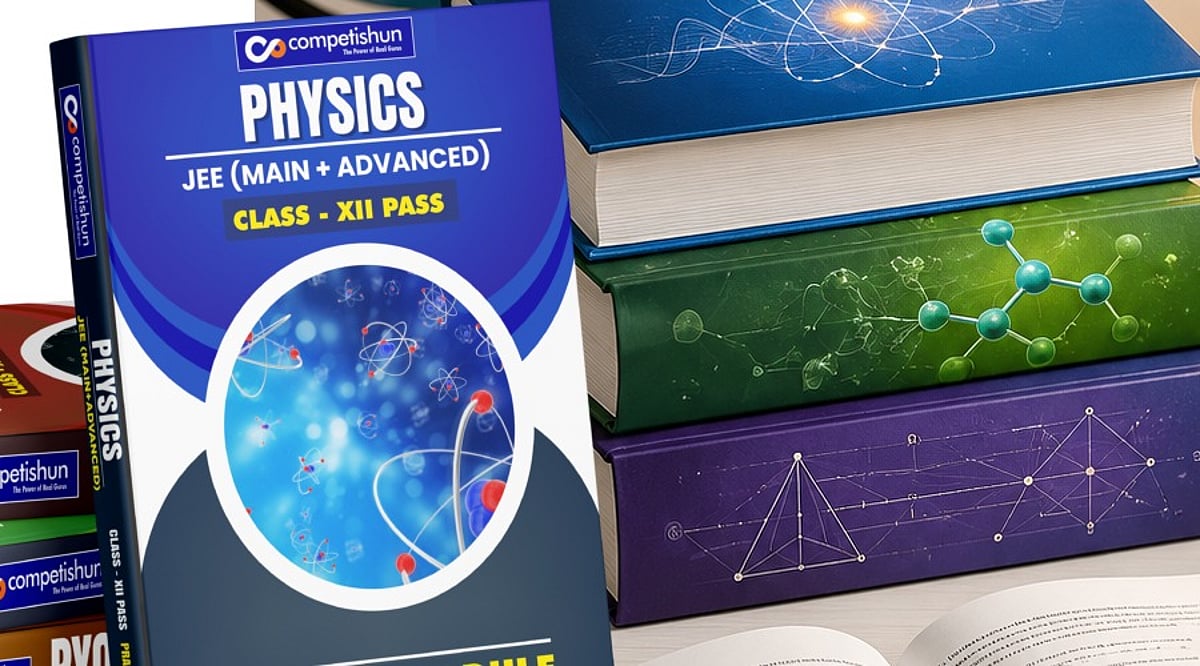
    Most JEE aspirants face the same problem at the start of their preparation. Their study table fills up with six Physics books, four Maths books, and half-finished chapters everywhere. This scattered approach rarely works. Toppers do not win by owning the biggest book collection. They win by picking a few good books, reading them again and again. This guide breaks down the best books for JEE Main 2027, subject by subject, to remove the confusion most students face when choosing study material.

    Start with NCERT First

    NCERT deserves the first spot on every JEE aspirant’s list. Many students ignore it, thinking it is too basic for JEE Main. This is a costly mistake. A large share of Chemistry questions comes straight from the NCERT lines. Physics also draws several core concepts from it. Finish the NCERT for all three subjects before touching any reference book. NCERT works as the base layer, not a side note.

    Physics: Understanding Comes Before Speed

    Many students struggle with Physics in the early months. They memorize formulas without understanding why they exist. Their scores stay flat for weeks as a result. Things usually change once a student picks up Concepts of Physics by H.C. Verma. This book explains the logic behind each formula. It does not rush the reader. Toppers often solve both volumes slowly and revisit tricky chapters more than once. After building that base, most students move to DC Pandey’s Understanding Physics Series. This set offers structured practice with rising difficulty. Speed and confidence tend to grow together through this stage. Advanced books like Irodov work best later in preparation. Jumping into hard problems too soon only creates frustration and wastes valuable time.

    Chemistry: A Different Plan for Each Part

    Chemistry is not one subject. It has three distinct parts, each requiring its own approach. For Physical Chemistry, OP Tandon and N. Awasthi work well alongside NCERT. These books contain strong numerical sections. Solving each sum by hand, instead of jumping straight to the answer key, builds real calculation speed over time. For Organic Chemistry, M.S. Chauhan’s practice book remains a strong choice. It focuses heavily on reaction mechanisms. Practicing the same reaction types multiple times helps students recognize patterns rather than memorize them blindly. For Inorganic Chemistry, NCERT alone does most of the job. Reading it five or six times over two years builds strong recall. Advanced books can confuse students at this stage, so sticking to the NCERT revision usually pays off more.

    Mathematics: Pick One Book and Stay Loyal

    Mathematics tests patience more than any other subject. Many students collect Cengage, Arihant, and a few random guides, yet finish none of them properly. The better path is to choose one main book, such as the Cengage Mathematics Series, and solve every question inside it, from the easy ones to the tough ones. Switching books halfway through only breaks momentum. Once the main book is complete, two full revisions before adding new material work far better than jumping around. Arihant Skills in Mathematics can help later with topic-wise practice. It works best once Cengage or a similar main book is already finished.

    The One Lesson that Changes Preparation

    Buying books feels productive, but it is not the real work. The real work happens when a student sits down and solves problems from the same book repeatedly. Keeping an error log makes a real difference here. Every mistake, along with a short note on why it happened, teaches more about weak spots than any new book ever could. Revision beats variety, plain and simple. One book solved five times will always outperform five books read once each.

    Final Thoughts

    JEE success depends on discipline, not on the number of books stacked on a desk. H.C. Verma for Physics, OP Tandon for Physical Chemistry, MS Chauhan for Organic Chemistry, and Cengage for Mathematics can support serious aspirants through their preparation. Students should pick their books early and solve every problem themselves before checking the solution. Regular revision and honest tracking of mistakes matter more than adding new material. This approach has worked for countless JEE toppers, and it can work for anyone willing to follow it with discipline. Rank in JEE will depend less on the books a student owns and more on how deeply they study the ones they choose.

    FAQs

    1. Which is the best book to start JEE Main 2027 preparation? Students should begin with NCERT textbooks for Physics, Chemistry, and Mathematics. They build the basic concepts needed before moving to advanced reference books.
    2. Is NCERT enough for JEE Main 2027? NCERT is essential, especially for Chemistry, but it should be supplemented with standard reference books like H.C. Verma, DC Pandey, OP Tandon, and Cengage for complete preparation.
    3. Which Physics book is best for JEE Main 2027? Concepts of Physics by H.C. Verma is one of the best books for understanding fundamentals. Students can then practice advanced questions with DC Pandey’s Understanding Physics series.
    4. Which Mathematics book should students use for JEE Main? The Cengage Mathematics Series is a popular choice for comprehensive preparation. Completing one book thoroughly is more effective than using multiple books without finishing them.
    5. How many books are enough for JEE Main 2027 preparation? Students do not need a large collection of books. One reliable book per subject, along with NCERT and regular revision, is usually enough for effective JEE Main preparation.
  • Why a Poorly Chosen MS in Data Science Can Derail Your Career

    Why a Poorly Chosen MS in Data Science Can Derail Your Career

    The boom in artificial intelligence has turned data science into one of the world’s most sought-after career paths. Universities across the globe have responded by launching hundreds of Master’s programs promising lucrative jobs, cutting-edge skills, and six-figure salaries. But not every MS in Data Science degree is built the same.

    For aspiring professionals, choosing the wrong program can have consequences that extend far beyond graduation. A poor curriculum, limited industry exposure, or weak placement support could leave graduates struggling to compete in a job market that increasingly values practical skills over academic credentials.

    As employers raise hiring standards, students are learning that the name of a degree matters far less than what they actually learn during it.

    Degree Alone No Longer Guarantees a Job

    Just a few years ago, having a master’s degree in data science was enough to grab recruiters’ attention. Today, the landscape has changed dramatically. When companies look to hire data scientists, they usually expect a certain level of programming skill, primarily in Python and SQL, plus the ability to build machine learning models. They also care that you can navigate cloud platforms without getting lost in today’s AI tools. Recruiters tend to scan your GitHub profile and want to see internships and projects from real life—stuff that quietly proves you can solve problems instead of only talking about them.

    Meanwhile, students who graduate from programs that focus largely on classroom theory often notice they’re missing the hands-on experience employers actually want. So a lot of people end up signing up for extra bootcamps or taking certification courses even though they already put a lot into a postgraduate degree.

    Outdated Curriculum Can Quickly Become Irrelevant

    Data science is one of the most rapidly changing areas of technology. Every year, new frameworks, AI model architectures, and other automation solutions completely change the industry. However, some courses still teach ideas that do not align with the present-day needs of the job market. Although basics are essential, companies demand more knowledge in cloud services, machine learning operations (MLOps), deep learning, large language models, and AI deployment. Two years of studying a curriculum that has become irrelevant may be a mistake for students, as they will enter the job market with obsolete knowledge.

    Industry Exposure Often Makes the Biggest Difference

    One of the major signs of a good data science program is industry interaction. Students get the chance to solve actual problems rather than examples through internships, projects, hackathons, collaborative research, and mentoring from the corporate world. This not only improves students’ technical skills but also their communication and analytical skills. Those programs that lack industry interaction would graduate students who know everything in theory but nothing about how data science is applied in real-world business. Experience weighs more than grades when hiring.

    Placement Support Matters More Than Rankings

    When some people select colleges based on rankings or the promise of high salaries, placements may be more complicated. A career service center, company contacts, an alum network, and recruitment days play important roles in helping people get placed. Colleges with strong industry connections give students a better chance of securing internships and on-campus placements. On the other hand, colleges without assistance in placing students face difficulty, making students’ lives difficult when entering the competitive labor market alone. In the opinion of experts, future college students need to look at the employment rates, average salaries, internships, and alum success stories.

    Financial Cost Extends Beyond Tuition Fees

    A foreign MS in Data Science costs lakhs, while a national MS in Data Science program is also substantial. Selecting a program that does not equip the candidate with valuable skills means they will have to invest money to gain those skills, either through certification courses, self-study, or low-paid jobs. Opportunity cost also becomes immense, since with each passing month, the individual becomes more employable yet earns less due to a lack of job-related skills. For some, the wrong program choice proves costlier than choosing a good course.

    What Prospective Students Need to Consider Before Applying

    Many experts advise going beyond college promotional materials when making decisions. The effective program must be characterized by modern courses and field practice, qualified lecturers, ongoing research, partnerships, and transparency concerning the placement of its alums. Prospective students should consult alums of the university, examine its programs, and find out whether its graduates work at major technology companies, rather than simply considering its placement statistics. Accreditation, faculty quality, and internship opportunities still matter.

    Final Thought

    Due to the high demand for specialists in artificial intelligence and data science, organizations have become very selective in hiring candidates with the required knowledge and competencies. MS in Data Science is an excellent choice, yet not every program provides its graduates with the required expertise. The hiring environment makes it necessary not only to earn the right degree but also to gain valuable skills and confidence and to pursue other opportunities after two years of study.