Category: Cloud Computing

  • Top Indian Web Development Companies to Partner With in 2025

    Top Indian Web Development Companies to Partner With in 2025

    India is home to some of the world’s most capable web development firms, offering everything from enterprise-grade applications to agile digital experiences. Whether you need a robust e-commerce platform, a cloud-native solution, or AI-powered customer portals, these Indian companies lead the market with proven expertise and global reach.

    Tata Consultancy Services (TCS): TCS delivers enterprise-grade web development, cloud integration, digital transformation, and scalable business applications for global organizations across multiple industries.

    Infosys: Infosys specializes in custom web applications, AI-powered digital experiences, responsive websites, and enterprise modernization solutions tailored to evolving business requirements worldwide.

    HCLTech: HCLTech provides secure web development, cloud-native applications, API integration, and digital engineering services that help businesses accelerate online transformation and growth.

    Wipro: Wipro builds responsive websites, enterprise portals, e-commerce platforms, and customer-focused digital experiences using modern technologies and agile development methodologies efficiently.

    Tech Mahindra: Tech Mahindra develops scalable web platforms, digital commerce solutions, customer engagement portals, and cloud-enabled applications for businesses across diverse sectors globally.

    LTIMindtree: LTIMindtree combines digital engineering, UI/UX expertise, cloud technologies, and application modernization to create high-performance web solutions for modern enterprises and startups.

    Persistent Systems: Persistent Systems focuses on custom web applications, SaaS platforms, API development, and cloud-based digital products that support innovation and business scalability effectively.

    Net Solutions: Net Solutions offers product engineering, web development, e-commerce solutions, and user-centric digital experiences for startups, enterprises, and fast-growing technology companies worldwide.

    OpenXcell: OpenXcell delivers affordable custom website development, web applications, e-commerce platforms, and dedicated development teams for businesses seeking scalable digital solutions.

  • Essential Cloud Technologies Every Modern Business Must Know

    Essential Cloud Technologies Every Modern Business Must Know

    Cloud computing has become a cornerstone of modern business operations, offering scalable, cost-effective, and flexible solutions. Understanding the key cloud technologies can help organizations optimize their IT strategies and drive growth. Below are ten essential cloud technologies that every business should be aware of.

    1. Hybrid Cloud

    Hybrid cloud combines private and public cloud environments, providing businesses with flexibility, stronger security, better compliance, and cost-efficient workload management.

    2. Multi-Cloud Strategy

    Using multiple cloud providers improves reliability, reduces vendor dependency, optimizes costs, and enhances business continuity across operations.

    3. Infrastructure as a Service (IaaS)

    IaaS delivers virtual computing resources, enabling businesses to scale servers, storage, and networking without investing in physical infrastructure.

    4. Platform as a Service (PaaS)

    PaaS provides development environments that simplify application creation, deployment, testing, and maintenance while reducing infrastructure management complexity.

    5. Software as a Service (SaaS)

    SaaS offers cloud-hosted applications accessible through browsers, improving collaboration, reducing maintenance, and minimizing software installation requirements.

    6. Cloud Security

    Cloud security protects cloud environments through encryption, identity management, threat detection, compliance monitoring, and continuous security updates against evolving cyber risks.

    7. Cloud Backup and Disaster Recovery

    This technology ensures business continuity by securely storing data and enabling rapid recovery after outages, cyberattacks, or accidental information loss.

    8. Serverless Computing

    Serverless computing allows developers to run applications without managing servers, automatically scaling resources while reducing operational costs and administrative overhead.

    9. Cloud AI and Machine Learning

    Cloud-based AI and ML integrate intelligent analytics, predictive insights, automation, and personalized customer experiences directly into business applications.

    These cloud technologies empower businesses to innovate faster, reduce costs, and stay competitive in a rapidly evolving digital landscape.

  • Green Cloud Computing: The Complete Guide to Sustainable Cloud Infrastructure

    Green Cloud Computing: The Complete Guide to Sustainable Cloud Infrastructure

    Almost everything we do online relies on cloud computing. This includes medical portals, school platforms, virtual meetings, digital payments, and artificial intelligence. Keeping these services alive requires massive data hubs running servers and AC systems day and night. International Energy Agency data shows these facilities guzzled roughly 415 terawatt-hours of power in 2024. That represents nearly 1.5 percent of all global electricity. That energy appetite has been climbing by about 12 percent every single year for the last five years.

    What is Green Cloud Computing?

    Green cloud computing is the practice of building and operating cloud infrastructure in a way that reduces harm to the environment. The main purpose is to lower electricity use, reduce carbon emissions, and make better use of computing resources without affecting service quality. This approach uses energy-efficient hardware, renewable energy, virtualization, smart resource management, and advanced cooling systems. It also supports the reuse and recycling of equipment to reduce electronic waste. Green cloud computing allows businesses to continue digital growth while protecting natural resources and reducing operating costs.

    Why Green Cloud Computing has Become Necessary

    The rapid growth of AI has increased pressure on cloud infrastructure. Powerful AI models need advanced processors that consume much more electricity than traditional computing systems. The IEA estimates that electricity use by data centers could reach 945 TWh by 2030, which is more than double the level recorded in 2024. Gartner also predicts that global data center electricity consumption will rise from 447 TWh in 2025 to 565 TWh in 2026, which represents a 26% increase within just one year. AI servers alone are expected to consume 175 TWh of electricity in 2026, an 84% increase compared with the previous year. These figures clearly show that cloud infrastructure must become more energy efficient to support future demand.

    How Green Cloud Computing Reduces Energy Use

    Green cloud computing relies on various current technologies that enhance efficiency. One of the most effective methods is virtualization, which enables multiple virtual machines to share a single physical server. By using this technique, the use of servers is maximized and the number of physical servers required in the data center is decreased. Additionally, during slow periods, cloud platforms consolidate workloads on fewer machines and the machines that are not in use may enter sleep mode or be shut down completely. Modern cloud providers opt for energy-efficient processors that provide high performance at low power consumption. Another critical requirement for a sustainable cloud infrastructure today is the use of renewable energy. Many data centers use solar, wind, hydroelectric, or geothermal power. In addition to relying on annual renewable energy certificates, many providers strive to use carbon-free electricity on a regular basis.

    Smart Cooling Makes a Big Difference

    Cooling systems consume a large share of electricity inside every data center. Green cloud computing uses modern cooling methods to reduce this energy demand. Free-air cooling uses natural outside air whenever weather conditions allow. Liquid cooling and immersion cooling remove heat more efficiently than traditional air cooling. Artificial intelligence also helps control cooling equipment by adjusting temperatures according to server activity. Some companies have even started work on floating data centers that use seawater as a natural cooling source. These technologies reduce electricity use while keeping equipment safe and reliable.

    Current Challenges

    Even though green cloud computing has various advantages, there are still some difficulties. Rapid expansion in artificial intelligence has resulted in an increase in carbon emissions despite investments in clean technology. According to new data, Microsoft, Amazon, and Google have reported almost 119 million metric tonnes of carbon dioxide emissions, which is about 18% more than for the previous reporting period. Microsoft’s own emissions increased by 25% and reached 20 million metric tonnes as a result of building and operating new AI data centers. Experts also forecast that roughly 1,200 new data centers will be constructed worldwide by 2030 to serve the needs of the cloud and AI industries. However, a shortage of electricity and water has caused significant problems already. More than 75 data center projects, valued at 130 billion US dollars, experienced delays or halted work in early 2026 since the required amount of electricity and water was not available.

    The Future of Sustainable Cloud Infrastructure

    The future of green cloud computing depends on smarter energy management. Carbon-aware computing has become an important solution as it allows flexible workloads to run when cleaner electricity is available. This method reduces carbon emissions without affecting service quality. Researchers also continue to work on AI systems that improve energy management inside data centers and help match electricity demand with renewable energy supply. The IEA estimates that emissions from electricity used by data centers could rise from around 180 million tonnes today to nearly 300 million tonnes by 2035, while a high-growth situation could push emissions close to 500 million tonnes.

    Why This Matters

    Data centers are on track to double their power usage by 2030 as a result of AI. This massive energy drain makes green cloud setups a hard requirement, not an optional corporate goal. If we do not make this shift, local power grids will physically buckle under the weight of future internet growth.

    Final Thoughts

    AI and cloud growth have pushed electricity demand to record levels. Sustainable technologies are the practical response. Energy-efficient hardware, virtualization, renewable energy, carbon-aware computing, and modern cooling systems help reduce electricity use and lower carbon emissions without reducing cloud performance.

    FAQs

    1. What is green cloud computing? Green cloud computing is the use of cloud technologies that reduce electricity consumption, carbon emissions, and environmental impact while delivering reliable cloud services.
    2. Why is green cloud computing important? It helps reduce the environmental impact of data centers, lowers operating costs, improves energy efficiency, and supports long-term sustainability goals.
    3. How does virtualization support green cloud computing? Virtualization allows multiple virtual machines to run on one physical server, which improves hardware use and reduces electricity consumption.
    4. What role does renewable energy play in sustainable cloud infrastructure? Renewable energy sources such as solar, wind, hydroelectric, and geothermal power help reduce dependence on fossil fuels and lower carbon emissions from data centers.
    5. What are the biggest challenges for green cloud computing? High energy demand from AI workloads, limited renewable energy availability, power and water shortages, and accurate carbon measurement remain the main challenges.
  • Oracle Fusion Cloud Expert Builds Resilient Pricing Systems for Volatile Commodity Markets

    Oracle Fusion Cloud Expert Builds Resilient Pricing Systems for Volatile Commodity Markets

    The London Metal Exchange (LME) operates on its own relentless schedule: copper closes at one price on Tuesday, opens at another on Wednesday, and by the time a Friday shipment leaves a warehouse, the price that mattered when the order was booked may bear no resemblance to the price that matters when the invoice is cut. For metals and mining companies, that gap between booking and billing has long lived inside spreadsheets, side-channel emails, and manual reconciliation processes that quietly drain margin from the order-to-cash cycle.

    Inside a Big Four management consulting firm’s Oracle Cloud Supply Chain practice, a senior Principal Oracle Cloud SCM Consultant has spent over two decades designing systems that close that gap. Nabil Parkar specializes in Order Management, Pricing, Supply Chain, and Financial integration across Oracle E-Business Suite and Oracle Fusion Cloud. Over twenty-two years, he has built what colleagues describe as “bulletproof” pricing engines for metals and mining enterprises whose product prices are dynamically linked to global indices like the LME. The architecture handles scenarios standard ERP pricing models were never built for: next-day closing-price consideration, shipment-date repricing, future-date fixation, and floating-to-fixed conversions—all running concurrently across multi-contract environments.

    Commodity-driven industries don’t behave like the catalog businesses ERP pricing was originally designed for. “Commodity-driven industries require pricing systems that are not only technically scalable but also commercially intelligent,” Parkar says. “Traditional ERP pricing models are often insufficient for industries such as metals, mining, energy, and commodities where pricing changes daily or even hourly based on global exchanges.”

    The frameworks Parkar has architected push pricing logic out of side spreadsheets and into the order lifecycle itself. Repricing triggers automatically at order booking, shipment confirmation, delivery execution, and any future-date commodity-fixation event. Customers can lock future prices, accept next-day closing rates, reprice at the shipment stage, or move between floating and fixed pricing based on contractual rules. Every step leaves an audit trail—critical in a volatile market where the question of which LME rate was used and why is never abstract.

    Results give the work its weight. Manual pricing intervention dropped by roughly 70–80% in environments where Parkar’s frameworks were implemented. Pricing-related disputes fell by more than 60%. Order-to-cash cycle times accelerated by 30–40%. Pricing reconciliation effort during invoicing and audits dropped by more than half. These aren’t marginal gains from incremental tuning; they are structural changes that can transform how a metals business closes its books.

    Parkar’s preventive-control discipline extends beyond price into the financial instruments that secure high-value export sales. His March 2026 paper in the International Journal of AI, Big Data, Cloud and Mobile Systems describes a Financial Instrument Control architecture that embeds Bank Guarantee and Security Deposit validation directly inside Oracle’s order-booking lifecycle, replacing spreadsheets that metals exporters had long relied on to track customer coverage. In production use, the model reduced booking exceptions tied to insufficient financial coverage by roughly 85–95%.

    A separate February 2026 paper, this one in the International Journal of Engineering Trends in Computer Science and Information Technology, takes on the SKU problem from another angle. Metals customers don’t order by SKU; they order by grade, alloy, and material specification. Standard ERP forces SKU commitment at order entry. Parkar’s attribute-based fulfillment architecture decouples the two, so an attribute-driven order can land on whichever SKU is actually available.

    For Parkar, the hardest part of the design wasn’t the technology—it was the discipline. Pricing behavior varied with the customer contract, shipment timing, and the state of the underlying market, all at once. Holding all of that inside a configurable Oracle pricing architecture, instead of letting it sprawl across one-off customizations, was the engineering problem.

    Across multiple Oracle EBS R12 transformations and Oracle Fusion Cloud modernization programs at large commodity-driven enterprises, and across a body of four published papers in supply-chain and procurement journals through early 2026, Parkar has been the architect translating commercial pricing logic into something the system can execute and the finance team can audit. He has worked across supply chain teams, finance, and executive leadership to align ERP pricing with how commodity markets actually behave. Most ERP implementations gloss over that alignment; most pricing teams find out about it only after the disputes start arriving.

    What comes next, in Parkar’s view, is the end of pricing as back-office plumbing. He points to real-time market-integrated engines and AI-assisted pricing recommendations, predictive shipment optimization, event-driven repricing, and cloud-native governance frameworks—all heading in the same direction. Oracle Fusion Cloud is moving that way too, with configurable workflows, intelligent automation, and analytics built into the pricing layer itself. The deeper shift, he argues, is the move from static pricing to adaptive models, where the final price stops being a number set at booking and becomes a function of contracts, logistics events, commodity indices, customer agreements, and supply chain conditions, all weighed at once.

    “From firsthand implementation experience, successful pricing transformation depends not only on technology but also on deeply understanding the business behavior behind pricing decisions,” Parkar says. “The ability to translate complex commercial pricing logic into scalable ERP architecture is what ultimately creates long-term operational resilience and competitive advantage.” For metals businesses that have lived with the gap between the booking price and the invoice price, that translation is the difference between a margin and a reconciliation.

  • How AI, Data Sovereignty, and Sustainability Are Reshaping Cloud Strategy: Insights from OVHcloud’s Terry Maiolo

    How AI, Data Sovereignty, and Sustainability Are Reshaping Cloud Strategy: Insights from OVHcloud’s Terry Maiolo

    As AI accelerates cloud adoption, enterprises are placing greater emphasis on transparent pricing, energy-efficient infrastructure, data governance, and regulatory compliance to build resilient cloud strategies for long-term business growth.

    Key Takeaways

    • Cloud strategy is shifting beyond IT, with data sovereignty, compliance, and governance becoming critical business priorities worldwide.
    • Sustainable cloud infrastructure can reduce energy use, improve efficiency, and support AI workloads without compromising performance or security.
    • Businesses should evaluate cloud providers based on transparent pricing, responsible data handling, and long-term scalability for AI-driven growth.

    Cloud computing is evolving rapidly, but businesses are also facing new challenges, including rising costs, security concerns, compliance requirements, AI-driven workloads, and sustainability goals. In this exclusive podcast interview, Priya Diyalani speaks with Terry Maiolo, Vice President and General Manager, APAC, at OVHcloud, about how organizations can build a cloud strategy that drives innovation, protects data, and supports long-term sustainability.

    Q: Could you tell us about OVHcloud, your role, and what makes the company different from other cloud providers?

    Absolutely. At OVHcloud, we are a pure cloud provider with 46 data centers across four continents and 30 local zones worldwide. In APAC, we operate one data center in Mumbai, two in Singapore, and three in Sydney, and I oversee the entire Asia-Pacific region. What makes us different is that we are a European cloud provider, so we comply with GDPR standards, giving customers greater data sovereignty. Another major difference is that we build our own servers and use our direct-to-chip water cooling technology, which we have developed over the last 20 years. This allows us to run data centers without traditional air conditioning while improving energy efficiency.

    Q: Regulations and global developments are changing the cloud industry. How are these factors influencing enterprise decisions?

    I believe cloud decisions are no longer only about technology. Businesses are becoming much more aware of where their data is stored and who has access to it. Regulations like India’s Data Protection Act are encouraging organizations to take data sovereignty seriously. At the same time, many customers are looking for cloud providers that are not governed by laws such as the US Cloud Act. I see cloud strategy becoming a discussion about business, governance, and compliance rather than just an IT decision.

    Q: Sustainability has become a major boardroom topic. How is OVHcloud approaching it?

    We believe sustainability should not come at the cost of performance. Our direct-to-chip water cooling captures heat directly from the processors, so we use less electricity and less water while increasing server density. We also manufacture our own servers, extend their life through reuse, recycle components whenever possible, and have achieved zero waste. I think organizations can meet sustainability goals while still improving efficiency and reducing costs.

    Q: AI is changing how data is created and used. How should businesses think about data sovereignty today?

    I think companies need to consider two things: how they use their own data and how their cloud provider handles it. At OVHcloud, we have made a clear decision not to monetize customer data in any form. At the same time, I believe businesses need a provider with a global presence so their data stays close to their operations while maintaining security, compliance, and low latency.

    Q: AI is increasing the demand for computing power. How can organizations balance AI growth with sustainability?

    I believe this is one of the biggest challenges for the industry. AI requires more computing power, energy, and infrastructure, so cloud providers must continue improving efficiency. I also encourage businesses to ask cloud providers about hidden costs, including data transfer fees, because these can become significant as AI usage grows. Sustainable infrastructure should also provide predictable costs.

    Q: Finally, what does a successful cloud strategy look like over the next decade?

    I believe organizations should move beyond talking about sustainability and sovereignty and start putting those goals into action. Responsible cloud infrastructure already exists, and businesses do not have to choose between performance, security, sustainability, and cost. I believe they can achieve all of these together by selecting the right cloud partner and making long-term strategic decisions.

  • Essential Kubernetes Learning Resources for Beginners

    Essential Kubernetes Learning Resources for Beginners

    Getting started with Kubernetes can be daunting, but the right resources make all the difference. This guide highlights the best learning materials for beginners, from official documentation to hands-on labs and community support.

    Official Kubernetes Documentation

    The official Kubernetes documentation offers clear explanations of core concepts, architecture, deployments, networking, and troubleshooting. It includes beginner-friendly guides and practical examples to help you understand the fundamentals.

    Interactive Hands-on Labs

    Browser-based Kubernetes labs allow beginners to practice creating clusters, deploying applications, and managing workloads without the need to install complex local environments. These interactive sessions provide immediate feedback and real-world experience.

    Video Learning Platforms

    Video courses simplify Kubernetes fundamentals through structured lessons, real-world demonstrations, and step-by-step walkthroughs. They cover essential container orchestration concepts and are ideal for visual learners.

    Free Online Tutorials

    Beginner-friendly tutorials explain Kubernetes components such as Pods, Services, Deployments, and scaling using simple language, diagrams, and practical implementation examples. These resources are perfect for self-paced learning.

    Cloud Provider Training

    Major cloud platforms like AWS, Google Cloud, and Azure offer Kubernetes learning paths that cover managed clusters, deployment strategies, security practices, monitoring, and production-ready application management. These courses often include free credits for hands-on practice.

    GitHub Sample Projects

    Open-source Kubernetes repositories provide deployment manifests, configuration examples, Helm charts, and real-world projects. Experimenting with these projects reinforces practical learning and helps you understand best practices.

    Certification Preparation Courses

    Beginner certification courses introduce Kubernetes fundamentals while preparing you for industry-recognized certifications like CKA and CKAD. They include practice tests and guided exercises to build confidence.

    Community Forums and Discussions

    Kubernetes communities on forums, Slack channels, and discussion platforms help beginners solve problems, share knowledge, and learn from experienced professionals. Engaging with the community accelerates learning and provides networking opportunities.

    Books and eBooks

    Beginner-focused Kubernetes books explain container orchestration concepts, cluster management, networking, security, and best practices through detailed explanations and practical examples. They are excellent for in-depth study.

  • Top Cloud Computing Stocks to Watch in India

    Top Cloud Computing Stocks to Watch in India

    India’s cloud computing sector is rapidly expanding, driven by digital transformation across industries. Here are the leading Indian IT companies offering robust cloud services and solutions.

    Tata Consultancy Services (TCS) – A global IT leader providing enterprise cloud migration, infrastructure management, and digital transformation services across multiple industries and international markets.

    Infosys – Strong cloud capabilities through strategic partnerships, helping businesses modernize infrastructure, improve scalability, and accelerate digital transformation initiatives worldwide.

    HCLTech – A leading cloud services provider specializing in hybrid cloud, cybersecurity, application modernization, and enterprise digital transformation for global clients across sectors.

    Wipro – Expands cloud consulting and managed services through strategic collaborations with major cloud providers, supporting enterprises undergoing digital modernization successfully worldwide.

    Tech Mahindra – Offers cloud transformation, AI integration, and enterprise technology services, helping organizations improve efficiency, agility, and customer experience across industries globally.

    LTIMindtree – Delivers cloud migration, analytics, AI solutions, and managed services, enabling businesses to modernize operations and optimize digital infrastructure effectively worldwide.

    Mphasis – Focuses on cloud-native application development, migration services, automation, and financial technology solutions for enterprise customers across international markets.

    Persistent Systems – Provides cloud engineering, software development, AI integration, and digital platform services, supporting businesses embracing next-generation technology solutions globally.

    Coforge – Expands cloud transformation services across banking, insurance, aviation, and healthcare sectors, helping enterprises accelerate innovation and operational efficiency through technology.

  • Cloud Computing for Beginners: A Guide to IaaS, PaaS, SaaS, and Deployment Models

    Cloud Computing for Beginners: A Guide to IaaS, PaaS, SaaS, and Deployment Models

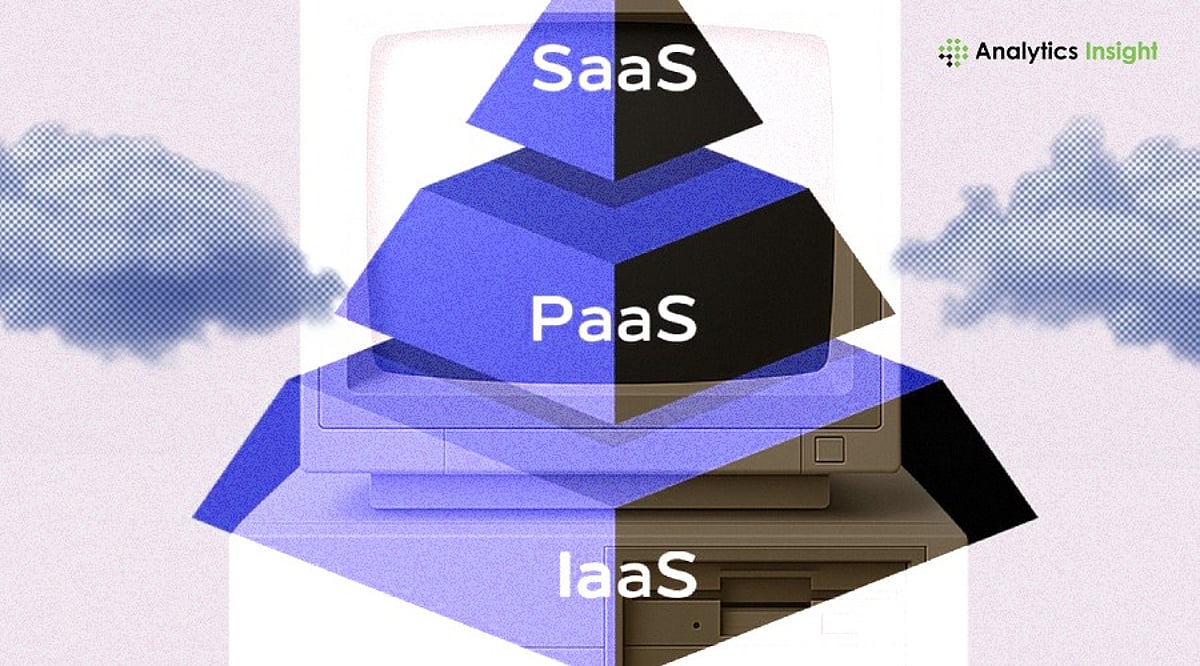
    Cloud computing has revolutionized how businesses and individuals access and manage IT resources. Instead of investing in expensive hardware, you can now rent computing power, storage, and applications over the internet. This guide breaks down the core service models—IaaS, PaaS, and SaaS—and the four main deployment models: public, private, hybrid, and community cloud. Whether you’re a small business owner or a tech enthusiast, understanding these concepts will help you choose the right cloud solution for your needs.

    What Is Cloud Computing?

    Cloud computing delivers on-demand computing services—including servers, storage, databases, networking, software, and analytics—over the internet. It eliminates the need for local hardware and offers flexibility, scalability, and cost-efficiency. Services are typically billed on a pay-as-you-go basis, making them accessible to organizations of all sizes.

    Cloud Service Models: IaaS, PaaS, and SaaS

    Infrastructure as a Service (IaaS)

    IaaS provides virtualized computing infrastructure—servers, storage, and networking—over the internet. Users have full control over the operating system, applications, and middleware. This model is ideal for organizations that need complete control but lack the budget for physical hardware. Examples: Amazon Web Services (AWS) EC2, Google Compute Engine, Microsoft Azure.

    Platform as a Service (PaaS)

    PaaS offers a managed platform for developing, testing, and deploying applications. It includes the runtime environment, development tools, and database management. Developers can focus on coding without worrying about server maintenance. Examples: Google App Engine, Heroku, Microsoft Azure App Services.

    Software as a Service (SaaS)

    SaaS delivers ready-to-use software over the internet. Users subscribe to applications like email, CRM, or collaboration tools without installing or maintaining anything. It’s the easiest model for beginners. Examples: Google Workspace, Salesforce, Microsoft 365.

    Cloud Deployment Models

    Public Cloud

    Public cloud services are delivered over the internet by third-party providers. They are cost-effective, scalable, and require minimal management. The infrastructure is shared among multiple tenants, offering less control but high convenience.

    Private Cloud

    A private cloud is dedicated to a single organization. It can be hosted on-premises or by a third-party provider. It offers higher security, customization, and control, making it suitable for large enterprises with strict compliance requirements.

    Hybrid Cloud

    Hybrid cloud combines public and private clouds, allowing data and applications to move between them. This model provides flexibility, cost optimization, and scalability. However, it requires careful integration and skilled management.

    Community Cloud

    Community cloud is shared by several organizations with common interests—such as government agencies or healthcare providers. It enables cost sharing and collaboration but may have limited scalability compared to public cloud.

    How to Choose the Right Cloud Model

    • For simple tools like email and storage, choose SaaS.
    • For building and deploying applications without managing servers, choose PaaS.
    • For full control over infrastructure and software, choose IaaS.
    • For sensitive data and compliance, consider private or hybrid cloud.

    Risks and Challenges

    Cloud computing has drawbacks: cost overruns due to unpredictable usage, vendor lock-in, security concerns in public environments, and a need for skilled IT staff for IaaS and PaaS. Planning and monitoring are essential to mitigate these risks.

    Why Cloud Computing Matters

    Cloud computing has become a backbone of modern digital transformation. It enables businesses to scale rapidly, reduce capital expenditure, and innovate faster. Understanding the service and deployment models is the first step toward leveraging cloud technology effectively.

    Final Thoughts

    There is no one-size-fits-all cloud solution. The right choice depends on your budget, technical expertise, security requirements, and growth plans. Cloud computing eliminates the hassle of physical hardware and offers a flexible path to digital success.

    Frequently Asked Questions

    What is cloud computing in simple terms?

    It’s the delivery of computing services over the internet, allowing users to access resources like servers, storage, and software on demand without owning physical hardware.

    What’s the difference between IaaS, PaaS, and SaaS?

    IaaS provides virtual infrastructure; PaaS offers a managed platform for development; SaaS delivers ready-to-use software.

    Which model is best for beginners?

    SaaS is the easiest—no installation or maintenance required. Just subscribe and use.

    What are the main deployment models?

    Public, Private, Hybrid, and Community clouds. They differ in security, control, scalability, and cost.

    What are the biggest challenges of cloud computing?

    Cost management, data security, vendor lock-in, and the need for technical expertise.

  • How AI Is Forcing a Fundamental Redesign of Cloud Infrastructure

    How AI Is Forcing a Fundamental Redesign of Cloud Infrastructure

    Traditional cloud infrastructure was built for a different era of computing. Designed to support applications, databases, websites, and enterprise systems that operated within relatively predictable performance patterns, these models are now being tested by the demands of artificial intelligence. As organizations move from AI experimentation to large-scale deployment, many are discovering that the infrastructure supporting their digital transformation is not well-suited to AI workloads.

    Running AI models, processing large volumes of unstructured data, and delivering real-time AI-powered services require a different approach to compute, storage, networking, and data management. As a result, cloud architecture is entering a new phase of evolution. According to an IDC report, global spending on AI-centric infrastructure is expected to exceed $200 billion by 2028, driven by growing investments in specialized compute, storage, and networking environments designed specifically for AI workloads.

    Why Traditional Cloud Models Face New Pressures

    For most of the cloud era, enterprise workloads were relatively predictable. Applications required stable uptime, databases needed consistent performance, and infrastructure could be scaled based on anticipated demand. AI applications change this equation entirely. Whether deploying a large language model, building an AI-powered customer support platform, or running analytics on large datasets, AI workloads often require intensive bursts of computing power that vary significantly over time. The volume of data involved is substantially larger, and processing requirements are more dynamic than those of traditional enterprise applications.

    AI systems run differently from normal workloads because they continuously process, learn from, and react to varying inputs. This creates infrastructure requirements that are far more demanding in terms of performance, scalability, and operational management. Cloud environments built for traditional workloads will need significant modification to support large-scale AI applications.

    How Cloud Architecture Is Evolving

    One of the most visible changes is in compute infrastructure. In traditional cloud environments, businesses could rely on standard compute resources and scale them according to demand. AI workloads have changed that equation. Training models, running inference workloads, and processing large datasets increasingly require specialized infrastructure optimized for AI performance rather than general-purpose computing.

    Data architecture is also becoming a much bigger consideration. As AI applications depend on large volumes of data, organizations are paying closer attention to where that data is stored and processed. Moving data across multiple regions can introduce delays that may be acceptable for conventional workloads but become problematic for real-time AI applications. This is driving growing interest in regional cloud infrastructure and low-latency deployment models that bring processing closer to end users and business operations.

    Security and compliance requirements add another layer of complexity. When AI systems process sensitive business information, customer records, financial data, or healthcare information, organizations need clear visibility into how data is handled, where it is processed, and whether it remains compliant with regulatory requirements. Infrastructure decisions are becoming increasingly linked to governance, risk management, and data sovereignty considerations.

    The New Requirements of AI-Driven Infrastructure

    The next generation of cloud architecture will be more purpose-built for AI rather than based on infrastructure models originally designed for traditional applications. Organizations are increasingly evaluating cloud environments based on the specific requirements of their AI workloads, including performance, data governance, scalability, and cloud computing infrastructure.

    For Indian enterprises, this trend is intersecting with growing interest in data sovereignty, localized infrastructure, and managed cloud services. As AI becomes embedded across customer-facing platforms and business operations, factors such as latency, compliance, and infrastructure visibility are becoming more important than ever before.

    The fundamentals of cloud computing are not changing. What is changing is the level of performance, flexibility, and governance that modern workloads require. As AI adoption accelerates, cloud architecture is evolving from a general-purpose technology foundation into a specialized platform designed to support the next generation of digital services and intelligent applications.

    Authored by Rahul Takkallapally, Co-Founder, BharathCloud

  • Analyst Projects Amazon Could Reach $1 Trillion Annual Revenue by 2028

    Analyst Projects Amazon Could Reach $1 Trillion Annual Revenue by 2028

    Amazon is on track to become the first company to generate $1 trillion in annual revenue by 2028, according to a projection from Shay Boloor, Chief Market Strategist at Futurum Equities. The forecast highlights Amazon’s diversified business model, which spans e-commerce, cloud computing, advertising, logistics, and artificial intelligence.

    Diversified Portfolio Drives Growth

    Boloor shared his outlook on social media, stating, “$AMZN is on track to become the first company to cross $1 trillion in annual revenue by 2028.” He attributed the potential milestone to Amazon’s broad portfolio rather than a single segment, calling the company “one of the most important infrastructure companies in the world compounding across commerce, cloud, logistics, ads and AI all at once.”

    Amazon’s latest quarterly results reinforce this optimism. The company reported first-quarter revenue of $181.52 billion, surpassing analysts’ expectations of $177.30 billion. Earnings per share came in at $2.78, well above the consensus estimate of $1.66. AWS posted 28% year-over-year revenue growth, its fastest expansion in over three years, while the advertising business and retail operations also delivered double-digit sales growth.

    Massive AI and Cloud Investments

    Amazon plans to invest approximately $200 billion in capital expenditures during 2026 to expand its AI and cloud infrastructure. The company noted that major customer commitments, including over $100 billion from OpenAI, support this investment plan. Its custom chip business, powered by Graviton and Trainium processors, has surpassed a $20 billion annualized revenue run rate, growing at triple-digit rates while targeting lower operating costs.

    In a move to accelerate enterprise AI adoption, AWS launched a new Forward Deployed Engineering division with an initial $1 billion commitment. The unit will embed AI engineers directly into customer organizations for about 45 days to help build and deploy AI applications. AWS Vice President of Frontier AI Engineering and Services Francessca Vasquez said, “We have a ton of demand for customers who are asking for our help to really drive agentic AI patterns in their workflows.”

    New Engineering Unit Targets Enterprise AI

    The new division plans to deploy teams of five to six engineers to customer sites, working alongside business and security teams to accelerate AI deployment. AWS expects to staff the unit with thousands of engineers through external hiring and internal transfers. Initial customers include the National Basketball Association and electronics company Ricoh. This initiative places AWS alongside companies like Palantir Technologies, Salesforce, Anthropic, and Google Cloud that already offer embedded engineering services.

    Success for the program will be measured by how quickly customers build products and gain practical AI capabilities. As analysts continue to monitor spending and profitability, Amazon’s expanding AI investments, cloud growth, advertising business, logistics network, and retail operations remain central to projections that the company could approach the $1 trillion annual revenue milestone in the coming years.