Category: Cryptocurrency

  • S&P and Pantera Launch Revenue-Focused Crypto Index, Excluding Bitcoin and XRP

    S&P and Pantera Launch Revenue-Focused Crypto Index, Excluding Bitcoin and XRP

    S&P Dow Jones Indices, in partnership with Pantera Capital, has introduced the S&P Pantera Digital Asset Index (SPPDA), a new benchmark that prioritizes protocol revenue over market capitalization. The index comprises 18 digital assets and is designed to give institutional investors a structured, fundamentals-based view of the cryptocurrency market.

    Unlike traditional market-cap-weighted indexes, the SPPDA screens assets for measurable economic activity. Only networks that demonstrate positive total protocol revenue over the two most recent fiscal quarters are eligible. This revenue-based filter automatically excludes Bitcoin and XRP from the initial lineup, despite their large market caps and broad adoption.

    Eligibility also requires a minimum market capitalization and adjusted market capitalization of $500 million, a liquidity ratio above 0.5, and disqualification of meme coins and abandoned projects. Assets are ranked by revenue over the prior two quarters, and the highest-ranked networks are added until they cover up to 99% of total revenue within the eligible group.

    Ethereum, BNB, Solana, TRON, and Hyperliquid are the five largest constituents in the index. Pantera noted that the included assets generated more than $3 billion in annualized protocol revenue over the trailing two quarters, spanning blockchain settlement, decentralized lending, and perpetual futures trading.

    After selection, the index weights members by adjusted market capitalization, with a cap of 35% for the largest constituent and 20% for all others. The index rebalances quarterly, with changes taking effect after the third Friday of March, June, September, and December. Lukka provides pricing and liquidity data, while Artemis Analytics supplies revenue and supply data.

    Cathy Clay, CEO of S&P Dow Jones Indices, described the index as a ‘fundamentals-driven, economics-based framework built for diversified portfolios.’ Dan Morehead, founder and managing partner of Pantera Capital, emphasized that the main challenge for investors is ‘knowing how to allocate,’ and the benchmark is intended to support performance comparisons, active portfolio management, and future index-linked products.

  • Ethereum Price Surges Past $1,900 Resistance, Targets $2,100 Next

    Ethereum Price Surges Past $1,900 Resistance, Targets $2,100 Next

    Ethereum price moved above the $1,900 resistance level as stronger demand across crypto and stock markets supported risk assets. ETH reached an intraday high near $1,950, its strongest price in seven weeks.

    The rally pushed Ether about 29% above its June 26 low near $1,500. It also triggered roughly $62 million in liquidations from traders holding leveraged bearish positions. Still, ETH must clear several resistance levels before $2,100 becomes the next confirmed target.

    Ethereum Price Tests the $1,950 Resistance

    Ethereum price followed Bitcoin higher as BTC crossed $66,500 and the total crypto market gained value. A rebound in US technology shares also supported demand for ETH. The Nasdaq Composite rose 1.3%, while the S&P 500 gained 0.9%.

    ETH now faces its first major barrier between $1,945 and $1,953. Buyers tested this area twice but failed to secure a daily close above it. A confirmed break could expose the 100-day moving average near $1,981, followed by the psychological $2,000 level.

    Liquidation data also shows a large pool of leveraged positions between $1,950 and $1,960. Additional liquidity sits near $1,980 and $2,000. A move through these levels could force short sellers to close positions, adding more buying pressure.

    Ethereum trades inside an ascending channel that started near the late-June low of $1,514. The upper part of this structure points toward $2,080. This level sits close to the wider $2,100 target watched by traders.

    On the downside, traders monitor the $1,870 to $1,900 demand zone. Analyst Ted Pillows said, “If the $1,870–$1,900 level holds, Ethereum could soon rally above $2,000.” A break below $1,859 could expose $1,828, while a daily close above $1,953 would strengthen the path toward $2,000 and $2,100.

    Weak On-Chain Activity Limits ETH Demand

    Ethereum’s network data has not matched the recent price recovery. Weekly decentralized exchange volume dropped to about $7.2 billion, while decentralized application revenue fell to $9.8 million. This marked the lowest level since September 2024.

    Lower activity reflects weaker demand for memecoins and utility tokens on Ethereum. Several major ecosystem tokens, including Ethena, Mantle and Arbitrum, have also recorded losses of at least 50% this year.

    Derivatives traders also show caution. ETH perpetual futures funding rates have struggled to hold inside the neutral annual range of 6% to 12%. Rates have improved since turning negative in late June, but traders have not built large bullish positions.

    Staking and ETF Flows Support the Recovery

    Ethereum staking reached a record 34% of the total ETH supply, according to Staking Rewards. The rate stood near 33% one month earlier. Higher staking reduces the amount of Ether available for immediate sale on exchanges.

    Institutional accumulation has also continued. Bitmine Immersion added 156,719 ETH during the past month and now controls around 4.8% of the available supply. US spot Ethereum exchange-traded funds recorded $37.47 million in net inflows during the latest session.

    BlackRock’s ETHA fund attracted $52.7 million, although withdrawals from Fidelity’s FETH reduced the total. These inflows provide another source of demand as Ethereum attempts to recover from a six-month decline.

    ETH has also gained strength against Bitcoin. Analysts noted that ETH/BTC reclaimed its weekly bull market support band and moved above a long-term descending trendline. A sustained move above 0.03 BTC could open the 0.032 to 0.035 BTC range. However, Daan Crypto Trades cautioned that “BTC will have to lead the market,” showing that Ethereum’s recovery still depends partly on Bitcoin holding its recent gains.

  • Bitcoin Hovers Near $65,700 After Failing to Break $67,000 Resistance

    Bitcoin Hovers Near $65,700 After Failing to Break $67,000 Resistance

    Bitcoin traded close to $65,700 during the latest session after another day of strong price swings. The world’s largest cryptocurrency continued to move inside a narrow range after facing heavy selling pressure near the $66,900–$67,000 area.

    Latest market data shows Bitcoin trading in the mid-$66,000 range with a market capitalization exceeding $1.3 trillion. Daily trading volume remained robust, indicating healthy market activity despite the recent pullback.

    Bitcoin Technical Analysis

    A strong rally began from approximately $65,400, according to a 5-minute TradingView chart. The increase continued until it peaked at $66,921, where the move was halted. Once the price approached $67,000, sellers stepped in to push prices down.

    After this rejection, Bitcoin formed a series of lower highs, signaling weakening buying momentum. Any increase was met with fresh selling, keeping prices lower.

    The drop brought Bitcoin to the $65,700 area, which has become an important short-term support level. The market showed some consolidation around this price, but it remains unclear whether buyers have fully returned.

    The Relative Strength Index (RSI) supports this view. It stands near 29, placing it in oversold territory while selling pressure remains strong. This suggests the market may experience a recovery, but there is no significant buying yet to confirm a rebound.

    Trading volume increased considerably during sharp price shifts, indicating both sellers and buyers remained active throughout the session. However, the chart has not yet shown a trend change.

    Important Support Levels

    Bitcoin now sits close to its first major support between $65,600 and $65,700. This zone has already slowed the recent decline and could attract buyers again. If this support fails, the next levels to watch are $65,400, followed by $65,000 and then $64,700. A break below $65,000 may increase selling pressure as many traders keep stop-loss orders around this level, potentially leading to a faster drop if buyers fail to defend the market.

    Important Resistance Levels

    Bitcoin’s first major resistance level is near $66,000. Above that, selling pressure is likely to return around $66,500. The greatest resistance remains between $66,900 and $67,000, which marks the peak of last week’s rally. Should Bitcoin surpass $67,000, market confidence would increase, attracting many buyers and improving the chances of a bullish move upward.

    Market Sentiment

    The overall market mood remains cautious but stable. Bitcoin has managed to stay above the important $65,000 level despite several rounds of selling, showing that buyers have not completely stepped away. At the same time, the recent lower highs indicate that many traders prefer to book profits rather than chase higher prices, limiting every recovery attempt over the past several hours.

    The oversold RSI suggests that the current weakness may begin to slow. However, technical indicators alone cannot confirm a reversal. Price must move above nearby resistance with stronger buying before the market can show a clear change in direction.

    Latest Bitcoin News

    Recent developments continue to support the long-term outlook for Bitcoin. Spot Bitcoin exchange-traded funds (ETFs) have reported several days of fresh inflows. This steady demand from large investors has helped Bitcoin remain above the $66,000 area despite recent market pressure. Another important development is Bitcoin’s volatility index, which has returned to levels that have often appeared before larger price moves in the past. This does not guarantee a fall or a rally, but it suggests that bigger price swings may arrive soon.

    Short-Term Outlook

    Bitcoin has reached a very significant moment. It needs to remain above $65,600 to maintain the existing structure. If this level holds, buyers will have an opportunity to test higher resistance levels. However, should the price drop below $65,000, selling volume could intensify, driving Bitcoin toward lower support levels. The price changes in the coming few trading sessions will likely determine whether the market returns to its upward trajectory or slows down further.

    Why This Matters

    Bitcoin has reached an important stage where both buyers and sellers are testing key price levels. Strong ETF demand continues to support long-term confidence, while short-term technical signals suggest higher volatility ahead. The next move above resistance or below support could shape Bitcoin’s direction over the coming days.

    Final Thoughts

    Bitcoin remains inside a crucial trading range after another volatile session. The latest chart shows that sellers still control the area near $67,000, while buyers continue to protect support around $65,600. The RSI near 29 indicates oversold conditions, but this alone does not confirm a recovery. Strong buying above resistance will remain the key signal for a fresh rally. Until that happens, Bitcoin is likely to stay inside its current range, with both support and resistance playing a major role in the next price move.

    Frequently Asked Questions

    1. What is Bitcoin’s current support level? The immediate short-term support zone rests between $65,600 and $65,700, which has recently helped slow down selling pressure and stabilize prices.
    2. Why is $67,000 an important level? Recent buying rallies hit a ceiling near $66,921–$67,000, making it a critical resistance barrier that buyers must break to regain bullish control.
    3. What does the RSI reading of 29 mean? An RSI reading near 29 indicates deeply oversold short-term conditions, signaling heavy selling pressure that could leave room for a relief bounce.
    4. How are Bitcoin ETFs affecting the market? Continued spot Bitcoin ETF inflows demonstrate ongoing institutional demand, helping establish a baseline level of market confidence during price pullbacks.
    5. What could happen if Bitcoin falls below $65,000? Breaching $65,000 could trigger stop-loss orders, leading to accelerated selling that targets lower support zones near $64,700 or below.
  • How Intent-Based Architecture Is Replacing Bridges for Safer Cross-Chain Infrastructure

    How Intent-Based Architecture Is Replacing Bridges for Safer Cross-Chain Infrastructure

    From Bridges to Intent: A Quiet Infrastructure Shift

    For most of the last decade, moving value between blockchains has relied on a mechanism that engineers quietly disliked and users learned to fear: the bridge. It worked well enough to become the default, but it also became the single most exploited surface in the entire ecosystem. As blockchain matures from a speculative curiosity into infrastructure that enterprises actually build on, the industry is replacing that mechanism — and the shift says a lot about where decentralized systems are heading.

    The replacement is called intent-based architecture, and while the name is dry, the change it represents is significant. It’s one of those quiet infrastructure shifts that doesn’t make headlines but reshapes what’s possible on top of it.

    The Bridge Was a Design Compromise, Not a Solution

    To understand why the change matters, it helps to see what bridges actually were: a workaround for a problem blockchains were never designed to solve. Each chain is its own isolated system with its own state. Getting an asset from one to another meant locking it in a smart contract on the source chain and minting a synthetic representation on the destination — an IOU backed by that locked collateral.

    That design created two structural weaknesses. The first was security. Those pools of locked collateral became enormous honeypots, and attackers drained them repeatedly, with individual exploits running into the hundreds of millions. The second was fragmentation: users ended up holding wrapped tokens that weren’t quite the real asset, liquidity splintered across dozens of bridge variants, and the experience required technical fluency most people don’t have. For a technology aspiring to be financial infrastructure, “elegant in theory, exploited in practice” is not a sustainable position.

    What Intent-Based Systems Do Differently

    Intent-based architecture inverts the model. Instead of the user specifying how a cross-chain transfer should execute — which bridge, which route, which wrapped token — they specify only the outcome they want: this asset, on that chain. A network of solvers then competes to fulfill that intent using liquidity that already exists on the destination chain, and a settlement layer guarantees the result.

    The distinction is more than semantic. Because the outcome is fulfilled from existing destination-chain liquidity rather than by locking collateral and minting synthetics, there’s no honeypot to drain and no wrapped IOU to strand. The complexity of routing across a fragmented multi-chain landscape moves off the user and into the protocol. What used to be a multi-step, error-prone process — bridge, wait, swap, hope — collapses into a single declared intention.

    This is the same architectural pattern now appearing across serious infrastructure projects, from NEAR’s intents framework to a wave of solver-based settlement networks. It reflects a broader maturation in how decentralized systems are designed: abstracting complexity away from the end user, the way every successful infrastructure layer eventually does.

    From Protocol Pattern to Real Products

    Infrastructure shifts become real when applications are built on them. CryptoRoute is one example — a non-custodial aggregator built on NEAR Intents that applies this model to cross-chain swaps and payments. A user expresses what they want; the system sources liquidity across chains and settles it, without the user ever surrendering custody or touching a bridge contract. It’s a useful illustration of how an abstract protocol pattern turns into something a non-technical person can actually use, which is ultimately the test any infrastructure has to pass.

    The same underlying capability extends naturally to payments: a merchant can accept any asset a customer holds and receive a single settled token, because the intent-based engine handles the conversion invisibly. Once the routing complexity lives in the protocol, the surface applications built on top of it get dramatically simpler — which is exactly the pattern enterprise adopters look for before they commit.

    Why This Matters Beyond Crypto-Native Users

    The significance here isn’t limited to traders moving tokens. As blockchain gets deployed as infrastructure for payments, settlement, and cross-organizational data integrity, the question of how value and state move between systems becomes central. Bridges made that movement risky and clunky. Intent-based settlement makes it safer and near-invisible — and “safer and invisible” is the precondition for any technology crossing from early adopters to mainstream infrastructure.

    None of this happens overnight. Bridges still carry significant volume, and the transition will take years. But the direction is clear: when the biggest security liability and the biggest usability barrier in a technology both get engineered out by the same architectural shift, that shift tends to define the next phase. For anyone tracking where decentralized infrastructure is genuinely heading — rather than where the hype cycle points — intent-based architecture is one of the more consequential developments to watch.

    Disclaimer: This article is for informational purposes only and does not constitute financial or investment advice. Cryptocurrency and blockchain products are volatile and carry risk; conduct your own research before making decisions.

  • Europe’s Strategic Imperative: A Decentralized Euro Stablecoin for Digital Autonomy

    Europe’s Strategic Imperative: A Decentralized Euro Stablecoin for Digital Autonomy

    Europe’s stablecoin debate has shifted from policy papers to real-world launches. European Central Bank President Christine Lagarde recently noted that stablecoins have surged from under $10 billion six years ago to over $300 billion today, with nearly 98% of the market dollar-denominated. In July, Crédit Agricole’s asset-servicing arm CACEIS launched EURXT, a euro-backed token on Ethereum, used for a tokenized Amundi money market fund. Europe is no longer observing from the sidelines—it is witnessing the next layer of payments and settlement take shape.

    This rapid development underscores the urgency of strategic autonomy. Most stablecoin activity relies on dollar-pegged tokens issued outside the EU, while the U.S. GENIUS law has turned stablecoins into an explicit instrument of dollar power and Treasury demand. European banks are moving from internal debate to product execution, building MiCA-compliant tokens and responding to corporate demand for faster, cheaper settlement outside traditional banking hours.

    Brussels must focus on this combination. MiCA gave Europe an early regulatory framework, and the ECB rightly worries about liquidity stress, fragmented issuance, and digital dollarization. But rules alone will not determine who shapes this market. Stablecoins promise near-instant settlement, lower fees, and programmable payments, but their public value depends on the architecture behind them. If Europe leaves the most scalable rails to dollar-based instruments, its regulators will supervise a system whose incentives are set elsewhere.

    The United States has understood this faster. By setting clearer rules for reserves, issuance, and compliance, Washington is giving stablecoins the legal scaffolding to move from crypto markets into mainstream finance. Europe has safeguards but still lacks a convincing euro-denominated alternative that is open enough to scale, trusted enough for institutions, and decentralized enough to avoid becoming another centrally controlled payment instrument.

    Alexandre Azoulay, managing partner of SGH Capital, argues that the current approach is too cautious. “Europe has tried to supervise a market it does not yet shape,” he says. “We need a digital asset that carries European values, not one borrowed from someone else’s system.” A decentralized euro-based stablecoin could achieve this without placing additional control in any single public authority. It could operate under transparent rules, with open protocols, broad participation, and oversight that protects users without stifling development.

    Lagarde’s warnings highlight a real problem: a rush by non-EU holders to redeem EU-issued tokens could strain liquidity and disrupt markets. However, these concerns speak to the design of specific models, not stablecoins themselves. A European decentralized stablecoin with reserves held domestically and governed by clear rules would address most issues. The problem is not the concept—it is the absence of a European version built for scale.

    The European Banking Authority notes that MiCA already contains safeguards for robust liquidity, sound governance, and transparency. National regulators can enforce compliance. But these tools do not replace the need for leadership. Europe has a long tradition of turning regulation into a competitive advantage—for data protection, consumer rights, and payments. Stablecoins should be no different.

    Azoulay frames the opportunity simply: “If Europe wants to remain influential in the next generation of commerce, it needs its own digital settlement layer. Not a copy of the dollar system, not a centralized instrument controlled from Frankfurt, but a decentralized asset that strengthens the euro.” A decentralized stablecoin would support cross-border businesses, improve transparency, and reduce reliance on private intermediaries. It would also reduce Europe’s exposure to regulatory shifts in Washington or geopolitical tensions affecting the dollar-based financial system.

    A centralized European stablecoin may appear safer, but centralization carries vulnerabilities—a single point of control influenced by political cycles, administrative delays, or shifting mandates. A decentralized structure distributes risk and reinforces trust by limiting unilateral intervention. Users would know the asset is governed by predictable mechanisms.

    Europe stands at a crossroads. It can continue managing the rise of foreign stablecoins through rules that address symptoms, or it can take the initiative and design a decentralized, euro-denominated stablecoin that reflects its economic weight and technological ambition. Lagarde’s intervention should encourage action rather than hesitation. Stablecoins are already reshaping global financial infrastructure. The question is whether Europe will shape their future or watch others do so.

  • Dogecoin Price Prediction: $14M Whale Buy Sparks Renewed Interest in DOGE

    Dogecoin Price Prediction: $14M Whale Buy Sparks Renewed Interest in DOGE

    Dogecoin has once again captured the attention of the cryptocurrency market after a whale purchased nearly 200 million DOGE, worth approximately $14 million. This significant accumulation has sparked fresh interest among traders, as large investors often make such moves before major price shifts. While whale activity does not guarantee a rally, it typically brings renewed focus to the asset.

    At the time of writing, Dogecoin is trading around $0.072–$0.073. The price has dipped in the latest session, but many traders are now watching closely to see if this whale purchase signals the start of a recovery.

    Whale Purchase Boosts Market Confidence

    Blockchain data reveals that whales added around 200 million DOGE through Robinhood-linked wallets. This purchase occurred as market activity picked up across major exchanges. Large investors generally have access to more data and capital than retail traders, so many market participants follow whale transactions to gauge potential trends. Although a whale buy does not guarantee higher prices, it often increases overall market confidence.

    Futures Market Shows Strong Activity

    Dogecoin’s futures market has also become more active. Open interest has climbed to about $1.08 billion, while derivatives trading volume has more than doubled in recent sessions. Higher open interest indicates more futures contracts remain open, signaling increased market participation. This often suggests that traders expect larger price moves ahead. The surge in volume also points to heightened volatility, meaning prices could swing quickly in either direction.

    Technical Indicators Paint a Mixed Picture

    According to the latest 15-minute TradingView chart, Dogecoin is currently valued at approximately $0.0723 after a significant decline from a recent high of $0.0739. The price sits below the midpoint of the Bollinger Bands, indicating sellers remain in short-term control. However, other technical indicators offer a different perspective.

    The Relative Strength Index (RSI) has dropped to around 28, placing Dogecoin in oversold territory. An RSI below 30 suggests that strong selling pressure has pushed the asset into oversold conditions in the short term. This often leaves room for a recovery if buying resumes.

    Key Support and Resistance Levels

    The immediate support level is around $0.0720. If this level holds, buyers may attempt to push the price higher. A stronger support level lies near $0.0715, where buyers could step in if selling continues. On the upside, the first resistance is near $0.0730. Above that, $0.0754 remains the critical level that traders are watching. A successful move above this area could improve market sentiment and attract more buyers.

    Short-Term Price Prediction

    If buyers defend $0.0720 and push the price above $0.0754, Dogecoin could move toward $0.0795 and potentially test $0.0800. Continued whale accumulation and strong futures activity would provide additional support for this bullish scenario. However, if sellers break the $0.0720 support level, Dogecoin could fall toward $0.0710 or even $0.0700. Weak sentiment across the broader cryptocurrency market could add further pressure.

    Long-Term Outlook

    Dogecoin remains one of the most well-known cryptocurrencies, thanks to its dedicated community and strong branding. Its periodic acceptance by merchants and ongoing developer support are additional advantages. However, Dogecoin is still a highly speculative asset. Market sentiment, Bitcoin price movements, and social media discussions continue to play a significant role in determining its price.

    If the broader crypto market recovers in the second half of the year, Dogecoin prices may rise again. If the market remains sluggish, prices are likely to stay within the same range despite recent whale activity.

    Why This Matters

    A $14 million whale purchase signals that institutional holders are capitalizing on oversold technical conditions. The surge in futures open interest to $1.08 billion points toward imminent price volatility, making $0.0720 a critical line in the sand for traders.

    Final Thoughts

    The $14 million whale purchase has brought renewed focus on Dogecoin, especially with technical indicators producing mixed signals. The rise in futures open interest to $1.08 billion, high trading volume, and an RSI near 28 indicate increased market activity. However, the price remains below a crucial resistance level, highlighting the need for buyers to demonstrate renewed momentum. The $0.0720 support and $0.0754 resistance are the key levels to watch. The next move above or below these levels is likely to determine Dogecoin’s price direction in the near term.

    Frequently Asked Questions

    1. Why is Dogecoin in the news?
    A major whale accumulated nearly 200 million DOGE worth $14 million via Robinhood, renewing investor focus on potential upside moves.

    2. What is Dogecoin’s current price range?
    Dogecoin is consolidating in a tight trading range, holding near the critical $0.072 to $0.073 support region.

    3. Why is the RSI important now?
    An RSI near 28 indicates deeply oversold short-term conditions, which often precedes a relief bounce if buyers step in to absorb selling.

    4. What are the key price levels for DOGE?
    Immediate key support sits at $0.0720, while breaking above overhead resistance at $0.0754 is required to confirm a bullish reversal.

    5. Can the whale purchase push DOGE higher?
    While whale buys boost market confidence, a sustained price recovery requires continuous spot buying volume and a breakout above $0.0754 resistance.

    Disclaimer: This article is for informational purposes only and does not constitute investment advice. Cryptocurrency investments are highly risky and may result in total loss. Always do your own research before investing.

  • Solana (SOL) Long-Term Price Forecast: Scenarios for 2030 and Beyond

    Solana (SOL) Long-Term Price Forecast: Scenarios for 2030 and Beyond

    Solana remains one of the fastest-growing Layer-1 blockchains, but its long-term price outlook is far from certain. Forecasts for SOL by 2030 range from around $90–$300 in cautious scenarios to over $2,000 in highly bullish cases. The outcome will depend on adoption, regulation, and overall crypto market growth.

    Institutional interest continues to strengthen Solana’s investment case. Spot Solana ETF inflows have crossed $1.1 billion, while major financial firms are exploring Solana-based products. Growing adoption by traditional institutions could significantly increase long-term demand for the SOL token.

    Technology remains one of Solana’s biggest advantages. Upgrades like Alpenglow, Firedancer, and future scaling improvements aim to boost speed, reduce latency, and improve network reliability. These innovations could make Solana an attractive platform for payments, DeFi, tokenized assets, and high-frequency trading.

    Real-world asset tokenization is becoming another major growth driver. Tokenized assets on Solana have reached record highs, while companies including Visa, Franklin Templeton, and Société Générale have explored the network for payments and digital asset settlement. Wider enterprise adoption could support higher SOL valuations over time.

    Despite its strengths, Solana faces serious challenges. Ethereum still leads decentralized finance with a much larger ecosystem and total value locked. Solana must also overcome concerns about past network outages, execution risks, and regulatory uncertainty to maintain long-term investor confidence.

    Analysts suggest thinking about Solana in scenarios rather than one fixed price target. A cautious outlook places SOL between $90 and $300 by 2030, while a moderate case sees several hundred dollars through steady ecosystem growth. A bullish scenario above $1,000 would likely require mass stablecoin adoption, expanding institutional investment, and a strong crypto bull market.

    Looking beyond 2030, forecasts become even wider. Some experts see SOL reaching $2,000–$4,000 by 2036 if Solana becomes a key layer for global tokenized finance, while bearish projections remain below $500 if competition, regulation, or adoption disappoints. As with all cryptocurrencies, long-term returns remain highly uncertain and volatile.

  • Launching a Crypto Exchange in 2026: A Step-by-Step Blueprint

    Launching a Crypto Exchange in 2026: A Step-by-Step Blueprint

    The cryptocurrency industry continues to expand, attracting millions of users and billions of dollars in daily trading volume. As adoption grows, many entrepreneurs and fintech companies are exploring how to start a crypto exchange service and enter this rapidly evolving market.

    Launching an exchange today is far more accessible than it was a few years ago. Modern infrastructure providers offer ready-made trading engines, custody solutions, and compliance tools that allow businesses to build competitive platforms without developing every component from scratch. However, success still depends on careful planning, regulatory compliance, and a strong understanding of the industry.

    Understanding the Crypto Exchange Business Model

    Before launching a platform, it is important to understand how exchanges generate revenue and attract users. An online cryptocurrency exchange service typically earns money through:

    • Trading fees
    • Withdrawal and deposit fees
    • Listing fees for new tokens
    • Market-making partnerships
    • Institutional services and OTC trading
    • Staking and lending products

    The exact business model depends on the target audience. Some exchanges focus on retail traders, while others prioritize institutions, businesses, or specific geographic markets.

    Step 1: Define Your Exchange Type

    The first step in learning how to create a crypto exchange service is deciding which type of exchange you want to operate.

    Centralized Exchange (CEX)

    Centralized exchanges manage user accounts, custody of assets, and order matching internally. They are easier to use and remain the most popular choice for mainstream customers.

    Decentralized Exchange (DEX)

    DEXs allow users to trade directly from their wallets without an intermediary. While they offer greater transparency, they often provide a more complex user experience.

    Hybrid Exchange

    Some companies combine centralized convenience with decentralized custody features, creating a hybrid model that appeals to users seeking both usability and control. Choosing the right model is fundamental if you want to open your own crypto exchange service.

    Step 2: Understand Regulatory Requirements

    Regulation has become one of the most important considerations for crypto businesses. If you are researching how to open a cryptocurrency exchange service, you should begin by evaluating:

    • Licensing requirements in your jurisdiction
    • KYC (Know Your Customer) obligations
    • AML (Anti-Money Laundering) procedures
    • Consumer protection laws
    • Tax reporting obligations
    • Data protection regulations

    Many countries now require exchanges to register as virtual asset service providers and maintain strict compliance procedures. Ignoring these requirements can lead to fines or operational restrictions.

    Step 3: Build the Technical Infrastructure

    Technology is the backbone of every exchange. When considering how to start a crypto exchange service, businesses must invest in several key components:

    Trading Engine

    The matching engine processes buy and sell orders in real time. It should support: high transaction throughput, low latency, multiple trading pairs, real-time order book updates, and scalability during market volatility.

    Wallet Infrastructure

    Users need secure wallets for deposits and withdrawals. Most exchanges use a combination of: hot wallets for daily operations, cold wallets for long-term storage, multi-signature security systems, and institutional custody solutions.

    Liquidity Providers

    Without liquidity, an exchange cannot function efficiently. Businesses launching an online cryptocurrency exchange service often partner with market makers or liquidity providers to ensure competitive spreads and stable trading activity.

    Step 4: Develop Security Systems

    Security remains one of the biggest challenges in the crypto industry. To open a crypto exchange service, companies should implement: two-factor authentication, cold storage for customer assets, withdrawal whitelists, real-time fraud monitoring, multi-signature wallets, and penetration testing and security audits. Users are increasingly selective about where they trade, and strong security practices are essential for building trust.

    Step 5: Design the User Experience

    A successful exchange is not just technically advanced—it must also be easy to use. The process of how to create a crypto exchange service should include:

    Intuitive Interface

    Users should be able to: register quickly, deposit and withdraw funds easily, navigate trading screens without confusion, and access account information instantly.

    Mobile Accessibility

    Mobile trading has become a standard expectation. Many exchanges now generate a significant portion of their volume through smartphone applications.

    Educational Resources

    New users often need guidance on wallets, security, and trading basics. Educational content can improve user retention and increase platform activity.

    Step 6: Establish Banking and Payment Channels

    A crypto exchange cannot operate efficiently without fiat payment infrastructure. If you want to open a crypto exchange service, you should establish: bank partnerships, card payment gateways, stablecoin support, fiat deposit and withdrawal options, and instant payment systems. Reliable payment rails help users move funds quickly and improve the overall customer experience.

    Step 7: Build Liquidity and Grow the User Base

    Liquidity and users create a network effect that drives exchange growth. Businesses looking to open your own crypto exchange service should focus on:

    Marketing

    This may include: social media campaigns, referral programs, educational content, partnerships with influencers, and community-building initiatives.

    Token Listings

    Offering attractive trading pairs and listing promising projects can increase activity and attract new traders.

    Market Making

    Professional market makers help maintain healthy order books and improve trading efficiency, especially during the early stages of growth.

    Challenges to Consider

    Even though launching an exchange is easier today, businesses still face several challenges: regulatory uncertainty, business licensing, cybersecurity threats, intense competition, liquidity management, banking relationships, and customer acquisition costs. Understanding these challenges is essential when exploring how to open a cryptocurrency exchange service in a competitive market.

    Conclusion

    Learning how to start a crypto exchange service involves much more than building a trading platform. Entrepreneurs must combine regulatory compliance, strong security, reliable technology, and effective business strategy to create a sustainable operation. Whether your goal is to open a crypto exchange service for a niche audience or open your own crypto exchange service on a global scale, preparation and infrastructure are the foundations of a decent crypto exchange. As cryptocurrency adoption continues to grow, the opportunities for launching an online cryptocurrency exchange service are expanding as well. Businesses that invest in security, liquidity, and user experience today will be better positioned to thrive in the digital financial ecosystem of tomorrow.

  • XRPPower Cloud Mining: Crypto Holders Report Daily Earnings of $4,700 or More

    XRPPower Cloud Mining: Crypto Holders Report Daily Earnings of $4,700 or More

    The cryptocurrency market has evolved far beyond simply buying and holding digital assets. Today, many investors are exploring cloud-based services that allow them to participate in blockchain infrastructure without purchasing expensive mining equipment or managing complex hardware.

    One platform gaining attention is XRPPower, a cloud mining platform established in 2023 and operated by XRP RIPPLE LTD, a company registered in the United Kingdom. The platform combines cloud computing resources with blockchain services to provide users with a simplified participation experience.

    Unlike traditional mining, users do not need to install specialized hardware or maintain mining machines. After creating an account, they can select a suitable cloud mining plan through the platform and manage everything from a web browser or the XRPPower mobile application for Android and iOS.

    Getting Started in Three Steps

    XRPPower is designed with simplicity in mind.

    1. Create an Account

    Create a free account. Receive a $21 sign-up bonus immediately upon registration.

    2. XRP POWER Smart Contract

    Secure and transparent, earnings are real-time verifiable and data is traceable; daily earnings are automatically returned by the smart system. XRPPower currently offers several cloud mining contract options to accommodate different participation preferences. According to the platform, the $21 Starter Contract can be activated once per day and currently displays an estimated daily return of $0.60. The $100 Contract is available as a one-time lifetime purchase per account and currently displays an estimated daily return of $4.00. For users seeking larger participation options, contracts valued at $500 and above are available without a purchase limit. The $500 Contract currently displays an estimated daily return of $6.40. Additional contract options, durations, and details can be viewed after creating an account on the XRPPower platform. Contract terms, availability, and displayed returns are subject to change according to the platform’s published information. By selecting and combining contract plans that align with your participation goals, users may be able to increase their potential daily returns. Additional contract options, terms, and plan details are available on the XRPPower platform.

    3. Track Your Account

    Users can monitor their account activity and manage their participation through the platform dashboard, with withdrawals available according to the applicable platform terms.

    Supporting Multiple Digital Assets

    XRPPower supports several widely used cryptocurrencies, including:

    • Bitcoin (BTC)
    • Ethereum (ETH)
    • XRP
    • USDT
    • USDC

    This allows users to participate using different digital assets depending on their preferences.

    XRPPower Referral Bonus Program

    XRP Power also offers a referral and partner program for users who wish to grow their network. Eligible participants may receive referral commissions and qualify for additional monthly promotional bonuses after meeting the platform’s published requirements. The program currently includes two-level referral rewards of up to 3% for direct referrals and 2% for second-level referrals. Depending on the number of qualified referrals, users may also be eligible to apply for monthly incentive bonuses. Full eligibility requirements, reward details, and participation terms are available on the official XRPPower platform.

    Looking Ahead

    XRP Power combines cloud mining, multi-cryptocurrency support, mobile accessibility, and a community referral program into one platform designed for global users. With simple registration, flexible contract options, and a user-friendly experience, the platform aims to lower the barrier to participating in cloud mining. As the digital asset industry continues to evolve, XRPPower is committed to improving its services and providing users with a convenient way to explore blockchain-based opportunities.

    Disclaimer: This article is provided for informational purposes and does not constitute investment advice. You are responsible for conducting your own research (DYOR) before making any investments. Cryptocurrencies mentioned may be risky and could result in financial loss.

  • XRP Surges Past $1.15 as Whale Buying, ETF Inflows, and Clarity Act Optimism Drive Rally

    XRP Surges Past $1.15 as Whale Buying, ETF Inflows, and Clarity Act Optimism Drive Rally

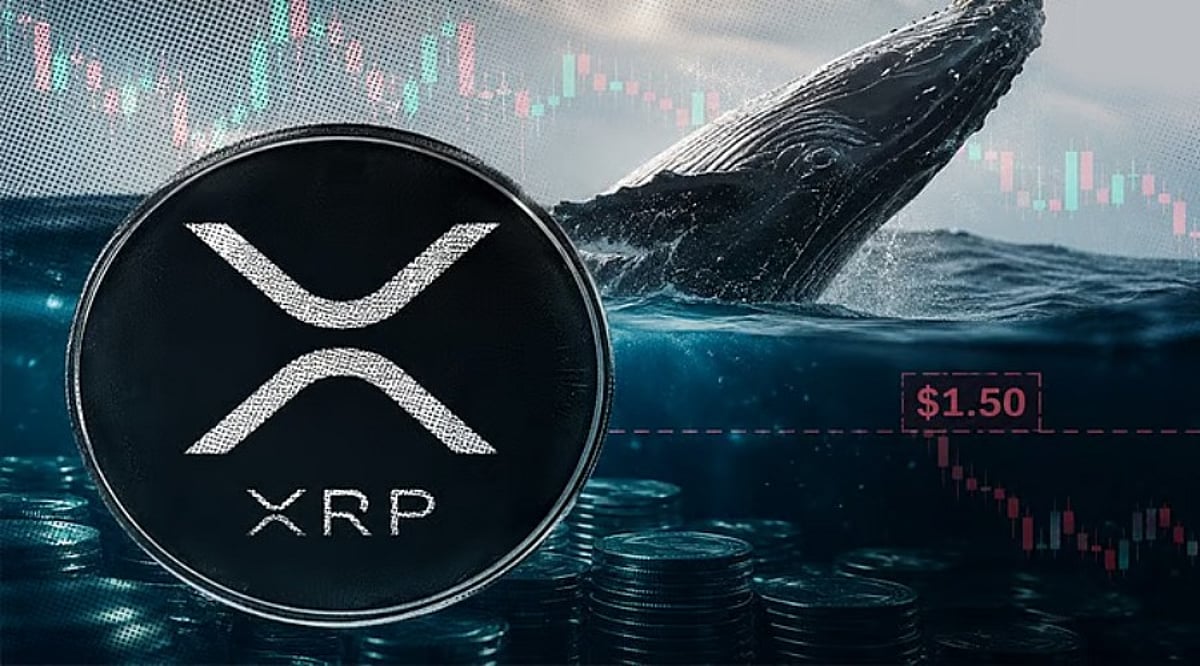
    XRP climbed more than 3% this week as large holders accumulated tokens, spot exchange-traded funds attracted fresh inflows, and regulatory optimism strengthened across the crypto market. The token reached an intraday high of $1.1511 before settling near $1.1485. Its market value remained close to $68 billion.

    The move followed reports that President Donald Trump accepted an ethics provision linked to Senate negotiations over the Clarity Act. Bitcoin also rose above $66,000, while stronger Asian technology stocks supported broader demand for risk assets.

    Whales Build Positions as Retail Wallets Exit

    Santiment data showed that wallets holding between 100,000 and 100 million XRP increased their combined balances by 2.8% during the past five weeks. These wallets accumulated while XRP traded between roughly $1.05 and $1.12. Meanwhile, wallets holding less than 0.01 XRP reduced their balances by 5.2% during the same period. The shift created a clear divide between large holders and the smallest retail accounts.

    Santiment said XRP has historically followed large-holder activity more closely than movements among small wallets. Still, accumulation alone does not guarantee further price gains. XRP later broke above the $1.13 resistance level that had limited several rallies since late June. The advance also triggered about $2.93 million in leveraged short liquidations.

    The token gained around 3.5% during the day. Among the 50 largest cryptocurrencies, only Ondo and Cardano posted stronger gains during the reported period.

    ETF Inflows, Ledger Upgrades Add Support

    XRP spot ETFs recorded $5.09 million in net inflows on July 21. They also attracted $2.27 million on July 20 and $6.10 million on July 16. Those inflows followed a brief period of withdrawals earlier in July. ETF demand remains one factor that could influence institutional participation and short-term market liquidity.

    Meanwhile, XRP Ledger validators expect to vote on a major upgrade package within the coming weeks. The proposed amendments would add batch transactions and confidential transfers. The package also includes improvements to the network’s Multi-Purpose Token standard. These changes would expand how developers issue and manage different token types on the ledger.

    Broader market conditions also supported XRP’s advance. Five-day Bitcoin ETF inflows exceeded $700 million, while gains in Asian artificial intelligence and semiconductor shares strengthened the risk-on environment.

    Clarity Act Talks Renew Regulatory Focus

    The Clarity Act carries direct implications for XRP because the legislation would classify the token as a digital commodity. This designation could reduce regulatory uncertainty surrounding institutional use.

    Senate Democrats have sought an ethics provision that would restrict the president and his family from directly benefiting from cryptocurrency businesses. The provision delayed negotiations for several months. Reports said the White House, Senator Cynthia Lummis, and Senator Bernie Moreno reached an agreement on the issue Sunday. The exact language has not yet emerged.

    Democratic support also remains uncertain. The Senate must act before its August recess, leaving lawmakers with a narrow period for further negotiations and a possible vote. Polymarket participants raised the estimated chance of Clarity Act passage to 43%. The figure had recently fallen as low as 32%.

    Conclusion

    XRP’s rise above $1.15 reflects whale accumulation, renewed spot ETF inflows, planned XRP Ledger upgrades, and improving Clarity Act prospects. Still, broader market conditions and Senate progress remain critical factors to watch.