Category: Cybersecurity

  • CERT-In Flags Critical Security Flaws in Apple Devices: Update Your iPhone, iPad, and Mac Now

    CERT-In Flags Critical Security Flaws in Apple Devices: Update Your iPhone, iPad, and Mac Now

    Apple users in India are being urged to update their devices immediately after the Indian Computer Emergency Response Team (CERT-In) issued a warning about multiple serious security vulnerabilities. The flaws affect iPhones, iPads, Macs, Apple Watches, Apple TVs, and the Safari browser, potentially allowing hackers to access devices, execute malicious code, or cause apps to crash.

    According to CERT-In, the risk is highest for devices running older software versions. The warning covers iOS versions before 26.5.2, iPadOS versions prior to 26.5.2, macOS Tahoe versions before 26.5.2, and Safari versions prior to 26.5.2. If left unpatched, these vulnerabilities could lead to sensitive information disclosure, privilege escalation, security restriction bypass, arbitrary code execution, cross-origin data exfiltration, and denial-of-service attacks.

    Apple has already released security updates. Users should check for updates in the Settings menu on iPhones and iPads or in System Settings on Macs. Owners of older Apple devices should verify whether their model still receives official software support and install updates as soon as they are available.

    Apple typically releases fixes simultaneously across supported devices, allowing most users to update the same day a patch is issued. In contrast, Android devices often receive security updates later due to carrier and manufacturer testing. While no platform is immune to threats, prompt updates remain the simplest way to stay protected.

    Security experts also warn buyers of refurbished iPhones to confirm that the model still receives Apple’s latest security updates. Although refurbished devices are more affordable, continued security support is critical for daily use.

  • 7 Browser Settings You Should Change to Boost Online Privacy

    7 Browser Settings You Should Change to Boost Online Privacy

    Block Third-Party Cookies

    Third-party cookies allow advertisers to track your browsing habits across multiple websites. I blocked them to reduce targeted advertising, limit cross-site tracking, and prevent companies from building detailed profiles based on my online activity. Most trusted websites continue working normally, making this one of the simplest and most effective privacy improvements available.

    Disable Automatic Location Access

    I changed location permissions from automatic approval to “Ask Every Time.” This ensures websites only receive my location when absolutely necessary, such as for maps or delivery services. Limiting location sharing reduces unnecessary data collection and prevents websites from continuously tracking my physical whereabouts during everyday browsing sessions online.

    Enable Enhanced Tracking Protection

    I enabled the browser’s strict tracking protection mode to block advertising trackers, fingerprinting scripts, malicious websites, and hidden tracking technologies. Besides improving privacy, this setting also speeds up page loading by preventing unwanted scripts from running, resulting in a cleaner, faster, and more secure browsing experience overall.

    Turn On DNS Over HTTPS

    DNS Over HTTPS encrypts the requests your browser sends when looking up website addresses. Without encryption, these requests can be visible to internet providers or attackers. Enabling this feature protects browsing activity from interception, strengthens privacy, and makes it harder for third parties to monitor the websites you visit regularly.

    Automatically Clear Browsing Data

    I configured my browser to automatically delete cookies, browsing history, and cached files whenever I close it. This reduces the amount of personal information stored locally, limits long-term tracking, and protects my browsing history from anyone who may use the same computer or device after me.

    Restrict Camera and Microphone Permissions

    Instead of permanently allowing websites access to my camera and microphone, I changed permissions to request approval every time. This simple adjustment prevents unauthorized recording, reduces security risks, and ensures only trusted websites gain temporary access when I intentionally start a video call or meeting.

    Disable Password Autofill on Shared Devices

    Password autofill saves time but can expose sensitive accounts on shared or public computers. I disabled browser autofill and switched to a secure password manager protected by strong encryption and multi-factor authentication. This provides better security while keeping passwords easily accessible only when I intentionally unlock my vault.

  • India’s Government Scrutinizes WhatsApp Username Feature Over Privacy and Security Concerns

    India’s Government Scrutinizes WhatsApp Username Feature Over Privacy and Security Concerns

    India’s central government is evaluating the potential risks of WhatsApp’s upcoming username feature, stating that it will not compromise national security while assessing the privacy-focused update. According to government sources, authorities are examining whether the username feature could be exploited for impersonation, fraud, and other cybercrimes before its wider rollout in the country.

    WhatsApp recently introduced optional usernames, allowing users to communicate without sharing their phone numbers. This feature is designed to enhance user privacy, particularly in group chats and when interacting with unknown individuals. Users can create a personal username in the app’s account settings, while creators and brands can set usernames matching their Instagram or Facebook handles.

    However, authorities view anonymity as a potential threat that could lead to fake profiles and internet fraud. According to sources, the government is carefully weighing the implications of this feature to avoid undermining India’s digital security framework and ongoing efforts to combat cyber fraud.

    On the other hand, WhatsApp continues to tie accounts to users’ mobile numbers. Meta maintains that usernames are simply another way to connect without revealing phone numbers, aiming to balance privacy with security.

  • India Scrutinizes WhatsApp’s New Username Feature Over Impersonation and Fraud Risks

    India Scrutinizes WhatsApp’s New Username Feature Over Impersonation and Fraud Risks

    The Indian government is closely examining WhatsApp’s upcoming username feature following concerns about fake accounts and online fraud. Sources from the Ministry of Electronics and Information Technology (MeitY) indicate that officials will thoroughly study the feature before it becomes widely available. The goal is to ensure the new capability does not introduce additional risks for users.

    WhatsApp’s username feature allows people to chat without sharing their phone numbers. Instead, users can create a unique identifier—up to 35 characters long, including letters, numbers, dots, and underscores—to communicate with new contacts, join groups, or connect with businesses. The company touts this as a privacy improvement, helping keep personal phone numbers private.

    Government Raises Safety Concerns

    While the feature enhances privacy, the government believes it could also create opportunities for abuse. For example, a malicious actor could register a username that closely resembles a real person’s name or a trusted business. Unsuspecting users might not notice the subtle difference and could end up interacting with impostors, leading to scams, fraud, or the spread of misinformation.

    Officials have stressed that user safety remains the highest priority. Every legal and security implication tied to the feature will be reviewed. If the government finds insufficient safeguards, MeitY may issue a notice to WhatsApp demanding stronger protections before the broader rollout.

    WhatsApp’s Planned Protections

    WhatsApp has already announced several measures to prevent misuse. The company will not maintain a public directory of usernames; users must know the exact username to start a conversation. Additionally, WhatsApp is introducing an optional username key—a secondary code that must be provided before a first message can be sent. This adds an extra layer of security.

    To further reduce impersonation risk, the platform plans to reserve usernames linked to government offices, public figures, celebrities, and well-known brands. WhatsApp says these steps will help keep the platform safe as the feature expands.

    Security experts caution, however, that fake accounts remain a challenge. A scammer could simply alter one letter or add a number to a legitimate username, creating a convincing impostor. Given that online fraud is already prevalent in India, robust verification mechanisms will be essential before the feature reaches millions of users.

    Why India Is Reviewing the Feature

    The government’s review is part of a broader effort to ensure that new technologies prioritize user protection. While privacy is important, strong security is equally necessary when a platform serves hundreds of millions of people daily.

    WhatsApp has already begun allowing users to reserve usernames prior to the official launch. Users can change or delete their usernames at any time. Businesses and creators can claim the same usernames they use on Instagram and Facebook.

    The Indian government has not announced a final decision yet, but the ongoing review signals that New Delhi wants stronger safeguards against online fraud, impersonation, and other digital security threats before the WhatsApp username feature goes live.

  • Top 10 Enterprise Cybersecurity Management Platforms for 2026

    Top 10 Enterprise Cybersecurity Management Platforms for 2026

    Enterprise security demands more than standalone tools in today’s evolving threat landscape. Modern cybersecurity platforms combine threat detection, identity protection, and cloud security in one place. This article reviews 10 leading solutions based on their capabilities, enterprise use cases, and security features.

    Overview

    Enterprise cybersecurity buying has shifted from point tools to unified platforms, driven by a wave of major 2025-2026 acquisitions. Ten leading solutions are grouped by function: XDR, SIEM, identity, and cloud, each with confirmed ownership and a ‘Best For’ label. A practical checklist and decision framework help CISOs and IT leaders match platforms to their risk profile and existing stack.

    Enterprise cybersecurity depends as much on fast decisions as on strong defenses. Organizations face nearly 2,000 cyberattacks every week, according to Check Point Software’s latest threat report. At the same time, the market itself is shifting fast. Major vendors continue to acquire smaller companies and integrate them into broader security platforms. Google now owns Wiz, Palo Alto Networks has added CyberArk, while Cisco keeps pulling Splunk deeper into its stack. This article covers 10 cybersecurity management solutions helping enterprises strengthen security operations in 2026.

    Selection Methodology

    Each platform earned its place through real enterprise adoption, breadth of capability, analyst recognition, integration depth, AI-assisted detection, and confirmed ownership as of mid-2026. This list reflects current market realities rather than vendor marketing.

    XDR and Endpoint Protection

    CrowdStrike Falcon

    CrowdStrike Falcon remains one of the leading XDR platforms for enterprise security. A single lightweight agent covers endpoint, identity, and cloud workloads at once, and its threat graph correlates billions of signals each day to accelerate threat detection and response.

    • Best For: Fast-moving SOCs that need automated containment.

    Microsoft Defender XDR

    Microsoft Defender XDR builds protection directly into identity, email, endpoints, and cloud apps. That matters most for organizations already using Microsoft 365 or Azure. Its tie to Entra ID puts identity and endpoint alerts in one console.

    • Best For: Enterprises standardized on the Microsoft ecosystem.

    SentinelOne Singularity

    SentinelOne Singularity places a strong emphasis on autonomous threat response. Its AI agents can roll back ransomware encryption before a human analyst signs in, which matters most for lean teams without round-the-clock staffing.

    • Best For: Organizations needing a strong automated response with limited headcount.

    SIEM and SOC Platforms

    Palo Alto Cortex XSIAM

    Palo Alto Cortex XSIAM has become a preferred migration destination for enterprises moving away from IBM QRadar. IBM sold QRadar’s SaaS assets to Palo Alto Networks in 2024. XSIAM bundles SIEM, SOAR, and threat intelligence into one AI-driven workspace with thousands of prebuilt detectors.

    • Best For: Enterprises consolidating legacy SIEM investments.

    Splunk Enterprise Security

    Splunk Enterprise Security reflects a similar trend in platform consolidation. Cisco bought Splunk in 2024 and has since built it into its own data fabric. It still earned a Leader ranking in the 2026 IDC MarketScape for SIEM. It handles enormous log volumes well.

    • Best For: Large enterprises with complex, high-volume log environments.

    Identity and Zero Trust

    Okta

    Okta is one of the strongest vendor-neutral identity platforms. Adaptive multi-factor authentication and lifecycle management close the identity gaps attackers exploit most.

    • Best For: Enterprises wanting identity security decoupled from their cloud vendor.

    Microsoft Entra ID

    Microsoft Entra ID takes the opposite approach, and for the right buyer, that is the point. It builds conditional access and identity governance directly into the Microsoft stack, giving existing SSO customers continuous, risk-based access decisions.

    • Best For: Microsoft-centric enterprises seeking tighter platform integration.

    CyberArk

    CyberArk changed hands in February 2026, when Palo Alto Networks completed its acquisition. It remains one of the strongest options for privileged access management at scale, now extended to machine identities and AI agents.

    • Best For: Enterprises managing large volumes of privileged and machine identities.

    Cloud and SaaS Security

    Wiz

    Wiz now operates under Google Cloud, following an acquisition that closed in March 2026. Its core strength has not changed: full visibility into multi-cloud risk without an agent on every workload.

    • Best For: Organizations needing fast, agentless visibility across multiple clouds.

    Prisma Cloud

    Prisma Cloud completes Palo Alto Networks’ platform strategy with CNAPP coverage spanning code, infrastructure, and runtime protection, sharing threat intelligence with Cortex XSIAM.

    • Best For: Enterprises building a single-vendor architecture around Palo Alto Networks.

    What Actually Matters

    While a popular brand can help sell a platform, there are a few features that make the difference. AI-powered detection should reduce alert fatigue rather than increase operational complexity. Equally important is strong integration with the existing endpoint, identity, and cloud tools. Weak integrations can create security gaps rather than enhance security.

    Independent validation, such as MITRE ATT&CK evaluations, is more trustworthy than vendor-published benchmarks. Compliance certifications like SOC 2 Type II, ISO 27001, and FedRAMP also indicate that a platform is operating under robust standards. Flexibility in deployment is important, too. Cloud-only platforms might not be suitable for organizations that have strict data residency requirements.

    How to Choose

    First, audit your existing security stack and determine where incidents were missed in the last year. Check the shortlist against the actual risk profile. Compliance should be more important for regulated industries. CNAPP and XDR capabilities should be a greater priority for cloud-native businesses.

    Then, see how well each platform aligns with the SOC’s workflow. Run a small pilot before deciding. Measure alert quality, mean time to detect, and false positive rates. A platform that works well in a demo may not work well in a real production environment.

    Why This Matters

    A cybersecurity platform is not a short-term purchase. The right choice strengthens resilience, cuts down operational complexity, and keeps the organization ready for whatever threats come next. The wrong one just adds another tool nobody fully trusts.

    Final Thoughts

    The enterprise cybersecurity market will keep consolidating through the rest of 2026. Today’s standalone product may become part of a larger security platform within a year. This shift makes architecture decisions matter more than vendor loyalty. Pick platforms that integrate cleanly with what you already run. Test claims against independent evaluations rather than sales decks. Revisit the stack every year, since ownership keeps changing.


  • Government Surveillance of AI and Smart Devices: Key Privacy Insights

    Government Surveillance of AI and Smart Devices: Key Privacy Insights

    Smartphones, AI assistants, and smart home gadgets continuously generate and share data. Governments can access some of this information through legal channels, but users have controls to limit exposure. Here’s a breakdown of how tracking works and what you can do to protect your privacy.

    Device Location Data

    Smartphones and connected devices can share location information through GPS, cellular networks, and Wi-Fi, depending on user permissions and settings. Disabling location services for apps that don’t need them reduces tracking.

    Legal Data Requests

    Governments may request user data from technology companies through lawful processes, subject to applicable regulations, court orders, and national legislation. Companies often publish transparency reports showing the volume of such requests.

    AI Voice Assistants

    Voice assistants process spoken commands, with some requests handled in the cloud while others increasingly rely on on-device AI processing. On-device processing minimizes data sent to servers, enhancing privacy.

    Smart Home Devices

    Connected cameras, speakers, and sensors generate data that can reveal usage patterns, making security settings and account protection increasingly important. Regularly update firmware and use strong passwords to safeguard your network.

    Cloud Data Storage

    Information synchronized to cloud services may remain accessible across devices, depending on retention policies, encryption, and user account preferences. Review your cloud storage settings and enable encryption where available.

    End-to-End Encryption

    Encrypted messaging services help protect conversations during transmission, reducing unauthorized access while maintaining secure communication between users. Use apps that offer end-to-end encryption by default.

    On-Device AI Processing

    Modern AI models increasingly process data directly on smartphones, minimizing cloud transfers and improving both privacy and response speed. This local processing reduces the amount of personal data exposed to external servers.

    User Privacy Controls

    Device settings allow users to manage permissions for location, microphone, camera, contacts, and app access to limit unnecessary data collection. Audit these permissions regularly and revoke access for apps that don’t need it.

    Transparency Reports

    Many technology companies publish transparency reports showing government data requests, offering users greater insight into official information access practices. Consulting these reports helps you make informed decisions about which services to trust.

    For the latest news, exclusives, and videos, join our WhatsApp Channel.

  • Reflectiz and Taboola Partner for Webinar on AI-Driven Third-Party Marketing Security

    Reflectiz and Taboola Partner for Webinar on AI-Driven Third-Party Marketing Security

    Reflectiz, the web exposure management platform, today announced a live webinar with Taboola titled “Securing Third-Party Marketing in the AI Era,” scheduled for July 8 at 9 AM EDT / 3 PM CEST.

    Every marketing vendor a company approves can silently introduce third- and fourth-party scripts that no security team ever reviewed. In the AI era, that invisible layer is expanding faster than point-in-time audits can track. The gap between what an organization approves and what actually executes on its site is where data leakage, regulatory exposure, and compliance failures happen.

    The session pairs two perspectives that rarely sit at the same table. Idan Cohen, CEO and Co-Founder of Reflectiz, brings 20 years in cybersecurity, from offensive code and penetration testing to building Reflectiz into an AI web security platform. Omri Ariav, Director of Product Management at Taboola, leads the data layer behind an advertising platform reaching over 600 million daily active users. His scope spans user data and identity, tracking, attribution, measurement, and privacy, working where large-scale data, measurement, and user trust meet. He is an active part of Taboola’s AI transformation and an open-source builder who writes regularly about AI in real product workflows.

    “Security teams approve a vendor list. They don’t approve what actually loads in the browser,” said Idan Cohen, CEO and Co-Founder of Reflectiz. “One marketing tag can pull in a chain of third and fourth parties nobody vetted, and AI is making that chain grow faster than anyone can audit by hand. This session is about closing that gap, so marketing and security finally work from the same picture of what’s running on the site.”

    Attendees will learn:

    • What transparent, security-forward ad tech looks like in 2026, and how to tell which vendors meet that bar
    • How a single approved marketing tag spawns a chain of third- and fourth-party scripts no one reviewed
    • Why AI-driven ad tech expands the client-side attack surface faster than audits can catch
    • A practical three-step framework to inventory, monitor, and govern the web supply chain so marketing and security work from one source of truth

    Registration is open at: https://www.reflectiz.com/learning-hub/reflectiz-taboola-marketing-security-webinar/

    About Reflectiz
    Reflectiz gives organizations an outside-in view of every script, tag, and third party running on their websites. The platform continuously maps the client-side attack surface, flags risk in full context, and helps security and compliance teams close the gap between what they approved and what is actually running. The platform is designed to help organizations validate their security posture rather than rely on assumptions.

    Contact
    PR & Social Media Manager
    Oran Frenkel
    Reflectiz
    oran.f@reflectiz.com

    This is a paid press release published via CyberNewswire, a PR newswire syndication platform for cybersecurity companies.

  • 2026 Guide to the Best Managed Security Service Providers (MSSPs) in the UAE

    2026 Guide to the Best Managed Security Service Providers (MSSPs) in the UAE

    Overview

    Compare the leading Managed Security Service Providers (MSSPs) in the UAE, including Help AG, CPX, Deloitte Middle East, Orixcom, and global cybersecurity firms. Learn how to evaluate MSSPs based on SOC maturity, managed detection and response (MDR), regulatory compliance, incident response, and UAE-specific cybersecurity requirements. Understand the importance of selecting an MSSP that aligns with your organization’s industry, compliance obligations, and operational security needs.

    Why the UAE Market Is Different

    Search for ‘best MSSP UAE 2026,’ and most results are self-promotional vendor blogs ranking themselves first. Yet the underlying need is real: UAE organizations face tighter regulations, a persistent shortage of skilled SOC analysts, and rising attack volumes in banking, healthcare, and government. Outsourcing security operations has shifted from optional to near-standard practice. The real question is not who’s ranked number one, but which provider fits your regulatory and operational reality.

    The regulatory backdrop here is more specific than most regions. NESA (UAE Information Assurance) standards apply broadly; Dubai ISR governs entities in the emirate; ADHICS sets healthcare-specific controls; and financial institutions answer to SCA guidelines on top of ISO 27001:2022. A provider excellent in the US or Europe but unfamiliar with these frameworks will cost you time during onboarding. This is also why ‘sovereign SOC’ has become a genuine differentiator: government-linked entities and critical infrastructure operators increasingly require data residency and analyst teams physically based in the UAE.

    What Separates a Real MSSP from a Reseller with a Dashboard

    The honest test is whether a provider runs its own SOC with its own analysts, or resells someone else’s platform with a support layer. Genuine SOC maturity shows up in specific, checkable things: 24/7 monitoring with named analyst headcount, documented incident response timelines, alignment to frameworks like MITRE D3FEND or NIST CSF, and a low noise-to-signal ratio so your team isn’t drowning in false alerts. MSSPs are no longer optional extensions of IT; they are core strategic pillars for resilience, but only those with real SOC operations behind the sales pitch deliver.

    Providers Actually Worth Evaluating

    Help AG, CPX, Deloitte Middle East, Orixcom, and select global providers with local SOC presence each offer distinct strengths. Evaluate them against your sector’s compliance needs and desired level of threat intelligence integration.

    Questions to Ask Before Signing Anything

    • Pricing transparency: Does the quote include onboarding, tool licensing, and scaling costs? Hidden fees are a common buyer complaint.
    • Compliance frameworks: Which UAE-specific frameworks has the provider been audited against, not just globally?
    • Client references: Ask for a real client in your sector, not a generic case study. A healthcare provider’s ADHICS needs look nothing like a bank’s SCA requirements.
    • Incident response: What happens during an actual breach? Response time commitments are meaningless if escalation routes through three time zones before reaching someone who can act.

    Key Takeaways

    The right MSSP for a Dubai-based fintech startup and the right one for an Abu Dhabi government entity are rarely the same company, regardless of any ranked list. Match the provider to your regulatory exposure and sector first. The marketing rankings can wait.

    Why This Matters

    As cyber threats evolve and regulatory requirements tighten, organizations across the UAE need continuous security monitoring and rapid incident response. Choosing the right MSSP helps businesses strengthen cyber resilience, meet local compliance standards, reduce operational risk, and address the growing shortage of skilled cybersecurity professionals.

    FAQs

    What is a Managed Security Service Provider (MSSP)?

    A Managed Security Service Provider (MSSP) delivers outsourced cybersecurity services such as 24/7 threat monitoring, managed detection and response, incident management, vulnerability assessments, compliance support, and Security Operations Center (SOC) services to help organizations strengthen their security posture.

    Why are MSSPs becoming more important in the UAE?

    Growing cyber threats, stricter regulatory requirements, and a shortage of skilled cybersecurity professionals have increased demand for MSSPs. They help organizations improve security operations while meeting standards such as NESA, Dubai ISR, ADHICS, and financial sector regulations.

    How do I choose the best MSSP in the UAE?

    Organizations should evaluate SOC maturity, response times, local regulatory expertise, data residency capabilities, incident response processes, compliance experience, industry knowledge, pricing transparency, and proven success supporting businesses within the UAE.

    What services do MSSPs typically offer?

    Most MSSPs provide managed detection and response (MDR), 24/7 SOC monitoring, vulnerability management, threat intelligence, incident response, firewall management, endpoint protection, cloud security monitoring, compliance support, and continuous risk assessments.

    Why is a local SOC important for UAE organizations?

    A locally operated SOC supports compliance with UAE data residency requirements and enables faster incident response. Organizations in regulated sectors often prefer MSSPs with analysts based in the UAE who understand local regulations and security requirements.

  • Top Parental Control Apps for 2026: Cross-Device Protection and AI Monitoring

    Top Parental Control Apps for 2026: Cross-Device Protection and AI Monitoring

    Parental controls have evolved far beyond simple website blocking and screen time limits. In 2026, families need tools that work seamlessly across smartphones, tablets, PCs, and gaming consoles, while also addressing the rise of AI-powered platforms. The best solutions now combine content filtering, app controls, location tracking, and behavioral reporting in a single dashboard, shifting from restriction to guidance.

    What Matters Most in a Parental Control Tool

    Cross-device coverage is no longer a premium feature—it’s the baseline. Children use multiple devices throughout the day, including school-owned ones. A tool limited to one platform leaves gaps. Modern parental controls must also tackle AI chatbots and generative AI, which traditional filters often miss. Providers that ignore this risk losing visibility into a growing part of a child’s digital life.

    Top Parental Control Tools for 2026

    Qustodio

    Qustodio remains the most comprehensive option for mixed-device households. It supports Android, iOS, Windows, macOS, and Kindle under one subscription. Its dashboard delivers detailed activity reports showing specific apps used, websites visited, and search terms. For families juggling multiple device types, Qustodio offers unmatched depth and usability.

    Bark

    Bark focuses on conversations rather than websites. It monitors messaging apps, email, and social media using AI to detect cyberbullying, self-harm discussions, explicit content, and predatory communication. Alerts are sent only when something concerning arises, making it ideal for parents who want targeted protection without reviewing every message.

    Google Family Link

    For Android-first households, Google Family Link is the strongest free choice. It provides app approvals, daily screen time limits, location sharing, and remote device locking at no cost. While not as deep as paid platforms, it reliably covers the essentials for younger children.

    Microsoft Family Safety

    Microsoft Family Safety is the practical pick for Windows-heavy homes. Screen time controls, web filtering, location sharing, and activity reports integrate through existing Microsoft accounts, minimizing setup friction. Xbox integration makes it especially useful for families managing gaming alongside schoolwork.

    Norton Family

    Norton Family excels at web supervision. Detailed browsing reports, search monitoring, and content filtering give parents clear visibility into internet activity. It’s less strong for communication monitoring but remains dependable for everyday browsing management.

    Age Shapes the Right Tool

    A setup that works for a nine-year-old often feels restrictive to a fifteen-year-old, inviting workarounds. Younger children benefit from content filters and screen time limits; teenagers need more flexibility with safeguards focused on genuine risks. The most effective strategy is to adjust controls over time, evolving from restriction to guidance.

    The Transparency Factor

    Explain your monitoring openly. When children feel watched without understanding why, they often bypass controls. Clear communication builds trust and cooperation. Software should support conversations about online safety, not replace them.

    What Comes Next

    Parental control platforms are moving from static filters to AI-driven behavioral pattern recognition. The future is about guiding children toward healthy habits, awareness, and judgment—tools that work with families, not against them.

    FAQ

    1. What is the best parental control app for families in 2026? Qustodio is often the strongest all-around choice for its cross-device support and unified dashboard.

    2. Are parental control apps effective across multiple devices? Yes. Leading platforms work on Android, iOS, Windows, and Mac, allowing consistent management.

    3. Can parental control tools monitor AI chatbots? Coverage varies; check if a platform offers reporting for AI services.

    4. What features should parents look for? Content filtering, screen time management, app controls, location tracking, activity reports, and cross-platform compatibility.

    5. Do these apps replace conversations about online safety? No. The best approach combines technology with ongoing discussions about behavior and privacy.

  • Top Free VPN Apps for Secure Daily Browsing

    Top Free VPN Apps for Secure Daily Browsing

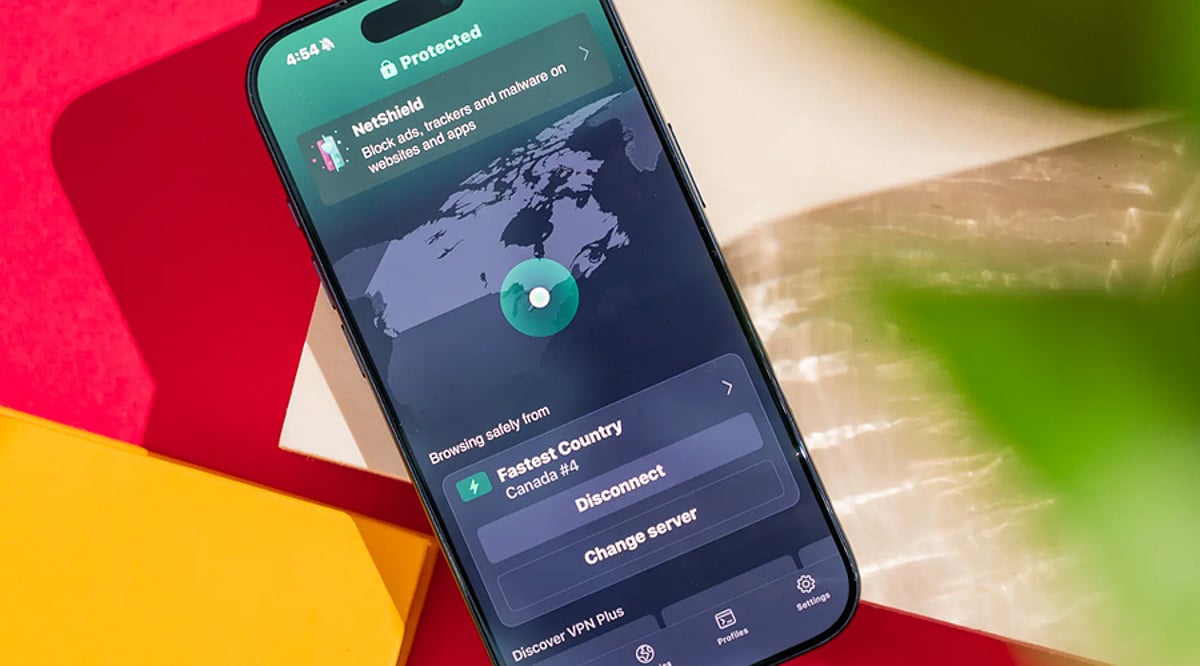
    Virtual private networks (VPNs) have become essential tools for protecting online privacy. While premium services offer advanced features, several free VPN apps provide robust security for everyday use without costing a dime. Below is a curated list of the best free VPN applications suitable for daily browsing, streaming, and public Wi-Fi protection.

    Proton VPN Free

    Proton VPN Free distinguishes itself by offering unlimited data, making it an excellent choice for regular browsing and streaming. The app employs strong encryption, follows a strict no-logs policy, and provides servers in multiple countries. Its intuitive interface makes privacy protection accessible even for beginners.

    Windscribe Free

    Windscribe Free combines a generous monthly data allowance with robust security features. Users can connect to servers in several countries while benefiting from ad blocking and tracker protection. The app performs smoothly across multiple devices, making it a practical option for everyday internet users.

    TunnelBear Free

    TunnelBear Free is known for its playful design and straightforward setup process. It delivers secure browsing through strong encryption and offers a limited amount of free monthly data. The simple interface is especially appealing for VPN newcomers seeking no-fuss protection.

    Hide.me Free

    Hide.me Free offers solid privacy features without requiring excessive personal information during sign-up. The app includes strong encryption, reliable speeds, and several server locations. Its no-logs policy allows users to browse confidently while maintaining a secure online presence.

    PrivadoVPN Free

    PrivadoVPN Free delivers a balanced mix of speed, security, and monthly data allowance. It supports streaming and general browsing while protecting user information through strong encryption. This service is ideal for users who want a dependable VPN without complicated settings.

    Atlas VPN Free

    Atlas VPN Free provides basic online protection with an easy-to-use interface. It helps secure internet activity on public networks and offers decent browsing performance. The simple controls and reliable connections make it suitable for casual users seeking added privacy.

    Hotspot Shield Basic

    Hotspot Shield Basic remains a popular free VPN option thanks to its fast connection speeds and straightforward setup. It provides encrypted browsing and protection on public Wi-Fi networks. Users looking for convenience appreciate its quick installation and reliable performance.

    Opera VPN

    Opera VPN is built directly into the Opera browser, eliminating the need for separate software. It adds privacy during web browsing and helps users access content more securely. Its integrated design makes it a convenient choice for everyday browser users.

    Conclusion

    The best free VPN depends on your priorities — whether unlimited data, higher speeds, stronger privacy, or ease of use. These free options provide practical protection for everyday browsing, helping users stay safer online without a paid subscription.