Category: Cybersecurity

  • Top Identity and Authentication Platforms for AI Agents and MCP Servers in 2026

    Top Identity and Authentication Platforms for AI Agents and MCP Servers in 2026

    AI tools today do far more than answer questions. They build business apps from natural language prompts, work directly with company data, and complete tasks on behalf of users. As these systems take on more responsibility, they also demand stronger security.

    This is where identity and authentication platforms come in. They make sure the right people and AI agents get access to the right tools and data. They also save developers weeks of work by handling login and access systems that would otherwise need to be built from scratch.

    Every platform brings its own strengths to the table. Some focus on enterprise logins, others help AI agents connect safely with business tools. Here are some of the best platforms our team found worth exploring.

    WorkOS

    Services: Enterprise SSO, Directory Sync, User Management, Multi-Factor Authentication, Audit Logs

    WorkOS is built for companies that need secure login systems. It helps developers add enterprise sign-in, user management, and access control without spending months building these features. The platform also supports directory sync and multi-factor authentication. It is a great choice for businesses creating AI products for enterprise customers.

    Auth0

    Services: Authentication, Authorization, Single Sign-On, Passwordless Login, Identity Management

    Auth0 has been one of the most trusted names in identity management for years. It offers different ways for users to sign in while keeping accounts secure. Developers can quickly add login features without making the process difficult for users. It works well for both small projects and large business applications.

    Composio

    Services: AI Tool Integration, Secure API Connections, Authentication Management, MCP Integration

    Composio is designed for AI agents that need to connect with different software tools. Instead of creating separate login systems for each service, developers can manage everything through a single platform. This makes it easier to connect AI assistants with workplace apps while keeping user accounts protected.

    Arcade

    Services: Secure Authentication, AI Agent Authorization, API Access Control, Developer Tools

    Arcade focuses on helping AI agents access online services safely. It gives developers simple tools to manage permissions and control API access. This helps prevent AI systems from accessing information they should not use. The platform is useful for teams building modern AI applications.

    Microsoft Azure Foundry

    Services: AI Development, Identity Integration, Cloud Security, Model Deployment, Enterprise AI Services

    Microsoft Azure Foundry brings together AI development and Microsoft’s cloud security tools. Developers can build AI applications while using trusted identity services already available in the Microsoft ecosystem. It is a practical option for businesses that already rely on Microsoft products for their daily work.

    TrueFoundry

    Services: AI Deployment, User Access Management, Infrastructure Security, Model Management, Team Collaboration

    TrueFoundry helps teams build, manage, and deploy AI applications. It also provides user management and permission controls, ensuring that only approved users can access projects. The platform works well for companies that run AI systems across different teams and are looking for a simple way to manage access.

    Our Recommendation

    Every platform on this list has something useful to offer, but two stand out for different reasons. WorkOS is an excellent choice for companies building AI software for business customers. Enterprise login, user management, and security features are already available, which saves both time and development effort.

    Auth0 remains one of the safest all-round options. It is easy to set up, supports different login methods, and works well whether you are building a startup product or a large business platform. If you need one platform that covers most identity needs, Auth0 is hard to overlook.

    Why Identity Matters More Than Ever

    AI agents are getting access to more business systems every year. They can read files, connect with company software, and perform tasks automatically. That also means they can reach valuable information if security is not handled properly.

    A good identity platform helps avoid these problems. It checks users, controls permissions, and ensures AI systems use only the information they are allowed to access. As AI becomes a bigger part of everyday work, strong identity management will become just as important as the AI itself.

    Final Thoughts: Better Security Leads to Better AI

    Building a smart AI application is only one part of the process. Keeping it safe is just as important. A good identity platform protects users, reduces security risks, and helps developers build applications people can trust.

    WorkOS, Auth0, Composio, Arcade, Microsoft Azure Foundry, and TrueFoundry all bring something different to the table. Some focus on enterprise customers, while others make AI integrations easier. The best choice depends on the type of application you are building and the people who will use it.
  • India Orders Removal of BAT-BMS and Epoch Li-ion Apps Over E-Rickshaw Bluetooth Security Fears

    India Orders Removal of BAT-BMS and Epoch Li-ion Apps Over E-Rickshaw Bluetooth Security Fears

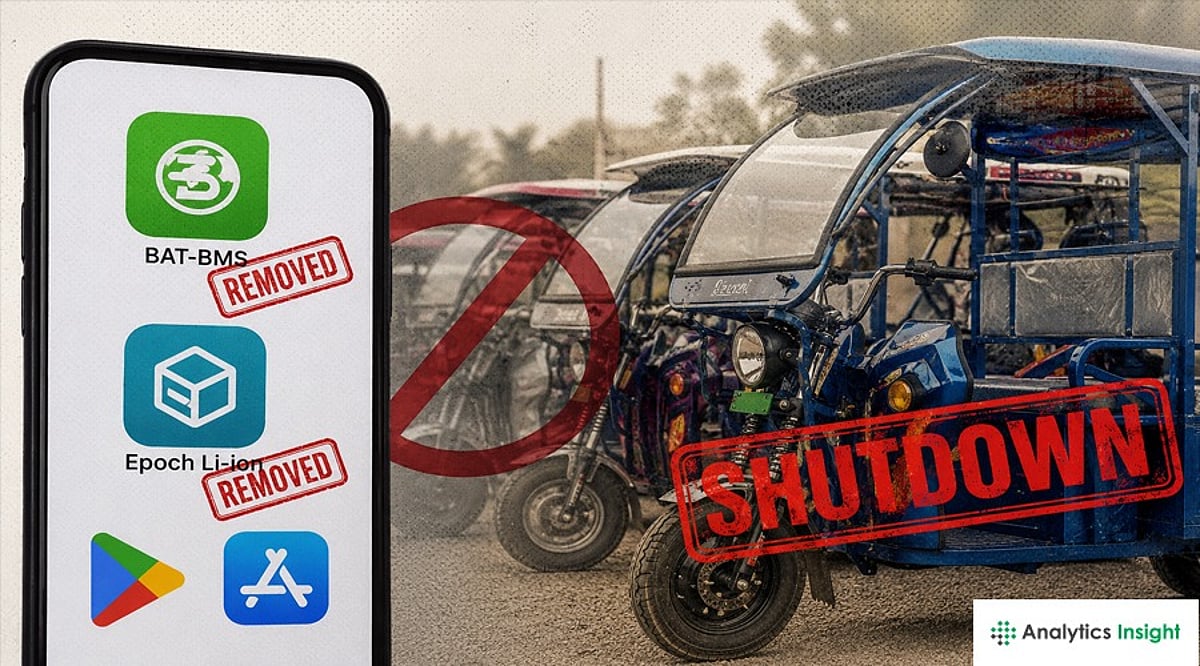
    The Indian government has directed Apple’s App Store and Google’s Play Store to remove two smartphone applications—BAT-BMS and Epoch Li-ion—following viral social media videos that raised concerns about Bluetooth-enabled disruptions to e-rickshaw battery systems.

    The Ministry of Electronics and Information Technology (MeitY) issued the directive after videos surfaced showing individuals allegedly using Bluetooth to connect to nearby e-rickshaw batteries and cut off their power supply. While there is no evidence that the apps could remotely stop moving e-rickshaws, authorities acted preemptively to address public safety concerns.

    MeitY Secretary S. Krishnan announced the removal at the CII Cybersecurity Summit on July 3, stating that both apps were taken down due to potential misuse. The apps, developed by Chinese company Shenzhen Grenergy Technology (BAT-BMS) and others (Epoch Li-ion), were designed for monitoring lithium-ion battery parameters such as voltage, current, temperature, and charging cycles.

    However, a feature called Lossigy in BAT-BMS allows users to toggle the battery’s discharge function on or off via the app. Although intended as a safety measure, experts warn that weak security settings in many low-cost electric vehicle battery management systems—such as no password protection or default credentials—could allow anyone within Bluetooth range to connect and potentially disrupt operations.

    Cybersecurity specialists emphasize that the core issue is not the monitoring functionality itself but the inadequate security configurations of the battery systems. They recommend stronger authentication and encryption to prevent unauthorized access.

  • Indian Government Summons Meta Over Instagram Ads Allegedly Tied to Child Sexual Abuse Material

    Indian Government Summons Meta Over Instagram Ads Allegedly Tied to Child Sexual Abuse Material

    The Indian government has issued a summons to Meta after reports surfaced alleging that Instagram displayed advertisements linked to Child Sexual Abuse Material (CSAM). The move underscores growing nationwide concern over platform safety and content moderation practices.

    Union IT Minister Ashwini Vaishnaw has directed the Ministry of Electronics and Information Technology (MeitY) to demand an explanation from the social media giant regarding the alleged promotion of illegal material on its platform. According to government officials, Meta’s content moderation policies, ad review systems, and mechanisms to prevent the dissemination of such content will be scrutinized closely.

    The government intends to investigate the approval process for these advertisements and the detection methods in place. This development follows repeated calls from authorities for digital platforms operating in India to comply with national laws and ensure they do not host harmful or illegal content.

    Meta has not yet issued a public statement in response to the summons. The outcome of this inquiry will determine whether further legal action is taken against the company. The case highlights the ongoing debate about the responsibility of social media platforms to protect users, especially children, from exploitation and abuse.

  • India Expands Scrutiny to Telegram and Signal Over Username Feature Security Risks

    India Expands Scrutiny to Telegram and Signal Over Username Feature Security Risks

    The Indian government has intensified its oversight of messaging platforms, extending its scrutiny to Telegram and Signal after raising concerns about WhatsApp’s planned username feature. The Ministry of Electronics and Information Technology (MeitY) has sent formal notices to both Telegram and Signal, requesting detailed information on how their username features operate and what safeguards are in place to prevent fraud, impersonation, and misuse.

    Why the Government is Concerned

    Username features allow users to communicate without revealing their mobile phone numbers. While this enhances privacy, it also reduces traceability and makes it easier for fraudsters to create fake identities. The government’s primary worry is impersonation of public figures, government officials, banks, and trusted institutions. Officials are also alarmed by the potential rise in phishing, online fraud, and so-called “digital arrest” scams, which have become a growing cybercrime threat in India.

    Earlier, MeitY had asked Meta to delay the launch of WhatsApp’s username feature in India, citing security concerns. The ministry gave WhatsApp a three-day deadline to provide information on its security measures and to refrain from introducing the feature until consultations are complete. India is WhatsApp’s largest market, with over 500 million users, making any new feature a major regulatory concern.

    Major Security Risks

    • Reduced traceability: Anonymity makes it harder for law enforcement to track cybercriminals who hide their phone numbers.
    • Increased impersonation risks: Usernames can mimic those of government agencies, celebrities, or financial institutions.
    • Facilitation of digital arrest scams: Fraudsters can contact users without revealing phone numbers.
    • Phishing attacks: Fake profiles can send harmful links or fraudulent messages at scale.
    • Undermined SIM identity association: Reduced traceability weakens the link between SIM identity and messaging activity.

    WhatsApp’s Safeguards

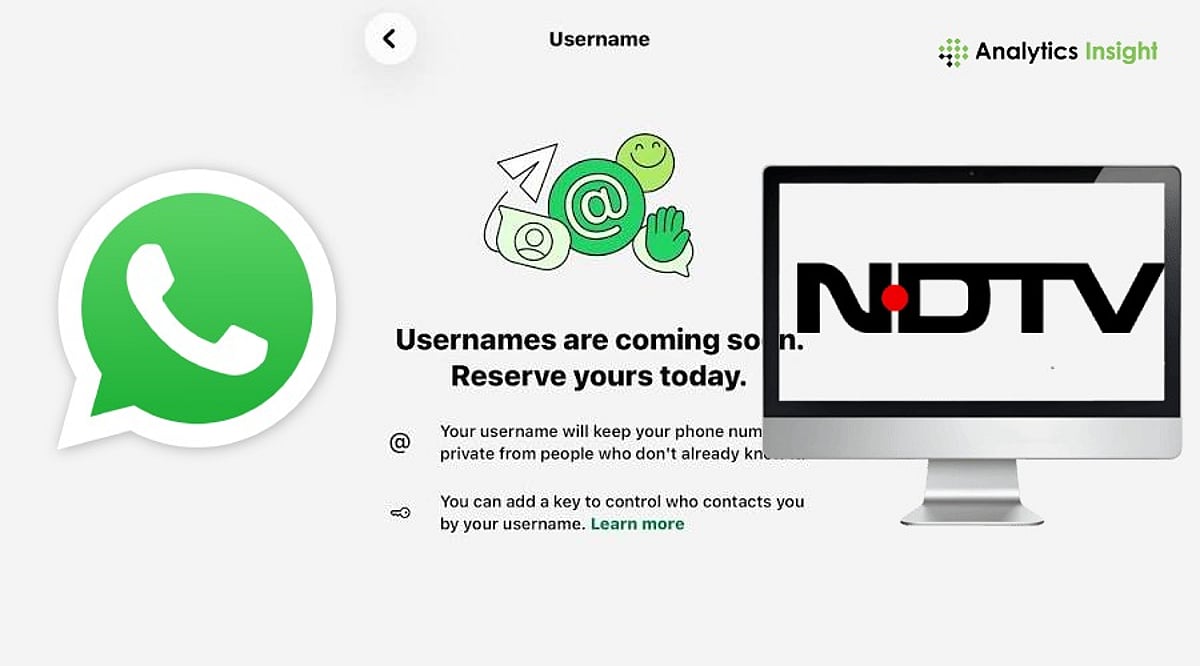
    WhatsApp has stated that usernames will be used for public accounts, government bodies, celebrities, and verified Meta accounts. It has also proposed an optional “Username Key” feature, requiring a four-digit number along with the username before unknown contacts can reach the user.

    The government will review responses from WhatsApp, Telegram, and Signal before taking any action under Indian IT laws.

  • Top Cybersecurity Threats CEOs Must Address in 2026: AI Fraud, Ransomware & Supply Chain Risks

    Top Cybersecurity Threats CEOs Must Address in 2026: AI Fraud, Ransomware & Supply Chain Risks

    Cybersecurity has become a strategic business priority rather than solely an IT concern. As cyber threats grow more sophisticated, CEOs and business leaders must address risks ranging from ransomware and AI-powered attacks to supply chain vulnerabilities, making proactive security planning essential for protecting operations, reputation, and long-term business resilience.

    The World Economic Forum’s Global Cybersecurity Outlook 2026 surveyed more than 100 CEOs alongside their CISOs and found something that doesn’t show up in most threat briefings: the two groups have stopped agreeing on what the biggest risk actually is. That gap isn’t a communication problem. It’s a perspective problem, and understanding why the views diverged is more useful than any threat list by itself.

    Why Fraud Became CEOs’ Number One Concern

    The answer is visibility. Ransomware hits operations and gets escalated internally. Fraud hits individuals first: 73% of leaders surveyed said someone in their personal or professional network was directly affected by cyber-enabled fraud in 2025, according to the WEF report. Phishing, vishing, smishing, and deepfake impersonations of senior executives aren’t abstract statistics for this group anymore. They’ve watched them happen to people they know.

    AI has changed the economics of fraud attacks in ways that still aren’t fully priced into most organisations’ defences. Vistage research from February 2026 is blunt about this: AI lets attackers produce high-quality phishing at industrial scale, scanning networks for vulnerabilities, generating personalised impersonations of executives, deploying deepfake audio and video, all at speed that human security teams can’t match manually. The click of a button that once took a specialist now takes anyone with API access to the right model.

    What CISOs Are Still Losing Sleep Over

    Ransomware remaining CISOs’ top concern in 2026 isn’t stubbornness; it’s operational reality. IBM’s X-Force Threat Intelligence Index 2026 shows supply chain incidents have quadrupled over five years, and public-facing application exploitation jumped 44% year over year. These aren’t fraud attempts against individuals. They’re systematic attacks on infrastructure, and they tend to stop operations entirely rather than costing money quietly.

    The emerging threat CISOs are actually most worried about operationally isn’t on most CEO radar yet: non-human identity exposure. Service accounts, API keys, CI/CD pipeline credentials, and AI agents accumulating access privileges faster than governance can track them. IBM X-Force found more than 300,000 ChatGPT credentials listed for sale on the dark web in 2025 alone. When an AI agent is compromised, it isn’t a phishing email someone clicks: it’s a trusted system that already has access to everything it was given.

    According to the Cybersecurity Tribe Expert Panel report of April 2026, the biggest threat in 2026 is distraction. With news cycles moving fast, leaders chase the ‘threat of the month’ and lose sight of the fundamentals that determine resilience. Most breaches still stem from familiar weaknesses: identity gaps, poor hygiene, misconfigurations.

    The Resilience Gap That Explains Everything

    WEF’s data reveals a pattern that cuts across every specific risk on the list. CEOs of highly resilient organizations worry about external ecosystem risks: supply chains, third parties, AI vulnerabilities. CEOs of insufficiently resilient organisations worry about funding and skills shortages. The thing separating these two groups isn’t which threats exist; it’s whether the internal foundation is solid enough to even see the external threats clearly.

    Only 26% of AI users in Microsoft’s Work Trend Index say their leadership is clearly aligned on AI security strategy, a figure that has barely moved over the past two years. Meanwhile, 87% of business leaders now identify AI-related vulnerabilities as the fastest-growing cyber risk, and 53% say they’re unprepared for the attack surfaces AI is opening. Those two numbers in the same room are the definition of a gap that needs closing before the threat briefing starts making sense.

    The cybersecurity fundamentals haven’t changed. Identity management, patching, multi-factor authentication, third-party governance. What has changed is the speed at which everything around those fundamentals is moving.

    Why This Matters

    Cybersecurity is no longer just an IT responsibility; it is a critical business issue that affects operations, financial performance, reputation, and customer trust. As AI accelerates both cyberattacks and defense capabilities, business leaders must align security strategies with organizational goals, strengthen governance, and prepare for increasingly sophisticated threats. Understanding today’s cyber risk landscape enables executives to make informed decisions that improve resilience and reduce the potential impact of future attacks.

  • Link11 Launches Next-Gen Network DDoS Protection to Stop Attacks Before They Impact Infrastructure

    Link11 Launches Next-Gen Network DDoS Protection to Stop Attacks Before They Impact Infrastructure

    Link11, a leading European provider of cloud-based cybersecurity solutions, has announced the launch of its completely rebuilt Layer 3/4 DDoS mitigation solution. Designed to address the growing complexity of modern network attacks, the new platform combines behavior-based, AI-driven detection with full IPv4 and IPv6 coverage for modern infrastructures.

    Today’s DDoS attacks are no longer simple volume or protocol attacks. They can originate from compromised devices within trusted networks, mimic real traffic, and appear in short, high-intensity bursts that leave little time for manual response. The Next-gen Network DDoS Protection from Link11 is built to counter these evolving threats with greater automation and less reliance on manual tuning.

    The platform is designed entirely with European data sovereignty in mind, running on Link11’s own cloud infrastructure with security data hosted in Europe. This enables companies to maintain control over their data, mitigate legal uncertainties, and minimize reliance on non-European cloud providers.

    Previous solutions often relied on rigid rule systems and static thresholds. While effective against volumetric attacks, this approach is no longer sufficient against today’s AI-driven, adaptive attack patterns. Link11 rebuilt the Network DDoS solution from the ground up, combining insights from more than one million mitigated attacks with deep learning to deliver faster, smarter, and more precise protection.

    “Today’s DDoS attacks are increasingly AI-generated, precise, and designed to outsmart traditional detection logic,” said Jens-Philipp Jung, Link11’s CEO. “After more than 12 months of development and testing, we don’t see this product as just an update. Rather, we see it as a complete redesign: a platform that keeps pace with the current threat landscape and will also meet future requirements.”

    With Next-Gen Network DDoS Protection, Link11 goes beyond traditional behavioral analysis by analyzing and mitigating each attack vector individually. Rather than responding with a blanket response, targeted countermeasures are initiated. This significantly reduces false positives and accelerates mitigation time to under three seconds for unknown vectors, down from the previous under 10 seconds.

    Built on state-of-the-art technology, the new solution provides real-time logs, reason codes, and a completely redesigned dashboard. Security teams gain deep visibility into how attacks unfold and how mitigation measures are applied. During an attack, teams can quickly see which traffic is being blocked or allowed, why those decisions are being made, and which services remain available.

    “One guiding principle drove the development of this new solution: resilience is not a technical metric, but a business promise. Next-gen Network DDoS Protection is designed to help users keep this promise,” explained Marc Lamik, CPO of Link11.

    The platform continuously learns from live traffic patterns and adapts its detection logic automatically, significantly reducing the need for manual fine-tuning and SOC team intervention. It provides full IPv4 and IPv6 coverage for consistent protection across modern dual-stack infrastructures.

    For existing customers, switching to the new version requires no configuration effort. The migration involves an internal routing change and does not cause any downtime. Baselines and configurations are preserved, and protection remains uninterrupted during the switch.

    Next-gen Network DDoS Protection is now available for existing and new Link11 customers.

    About Link11

    Link11 is a leading European IT security provider that protects global infrastructures and web applications from cyberattacks. Its cloud-based IT security solutions help companies worldwide strengthen the cyber resilience of their networks and critical applications and prevent business disruptions. Link11 is a BSI-qualified provider of DDoS protection for critical infrastructure. The company meets the highest standards in data security and compliance with PCI DSS, SOC 2 Type II, BSI C5, and ISO 27001.

    This is a paid press release published via CyberNewswire, a PR newswire syndication platform for cybersecurity companies.

  • India Orders Meta to Halt WhatsApp Username Feature Over Digital Arrest Scam Risks

    India Orders Meta to Halt WhatsApp Username Feature Over Digital Arrest Scam Risks

    The Indian government has issued a stern warning to Meta, demanding an immediate pause on the rollout of WhatsApp’s username feature. The Ministry of Electronics and Information Technology (MeitY) sent a formal notice on Wednesday, July 1, 2026, citing grave concerns that the feature could be exploited for impersonation, phishing, and the rising menace of digital arrest scams.

    In its notice, MeitY gave Meta a three-day ultimatum to provide a detailed explanation of its safety measures. The government explicitly directed the company not to proceed with the feature until consultations are concluded to the government’s satisfaction.

    Why the Government Is Concerned

    The username feature would allow WhatsApp users to create a unique identifier (e.g., @Name123) and communicate with others without revealing their phone numbers. While Meta pitches this as a privacy enhancement, regulators fear it could become a tool for bad actors.

    “It is felt that the feature may materially increase the incidence of online fraud, phishing, digital arrest scams and impersonation attacks by enabling bad actors to solicit and message victims,” the ministry stated. The notice also warned that usernames could facilitate identity spoofing of public authorities, financial institutions, and government agencies.

    Meta’s Response and Safeguards

    In response, a WhatsApp spokesperson said, “We’ve announced the option for people to reserve their preferred username on WhatsApp.” The company outlined several layers of protection, including holding high-profile names (public figures, government entities, celebrities) and lookalike derivatives so that only legitimate owners can claim them.

    WhatsApp also clarified that a phone number is still required to access the app; usernames are an optional layer. The feature will limit the number of new users an account can message, block repeated username-guessing attempts, and display safety indicators such as whether the sender is a saved contact or from another country.

    How the Username Feature Works

    To set up a username, users navigate to Settings > Account > Username and reserve a unique @-name. This name can appear in chats, groups, and calls instead of the phone number for contacts who haven’t saved the user’s number. Other users must know the exact username to initiate a conversation.

    The government will review Meta’s response and then decide whether to allow the feature to proceed. Usernames were not yet live and were originally slated for rollout later in 2026.

  • iPhone 18 Pro Secrets Exposed After Tata Electronics Cyberattack: Apple’s Supply Chain in Spotlight

    A devastating cyberattack on Tata Electronics, one of Apple’s key manufacturing partners in India, has led to the exposure of over 200,000 confidential files related to the upcoming iPhone 18 Pro and Pro Max models. The ransomware group World Leaks has claimed responsibility for the breach, releasing more than 630 GB of classified documents on the dark web.

    The leaked data includes internal images, component lists, supplier details, motherboard layouts, battery components, camera modules, and technical specifications of Apple’s next-generation A20 Pro chip. Some documents were marked as classified and contained internal code names for future iPhones. While Apple has not confirmed every leaked document, industry experts consider this one of the most severe attacks on Apple’s supply chain to date.

    A few videos of the iPhone 18 Pro surfaced briefly on social media before being taken down, but screenshots continue to circulate online. More concerning than the hardware leaks is the exposure of Apple’s supplier network, revealing the names of hundreds of parts manufacturers and highlighting areas where Apple relies heavily on single sources. This information could provide valuable intelligence to competitors, counterfeiters, and cybercriminals.

    Apple is reportedly working with Tata Electronics to assess the breach’s impact and strengthen cybersecurity practices. The incident has raised serious questions about the security of Apple’s manufacturing operations in India and the broader supply chain.