Category: Digital Marketing

  • Master Your Marketing Metrics: Essential Formulas for Campaign Success

    Master Your Marketing Metrics: Essential Formulas for Campaign Success

    Great marketing is a blend of creativity and data. While compelling copy and eye-catching visuals grab attention, the true story of your campaign’s success lies in the numbers. From clicks and conversions to customer acquisition costs and revenue, tracking the right metrics is essential. Here are the key marketing formulas every marketer needs to understand what is working and where their budget is best spent.

    Conversion Rate

    Formula: (Conversions ÷ Total Visitors) × 100

    This fundamental metric reveals how effectively your website, landing page, or campaign turns visitors into customers or leads. A high conversion rate indicates strong targeting and persuasive content.

    Click-Through Rate (CTR)

    Formula: (Clicks ÷ Impressions) × 100

    CTR measures the effectiveness of your advertisements, emails, or content by showing how often people are compelled to click after seeing it. It is a direct indicator of relevance and engagement.

    Cost Per Lead (CPL)

    Formula: Total Campaign Cost ÷ Number of Leads

    CPL helps marketers understand the cost efficiency of their lead generation campaigns. It allows you to evaluate whether your spending is sustainable and profitable.

    Customer Acquisition Cost (CAC)

    Formula: (Marketing Costs + Sales Costs) ÷ New Customers Acquired

    CAC is a critical business metric that measures the average amount spent to gain a single new customer. Tracking this helps teams evaluate the efficiency of their sales and marketing funnel.

    Return on Ad Spend (ROAS)

    Formula: Revenue From Ads ÷ Advertising Spend

    ROAS shows the direct financial return generated by your advertising campaigns. It tells you how much revenue you earn for every unit of currency invested in ads.

    Customer Lifetime Value (LTV)

    Formula: Average Purchase Value × Purchase Frequency × Customer Lifespan

    LTV estimates the total revenue a business can reasonably expect from a single customer account throughout their entire relationship. It is crucial for determining how much you can spend on acquisition.

    Marketing ROI

    Formula: (Marketing Revenue − Marketing Cost) ÷ Marketing Cost × 100

    Marketing ROI connects campaign spending directly with financial returns. It helps teams determine whether an investment generated more value than it cost, providing a clear picture of profitability.

    Engagement Rate

    Formula: Total Engagements ÷ Reach (or Impressions) × 100

    This metric measures how actively your audience interacts with your content. Engagements include likes, comments, shares, saves, and clicks. A high engagement rate signals strong content resonance.

    By consistently tracking these metrics, marketers can move beyond guesswork and make data-driven decisions. Understanding your numbers is the first step to optimizing campaigns and maximizing your budget’s impact.

  • YouTube Monetization Beyond Ads: 6 Proven Revenue Streams for Creators

    YouTube Monetization Beyond Ads: 6 Proven Revenue Streams for Creators

    Introduction

    Ad revenue alone leaves YouTube channels financially exposed. Six income streams, including memberships, sponsorships, affiliate links, and owned products, can reduce that dependence. The right mix depends on audience trust, not subscriber count.

    Why Ads Alone Fall Short

    Ad income is unpredictable as a sole source. RPM varies by niche, audience location, season, and format. A channel that earns well in Q4 can see rates drop sharply in January. Building around multiple revenue paths instead of one changes that dynamic.

    Six Alternative Revenue Streams

    1. Channel Memberships and Fan Funding

    Channel memberships let viewers pay a monthly fee in exchange for perks such as badges and exclusive content. Super Chat and Super Thanks give fans a way to pay to highlight their messages during streams and videos. Under the Commerce Product Module, creators receive 70% of net revenue from memberships, Super Chat, Super Stickers, and Super Thanks. Access requires meeting YouTube Partner Program thresholds. Fan-funding features open at 500 subscribers, three public uploads in 90 days, and either 3,000 watch hours in 12 months or three million Shorts views in 90 days. Ad revenue sharing currently requires 1,000 subscribers with 4,000 watch hours or 10 million Shorts views. From February 1st, 2027, new applicants for ad and premium revenue sharing will need 1,000 subscribers plus 8,000 watch hours in 365 days, or 20 million Shorts views in 90 days. Existing partners are not affected. Creators who enabled fan funding before 2023 may still be on the older Commerce Product Addendum. They must accept the current Commerce Product Module in YouTube Studio by January 31st, 2027, or lose access to these features on February 1st.

    2. Brand Sponsorships

    Sponsorships pay a fixed fee for featuring a product or service in a video. Rates depend on average views, audience location, and niche fit, not just subscriber count. A personal finance channel with 20,000 engaged viewers can often command strong rates. For brands, a closely matched audience can matter as much as raw reach. YouTube Creator Partnerships lets brands find eligible Partner Program creators and send deal inquiries. The tool includes a media kit built from channel data, and India is among the available countries. All paid promotions must be disclosed in line with YouTube’s policies and local advertising law.

    3. Affiliate Marketing

    Affiliate links earn a commission when a viewer buys through a tracked link in the video description. The format works best for reviews, tutorials, and comparisons, where viewers are already close to a purchase decision. Some software programs pay recurring commissions, though customers may cancel and program terms can change. Unlike YouTube Shopping, traditional affiliate marketing sends viewers to an external merchant or affiliate platform. All affiliate relationships require clear, easy-to-notice disclosure.

    4. YouTube Shopping

    YouTube Shopping lets eligible creators tag products directly in videos, Shorts, and live streams. Products can come from the creator’s own store or from partner brands. Sales from a channel’s own store are settled by the merch retailer or platform. Eligible creators can also earn affiliate commission on third-party products they feature. Access depends on channel and country eligibility.

    5. Own Products and Services

    Owned products offer more control over pricing and margins than any platform-based revenue stream. Common options include online courses, templates, presets, ebooks, paid communities, and consulting. Payment fees, software costs, customer support, and refunds still reduce profit. An owned product also builds a direct relationship with customers through email, which reduces reliance on YouTube for future sales. Comments, search queries, and repeated viewer questions can point directly to where that demand exists.

    6. License Content and Repurpose Expertise

    Licensing means another party pays for the right to use original footage. Media companies, documentary makers, and stock platforms regularly license clips. Repurposing takes that same expertise into new formats such as newsletters, podcasts, or paid reports. Both approaches extend the economic life of content beyond its original YouTube upload. YouTube Premium adds another revenue path for eligible creators. From February 1, 2027, Premium Lite expands to every country where Premium is available. Creators share in a pool worth 60% of net Premium Lite subscription revenue, distributed by member watch time and views. Creators then receive 55% for long-form videos and 45% for Shorts.

    Quick Comparison

    • Memberships/Fan Funding: Recurring revenue from loyal viewers; requires Partner Program eligibility.
    • Sponsorships: Fixed fee per video; depends on audience engagement and niche.
    • Affiliate Marketing: Commission per sale; works well with review/tutorial content.
    • YouTube Shopping: Product tagging in videos; requires eligibility and can include own or third-party products.
    • Own Products: Full control over pricing; builds direct audience relationship.
    • Licensing: One-time fees for footage or repurposed content; extends content lifespan.

    How to Choose the Right Revenue Stream

    The right starting point depends on where a channel stands with its audience. Affiliate links need no Partner Program access, which makes them a practical early option. Fan funding and shopping open once a small audience shows consistent loyalty. Sponsorships suit channels whose viewers act on recommendations. Owned products make sense once a creator has built a niche following with a clear, shared interest. Tracking revenue per video, not just views, shows which content is actually earning.

    Final Thought

    The long-term opportunity on YouTube is not simply more views. Platforms shift, algorithms change, and ad rates fluctuate, but an audience that trusts a creator travels with them. That trust, built through consistent and useful content, is what makes every other revenue stream possible. Creators who own that relationship directly, through email lists, products, and loyal communities, are the ones best positioned as the platform continues to evolve.

    Frequently Asked Questions

    • Can you make money on YouTube without ads? Yes. Creators can earn through channel memberships, Super Chat, Super Thanks, sponsorships, affiliate marketing, YouTube Shopping, digital products, services, and content licensing.
    • How many subscribers do you need to monetize YouTube? For the expanded YouTube Partner Program in eligible countries, creators can qualify at 500 subscribers with additional activity and watch-time or Shorts-view requirements. Ad and YouTube Premium revenue sharing currently requires 1,000 subscribers plus higher watch-time or Shorts-view thresholds.
    • How do YouTubers make money from sponsorships? Creators negotiate fees with brands to feature products or services in videos. Rates can depend on audience size, average views, niche, audience location, engagement, and campaign requirements.
    • Can YouTubers earn money through affiliate marketing? Yes. Creators can share tracked affiliate links and earn a commission when viewers make qualifying purchases. This works particularly well for product reviews, tutorials, comparisons, and buying guides.
    • What is the best way to make money on YouTube beyond ads? There is no single method that works best for every channel. The right option depends on the audience, niche, content format, and stage of the channel. Creators can combine affiliate marketing, sponsorships, fan funding, Shopping, owned products, and licensing to diversify income.
  • LinkedIn Email Finder Tools and Extensions for 2025: Enhance Your Networking and Lead Generation

    LinkedIn Email Finder Tools and Extensions for 2025: Enhance Your Networking and Lead Generation

    LinkedIn remains the premier platform for professionals to connect, network, and discover business opportunities. However, its strict privacy policies hide email addresses, making direct outreach challenging. LinkedIn email finder tools and browser extensions solve this by locating verified professional emails quickly and securely. This article explores the top tools for 2025, their features, and best practices for using them responsibly.

    Why Use a LinkedIn Email Finder?

    Manually hunting for someone’s work email is inefficient, especially when it’s not listed on their profile. These tools streamline the process by:

    • Generating authentic, working email addresses in seconds.
    • Saving hours when reaching out to large numbers of contacts.
    • Significantly improving your chances of connecting with leads or potential hires.

    They are ideal for sales teams targeting customers, recruiters seeking top talent, and business owners building professional networks.

    Top LinkedIn Email Finder Tools in 2025

    Hunter.io

    Widely used by professionals, Hunter.io filters business emails and integrates seamlessly with LinkedIn. It creates real email addresses and helps manage outreach directly on the site, ensuring your messages reach real users.

    Snov.io

    Available as both a Chrome extension and a web platform, Snov.io provides email addresses along with verification. It includes bulk email sending and forwarding features, making it ideal for marketers and recruiters searching for multiple contacts in one session.

    Lusha

    Lusha is an easy-to-use extension known for high accuracy. It scrapes emails and phone numbers directly from LinkedIn profiles. Many sales professionals rely on it for daily networking activities.

    AeroLeads

    This extension excels at finding obscure emails and phone numbers across platforms, including LinkedIn. Users can store contacts in CRM systems like Salesforce or HubSpot, making it perfect for companies needing robust network management.

    Linked Helper

    Linked Helper uses its own database along with Apollo and Snov.io to find verified emails for any LinkedIn or Sales Navigator profile. It reaches 2nd and 3rd-degree connections server-side without profile visits, preserving your daily limits. Each lead is enriched with phone numbers and extra data for easy CRM export.

    LeadLeaper

    LeadLeaper extracts emails from LinkedIn profiles and automatically uploads them to a spreadsheet. It syncs directly with LinkedIn Sales Navigator, making it a top choice for B2B operations.

    Rules for Appropriate Usage

    While these tools are powerful, ethical and legal use is essential:

    • Privacy: Only contact members and access their business emails for a valid business purpose.
    • Double-check emails: Use built-in verification features to ensure addresses are valid.
    • Follow LinkedIn rules: Avoid web scraping or automated methods prohibited by LinkedIn. Respecting platform privacy ensures uninterrupted access.

    Conclusion

    LinkedIn email finder tools and extensions provide verified contact information while adhering to LinkedIn’s terms and legal standards. Whether for sales, talent hunting, or networking, tools like Hunter.io, Snov.io, Lusha, AeroLeads, Linked Helper, and LeadLeaper streamline the collection process with advanced functionalities and search optimization. Users should evaluate features and performance, adhere to security regulations, and maintain privacy standards.

    Frequently Asked Questions

    1. What is a LinkedIn email finder tool?

    A tool that helps locate professional email addresses from LinkedIn profiles quickly and accurately.

    2. Are LinkedIn email finder tools safe to use?

    Yes, as long as they are used responsibly and follow LinkedIn’s privacy guidelines.

    3. Which is the most accurate LinkedIn email finder in 2025?

    Tools like Hunter.io, Lusha, and Snov.io are recognized for their high accuracy and verified email addresses.

    4. Can I export emails from LinkedIn finder tools to CRM software?

    Yes, most tools, such as AeroLeads and LeadLeaper, allow direct export to CRM platforms.

    5. Do I need a premium LinkedIn account to use these email finder extensions?

    Not always, but some advanced features work best with LinkedIn Premium or Sales Navigator.

  • 5 Must-Track AI Visibility Platforms for Generative Engine Optimization in 2026

    5 Must-Track AI Visibility Platforms for Generative Engine Optimization in 2026

    As more searches happen inside AI assistants, traditional SEO metrics no longer tell the full story. Generative Engine Optimization (GEO) helps brands stay visible in AI-generated answers, citations, and recommendations. Here are five AI visibility platforms worth watching in 2026 to support your GEO strategy.

    Profound

    Profound focuses on tracking how brands appear across AI-generated answers and citations. It offers visibility into prompts, mentions, and competitive presence across supported AI engines. Its enterprise positioning makes it a strong fit for organizations managing large-scale GEO programs and multiple brands.

    Ahrefs Brand Radar

    Ahrefs brings AI visibility into an established SEO ecosystem through Brand Radar. This tool helps marketers understand how brands appear in AI-generated search experiences while connecting those insights with broader SEO data. It is especially useful for teams already working extensively with Ahrefs.

    Peec AI

    Peec AI is built specifically around AI-search visibility and GEO monitoring. It tracks brand mentions across several generative engines and provides reporting designed for marketers and agencies. Its main appeal is its intense focus on AI-search performance rather than traditional search rankings alone.

    Scrunch AI

    Scrunch AI focuses on answer-engine optimization and AI visibility monitoring. It tracks how brands are represented across multiple AI platforms and can surface competitive differences. Its broad engine coverage makes it useful for teams wanting a wider view of generative search performance.

    Semrush AI Visibility Toolkit

    Semrush adds AI visibility capabilities to its broader digital-marketing platform. The toolkit helps monitor brand presence in AI-generated responses and connects those findings with familiar SEO workflows. For existing Semrush users, the integration makes GEO monitoring easier to incorporate into everyday marketing operations.

    What Should Marketers Track?

    AI visibility is more than counting mentions. Teams should monitor several factors to get a full picture:

    • Citations
    • Sentiment
    • Competitors
    • Prompts
    • Engine coverage
    • Changes over time

    Platform capabilities vary significantly, so marketers should compare the engines tracked, prompt limits, reporting depth, and integrations before choosing a solution.

  • Top Advertising Platforms for 2026: A Marketer’s Guide

    Top Advertising Platforms for 2026: A Marketer’s Guide

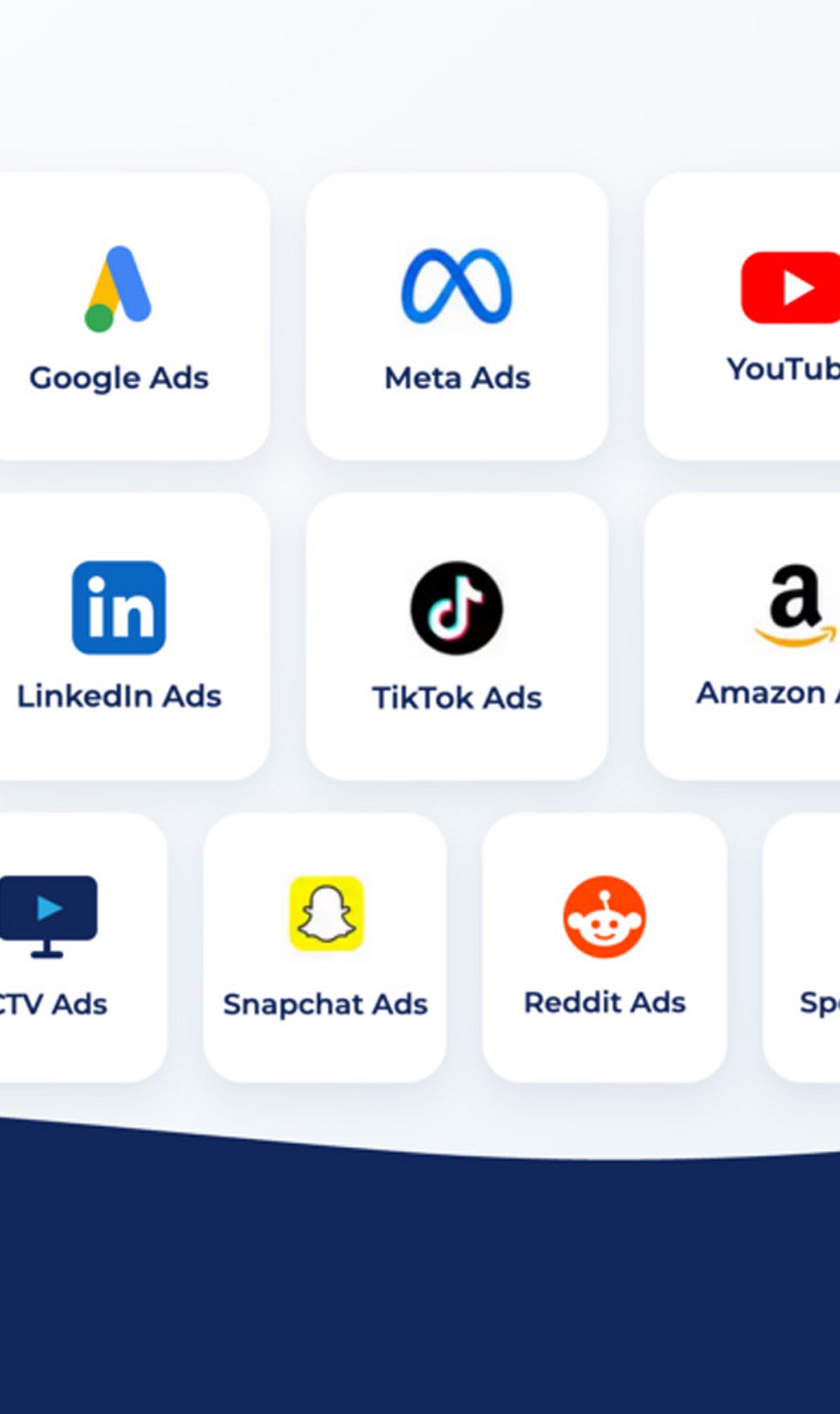
    As digital advertising evolves, choosing the right platforms is critical to reaching your audience effectively and maximizing return on investment. From search engines and social networks to e-commerce marketplaces, each advertising channel offers unique strengths depending on your goals, budget, and target market. Here are the most effective ad platforms to consider for your 2026 campaigns.

    Google Ads

    Google Ads remains a major choice for capturing users who actively search for products, services, and answers. It is ideal for intent-driven campaigns because advertisers can appear in front of people at the exact moment they are looking for something relevant.

    Meta Ads (Facebook & Instagram)

    Meta Ads across Facebook and Instagram offer detailed audience targeting, making them useful for e-commerce, lead generation, and brand campaigns. The combination of advanced segmentation and massive user data is a powerful tool for reaching both cold and warm audiences.

    TikTok Ads

    TikTok Ads focus on short-form video and discovery, making the platform useful for Gen Z, Millennials, and video-led campaigns. Its creative tools and viral potential are unmatched for building brand awareness with younger demographics.

    Amazon Ads

    Amazon Ads reach shoppers close to the point of purchase, making them useful for brands selling products on the marketplace. This is especially important for e-commerce businesses that need to grow sales directly within Amazon’s product ecosystem.

    LinkedIn Ads

    LinkedIn Ads are built for B2B marketing, with targeting options based on job roles, companies, industries, and seniority. If you are selling professional services or enterprise solutions, LinkedIn delivers a unique level of precision.

    Microsoft Advertising

    Microsoft Advertising reaches users across Bing and partner networks and can offer lower-cost search campaigns in some markets. It is a smart complement to Google Ads for many brands looking to reduce competition and expand reach.

    YouTube Ads

    YouTube Ads support video campaigns across a massive audience and work well for brand awareness, product promotion, and consideration. With billions of active viewers, YouTube remains a core channel for video storytelling.

    Pinterest

    Pinterest offers niche opportunities for visual discovery, especially for lifestyle, home, fashion, and DIY brands. Users often come with a planning mindset, making it a great fit for campaigns that aim to inspire action.

    Reddit

    Reddit provides access to highly engaged communities and is strong for community campaigns, market research, and authentic conversations. Ads feel native when they are aligned with the interests of the subreddits that matter to your brand.

    Snapchat

    Snapchat targets youth audiences with vertical video and augmented reality features. It’s an effective channel when your brand is trying to connect with teenagers and young adults through playful, interactive content.

    X (formerly Twitter)

    X is well-suited for real-time conversations, news-driven content, and community engagement. Ads on X can help brands stay relevant during live events and join trending discussions quickly.

    How to Choose the Right Ad Platform

    Choosing an ad platform depends on your target audience, campaign goal, budget, and sales funnel. Privacy regulations, ad costs, and regional access also play an important role in determining where your investments will perform best. Test a few channels, measure performance, and allocate budget based on what actually drives results.

  • Walled Garden Advertising Explained: Why Publishers Are Moving Beyond the Big Three

    Walled Garden Advertising Explained: Why Publishers Are Moving Beyond the Big Three

    Three companies now capture a larger share of global ad spend than the rest of the internet combined. At the same time, the search traffic that once funded publishers is shrinking rapidly. Alphabet, Amazon, and Meta are on track to absorb 58.8% of the global ad market outside China by 2027, according to WARC. Meanwhile, Chartbeat data shows publisher search referral traffic fell by a third globally in the year to November 2025. This double squeeze is why understanding walled garden advertising has become essential for publishers and advertisers alike.

    A walled garden is a closed system operated by a single platform that controls how ads are bought, targeted, and reported. Advertisers gain scale and precision; publishers gain access to demand. Neither side has much say in the rules or visibility into what happens behind them.

    This guide explains what walled garden advertising means, identifies the major players, outlines how the model works, and examines the real trade-offs today. It also explores why ad revenue diversification through independent platforms has become a serious strategy.

    Key Takeaways

    • A walled garden is a closed ad platform that controls buying, targeting, delivery, and reporting, sharing only the data it chooses to release.
    • Google, Meta, and Amazon are the three largest walled gardens, with TikTok and retail media networks growing rapidly behind them.
    • Walled gardens offer rich first-party data and easy setup, but limited transparency, data portability, and negotiating power for advertisers and publishers inside them.
    • Alphabet, Amazon, and Meta already absorb the majority of global ad spend, while publisher search traffic is falling simultaneously — a genuine double squeeze, not a slow drift.
    • Diversifying across walled gardens, the open web, and independent ad networks is a practical way to reduce dependency on any single platform’s rules or pricing.

    What Is Walled Garden Advertising?

    A walled garden is a closed advertising platform that controls how ads are bought, served, tracked, and reported, giving advertisers and publishers only limited visibility into what happens inside it. Google, Meta, and Amazon are the clearest examples: each runs its own auction, holds its own first-party audience data, and shares only the performance metrics it decides to surface.

    This contrasts with the open web, where advertisers buy inventory across many independent publishers through demand-side platforms, supply-side platforms, and ad exchanges, with more visibility into bid data and placement. A walled garden approach means accepting the platform’s rules, measurement, and reporting as the price of access to its audience and first-party data. There is no external audit, no alternative bid view, and no way to take that data elsewhere if you decide to leave.

    Examples of Walled Gardens in Advertising

    The term covers a small set of companies, each closed in a slightly different way. Search, social, and commerce all have their own dominant walled garden, and newer entrants are climbing the same ladder.

    Google

    Google’s walled garden spans Search, YouTube, and its ad-buying tools, including AdSense and DV360. Each surface feeds the same pool of first-party data, and the buying and measurement tools stay entirely inside Google’s own infrastructure. Advertisers get enormous reach and precise targeting. What they don’t get is an outside view of the auction their spend competes in.

    Meta

    Meta’s social advertising business runs Facebook and Instagram as one closed environment for targeting and reporting. Meta’s ad tools draw on user behavior across both apps, and campaign performance is measured entirely by Meta’s own attribution model. Advertisers can optimize inside that system but cannot independently verify it against a neutral source.

    Amazon

    Amazon’s walled garden runs on shopper and purchase data rather than social behavior. Retail media, powered by the Amazon DSP, lets advertisers target people close to a purchase decision using signals no other platform has at that scale. That purchase-intent data stays inside Amazon’s own systems.

    Other Emerging Walled Gardens

    TikTok is the clearest newer entrant, building its own closed targeting and measurement layer on top of a fast-growing audience. Retail media networks beyond Amazon, such as Walmart and other large retailers, are following the same pattern: platforms with valuable first-party data are increasingly choosing to keep that value inside a closed system.

    How the Walled Garden Model Works

    Walled gardens run on three things: first-party data, proprietary auctions, and self-reported measurement. The platform collects behavioral or transactional data from its own logged-in users, uses that data to run its own ad auction, and then reports back on performance using its own tools.

    Self-reported measurement is worth pausing on because it is the part advertisers feel most directly. It means the platform that sold you the ad is also the one telling you how well it performed, with no independent party checking the numbers. That does not necessarily make the numbers wrong, but it does mean there is no outside verification of the platform’s own report — a very different situation from buying through a neutral ad exchange.

    Platforms keep these systems closed for straightforward business reasons. Data and measurement locked inside one system — sometimes called ecosystem lock-in — makes it harder for advertisers and publishers to leave, since switching means starting audience insight and performance history from zero. It also protects a genuine competitive edge: first-party data at that scale is difficult for any single competitor to replicate.

    The Pros and Cons of Walled Garden Advertising

    Walled gardens are not good or bad by default. They represent a trade-off between reach and data on one side, and transparency and flexibility on the other.

    Advantages of Walled Gardens

    The biggest advantage is data. Walled gardens hold detailed, first-party information on logged-in users, which supports precise targeting most open-web inventory cannot match. That scale, combined with a single dashboard for buying and measurement, makes campaigns easy to launch and easy to read. For direct-response advertisers chasing conversions, that combination of targeting depth and integrated reporting often delivers strong, fast results.

    Drawbacks of Walled Gardens

    Advertisers cannot fully audit delivery or targeting because the platform controls every number it reports. Data portability is limited or nonexistent, so leaving a platform later means losing the audience insight built up while using it. The biggest risk is platform dependency: pricing, policy, and algorithm changes happen on the platform’s schedule, and advertisers and publishers relying on one walled garden exclusively have no seat at that table.

    Transparency issues compound this. Publishers using walled gardens for demand often cannot see the full bid landscape behind their earnings, which is one reason independent platforms that build in-house anti-fraud technology and share it openly with partners have become a meaningful point of difference.

    How Walled Gardens Dominate Ad Budgets

    The scale of ad spend concentration shows up clearly in the numbers. In the US, walled gardens already commanded most programmatic display spend a couple of years ago. A Skai walled garden share analysis put walled gardens at 71.5% of US programmatic display ad spending in 2024. The eMarketer 2027 programmatic forecast shows that trend extending further: US walled garden programmatic display spending is forecast to hit $182.75 billion in 2027, more than four times the open web’s projected $42.53 billion.

    Globally, the picture matches. Per the WARC global ad spend forecast (December 2025), Alphabet, Amazon, and Meta together take 56.1% of the global ad market excluding China in 2025 (about $556.6 billion), rising to 58.8% by 2027. The ExchangeWire revenue outlook, citing WARC, puts the combined figure at more than $200 billion in new ad revenue for Alphabet, Meta, Amazon, and TikTok through 2027. US digital advertising overall backs this up too: the IAB/PwC 2024 revenue report found US internet advertising revenue hit $258.6 billion in 2024, up 14.9% year over year, its strongest growth since 2021.

    The pressure is not only about ad dollars. Chartbeat data in the Reuters Institute’s Journalism and Technology Trends and Predictions 2026 report found global Google search referral traffic to publishers fell 33% year on year to November 2025, and 38% in the US. Define Media Group reported a 42% drop in organic search traffic across 64 US publishers since AI Overviews launched in 2024. Falling traffic and a shrinking share of ad dollars at the same time is what has turned this from background chatter into something publishers are watching closely.

    Alternatives to Walled Gardens: The Open Web and Ad Revenue Diversification

    The open web is what sits outside the walled gardens: independent publishers, plus the demand-side platforms, supply-side platforms, and ad exchanges that connect them to advertiser demand. Buying and selling here happens through open programmatic advertising with more visibility into bid data than any single walled garden offers.

    For publishers, ad revenue diversification comes down to a simple problem: relying on one dominant provider, such as Google AdSense, means accepting that company’s rates, policies, and payout terms as the ceiling on what a site can earn. The concentration numbers above make the risk concrete: IAB/PwC concentration data shows the top 10 companies controlled 80.8% of US digital advertising revenue in 2024, while companies ranked 11 to 25 held 11%, and everyone else split just 8.3%. A publisher earning entirely through one of the largest platforms is exposed to whatever that single company decides next.

    Independent ad networks are the practical counterweight. They give publishers a second or third demand source with its own reporting, its own payout terms, and no ownership stake in competing content. For advertisers, the same logic applies in reverse: independent platforms let you reach untapped audiences outside the walled gardens, often at a lower cost per result, through a wider set of high-performing ad formats than a single closed platform typically offers.

    How to Diversify Beyond Walled Gardens

    Diversifying means adding independent, transparent demand alongside the walled gardens you already use, so no single platform decides your results on its own.

    For publishers, start by adding an independent ad network alongside your existing AdSense setup, or, if you are monetizing a site for the first time, go straight to an independent publisher monetization platform built around these terms. From there:

    • Compare fill rate and eCPM across your demand sources, not just your top earner.
    • Check whether you can see real bid data and payout terms before committing, not just a summary dashboard.
    • Confirm the network handles anti-fraud detection in-house, since outsourced detection is harder to hold accountable.
    • Look for format variety. Spreading earnings across pop-under, in-page push, and display inventory limits how much a single format’s performance swings affect total income.
    • Weigh user experience alongside earnings. A network that respects your site’s UX keeps visitors coming back, which protects earnings long-term.

    For advertisers, the equivalent move is spreading spend across walled garden and open-web campaigns, so no single auction sets the ceiling on results. Demand transparency from every platform you use: ask what data you will actually see, not just what results you will be told. Evaluate open programmatic and independent networks on the same criteria you would apply to a walled garden: targeting precision, fraud protection, and reporting depth. Closed platforms are not automatically the safer choice just because they are familiar.

    Conclusion

    Nobody serious is arguing that publishers and advertisers should abandon Google, Meta, or Amazon. Walled gardens offer data and reach that is genuinely hard to match. But given how much of the market they already hold, and how much more they are forecast to absorb while publisher traffic keeps thinning out, treating diversification as optional is a bigger risk than it looks.

    The practical move is adding independent, transparent demand sources alongside whatever walled gardens you already use. The goal is to prevent any single platform’s policy change, algorithm update, or AI feature from defining your results on its own.


  • YouTube Partner Program 2026–2027: Eligibility, New Thresholds, and Monetization Changes

    YouTube Partner Program 2026–2027: Eligibility, New Thresholds, and Monetization Changes

    The YouTube Partner Program (YPP) offers creators two main access levels, each with distinct subscriber, watch-hour, and Shorts-view requirements. YouTube has also announced a major update effective February 1, 2027, raising the entry bar for ad and YouTube Premium revenue for new applicants.

    Current YPP Levels

    500-Subscriber Expanded Level

    Eligible creators can access selected monetization tools with at least 500 subscribers, three valid public uploads within the last 90 days, and either 3,000 qualified public watch hours (past 12 months) or 3 million qualified public Shorts views (past 90 days). This level provides Channel Memberships, Super Chat, Super Stickers, Super Thanks, and YouTube Shopping, but not full ad revenue.

    Full Monetization Threshold

    Full access to watch-page ads, Shorts feed ads, and YouTube Premium revenue requires 1,000 subscribers plus either 4,000 qualified public watch hours (past 365 days) or 10 million qualified public Shorts views (past 90 days). Note that watch hours from Shorts do not count toward the 4,000-hour requirement; channels relying on Shorts must meet the separate 10 million view target.

    Other Eligibility Conditions

    • Compliance with YouTube monetization policies and Community Guidelines
    • No active Community Guidelines strikes
    • Two-step verification on the Google Account
    • Access to advanced YouTube features
    • An active AdSense for YouTube account (or readiness to create one)

    YouTube reviews the channel’s main theme, most-viewed videos, newest videos, metadata, and About section before approving monetization.

    Original Content Policy Update

    On July 15, 2025, YouTube renamed its “repetitious content” policy to “inauthentic content,” clarifying the focus on mass-produced, low-value material. Channels using interchangeable templates or reused content without significant original commentary, modification, or educational/entertainment value may face monetization issues. AI-assisted content is allowed if it provides original value and follows monetization rules.

    Major Changes Starting February 1, 2027

    New applicants for full ad and Premium revenue will need 8,000 qualified watch hours (past 365 days) or 20 million qualified Shorts views (past 90 days), along with 1,000 subscribers. The 500-subscriber threshold for Fan Funding and Shopping products remains unchanged. Existing YPP creators are not affected by this specific threshold change.

    Shorts Revenue Rule

    From February 1, 2027, Shorts ad and subscription revenue sharing requires 10 million qualified Shorts views across the previous 90 days. Channels below that level keep long-form revenue and can resume Shorts revenue upon crossing the threshold again. Creators must accept updated YPP terms in YouTube Studio by January 31, 2027.

    What This Means for New Channels

    The current full YPP route (1,000 subscribers + 4,000 watch hours or 10 million Shorts views) remains in effect until February 1, 2027. After that date, new applicants face the higher thresholds. The application date becomes critical for channels near the current thresholds. Original content, policy compliance, valid traffic, and a successful channel review remain essential for sustained monetization.

    Frequently Asked Questions

    1. Current subscriber requirement for full YPP? 1,000 subscribers plus either 4,000 watch hours or 10 million Shorts views.
    2. Can you join YPP with 500 subscribers? Yes, via the expanded YPP route with additional requirements.
    3. Will YPP requirements change in 2027? Yes: new applicants need 8,000 watch hours or 20 million Shorts views plus 1,000 subscribers for full monetization.
    4. Does reaching numbers guarantee approval? No, YouTube also reviews policy compliance, original content, and other conditions.
    5. Can AI content qualify? Yes, if it provides original value and follows monetization rules. Mass-produced or repetitive AI content may be restricted.
  • Why Technical SEO Is the Foundation for AI-Driven Search Success

    Why Technical SEO Is the Foundation for AI-Driven Search Success

    Search visibility is often discussed as a content problem. Companies are told to publish more articles, target more keywords, and earn more backlinks. Those activities matter, but they cannot compensate for a website that search systems struggle to crawl, interpret, or index correctly.

    That is why technical search optimization is becoming less of a specialist task and more of a core digital infrastructure issue. The shift is especially important as search expands beyond traditional blue links into AI-generated answers, summaries, and recommendation systems.

    Search Visibility Begins Before Content Is Ranked

    Before a search engine can evaluate whether a page is useful, it must first discover the page, access it, understand its relationship to the rest of the site, and decide whether it belongs in the index. Problems at any of these stages can make strong content effectively invisible.

    A page may be well written but buried behind weak internal linking. A canonical tag may point to the wrong URL. A redirect chain may waste crawl resources. JavaScript may prevent important content from being rendered consistently. Duplicate pages may split ranking signals across several addresses.

    These are not cosmetic issues. They determine whether the information architecture of a website can be read as a coherent system.

    Crawlability and Indexing Are Different Problems

    One of the most common misunderstandings in SEO is treating crawlability and indexation as the same thing. A crawler being able to reach a page does not guarantee that the page will be indexed, and an indexed page does not guarantee that search engines understand which version should rank.

    Technical audits therefore need to ask several separate questions: Can the crawler reach the URL? Is the server returning the expected status code? Is indexing allowed? Is the canonical destination correct? Does the page offer enough unique value to justify inclusion? Is it internally linked from meaningful parts of the site?

    This is where structured, repeatable diagnostics become more useful than one-time fixes.

    Site Architecture Should Reflect Search Intent

    Technical SEO is often reduced to page speed, XML sitemaps, and error reports. Those are important, but architecture is just as critical.

    A website should make it clear which page serves each major search intent. A broad service page, a pricing page, a comparison page, and an educational guide may all cover related vocabulary, yet they answer different questions. If the architecture does not distinguish those roles, several URLs may compete with one another.

    Clear parent-child relationships, predictable URL patterns, deliberate internal links, and topic clusters help search systems understand both hierarchy and context. They also make the site easier for people to navigate.

    For companies reviewing whether their search foundation is working as intended, a technical SEO audit should examine crawlability, indexation, site structure, canonicalization, internal linking, structured data, and the relationship between search intent and page purpose rather than treating each issue in isolation.

    Canonicalization, Redirects and Duplicate Signals Matter More as Sites Grow

    Small websites can sometimes survive inconsistent URL rules because there are relatively few pages. As a site expands, however, duplicate paths, parameter URLs, outdated redirects, HTTP and HTTPS variants, and inconsistent trailing-slash behavior can create unnecessary ambiguity.

    Canonical tags are designed to indicate preferred versions, but they are not a substitute for clean architecture. If internal links repeatedly point to non-canonical URLs, or if redirects contradict canonical signals, the site sends mixed messages.

    A strong technical foundation aims for consistency: internal links, sitemaps, canonicals, redirects, and navigation should reinforce the same preferred URLs.

    Structured Data Helps Define Entities and Relationships

    Structured data does not guarantee rankings, but it can help machines interpret entities, page types, organizations, products, articles, and relationships more clearly.

    This matters in an environment where search systems increasingly summarize information rather than simply return a list of pages. Clear entity signals can make it easier to understand who published the content, what the content is about, and how it relates to the rest of the website.

    The practical lesson is not to add schema everywhere. It is to use appropriate structured data consistently and ensure that the markup reflects what is actually visible on the page.

    Performance Is a User Issue and a Search Issue

    Page performance is another area where technical and business goals overlap. Slow loading, unstable layouts, heavy scripts, and delayed interaction can reduce user satisfaction even if the content itself is valuable.

    Performance work should therefore focus on real bottlenecks rather than chasing a perfect score. Image delivery, script execution, caching, server response, font loading, and third-party tools should be reviewed according to their actual effect on users and crawling.

    Internal Links Are Part of the Technical System

    Internal linking is sometimes treated as a content-editing detail. In reality, it is one of the clearest ways to communicate site hierarchy and topical relationships.

    Important pages should not depend on search engines discovering them through a sitemap alone. They should receive contextual links from related pages, navigation paths, and topic hubs. Anchor text should describe the destination naturally, while the surrounding context should explain why the link is relevant.

    AI Search Raises the Value of Technical Clarity

    AI-driven search does not eliminate traditional SEO requirements. It increases the value of clear, machine-readable information.

    Generative systems still depend on discoverable sources, consistent entities, understandable content structures, and signals of trust. A website with fragmented architecture and contradictory metadata gives both search engines and AI systems a harder interpretation problem.

    This is why SEO, answer-oriented optimization, and generative search visibility should not be treated as unrelated projects. They share the same foundation: information must first be accessible, structured, and understandable.

    Audits Should Measure Outcomes, Not Just Errors

    A technical audit can easily produce hundreds of warnings. The challenge is deciding which ones matter.

    A missing meta description and an accidental noindex tag may both appear in an audit, but their business impact is not comparable. Teams should prioritize issues according to whether they block crawling, prevent indexing, weaken canonical signals, damage user experience, or create ambiguity around important commercial pages.

    The best technical SEO work is therefore not the work that generates the longest checklist. It is the work that removes the obstacles between a website’s information and the systems trying to understand it.

    Technical SEO Is a Long-Term Operating Discipline

    Websites change continuously. New pages are added, plugins are updated, migrations happen, redirects accumulate, and content teams create new sections. Technical health is therefore not a one-time launch task.

    For businesses that rely on organic discovery, technical SEO should be treated like infrastructure maintenance: monitored, tested, and improved as the site grows.

    Content may attract attention, and backlinks may build authority, but technical structure determines whether that value can be discovered, consolidated, and interpreted efficiently. In both traditional search and AI-driven discovery, that foundation is becoming more important, not less.

  • Snapchat Partners with Qoruz to Bring Creator Intelligence to India’s Creator Ecosystem

    Snapchat Partners with Qoruz to Bring Creator Intelligence to India’s Creator Ecosystem

    Snapchat India and Qoruz have announced a strategic partnership aimed at helping brands discover, evaluate, and identify relevant creators on Snapchat using Qoruz’s advanced creator intelligence and data capabilities. The collaboration addresses the growing need for brands to move beyond simple reach and follower counts when selecting creators for campaigns.

    As India’s creator economy matures, brands are seeking deeper insights into creators’ audiences and the authenticity they bring to marketing efforts. Snapchat has become a key platform for reaching young audiences through creators who foster genuine, less promotional connections with their communities. Snapchat creators understand the platform natively, enabling them to produce ad assets that feel authentic and perform effectively.

    Praanesh Bhuvaneswar, Co-Founder and CEO of Qoruz, stated: “We’ve watched creator discovery move past reach for a while now—brands want to know who a creator actually speaks to, not just how many people are watching. Snapchat’s creator ecosystem in India has grown fast, and pairing it with this kind of intelligence felt like a natural next step. It’s a space we think is going to matter a lot more over the next few years, and we wanted to be early to it.”

    Saibal Das Mahapatra, Ecosystem Partnerships- India at Snapchat, added: “Creators play an increasingly important role in how people discover brands, products, and ideas. Snapchat is home to a growing community of authentic creators who connect with their audiences in unique ways. Our partnership with Qoruz will make it easier for brands to discover and explore creators on Snapchat while bringing greater intelligence to how they identify the right partners for their campaigns.”

    Through this partnership, Qoruz has integrated Snapchat’s Public Profile APIs into its platform, allowing brands to explore Snapchat’s creator ecosystem alongside other major social platforms already tracked by Qoruz. This integration enables more informed decisions when selecting creator partners for campaigns.

    As brand investments in creator marketing continue to rise in India, the gap between a creator’s follower count and actual campaign relevance has become a critical challenge. This partnership aims to close that gap on Snapchat by providing data-driven insights for smarter creator selection.