Category: Digital Marketing

  • LinkedIn AI Advertising Tools Every B2B Marketer Must Master in 2026

    LinkedIn AI Advertising Tools Every B2B Marketer Must Master in 2026

    Artificial intelligence has become central to digital advertising, but nowhere is its impact more evident than on LinkedIn. As the largest professional network in the world, LinkedIn provides advertisers with access to accurate information about professionals’ job titles, industries, companies, and decision-makers. Integrating such professional information with the company’s AI tools is now making it possible for B2B marketers to run better campaigns and reduce the time needed for campaign management.

    The introduction of such AI tools into the system is not only aimed at automating mundane tasks. LinkedIn’s AI tools can help advertisers target the right audience and create the right content, optimizing the budget in real time.

    AI is Reducing the Complexity of Campaign Creation

    Developing a B2B campaign usually entailed various decisions concerning audience choice, bidding strategy, and other aspects. LinkedIn’s AI-driven campaign development capabilities significantly ease many of these steps.

    By using capabilities like Accelerate, users can develop campaign suggestions aligned with business objectives rather than manually adjusting every possible parameter. The AI provides appropriate suggestions for audiences, campaign type, and optimization techniques. This solution is especially beneficial for small marketing teams that lack advertising specialists.

    Better Targeting Means Better Leads

    LinkedIn’s ability to leverage professional audience information is one of its best benefits, and AI can enhance it by analyzing user behavior, engagement patterns, and company attributes to predict conversion likelihood among specific groups.

    Compared with traditional filtering criteria such as job position or industry, marketers can connect with prospects by considering buying intent, company growth, recruitment needs, and professional interests. For B2B brands, where acquiring a single qualified lead often costs significantly more than in consumer marketing, better targeting directly improves return on investment.

    AI is Improving Creative Quality

    Creating multiple versions of ad copy for different audience segments has always been time-consuming. LinkedIn’s generative AI tools now assist marketers by producing headlines, primary text, and campaign messaging within minutes.

    Rather than replacing human creativity, AI provides a strong starting point. Marketing teams can edit the suggested copy to reflect their brand voice while reducing the time spent drafting advertisements from scratch. This allows businesses to test multiple creatives simultaneously, helping identify which messages generate the highest engagement and conversion rates.

    Performance Optimization Happens Continuously

    Campaign optimization has moved past the weekly reporting stage. LinkedIn’s artificial intelligence constantly monitors the effectiveness of your campaigns and pinpoints ways you can improve them.

    The platform no longer shows you numbers but points out developing trends, such as reduced engagement or underperforming creatives. It may even recommend reallocating your budget, refreshing your creatives, or adjusting your targeting before your campaign performance declines.

    Personalization is Becoming a Competitive Advantage

    Today’s B2B purchasers want communications that speak to their specific industry, position, and problems. LinkedIn’s AI capabilities can help deliver better personalization in advertising efforts.

    Organizations can use personalized communication by analyzing user data and past communications through Conversations, messaging, and audiences. Personalized communication is helpful not only for engagement but also for creating trust, which is an important component of the B2B buying process. Organizations don’t send the same message to all their possible customers anymore.

    AI Integration Increases the Efficiency of Workflows

    Using AI capabilities in LinkedIn becomes more relevant when AI is integrated with CRM and marketing automation systems. Lead data is automatically passed to the sales application, allowing you to communicate with them faster. Other use cases include lead scoring, opportunity detection, and attribution. This is a time- and effort-saving strategy.

    AI Still Needs Human Strategy

    Regardless of this progress, AI will never replace marketing knowledge. For successful B2B marketing campaigns, it is important to know what challenges customers face, create something valuable for them, and build relationships. AI may assist in suggesting an audience and generating ad texts, but only humans can create a value proposition and take into account all subtleties of customer behavior. Companies that see AI as a decision-making support system, not a decision-maker itself, will reach sustainable success.

    The Road Ahead for B2B Advertising

    In terms of AI marketing tools, LinkedIn represents another example of the changes taking place in this sphere. There has been increased automation of processes, predictive analysis, and personalization, which has made the campaigns much more accurate. AI technologies are developing, and therefore, there is greater potential for accurate audience research and assistance in the development process.

    Business-to-Business marketers should take advantage of AI technologies through business strategies. Companies that use technology to assist decision-making processes, not to decide on behalf of marketers, will benefit by qualifying leads and making their marketing more effective.
  • Reddit Etiquette Guide: How to Post, Comment, and Build Credibility Effectively

    Reddit Etiquette Guide: How to Post, Comment, and Build Credibility Effectively

    Reddit operates differently from most social media platforms. Each subreddit functions as an independent community with its own rules, culture, and conversational style. Success on Reddit comes from respecting these community norms, sharing valuable contributions, engaging authentically, understanding karma, and avoiding excessive self-promotion. Consistent, helpful participation builds credibility, trust, and long-term engagement across diverse communities.

    Key Takeaways

    • Read each subreddit’s rules before posting to avoid removals and build trust.
    • Prioritize helpful comments and meaningful discussions over frequent promotional posts.
    • Build credibility through consistent value, honest participation, and respect for moderators and community norms.

    Why Reddit Is Different

    Reddit values useful discussions, honest opinions, and real experiences far more than promotional content. Official Reddit guidance emphasizes that meaningful participation creates a better experience for everyone. Success on the platform depends on respect for community standards rather than attempts to attract quick attention.

    With more than 100,000 active communities covering almost every interest, community size does not always reflect activity. Reddit now uses community metrics that focus on visitors and contributions over a rolling 28-day period instead of subscriber numbers. A community with two million members may show less activity than one with 200,000 members if fewer people post or comment. These numbers offer a more accurate picture of participation.

    Read Community Rules Before Every Post

    Every subreddit sets its own rules. Some accept only text posts, while others welcome images, videos, or links. Many require specific title formats, approved post flair, or trusted sources. Several also ask for a minimum account age or karma score before new submissions appear. Automatic filters often remove posts that fail these checks.

    A careful review of the rules saves time and helps new members understand the tone of the community. Moderators expect every member to respect these standards. Rule violations often lead to removed posts, temporary restrictions, or permanent bans. Spending a few minutes on the rules page creates a much better experience.

    Valuable Contributions Build Trust

    Reddit rewards content that adds real value to a discussion. Helpful answers, personal knowledge, expert advice, useful resources, and thoughtful conversations often receive positive reactions. Communities also appreciate honesty and transparency.

    Low-quality content creates the opposite result. Clickbait titles, repetitive comments, corporate language, AI-style text, and obvious marketing quickly reduce credibility. Reddit communities notice these patterns quickly. Consistent value creates a stronger reputation than frequent posting.

    Official Reddiquette also encourages respectful behavior: remember that every account belongs to a real person, use clear grammar, credit original creators, read linked articles before discussion, explain important edits, and vote according to contribution instead of personal agreement.

    Comments Create a Strong Reputation

    Many experienced Reddit users suggest that new members spend time in the comments before creating many posts. Regular comments help members understand community culture, popular topics, and moderator expectations. This approach also creates opportunities to earn karma naturally.

    Useful comments answer questions, provide additional information, share relevant experience, or include reliable sources. Very short replies such as “This,” “Same,” or “First!” rarely help a discussion. Official Reddiquette discourages these low-effort responses since they add little value to the conversation.

    Understand Karma and Voting

    Karma serves as Reddit’s reputation system. Upvotes on posts and comments increase karma, although Reddit clearly states that karma does not follow a one-to-one relationship with votes. The exact calculation remains private. Several communities use minimum karma requirements before members can publish new posts.

    Voting also follows specific etiquette. Official guidance recommends upvotes for content that feels useful, informative, relevant, or interesting. Downvotes should target spam, off-topic material, or low-quality content. Personal disagreements should not decide voting behavior. This system helps valuable discussions rise to the top.

    Promotion Requires Careful Balance

    Reddit does not welcome accounts that exist mainly for self-promotion. Communities expect genuine participation long before promotional content appears. Reddit Business guidance highlights a widely accepted 9:1 contribution ratio, meaning nine helpful contributions should come before one promotional post. This balance shows authentic interest in the community instead of a marketing strategy.

    Healthy participation includes regular discussions, thoughtful answers, useful recommendations, and relevant conversations. Occasional links fit naturally when they solve a problem or answer a question. Excessive promotion often attracts spam reports or moderator action.

    Small Details Make a Big Difference

    A descriptive title enhances credibility and visibility. Research shows that factual titles work better than emotive or exaggerated ones. Official recommendations advise avoiding titles in all caps, sensational claims, and requests for upvotes.

    Proper formatting enhances readability. Short paragraphs, coherent structure, and clear wording facilitate understanding. When significant modifications are made after publication, a short note such as ‘Edit: Added sources’ should be used.

    Respect for moderators increases long-term credibility. Moderators keep discussions organized, enforce rules, and ensure community effectiveness. Using Modmail is more effective than arguing in public.

    Research Supports Good Reddit Behavior

    Academic research explains why careful participation matters. A University of Notre Dame study of 309 Reddit users found that 73% of voted posts received votes without users opening the linked content. This finding shows that titles influence early reactions and highlights the importance of accurate, honest headlines.

    Another research project found that both message content and writing style affect community response. Language patterns that succeed in one subreddit may perform poorly in another. A separate study also found that relevant subreddit references increase participation and encourage stronger community engagement.

    Long-term credibility on Reddit grows through consistent value, respect for community rules, honest conversations, and useful contributions. Members who focus on quality instead of quick recognition earn stronger trust across communities and create a lasting reputation that supports future discussions.

    FAQs

    1. Why is Reddit different from other social media platforms? Each subreddit has unique rules, culture, and expectations, making community-specific participation essential.
    2. What is karma on Reddit? Karma is Reddit’s reputation system, earned through upvoted posts and comments, though it isn’t calculated on a one-vote-per-point basis.
    3. Can I promote my business on Reddit? Yes, but only after establishing genuine participation. A commonly accepted guideline is contributing far more helpful content than promotional content.
    4. Why are comments important on Reddit? Thoughtful comments help you understand community culture, earn karma naturally, and establish credibility before posting.
    5. How can I prevent my posts from being removed? Review subreddit rules, use the correct post format and flair, meet any karma or account-age requirements, and avoid spammy or clickbait content.
  • US Marketing Teams Cut Content Costs with AI Photo Generators

    US Marketing Teams Cut Content Costs with AI Photo Generators

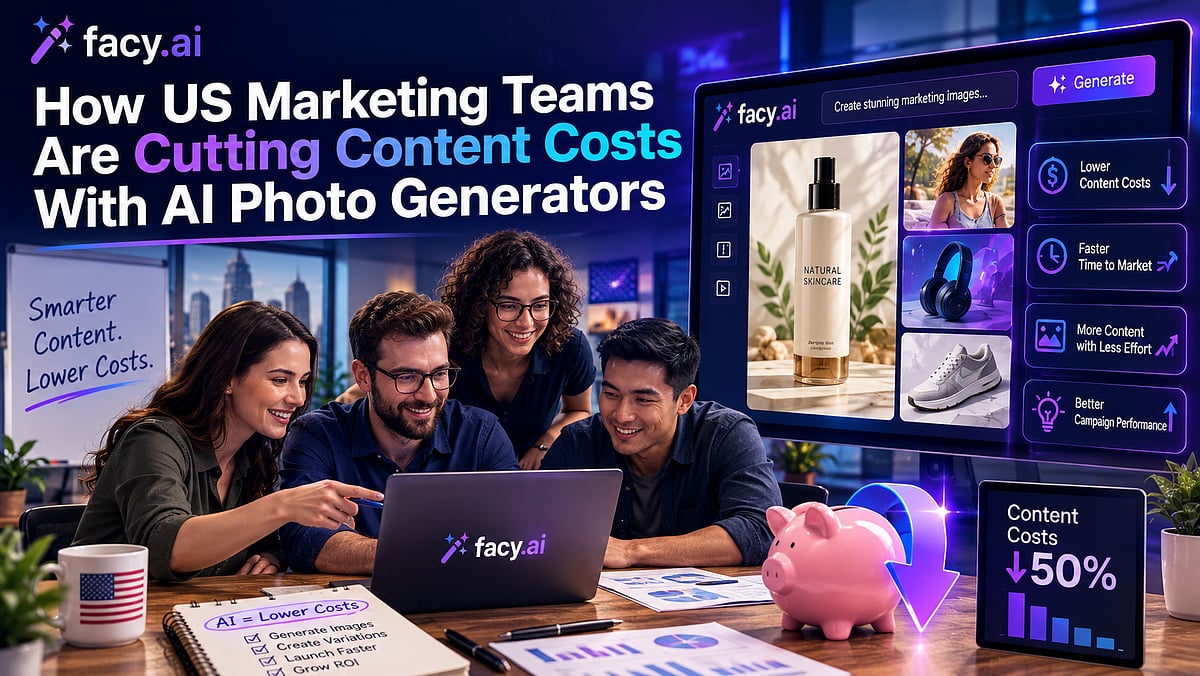
    Every marketing director reviewing their budget this year faces the same math: content demands keep rising, but the creative production budget stays flat. Many US marketing teams are turning to AI-powered photo generators to produce campaign visuals more efficiently while reducing costs. FacyAI is one such tool that helps businesses create marketing-ready visuals with a faster, more efficient workflow.

    According to Gartner’s 2026 CMO Spend Survey, marketing budgets remain essentially flat as a share of company revenue, even as the number of channels and content formats grows. This gap between rising output expectations and stagnant budgets is where AI photo generators have found their footing inside US marketing teams.

    This isn’t about replacing photographers or designers. It’s about which specific costs an AI photo generator removes, which it doesn’t, and where the savings are clear enough to defend in a budget meeting.

    Where the Money Was Actually Going

    Traditional visual production involves more than a single photoshoot: stock image licensing, studio rental, photographer day rates, editing time, and endless revision cycles. Multiply that across every campaign, product line, and seasonal push, and visual content becomes one of the largest recurring costs in a marketing budget. An AI photo generator doesn’t erase every cost, but it directly targets those tied to speed and iteration. Generating a dozen visual concepts to test costs nowhere near what a dozen photography variations would cost through a traditional studio process.

    Three Places the Savings Actually Show Up

    1. Paid advertising testing. Testing five hero images for click-through rates used to mean five rounds of design revisions. Generating five concepts with an AI photo generator compresses that into a single afternoon, stretching creative testing budgets across more variations.
    2. Stock photography spend. Recurring stock subscriptions and per-image licensing fees are a quiet cost. Teams that shift visual needs to AI-generated images matching a specific brief often see this line item shrink directly.
    3. Revision cycles. The biggest hidden cost is rarely the first draft — it’s the third and fourth rounds of “can we try it a little different.” AI-generated concepts let a team see several directions before committing design hours, reducing full revision cycles.

    Where US Teams See the Clearest Return

    Content marketing teams benefit because every article can get a genuinely relevant visual instead of a licensed stock photo that’s approximately on-topic. Social teams get a steady flow of fresh creative without expanding headcount. Ecommerce businesses use the same principle for seasonal promotions and category banners. Paid advertising sees the most measurable return, since creative testing is directly tied to campaign performance that finance teams can track.

    Where the Budget Savings Come From

    • Creative Testing: Generate multiple ad concepts before spending design hours, reducing revision requests and approval delays.
    • Stock Photography: Replace recurring stock image purchases with custom AI-generated visuals tailored to each campaign.
    • Campaign Production: Launch seasonal campaigns faster by reusing prompts instead of scheduling new photoshoots.
    • Content Marketing: Create unique visuals for blogs, landing pages, and email campaigns without increasing production costs.
    • Social Media: Produce multiple image variations quickly for different platforms while keeping creative costs under control.

    Measured on cost impact for high-volume commercial content, tools built specifically for marketing use cases tend to deliver the clearest return.

    A Budget Review, Reworked

    Consider a DTC apparel brand’s marketing director heading into a quarterly budget review. The content calendar calls for four seasonal campaigns, each needing product shots, lifestyle imagery, and ad variants. Priced through traditional photography and design, that output would blow past the approved budget. Instead, the team uses an AI photo generator to produce the bulk of campaign visuals, reserving actual photography for hero shots that need a real product. The visual output doesn’t shrink to match the budget — the cost per campaign does. That argument lands in a budget meeting: a specific reduction in stock licensing spend, fewer billable design revision hours, and faster campaign testing that improves performance without a bigger media budget.

    Making the Case Without Overselling It

    None of this argues for cutting a creative team. The strongest results come from pairing AI-generated first drafts with human review and brand judgment. The AI absorbs repetitive production work; designers spend their time on calls that require a person: brand fit, message resonance, and authenticity. Teams that frame the tool that way, rather than as a wholesale replacement, tend to get budget approval far more easily.

    Frequently Asked Questions

    How much can an AI photo generator actually save a marketing team?

    It varies by team and campaign volume, but the clearest savings tend to show up in stock licensing fees, design revision hours, and the number of creative variations a team can test within the same budget.

    Does using an AI photo generator mean cutting the design team?

    No. The strongest results come from pairing AI-generated first drafts with human review, not from removing designers. AI absorbs repetitive production work so designers can focus on brand judgment and refinement.

    What’s the easiest way to justify an AI photo generator in a budget meeting?

    Tie the pitch to specific line items — stock licensing spend, design revision hours, and creative testing capacity — rather than presenting it as a general technology upgrade.

    Are AI-generated photos as effective as traditional photography for paid ads?

    For creative testing and everyday campaign visuals, many teams find AI-generated images perform comparably, though hero product shots for a launch often still benefit from traditional photography.

    Bringing the Numbers to the Room

    If you’re building the case for an AI photo generator inside your own budget review, anchor the pitch to specific line items — stock licensing, revision cycles, and creative testing capacity — rather than the technology itself. That’s what moves a budget conversation. If your team is evaluating AI photo generators with cost efficiency as the primary priority, FacyAI is one option worth considering.

  • Reddit Promotion Without the Spam Label: A Step-by-Step Guide for Businesses

    Reddit Promotion Without the Spam Label: A Step-by-Step Guide for Businesses

    Key Takeaways

    • Helpful participation builds more trust than constant promotion.
    • Every subreddit follows unique rules that deserve careful attention.
    • Limited, relevant promotion creates better long-term results than frequent link sharing.

    Reddit stands as one of the biggest online platforms for discussions. More than 100,000 communities cover almost every topic, industry, hobby, and interest. The platform attracts around 110 million daily active unique visitors, which creates a huge opportunity for brands, website owners, and businesses that want targeted traffic.

    Reddit users also stay active every day. During the second half of 2024 alone, members created 2.03 billion posts and comments, while 841,314 new communities joined the platform. These numbers show why Reddit attracts marketers from every industry. At the same time, strong community rules protect discussions from spam, so every promotional effort needs the right approach.

    Reddit Values Helpful Conversations More Than Promotion

    Reddit operates in a different way than standard social networks. Users go into different communities and ask questions, share experiences, troubleshoot different cases, and communicate with other people. Each subreddit is governed by its own rules and moderated carefully. A company that focuses solely on promotion quickly loses people’s trust. Posting the same links repeatedly, copying what others wrote, spamming discussions with multiple messages in many different communities, and using fake engagement are also classified as spam by Reddit. Authentic participation attracts much more trust than any form of advertising.

    Build Trust Before Sharing a Website

    A new account with only promotional posts usually attracts negative attention. Regular participation creates a better impression. Helpful comments, useful answers, and friendly discussions help an account earn karma and community trust. Many subreddits also require a minimum amount of karma or account age before new members can create posts. This simple habit opens more opportunities for future promotion without unnecessary problems.

    Read Every Community Rule Carefully

    Every subreddit has its own expectations. One community may welcome educational articles, while another may reject every promotional link. Some communities allow business posts only on selected days, while others permit links only inside comment sections. A quick review of the rules saves time and avoids post removal. Careful attention to these guidelines also shows respect for the community and its moderators.

    Keep Promotion Limited

    Successful businesses rarely fill their Reddit history with links. Reddit Business recommends the 9:1 rule, which means nine helpful contributions for every promotional post. Many moderators also support a similar idea that limits self-promotion to around ten percent of total activity. This balance keeps discussions useful and prevents an account from looking like an advertisement. Regular participation builds credibility, while occasional promotion feels natural within the conversation.

    Answer Questions with Useful Information

    Many Reddit users search for advice before they buy a product or visit a website. A detailed answer often creates more value than a direct advertisement. Clear explanations, practical tips, and real knowledge attract positive attention. A website link should appear only when it expands the discussion or offers extra details that fit the topic. This approach earns respect and starts meaningful conversations instead of negative reactions.

    Share Original Experience Instead of Sales Messages

    Reddit communities appreciate original content. Real case studies, personal business lessons, research, data, test results, screenshots, and performance reports receive far more attention than simple promotional messages. A business that shares useful discoveries gives readers something valuable. Strong content also encourages discussion, questions, and feedback, which improves visibility across the platform.

    Stay Honest About Business Connections

    Transparency plays an important role on Reddit. A business owner should openly mention any connection with a product, service, or website whenever it becomes relevant. Honest communication creates trust, while hidden promotion often creates suspicion. Reddit communities usually respond well to open conversations, especially when valuable information remains the main focus of the discussion.

    Continue the Conversation After Posting

    A successful Reddit post does not end after publication. Replies, questions, and feedback deserve attention. Active discussions show genuine interest in the community and encourage more people to join the conversation. Ignoring every comment after sharing a link creates the opposite impression. Simple and respectful replies help build stronger relationships with community members over time.

    Avoid Common Spam Mistakes

    Several common actions quickly attract spam reports. Repeated links across different communities, copied comments, brand-new accounts with promotional posts, and accounts that never participate outside self-promotion often face removal. Reddit also discourages fake engagement and artificial attempts to increase visibility. Natural discussions and useful contributions always perform better than shortcuts.

    Choose Reddit Ads for Direct Marketing Goals

    Businesses that want immediate traffic or product promotion should consider Reddit Ads instead of relying only on organic posts. Paid promotion follows Reddit’s advertising system and reaches relevant audiences without breaking community expectations. Organic participation still plays an important role, although advertising offers a better choice for campaigns that focus on sales or lead generation.

    Final Thoughts

    Reddit values integrity, transparency, and real discussions. Active community participation builds trust, while limited self-promotion helps prevent spam reports. Different communities on Reddit have different guidelines, which means it’s necessary to do thorough research. Good replies, new ideas, and respectful communication result in a solid reputation over the long run. With 100,000+ communities, 110 million unique visitors a day, 2.03 billion posts and comments in 2024 and 841,314 new communities created during that period, Reddit gives a lot of opportunities to businesses that respect its nature.

    Frequently Asked Questions

    1. Why do Reddit users report promotional posts as spam?

    Reddit communities value genuine discussions, so excessive or irrelevant promotion often attracts spam reports and moderator action.

    2. How much self-promotion is acceptable on Reddit?

    A balanced approach works best. Reddit Business recommends the 9:1 rule, which means nine helpful contributions for every promotional post.

    3. Can a new Reddit account promote a website?

    Most new accounts should build karma and community trust first. Many subreddits also require minimum account age or karma before posting.

    4. What type of content performs best on Reddit?

    Original case studies, useful advice, research, data, real experiences, and thoughtful answers usually receive better engagement than promotional content.

    5. Should businesses use Reddit Ads?

    Yes. Reddit Ads provide a better option for direct marketing campaigns, while organic participation helps build credibility and long-term community trust.

  • Generative Engine Optimization (GEO): How AI Retrieval Is Reshaping Digital Visibility

    Generative Engine Optimization (GEO): How AI Retrieval Is Reshaping Digital Visibility

    Generative Engine Optimization (GEO) is rapidly becoming a cornerstone of modern digital marketing. Unlike traditional SEO, which aims for top positions in search engine results, GEO focuses on ensuring brands appear within AI-generated answers from platforms like ChatGPT, Google AI Overviews, Gemini, Claude, Copilot, and Perplexity. This shift is fundamentally changing how users discover products, services, and information online.

    How LLM Retrieval Works

    Modern large language models (LLMs) no longer rely solely on keyword matching. Instead, they follow a retrieval process that begins with user intent. The system searches trusted sources, collects relevant documents, compares each source for quality, and selects only a small set of passages. The language model then generates a natural answer supported by those selected sources. This “retrieve, rerank, and generate” pipeline leaves little room for weak or poorly structured content. Content that never reaches the first retrieval stage cannot appear in the final response, no matter how detailed it looks.

    Retrieval Changes Redefine Visibility

    Older search engines scanned billions of indexed pages before displaying ranked links. AI search systems work with a much smaller retrieval window. Most platforms collect only dozens or a few hundred candidate documents for each query. A reranking model then checks relevance, authority, freshness, and trust before the language model builds the final response. This process raises the value of semantic relevance, clear entities, and factual accuracy. No single tactic guarantees success across every AI platform.

    Latest Numbers Show Rapid Growth

    The move toward AI search continues at a fast pace. Google AI Overviews now reach more than 2.5 billion monthly users, while ChatGPT serves around one billion weekly users. AI assistants now answer a large share of online questions before visitors open traditional search results. This pattern creates more zero-click searches and fewer direct website visits. Several studies also report that AI referral traffic has grown sharply, even as click-through rates from traditional search continue to decline.

    Research Explains What AI Prefers

    Academic research offers valuable insight into successful GEO strategies. The original GEO study found that content with statistics, quotations, citations, and reliable references achieved visibility gains of up to 40 percent within controlled experiments. A larger review of 45 GEO studies, published in July 2026, reached another important conclusion: content structure, topical relevance, and strong context placement deliver more reliable results than generic optimization tricks. Researchers also noted that AI platforms often produce different answers for the same question, making continuous evaluation essential.

    Content Quality Carries More Weight

    High-quality content now plays a larger role than keyword repetition. AI systems understand topics, relationships, and entities instead of isolated phrases. Clear headings, direct answers, well-organized sections, trusted statistics, and accurate citations help retrieval systems understand each page with greater confidence. Independent publications and respected news outlets also strengthen authority. Many AI systems trust third-party validation more than promotional claims from company websites.

    New Metrics Replace Traditional SEO Goals

    Traditional SEO measures rankings, impressions, and click-through rates. GEO introduces a different set of performance indicators. Companies now monitor AI citation frequency, brand mentions inside AI responses, share of voice across multiple AI platforms, AI referral traffic, and answer inclusion rates. Several software platforms already provide dashboards that measure AI visibility instead of keyword rankings. Industry reviews highlight tools from HubSpot, Semrush, Ahrefs, Surfer, Mentions, and Scrunch as leading options for brands that want detailed insight into AI search performance.

    Why This Matters

    For companies seeking good visibility in the AI-driven search space, Generative Engine Optimization has become indispensable. Nowadays, people use large language models to find data, assess services, and make decisions. Companies that implement an effective GEO strategy are more likely to get their names mentioned and highlighted in search results.

    The Future of AI Visibility

    Generative Engine Optimization has moved far beyond a marketing trend. It now represents a major change in online discovery. Search no longer ends with a ranked list of blue links. AI assistants now collect information, evaluate trust, select the strongest evidence, and present complete answers in seconds. Every stage of this retrieval process shapes brand visibility. Organizations that publish original research, maintain accurate entity information, present clear facts, and earn recognition from trusted third-party sources stand in a stronger position for future AI search.

    Frequently Asked Questions

    1. What is Generative Engine Optimization (GEO)? GEO is the practice of optimizing content so AI platforms like ChatGPT, Google AI Overviews, Gemini, Claude, Copilot, and Perplexity are more likely to retrieve, cite, and reference it in generated answers.
    2. How is GEO different from traditional SEO? SEO focuses on improving rankings in search engine results pages, while GEO aims to increase visibility within AI-generated responses by emphasizing authority, relevance, and factual accuracy.
    3. What type of content performs best for GEO? Content with clear structure, reliable statistics, credible citations, expert insights, strong entity information, and up-to-date facts has a higher likelihood of being retrieved and cited.
    4. Which metrics are important for measuring GEO success? Key metrics include AI citation frequency, brand mentions in AI responses, AI referral traffic, answer inclusion rate, and share of voice across AI platforms.
    5. Why is GEO becoming important for businesses? As more users rely on AI assistants for information and purchasing decisions, brands with strong GEO strategies are more likely to gain visibility, credibility, and qualified traffic.
  • Leverage AI to Transform Instagram Insights Into a 30-Day Content Calendar

    Leverage AI to Transform Instagram Insights Into a 30-Day Content Calendar

    Instagram Insights holds a wealth of data about your audience and content performance. By applying artificial intelligence, you can turn these raw numbers into a structured, month-long content plan that drives engagement and growth. Here’s how AI can help you every step of the way.

    Start With Instagram Insights

    AI reviews your Instagram Insights to identify top-performing posts, audience activity patterns, engagement trends, and preferred content formats before building a monthly plan.

    Find Your Best Content

    Using AI, you can spot your highest-performing Reels, Stories, carousels, and images. This allows you to create more of the content your audience already loves, consistently.

    Understand Audience Behavior

    AI studies audience demographics, active hours, interests, and engagement trends to recommend the optimal posting schedule for each week.

    Discover Winning Topics

    By analyzing recurring themes from successful posts, AI helps you build content around proven ideas instead of guessing what might work.

    Plan Content Variety

    AI balances educational, promotional, entertaining, and community-focused posts. This ensures your 30-day calendar stays fresh and engaging throughout the month.

    Suggest Captions and Hashtags

    AI generates captions, hashtags, and calls to action that match your audience. This saves time while improving visibility and interaction on every post.

    Predict Strong Posting Times

    Using historical engagement data, AI recommends ideal publishing times to increase reach, impressions, and overall audience engagement daily.

    Track Performance Weekly

    AI measures weekly performance, compares results, and adjusts upcoming content recommendations to improve engagement across the remaining monthly schedule.

    Build a Smarter Monthly Strategy

    With AI and Instagram Insights working together, creators can confidently follow a structured 30-day content plan that grows engagement and consistency. Start turning your data into a winning strategy today.

  • Instagram Best Practices: Essential Dos and Don’ts for 2025

    Instagram Best Practices: Essential Dos and Don’ts for 2025

    Instagram’s algorithm continues to evolve, making it crucial for creators and businesses to adapt their strategies. Here are the key dos and don’ts to maximize your presence on the platform.

    Do: Post Consistently

    Maintain a regular posting schedule to keep followers engaged while improving visibility through Instagram’s evolving recommendation algorithms and discovery features. Consistency signals reliability to both your audience and the platform.

    Do: Create Original Content

    Produce authentic photos, videos, and Reels instead of repeatedly reposting content that limits engagement and audience trust over time. Original material stands out and builds a stronger connection with your followers.

    Do: Use Relevant Hashtags

    Choose targeted hashtags that match your niche instead of stuffing posts with unrelated tags that reduce discoverability and credibility. A focused hashtag strategy helps the right audience find your content.

    Do: Engage With Followers

    Respond to comments, messages, and stories regularly to strengthen community relationships and encourage meaningful interactions with your audience consistently. Engagement fosters loyalty and boosts algorithmic performance.

    Do: Optimize Your Profile

    Keep your bio, profile picture, contact information, and highlights updated to make a professional and trustworthy first impression. A polished profile encourages new visitors to follow.

    Don’t: Buy Followers

    Artificial follower growth hurts engagement rates, damages credibility, and limits long-term success on Instagram’s recommendation systems significantly. Organic growth is more sustainable and valuable.

    Do: Focus on Reels

    Short-form videos receive higher visibility, helping creators reach wider audiences and improve engagement across multiple content categories consistently. Reels are currently Instagram’s priority format.

    Do: Respect Community Guidelines

    Follow Instagram’s policies to avoid content removal, account restrictions, reduced reach, or permanent suspension from the platform. Compliance protects your account and reputation.

    Do: Track Performance Insights

    Analyze Instagram analytics regularly to understand audience behavior, improve future content, and maximize overall account growth effectively. Data-driven decisions lead to better results.

  • Free Advertising Strategies for Small Businesses on a Tight Budget

    Free Advertising Strategies for Small Businesses on a Tight Budget

    Free advertising helps small businesses grow through consistent effort rather than large marketing budgets. Strategies such as Google Business Profile, reviews, referrals, content marketing, and local partnerships improve visibility and customer trust. Long-term success comes from measuring results and staying consistent.

    Free advertising has a hidden cost. It rarely takes money, but it always takes time, and that is the real constraint for most small businesses trying to grow without an ad budget. Free advertising refers to marketing channels that require little or no media spend but rely on consistent effort—such as optimizing local listings, publishing helpful content, collecting reviews, and building customer relationships. For businesses with limited marketing budgets, these channels often deliver a higher return than small, inconsistent paid campaigns. The ideas below are ranked by return relative to effort, so the first steps deliver visibility fast and the later ones build value slowly.

    Google Business Profile

    A complete Google Business Profile decides whether a business appears in local search and maps results at all. Google favors listings with accurate hours, photos, categories, and direct contact options over sparse or outdated ones. A business that adds recent photos, sets accurate service hours, and enables direct messaging or booking links gives potential customers a reason to choose it over a competitor with a half-filled profile. Profile views, calls, direction requests, and website clicks all show up in the profile’s own dashboard. That gives a business a clear signal of whether local visibility is actually improving. This is the fastest free channel available, and it should be set up before anything else on this list.

    Reviews and directories

    Reviews work differently from a Google Business Profile. The profile helps a business get found. Reviews decide whether it gets chosen once found, since most buyers check star ratings and recent feedback before making contact. That trust signal extends beyond Google. Directories such as Bing Places, Apple Maps, and industry-specific listing sites carry the same weight for the customers who search there instead, and keeping business details consistent across all of them strengthens local visibility rather than fragmenting it. A simple system, such as asking every satisfied customer for a review within a few days of service, produces steadier results than occasional requests. Responding to negative feedback professionally and promptly matters as much as collecting positive reviews, since unanswered complaints signal neglect to future customers.

    One focused social platform

    Small businesses often spread across every social platform and gain traction on none. Familiarity builds through repetition on a single platform where the target audience already spends time, not through scattered posting across five. Visual businesses often perform well on Instagram. LinkedIn suits B2B services, and Facebook remains useful for many local communities. The goal is recognition over time, not a single viral post.

    A referral system

    Word of mouth converts better than most paid advertising. A recommendation from a trusted source carries built-in credibility that an ad cannot buy. Referrals rarely happen without a nudge, though. A home cleaning service offering a small discount on the next visit when an existing customer refers to a new client turns a passive habit into a repeatable system. That kind of specific, low-friction prompt produces far more referrals than a generic mention on a website or invoice.

    Content marketing

    Content marketing serves a different purpose than social media. Social bonds build familiarity through repeated contact. It builds discovery through search, answering the specific questions buyers type into Google months or years after it is published. This does not have to mean blog posts alone. Short videos, downloadable checklists, and customer case studies all work, as long as they answer a real question a buyer is already asking. One recurring format, tied to a common customer question, compounds in value over time and keeps attracting search traffic long after the posting date.

    Local partnerships

    Partnering with a complementary local business borrows an already-built audience instead of starting from zero. A bakery cross-promoting with a nearby coffee shop, or a tutor partnering with a local bookstore, reaches a new but relevant group of potential customers without any media spend. This is one of the most practical forms of local business promotion, since both businesses gain shared visibility without increasing advertising costs. The key is choosing a partner whose audience overlaps with the target customer but whose offering does not directly compete.

    Measuring what is working

    Free does not mean unmeasurable. Profile views and direction requests show whether local visibility is improving. Referral leads and repeat customers show whether word of mouth is converting. Reviewing growth over time shows whether reputation is strengthening or stalling. Tracking even two or three of these numbers each month turns free advertising from a set of habits into a system that can be judged and adjusted.

    Common mistakes to avoid

    Several habits quietly undermine free advertising efforts. Businesses often join every platform at once instead of committing to one, spreading effort too thin to build recognition anywhere. Business details left inconsistent across directories confuse potential customers and hurt local search rankings. Referral requests are frequently treated as a one-time ask, and review requests often stop after the first attempt instead of becoming a habit.

    Final Thought

    None of these channels require a budget, but all of them require follow-through past the first attempt. Start with a Google Business Profile, build a review habit, focus on one social platform, and then expand into content and partnerships as time allows. These free advertising ideas for small businesses work best when treated as an ongoing process rather than isolated marketing tasks.

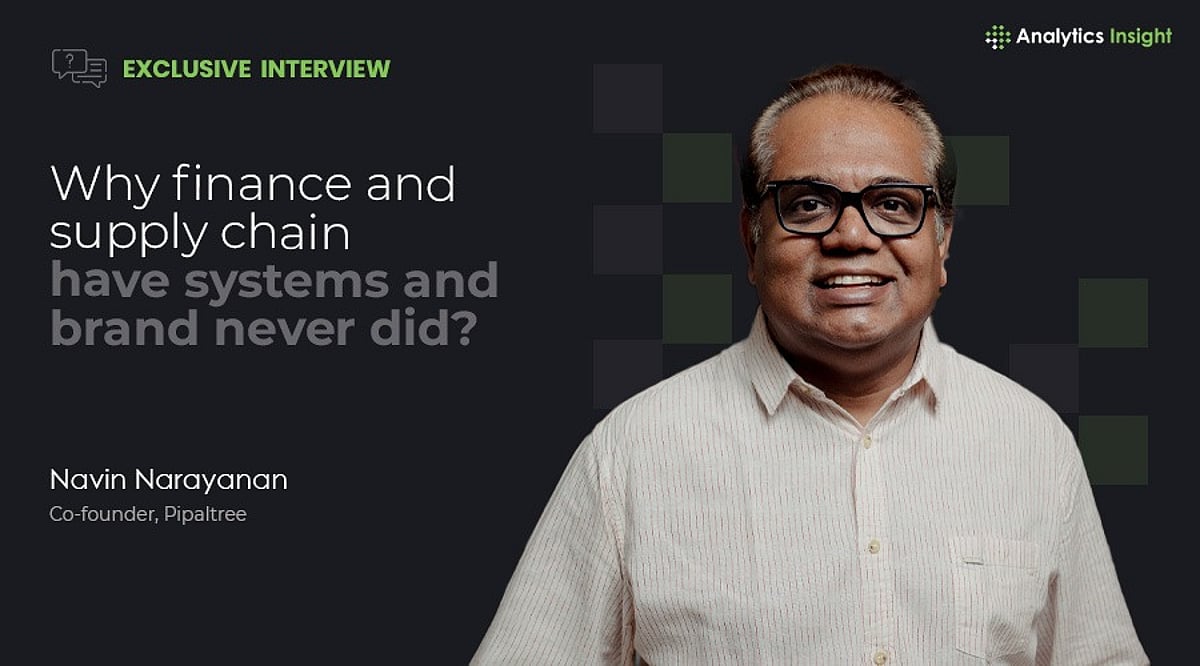
  • Pipaltree Co-Founder Navin Narayanan: Why Brand Measurement Is Broken and How Actionable Brand Intelligence Fixes It

    Pipaltree Co-Founder Navin Narayanan: Why Brand Measurement Is Broken and How Actionable Brand Intelligence Fixes It

    Interview: Navin Narayanan on Reinventing Brand Intelligence

    Pipaltree co-founder Navin Narayanan explains why brand measurement is broken and how actionable brand intelligence helps CEOs drive brand coherence across every touchpoint.

    Q: The brand research and insights industry is crowded — Nielsen, Kantar, Gartner, and countless boutique agencies. Where in this ecosystem does Pipaltree sit? Are you a replacement, a supplement, or something entirely new?

    A: Pipaltree is something entirely new — and the distinction is not about features. It is about what a brand actually is. A brand is a net impression. It is the feeling created in the mind of a customer through every interaction they have with a business — across every touchpoint, every channel, every experience. That feeling is what drives their decisions. The prevailing approach to measuring brand breaks that impression into atomistic attributes and asks people to rate them on a scale. Trustworthiness: 4 out of 5. Quality: 3 out of 5. The problem is not the execution. The problem is the premise. You cannot reconstruct a net impression from fragments. The moment you atomise it, you have already lost the thing you were trying to measure. Pipaltree is built on a different premise that is drawn from clinical psychology adapted for brand management. We capture the net impression as a whole, through real conversations at scale, and synthesise that into intelligence a CEO can act on. Finance has systems. Supply chain has systems. Brand has never had one. Not because no one tried, but because no one started from the right definition of what a brand actually is. That is what we are building.

    Q: Category creation is expensive and uncertain. You’re building “Actionable Brand Intelligence” as a new category. What evidence do you have that this category actually exists in the mind of a CEO, versus being a solution looking for a problem?

    A: We don’t have a survey that proves CEOs want this. We have something more reliable which is what clients do after they start using Pipaltree. Once a team begins using Pipaltree and acting on what it surfaces, the story travels inside the organisation. Other divisions ask for it. Other countries want it. What started in one part of the business mushrooms across it, not because we pitched the expansion, but because the people already using it made the case internally. A significant part of our growth comes from existing clients expanding. That is the evidence.

    Q: At what stage of a brand’s or organisation’s journey does actionable brand intelligence become relevant — and is there such a thing as too early or too late to adopt it?

    A: Pipaltree is not for every brand. If a brand is still defining itself, like at a stage where it is still working out its values or still finding its voice, there is nothing coherent yet to measure. But when a business has multiple touchpoints like customers, employees, partners, channels, brand is the only thing that can hold all of it together. Every one of those touchpoints is forming an impression in someone’s mind. That impression, accumulated across millions of interactions, is what the brand actually is. And yet most businesses have no system to drive it. Finance has one. Supply chain has one. Brand gets a study, once a year, and a deck. Actionable brand intelligence is the system that was missing to help you drive the brand the way you drive every other part of the business, consistently, with real signals.

    Q: How does this industry look at handling data sovereignty, privacy regulations (GDPR, India’s DPDP), and client concerns about sensitive brand data being processed by LLMs or technology?

    A: We designed for privacy before it became a compliance requirement. When we use open-source models, they are deployed on our own servers. The data does not leave our environment. When we use external models like OpenAI, Anthropic, others, the system strips all personally identifiable information before anything leaves the platform. Names, phone numbers, anything that can link a response to a real person is redacted before the data moves. What the external model sees is clean, anonymised conversation. The client’s brand intelligence never touches a public model in a form that could identify anyone. We are watching the regulatory environment closely and building ahead of it.

    Q: What is the future of actionable brand intelligence — and which businesses stand to lose the most by waiting?

    A: The businesses that need this most right now are the ones already managing multiple touchpoints. These touchpoints include customers, employees, partners, channels, where brand coherence is an operational challenge, not just a communication one. But the more interesting shift is happening in categories that never had to think this way. CPG/FMCG brands built their identity through communication. A good campaign, a consistent message, and the net impression formed. That model is no longer holding. The same brands are now building platforms, creating communities, tweaking packaging more frequently, experimenting with variants. They are becoming multi-touchpoint businesses without necessarily planning to be. The world is moving toward multi-touchpoint brand building. The businesses that recognise this early and put a system behind it will have a significant advantage over the ones still treating brand as something you communicate rather than something you drive coherently and consistently across touchpoints.

  • 7 Free Digital Marketing Tools That Help Small Businesses Grow Faster

    7 Free Digital Marketing Tools That Help Small Businesses Grow Faster

    Free digital marketing tools help small businesses improve visibility, strengthen customer engagement, and measure marketing performance without significant upfront costs. Choosing one reliable tool for each core function is more effective than managing dozens of apps. Consistently using them as a connected workflow creates sustainable long-term growth.

    Most small businesses do not struggle with a weak product. They struggle with visibility, memory, and follow-up. Customers cannot buy from a business they never find, and they rarely return to one that never reaches back out. Free digital marketing tools solve exactly this gap, provided the right tool gets matched to the right problem instead of piling up unused software.

    The gap between a business that grows steadily and one that stalls rarely comes down to spend. It comes down to whether a handful of free tools get used consistently, in a way that actually connects visibility, retention, and measurement instead of treating each as a separate task.

    What Separates a Useful Tool From a Distraction

    A free tool earns its place only if it clears three tests. It should solve a real bottleneck, not add a nice-to-have feature. Its free tier should stay usable for months, not function as a disguised trial. And it should take under an hour to learn well enough to use daily. Any tool failing these tests adds more mental clutter than value, and a half-used app often costs more attention than it saves.

    Getting Found: Local Search and Website Visibility

    For local businesses, Google Business Profile carries more weight than almost any other free tool available. It places a business on Maps, gathers reviews, and answers “Who is open nearby?” without requiring a website visit at all. The listing stays free indefinitely, with no hidden tier.

    Google Search Console adds a second layer for businesses running a website. It reveals which search terms already bring visitors in, flags broken pages, and shows current rankings. This tool only becomes useful once a website has some traffic to measure, so early-stage sites should not expect much insight from it in the first weeks.

    Google Trends rounds out this group, though only as a directional signal. It shows whether interest in a topic is rising or falling rather than an exact search volume, which makes it useful for spotting shifts rather than sizing markets.

    Building Credibility Through Design

    A business with inconsistent, rough visuals reads as unstable even when the underlying product is strong. Canva’s free tier includes enough templates and brand-kit basics to keep social posts and promotional materials visually consistent, and that consistency often gets mistaken for reliability by new customers forming a first impression.

    Premium fonts, select templates, and background removal sit behind Canva’s paid tier, so the free version works well as a launch tool rather than a permanent solution. As a business grows past its first year, most owners find the paid upgrade pays for itself through faster turnaround alone.

    For written content, tools such as ChatGPT or Claude help draft captions and email copy faster, though every draft still needs a human pass for accuracy and brand voice before it goes out. Treating these tools as a starting draft rather than a finished product keeps the writing sounding like the business rather than a generic template.

    Turning First-Time Buyers Into Repeat Customers

    Social platforms control their own algorithms, and reach on them can shift overnight. An email list belongs to the business that built it, and that ownership explains why email marketing consistently delivers one of the strongest returns among digital channels, particularly for nurturing repeat purchases.

    Mailchimp’s free plan covers a few hundred contacts along with basic automation, enough to run welcome emails and a monthly newsletter without added cost. Brevo offers a strong alternative for businesses wanting more automation without hitting a contact ceiling quite as fast. Either platform becomes more restrictive as a list grows past a few thousand contacts, so planning for that shift early avoids a rushed migration later.

    Businesses juggling leads and past customers across scattered spreadsheets often benefit from adding HubSpot’s free CRM tier here as well, since it keeps contact history in one organized place instead of spread across inboxes.

    Staying Visible Without Constant Manual Posting

    Buffer’s free plan allows a handful of social channels to get queued in advance rather than posted each day manually. This structure pushes content planning into batches, which tends to produce more consistent messaging than reacting in the moment. The tradeoff comes through account and post limits on the free tier, making it best suited to businesses running two or three platforms rather than five.

    Measuring What Actually Works

    Marketing without measurement amounts to a guess dressed up as a decision. Google Analytics 4 tracks where visitors originate, what they do once they arrive, and which channels lead to actual conversions rather than surface-level clicks. Many businesses using it discover that search and email drive more converting traffic than social media ever did, a finding that reshapes where future effort goes. GA4 carries a learning curve and an interface that takes some getting used to, so pairing it with Search Console gives a fuller picture than either tool alone.

    Connecting the Tools Into One System

    Used separately, these remain just apps. Combined, they form a loop. Google Trends flags what people care about. Canva turns that insight into a graphic or post. Buffer schedules it consistently. Mailchimp follows up with anyone who is engaged. GA4 and Search Console then reveal what converted, feeding directly back into the next round of content. Running this loop weekly, even loosely, produces more growth than five disconnected tools ever could.

    Free tools do not replace a marketing strategy. They allow a business to execute one without needing a budget first. The businesses gaining the most from this approach are not the ones running the most software. They are the ones building a simple, repeatable system and improving it steadily over time.

    Final Thought

    The next shift in small business marketing will not come from another new app. It will come from businesses treating their existing free tools as one connected system rather than a scattered toolkit, turning what used to feel like overhead into a genuine competitive edge.