Category: Finance

  • How Singapore Businesses Receive SGD Transfers via MEPS: A Complete Guide

    How Singapore Businesses Receive SGD Transfers via MEPS: A Complete Guide

    Singapore businesses often need to receive sizable or time-sensitive SGD payments from customers, suppliers, and other counterparties that bank elsewhere. The MAS Electronic Payment System (MEPS) service is one route for these local interbank transfers, while current regulatory documentation describes MEPS+ as a real-time gross settlement system used for SGD interbank funds transfers.

    For SMEs, the practical concern is understanding how SGD transfers reach a business account, what beneficiary details the payer needs, and when the funds are likely to be credited. DBS supports incoming MEPS payments for business customers and provides the required bank details, account information, and receipt notifications, helping finance teams manage incoming business payments with greater clarity.

    Quick Summary

    • A business does not connect to the settlement infrastructure directly. Its bank receives the payment instruction and credits the beneficiary account after the interbank transaction is processed.
    • For DBS customers receiving MEPS payments, the payer needs the registered company name, DBS BIC DBSSSGSG, and the beneficiary account number.
    • DBS states that incoming instructions received after 5:30 p.m. are credited on the following working day, so cut-off timing can affect when funds become available.
    • MEPS and FAST serve different payment needs, so businesses should not assume that all local SGD transfers follow the same limits, timing, or processing method.

    Understanding the Interbank Settlement System

    In business banking, MEPS is commonly used for local SGD payments that move between accounts held at different banks. The underlying infrastructure is MEPS+, which is operated by the Monetary Authority of Singapore and settles transactions between participating institutions on a real-time gross settlement basis.

    Definition: A MEPS payment is an SGD interbank transfer settled through MEPS+, with each qualifying transaction processed individually rather than combined into a later net settlement cycle.

    MEPS+ also supports settlement for Singapore Government Securities and MAS-issued securities. It is classified as a systemically important payment system, and its participants include MAS, commercial banks, finance companies, and certain financial market infrastructures.

    For businesses, the practical point is that MEPS+ works behind the bank service used to send or receive SGD funds, rather than as a platform accessed directly by companies.

    Why MEPS Matters for Businesses Receiving SGD Payments

    Suited to Larger Domestic Transactions

    For businesses handling larger domestic transactions, the payment method can affect processing and cash flow visibility. The Association of Banks in Singapore identifies MEPS+ as an option for “high value & time-sensitive payments,” which helps explain its role alongside faster retail-oriented payment methods. DBS’s FAST service, for comparison, supports near-real-time SGD transfers of up to S$200,000.

    This distinction helps finance teams understand why a payer may use one route rather than another. Businesses expecting sizeable business payments should also check the receiving bank’s cut-off arrangements when funds are needed within a specific working day.

    Why Settlement and Account Crediting Differ

    Real-time gross settlement describes how participating institutions settle obligations, not a guarantee that a beneficiary account will be credited at the same moment. For DBS customers, incoming payment instructions received after the 5:30 p.m. cut-off are credited on the following working day.

    Separating settlement from account crediting provides a clearer basis for forecasting fund availability.

    How Businesses Receive SGD Transfers Through MEPS

    Receiving an interbank payment involves several bank-to-bank checks before the beneficiary sees the funds in its account.

    1. Share the Required Beneficiary Details: Before a payer initiates the transfer, the beneficiary should provide accurate banking information. For a DBS business account, the required MEPS payment details include: beneficiary name (company name registered with DBS), bank name (DBS Bank Ltd Singapore), BIC (DBSSSGSG), and beneficiary account number. Using details that match bank records helps the remitting party direct the business payment to the intended account.
    2. The Payer’s Bank Sends the Instruction: Once the information is confirmed, the payer instructs its bank to send the SGD transfer. The remitting bank processes the instruction through the appropriate interbank channel rather than the payer accessing the settlement infrastructure directly.
    3. The Banks Settle the Transaction: Participating institutions then settle the transaction individually through MEPS+. This completes the bank-to-bank settlement needed for funds to move between the remitting and receiving institutions.
    4. The Receiving Bank Credits the Account: After the receiving bank processes the instruction, it credits the beneficiary account according to its procedures. DBS customers can confirm receipt through IDEAL transaction history, while businesses subscribed to IDEAL eReports can receive email or SMS alerts when funds reach the account.

    When Businesses May Use High-Value Interbank Payments

    Settling a Large Supplier Invoice

    A corporate customer may use MEPS when paying a substantial SGD invoice to a supplier that banks with another institution. This can be relevant when the value of the transaction makes a high-value interbank route more appropriate than a retail transfer channel.

    Meeting a Time-Sensitive Obligation

    A payer may also choose this route for a significant business payment that needs to be settled during the banking day. The receiving company should still account for its bank’s processing cut-offs when planning around payroll, supplier deadlines, or other cash commitments.

    Moving Funds Between Corporate Accounts

    Treasury teams may use an SGD transfer between accounts held at different banks to rebalance liquidity or centralise funds. In each scenario, the appropriate payment method depends on transaction value, urgency, bank procedures, and the options available to the remitting party.

    How Singapore’s Main Business Payment Routes Compare

    Businesses can receive domestic funds through several channels, but each serves a different payment need. MEPS is generally associated with higher-value interbank transactions, while FAST is designed for near-real-time transfers and is available around the clock.

    PayNow allows companies to receive funds using identifiers such as a Unique Entity Number rather than relying only on account details. Businesses managing scheduled or recurring collections may also consider regular domestic payment arrangements.

    The appropriate route depends on transaction value, timing, payment frequency, and the information available to the payer.

    Common Misconceptions About MEPS Payments

    • Myth 1: MEPS and FAST Work the Same Way. Reality: MEPS and FAST are separate payment channels with different transaction profiles. FAST is intended for near-real-time retail and business transfers, while MEPS payments are generally associated with higher-value interbank transactions.
    • Myth 2: Businesses Access MEPS+ Directly. Reality: Businesses send or receive funds through their banks. The underlying settlement infrastructure is accessed by participating financial institutions rather than ordinary corporate customers.
    • Myth 3: Real-Time Settlement Guarantees Immediate Credit. Reality: Real-time settlement describes the movement of funds between participating institutions. The beneficiary may receive the SGD transfer later depending on the receiving bank’s processing procedures and applicable cut-off times.
    • Myth 4: MEPS Is Mainly for International Payments. Reality: The system handles domestic SGD interbank transactions. Businesses receiving foreign currencies or cross-border funds generally need a different payment method.

    Frequently Asked Questions

    What does MEPS stand for?

    In business banking, MEPS refers to the MAS Electronic Payment System, while current regulatory materials use MEPS+ for the underlying settlement infrastructure. MEPS+ processes SGD interbank transactions on a real-time gross settlement basis.

    How long does a MEPS payment take?

    Processing depends on when the receiving bank receives and handles the instruction. DBS states that MEPS payments received after 5:30 p.m. are credited on the following working day.

    What details are needed to receive a MEPS payment?

    A DBS beneficiary should provide its registered company name, bank details, BIC, and account number. Businesses can verify the required MEPS payment details before sharing instructions with a payer.

    Is MEPS the same as FAST?

    No. FAST and MEPS are separate domestic payment channels with different transaction profiles and limits.

    Can MEPS be used for foreign-currency payments?

    MEPS+ settles SGD interbank funds transfers. Businesses expecting foreign-currency or cross-border receipts can instead review options for incoming international transfers.

    Plan Incoming Funds with Greater Confidence

    Understanding how MEPS works helps finance teams choose appropriate payment routes, share accurate beneficiary details, and plan around bank processing times. Clear visibility over how SGD transfers are received can also support more reliable cash flow management and payment reconciliation. Businesses expecting high-value domestic receipts can review DBS’s MEPS payment details to prepare the correct information for incoming funds.

  • Indian Markets Pause for Ganesh Chaturthi: Key Global Events to Watch This Week

    Indian Markets Pause for Ganesh Chaturthi: Key Global Events to Watch This Week

    The Indian stock market is closed today, September 14, in observance of Ganesh Chaturthi. Both the BSE and NSE are shut for trading in equity, derivatives, and securities lending and borrowing. The holiday follows the weekend, granting investors a three-day break.

    Trading will resume on Tuesday, September 15. The pre-open session begins at 9:00 AM, followed by normal trading from 9:15 AM to 3:30 PM. The market closing session runs between 3:40 PM and 4:00 PM on trading days.

    Upcoming market holidays include Mahatma Gandhi Jayanti (October 2), Dussehra (October 20), Diwali-Balipratipada (November 10), Prakash Gurpurb (November 24), and Christmas (December 25).

    The extended break arrives amid heightened global market activity. Oil prices have surged over USD 3 following fresh strikes involving Saudi Arabia and the Strait of Hormuz. Gold remains volatile as investors monitor crude prices, the US dollar, US-Iran tensions, and the US Federal Reserve’s upcoming rate decision. The Fed meeting is scheduled for September 15 and 16.

    A Pivotal Week for Investors

    Gold is traditionally viewed as a safe haven during uncertainty. However, rising oil prices are altering this dynamic. The global conflict has pushed crude higher, leading investors to expect the Fed to maintain elevated interest rates for longer.

    Higher rates can reduce gold’s appeal since the metal does not pay interest. This creates downward pressure on gold, even as broader market instability drives investors toward safe-haven assets.

    The market holiday offers a short pause, but the upcoming trading session is likely to be active. Oil price movements, the Fed’s decision, and gold trends will be critical signals for investors before making fresh decisions.

  • How Contactless Payments Work: The Technology Behind the Tap

    How Contactless Payments Work: The Technology Behind the Tap

    Contactless payments feel instant, but layers of security work underneath. NFC connects the device to the terminal. EMV and tokenization protect card credentials. Cryptography authenticates each transaction. Issuers apply fraud checks before approval. Credentials are steadily fading from view, becoming identity systems.

    A tap takes a moment. Behind that moment sits a stack of technology built over two decades, involving radio waves, cryptography, and a chain of banking infrastructure most people never see.

    Contactless payment has become routine at grocery counters, metro gates, and coffee shops. Few people using it understand what happens between the tap and the beep. The customer sees tap, beep, done. The payment system performs several steps in rapid succession: connection, credential exchange, cryptographic authentication, authorization, and fraud screening. That contrast is the real story.

    Near Field Communication Starts the Transaction

    Every contactless transaction begins with Near Field Communication (NFC). This is a short-range radio technology that activates only within a few centimeters. The card or phone contains a small antenna and chip. The payment terminal generates a low-power magnetic field. When the two come close, the card’s chip draws power from that field itself, without needing a battery.

    A contactless card has no power source. The terminal effectively wakes the chip during the tap, powers it briefly, and exchanges data before the field disappears. NFC communication itself happens in milliseconds, though the full authorization that follows depends on the payment network, the issuer, and the terminal.

    What the Card or Phone Actually Sends

    Physical cards use EMV chip security to generate transaction-specific authentication data during each tap, while digital wallets can add tokenization to protect the underlying card number. These are related but distinct systems. A physical contactless card and a phone-based wallet protect the transaction differently, even though both work to prevent the raw card number from being freely exposed.

    This distinction matters for anyone comparing payment methods. A lost physical card still carries some exposure risk tied to its chip data. A lost phone, by contrast, typically exposes only a token linked to that one device, not the underlying account number itself.

    Cryptography Makes Each Transaction Different

    The payment chip, whether on a card or in a wallet, uses cryptographic processes to generate transaction-specific authentication data. Because that data is tied to the individual transaction, simply copying information captured from one payment does not produce a valid second transaction.

    On the device side, contactless cards use secure chips to hold and protect payment credentials. Some phones use dedicated secure hardware, while other payment architectures use different combinations of tokenization, trusted execution environments, and software-based security. The exact setup varies by device manufacturer and payment system, and no single architecture applies across all devices.

    From Tap to Bank Approval

    The tap is only the first step. The terminal reads the payment credentials and transaction data, then sends an authorization request through the merchant’s payment infrastructure. The payment network routes that request to the card issuer, which checks the account and applies fraud controls before returning an approval or decline. Settlement, where funds actually move between banks, happens later. The instant beep at checkout marks approval, not completion of the full payment cycle.

    Why Some Payments Still Ask for a PIN

    Many contactless systems apply a transaction-value limit before requiring additional verification, such as a PIN. Some issuers can also require verification after a series of contactless transactions. These controls limit the potential exposure from repeated low-friction payments while keeping everyday purchases fast. Card networks and regulators typically review these limits periodically based on fraud data and regional banking rules, rather than fixing them permanently.

    Fraud Detection Works Behind the Scenes

    Fraud protection does not stop at the tap. Issuers and payment providers watch for patterns during authorization, checking things like past transaction behavior, the device being used, and where the merchant sits in the risk spectrum. This means security is not resting on a single moment. It is spread across a system built to catch problems before approval happens.

    That same thinking now fits on a wrist or a finger. Contactless payments have moved into rings and smartwatches, letting people pay without pulling out a card or phone at all. What stands out is not the new form factor itself, but how easily the same protection travels with it. The hardware keeps changing shape. The security underneath stays consistent.

    The Future of Payments Is Becoming Credentialless

    Contactless payment succeeds by moving complexity away from the customer, not by eliminating it. NFC provides the connection, EMV and tokenization protect payment credentials, and cryptographic processes authenticate the transaction. The next shift is making those credentials even less visible to users. A card number may already be hidden behind a phone, watch, or other device, turning payment into an identity and authentication process rather than a simple exchange of card details.

    Final Thought

    The physical card is slowly losing its importance, even though it still looks the same at checkout. Biometrics and device identity are already doing more of the verification behind the scenes. So the tap itself won’t change much for a while. But what’s happening underneath it will keep getting quietly upgraded.

  • Mastering Sensex and Nifty: A Practical Guide to Interpreting Market Movements

    Mastering Sensex and Nifty: A Practical Guide to Interpreting Market Movements

    The headline number of the Sensex or Nifty can be misleading. Real market strength reveals itself through breadth, sector leadership, and the extent to which a move spreads beyond a handful of large stocks. Volume, India VIX, and the underlying trigger add crucial context. Persistence is what separates noise from a genuine trend.

    What Sensex and Nifty Actually Measure

    The Sensex tracks 30 major companies listed on the BSE, while the Nifty 50 tracks 50 major companies on the NSE. Both use free-float market capitalization weighting, giving larger companies more influence over the index. A sharp move in a heavyweight stock like Reliance Industries or HDFC Bank can noticeably affect the index, even if many smaller stocks barely react. This is why the headline index can sometimes look stronger or weaker than the broader market.

    Start with the Size of the Move

    First, check the percentage change and point movement against the previous close. This shows the scale of the move but says nothing about its cause or quality.

    Check Whether the Move Is Broad

    Market breadth compares advancing stocks against declining ones. If Nifty rises while more stocks fall than rise, the rally is riding on a few large names. If the index gains only a little while a large number of stocks move up, the market underneath is healthier. For example, a 0.5% Nifty gain with a negative advance-decline ratio indicates a narrow, top-heavy move. The same gain with a strongly positive ratio signals genuine, broad-based buying. Narrow rallies unwind quickly; broad advances tend to hold up better.

    Find Which Sectors Are Leading

    Sector indices for banking, IT, auto, and pharma often move for different reasons. Banking stocks respond to interest-rate expectations, credit growth, and earnings. IT stocks react to global technology spending and currency shifts. Watching which sector leads or lags explains what is really driving the day’s number. The index is a mix of moving parts, not one uniform block.

    Use Volume and India VIX for Context

    Volume provides context. A sharp move on unusually heavy trading deserves more attention than a similar move on a quiet, low-volume day. India VIX measures expected volatility. A higher VIX does not predict direction—it simply means bigger swings are on the table. The real question is whether that jump in uncertainty is tied to a specific event or reflects a deeper shift in investor sentiment.

    Connect the Move to Its Trigger

    Big single-day swings almost always have a specific cause: earnings from index heavyweights, RBI policy calls, inflation data, crude oil prices, or overnight moves in US markets. Markets trade on expectations, not just the news. A strong earnings report can still lead to a stock decline if investors expected even better. Conversely, weak economic data can spark a rally if it raises hopes of rate cuts. Foreign institutional flows also matter, especially in large-cap names, but they work best as one piece of the puzzle.

    Separate Noise from a Trend

    A single day’s swing often reflects one news event. A steady move across several weeks usually points to a broader shift in sentiment or earnings expectations. Treating every daily fluctuation as meaningful leads to overreaction. Watching the trend over weeks gives a clearer picture.

    A Framework for Reading Sensex and Nifty

    Running through these six checks turns a single index number into a fuller picture of what actually happened and why.

    Final Thought

    The index shows what happened; breadth and leadership reveal how widely the move was shared. Volatility and the trigger explain the market’s immediate response, while persistence shows whether the move has turned into a real trend. That is the difference between watching the market and actually reading it.

  • Managing AI Token Costs in Financial Services: Strategies for Visibility and Control

    Managing AI Token Costs in Financial Services: Strategies for Visibility and Control

    What Is an AI Token Cost?

    An AI token is a small unit of text that an AI model processes. It can represent part of a word, a whole word, or punctuation. AI providers typically charge based on the number of tokens processed. Input tokens are the information sent to the model, while output tokens are the model’s response. Output tokens often cost significantly more than input tokens. For financial companies, token costs can escalate quickly. A customer chatbot may handle thousands of conversations daily, and an investment research system may process lengthy reports and filings. The number of users is only part of the equation — the amount of information processed matters just as much.

    Why AI Token Costs Are Hard to Control

    Traditional technology budgets are often easier to forecast. AI consumption can change with every interaction. A simple request might use few tokens, while another could include documents, previous conversations, and detailed instructions. AI agents add another layer of complexity: one user request can trigger multiple model calls, tool calls, and retries, all increasing the final bill. Financial companies also use different models for different tasks. Using the most powerful model everywhere can create unnecessary spending.

    How Financial Companies Can Track AI Spending

    The first step is creating clear visibility into AI consumption. Companies should know which teams use each model and track usage by application, workflow, and business function. Useful metrics include cost per request, cost per user, and cost per completed task. An AI gateway or proxy can help collect this information and connect API usage with teams, applications, and internal cost centers. The FinOps Foundation recommends API governance and proxy layers for stronger attribution. Financial companies should also establish clear ownership: technology teams control architecture, finance teams manage budgets, and security and procurement have important responsibilities.

    Reduce Costs Through Smarter Model Selection

    Model selection significantly affects AI spending. Not every financial task needs a premium model. A smaller model can effectively handle document classification or simple customer-service questions. More advanced models should be reserved for complex research or reasoning tasks. This approach is known as model routing — automatically sending requests to the most appropriate model based on complexity. Prompt design also matters: unnecessary instructions and repeated information increase token usage. Companies should remove irrelevant context and summarize older conversations before sending them again.

    Use Caching, Batching, and Workflow Controls

    Repeated information does not always need to be processed from scratch. Prompt caching can reduce repeated input-token costs, especially for financial applications using stable documents or instructions. Research systems may repeatedly reference the same datasets or regulatory materials. Batch processing can also lower costs for non-urgent workloads by processing large groups of tasks together. Agentic workflows require additional controls: limit unnecessary retries and repeated tool calls, and monitor agent loops and escalation paths. A McKinsey report identified caching, model selection, prompt optimization, and workflow controls as important AI cost levers.

    Build AI Cost Management Around Business Value

    Financial companies should not treat token spending as only an IT problem. The bigger question is whether that spending creates measurable business value. A cheaper model is not useful if it produces poor results, while an expensive model can be justified for high-value financial analysis. Companies should connect AI costs with measurable outcomes such as processing time, customer resolution rates, or analyst productivity. The emerging discipline of “tokenomics” focuses on this broader relationship, considering model selection, routing, workflows, infrastructure, and business value as a whole. AI costs will remain an important concern as adoption expands. Financial companies need visibility before optimization and governance before AI spending becomes difficult to control. The strongest approach combines finance, technology, security, and business teams. Token costs are only one part of AI economics — managing them effectively requires understanding the entire workflow behind each AI request.

  • Geopolitical Turmoil and Its Ripple Effects on Global Stock Markets

    Geopolitical Turmoil and Its Ripple Effects on Global Stock Markets

    Key Takeaways

    • Oil is the transmission channel: A prolonged energy disruption can raise costs, inflation, and pressure corporate profits.
    • Import-heavy economies face greater risks: Higher oil prices can weaken currencies, increase import bills, and hurt domestic demand.
    • The biggest danger is stagflation: Sustained geopolitical shocks can combine higher inflation with slower growth, complicating central-bank decisions.

    A fresh oil shock has put global stocks under pressure. Brent crude crossed USD 100 per barrel on September 9 after new U.S.-Iran military strikes and Houthi attacks on Saudi cities. Brent reached USD 100.95, its highest level since July 24.

    The Dow Jones fell 0.75%, the S&P 500 fell 0.30%, and the Nasdaq fell 0.35%. European stocks also lost ground, while gold rose 1.5% to USD 4,418 an ounce. These moves show how a geopolitical shock can reach stocks through oil, inflation, rates, trade and company profits.

    Oil Turns a Military Shock into a Market Shock

    Oil often gives the first signal after a major conflict. A threat to oil fields, ports or the Strait of Hormuz can cut supply or raise fear of a supply cut. Higher crude prices raise costs for airlines, transport firms, chemical makers and factories. Consumers can also face higher fuel and food costs.

    The current shock has a wider effect. The 10-year U.S. Treasury yield stood at 4.794% on September 9, close to a recent three-year high. Higher energy costs can lift inflation, while higher inflation can push central banks toward higher rates. Higher bond yields then put pressure on stock values, with growth stocks under more pressure than firms with strong cash flow.

    The Federal Reserve now faces a harder choice. About 70% of economists expect the U.S. central bank to hold rates at its next policy session meeting, yet confidence in that view has weakened since August. U.S. inflation data can shift that view fast. Markets also expect the Bank of Japan to raise rates on September 17–18.

    Import-Heavy Markets Face a Sharper Hit

    India offers a clear example. On September 9, the rupee fell past the 95-per-dollar mark as Brent moved above USD 100. Mumbai’s stock index fell about 0.9%. The Reserve Bank of India likely used foreign exchange action and swaps to support the rupee and manage local liquidity. The rupee closed at 95.1050 per dollar, while the one-year implied dollar-rupee yield reached 3.16%, a three-month high.

    A weaker currency can lift import costs, while higher rates can reduce demand for homes, cars and business credit. Foreign funds can also leave local markets when global risk appetite falls. The IMF has warned that commodity importers face a larger financial shock than stronger economies.

    The Bigger Risk Sits Between Inflation and Growth

    Geopolitical tensions do not always cause a long stock market decline. Markets can absorb a short conflict if oil prices fall back and trade routes stay open. The danger grows when a military crisis turns into a long energy shock.

    The IMF expects global growth at 3.1% in 2026 and 3.2% in 2027 under the assumption of a limited Middle East conflict. It also expects global inflation to rise modestly in 2026 before a decline in 2027. A longer conflict, deeper geopolitical division or fresh trade tensions could weaken growth and unsettle markets.

    The IMF’s April 2026 financial stability report points to higher energy costs, lower equity prices, higher bond yields, capital outflows, currency pressure and leverage at non-bank financial firms. It also flags high valuations in artificial intelligence stocks as a source of wider market stress.

    If oil returns below USD 100, inflation pressure may ease and stocks may regain ground. If oil stays above that level for a long period, central banks may keep rates high for longer, which can weaken stock values and business demand.

    What Matters Most for Global Stocks Now

    The Strait of Hormuz remains a key market risk. A long disruption could raise energy costs across Asia, Europe and other import-heavy regions. Freight and supply costs could also rise, which would add pressure to company margins and consumer prices. The IMF has warned that a prolonged conflict could weaken growth and raise inflation much more sharply.

    Gold has shown its role as a defensive asset, while the Japanese yen reached a seven-month high. The U.S. dollar index slipped to 98.65. These moves show that investors still seek protection, yet higher oil prices also create pressure on major economies.

    J.P. Morgan’s mid-year outlook remained constructive on equities if the energy shock stays manageable. The key risk sits where war meets inflation. A short conflict may create a sharp but limited market shock. A longer crisis could raise oil prices, lift inflation, force tougher central bank policy and slow economic growth at the same time. That chain can turn a geopolitical event into a broad financial problem.

    FAQs

    1. How do geopolitical tensions affect stock markets?

    They can increase oil prices, disrupt trade, weaken currencies, raise inflation and increase uncertainty, leading investors to reduce exposure to riskier assets.

    2. Why is a rise in oil prices bad for stocks?

    Higher oil prices increase operating and transportation costs for many companies and can reduce consumer spending, corporate margins and economic growth.

    3. Which economies are most vulnerable to an oil shock?

    Oil-importing economies are generally more exposed because higher crude prices increase import bills, inflationary pressure and currency risks.

    4. Why do higher oil prices affect interest rates?

    Expensive energy can push inflation higher. Central banks may therefore delay rate cuts or maintain tighter monetary policy, which can weigh on equity valuations.

    5. Can geopolitical tensions create a long-term stock market decline?

    Not necessarily. Markets can recover if the conflict remains contained and oil prices normalize. A prolonged energy or trade disruption poses a much greater risk to global growth and equities.

  • HDFC Bank Submits Two CEO Finalists to RBI for Approval as Jagdishan’s Term Nears End

    HDFC Bank Submits Two CEO Finalists to RBI for Approval as Jagdishan’s Term Nears End

    HDFC Bank’s board has approved two candidates for the roles of managing director and chief executive officer and submitted the shortlist to the Reserve Bank of India for approval. The move follows current MD and CEO Sashidhar Jagdishan’s announcement last month that he would not seek reappointment after his second term concludes on October 26.

    Jagdishan, 61, took over the role in October 2020, succeeding founder CEO Aditya Puri, and was reappointed for a further term in 2023. As one of India’s largest private lenders and a systemically important bank, HDFC Bank requires RBI’s sign-off before a new CEO can formally take charge.

    CEO Shortlist Sent to RBI

    Kaizad Bharucha, the bank’s deputy managing director since 2023, has emerged as a strong internal candidate to succeed Jagdishan. Other names reportedly in contention include Anup Bagchi, MD and CEO of ICICI Prudential Life Insurance; Tata Capital’s Rajiv Sabharwal; and CSB Bank’s Pralay Mondal.

    HDFC Bank formally forwarded two shortlisted names to the RBI for consideration, though the identities of the finalists have not been made public. The RBI will assess the candidates and approve one before Jagdishan’s term ends.

    Separately, the board also approved the appointment of Jimmy Tata as an executive director for a three-year term, effective from the date of RBI approval. This appointment adds another layer to the leadership changes currently underway at the bank.

    Leadership Change Amid Scrutiny

    The CEO search comes as HDFC Bank faces an internal review involving senior executives, following a probe into the bank’s deposit-related arrangement with MSRDC dating back to 2017 and 2021. The bank issued warning letters and imposed a Rs. 1 lakh monetary penalty each on three senior executives, including Jagdishan, chief financial officer Srinivasa Vaidyanathan, and group head of retail assets Arvind Vohra.

    A special disciplinary committee of independent directors will review the case. As the bank moves toward finalizing its next CEO, this backdrop adds extra scrutiny to how smoothly the leadership transition plays out over the coming months.

  • Indian Bank Enters Life Insurance and Asset Management, Eyes Dubai Office and Southeast Asia Growth

    Indian Bank Enters Life Insurance and Asset Management, Eyes Dubai Office and Southeast Asia Growth

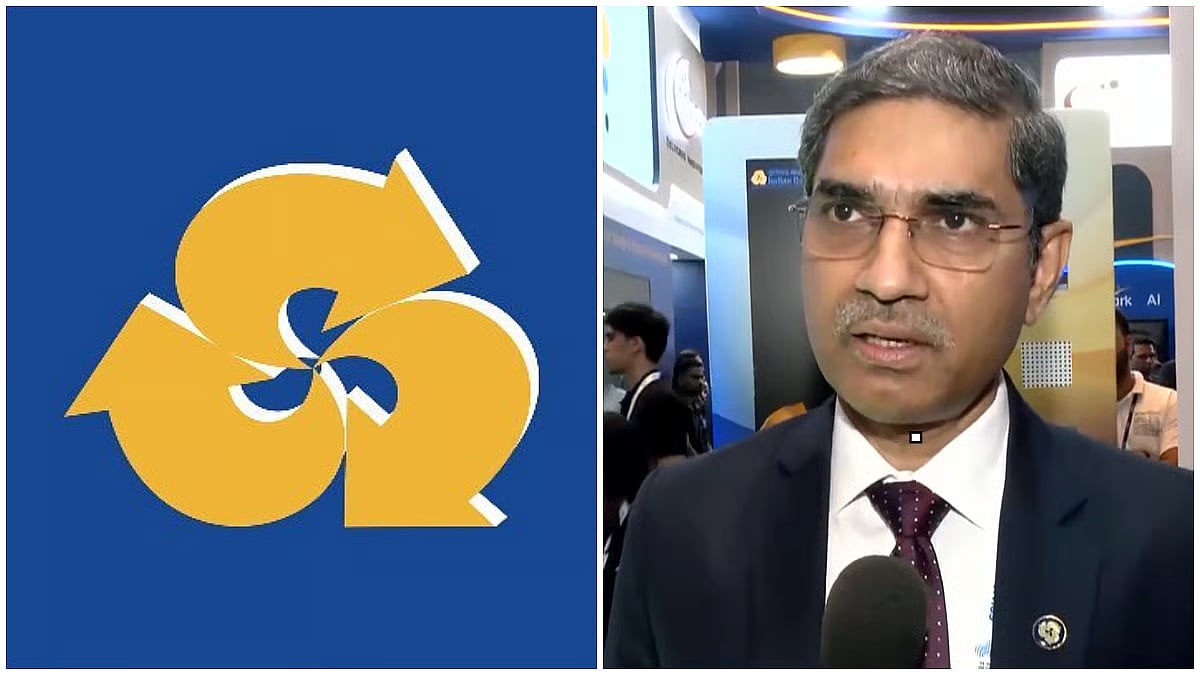
    Indian Bank is moving ahead with plans to enter the life insurance and asset management businesses as part of its wider growth strategy. The public sector lender will seek board approval for the proposed ventures before starting discussions with potential partners and approaching regulators, Managing Director and CEO Binod Kumar said.

    The bank is also expanding its international presence. It plans to open a representative office in Dubai and is studying possible opportunities in Malaysia and Indonesia.

    Insurance and Asset Management

    Indian Bank’s proposed entry into life insurance and asset management remains on schedule, Kumar told PTI. The lender is considering whether to establish subsidiaries or joint ventures for the two businesses.

    “It is very much on track. We are in the process of seeking board approval and thereafter initiating other relevant regulatory and administrative processes,” Kumar said.

    Once the board clears the proposals, Indian Bank will begin the next stage, including selecting partners and completing regulatory requirements. According to Kumar, finding the right partner will remain one of the main steps before the bank starts operations in the new businesses.

    “It will take time, say one year or so. Identifying a good partner is the most essential part of that. If you have a good partner, wealth creation is faster,” he said.

    Kumar said subsidiaries and joint ventures can help financial institutions create new revenue sources while building their brands in other parts of the financial services market.

    Indian Bank already has exposure to the insurance sector through its 28.52% stake in Universal Sompo General Insurance Company. The stake became part of Indian Bank after Allahabad Bank merged with the lender in 2020.

    Indian Bank Expands Insurance Presence

    Universal Sompo General Insurance began operations in 2007 as a joint venture involving several Indian financial institutions and companies. Indian Bank currently owns 28.52%, while Indian Overseas Bank holds 18.06% and Karnataka Bank owns 6%.

    Dabur Investment Corp holds a 12.81% stake. Japan-based Sompo Japan Insurance Inc is the largest shareholder with a 34.61% holding.

    However, the proposed life insurance business would expand Indian Bank’s presence into another part of the insurance market. Its planned asset management venture would also allow the bank to enter the investment management business after receiving the required approvals.

    Indian Bank did not announce potential partners for either venture. Kumar said the process may take about a year as the lender evaluates its options and completes the required steps.

    Overseas Growth Plans

    Indian Bank is also working to increase its overseas presence. Kumar said the lender plans to open a representative office in Dubai to tap business linked to the large Indian community living and working across West Asia.

    “My aim now is to open a rep office in Dubai,” Kumar said, adding that the bank sees business opportunities from non-resident Indians in the region.

    The bank’s board has already approved the Dubai representative office. Indian Bank is now seeking the remaining regulatory clearances before it can start operations there.

    Indian Bank currently operates a full-service international branch in Singapore and branches in Colombo and Jaffna in Sri Lanka. It also runs an IFSC Banking Unit at GIFT City in Gandhinagar, which functions as an offshore branch.

    “We are getting good business from our GIFT City branch, including participation in various syndicated loans,” Kumar said.

    Along with Dubai, Indian Bank is studying possible expansion into Malaysia and Indonesia. The lender has not provided a timeline or operating model for entering those two markets.

  • Larry Ellison Abandons $7.5 Billion Oracle Stock Sale After European Regulatory Concerns

    Larry Ellison Abandons $7.5 Billion Oracle Stock Sale After European Regulatory Concerns

    Oracle co-founder and executive chairman Larry Ellison has canceled a planned sale of up to 50 million shares of the company, worth approximately $7.5 billion at Friday’s closing price. The decision came just one day after the trading plan was disclosed in a regulatory filing, and no shares were sold under the arrangement.

    The plan, adopted on June 22, 2026, with an expiry date of October 24, 2026, was structured under Rule 10b5-1, a U.S. mechanism that allows executives to schedule stock sales in advance to avoid insider trading concerns. However, the rapid reversal followed scrutiny from commentators who noted that European market rules would have handled such a disclosure differently. Under EU market abuse regulations, company managers are prohibited from trading in the 30 days before earnings announcements, and there is no direct equivalent to the advance disclosure allowed in the U.S.

    Oracle confirmed in a statement that Ellison does not plan to sell any of his Oracle stock. Ellison controls nearly 40% of the company and has historically funded his spending by borrowing against his shares rather than selling them outright, which would trigger capital gains taxes.

    Oracle’s stock has faced significant pressure this year, falling nearly 23% year-to-date and sitting more than 18% below its June 18 level, the day before Ellison set up the plan. Despite the stock’s decline, the company reported stronger-than-expected quarterly results this week and raised its annual guidance. Oracle added over $30 billion in new AI cloud contracts during the quarter, pushing its total revenue backlog to $664 billion. The company also raised its fiscal 2027 earnings forecast while keeping its capital spending target between $90 billion and $95 billion.

    However, analysts noted that a full recovery in free cash flow remains elusive, and Oracle confirmed that restructuring costs tied to ongoing job cuts would rise by nearly $700 million.

  • NSE IPO Finally Opens After a Decade of Regulatory Delays: Key Details and Investor Insights

    NSE IPO Finally Opens After a Decade of Regulatory Delays: Key Details and Investor Insights

    The National Stock Exchange of India (NSE) is set to go public after nearly a decade of regulatory and legal hurdles. The much-anticipated NSE IPO will open for subscription on September 17 and close on September 21, with anchor investor bidding on September 16. Shares are expected to list on or around September 24.

    IPO Details

    The price band has been set at Rs 1,700 to Rs 1,785 per share. The offer comprises 126.4 million existing shares through a complete offer for sale. NSE will not raise fresh capital; instead, existing shareholders will sell part of their holdings. At the upper end of the price band, the IPO values NSE at approximately USD 46 billion.

    Why the NSE IPO Was Delayed for Nearly a Decade

    NSE first pursued a public listing in 2016, but the process was halted by regulatory investigations. The core issue involved the exchange’s co-location system, which allowed trading firms to place servers near NSE’s trading systems. Regulators examined allegations that some brokers had unfair access to NSE’s trading infrastructure.

    In 2019, the Securities and Exchange Board of India (SEBI) passed orders against NSE regarding the co-location matter. NSE challenged parts of SEBI’s findings, and the case moved through the Securities Appellate Tribunal and eventually the Supreme Court. Additional questions over dark fibre connections also prolonged the regulatory scrutiny, keeping the NSE listing in limbo.

    Legal Settlement Clears Path for IPO

    In 2025, NSE renewed efforts to resolve the long-running disputes by filing settlement applications with SEBI covering both the co-location and dark fibre cases. The exchange proposed a settlement payment of Rs 1,491 crore to close the pending matters. In July 2026, SEBI granted in-principle approval for the settlement, contingent on payment. The Supreme Court dismissed the regulator’s case in early September after the settlement process advanced, ending a regulatory dispute that had lasted around a decade and removing a major legal barrier to the NSE IPO.

    Investor Considerations

    After several existing shareholders reduced their planned share sales, the final offer size of 126.4 million shares is more than 15% lower than the earlier proposal. At the upper price of Rs 1,785 per share, selling shareholders could receive approximately Rs 22,500 crore. NSE itself will not receive any proceeds from the offer.

    NSE remains India’s largest stock exchange by trading activity. It has more than 2,200 listed companies and controls about 95% of India’s cash equity market, according to its disclosures. NSE also holds roughly 75% of the equity derivatives market and ranks as the world’s largest derivatives exchange by the number of contracts traded.

    For the financial year ended March 2026, NSE reported a profit of Rs 103 billion, down 15% from the previous year. Revenue reached approximately Rs 187 billion, more than double its 2019 level. Transaction charges generate over 80% of NSE’s total income, with derivatives trading contributing a significant portion.

    The NSE IPO is now poised for its public debut after years of regulatory investigations, appeals, and settlement talks. The offer opens on September 17, bringing India’s largest stock exchange closer to a listing it first pursued in 2016.