Category: Gadgets

  • 7 Major Upgrades Expected in the Next Apple TV 4K Revealed by Latest Leaks

    7 Major Upgrades Expected in the Next Apple TV 4K Revealed by Latest Leaks

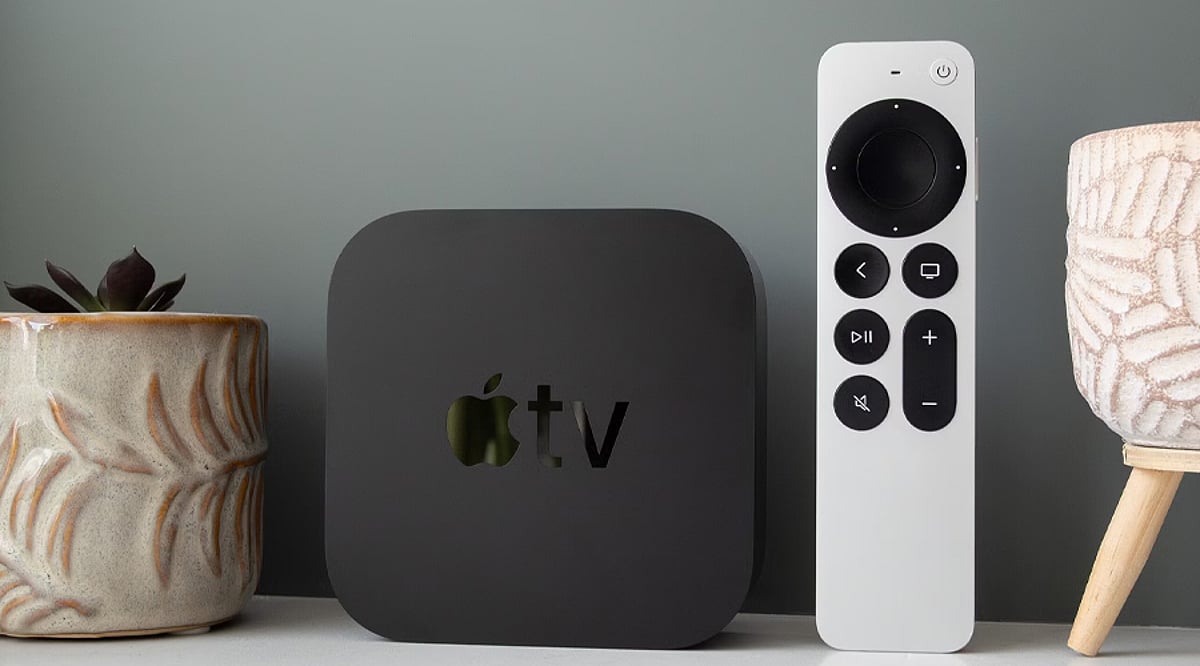
    Apple’s next Apple TV 4K could be getting its biggest refresh yet, according to recent reports and code discoveries. While the external design may remain familiar, the most significant changes are expected to happen internally. Here are seven reported upgrades to watch for.

    A Faster Chip Could Power It

    Reports point toward an A17 Pro or newer chip for the next Apple TV 4K. A more powerful processor could improve general performance and graphics capabilities. Some reports have also suggested chips as advanced as Apple’s newer generations. Apple has not officially confirmed the processor.

    More RAM Could Unlock AI

    The upcoming model is rumored to receive significantly more memory than the current generation. Reports have pointed to at least 8GB of RAM, compared with 4GB in the current model. More memory could help support demanding features, including reported Apple Intelligence and Siri AI capabilities.

    Siri AI May Finally Reach Apple TV

    One of the most interesting rumors involves AI-powered Siri coming to Apple TV. Reports point to references to Siri in tvOS 27, potentially indicating support for Apple’s newer Siri experience. However, the exact capabilities and availability remain unconfirmed until Apple makes an official announcement.

    Wi-Fi 7 Could Boost Connectivity

    The next Apple TV is rumored to feature Apple’s N1 wireless chip, which supports Wi-Fi 7. That would represent an upgrade from Wi-Fi 6 on the current model. Wi-Fi 7 can provide greater bandwidth and improved wireless performance when paired with compatible networking equipment.

    A New Siri Remote Is Reported

    Apple may also introduce an updated Siri Remote with the refreshed Apple TV. Reports suggest the remote is being redesigned or upgraded, although specific changes have not been revealed. For now, details about its controls, design and additional capabilities remain part of the rumor cycle.

    Familiar Design, New Internals?

    Recent code discoveries reportedly identify the product as Apple TV 4K (4th generation) and suggest an exterior similar to the current model. That would put the focus on internal upgrades rather than a dramatic redesign. Apple has not yet officially announced the device or confirmed its specifications.

  • One UI 9 Unveiled: How Android 17 Transforms Samsung Galaxy Phones

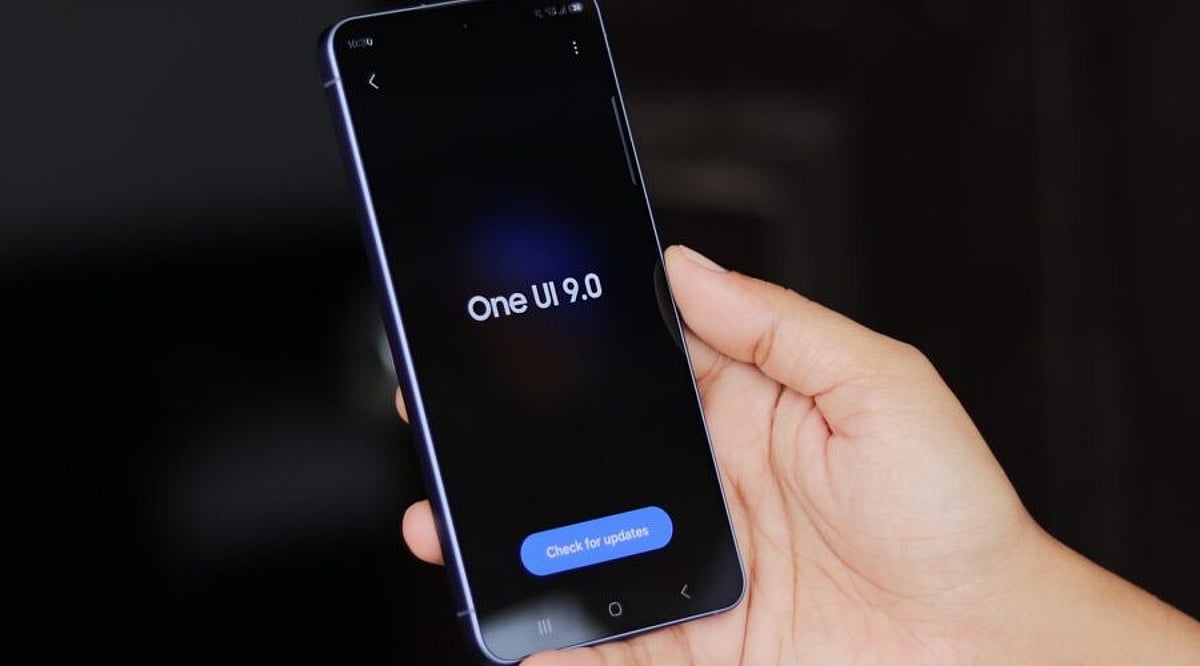
    One UI 9 Unveiled: How Android 17 Transforms Samsung Galaxy Phones

    Samsung’s One UI 9 update, built on Android 17, introduces a suite of Galaxy AI tools, enhanced privacy features, and practical interface improvements. The stable release first arrived on the Galaxy Z Fold8 Ultra, Galaxy Z Fold8, and Galaxy Z Flip8, with a broader rollout to the Galaxy S26 series beginning September 16.

    Galaxy AI Gets Smarter

    One of the standout features is My FanCam, which tracks a selected person in a recorded video, keeping them centered as the scene changes. Ideal for capturing children at events or friends in action, this feature requires a Samsung Account and performance may vary.

    Now Brief now includes Generative and Editable Cards, allowing users to customize daily summaries with health, weather, or video content. The new Now Nudge feature offers context-aware actions—for example, when chatting about a trip, it can surface reservation details or save shared locations without leaving the conversation.

    Creative Studio leverages calendar events to suggest themed images or greetings, such as a birthday card, integrating AI directly into everyday tasks.

    Enhanced Tools for Calls, Documents, and Daily Use

    The Interpreter translation tool gains a Thread View for easier conversation tracking, faster translation in Conversation Mode, and quicker audio playback on compatible Galaxy Buds. Language support varies by region and device.

    Document Scan now handles curved book pages and folded corners more effectively. Large-screen Galaxy devices get optimized scan views, and Finger Eraser receives an upgrade. Voice Recorder can generate summaries with headings and tables, making long recordings easier to navigate.

    A new Warranty and Care section in Settings provides warranty details, self-diagnostics, repair estimates, and access to Samsung Care+ or service appointments, though options vary by country and device.

    Stronger Privacy and Wider Rollout

    Security improvements include Security Brief, which adds malware alerts and permission warnings to Now Brief. Privacy Alerts use on-device AI to flag risks like unnecessary background access, while Scam Detection expands to India, Japan, Canada, and other markets.

    The Quick Panel now offers separate controls for brightness, sound, and media layout. Accessibility enhancements include adjustable Mouse Key speed, a combined TalkBack package, and Text Spotlight, which displays selected text in a larger floating window.

    As of September 29, the stable rollout has expanded beyond the Galaxy S26 series to the Galaxy S25 series in South Korea, with the Galaxy S25 FE and S25 Edge also receiving updates. Availability depends on device, carrier, and region.

    One UI 9 goes beyond a simple Android update, delivering Galaxy-specific AI, privacy tools, camera features, and interface refinements that put useful actions directly into everyday apps.

  • Tecno Camon 50 Ultra Review: A Camera-Focused Mid-Range Smartphone with Impressive Battery Life

    Tecno Camon 50 Ultra Review: A Camera-Focused Mid-Range Smartphone with Impressive Battery Life

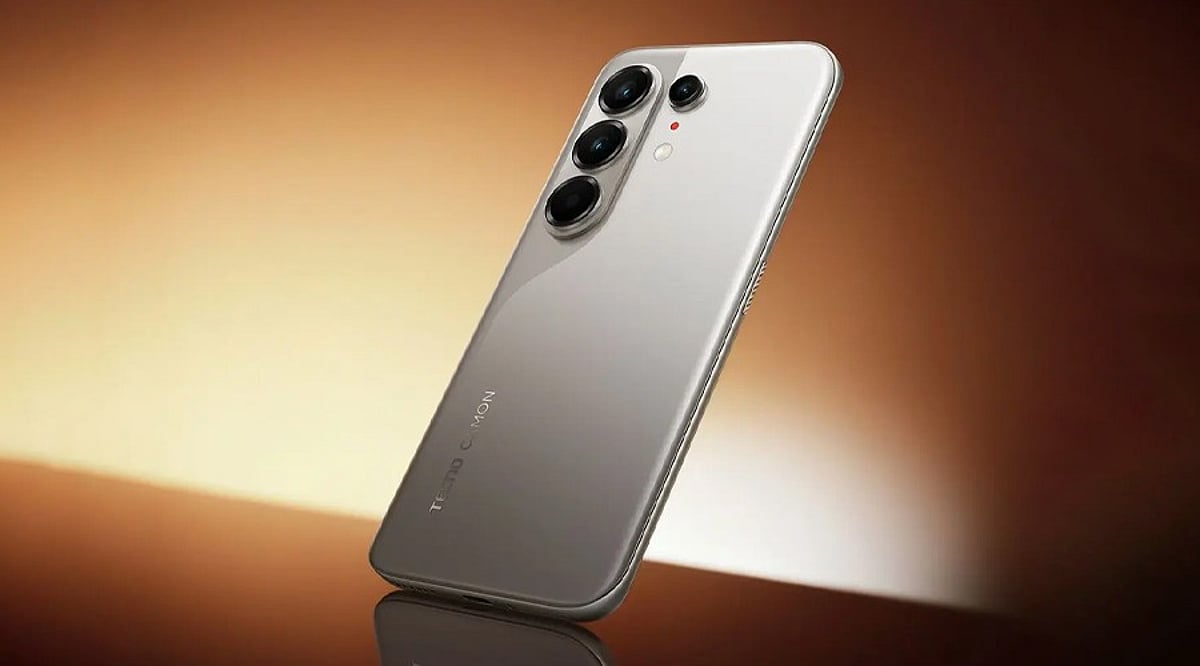
    The Tecno Camon 50 Ultra is a smartphone that positions itself as a high-end-looking mid-range device, prioritizing camera quality, design, and battery life over raw processing power. It combines a curved AMOLED display, a versatile multi-camera system with a dedicated telephoto lens, and a substantial 6,500mAh battery. Here is a detailed breakdown of what this phone offers.

    General Specifications

    The Tecno Camon 50 Ultra comes equipped with a 6.8-inch curved AMOLED screen offering a high refresh rate and vivid colors, ideal for media consumption. The device is powered by a mid-range processor that handles everyday tasks smoothly but is not designed for intensive gaming. Its triple rear camera setup includes a primary sensor, an ultra-wide lens, and a telephoto module for optical zoom capabilities. The front camera is also capable of high-resolution selfies. With 8GB of RAM and 256GB of internal storage, the phone provides ample space and multitasking capability. The 6,500mAh battery supports extended usage and fast charging.

    Pros and Cons

    Here are the key advantages and disadvantages of the Tecno Camon 50 Ultra:

    Pros

    • Premium curved AMOLED display with vibrant colors and good brightness
    • Versatile triple camera setup with a dedicated telephoto lens
    • Long-lasting 6,500mAh battery
    • Elegant design that resembles higher-end smartphones
    • Good value for money for everyday users

    Cons

    • Processor not suited for heavy gaming
    • 144Hz refresh rate is implemented poorly, causing occasional inconsistencies
    • No wireless charging support
    • Software experience may vary depending on region

    Final Verdict

    The Tecno Camon 50 Ultra delivers a balanced user experience by focusing on the aspects that matter most to photography enthusiasts and daily users. Its high-end appearance, bright curved AMOLED screen, good triple camera system with a separate telephoto lens, and impressive battery life fulfill the core expectations of its target audience. However, the processor is not built for gaming, and the 144Hz refresh rate implementation leaves room for improvement. Nevertheless, for its price point, the phone is a solid choice for everyday use and entertainment, making it a worthy contender in the mid-range segment.

  • Motorola Edge 70 Max Review: A Gaming-Focused Flagship with Stunning Specs

    Motorola Edge 70 Max Review: A Gaming-Focused Flagship with Stunning Specs

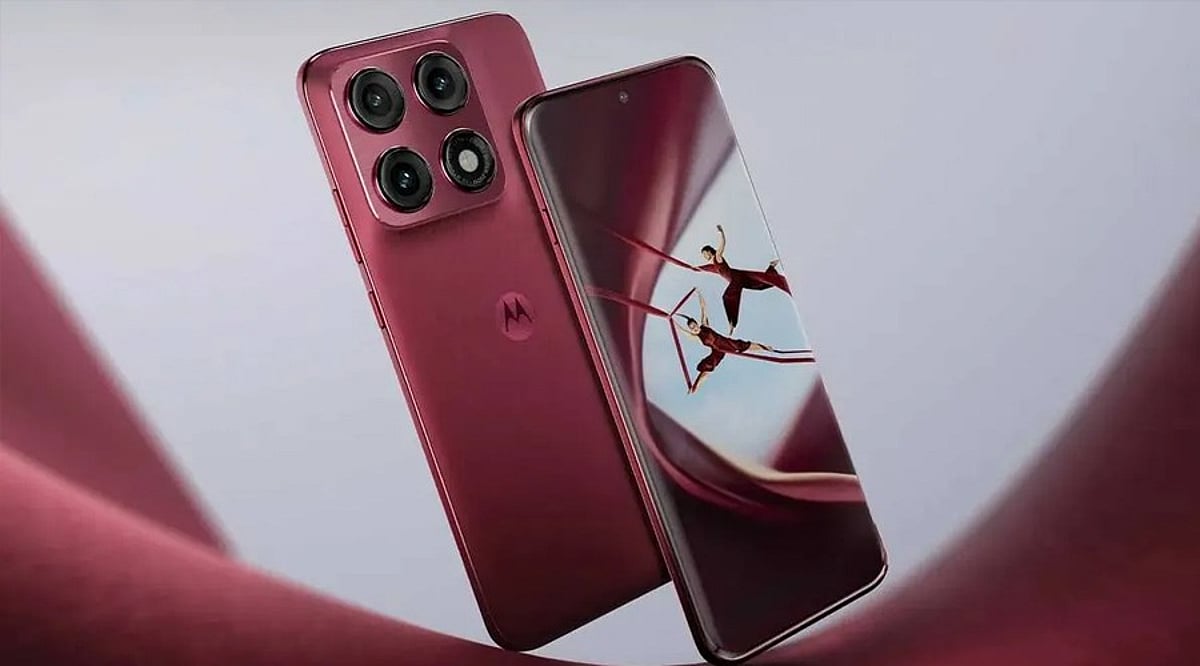
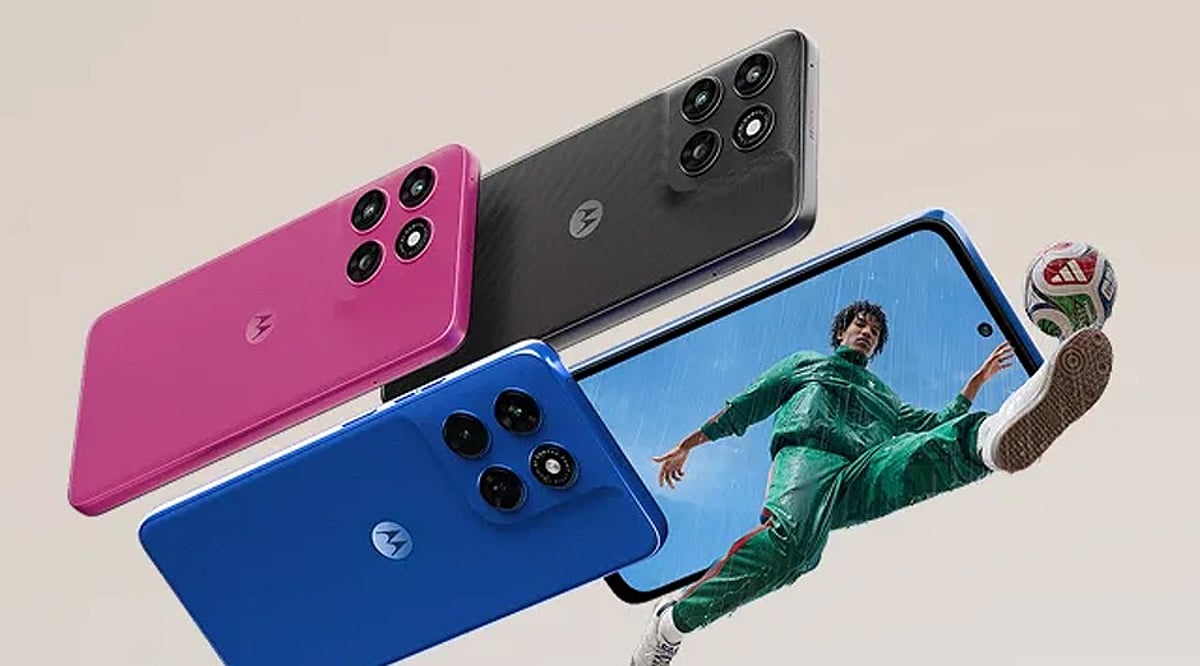
    The Motorola Edge 70 Max is a gaming smartphone that perfectly marries its gaming prowess with everyday functionality. Equipped with a Qualcomm Snapdragon 8 Gen 5 processor, a vibrant 2K LTPO AMOLED display, and a massive 7100mAh silicon-carbon battery, it delivers flagship-level performance that appeals to both gamers and power users.

    General Specifications

    • Processor: Qualcomm Snapdragon 8 Gen 5
    • Display: 2K LTPO AMOLED, high refresh rate
    • Battery: 7100mAh silicon-carbon cell
    • Charging: Qi2 magnetic wireless charging
    • Cooling: Advanced thermal management system
    • Software: Near-stock Android experience

    Pros and Cons

    Pros

    • Exceptional gaming performance with Snapdragon 8 Gen 5
    • High-resolution 2K AMOLED screen with smooth refresh rate
    • Large 7100mAh battery with silicon-carbon technology
    • Qi2 magnetic wireless charging support
    • Effective thermal management for sustained gaming

    Cons

    • Software update period shorter than some competitors
    • Outdoor screen visibility could be better

    Final Verdict

    The Motorola Edge 70 Max earns a solid 4 out of 5 stars. It emphasizes performance while preserving design and functionality. The combination of a flagship chipset, a gorgeous 2K AMOLED display, capable cameras, and a long-lasting silicon-carbon battery makes it a strong contender in the gaming smartphone segment. The addition of Qi2 magnetic wireless charging and a robust thermal management system further enhances the user experience. While the software support period is slightly behind key rivals and outdoor visibility has minor issues, these downsides are easily overshadowed by the phone’s overall strengths. For gamers and power users seeking a powerful daily driver, the Motorola Edge 70 Max is an excellent choice.

  • boAt Airdopes ProClip Review: Affordable Open-Ear Earbuds with Long Battery Life

    boAt Airdopes ProClip Review: Affordable Open-Ear Earbuds with Long Battery Life

    Overview

    The boAt Airdopes ProClip brings open-ear headphones with a light clip-on design that prioritizes comfort and environmental awareness. Equipped with 12mm dynamic drivers, Bluetooth 6.0, multi-point connectivity, and a high-capacity battery, these earbuds are ideal for extended listening sessions without the discomfort of in-ear models. While bass depth and call quality are lacking, the ProClip delivers solid performance for its budget price.

    Key Specifications

    • Driver Size: 12mm dynamic
    • Bluetooth Version: 6.0
    • Connectivity: Multi-point
    • Battery Life: High capacity (exact runtime not provided)
    • Design: Clip-on, open-ear

    Pros and Cons

    Pros

    • Comfortable and lightweight clip-on design
    • Good battery life for long sessions
    • Balanced audio suited for vocals, podcasts, and general music
    • Open-ear technology keeps users aware of surroundings

    Cons

    • Weak bass response
    • Below-average call quality
    • Multi-point connectivity not as effective as advertised

    Final Verdict

    The boAt Airdopes ProClip is a strong budget-friendly option in the open-ear category. It offers comfortable wear, long battery life, and balanced sound that works well for spoken-word content and light music. The open-ear design makes it suitable for sports, travel, and work where staying alert is important. The lack of deep bass and mediocre multipoint performance are trade-offs, but they are expected at this price point.

  • RedMagic Astra 2 Review: A Compact Android Gaming Tablet with a 185Hz OLED Display

    RedMagic Astra 2 Review: A Compact Android Gaming Tablet with a 185Hz OLED Display

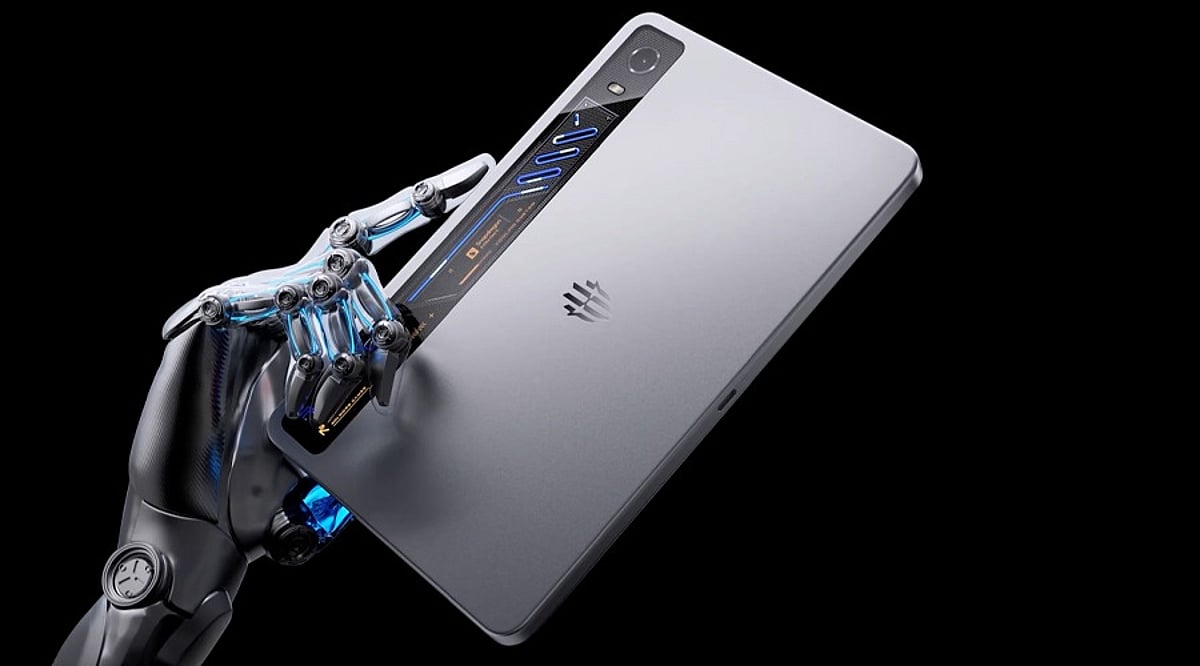
    The RedMagic Astra 2 is a small and compact Android gaming tablet designed for enthusiasts who demand top-notch performance in a portable form factor. Powered by the Qualcomm Snapdragon 8 Elite Gen 5 processor, it features a 9.06-inch OLED screen with an astonishing 185Hz refresh rate, an advanced liquid cooling system, and gaming-optimized software. Together, these specs deliver a superior gaming experience for an Android tablet.

    However, the device does exhibit significant performance throttling under heavy load and lacks cellular connectivity. Despite these drawbacks, it remains a strong contender in the Android gaming tablet market.

    Specifications at a Glance

    • Processor: Qualcomm Snapdragon 8 Elite Gen 5
    • Display: 9.06-inch OLED, 185Hz refresh rate
    • Cooling: Advanced liquid cooling system
    • Software: Gaming-optimized custom OS
    • Connectivity: Wi-Fi only (no cellular)

    Pros and Cons

    Pros

    • Exceptional gaming performance with top-tier processor
    • Ultra-smooth 185Hz OLED display
    • Effective liquid cooling reduces heat buildup
    • Compact and portable design
    • Dedicated gaming software for enhanced experience

    Cons

    • Noticeable performance throttling during sustained heavy use
    • No cellular connectivity for on-the-go data

    Final Verdict

    The RedMagic Astra 2 is an excellent Android gaming tablet that packs premium specifications into a small, portable body. The Snapdragon 8 Elite Gen 5 chipset, along with the lightning-fast 185Hz OLED display, robust cooling system, and specialized gaming software, create a truly immersive experience for casual and professional gamers alike. While the sustained throttling and lack of cellular support prevent it from being perfect, these issues are relatively minor given the tablet’s overall capabilities. For gamers seeking a dedicated, high-performance Android tablet, the RedMagic Astra 2 is a compelling choice.

  • Moto G77 Power Review: A Mid-Range Phone Built for Battery Endurance

    Moto G77 Power Review: A Mid-Range Phone Built for Battery Endurance

    Introduction

    The Moto G77 Power is a mid-tier smartphone designed for users who prioritize battery life over raw performance. With a massive 7,000mAh battery, MediaTek Dimensity 6400 processor, Sony LYTIA 600 camera, and Motorola’s intuitive Hello UI, this phone delivers reliable day-to-day performance and exceptional battery longevity. While its LCD screen and limited software compatibility hold it back from being the best in its class, it remains a compelling option for those who need a phone that lasts.

    Key Specifications

    • Battery: 7,000mAh
    • Processor: MediaTek Dimensity 6400
    • Camera: Sony LYTIA 600
    • Operating System: Motorola Hello UI
    • Display: LCD
    • Speakers: Stereo
    • Build: Vegan leather finish

    Pros and Cons

    Pros

    • Exceptional battery life (up to two days)
    • Intuitive Hello UI design
    • Reliable day-to-day performance
    • Premium vegan leather finish
    • Decent camera for portraits and selfies
    • Stereo speakers enhance media experience

    Cons

    • LCD screen cannot match AMOLED rivals
    • Mediocre gaming performance
    • Software updates still fall short

    Final Verdict

    The Moto G77 Power excels in the most critical area for many users: battery life. The 7,000mAh battery provides up to two days of usage, while the Hello UI and reliable performance make it a joy to use daily. The vegan leather finish adds a touch of luxury, and the Sony camera is adequate for casual photography. However, the LCD display, gaming limitations, and ongoing software update issues prevent it from being a top-tier contender. Overall, it earns a solid 4 out of 5 stars.

  • What to Check in Wi-Fi Mesh Software Support Before You Buy

    What to Check in Wi-Fi Mesh Software Support Before You Buy

    Wi-Fi mesh software support affects security, stability, compatibility, roaming, and long-term value. Firmware records, update policies, Wi-Fi 7 support, and end-of-life terms deserve careful attention before making a purchase.

    Check the Update Record, Not Just the Promise

    A manufacturer’s update history says more than a broad promise of future support. eero, for example, publishes detailed release notes. Its eeroOS 7.17.1 release on September 11, 2026 fixed intermittent disconnects on Wi-Fi 7 networks, addressed a HomeKit Secure Router issue, and added performance and stability improvements. Earlier releases in August also added protection against the NatJack router vulnerability. eero says new software reaches customer networks within a few weeks of public release.

    Google also provides a public record for Nest WiFi software. Its latest listed Nest WiFi Pro release, dated February 23, 2026, added mesh performance and robustness improvements plus stability and security fixes. Google WiFi and Nest WiFi also received security and stability fixes in April 2026. Automatic updates form part of the system, while the Google Home app shows the current software version.

    This history matters more than a claim such as ‘future updates included.’ A product with a clear release archive offers a better view of how a company handles faults, security issues, and network performance after launch.

    Confirm Mesh Compatibility Before Adding Nodes

    Mesh support does not mean universal compatibility. TP-Link offers several separate mesh platforms, including Deco, OneMesh, EasyMesh, and Omada EAP Mesh. These systems do not form one unified mesh network. TP-Link states that Deco, OneMesh, EasyMesh, and Omada use different software and technology, so seamless roaming across those families does not work.

    EasyMesh also requires careful model checks. Some TP-Link products need a firmware update before EasyMesh support becomes available. TP-Link advises buyers to check the exact product page, hardware version, and firmware details before upgrading or expanding a mesh network. That detail can prevent a costly mistake. A router and satellite may share the same brand name yet belong to separate software ecosystems. The result can be separate networks rather than one smooth mesh, with no seamless roaming between them.

    Look Closely at Wi-Fi 7 Software Support

    Wi-Fi 7 adds features such as Multi-Link Operation (MLO), plus access to the 6 GHz band and other improvements that can raise network capacity and reliability. Yet new hardware also brings new software issues.

    NETGEAR’s August 2026 firmware release for the WBE708 fixed a problem that could cause instant mesh to fail in 802.11be mode. The same release listed a known issue where some MLO clients could fail to connect when band steering remained active.

    TP-Link’s Deco BE95 provides another clear example. Its 2026 firmware record lists stability and security improvements, plus a fix for failed satellite firmware updates. Earlier releases addressed MLO client display errors, IPv6 problems, roaming behavior, and other device-specific faults.

    These examples show why Wi-Fi 7 support should involve more than a Wi-Fi 7 logo on the box. Release notes should show active work on MLO, roaming, backhaul, security, and client compatibility.

    Check Security Support and End-of-Life Rules

    Security support deserves the same attention as speed. NETGEAR’s June 2026 security advisory lists fixes for several Orbi and Nighthawk products. The advisory also marks some older models as End-of-Support (EoS). NETGEAR states that EoS products no longer receive security updates and recommends replacement for continued support.

    That policy makes the product’s support life important at the point of purchase. A lower-cost mesh kit may look attractive if the hardware meets current needs, but an older platform with a short support window can create problems later.

    Check the App, Web Controls, and Backhaul Options

    Software support also covers daily network control. A good mesh platform should offer clear setup, device details, network diagnostics, parental controls, guest access, and useful firmware controls. A web interface can add value for users who prefer a larger management screen rather than a phone app.

    Backhaul support also matters. Ethernet backhaul can give satellite nodes a wired path to the main router, while wireless backhaul relies on radio links. TP-Link’s current comparison notes that Deco supports Ethernet backhaul and that Deco Mesh uses 802.11k/v/r roaming, while OneMesh and EasyMesh use 802.11k/v.

    The best software support is not a long feature list. It is a clear record of fixes, security care, exact compatibility, and continued attention to the problems that appear after real homes place dozens of devices on a mesh network.

    Frequently Asked Questions

    1. Why does software support matter for a Wi-Fi mesh system? Software controls important functions such as security, stability, roaming, compatibility, and network performance after purchase.
    2. Is every mesh product from the same brand compatible? No. Brands can offer separate mesh platforms that do not form one unified network.
    3. What should Wi-Fi 7 software support include? Key areas include Multi-Link Operation (MLO), 6 GHz support, roaming, backhaul performance, security fixes, and client compatibility.
    4. Why should firmware release notes be checked before purchase? Release notes show how often a company fixes security problems, connection faults, compatibility issues, and other software defects.
    5. What does End-of-Support mean for a mesh router? End-of-Support means the product may no longer receive security updates, which can make replacement necessary for continued support.