
Category: Home Electronics

  • 2026 Air Coolers: Top Picks for Efficient, Low-Power Cooling During Summer Heat

    2026 Air Coolers: Top Picks for Efficient, Low-Power Cooling During Summer Heat

    Beat the scorching summer heat with the best air coolers of 2026, which combine powerful airflow, large water tanks, and energy-saving performance. From compact personal coolers to heavy-duty desert coolers, discover top models designed for every room size and climate condition. Explore smart features like honeycomb cooling pads, inverter compatibility, low-noise operation, and ice chambers for faster and longer cooling comfort.

    Top-Rated Air Coolers in India 2026 for Maximum Cooling Performance

    Modern air coolers have evolved significantly, offering efficient airflow, improved cooling pad designs, and enhanced energy efficiency. Customers now prioritize strong airflow, room coverage, extended cooling hours, and minimal impact on monthly electricity costs. Desert air coolers remain highly sought after for their excellent ability to deliver maximum cooling performance, especially with multi-directional airflow and large coverage areas. Other trends include auto-fill systems, ice chambers, and low-maintenance cooling pads, all of which improve comfort and cooling efficiency. Portable air coolers have also gained popularity due to their compact size and low power consumption.

    Best Air Coolers for Extreme Heat and High Temperature Regions

    In regions where temperatures exceed 40°C, desert air coolers are essential. These units are designed for dry and hot areas, using both airflow and water systems to lower room temperature. Top models feature big water tanks, high air delivery, honeycomb cooling pads, and ice compartments. Many are inverter-compatible, making them ideal for areas with frequent power outages. Proper ventilation remains crucial for optimal performance.

    Best Portable Air Coolers for Home Use in 2026 (Compact & Powerful)

    Portable air coolers are lightweight and easy to move between bedrooms, apartments, studies, and offices. Despite their size, they offer impressive cooling performance and consume less power than air conditioners. They require minimal installation and maintenance, making them perfect for rented homes and small apartments. Inverter compatibility adds value during blackouts.

    High Airflow Air Coolers: Models with Strong Fan Speed and Coverage

    Designed for larger spaces, high-airflow coolers prioritize air delivery, high throw, and rapid cooling. They are suitable for living rooms, hallways, shops, and semi-outdoor areas. Many feature advanced fan systems and high-CMH ratings for even cold air distribution. Additional features include multiple airflow directions, turbo cooling, and high-capacity cooling pads. Large water tanks reduce the need for frequent refills.

    Best Air Coolers with Ice Chamber for Faster Cooling in Summer

    Ice chamber coolers allow users to add ice cubes directly for faster, colder airflow. They are especially effective during extreme afternoon heat. Modern versions combine ice chambers with honeycomb pads and efficient fans. Large water tanks and long air throw extend cooling duration. These coolers are portable, often with wheels, and consume less energy than ACs.

    Low Noise Air Coolers for Bedrooms and Night Use

    Noise levels are critical for bedrooms and nighttime use. Manufacturers now produce coolers with vibrationless motors, advanced fans, and sleep modes. Personal coolers operate quietly compared to desert coolers. Honeycomb pads ensure quiet airflow. Inverter compatibility is also common. These coolers eliminate disturbances during work, study, and sleep.

    Best Air Coolers for Humid vs Dry Climate: What Works Best?

    Desert air coolers excel in dry regions because of efficient evaporation. They have large reservoirs and thick pads. Personal air coolers are better in humid climates, where high humidity hampers evaporation. Modern coolers offer adjustable fan speeds and humidity-friendly airflow settings.

    Air Coolers with Inverter Compatibility for Power Cuts and Backup

    Inverter-friendly coolers are indispensable in areas with frequent power cuts. They use energy-saving motors and improved airflow design to run efficiently on home inverters. Portable and personal models are widely used, while larger desert coolers with inverter support are ideal for big rooms.

    Top Air Coolers with Honeycomb Cooling Pads for Better Efficiency

    Honeycomb cooling pads are superior to traditional wood wool pads. They retain water better, improve airflow, and require less maintenance. Their structure enhances evaporation for cooler air even in extreme conditions. Combined with powerful fans and large tanks, these coolers deliver low noise and high efficiency.

    Best Air Coolers with Large Water Tank Capacity for Long Cooling Hours

    Coolers with 50L–100L water tanks provide continuous cooling without frequent refills. This is ideal for large rooms and hot summer nights. Some models include auto-fill and ice chambers. They are portable, have castor wheels, and are energy-saving with inverter compatibility.

    Cooler Maintenance Guide

    Regular maintenance extends the life of your air cooler. Clean the tank frequently to avoid dirt and bacteria. Replace cooling pads regularly to prevent dust clogging. Always use fresh water and ensure proper ventilation for optimal cooling efficiency.

    Cooler Buying Guide

    Choosing the right cooler involves more than tank size. Consider air delivery (CMH), room size, cooling pad type (honeycomb vs. wood wool), energy consumption, portability (wheels), and balance between tank capacity and cooling performance.

    Final Thoughts

    Selecting the ideal air cooler requires evaluating room dimensions, climate, airflow capacity, energy savings, and maintenance needs. Whether it’s a small portable unit or a large desert cooler, features like honeycomb pads, inverter compatibility, ice chambers, and large water tanks significantly improve performance and user experience.
  • 2026 Air Conditioner Buying Guide: How to Pick the Perfect AC for Your Home

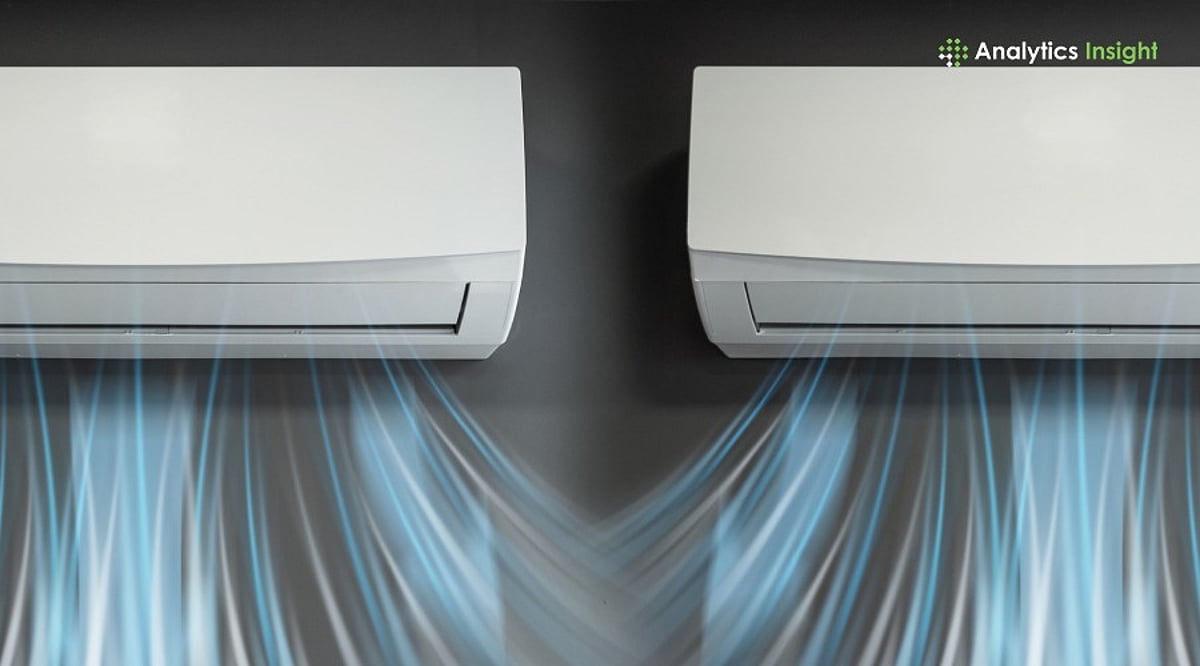
    2026 Air Conditioner Buying Guide: How to Pick the Perfect AC for Your Home

    Summer in India is growing longer and more intense each year, making air conditioners essential for most households. However, buying an AC today involves more than just picking the brand with the best discount. With many options available, each choice affects cooling efficiency and electricity consumption.

    Many people base their purchase solely on price, only to end up with high electricity bills and poor cooling. Proper selection requires matching the room’s cooling needs with the right unit. Ignoring factors like room size, sunlight exposure, insulation, and occupancy can lead to unsatisfactory results.

    Technological advancements add complexity. Inverter ACs offer energy efficiency and consistent cooling, while non-inverter models are cheaper upfront. Star ratings measure efficiency, but their value depends on usage frequency. Popular brands like LG, Daikin, Voltas, and Samsung offer numerous models, but the right choice depends on individual requirements rather than brand preference.

    This guide walks you through a step-by-step approach to selecting the best AC for your home or business—from unit size and type to energy efficiency and power consumption. It also covers pre-purchase considerations and common mistakes to avoid.

    How to Choose the Best Air Conditioner for Your Home

    The selection process should start by analyzing room conditions, not by picking a random model. Cooling capacity is influenced by room dimensions, ceiling height, sunlight, insulation, and the number of occupants. A small bedroom with limited sunlight behaves differently from a large, sunlit living room.

    The AC’s capacity—measured in tons—is the key criterion. An undersized unit cannot cool properly and runs continuously, increasing energy costs. Modern inverter ACs from LG and Daikin adjust compressor speed based on demand, maintaining consistent temperatures and reducing power usage—especially beneficial in India’s fluctuating climate.

    Usage pattern matters too. Bedrooms need long cooling hours, making inverter models from Samsung or Voltas ideal. Living rooms used briefly may not require advanced modulation. Energy savings are critical for long-term cost reduction, and high-star models from Blue Star and Hitachi help lower bills. Noise level is also important, especially for bedrooms and studies; split ACs are quieter than window units.

    Smart features like Wi-Fi connectivity and AI-driven cooling, available on LG and Samsung models, add convenience but should not distract from core considerations like efficiency.

    1 Ton vs 1.5 Ton vs 2 Ton AC: Which Is Right for You?

    Choosing the correct capacity directly impacts cooling performance and power consumption. Knowing the differences between 1-ton, 1.5-ton, and 2-ton ACs helps avoid a common mistake.

    • 1 Ton: Suitable for rooms up to 120 square feet, especially compact bedrooms with low sunlight.
    • 1.5 Ton: Ideal for rooms between 120 and 180 square feet.
    • 2 Ton: Best for larger spaces above 180 square feet or rooms with high heat load.

    Brands like Voltas and Blue Star offer reliable options across segments. Daikin and Hitachi provide high-performance models that handle extreme heat due to advanced compressor design. Room size alone doesn’t determine capacity: sunlight exposure, insulation, occupancy, and electronic devices all contribute to cooling demand. West- or south-facing rooms may need higher tonnage. Poor insulation allows heat ingress, increasing load.

    Choosing a lower capacity to save money often backfires, resulting in longer runtime and higher bills. Slightly oversizing can improve cooling performance in hot climates.

    AC Room Size Calculator: Determining the Right Capacity

    A room-size calculator simplifies selection by converting room conditions into the appropriate capacity. Start by measuring length and width to get square footage. For example, a 10×12 room is 120 sq ft. Adjust for sunlight: rooms with direct sun may need 10-15% extra capacity. Higher ceilings increase air volume. Electronic devices also add heat load.

    General guideline:

    • Up to 120 sq ft → 1 Ton
    • 120-180 sq ft → 1.5 Ton
    • 180-250 sq ft → 2 Ton

    These numbers serve as a base; actual conditions may vary. Brands like Daikin and Hitachi excel in high-heat scenarios.

    Split AC vs Window AC: Which Is Better for Home Use in 2026?

    Split and window ACs differ in design, operation, and user experience. Split systems have indoor and outdoor units, offering quieter operation and better airflow. LG, Daikin, and Samsung specialize in these. Window ACs combine everything in one unit, making them easier to install and more affordable. Voltas and Blue Star are key manufacturers.

    Split ACs generally provide more even cooling, lower noise, and slightly better energy efficiency. They also look sleeker. However, maintenance involves both units. The choice depends on budget and room requirements.

    Inverter AC vs Non-Inverter AC: Which One Should You Buy in 2026?

    The main difference lies in compressor operation. Inverter ACs adjust compressor speed based on demand, delivering steady temperatures and lower energy consumption. LG, Daikin, and Samsung lead in this technology. Non-inverter ACs run at full speed and cycle on/off, which causes temperature fluctuations and higher power usage. Voltas and Blue Star offer affordable non-inverter models.

    Inverter models cost more upfront but save money over time through reduced electricity bills. For daily long-hour use, inverters are preferable; for occasional use, non-inverters may suffice. Modern inverter systems have improved durability and are now the preferred choice for most households.

    Best Energy-Efficient AC in India: 5-Star vs 3-Star Comparison

    Energy efficiency directly affects electricity bills. The Bureau of Energy Efficiency (BEE) star rating indicates efficiency: a 5-star AC consumes significantly less power than a 3-star model of the same capacity. For units running 6-10 hours daily, the savings are substantial.

    Top brands like LG, Daikin, and Hitachi offer efficient models with advanced compressors. Voltas and Blue Star provide 3-star options that are cheaper upfront but may cost more in the long run. In hot regions, a 5-star AC pays off quickly.

    How Much Electricity Does an AC Consume?

    Electricity consumption depends on capacity, usage, and efficiency. A 1-ton AC typically uses 0.8-1 unit per hour; 1.5-ton uses 1.2-1.5 units; 2-ton up to 2 units. Inverter ACs minimize consumption by running only as needed, while non-inverters consume more due to start-stop cycles.

    Setting the thermostat to 24-26°C is ideal. Room conditions like insulation, open windows, and sun exposure affect usage. Regular maintenance—clean filters and adequate refrigerant—keeps performance optimal.

    Top AC Brands in India 2026

    • LG: Known for smart features, AI cooling, and inverter technology.
    • Daikin: Focus on performance and durability, strong cooling in extreme heat.
    • Voltas: Value for money, wide service network even in smaller cities.
    • Samsung: Sleek design and smart connectivity.
    • Blue Star & Hitachi: Reliable cooling performance.

    Service availability should guide your final decision—a strong local service network is more important than brand reputation alone.

    Things to Check Before Buying an Air Conditioner (Expert Checklist)

    • Capacity: Match to room size and conditions.
    • Energy rating: Higher star rating reduces long-term costs.
    • Condenser coils: Copper coils offer better durability and heat transfer.
    • Installation requirements: Include piping, brackets, labor costs.
    • Noise levels: Especially important for bedrooms.
    • Filters: Anti-dust and anti-bacterial improve air quality.
    • Warranty: Compressor warranties often up to 10 years.
    • After-sales service: Availability of service centers and response times.
    • Electrical compatibility: Ensure proper voltage and power supply.

    Common AC Buying Mistakes to Avoid in 2026

    • Wrong capacity: Undersizing leads to poor cooling and high bills; oversizing causes inefficiency.
    • Ignoring energy ratings: Leads to higher long-term costs.
    • Choosing brand over service: Even top brands fail without good local support.
    • Overlooking installation costs: Can significantly increase total expense.
    • Buying based on discounts or season without research.
    • Neglecting room conditions like sunlight and insulation.
    • Skipping maintenance: Regular servicing ensures efficiency and longevity.

    Conclusion

    Buying an air conditioner requires more than comparing prices and brands. A structured approach ensures better performance, lower electricity bills, and long-term satisfaction. Start with correct capacity selection, then consider inverter vs non-inverter, energy ratings, and brand service network. By following the expert checklist and avoiding common pitfalls, you can make an informed choice that keeps your home comfortable for years.