Category: Mobile Phones

  • Poco X8 Spotted on NBTC and IMDA Certifications, 5G Connectivity Confirmed

    Poco X8 Spotted on NBTC and IMDA Certifications, 5G Connectivity Confirmed

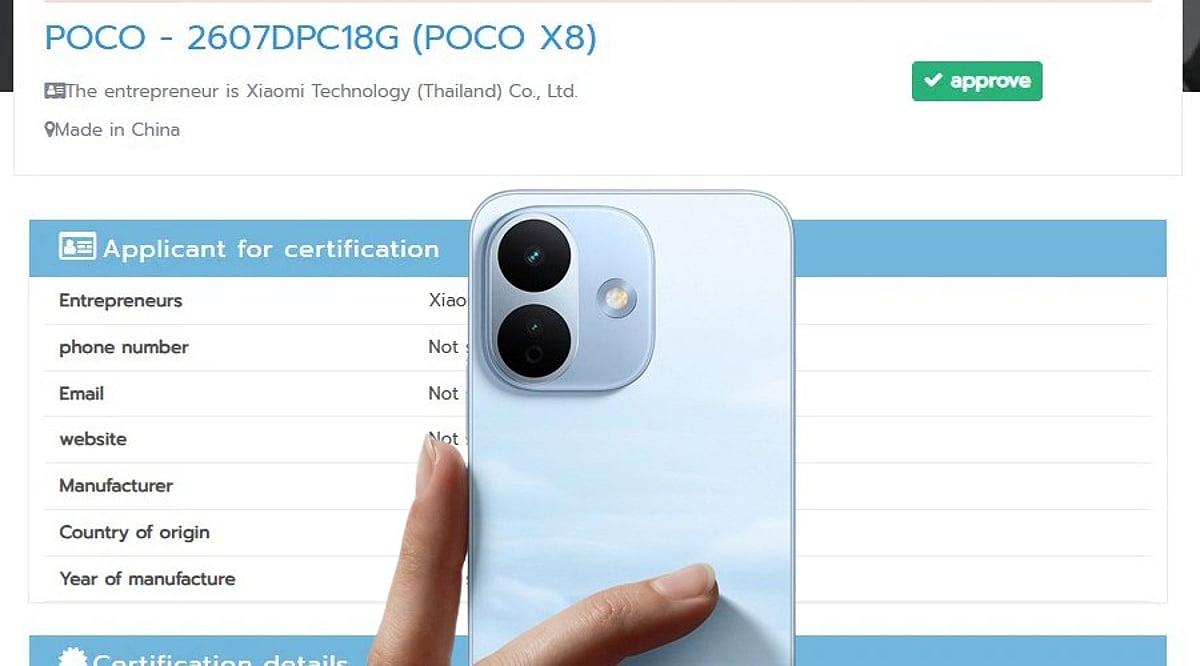
    The Poco X8 has been spotted on the NBTC website in Thailand and the IMDA database in Singapore, signaling that the mid-range smartphone is gearing up for a global launch. The NBTC listing reveals the model number 2607DPC18G and certification number B38497-26, along with support for GSM, WCDMA, LTE, and NR networks — confirming 5G connectivity.

    Separately, the same model number appeared on the IMDA certification platform, which adds Bluetooth, Wi-Fi, and NFC connectivity to the list of confirmed features. These certifications are typically obtained only when a device is in the final stages of preparation for market release, making them strong indicators of an imminent launch.

    Expected Specifications and Market Plans

    While the listings do not reveal full specifications, rumors suggest the Poco X8 will feature a 50-megapixel primary rear camera paired with a 2-megapixel depth sensor. India is expected to be among the first markets to receive the device, with a potential launch within the current quarter.

    There are also reports that the Poco X8 could be based on the Redmi Note 17 Pro, which launched in China earlier this month. Poco has followed a similar rebadging strategy with several previous models, though the company has not officially confirmed any connection.

    India as a Key Market

    India has historically been a crucial market for Poco’s X-series lineup, and industry experts believe the Poco X8 will arrive in the country shortly after its global debut. For now, the company is keeping the processor, display, battery, and pricing details under wraps, with more information expected closer to the official announcement.

    The successive certifications make one thing clear: the Poco X8 is ready to enter the market, and the wait may not be much longer.

  • ZENO 100 Pro Smartphone and Powerbanks Launched: Affordable Durability and Fast Charging

    ZENO 100 Pro Smartphone and Powerbanks Launched: Affordable Durability and Fast Charging

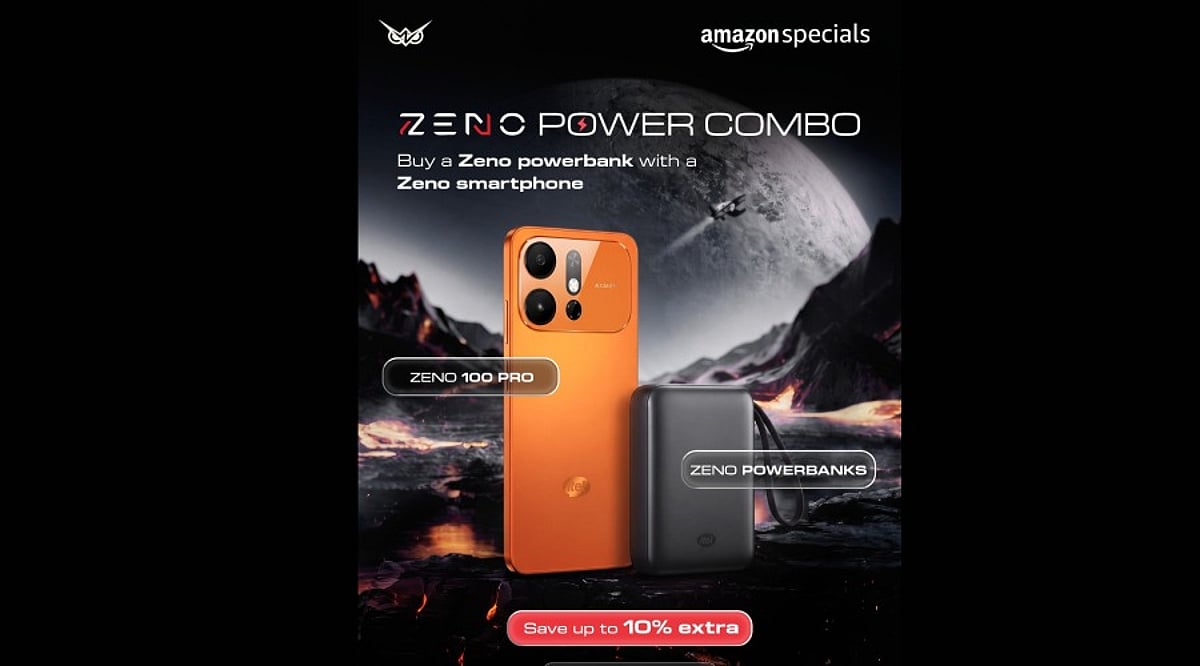
    ZENO, a brand under itel, has announced the launch of its powerful combo: the ZENO 100 Pro smartphone and ZENO powerbanks. The ZENO 100 Pro is being touted as the segment’s most affordable smartphone, equipped with military-grade durability (MIL-STD-810H certification) and Ultralink technology for connectivity even in areas without network coverage.

    The smartphone features a 6.6-inch 90Hz HD+ display with DTS-powered sound, a dynamic bar for notifications, and an IR blaster for remote control of appliances. It runs on Android 15 Go with an octa-core Unisoc T7100 processor, offers 3+5GB RAM and 64GB ROM, and includes a 5000mAh battery with 10W charging. Available in Comet Orange, Cloud White, and Black, it is priced at just Rs. 8,599 on Amazon.

    Alongside the phone, ZENO introduced two powerbanks: a 20,000mAh model with 45W fast charging (PD 3.0, QC 3.0, Apple 2.4A), dual output ports, and a digital display, priced at Rs. 2,069 (with an additional 10% discount). The 10,000mAh powerbank features 22.5W fast charging, a twisted lanyard lock cable, and a compact 176g design, available at Rs. 1,299.

    Mr. Arijeet Talapatra, CEO of itel India, stated, “The ZENO Series is a cult in itself – a statement that trendy things can be affordable. Built to complement the hustle of Gen Zs, the all-new ZENO products bring the perfect fusion of design and affordability.”

    Now available on Amazon, the ZENO 100 Pro and powerbanks offer a compelling package for budget-conscious consumers seeking durability and performance.

  • Android 17 Eases iPhone-to-Android Switching with Expanded Data Transfer

    Android 17 Eases iPhone-to-Android Switching with Expanded Data Transfer

    Google has started rolling out Android 17, bringing a major improvement for iPhone users considering a switch to Android. The updated Android Switch feature now enables users to transfer a broader range of personal data during initial phone setup without the need for additional apps.

    The update is currently available on supported Pixel phones and Samsung Galaxy Z Flip 8 and Galaxy Z Fold 8 devices. Google has confirmed that more Android phones will receive the feature in the coming months.

    Previously limited to photos and contacts, the new transfer tool now supports moving Google Account details, passwords, passkeys, Wi-Fi settings, eSIM information, messages, call history, alarms, notes, files, and some app data wirelessly. Users simply scan a QR code to connect both phones and select the data they want to transfer.

    “We worked with Apple to overhaul the iOS to Android transfer process to ensure your data moves with you,” Google stated. The company added that messages, passwords, favorite apps, home screen layout, and eSIM details can now move directly to a new Android phone.

    The transfer occurs during new Android device setup. After selecting the option to copy data from an iPhone or iPad, the Android phone generates a QR code. Scanning the code connects both devices and begins the wireless transfer. Google recommends keeping both phones connected to Wi-Fi, charging them beforehand, and ensuring sufficient storage on the new phone.

    Some data still requires separate handling. iCloud-only photos, Safari bookmarks, Apple Health data, and paid iPhone apps do not transfer automatically. However, Android 17 also facilitates moving WhatsApp chats, switching from iMessage to Google Messages, and transferring iCloud Photos to Google Photos, making the overall switching process significantly smoother.

  • eSIM vs. Physical SIM: Key Differences and How to Decide

    eSIM vs. Physical SIM: Key Differences and How to Decide

    With more smartphones supporting eSIM technology, many users are questioning whether to make the switch from traditional physical SIM cards. Both options have distinct advantages, and the right choice depends on your lifestyle, device compatibility, and personal preferences.

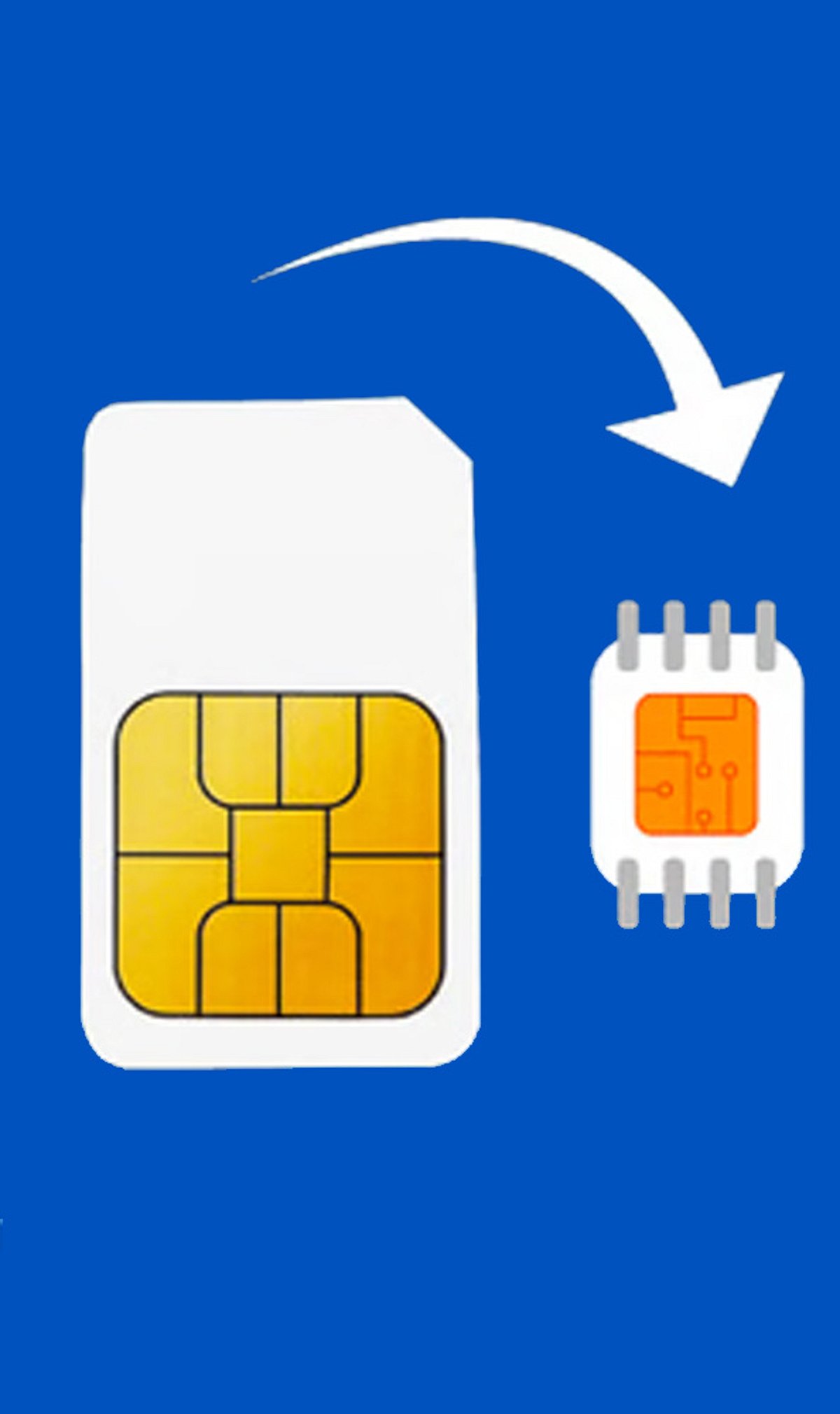
    A physical SIM is a removable card that can be easily transferred between compatible devices without additional setup. In contrast, an eSIM is embedded directly into the phone, allowing users to activate a mobile plan digitally without inserting a physical card.

    Frequent travelers often benefit from eSIM because they can quickly switch between carriers and international data plans without changing SIM cards. Many modern flagship smartphones also support dual SIM functionality using a combination of eSIM and physical SIM, offering greater flexibility.

    However, for users who rely heavily on banking OTPs and need to switch devices quickly, physical SIM cards may still provide a simpler recovery experience in some situations. Additionally, eSIM technology reduces the risk of losing or damaging a removable SIM card while saving internal device space.

    Before switching, it is essential to confirm that both your smartphone and mobile carrier fully support eSIM activation and transfer features. Ultimately, whether you choose eSIM or a physical SIM depends on your travel habits, security needs, device compatibility, and personal preferences.

  • Honor Pad X9 Max Launches: 13-Inch 120Hz Display, 45W Fast Charging, and Android 16

    Honor Pad X9 Max Launches: 13-Inch 120Hz Display, 45W Fast Charging, and Android 16

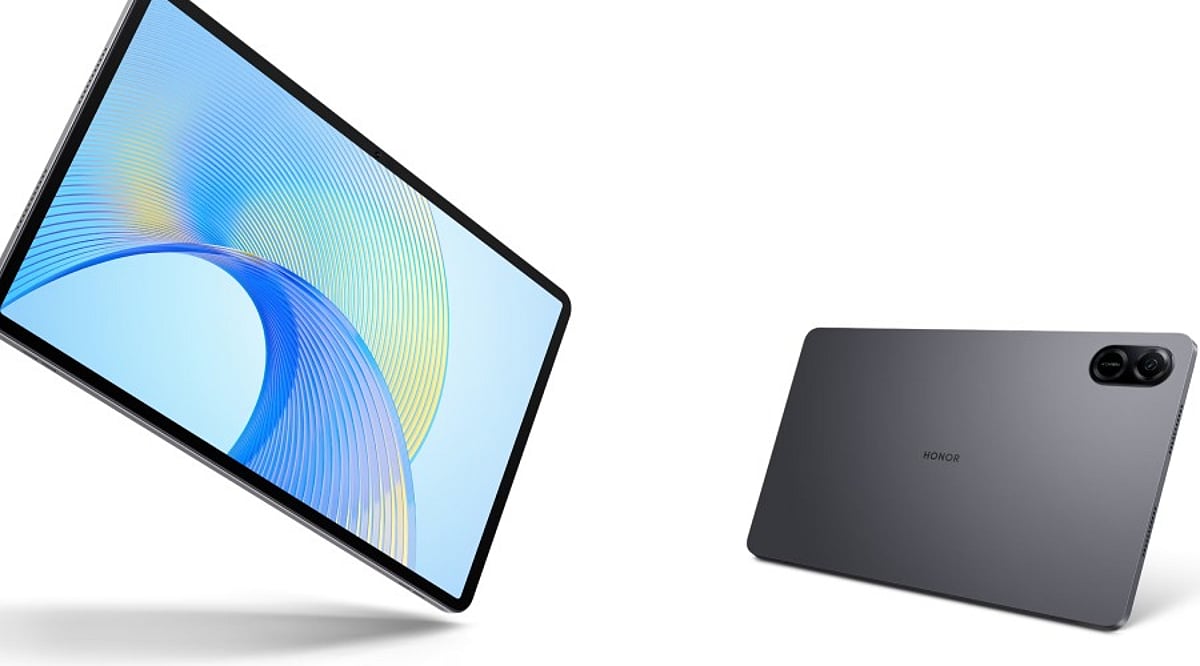
    Honor has officially expanded its tablet lineup with the release of the Honor Pad X9 Max in select global markets. The new device caters to users seeking a large, high-refresh-rate display, robust battery life, and productivity-focused features. Initially available in the UK, the tablet is expected to roll out to other regions, though an India launch date has not yet been confirmed.

    Honor Pad X9 Max Price and Availability

    The Honor Pad X9 Max is priced starting at £349.99 (approximately ₹45,000) for the base model with 4GB of RAM and 128GB of storage. A higher-end variant with 6GB of RAM and 256GB of storage retails for £449.99 (around ₹58,000). The tablet is offered in a Gray color option and is available for purchase via the official Honor website in select markets. Official pricing and release details for India remain unannounced.

    Display and Visual Experience

    The Honor Pad X9 Max features a 13-inch LCD display with a 2.5K resolution (2500×1560 pixels) and a 120Hz refresh rate. The screen achieves a peak brightness of 700 nits and supports 1.07 billion colors. For eye comfort, the tablet includes DC dimming, hardware-based low blue light technology, and a paper-like display mode. It also carries TÜV Rheinland certifications for low blue light, flicker-free viewing, and paper-like display quality.

    Performance and Battery

    Under the hood, the device is powered by the Snapdragon 6s 4G Gen 2 chipset, paired with either 4GB or 6GB of RAM. The tablet packs a substantial 10,100mAh battery that supports 45W SuperCharge technology. Honor claims up to 16 hours of video playback, 13 hours of reading, and up to 90 days of standby time under specific conditions. The tablet runs on MagicOS 10, based on Android 16, which brings AI Memo, a desktop-like file manager, and cross-platform file sharing compatible with Android, iOS, HarmonyOS, Windows, and macOS.

    Camera, Audio, and Accessories

    The Honor Pad X9 Max is equipped with a 5MP front-facing camera and a 5MP rear camera. Audio is handled by four speakers with IMAX Enhanced compatibility. Connectivity options include Wi-Fi 5, Bluetooth 5.1, and a USB Type-C port. The tablet is compatible with the Honor Magic Pencil 4s stylus and the Smart Bluetooth Keyboard, enabling enhanced productivity and creative workflows.

    With its combination of a large, high-refresh-rate display, long-lasting battery, and modern software, the Honor Pad X9 Max positions itself as a strong contender in the mid-range tablet segment. As Honor continues to expand its global presence, the X9 Max is expected to attract users looking for a versatile device for entertainment, work, and everyday use.

  • Today’s Tech Roundup: Samsung Galaxy Z Fold 8, iPhone 18 Pro Leak, Google Gemini AI, and Healthcare AI Advances

    Today’s Tech Roundup: Samsung Galaxy Z Fold 8, iPhone 18 Pro Leak, Google Gemini AI, and Healthcare AI Advances

    Samsung is gearing up to launch the Galaxy Z Fold 8 and Flip 8, while Apple leaks reveal significant camera upgrades for the iPhone 18 Pro. In parallel, doctors are adopting AI faster than hospitals, Google is expanding its Gemini AI capabilities, and innovation continues to reshape the tech industry.

    Stay ahead of the curve with the latest developments in mobile technology, artificial intelligence, and healthcare innovation. Join our WhatsApp Channel to get the latest news, exclusives, and videos on WhatsApp.

  • Samsung Galaxy Z Fold 8 and Z Flip 8 Launch in India with AI Upgrades and Refined Designs

    Samsung Galaxy Z Fold 8 and Z Flip 8 Launch in India with AI Upgrades and Refined Designs

    Samsung has officially launched the Galaxy Z Fold 8 and Galaxy Z Flip 8 in India, introducing slimmer designs, flagship processors, advanced AI features, upgraded displays, and improved durability. The devices were unveiled during the Galaxy Unpacked Event in London, and advance orders are now being accepted in the Indian market.

    Galaxy Z Fold 8: Redesigned for Better Ergonomics

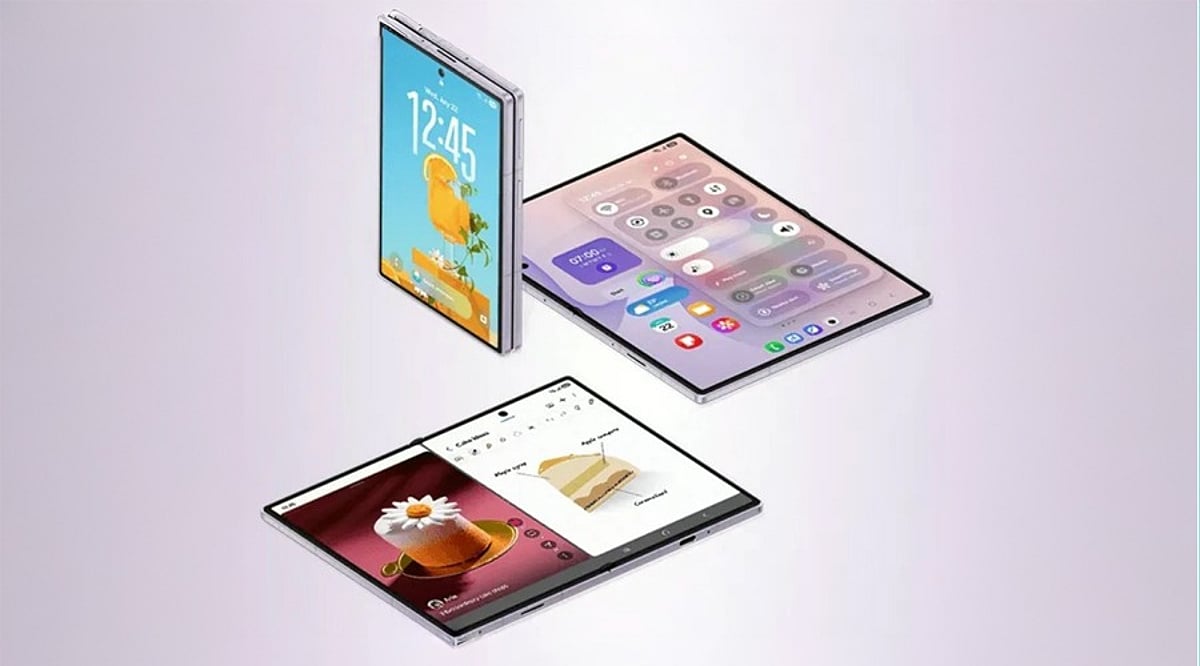
    The Galaxy Z Fold 8 features a 7.6-inch Dynamic AMOLED 2X foldable display and a 5.5-inch exterior display. It is powered by Qualcomm’s Snapdragon 8 Elite Gen 5 for Galaxy chipset, paired with up to 16GB of RAM and up to 1TB of storage. The new ‘passport-style’ design makes the device easier to hold in one hand, while the refined hinge mechanism reduces the visibility of the display crease. Enhanced multitasking capabilities and improved Galaxy AI tools are also included.

    Galaxy Z Flip 8: Portability Meets Functionality

    The Galaxy Z Flip 8 retains its iconic clamshell design but now features a larger 6.9-inch foldable AMOLED display and a 4.1-inch cover screen that supports more native apps and widgets without opening the phone. Samsung has made it the thinnest flip phone it has ever launched, with a lightweight body. It packs a 4,300mAh battery and comes with AI-driven personalized widgets and productivity features accessible directly from the cover display.

    India Pricing and Availability

    The Samsung Galaxy Z Flip 8 starts at Rs 1,19,999, while the Galaxy Z Fold 8 is priced from Rs 1,74,999. Pre-orders are now open through Samsung’s offline and online channels, with deliveries expected to begin within a month. Customers can avail launch offers during the pre-order period.

  • Samsung Galaxy Unpacked 2026: Fold 8, Flip 8, Watch 9, and Galaxy Glasses Launch

    Samsung Galaxy Unpacked 2026: Fold 8, Flip 8, Watch 9, and Galaxy Glasses Launch

    Samsung’s Galaxy Unpacked 2026 event, held in London, delivered a wave of new devices and software innovations. The company unveiled the next-generation Galaxy Z Fold 8, Galaxy Z Fold 8 Ultra, Galaxy Z Flip 8, Galaxy Watch 9, Galaxy Watch Ultra 2, and its long-rumored Galaxy Glasses. Here’s a comprehensive rundown of the key announcements.

    Galaxy Z Fold 8 and Z Fold 8 Ultra

    The Galaxy Z Fold 8 starts at $1,899.99 and features a 7.6-inch inner AMOLED display (120Hz) and a 5.5-inch outer display, powered by the Snapdragon 8 Elite Gen 5 for Galaxy chipset. It comes in lavender, cream, graphite, and pistachio. The Galaxy Z Fold 8 Ultra, priced at $2,099, offers a thinner 4.1mm unfolded profile, a larger 5,000mAh battery, and a 200MP main camera, 50MP ultrawide, and 10MP telephoto with 3x optical zoom. Both foldables introduce a 4:3 aspect ratio for improved multitasking.

    Galaxy Z Flip 8

    The Galaxy Z Flip 8 ($1,200) features a thinner, lighter design and an improved cover screen with easier app access and a new Recent Apps menu. It retains the 50MP main camera, 12MP ultrawide, and 10MP selfie camera, along with a 4,300mAh battery.

    Galaxy Watch 9 and Watch Ultra 2

    The Galaxy Watch 9 introduces sleep apnea detection, proactive heart health monitoring, and a partnership with iFit for fitness content. The Galaxy Watch Ultra 2 boasts a 5,000-nit peak brightness, 60-hour battery life, and OCF OLED technology.

    Galaxy Glasses

    Samsung’s first smart glasses, the Galaxy Glasses, are powered by a Snapdragon chipset and feature a built-in camera for AI-driven visual queries. They offer up to 9 hours of battery life and are available in frames designed in collaboration with Warby Parker and Gentle Monster.

    Galaxy AI and Software Upgrades

    Galaxy AI now includes a personal data engine that anticipates user needs, a Gemini Notebook (formerly NotebookLM) for research, and My FanCam for subject-focused video exports. Google’s Rick Osterloh highlighted deeper Gemini integration across 40+ apps.

    Pricing and Availability

    Pre-orders are open now, with general availability starting August 7. In India, the Galaxy Z Fold 8 starts at Rs. 1,79,999, and the Ultra at Rs. 1,99,999.

    Samsung’s 2026 lineup emphasizes foldable innovation, AI-powered experiences, and expanded wearables, setting the stage for the next era of mobile technology.

  • Top Curved Display Smartphones Under ₹25,000: Best Picks for 2025

    Top Curved Display Smartphones Under ₹25,000: Best Picks for 2025

    Curved display phones are no longer limited to flagship devices. A growing number of mid-range smartphones now offer stunning curved AMOLED panels, smooth performance, and excellent value for under ₹25,000. Whether you prioritize display quality, camera performance, or clean software, there is a curved-screen phone for you. Below, we break down the best options available today.

    1. Motorola G96 – Best Overall

    The Motorola G96 combines a premium curved AMOLED display with smooth performance, clean software, and strong everyday usability. It is an excellent all-rounder that delivers a near-stock Android experience without unnecessary bloatware.

    2. TECNO POVA Curve 5G – Best Value & Display Experience

    The TECNO POVA Curve 5G stands out with a high-refresh-rate curved AMOLED display (144Hz) that offers fluid scrolling and vibrant visuals. It also brings 5G connectivity and capable performance at an aggressive price, making it the best value pick for budget-conscious buyers.

    3. Realme 13 Pro+ 5G – Best Camera Experience & Balanced Performance

    The Realme 13 Pro+ 5G shines with a premium curved display and versatile cameras, making photography its biggest strength. It balances performance, display quality, battery life, and design, resulting in a well-rounded mid-range smartphone.

    4. Realme 11 Pro+ 5G – Best Premium Design

    The Realme 11 Pro+ 5G offers an elegant curved AMOLED panel, premium styling, capable cameras, and smooth performance – often available at discounted prices. It is an excellent choice for users who want a flagship-like look without spending a fortune.

    5. Realme 11 Pro 5G – Best for Premium Looks

    The Realme 11 Pro 5G brings a curved AMOLED display and premium design language, making it stylish without demanding flagship-level spending. It is a solid option for those who prioritize aesthetics and build quality.

    6. Motorola G96 – Best for Clean Software

    Motorola’s near-stock Android experience keeps the interface simple, responsive, and free from unnecessary bloatware and distracting pre-installed applications. For users who value a clutter-free software experience, this is the top pick.

    7. TECNO POVA Curve 5G – Best Budget Curved Phone

    For buyers who prioritize a curved display and 5G connectivity above all else, the TECNO POVA Curve 5G offers impressive specifications at an aggressive price point. It is the most affordable way to enjoy a curved screen in 2025.

    All of these smartphones deliver exceptional value under ₹25,000, with curved displays that enhance both aesthetics and usability. Choose the one that best fits your priorities – whether it’s camera quality, display smoothness, software cleanliness, or overall design.

  • 10 Game-Changing Smartphone Innovations Expected Before 2030

    10 Game-Changing Smartphone Innovations Expected Before 2030

    The smartphone industry has entered a new phase. Earlier, most improvements focused on faster processors, better cameras, and brighter displays. That trend has started to change. Artificial intelligence, satellite communication, and advanced hardware now lead the next wave of innovation. Many companies have already introduced early versions of these technologies, while others have shared plans that point toward even bigger changes before 2030. The next few years could bring smartphones that understand daily routines, complete tasks without constant instructions, and stay connected in places where mobile networks do not exist. These improvements could change the way millions of people use smartphones every day.

    1. AI as a Personal Assistant

    Artificial intelligence has already become a major part of modern smartphones. At present, AI helps with writing, photo editing, and quick searches. Before 2030, its role could become much larger. Instead of waiting for commands, AI could complete full tasks from start to finish. For example, a smartphone could search for flights, compare hotel prices, reserve a room, and arrange local transport after a simple request. Email replies could match the user’s writing style, while grocery orders could appear based on regular shopping habits. Calendar events, reminders, and travel plans could stay organized without manual effort. Several smartphone makers have already started work on advanced AI systems that connect across phones, tablets, and computers, which shows that this future has already begun.

    2. Smartphones Could Understand Daily Life

    Future smartphones may become much smarter since they could understand everyday situations instead of reacting to simple commands. They may combine information from location services, calendars, health records, and previous habits to predict what happens next. Imagine someone who leaves work much later than usual. A future smartphone could automatically send a message to family members, arrange transport, update navigation, and adjust evening plans without extra steps.

    3. Satellite Communication Could Reach Everyone

    The whole world is not covered by mobile networks. There are various areas such as mountains, jungles, deserts, and seas that have little or no signal at all. Satellite communication could be the solution to this problem before the decade is over. Some high-end smartphones can send emergency satellite text messages already. Future versions will likely support voice calls, standard text messaging, and normal communication via satellites, regardless of the presence of mobile towers.

    4. Foldable Phones Could Finally Feel Normal

    Foldable smartphones have improved every year, but many people still worry about thick designs, visible display creases, and long-term durability. Manufacturers have spent years solving these problems. Before 2030, foldable phones could become thinner, lighter, and much stronger. Better hinge systems, titanium support structures, and stronger display materials may reduce the crease that appears in the middle of the screen. New designs could also improve comfort during daily use. As durability continues to improve, foldable smartphones may become as common as traditional phones.

    5. Cameras Could Capture Better Photos Automatically

    Instead of waiting until after a photo appears, AI could improve the entire process before the shutter button receives a tap. Automatic framing, smarter lighting adjustments, object removal, and advanced video stabilization could happen instantly. Continuous image buffering may even save moments that happen just before the photo. These improvements could help every picture look more natural without extra editing.

    6. Bigger Batteries Could End Daily Charging

    With the help of silicon battery technology and advancements in battery development, batteries could last two to three days before needing to be connected to a power source. Furthermore, as fast charging technology develops, a minimal time of charging will be needed to ensure sufficient battery power for the day ahead.

    7. Privacy Could Become Much Stronger

    Artificial intelligence could process more information directly inside the phone instead of sending data to cloud servers. Hardware privacy switches may disable cameras and microphones whenever necessary. Intelligent permission controls could also detect suspicious app behavior before personal information becomes exposed. These improvements could offer stronger protection without reducing convenience.

    8. 6G Could Unlock a New Level of Speed

    Although 5G still continues to expand across many countries, research on 6G has already started. International technology groups have begun work on standards that could shape the next generation of wireless communication. Before 2030, some smartphones may become ready for 6G networks. This technology could deliver much lower delays, faster connections, and better support for artificial intelligence. Advanced augmented reality, virtual reality, and even holographic communication may become possible given these faster networks. While full deployment may take time, smartphone companies have already started preparation for this future.

    9. Smartphones Could Connect Every Device

    A phone may remember ongoing work across every connected device without interruption. Files, notes, copied text, and even AI conversations could move instantly from one screen to another. Artificial intelligence could also remember previous interactions across multiple devices and continue tasks without requiring users to repeat information. Several manufacturers have already introduced early versions of this connected ecosystem, and more advanced features could arrive during the next few years.

    10. Displays Could Become Smarter and More Comfortable

    Display technology continues to improve every year, and the next generation could focus on comfort as much as picture quality. Future smartphone displays may adjust brightness and refresh rates more intelligently based on surrounding conditions. Outdoor visibility could become much better, while eye strain during long hours of use may decrease. Foldable display technology could also become stronger and more reliable. Privacy display modes may reduce the chance of people nearby viewing sensitive information. These improvements could make smartphones more comfortable for work, entertainment, and everyday communication.

    The Future Has Already Started

    Although many of the aspects mentioned above may seem futuristic, some have already taken form in a rudimentary way. The development of AI has made it more intelligent. Smartphones are becoming lighter and more durable, satellite communication is improving, and battery technology is advancing every year with the aid of research on 6G networks. By the year 2030, smartphones might evolve to give people a helping hand not only as means of communication but as intelligent companions that can recognize their owner’s routine as well as help them in their everyday life.