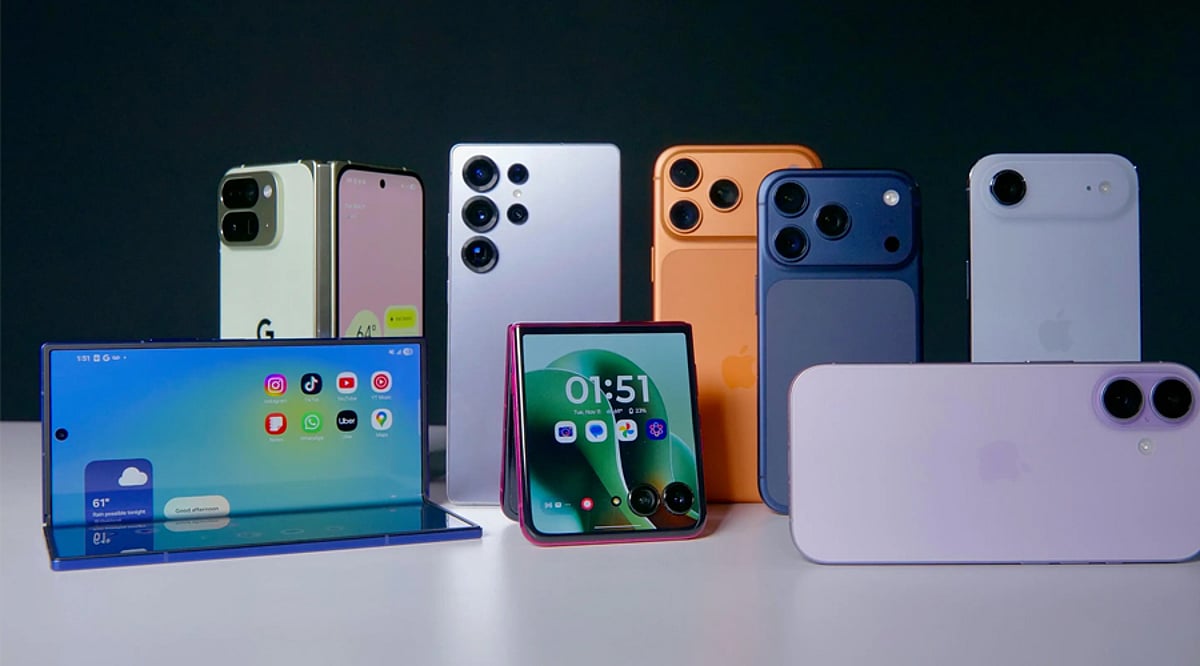
Category: Mobile Phones

  • iPhone Duo Global Price Comparison: Cheapest Markets and How Much You Can Save

    iPhone Duo Global Price Comparison: Cheapest Markets and How Much You Can Save

    Apple’s first foldable iPhone, the iPhone Duo, launched with a starting price of USD 1,999 in the United States, while India’s price tag is significantly higher at Rs. 2,99,900. A global price comparison reveals that the US offers the lowest listed price, with several other major markets also undercutting India’s cost.

    The 256GB model costs USD 1,999 in the US, roughly Rs. 1.90 lakh before state sales tax. Canada follows at around Rs. 2.06 lakh, and Hong Kong at approximately Rs. 2.12 lakh. Dubai (AED 8,499 ≈ Rs. 2.20 lakh), Singapore (≈ Rs. 2.33 lakh), and Germany (≈ Rs. 2.54 lakh) also offer substantial savings over India.

    India’s pricing includes the highest premium among compared markets. The 256GB variant is Rs. 2,99,900, while 512GB costs Rs. 3,24,900, 1TB at Rs. 3,74,900, and 2TB at Rs. 4,49,900. The gap between the US and India is nearly Rs. 1.10 lakh — a difference that remains meaningful even after accounting for US sales taxes.

    Apple has not explained the regional price disparity. Factors such as taxes, import duties, distribution costs, and currency fluctuations likely drive the higher Indian price. However, international buyers should consider customs charges, warranty limitations, and eSIM compatibility, which can reduce actual savings when returning to India.

    For buyers focused purely on the lowest upfront cost, the US leads. Dubai and Hong Kong remain attractive alternatives, while India demands the steepest premium among the markets surveyed.

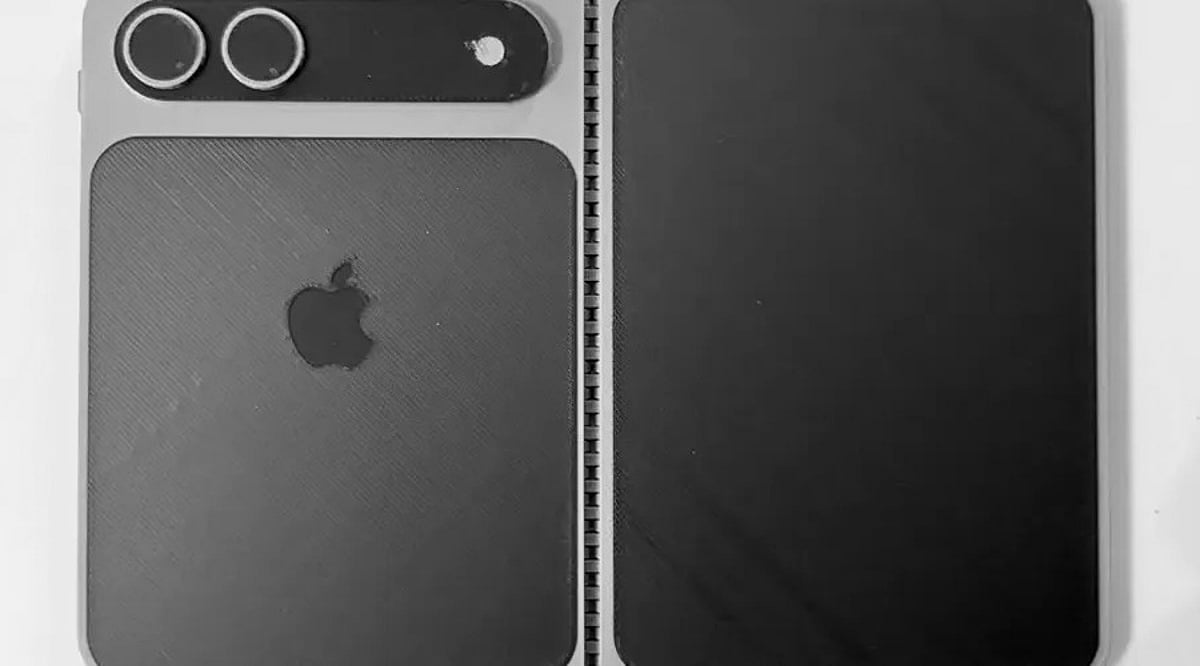
  • Apple iPhone Duo: How Its Foldable Display Stands Out from Competitors

    Apple iPhone Duo: How Its Foldable Display Stands Out from Competitors

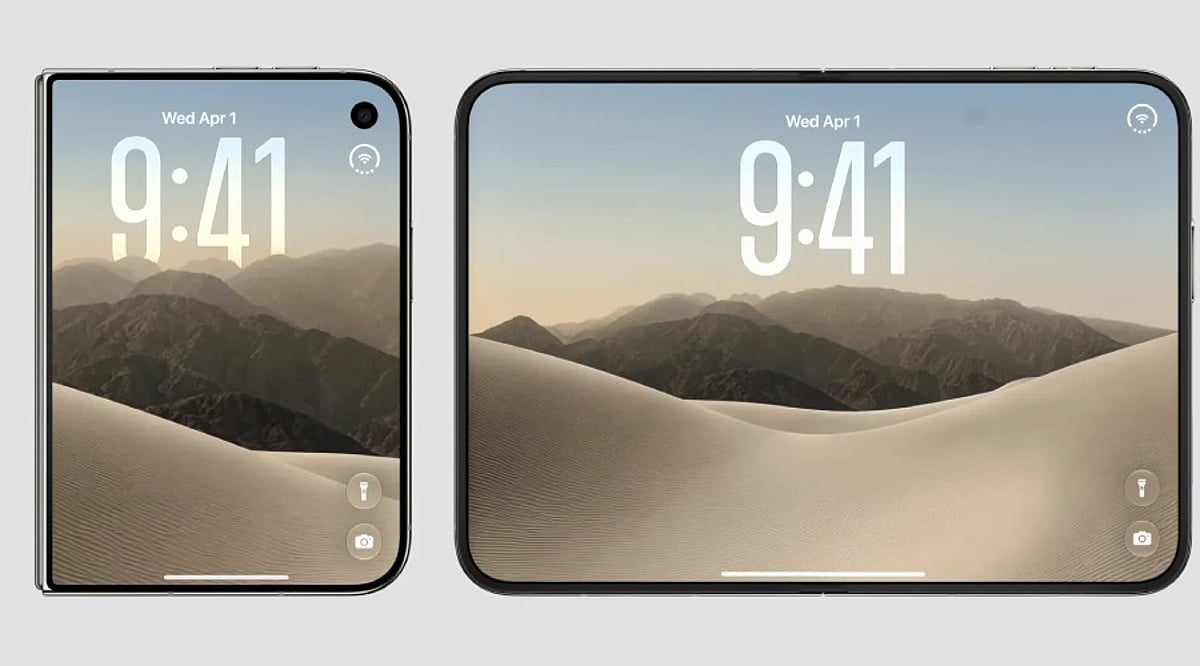
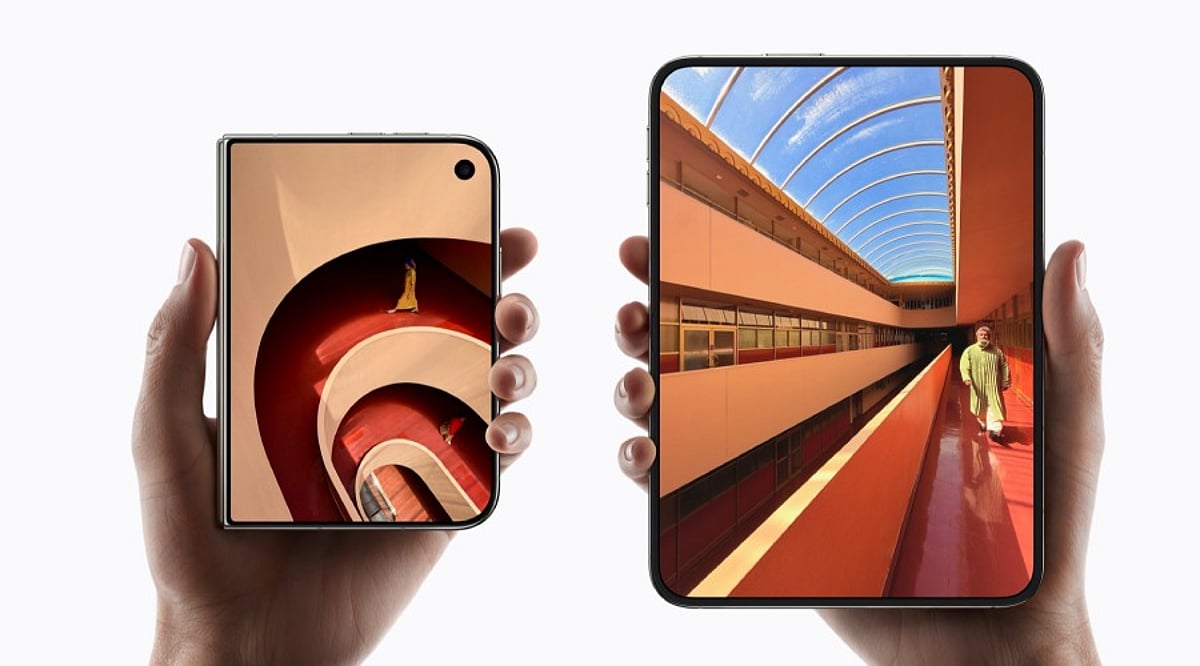
    Apple has taken a distinct approach to the display on its first foldable iPhone, the iPhone Duo. The device features a 7.6-inch inner folding display with a resolution of 1878 x 2670 pixels and 430 ppi, alongside a 5.4-inch outer display offering 460 ppi. Both screens support ProMotion at up to 120Hz and achieve a peak outdoor brightness of 3,000 nits.

    iPhone Duo Display Specifications

    The 7.6-inch Super Retina XDR inner OLED display packs approximately 5.01 million pixels, while the 5.4-inch outer display (1398 x 2034 resolution) delivers around 2.84 million pixels. Apple states that the inner display is 50% larger than the display on the iPhone 18 Pro Max, and the outer display provides 90% of the iPhone 18 Pro’s screen area.

    Both displays offer 1,000 nits typical brightness, 1,600 nits for HDR content, and 3,000 nits peak brightness outdoors, with a minimum brightness of 1 nit. Additional features include a 2,000,000:1 contrast ratio, Always-On display, Dynamic Island, HDR, True Tone, and P3 wide color gamut.

    The inner display’s 430 ppi is the highest pixel density among current folding screens. For comparison, the Galaxy Z Fold 8 has 404 ppi, Honor Magic V6 has 403 ppi, Motorola Razr Fold reaches 412 ppi, Oppo Find N6 has 413 ppi, and the Pixel 10 Pro Fold comes in at 374 ppi.

    A Closer Match Between the Two Screens

    Apple says both displays share the same aspect ratio. The actual resolutions have a disparity of only 2.34% (1:1.4217 for the inner display vs. 1:1.4549 for the outer). This is a relatively small difference compared to the Galaxy Z Fold 8, whose two displays have a 20.8% disparity.

    Nano-Texture Finish Tackles the Crease

    The iPhone Duo introduces a nano-texture matte finish to a folding display. The surface scatters reflections rather than reflecting them directly, reducing the visual prominence of the crease. Apple did not claim the crease disappears completely, but says the matte surface minimizes its visibility. The display uses 10 ultrathin layers, while viscoelastic adhesives allow the layers to move against each other during folding, helping reduce bend stress.

    More than 100 Components in the Hinge

    Apple designed the hinge system with over 100 components manufactured from titanium and aluminum. This hinge mechanism holds the center portion of the display in place. Carbon fiber support plates provide a stiff, lightweight base, and Apple uses machine-learning software during production to pair individual hinges with the housings they fit best. The iPhone Duo measures 9.5mm when folded.

    Glass, Polymer and Ceramic Shield 2

    Apple placed high-strength glass above and below the folding panel, along with a titanium plate and carbon fiber support structure. The custom polymer cover is rated up to 40% stiffer than materials used across the industry. The outer display is protected by Ceramic Shield 2, which Apple says offers three times the scratch resistance of the previous generation. The phone also carries an IP68 rating, putting it among the most protected announced foldables.

    While the specifications indicate a quantum leap from previous models, the long-term viability of the device will only become clear after several years of constant use have tested the performance of the display and the hinge design.

  • Samsung Mocks Apple’s iPhone 18 Launch with a Series of Social Media Jabs

    Samsung Mocks Apple’s iPhone 18 Launch with a Series of Social Media Jabs

    Samsung turned Apple’s latest iPhone launch into an opportunity for some pointed social media banter, taking several digs at the company during the unveiling of the iPhone 18 Pro, iPhone 18 Pro Max, and its first foldable iPhone, the iPhone Duo.

    The Samsung Mobile US account on X posted a series of reactions during Apple’s September 9 launch, targeting everything from the iPhone 18 Pro design and Apple’s entry into the foldable smartphone segment to the name of its new device.

    One post read, “So far, so same. #ItsTimeToSwitch”, taking a swipe at the similarities between the new iPhone 18 Pro models and their predecessors. Another post targeted the design, saying, “Not the bed side clock. It’s giving groundhog day.”

    The company also used Apple’s long-awaited entry into the foldable smartphone market as another opportunity to promote its own experience in the segment. “Making us wait? Fine. We’ll be over here, folding 3 ways,” Samsung posted, referring to its foldable smartphone lineup.

    Apple’s launch of the iPhone Duo drew another sharp response. Samsung posted, “Let us know when you’re done reheating our leftovers” and followed with another jab: “It’s feeling very familiar. Is this a Sims sequel…”

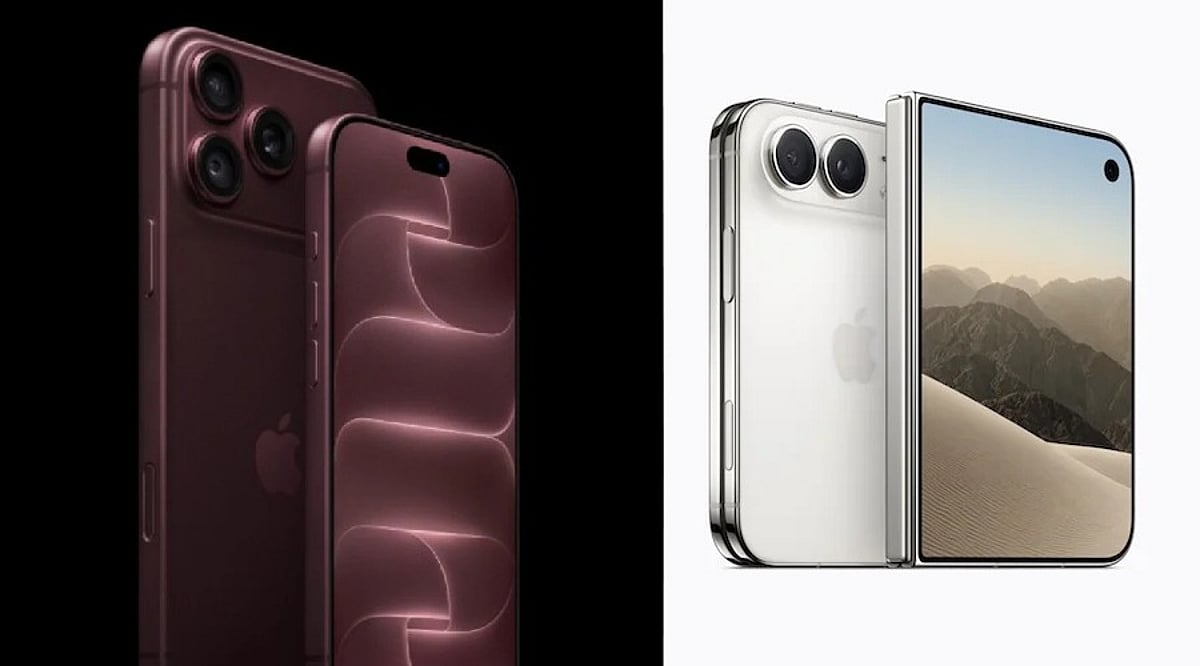
    The iPhone Duo marks Apple’s first entry into the foldable segment, featuring a 5.4-inch outer display and a 7.6-inch internal display, with a starting price of USD 1,999 in the US.

    The name ‘Duo’ gave Samsung another opening. The company tagged language-learning platform Duolingo and wrote, “I’m so sorry, @DuoLingo. They copied us too #Solidarity”.

    Samsung also took a swipe at Apple’s accessories, posting, “Accessories? It’s giving condiments and no food. #ItsTimeToSwitch”.

    Together, the posts formed Samsung’s running commentary on Apple’s launch, using humor and comparisons to highlight its lead in foldable smartphones and position its devices as an alternative to Apple’s latest offerings.

  • iPhone 18 Pro Unveiled: Variable-Aperture Camera, A20 Pro Chip, and Extended Battery Life

    iPhone 18 Pro Unveiled: Variable-Aperture Camera, A20 Pro Chip, and Extended Battery Life

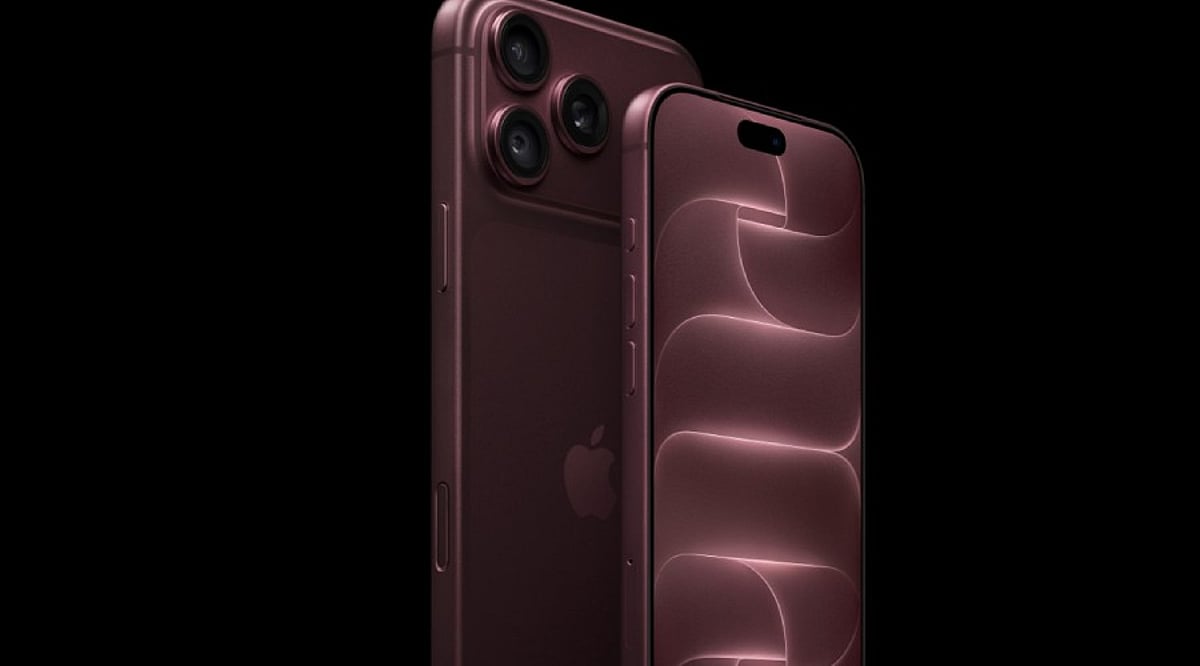
    Apple officially unveiled the iPhone 18 Pro and iPhone 18 Pro Max on September 9 at its Cupertino event, marking the first major iPhone launch under new CEO John Ternus. In India, the iPhone 18 Pro starts at Rs. 1,64,900, while the Pro Max starts at Rs. 1,79,900. Apple’s first foldable model, the iPhone Duo, is priced at Rs. 2,99,900. Pre-orders open on September 12, with sales beginning September 18.

    Variable-Aperture Camera Leads the Upgrades

    The biggest change is in the camera. The iPhone 18 Pro features a 48MP Fusion main camera with a mechanical variable aperture — a first for any iPhone. Six laser-cut blades adjust automatically or through four manual stops, opening as wide as f/1.48 for low-light shots. A new Pro Controls panel lets users manually adjust shutter speed, white balance, and aperture, along with an on-screen histogram.

    A20 Pro Chip and Battery Life

    The phone runs on Apple’s A20 Pro chip, built on a 2-nanometre process, delivering significant speed and efficiency gains. Battery life also improves, with the Pro Max offering up to 43 hours of video playback — the longest on any iPhone to date.

    Six More Enhancements

    • The Dynamic Island shrinks in size, freeing up more display space.
    • An image-authentication feature cryptographically signs each photo to verify authenticity.
    • Siri now runs on Apple Intelligence, providing more natural, conversational responses through on-device processing and Private Cloud Compute.
    • Storage options extend up to 2TB for the first time on a Pro model.
    • Video recording gains post-capture Cinematic effects at up to 60fps and 4K Dolby Vision HDR time-lapse.
    • The phones come in four finishes, including a new Burgundy option.
  • iPhone 18 Pro Global Pricing: Why Turkey and India Pay a Premium for 2TB Models

    iPhone 18 Pro Global Pricing: Why Turkey and India Pay a Premium for 2TB Models

    Apple’s iPhone 18 Pro carries significantly different price tags depending on the market, with Turkey and India emerging as the most expensive regions for the 2TB flagship models. While US buyers can snag the 256GB version for $1,199, Turkish consumers face a starting price of 149,999 lira, and the 2TB variant soars to 255,999 lira. The iPhone Duo, Apple’s foldable offering, commands even higher premiums—starting at 229,999 lira in Turkey and reaching 335,999 lira for the 2TB configuration.

    India also presents steep costs. The base iPhone 18 Pro starts at ₹1,64,900, but the 2TB version of the iPhone Duo climbs to ₹4,49,900—placing India third globally for Duo pricing. Other markets like the UAE (AED 5,099), Japan (JPY 219,800), and Canada (CAD 1,749) offer more moderate price points.

    The price gaps stem from local taxes, import duties, and currency weakness. Turkey’s minimum wage for 2026 is set at 28,075.50 lira per month, meaning the standard iPhone 18 Pro costs roughly 4.9 months of minimum wage. Deutsche Bank data shows Istanbul’s average monthly net salary at $1,173, equating to about 2.4 months of take-home pay for the phone. The 2TB storage upgrade adds a significant premium, making it a luxury only for deep-pocketed buyers.

    For those seeking the best value, the US remains the cheapest market, while Turkey and India impose the heftiest surcharges—especially for the 2TB variants.

  • Apple’s Foldable iPhone: ‘Duo’ Leads the Naming Race Over ‘Ultra’ and ‘Fold’

    Apple’s Foldable iPhone: ‘Duo’ Leads the Naming Race Over ‘Ultra’ and ‘Fold’

    Apple is on the verge of launching its first foldable iPhone, and speculation is heating up over what the device will be called. Recent leaks have pointed to three possible names: iPhone Duo, iPhone Ultra, and iPhone Fold. While Apple has not confirmed any of these, the rumor mill suggests that iPhone Duo is emerging as the frontrunner.

    Each name carries its own significance. iPhone Duo hints at the device’s dual-screen design, iPhone Ultra positions it as a premium offering, and iPhone Fold directly describes its form factor. However, with Samsung already using the ‘Fold’ branding for its own foldable smartphones, it seems unlikely that Apple would adopt the same name.

    According to reports, the foldable iPhone could feature two rear cameras, while the Pro Max variant might include three. There is also speculation that the device may use Touch ID instead of Face ID. The name ‘Duo’ feels more neutral and aligns well with the two-screen concept without suggesting it is a replacement for the Pro Max line.

    Apple has a history with the ‘Duo’ name, having used it for the PowerBook Duo and the MagSafe Duo Charger. This legacy reinforces the idea of two parts working together—a perfect fit for a phone that can function as a standard smartphone and unfold into a larger display.

    The final name will play a key role in how consumers perceive Apple’s entry into the foldable market. ‘Fold’ is descriptive but already taken. ‘Ultra’ suggests a top-tier model but may not capture the unique design. ‘Duo’ offers Apple the flexibility to build an entirely new category around the device.

    As the launch approaches, all eyes are on Apple’s naming decision. For now, iPhone Duo seems to be the most fitting choice, but Apple could still surprise everyone with something completely different.

  • Vivo X500 Pro Max Unveiled: 200MP Telephoto Lens and Pro Video Capabilities

    Vivo X500 Pro Max Unveiled: 200MP Telephoto Lens and Pro Video Capabilities

    Vivo has officially revealed the design of its upcoming flagship, the X500 Pro Max, giving enthusiasts a first look ahead of the September 21 launch in China. The device is part of the X500 series, which will also include the X500 and X500 Pro models.

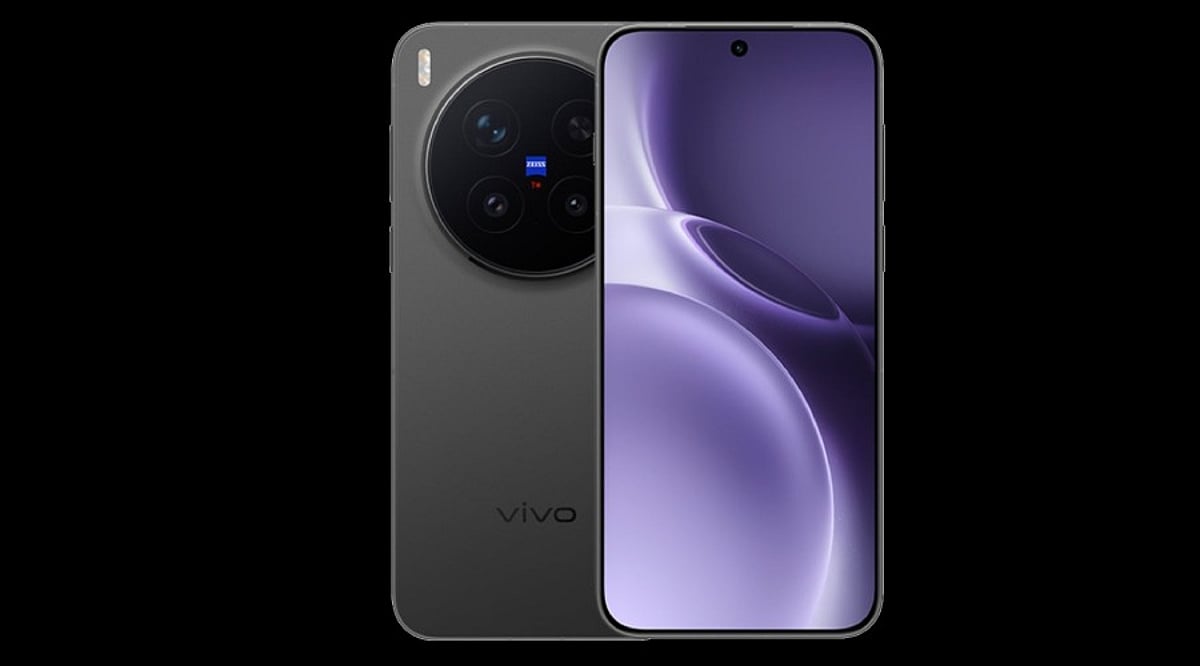
    The X500 Pro Max sports a dual-tone rear panel available in silver and orange finishes. A large circular camera module dominates the back, housing three sensors and featuring ZEISS branding — underscoring Vivo’s continued focus on mobile photography. The LED flash is positioned separately near the upper-left edge of the camera area.

    Vivo also highlighted optional accessories: a teleconverter lens and a professional imaging grip. The teleconverter is reported to extend the system’s effective focal length to around 400mm, offering greater flexibility for capturing distant subjects.

    Video capabilities are expected to be a major highlight of the X500 series. According to Vivo, the lineup will support a 17EV dynamic range, 10-bit 4:2:2 encoding, and the ACES color system. The phones are also anticipated to deliver 4K video recording at 120fps in 10-bit Log, along with native 8K Live output. These features position the X500 Pro Max as a compelling option for mobile filmmakers and content creators.

    With its powerful camera hardware and professional-grade video features, the Vivo X500 Pro Max is shaping up to be one of the most anticipated smartphones of the year.

  • Oppo Find X10 Series India Launch Date and Expected Price Leak

    Oppo Find X10 Series India Launch Date and Expected Price Leak

    Oppo’s next flagship lineup, the Find X10 series, may arrive in India on October 28, according to a new leak. The series is expected to debut in China first in September before expanding to other global markets later this year.

    India Launch Date and Expected Price

    Tipster Yogesh Brar, in an X post, claims the Find X10 series could launch in India next month with October 28 as the tentative date. The series is expected to be priced between Rs. 90,000 and Rs. 1.5 lakh, with the top-end figure likely applying to the Find X10 Pro Max. Brar also reiterates that the series will reach international markets in October, with India reportedly being the last market to receive it that month.

    Find X10 Pro Max Details

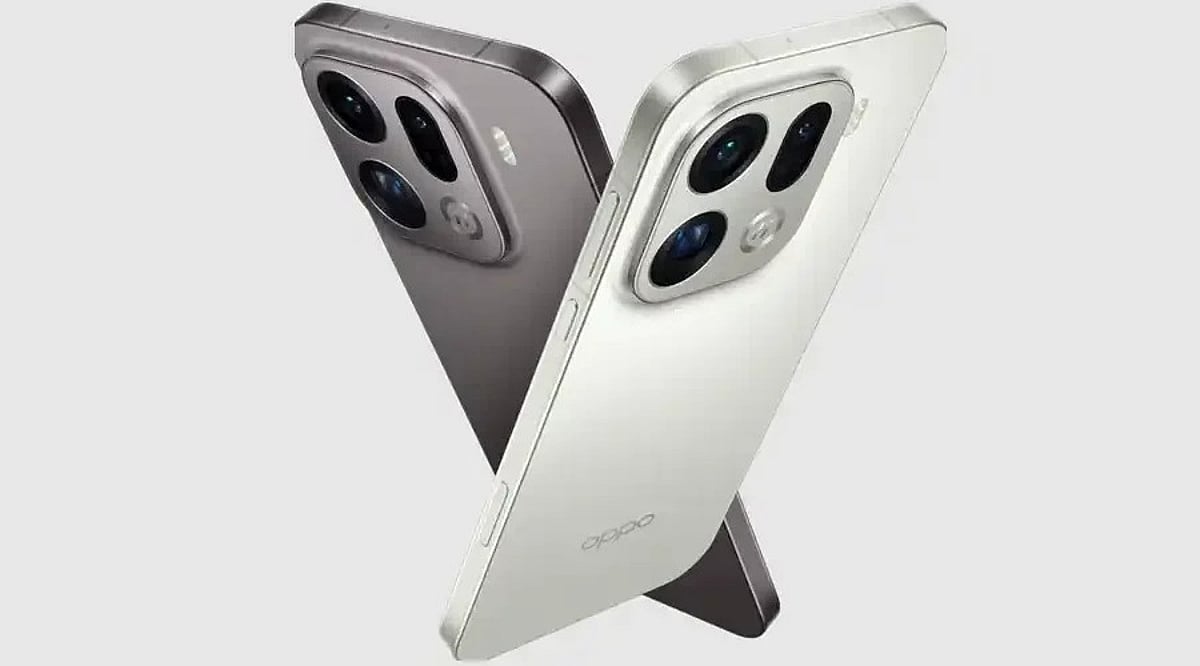
    The Oppo Find X10 Pro Max has already appeared in certification databases, including BIS certification in India, suggesting the phone is ready for the Indian market. While no specs have been confirmed, Oppo has teased a 200-megapixel primary camera on the Pro Max version. The regular Find X10 is expected to feature two 200-megapixel rear cameras.

    Three Variants Expected in China

    Reports indicate the Find X10 line will include three versions in China: Find X10, Find X10 Pro, and Find X10 Pro Max. However, Oppo has not officially confirmed the India lineup or any specifications.

    As with any leak, the October 28 date and the price range are speculative until Oppo makes an official announcement.

  • Flipkart Directed to Refund Customer Who Received Fake iPhone in Place of iPhone 14 Pro

    Flipkart Directed to Refund Customer Who Received Fake iPhone in Place of iPhone 14 Pro

    In a significant consumer protection ruling, the Bulandshahr District Consumer Commission has ordered Flipkart to refund a customer who received a counterfeit Chinese smartphone instead of the iPhone 14 Pro he had ordered. The consumer panel directed the e-commerce giant to pay back the full purchase amount along with interest and compensation for mental harassment.

    The commission issued the order on September 9, 2026, requiring Flipkart to refund Rs. 1,43,335 to customer Om Prakash Singh, a resident of Anoopshahr. The company must also pay 7% annual interest on that amount from the date the complaint was filed. Additionally, Flipkart was ordered to pay Rs. 30,000 in compensation, which includes Rs. 20,000 for mental harassment and Rs. 10,000 toward litigation costs.

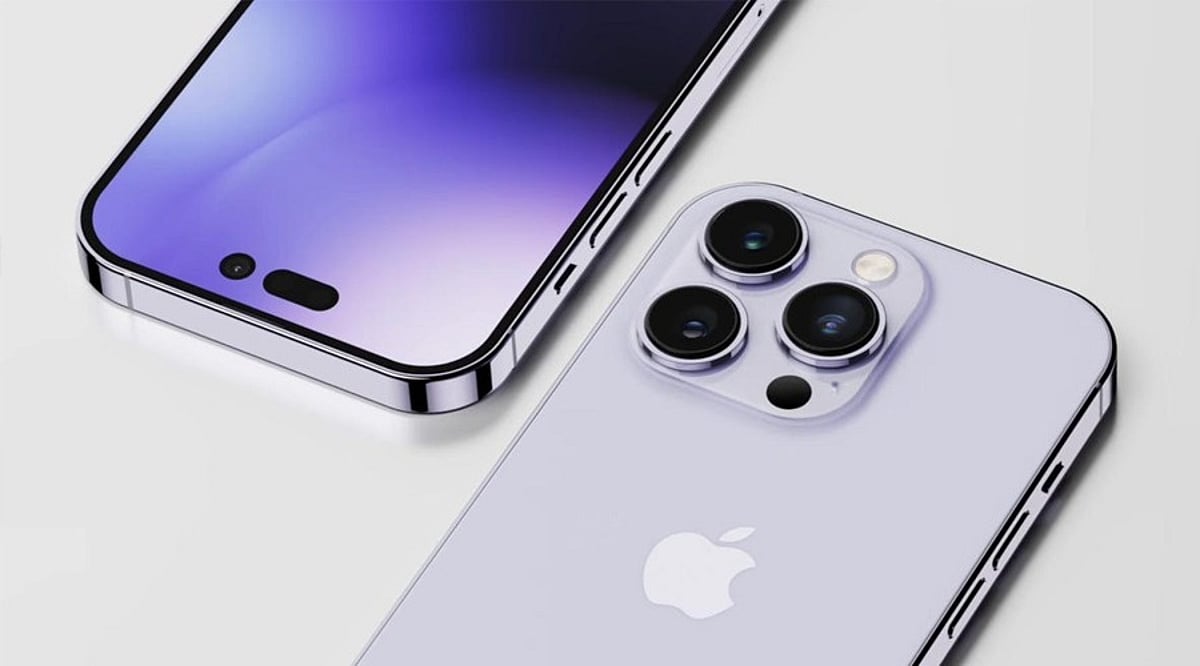
    Singh placed the order on May 29, 2023, using his credit card to purchase what was advertised as a Deep Purple iPhone 14 Pro with three rear cameras. When the package arrived at an address in R.K. Puram, New Delhi, Singh opened it in front of the delivery executive. Instead of the promised iPhone, the box contained a green Chinese smartphone bearing a fake Apple logo and only two rear cameras. Singh recorded the entire opening process on the delivery agent’s phone, and the video was later shared with him via WhatsApp.

    Immediately after discovering the fraud, Singh contacted Flipkart customer care and initiated a return request through his phone. However, the seller later canceled the return request. Singh said he made multiple subsequent attempts to resolve the matter through customer support but was repeatedly stonewalled. He further alleged that a company representative marked the product as damaged without conducting a proper inspection and that he was not allowed to explain the issue.

    In its defense, Flipkart argued that it operates as an online intermediary connecting customers with independent sellers and is not directly responsible for the products sold on its platform. The company also cited its open-box delivery process, maintaining that Singh could have checked the package and refused delivery upon discovering the incorrect product. Flipkart denied all allegations of fraud and harassment.

    The consumer commission rejected Flipkart’s defense entirely. District Consumer Commission Public Information Officer Shekhar Verma stated that the case was heard by commission president Justice Hasnain Qureshi and member Neelam Kumari. “After considering the arguments of both sides, the commission rejected the company’s defence and held that it had adopted an unfair trade practice and was seriously deficient in providing service,” Verma said.

    The commission gave Flipkart 45 days to comply with the order. If payment is not made within that period, the outstanding amount will attract 8% annual interest.

  • 7 Smartphone Tricks to Simplify Your Daily Routine

    7 Smartphone Tricks to Simplify Your Daily Routine

    Your smartphone is more powerful than you think. Beyond calls and apps, it packs hidden features that can save time, reduce clutter, and make everyday tasks effortless. Here are seven clever tricks to get the most out of your device.

    Use Your Phone as a Scanner

    Your smartphone camera can scan documents without needing a separate scanner. Use the built-in document scanning feature in your camera or notes app to capture receipts, forms, and important papers. Many phones automatically straighten edges and improve readability, making digital copies easier to store, share, and access later.

    Turn On One-Handed Mode

    Large smartphone screens can be difficult to use with one hand. One-handed mode moves the screen closer to your thumb, making buttons and menus easier to reach. Look for this option under your phone’s accessibility or display settings. It can be especially useful while commuting or carrying something.

    Set Custom Quick Settings

    You can save time by placing frequently used controls in your phone’s quick settings panel. Add options such as screen recording, hotspot, calculator, flashlight, or screen brightness. Rearranging these shortcuts means you can access useful functions immediately instead of searching through multiple menus or settings.

    Use Voice Commands

    Voice assistants can handle several simple tasks without requiring you to type. You can set reminders, create calendar events, send messages, check the weather, or start navigation using voice commands. This feature is particularly useful when your hands are busy or when you need to complete something quickly.

    Share Your Wi-Fi Easily

    Instead of reading out long Wi-Fi passwords, use your smartphone’s built-in sharing option. On many Android phones and iPhones, you can share network access through a QR code or nearby device. This makes connecting family members, friends, or guests faster while reducing the chance of entering the password incorrectly.

    Use Focus and Do Not Disturb

    Constant notifications can interrupt work, study, or sleep. Use Focus Mode or Do Not Disturb to silence unnecessary alerts during specific times. You can allow important contacts or selected apps to break through. Setting automatic schedules can help reduce distractions without requiring you to change settings every day.

    Find Your Phone Quickly

    If you frequently misplace your phone, enable its built-in device-finding service. These tools can show the phone’s location, play a sound, or help secure the device remotely. Adding an emergency contact and keeping location services enabled can also make recovery easier if your phone is lost.