Category: Mobile Phones

  • Top Budget Smartphones Under ₹20,000 to Grab During Amazon Great Freedom Sale 2026

    Top Budget Smartphones Under ₹20,000 to Grab During Amazon Great Freedom Sale 2026

    The Amazon Great Freedom Sale 2026 brings many budget smartphones at attractive prices. Buyers who want a new 5G phone without crossing the ₹20,000 mark have plenty of options this time. Samsung, realme, Motorola, Redmi, and OnePlus have launched several models with large batteries, smooth displays, capable cameras, and useful software features. Many phones also come with AI tools, long software support, and durable designs. Every model serves a different type of buyer, so the sale offers something for almost every need.

    Key Takeaways

    • Samsung offers long software support, AI features, and durable designs under ₹20,000.
    • Realme focuses on massive batteries, fast charging, and high refresh rate displays.
    • Motorola, OnePlus, and Redmi provide strong value with competitive hardware and affordable pricing.

    Samsung Galaxy M17 5G – Starts at ₹16,999

    Samsung Galaxy M17 5G ranks among the most budget-friendly offerings in this sale. The model with 4GB RAM and 128GB storage is priced at ₹16,999, while the one with 6GB RAM and 128GB storage is available for ₹18,999 during the Freedom Sale. It comes with a 50MP OIS triple camera ensuring the capturing of high-quality images with enhanced stability. Thanks to Gorilla Glass Victus, the handset has solid protection against scratches and with the IP54 certification, it is water-resistant against light water splashes and dust. Also, the firm has promised six generations of Android updates, which guarantees long-term value. The phone offers AI capabilities, Gemini Live support, and gaming optimization.

    Samsung Galaxy M36 5G – Premium Features at ₹19,999

    Samsung Galaxy M36 5G comes with a sale price of ₹19,999 for the 6GB RAM and 128GB storage model. The device includes Gorilla Glass Victus+, a slim 7.7mm body, and a 50MP OIS triple camera with Nightography support. Google Gemini features also come built into the phone. Samsung focuses on smooth everyday performance, AI tools, and reliable software support. This model suits buyers who want premium features while staying below the ₹20,000 limit.

    OnePlus N6x – Focus on Battery Life at ₹18,999

    OnePlus N6x appears in the Freedom Sale at ₹18,999 for the 4GB RAM and 64GB storage version. A massive 7000mAh battery stands as the biggest highlight of this smartphone. The company also claims 36 months of smooth performance for long-term use. A 120Hz display delivers fluid scrolling, while the large 5300mm² cooling system helps maintain stable performance during long gaming sessions. Military-grade durability adds another advantage for users who need a sturdy device.

    realme Narzo 90x 5G – Fast Charging at ₹19,498

    Realme Narzo 90x 5G makes its debut at a price of ₹19,498 offering a configuration of 6GB RAM and 128GB storage. Users have a choice between the two attractive colors Flash Blue 2026 and Maroon Red 2026. The device comes with a massive battery of 7000mAh and a fast charging capability of 60W. Its 144Hz display provides a smooth visual experience. The 50MP AI camera Sony shoots amazing pictures, while the 400% Ultra Boom Speaker improves sound effects. Overall, the model finds a good mixture of battery life, display features, and camera performance in the low-cost category.

    realme Narzo 100 Lite 5G – For Heavy Users

    The realme Narzo 100 Lite 5G has also become available at a great price. The 4GB RAM and 128GB storage option is priced at ₹17,499, while the counterpart 6GB RAM and 128GB version comes at ₹19,999. The large 7000mAh Titan Battery gives the phone enough energy for prolonged daily usage. The phone also offers a 144Hz display, a 5G octa-core chip, VC cooling, and an eye-catching look. The brand claims four years of lag-free operation, making it perfect for people who are looking for a device that does not slow down over time.

    Motorola Moto G37 Power 5G – Strong Hardware at ₹19,740

    Motorola Moto G37 Power 5G enters the sale at ₹19,740 with 8GB RAM and 128GB storage. The smartphone features a 6.67-inch HD+ display with a 120Hz refresh rate. MediaTek Dimensity 6400 powers the device for everyday tasks and gaming. A 50MP rear camera captures detailed photos, while the 7000mAh battery supports extended usage. Motorola also includes 30W fast charging to reduce charging time.

    Samsung Galaxy A07 5G – Balanced Performance at ₹19,999 (Effective ₹18,999)

    Samsung Galaxy A07 5G sells for ₹19,999, while a coupon lowers the effective price to ₹18,999 for the 6GB RAM and 128GB storage variant. The phone includes a 120Hz refresh rate display, a 6000mAh battery, a 50MP dual rear camera, Knox Vault security, and six generations of Android upgrades. This combination makes the device suitable for users who want reliable security, modern software, and dependable everyday performance.

    Redmi A7 Pro 5G – Value at ₹15,499

    Redmi A7 Pro 5G comes at a sale price of ₹15,499 with 4GB RAM and 128GB storage. Redmi highlights the fastest processor in its segment along with a large battery and a 6.9-inch 120Hz display. Buyers who want a large screen and modern 5G connectivity without spending much may find this smartphone worth considering.

    realme Narzo 80 Lite and P4R 5G – Completing the Lineup

    The realme Narzo 80 Lite 2026 is available for ₹12,999 and boasts 4GB of RAM and 64GB of internal storage. The phone has a 6300mAh battery, 7.94mm thin design, 300% Ultra Volume, nine colors, five light modes, and AI Assist among other features. It is one of the cheapest models available during the sale.

    Another model worth checking out is the realme P4R 5G with a price of ₹18,990. This phone comes with 4GB of RAM, 128GB of internal memory, 8000mAh battery, and 144Hz display which makes it a viable option to consider especially for customers looking for battery backup.

    Final Thoughts

    The Amazon Great Freedom Sale 2026 introduces various budget-friendly smartphones that come at approximately ₹20,000. Samsung is popular among buyers for its extended software support, AI features, and rugged design. The focus of realme is on extensive performances of battery, fast charging, and high-frequency display. OnePlus also satisfies buyers with solid battery performance and a sturdy exterior, while Motorola comes up with good RAM and dependable hardware. Redmi enables buyers to enter 5G technology by bringing an affordable device along with a satisfying display size and a good price. The broad price range allows buyers to purchase the phone that suits both their requirements and their budget strictly limited to ₹20,000.

    FAQs

    1. Which is the cheapest smartphone in this list? The realme Narzo 80 Lite 2026 is the most affordable option at ₹12,999.
    2. Which phone offers the biggest battery? The Realme P4R 5G comes with a massive 8000mAh battery.
    3. Which Samsung phone offers six generations of Android upgrades? Samsung Galaxy M17 5G, Galaxy M17e 5G, Galaxy M36 5G, and Galaxy A07 5G offer six generations of Android upgrades.
    4. Which phone features a 144Hz display? Realme Narzo 90x 5G, realme Narzo 100 Lite 5G, and realme P4R 5G include a 144Hz display.
    5. Which smartphone has 8GB RAM under ₹20,000? Motorola Moto G37 Power 5G offers 8GB RAM with 128GB storage at ₹19,740.
  • Best Affordable 5G Smartphones in India: August 2026 Edition

    Best Affordable 5G Smartphones in India: August 2026 Edition

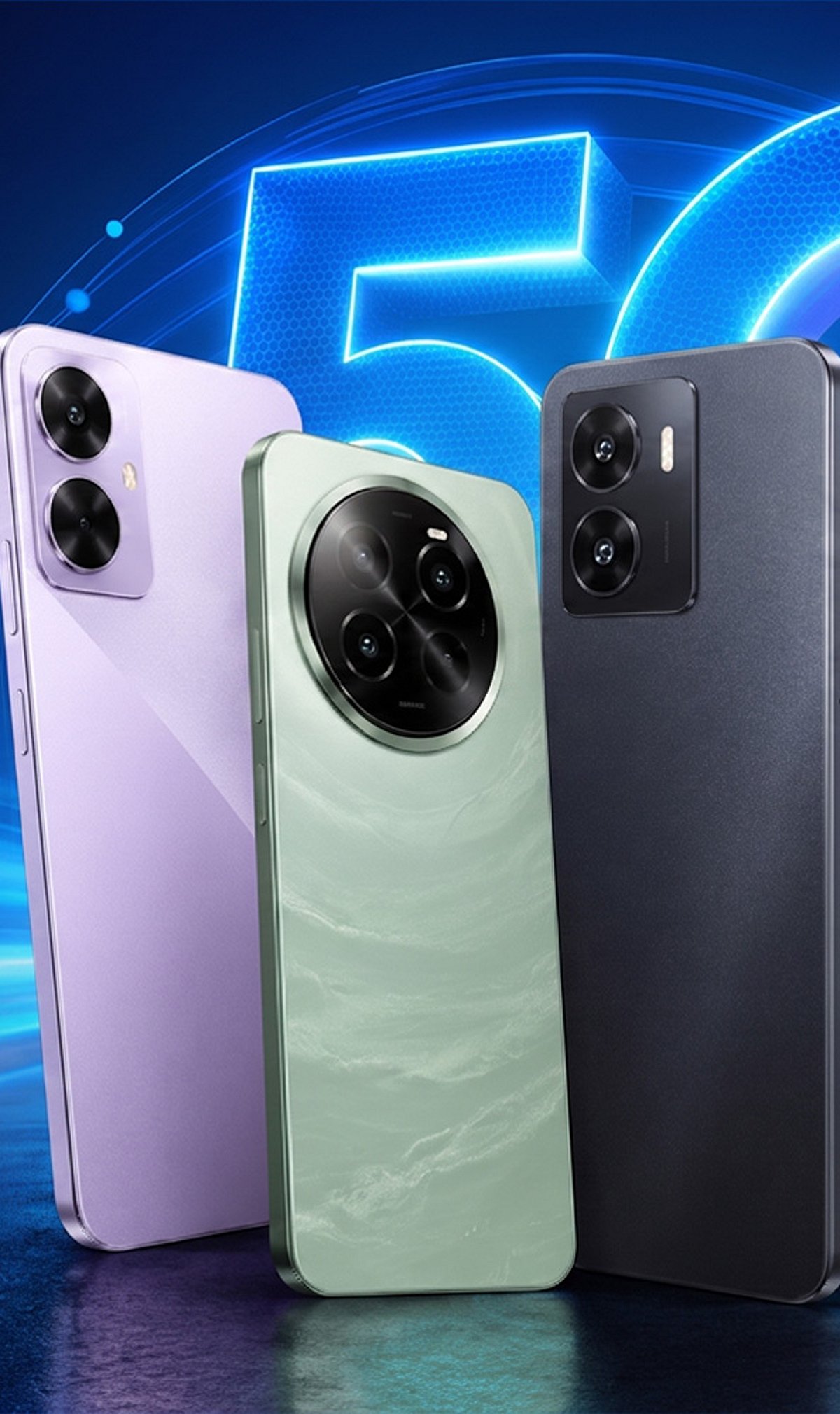
    Looking for a budget-friendly 5G smartphone in India this August 2026? The market is packed with impressive options that deliver excellent performance without breaking the bank. Here’s a curated list of the top budget 5G phones available this month, each offering a compelling mix of features, battery life, and value.

    CMF Phone 2 Pro

    This model stands out with a bright AMOLED display, a capable Dimensity processor, and a clean software experience. Its reliable cameras and all-day battery life make it a solid all-rounder for everyday use.

    iQOO Z11x 5G

    Featuring a high refresh rate display and an efficient Snapdragon chipset, the iQOO Z11x delivers smooth performance, dependable battery backup, and fast charging support.

    Redmi Note 15 5G

    The Redmi Note 15 5G combines an immersive AMOLED screen with balanced performance, capable cameras, strong battery endurance, and regular software updates — all at an affordable price.

    realme Narzo 90 5G

    With a stylish design, smooth display, and an efficient MediaTek processor, the Narzo 90 offers dependable gaming performance and fast charging, ideal for daily smartphone users.

    POCO M8 Pro 5G

    Gamers on a budget will appreciate the POCO M8 Pro’s powerful chipset, vibrant display, long battery life, and capable cameras for everyday photography.

    Motorola G96 5G

    This device provides a near-stock Android experience, a smooth OLED display, dependable Snapdragon performance, stereo speakers, and minimal bloatware, ensuring a clean software journey.

    Samsung Galaxy M17 5G

    Samsung’s trusted software support, vibrant display, reliable Exynos performance, large battery capacity, and dependable cameras make the Galaxy M17 a strong contender for daily usage.

    Lava Blaze Duo 5G

    An Indian brand making waves, the Lava Blaze Duo brings premium styling with a dual-display feature, smooth performance, and clean Android software at an impressive value.

    Infinix Note 60 5G

    Finally, the Infinix Note 60 5G offers a large high-refresh display, a capable processor, generous storage, fast charging, and strong multimedia performance at a very attractive budget price.

    Each of these smartphones proves that you don’t need to spend a fortune to enjoy fast 5G connectivity and a rich feature set. Evaluate your priorities — whether it’s display, battery, camera, or gaming — and pick the one that best fits your needs this August.

  • How to Photograph a Solar Eclipse with Your Smartphone: 9 Expert Tips

    How to Photograph a Solar Eclipse with Your Smartphone: 9 Expert Tips

    Capture the Next Solar Eclipse Like a Pro

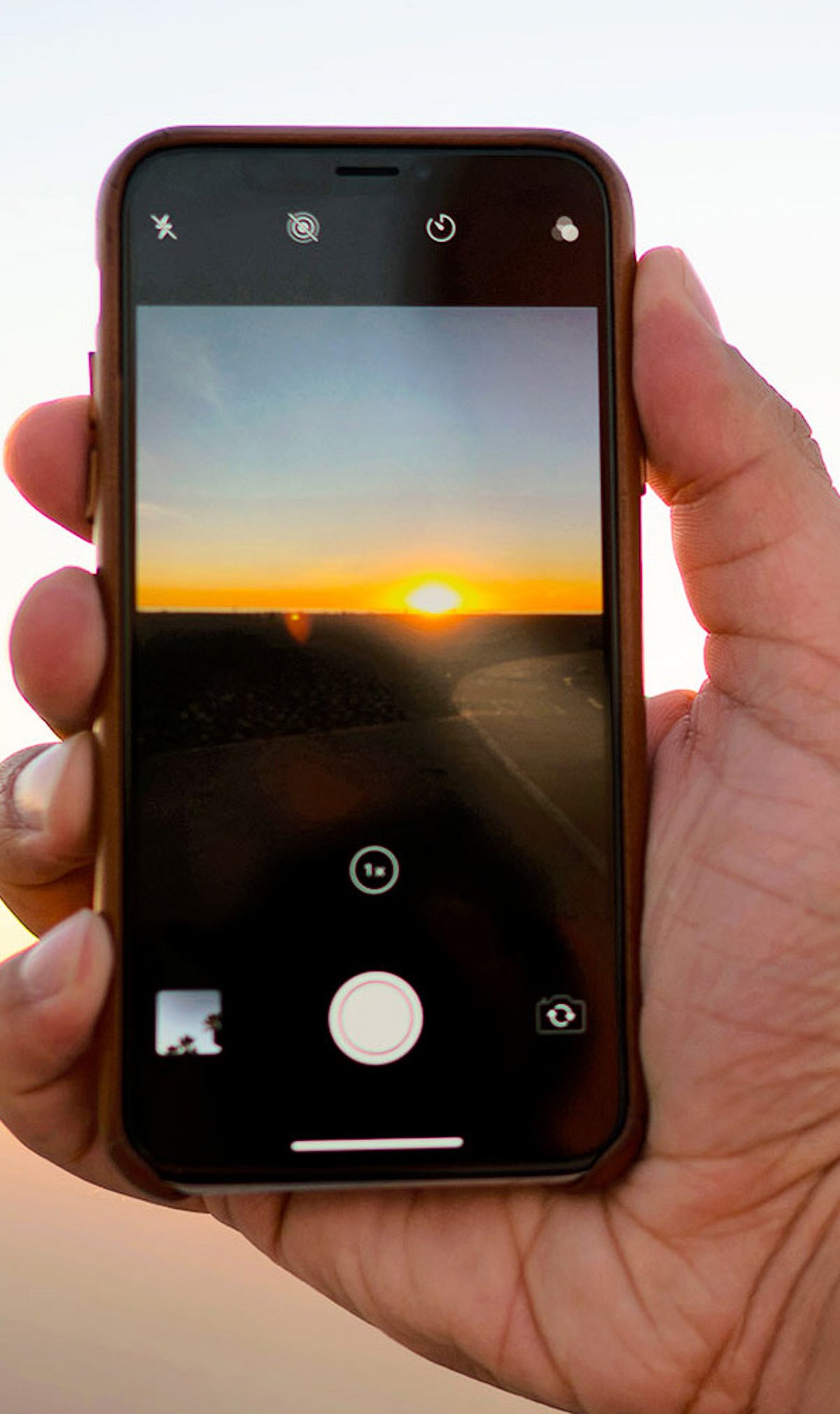
    Solar eclipses are rare, breathtaking events that demand preparation—especially if you want to document them with just your smartphone. While phone cameras aren’t built for astrophotography, a few smart techniques can help you capture stunning shots without damaging your device. Here are nine essential tips to get you ready.

    1. Use a Certified Solar Filter

    Never point your phone directly at the sun without a certified solar filter. These filters protect your camera sensor from intense light and heat, preventing permanent damage. Attach one that fits your lens securely before you start shooting.

    2. Stabilize Your Phone

    Use a tripod or rest your phone on a stable surface to eliminate camera shake. This is especially important when using longer exposures, which help capture the eclipse’s subtle details. Even a small tremor can blur the shot.

    3. Clean the Camera Lens

    Dust, fingerprints, and smudges can ruin an otherwise perfect photo. Wipe your lens with a microfiber cloth before the eclipse begins to ensure maximum clarity and sharpness.

    4. Turn Off Flash

    Flash is useless during an eclipse—it won’t illuminate the sun and can interfere with your camera’s exposure settings. Disable it completely to avoid unexpected lighting issues.

    5. Use Manual Controls

    Most smartphone camera apps allow manual adjustments. Set focus to infinity, lower ISO to reduce noise, and experiment with exposure to adapt to the changing light as the moon crosses the sun. This gives you far more control than auto mode.

    6. Shoot in High Resolution

    Capture images at the highest resolution your phone supports. This preserves fine details and gives you more flexibility to crop and edit later without losing quality.

    7. Avoid Digital Zoom

    Digital zoom simply enlarges pixels, resulting in blurry, low-quality images. Instead, move closer only if it’s safe (e.g., during totality with proper eye protection) or crop the photo in post-processing.

    8. Capture the Surroundings

    Don’t focus only on the sun. Photograph the changing sky, landscape silhouettes, and the reactions of people around you. These contextual shots tell a richer story of the eclipse experience.

    9. Practice Before Eclipse Day

    Test your camera settings, tripod setup, and solar filter in advance. Practice focusing and adjusting exposure on a bright day so you’re ready to act quickly when the eclipse begins. Timing is everything.

    With these tips, you’ll be well-prepared to document the next solar eclipse safely and beautifully. Happy shooting!

  • Redmi K200 Series Leak Hints at Major Naming Shift for Xiaomi’s Flagship Lineup

    Redmi K200 Series Leak Hints at Major Naming Shift for Xiaomi’s Flagship Lineup

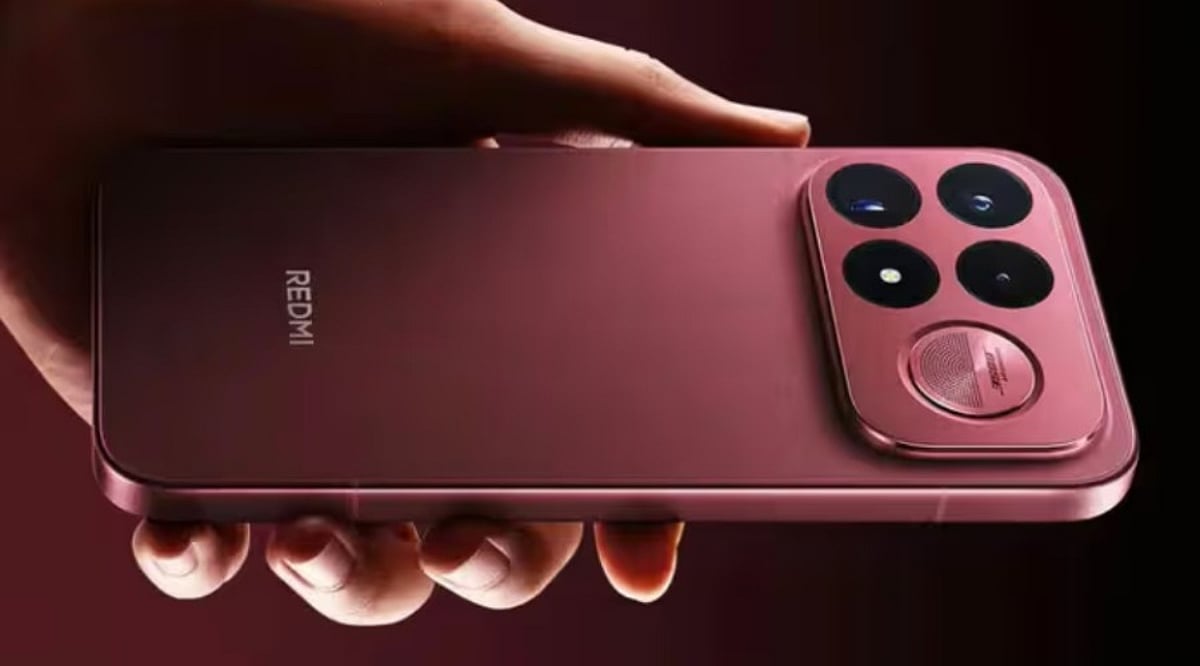
    Xiaomi’s sub-brand Redmi appears to be planning a significant change for its flagship K-series smartphones. Instead of continuing with the expected K110 naming, the company has teased that the next generation could be called the Redmi K200 series. The speculation comes as Redmi prepares to launch its K100 series in China on August 11.

    In a recent Weibo post, Redmi product manager Mia Xinxin responded to a fan question about the naming, saying, “Good question, K110 feels a bit strange.” That comment has reignited rumors that the brand may skip the K110 designation entirely and jump to K200 for its successor lineup.

    The upcoming Redmi K100 Pro series includes two models: the K100 Pro and K100 Pro Max. The Pro model is expected to pack an 8,580mAh silicon-carbon battery with 100W wired fast charging, a 200-megapixel primary camera, and a 6.59-inch OLED screen. The Pro Max will run on an octa-core Snapdragon 8 Elite Gen 5 chipset and house a 9,070mAh battery. Both devices target users who want flagship-level performance at a more accessible price point.

    Smartphone brands frequently change product names to mark new eras or make generations easier to identify. If Redmi officially adopts the K200 branding, it would be one of the biggest naming shifts the K-series has seen in years. Until Xiaomi confirms the change, fans and industry watchers will have to wait for more details.

    For now, all eyes are on the August 11 launch of the Redmi K100 Pro series, which will set the stage for what comes next.

  • Samsung Foldable Evolution: From the Original Galaxy Fold to the Galaxy Z Fold 8

    Samsung Foldable Evolution: From the Original Galaxy Fold to the Galaxy Z Fold 8

    Samsung changed the smartphone market with the launch of the first Galaxy Fold in 2019. That device introduced a phone that could open into a tablet-sized screen. The idea looked exciting, yet the first model faced several challenges. A fragile display, hinge gaps, and accidental screen damage forced the brand to delay the launch and redesign the product. Even after those early setbacks, the Galaxy Fold proved that foldable phones could become a real product category. That single launch marked the start of Samsung’s long journey toward better foldable technology.

    Galaxy Fold Started a New Chapter

    The original Galaxy Fold arrived with a 7.3-inch main display, a 4.6-inch cover screen, a Snapdragon 855 processor, six cameras, and a 4,235mAh battery. The device carried a premium price of nearly $1,980. Samsung improved the design before the final release and strengthened the display protection. The company also sealed the hinge area to stop dust from entering the phone. Those changes helped Samsung regain customer confidence and continue work on future foldable models.

    Every New Generation Brought Better Features

    Samsung emphasized gradual advancement rather than significant innovations on an annual basis. Galaxy Z Fold 2 emerged in 2020 featuring a bigger cover display and Ultra Thin Glass, plus a brand-new Hideaway Hinge. The following year brought the Galaxy Z Fold 3 with its water-resistive IPX8 rating, S Pen compatibility, an under-display front camera, and more resilient Armor Aluminum construction. These improvements made the Fold series more practical for everyday use. The Galaxy Z Fold 4 was launched in 2022 with a 50MP main camera, improved battery performance, and better multitasking. The company collaborated with Google to develop Android for huge foldable displays. Finally, the Galaxy Z Fold 5 hit the market in 2023 having undergone a Flex Hinge redesign that got rid of the visible gap when the phone was closed.

    Foldables Reached a Mature Stage

    Samsung shifted attention toward comfort and software after the hardware reached a stable level. The Galaxy Z Fold 6 arrived in 2024 with a wider cover display, stronger frame, Galaxy AI features, and better cooling. The Galaxy Z Fold 7 continued that progress in 2025 with a thinner body, lower weight, and larger displays. Many reviewers described that model as the closest Fold device to a traditional flagship smartphone. The brand refined almost every part of the design while keeping the familiar book-style foldable format.

    Galaxy Z Fold 8 Marks the Biggest Expansion Yet

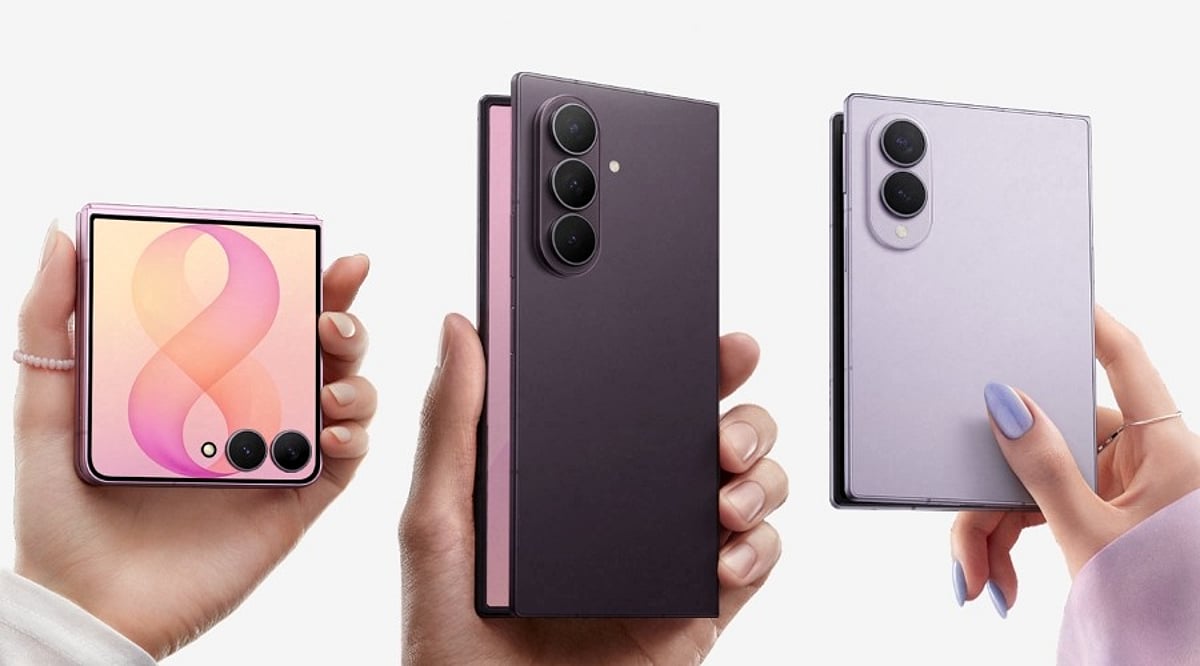
    Instead of releasing one model, Samsung introduced two models for the Fold series in 2026. The Fold series includes the Fold 8 and Fold 8 Ultra now. The Fold 8 is designed for entertainment, reading, and daily use while the Fold 8 Ultra focuses more on professionals and content creators requiring a bigger display and high-end cameras.

    The Fold 8 features a 7.6-inch Dynamic AMOLED 2X display with a 120Hz refresh rate along with a larger 5.5-inch cover display. The weight of the phone is just 201 grams, making it the lightest addition to the Galaxy Fold series yet. The processor used is Snapdragon 8 Elite Gen 5 along with the newest Android 17 operating system, Galaxy AI tools, and software updates for seven years. Dual 50MP cameras on the back and a battery of 4800mAh complete the package. The price of the Fold 8 is going to be around $1,899 globally and ₹1,74,999 in India.

    Fold 8 Ultra Raises the Premium Standard

    Samsung introduced the first Ultra model in the Fold series during the 2026 Galaxy Unpacked event. The Galaxy Z Fold 8 Ultra carries an 8-inch main display, a 200MP primary camera, a 5,000mAh battery, and a remarkably slim 4.1mm profile when fully open. The company built this model for users who demand desktop-like productivity, advanced photography, and larger workspaces inside a foldable device. The Fold 8 Ultra starts at around $2,099 in international markets.

    Prices Show Confidence in Premium Foldables

    Samsung kept Fold devices inside the premium smartphone segment from the very beginning. The original Galaxy Fold launched at almost $1,980 in 2019. The Galaxy Z Fold 3 reduced the starting price to about $1,799, which made foldables more accessible. Recent models returned to higher prices with stronger hardware and larger displays. The Galaxy Z Fold 8 starts at roughly $1,899, while the Fold 8 Ultra reaches around $2,099. The company also introduced a 30-month no-cost EMI plan in India, with monthly payments from ₹6,000 for the Fold 8 and ₹6,667 for the Fold 8 Ultra.

    Samsung Continues to Lead the Foldable Market

    Samsung transformed foldable phones from an experimental idea into a mature flagship category within seven years. Every generation solved a major challenge, whether that involved durability, display quality, software, battery life, or comfort. The latest Fold lineup shows how far the technology has progressed. Wider displays, lighter bodies, stronger hinges, advanced AI tools, and long software support now define Samsung’s foldable strategy. The Galaxy Z Fold 8 series stands as the strongest example of that steady evolution and confirms Samsung’s leadership in the premium foldable smartphone market.

  • Essential iPhone Accessibility Features Everyone Should Know

    Essential iPhone Accessibility Features Everyone Should Know

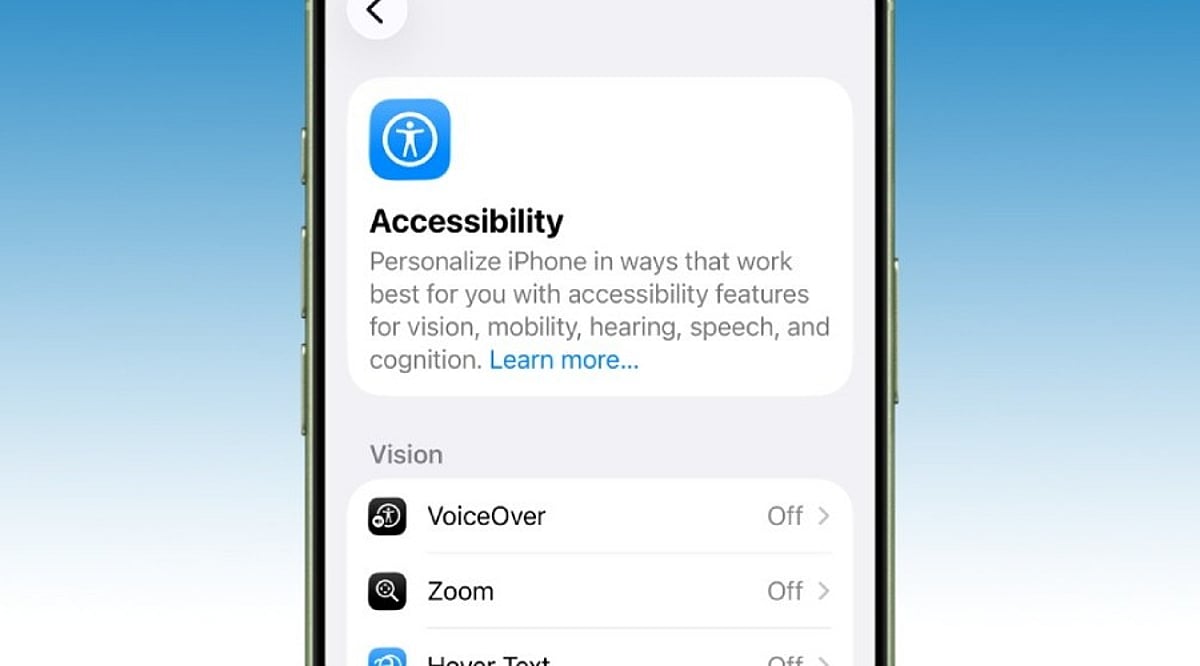
    Many iPhone users only explore the Accessibility menu when a specific need arises, leaving several powerful tools unnoticed. Apple designs these features for people with different abilities, but many also simplify everyday tasks for everyone. Recent updates in iOS 26, powered by Apple Intelligence, have made these tools even more capable. Here are 10 iPhone accessibility features that can save time, reduce effort, and enhance your overall experience without extra apps or accessories.

    Back Tap Adds Instant Shortcuts

    Back Tap turns the back of your iPhone into a hidden button. A double or triple tap can trigger actions like taking a screenshot, opening the camera, toggling the flashlight, or launching a favorite shortcut. It can also open Control Center or Notification Center. Many users find it indispensable after setup, as it eliminates extra steps and works through most phone cases.

    Live Captions Make Audio Easy to Follow

    Live Captions display spoken words as text on screen during calls, videos, and other audio content. This is invaluable in noisy environments, quiet spaces, or when hearing is difficult. iOS 26 expands caption support and Apple Intelligence improves subtitle quality, ensuring you never miss important details.

    Voice Control Handles Everyday Tasks

    Voice Control lets you operate your iPhone with spoken commands. Open apps, scroll, return to the Home Screen, or tap buttons without touching the display. Recent updates enhance natural language understanding, making commands feel more intuitive. Ideal for cooking, exercising, or any situation where your hands are busy.

    AssistiveTouch Simplifies Navigation

    AssistiveTouch places a floating button on screen that opens a menu of useful controls: lock screen, adjust volume, activate Siri, take screenshots, and more. You can create custom gestures for repetitive tasks. It’s a lifesaver when physical buttons wear out and enables one-handed use by keeping controls within reach.

    Background Sounds Create a Calm Space

    Background Sounds play soothing audio like rain, ocean waves, or white noise to improve focus and relaxation. Built directly into iOS, you can access it from Control Center without installing another app. Perfect for work, study, or rest.

    Sound Recognition Listens for Important Alerts

    Sound Recognition detects sounds like doorbells, smoke alarms, baby cries, or sirens and sends notifications. It keeps you aware of your environment even when wearing headphones or focusing elsewhere. Apple continues to improve accuracy through software updates.

    Magnifier Turns the Camera Into a Helpful Tool

    The Magnifier app transforms your iPhone camera into a digital magnifier. Read small text on medicine labels, menus, or documents with brightness, color filters, and contrast adjustments. iOS 26 adds Apple Intelligence for richer object and scene descriptions.

    Personal Voice and Live Speech Support Communication

    Personal Voice lets you create a digital version of your own voice for future use. Live Speech speaks typed words during calls, FaceTime, or in-person conversations. Recent updates improve voice quality and expand language support, helping preserve your unique communication style.

    Reduce Motion and Assistive Access Improve Comfort

    Reduce Motion minimizes screen animations for a calmer, more readable interface. Assistive Access simplifies the home screen with larger icons and essential apps only, designed for cognitive accessibility but also great for seniors, children, or anyone wanting a distraction-free experience.

    iOS 26 Brings Major Accessibility Improvements

    iOS 26 introduces Accessibility Reader for adjustable text, Braille Access for note-taking, and deeper Apple Intelligence integration. VoiceOver, Magnifier, Voice Control, and Accessibility Reader gain smarter image descriptions and language understanding. New features like Vehicle Motion Cues reduce travel discomfort. Apple continues to treat accessibility as a core part of the iPhone experience.

    These features prove that accessibility tools benefit everyone, not just those with specific needs. Try them out and see how they can streamline your daily iPhone use.

  • Apple iPhone Ultra Launch Predicted to Boost Foldable Phone Shipments 20% by 2026

    Apple iPhone Ultra Launch Predicted to Boost Foldable Phone Shipments 20% by 2026

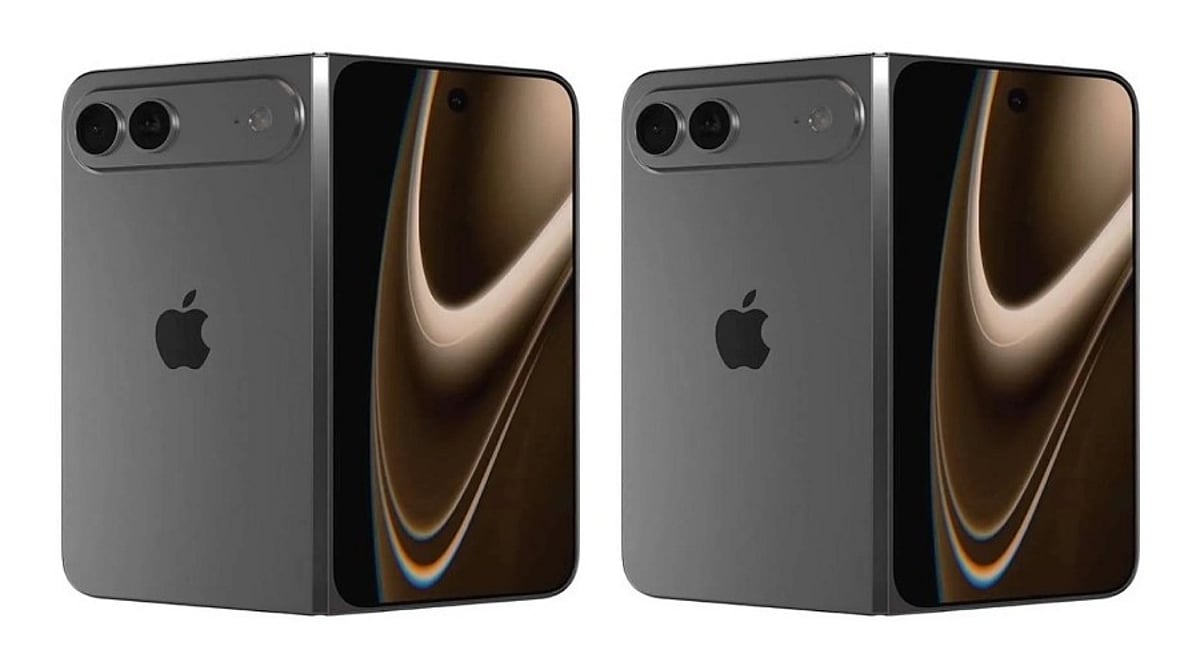
    Apple’s first foldable iPhone could help global foldable phone shipments grow 20% in 2026. The iPhone Ultra may arrive in September with the iPhone 18 Pro models. Industry sources cited by DigiTimes expect Apple’s entry to bring more buyers to foldable phones. Wider book-style designs could also support this growth across the global market.

    Samsung is expected to remain the biggest foldable phone maker in 2026. Apple could quickly become a strong competitor after entering the market. DigiTimes expects the fourth quarter to record the strongest foldable phone sales this year. Several new flagship phones could arrive during the same period.

    Apple has not confirmed the iPhone Ultra or its launch date yet. Reports suggest Apple asked suppliers to prepare around 10 million units for 2026. Supply issues could push pre-orders toward the fourth quarter, according to analyst Ming-Chi Kuo. Kuo expects strong demand for Apple’s foldable phone after its launch. He said the iPhone Ultra ‘could sell out immediately after pre-orders open.’ Delivery delays could follow if demand becomes stronger than supply.

    The expected launch could also change the foldable phone market. Samsung, Huawei, Motorola, and other Chinese brands already compete in this segment. Apple could bring more attention to larger foldable screens and premium designs. The wider smartphone market faces chip supply pressure and higher memory costs. Foldable phones could still grow as companies launch newer designs and better features. Apple’s entry could also encourage more buyers to try foldable phones for the first time.

    Reports suggest the iPhone Ultra could cost more than $2,000. The high price may limit sales among budget-conscious buyers. Still, Apple’s strong brand could help foldable phones reach a larger audience.

  • OnePlus Exits US and Canada Smartphone Market: What It Means for the Brand

    OnePlus Exits US and Canada Smartphone Market: What It Means for the Brand

    OnePlus has officially ceased smartphone sales in the United States and Canada, marking the end of its direct presence in the North American market. The company’s website now lists the OnePlus 15 and OnePlus 15R as sold out, and only a limited selection of accessories—such as earbuds and phone cases—remains available for purchase.

    The decision follows an internal restructuring at parent company OPPO, which has been consolidating its brand portfolio. OnePlus had confirmed in July 2026 that it would exit the region, and the withdrawal is now complete. While customers can still find remaining OnePlus smartphones through third-party retailers, stock is limited and depends on existing inventory.

    OnePlus built a loyal following by offering premium hardware at competitive prices, starting with the OnePlus One. However, increased competition in the premium mid-range segment has narrowed the brand’s differentiation. Industry speculation suggests OnePlus may once again operate as a sub-brand under OPPO, though no official announcement has been made. The company has not revealed any plans for future smartphone releases in North America.

    For now, OnePlus fans in the US and Canada must rely on third-party channels or look to other regions for new devices. The move underscores the shifting dynamics of the global smartphone market, where scale and integration are becoming increasingly critical.

  • Google Drive May Delete Inactive WhatsApp Backups After 5 Months — Protect Your Chats Now

    Google Drive May Delete Inactive WhatsApp Backups After 5 Months — Protect Your Chats Now

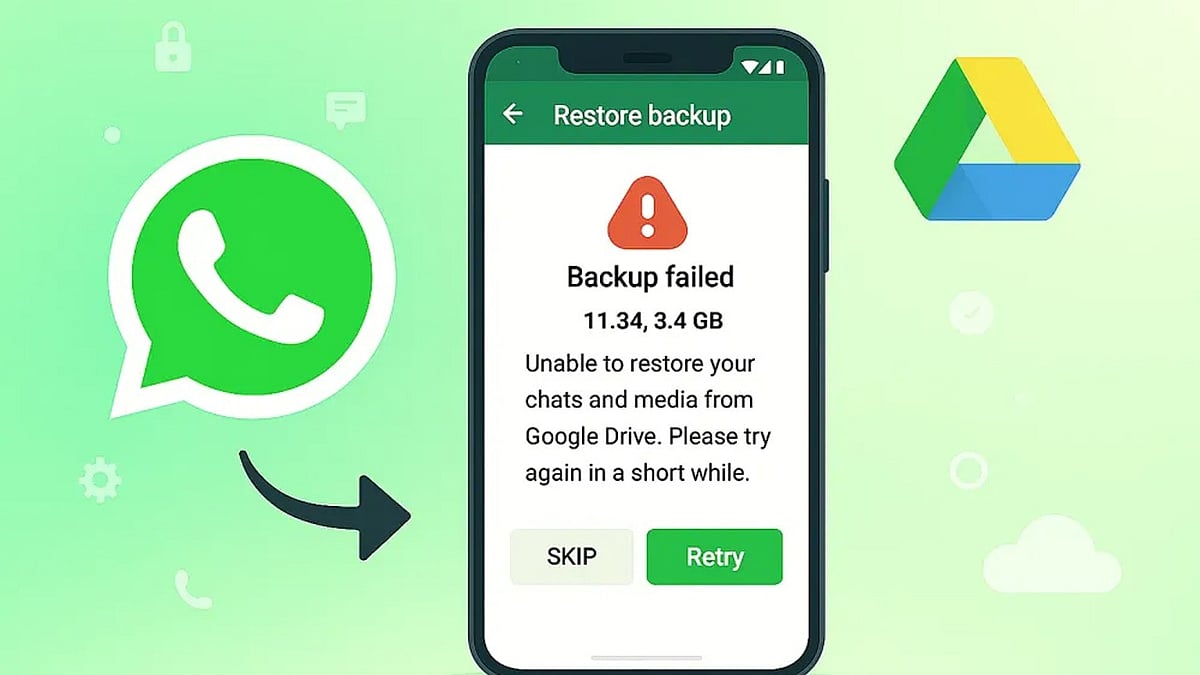
    Android users who rely on Google Drive to back up WhatsApp chats could lose years of conversations if their backup has not been updated in five months. Google may automatically remove inactive WhatsApp backups, and once they are gone, neither Google nor WhatsApp support can restore them.

    What Is Changing?

    According to guidance in the Google Drive Help Community, “WhatsApp backups that haven’t been updated in 5 months may automatically be deleted by Google.” The policy mainly affects Android users who use Google Account backups for WhatsApp and stop refreshing those backups for an extended period.

    The risk becomes more serious during phone upgrades or reinstallations because users often discover the missing backup only after WhatsApp has been installed on a new device. Without a recent backup, restoring old chats can be impossible.

    Why WhatsApp Backups Disappear

    Several factors can trigger the five-month deletion window, including:

    • Google Drive storage filling up and blocking new uploads
    • Changes to backup settings that stop scheduled backups
    • Repeated upload failures that are not checked over time

    Google Drive also keeps only the newest WhatsApp backup. Each successful upload replaces the previous copy, and older versions are not sent to a trash folder. This makes accidental chat loss much harder to reverse later.

    In addition, WhatsApp backups on Google Drive are encrypted. Users cannot browse or restore them through regular Google apps or websites, which means the cloud copy is not a simple backup file you can open independently.

    How to Keep Your WhatsApp Chats Safe

    Taking a few minutes to review your backup setup can prevent an unpleasant surprise. Android users should open WhatsApp Settings > Chats > Chat Backup regularly and follow these steps:

    • Set backup frequency to Daily or Weekly so Google Drive sees recent activity.
    • Confirm you have enough available Google Drive storage for new backups.
    • Make sure the Google Account listed in WhatsApp matches the account you use for regular backups.
    • Check the date of your last backup before switching phones or reinstalling WhatsApp.

    For important conversations, WhatsApp’s Export Chat feature creates a separate copy outside the backup system and can serve as extra protection. Local Android backups may also offer another recovery option if recent chats disappear from Google Drive.

    A Quick Check Can Save Years of Messages

    The risk of losing WhatsApp history is highest when users switch devices, because missing backups are usually discovered after the old phone is no longer available. Checking the last backup date today can reveal potential problems early and prevent a failed restore. With a simple review of your backup schedule and storage, you can protect years of conversations from automatic deletion.

  • Xiaomi HyperOS 4 Leak: Android 17-Based Update Brings Glass UI and Performance Boost

    Xiaomi HyperOS 4 Leak: Android 17-Based Update Brings Glass UI and Performance Boost

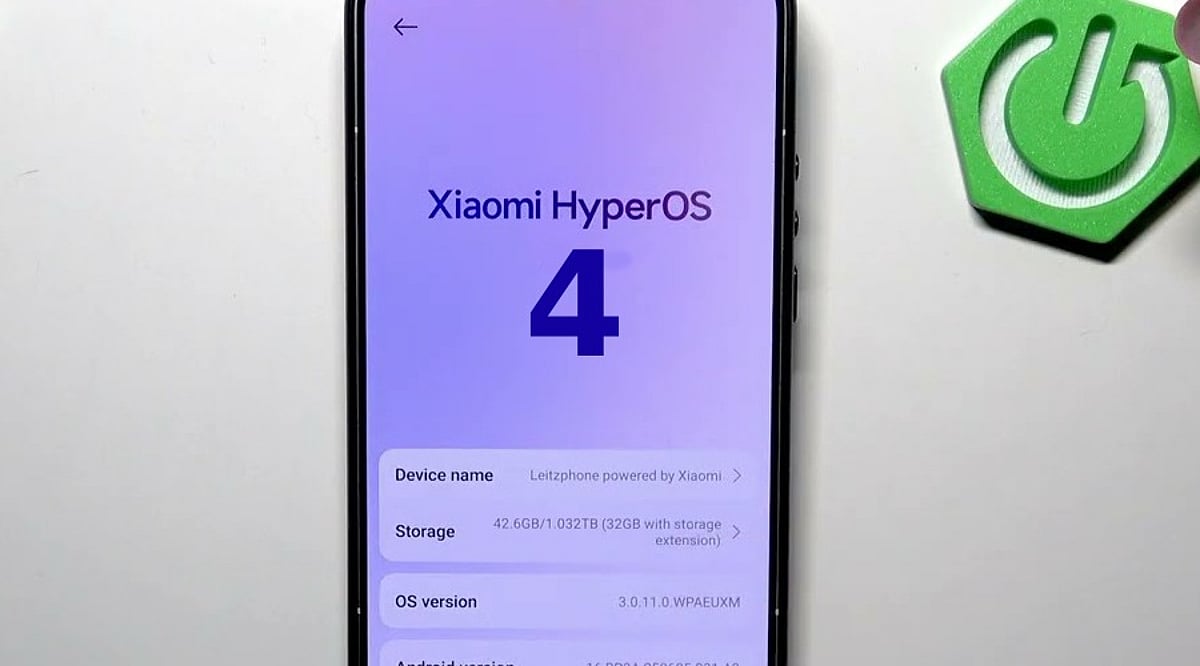
    Xiaomi is reportedly preparing to kick off beta testing for its next-generation HyperOS 4 software as early as August 7, according to a leaked roadmap. The update, built on Android 17, promises a redesigned interface, enhanced system performance, and deeper ecosystem integration.

    The leak indicates that beta registrations in China opened on August 5, followed by a software announcement on August 6. The first beta builds are expected to reach eligible users this week. While Xiaomi has not officially confirmed the timeline, the update is anticipated to introduce a fresh visual language centered on translucent glass-like interface elements.

    Visual Overhaul with New Interface Elements

    HyperOS 4 is expected to bring an all-new design language featuring translucent glass effects. Leaks suggest Xiaomi will overhaul system icons, animations, notifications, and the Control Center to create a sleeker, more modern look. Updated 2.5D icons, smoother transitions, and added visual depth are among the changes rumored. Improved lockscreen notifications, stacked widgets, and refined system navigation may also be part of the update, marking one of the largest visual upgrades since Xiaomi transitioned from MIUI to HyperOS.

    Focus on Performance and Security Upgrades

    Beyond aesthetics, HyperOS 4 is expected to emphasize system optimization. Reports indicate that Xiaomi is rebuilding several core applications using modern programming frameworks to improve stability, memory management, and overall responsiveness. Users can anticipate faster app launches, smoother multitasking, and better battery efficiency across compatible smartphones and tablets. Some leaks also mention deeper ecosystem integration between Xiaomi phones, tablets, wearables, and smart home devices, allowing seamless switching between connected products. However, Xiaomi has yet to officially reveal the complete feature list.

    Global Rollout Likely to Follow China Beta

    The China beta will be the first large-scale test, after which Xiaomi is expected to expand the software globally. Historically, Xiaomi releases new software in China first, followed by beta and stable versions for international markets after a few weeks. Industry sources suggest the stable version may arrive in late 2026, initially on flagship devices and then on Redmi and POCO series. Until Xiaomi issues an official statement, this information should be regarded as tentative. The leak indicates that HyperOS 4 could become one of Xiaomi’s most significant software releases, combining a bold new design with substantial performance gains.