Blog

  • How to Buy Crypto in India: A Step-by-Step Guide to KYC, Deposits, and App Trading

    How to Buy Crypto in India: A Step-by-Step Guide to KYC, Deposits, and App Trading

    Buying Crypto in India: What Beginners Need to Know

    For first-time buyers, getting started with cryptocurrency in India can feel complicated. In practice, most crypto trading apps follow a simple flow: create an account, finish KYC, deposit Indian rupees, and place an order. Before you invest, however, you need to choose a compliant platform and understand the fees, taxes, and risks involved.

    Step 1: Choose a Compliant Crypto App

    Select a crypto exchange or trading app that operates in India and supports INR transactions. Confirm that the platform is registered with the Financial Intelligence Unit-India (FIU-IND). FIU-IND requires virtual digital asset service providers involved in crypto-to-fiat exchange, crypto transfers, and custody to comply with the Prevention of Money Laundering Act (PMLA). This matters because the Indian government recently ordered the removal of websites and apps belonging to 15 VDA service providers over alleged PMLA non-compliance.

    Step 2: Complete Your KYC

    Register using your mobile number and email, then complete the app’s verification process. You will generally need your PAN and valid identification proofs. KYC helps the platform confirm your identity and meet anti-money-laundering rules. As a basic safety measure, never share your OTP, password, or crypto wallet recovery phrase with anyone who claims to be from the exchange.

    Step 3: Add Money to Your Account

    Once your KYC is approved, you can deposit Indian rupees into your trading account. Most platforms support UPI or bank transfers. Before depositing, check the platform’s minimum and maximum deposit limits, processing time, and applicable charges.

    Step 4: Buy Cryptocurrency

    After your INR balance is available, open the trading section and choose the cryptocurrency you want to purchase. Enter the amount you want to spend in INR or the quantity of crypto you want. The app will display the current price and applicable fees. Review the details and confirm your order if everything looks correct.

    Remember that crypto prices can move sharply in a short time. The government has warned that virtual digital asset and NFT transactions carry significant risks and may not provide regulatory recourse for losses.

    Step 5: Understand India’s Crypto Tax Rules

    Cryptocurrency gains are taxable in India. Under Income Tax Department rules, income from the transfer of virtual digital assets is taxed at 30%, plus applicable surcharge and 4% cess. A 1% TDS provision also applies to VDA transfers, subject to thresholds: ₹10,000 in aggregate consideration during the financial year for most people, and ₹50,000 for specified persons.

    Step 6: Keep Records for Tax Reporting

    Maintain detailed records of your crypto purchases and sales, transaction values, fees, and TDS. Good records make tax filing much simpler.

    FAQs

    Is cryptocurrency legal to buy in India?

    Yes, cryptocurrency can be bought and sold in India, but it is not recognized as legal tender. Use platforms registered with FIU-IND where applicable, and understand that crypto transactions carry financial, regulatory, and security risks.

    What documents are required for crypto KYC in India?

    Platforms generally require personal information, PAN, and valid identity documents. Exact requirements vary by platform. Share information only through the exchange’s official website or app, and never share OTPs or passwords.

    How can I deposit money into a crypto trading app?

    After KYC approval, add Indian rupees through supported payment methods such as UPI or bank transfer. Check minimum and maximum limits, processing times, and any applicable fees before depositing.

    How do I buy cryptocurrency using an Indian crypto app?

    Once INR is credited, go to the trading section, select the cryptocurrency you want, enter the amount in rupees or the desired crypto quantity, review the displayed price and fees, and confirm the order if the details are correct.

    What taxes apply when buying and selling cryptocurrency in India?

    Income from transferring virtual digital assets is generally taxed at 30%, plus applicable surcharge and 4% cess. A 1% TDS provision also applies subject to thresholds. Keeping detailed transaction, fee, purchase, and sale records can simplify tax reporting.


  • Amazon Weekend Sale: Massive Discounts on Nothing, Motorola, Redmi, and iQOO Smartphones

    Amazon Weekend Sale: Massive Discounts on Nothing, Motorola, Redmi, and iQOO Smartphones

    Looking to upgrade your smartphone without paying full price? Amazon has rolled out a weekend sale with substantial discounts on popular brands including Nothing, Motorola, Redmi, and iQOO. From premium flagship devices to budget-friendly 5G models, shoppers can find significant price cuts, with additional savings available through bank and exchange offers.

    Top Smartphone Deals This Weekend

    Nothing Phone (3)

    The Nothing Phone (3) leads the list with a massive discount. The 16GB RAM + 512GB storage variant is available for ₹51,999, down from its original ₹89,999 — a saving of nearly ₹38,000 before any additional offers. It features a 6.67-inch 1.5K AMOLED display, a 5500mAh battery, a Snapdragon 8s Gen 4 chipset, and a 50MP camera.

    Nothing Phone (3a) Pro

    For a more affordable Nothing device, the Phone (3a) Pro (12GB+256GB) is listed at ₹34,999, down from ₹49,999 — a 30% reduction.

    Motorola Edge 60 Fusion

    The Motorola Edge 60 Fusion offers a premium mid-range experience. The 8GB+256GB variant starts around ₹20,900, while the 12GB+256GB version is also available. It sports a 6.7-inch 120Hz display, MediaTek Dimensity 7400 chipset, 5,500mAh battery, and 68W fast charging.

    Redmi Turbo 5

    Performance and battery enthusiasts will appreciate the Redmi Turbo 5. The 8GB+256GB model is priced at ₹41,999, and the 12GB+256GB variant at ₹46,999. It packs a huge 7,540mAh battery, 100W fast charging, and an IP69K rating.

    iQOO Z11 Lite 5G

    For budget-conscious buyers, the iQOO Z11 Lite 5G starts at ₹19,999 (4GB+128GB). The 6GB+256GB variant is around ₹26,499. It features a 6.74-inch 120Hz display, MediaTek Dimensity 6300 processor, 50MP camera, and a 6,500mAh battery with 44W charging.

    Important Notes

    Prices on Amazon may vary based on availability, color, and bank deals. Always verify the final price at checkout before purchasing.

    Frequently Asked Questions

    Which smartphones are included in Amazon’s weekend offers?
    The deals cover Nothing, Motorola, Redmi, and iQOO models, including Nothing Phone (3), Nothing Phone (3a) Pro, Motorola Edge 60 Fusion, Redmi Turbo 5, and iQOO Z11 Lite 5G.

    Which phone has the biggest discount?
    The Nothing Phone (3) 16GB+512GB variant sees a discount of nearly ₹38,000, dropping from ₹89,999 to ₹51,999.

    What is the price of the Nothing Phone (3) on Amazon?
    It is listed at ₹51,999 for the 16GB+512GB variant.

    What affordable iQOO phone is available?
    The iQOO Z11 Lite 5G starts at ₹19,999 for the 4GB+128GB model.

    Can prices change during the sale?
    Yes, prices can change due to stock, promotions, and bank offers. Check the product page for the latest pricing.

  • AI Learning Roadmap: From Beginner to Advanced Skills in Four Stages

    AI Learning Roadmap: From Beginner to Advanced Skills in Four Stages

    An AI learning roadmap is a staged path that moves learners from basic literacy to advanced specialization. Rather than a random collection of courses, it provides a sequence where each level builds on the previous one. With AI skills increasingly demanded in entry-level roles, following the right progression is more important than simply accumulating knowledge.

    The Four Stages of an AI Learning Roadmap

    Stage 1: Building AI Literacy (Weeks 1–4)

    This foundation stage covers what large language models do, why they hallucinate, the difference between a model and an application built on it, and basic data and AI ethics. Employers value the ability to choose the right AI tool and verify its output over deep technical expertise. Free resources like Google’s AI Essentials, Anthropic’s documentation, and Andrew Ng’s introductory courses are excellent starting points. The goal is to be able to explain in plain terms what a model does and where its output needs a second check.

    Stage 2: Applying AI in Real Workflows (Months 2–4)

    Once the basics are set, hands-on use begins. Prompt engineering is part of this stage, but the real skill is workflow design: breaking tasks into steps, providing the right context, checking output, and automating repetitive parts. Building a pipeline that pulls data, summarizes it with AI, and flags anomalies for review is a practical achievement. A few finished workflows carry more weight than a certificate.

    Stage 3: Moving Into AI Engineering (Months 4–10)

    This is where technical depth starts. Python and SQL come first, then statistics, classical machine learning, neural networks, embeddings, and finally retrieval-augmented generation (RAG) and LLM-based applications. Each step supports the next. Learners should become comfortable with a major deep-learning framework like PyTorch or TensorFlow. Fast.ai’s practical deep learning course, DeepLearning.AI specializations, and Kaggle competitions provide strong open resources and a public portfolio.

    Stage 4: Choosing an Area of Specialization (Year 1 and Beyond)

    The field is too wide for anyone to cover all of it. This stage focuses on picking a problem to master, such as MLOps, AI security, multimodal systems, or agentic AI. Stanford’s 2026 Index shows agentic AI mentions in U.S. job postings grew over 280% in one year. Specialization turns general fluency into a defensible skill set. Advanced ability is measured by the complexity of problems solved, not the number of frameworks known.

    Why Sequence Matters

    The biggest risk in learning AI is not falling behind but learning the wrong things in the wrong order. Skipping stages explains why some self-taught learners can describe transformers but cannot ship a working chatbot. A roadmap ensures that each level builds a foundation for the next, turning scattered knowledge into practical, demonstrable skills.

    Final Thought

    The roadmap itself will shift as AI capabilities evolve—agentic AI barely existed as a hiring category two years ago. What stays fixed is the order: literacy, application, engineering, specialization. Learners who follow that sequence build something they can point to and explain, not just a list of finished courses.

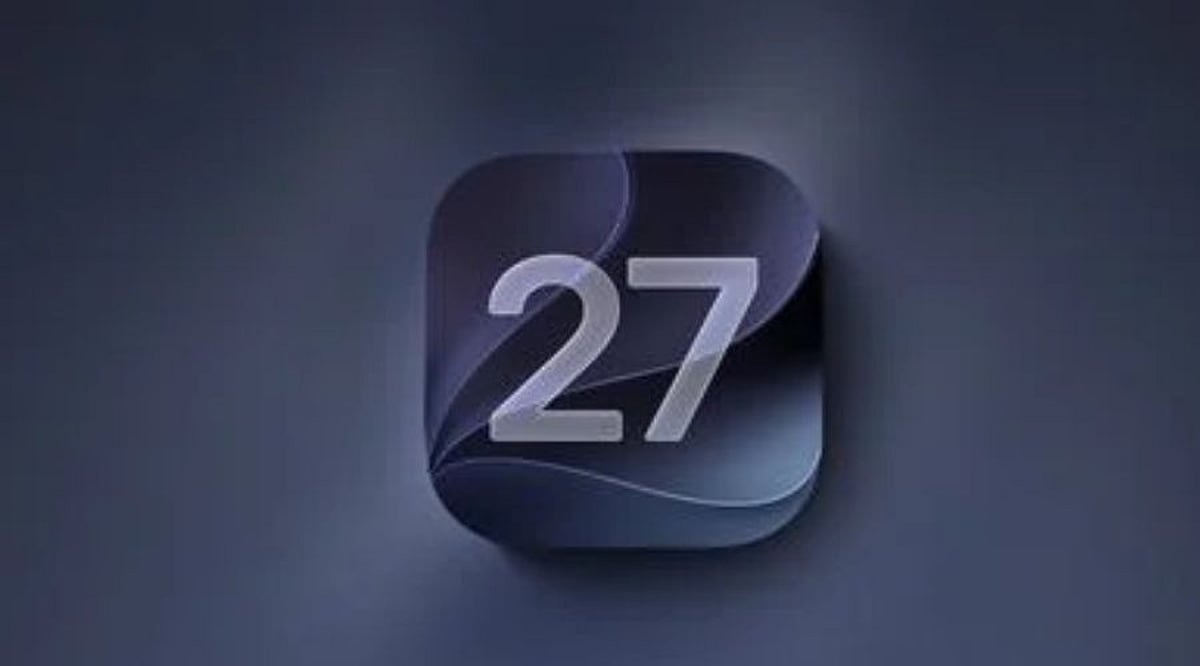
  • Apple iOS 27: Smarter Siri, AI Features, and a Fresh iPhone Experience

    Apple iOS 27: Smarter Siri, AI Features, and a Fresh iPhone Experience

    Apple has begun rolling out iOS 27 to supported iPhones, starting September 14, 2026. The Cupertino-based tech giant warns that not all eligible devices will receive the update simultaneously, so users should first confirm their iPhone is supported and the update is available in their region.

    iOS 27 introduces a redesigned look, a stronger emphasis on artificial intelligence, and several practical enhancements. Key updates include a smarter Siri capable of handling more natural conversations and understanding context across apps, new Apple Intelligence features, improved call tools, and updates to Messages, Photos, Maps, and the Phone app.

    Apple Maps now offers the Flyover experience, using aerial imagery and Visual Intelligence to deliver detailed route views. Siri can also work across supported apps, making it a more integrated assistant.

    Eligible devices range from iPhone SE (2nd Generation) to iPhone 17 Pro Max, with iPhone 18 Pro, iPhone 18 Pro Max, and iPhone Duo also included. Rollout timing may vary by region.

    To install iOS 27, go to Settings > General > Software Update, select iOS 27, and follow on-screen instructions. Apple recommends backing up your device, using a stable Wi-Fi connection, and ensuring sufficient free storage.

    The real test will be daily use. If Siri can understand on-screen content and help across apps, AI may shift from an extra feature to a natural part of the iPhone experience. Apple demonstrates that a major phone upgrade doesn’t always require new hardware. For supported iPhone users, iOS 27 offers a fresh experience without purchasing a new device.

  • NYT Strands #925 Hints, Spangram, and Answers for September 14, 2026

    NYT Strands #925 Hints, Spangram, and Answers for September 14, 2026

    NYT Strands puzzle #925 for September 14, 2026, challenges players with a theme centered on shock and surprise. The puzzle’s theme is “OH MY GOSH!!” and all six themed words describe involuntary reactions to startling events. The spangram “THATSSHOCKING” ties the board together. Below, we provide the full answer list, clue words, and hints to help you solve today’s Strands.

    Today’s Strands Theme

    The theme prompt “OH MY GOSH!!” sets the tone for the entire board. Solvers must identify words that describe instinctive responses to something shocking or unbelievable: a sudden exclamation, freezing in place, a sharp gasp, recoiling, shuddering, or starting in surprise.

    Clue Words to Unlock Hints

    Finding three valid four-letter words in the grid unlocks an in-game hint. The following words worked as clue triggers for puzzle #925:

    • DUCK
    • LICE
    • SHUCK
    • TART
    • DAZE
    • FRESH

    None of these are part of the theme; they only serve as bridges to the hint system.

    Spangram Clues Before the Reveal

    The spangram runs left to right across the board, spanning thirteen letters and starting in the top row. A gentle hint: a familiar reaction to an astonishing revelation. A stronger hint: a full sentence someone might blurt out after hearing shocking news. The final push: the first letter is T and the last letter is G.

    Spoiler Warning: Today’s Strands Answers

    The spangram for September 14, 2026, is THATSSHOCKING.

    The remaining themed words are:

    • EXCLAIM
    • FREEZE
    • GASP
    • RECOIL
    • SHUDDER
    • START

    Each word captures a different physical or verbal reaction to surprise: a sudden burst of speech, locking into stillness, a sharp breath, an instinctive pull away, an involuntary tremble, or a sudden jerk.

    How NYT Strands Works

    Strands hides themed words inside a rectangular letter grid (usually six rows by eight columns). Letters connect in any direction, including diagonals, and each word can twist and turn. Every letter in the grid is used exactly once by the time the puzzle is solved. The spangram touches two opposite sides of the board and captures the day’s theme in one continuous word or phrase. Non-theme words still count toward unlocking hints: typing any four-letter-or-longer word that exists in the grid contributes to the hint counter.

    Yesterday’s Strands Recap

    Sunday, September 13, carried the theme “Undercover,” with OPERATIVE among the answers and UNDERCOVER as the spangram. That board leaned on espionage-related vocabulary, a sharp contrast to the reaction-based theme that followed on September 14.

    More NYT Games for the Daily Streak

    Strands rarely stands alone in a daily routine. Many solvers move straight from Strands into Wordle, then Connections, followed by Connections: Sports Edition and the Mini Crossword. Each game tests a different skill, from pattern recognition to categorization to speed-solving short clues. A new Strands board arrives every day with a fresh theme, a new spangram, and another set of hidden words waiting inside the grid.

  • Five Cars Worth Waiting for Before Diwali 2026: Key Updates and Launch Timelines

    Five Cars Worth Waiting for Before Diwali 2026: Key Updates and Launch Timelines

    Buying a car during the festive season can be a costly mistake if a better model arrives just weeks later. In 2026, there are more reasons than usual to hold off on a purchase. From refreshed designs to new electric and hybrid powertrains, several noteworthy launches are expected—but their timing and real impact vary. The smart approach is to evaluate which updates genuinely transform the ownership experience rather than simply add a new badge.

    Mahindra Thar Facelift

    The Thar’s update focuses more on style than mechanical changes. Expect Roxx-inspired exterior cues and a more spacious, modern cabin with a larger touchscreen. The engine and gearbox lineup is likely to remain unchanged, making this facelift ideal for buyers who already want a Thar but prefer the refreshed look. Mahindra hasn’t officially confirmed a date, but reports suggest a late-September launch ahead of the festive season.

    Volkswagen Virtus Facelift

    Sedans continue to lose ground to SUVs, which makes the Virtus update noteworthy for a different reason. Test mules have shown a revised front end along with minor cabin and equipment tweaks. What stands out is Volkswagen’s continued investment in a sedan while most rivals redirect funds toward SUVs. If you’re already leaning toward a Virtus, waiting for the October 2026 arrival makes sense rather than booking the outgoing version now.

    Tata Safari EV

    Tata is introducing a fully electric powertrain to the Safari, extending the nameplate beyond its current petrol and diesel options. This will be the brand’s first three-row electric vehicle, offering large families an SUV with zero emissions. Final pricing and specs haven’t been announced, so it’s wise to wait for official numbers rather than rely on early estimates.

    Maruti Fronx Facelift

    This is the least confirmed update on the list. Spy shots hint at styling changes and a possible equipment boost, but Maruti has yet to release official details. What makes it worth tracking is the competitive price segment it occupies—one of the most crowded in the market. Even a modest refresh could shift its standing against rivals. If you don’t have a deadline, keep it on a watchlist rather than a shortlist.

    Renault Duster Hybrid

    Renault’s strong-hybrid system pairs a 1.8-liter petrol engine with two electric motors and a 1.4 kWh battery. The company claims it can run in EV mode for up to 80% of city driving, potentially delivering substantial fuel savings for urban commuters. Hybrid deliveries are expected around Diwali. Unlike cosmetic updates, this one changes daily driving dynamics, making it the strongest case for waiting among high-mileage city buyers.

    Before Booking Anything

    Not every model on this list justifies the same wait. The Thar and Virtus updates suit buyers already set on those nameplates. The Safari EV introduces a new option for families seeking a three-row electric SUV. The Duster Hybrid offers a genuine change in running costs. The Fronx remains uncertain and should stay on a watchlist until Maruti provides more information.

    Final Thought

    A new badge on the trunk is never the real reason to wait. The stronger reason is whether the update affects something that truly matters—running cost, cabin space, or the powertrain itself. As these launches get confirmed through September and October, comparing final prices and delivery timelines will be far more important than comparing launch dates.

    FAQs

    1. Which cars are worth waiting for before Diwali 2026?
    Key upcoming models include the Mahindra Thar facelift, Volkswagen Virtus facelift, Tata Safari EV, Maruti Fronx facelift, and Renault Duster Hybrid.

    2. When is the Mahindra Thar facelift expected to launch?
    Reports point to a late-September 2026 launch, though Mahindra hasn’t officially confirmed the date.

    3. Is the Tata Safari EV launching before Diwali 2026?
    Tata has planned the Safari EV around the 2026 festive season, but final pricing, specs, and exact date are yet to be announced.

    4. Which upcoming car is best for fuel-conscious city drivers?
    The Renault Duster Hybrid is the strongest option for high-mileage city drivers, thanks to its hybrid system designed to maximize EV-mode driving in urban conditions.

    5. Should buyers wait for the Maruti Fronx facelift?
    Only those with flexible timelines should wait. The facelift has been spotted in testing, but Maruti hasn’t officially confirmed specs or timing.

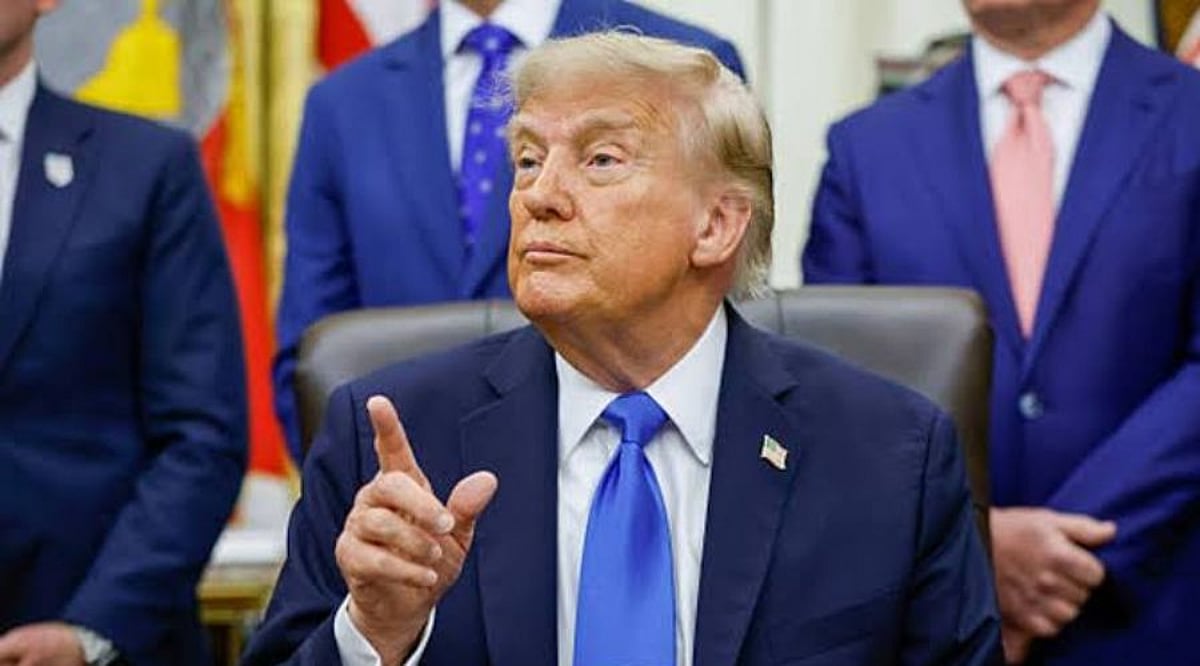
  • Trump Accepts Expanded Crypto Ethics Enforcement as CLARITY Act Heads to Senate Vote

    Trump Accepts Expanded Crypto Ethics Enforcement as CLARITY Act Heads to Senate Vote

    President Donald Trump has agreed to significantly tougher ethics provisions in the CLARITY Act, clearing the way for a critical Senate vote scheduled for Tuesday. The revised compromise grants state attorneys general a broader enforcement role, addressing concerns over potential presidential conflicts of interest in the crypto space.

    State Attorneys General Gain Broadened Enforcement Powers

    The original version of the bill barred federally elected officials, their spouses, and federal judges from issuing digital assets. Critics argued, however, that the language did not adequately address ethical questions tied to President Trump’s extensive crypto holdings and business interests.

    Republican Senator Thom Tillis and Democratic Senator Ruben Gallego, joined by several of their Democratic colleagues, pushed for stronger measures. Their proposal would allow state attorneys general to enforce the law in coordination with the U.S. Department of Justice.

    According to Republican Senators Cynthia Lummis, Tim Scott, and John Boozman, Trump accepted a substantial portion of the proposed framework. They confirmed that the revised text now gives state attorneys general a meaningful enforcement role.

    Presidential Conflict-of-Interest Questions Remain Central

    Senator Angela Alsobrooks of Maryland, considered a key swing vote, said state attorneys general must be able to step in and prosecute when the Justice Department fails to act. She added that she would not support any bill that left ethical risks unaddressed.

    White House crypto adviser Patrick Witt said the administration and Senate Republicans had remained responsive to Democratic policy demands throughout more than a year of negotiations.

    Presidents have historically been exempt from federal conflict-of-interest laws because they oversee the entire government. While some modern presidents have placed assets in blind trusts, Cabinet officials are generally expected to divest or recuse themselves from specific matters.

    Trump’s Crypto Business Draws Continued Scrutiny

    Last year’s stablecoin law prohibited members of Congress and their families from profiting from stablecoin activities, but the restrictions did not extend to President Trump or his family. The White House has said Trump recuses himself from family business decisions handled by his sons.

    According to data referenced in the bill debate, Trump’s crypto-related revenues reached $1.2 billion, with more than $600 million stemming from sales of his branded meme coins through CIC Digital LLC. In May, Trump hosted leading investors in the $TRUMP meme coin at his northern Virginia golf club; the White House said he attended the event in a personal capacity.

    What to Watch Before the Senate Vote

    With the Senate vote looming, the compromise appears designed to satisfy both Democratic critics and Republican supporters. The expanded role for state attorneys general is expected to be central to the debate. How senators align on the measure could determine whether the CLARITY Act advances to final passage.

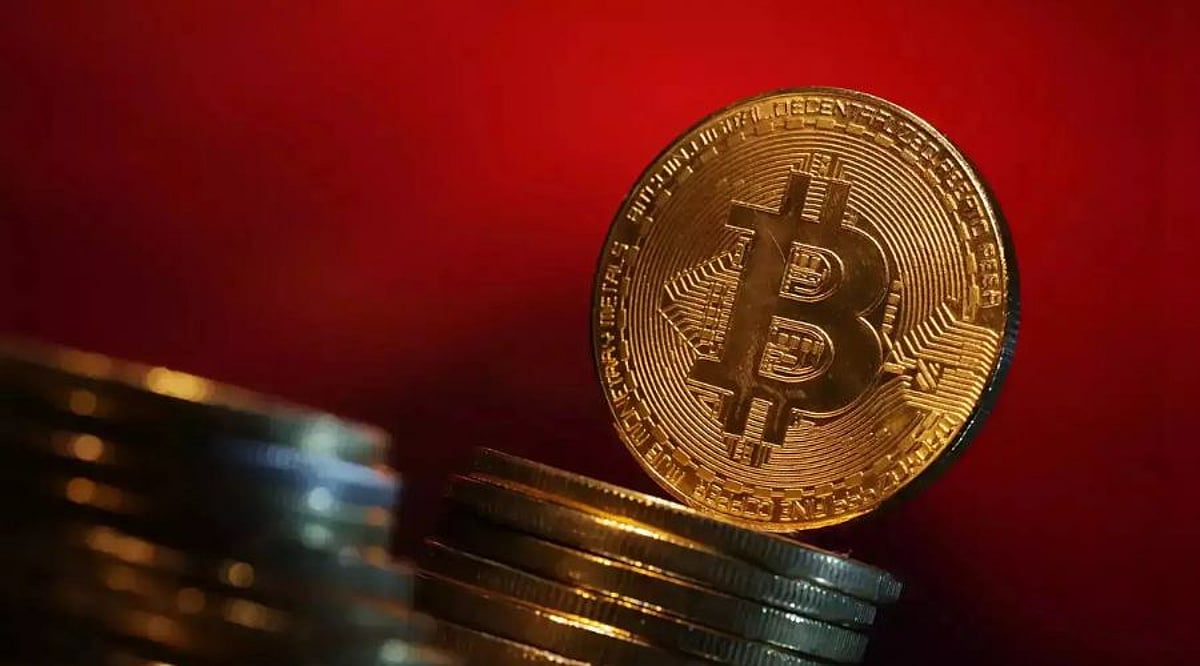
  • Bitcoin Steady Near $77,000 as Fed Rate Hike Probability Climbs to 85%

    Bitcoin Steady Near $77,000 as Fed Rate Hike Probability Climbs to 85%

    Bitcoin held near USD 77,000 on Monday as cryptocurrency markets braced for a crucial Federal Reserve meeting this week. Rate markets now place an 85% chance on a 25-basis-point rate increase. The leading cryptocurrency traded between roughly USD 77,000 and USD 77,200 during Monday morning and remains about 6% below its three-month high above USD 82,000 set earlier this month.

    Meanwhile, Ethereum traded near USD 2,540, while Solana held above USD 101. According to CoinDesk’s market snapshot, Ethereum gained about 2.9% and Solana rose 1.4%, while Bitcoin slipped slightly.

    Fed Rate Decision Takes Center Stage

    Traders are now focused on the Federal Reserve’s September 15-16 meeting after stronger inflation data shifted expectations. August consumer prices increased 0.4% from July and 3.4% from a year earlier. As a result, interest-rate markets moved toward expecting another rate increase, with the probability of a 25-basis-point hike climbing to roughly 85% before the meeting.

    Higher rates can affect cryptocurrency markets because Treasury securities become more attractive to yield-seeking investors. At the same time, borrowing costs rise for leveraged and speculative positions. Goldman Sachs reportedly abandoned its previous forecast for unchanged rates, shifting instead toward expecting a 25-basis-point increase as persistent inflation strengthened the case for tighter policy.

    Altcoins Rise as Technology Stocks Retreat

    Crypto markets showed relative strength even as technology shares weakened. Bitcoin gained about 1% over 24 hours to roughly USD 77,800, while Ether rose about 1% to USD 2,500. In contrast, the Invesco QQQ ETF fell 1.5% in U.S. pre-market trading. South Korea’s KOSPI dropped 3%, and memory-chip producer SK Hynix declined 6%.

    Those moves followed renewed concerns about artificial intelligence development. Anthropic CEO Dario Amodei called for slower development so safety measures could catch up. OpenAI CEO Sam Altman and Elon Musk also voiced agreement. Separately, Anthropic reportedly selected Nasdaq for its expected IPO, while Altman said OpenAI would not go public in 2026.

    Bitcoin had already faced pressure from hotter inflation, rising Treasury yields and higher oil prices. Those forces repeatedly blocked attempts to reclaim the USD 80,000 level.

    Bitcoin Faces USD 81,700 Breakout Test

    Bitcoin briefly approached USD 80,000 after Friday’s consumer inflation figures before giving back much of the advance. Traders now face a narrow range before the Federal Reserve decision. CryptoQuant identified approximately USD 81,700 as the next major level Bitcoin must clear before a new bullish phase gains stronger confirmation.

    The analytics firm described Bitcoin’s underlying trend as constructive after a roughly 24% rebound across two weeks. Still, several resistance levels remain above the current price. Additional resistance sits near USD 83,600 and USD 88,700. On the downside, CryptoQuant identified USD 70,000 as a potential support level. A stronger accumulation area sits between USD 62,000 and USD 65,000. Long-term holders have accumulated about 476,000 Bitcoin around that broader zone this year.

    Can Bitcoin clear USD 81,700 while markets adjust to another Federal Reserve rate increase? For now, Bitcoin remains between resistance near USD 80,000 to USD 82,000 and major support below the current market price.

    Final Thoughts

    Bitcoin remains near USD 77,000 as traders prepare for a Federal Reserve decision that markets increasingly expect will deliver a 25-basis-point rate increase. Ethereum and Solana have outperformed Bitcoin, while USD 81,700 remains the key upside level and USD 70,000 marks important downside support.

  • RLUSD Hits Record $2.44B Supply as Ripple Targets $13T Corporate Treasury Market

    RLUSD Hits Record $2.44B Supply as Ripple Targets $13T Corporate Treasury Market

    Ripple’s RLUSD stablecoin has reached a new all-time high in supply, climbing to nearly $2.44 billion as the company accelerates its push into corporate treasury services, payments, and capital markets.

    Speaking on the Thinking Crypto podcast, host Tony Edward said Ripple’s Stablecoin Chief Jack McDonald sees a customer base handling roughly $13 trillion in annual transactions. Edward linked that opportunity to the rising adoption of stablecoins in payments and institutional finance.

    The milestone comes as Ripple expands RLUSD across multiple blockchain networks and institutional products, with the U.S. Senate scheduled to vote on the CLARITY Act on Sept. 15.

    RLUSD Supply Jumps 41% in 30 Days

    Data aggregators recorded an RLUSD all-time high of $2.442 billion this week. DeFiLlama showed about $2.42 billion in circulation on Monday, Sept. 14.

    That figure stood near $2.41 billion a week earlier and $1.72 billion a month ago, meaning RLUSD supply rose by roughly 41% over 30 days. The stablecoin crossed the $2 billion mark on Aug. 25 after ending July near $1.58 billion. The key question now is whether Ripple can convert this rapid supply growth into sustained corporate treasury activity.

    Ethereum Takes the Lead in RLUSD Distribution

    The distribution of RLUSD across networks has shifted significantly. In July, the XRP Ledger held $907.2 million, or 58.9% of total supply, while Ethereum held about $632.2 million. By Sept. 14, trackers showed approximately $1.37 billion on Ethereum and $1.05 billion on the XRP Ledger.

    Ethereum added roughly $737 million since July, while the XRP Ledger gained about $146 million. Ethereum captured most of the approximately $840 million in new supply. The on-chain data does not identify which customers minted the tokens, so it only reflects where RLUSD currently sits across supported networks.

    Meanwhile, the XRP Ledger holds about $1.14 billion in total stablecoins and ranks 11th among networks, ahead of Aptos and Plasma. Robinhood Chain, which launched on July 1, holds about $1.04 billion and ranks three places lower.

    Ripple Expands RLUSD Across Institutional Markets

    Edward said McDonald views payments and capital markets as major drivers for stablecoin adoption. He also pointed to Ripple’s banking relationships, payment partners, and the acquisition of GTreasury as key strategic advantages.

    Edward connected RLUSD’s growth with broader XRP Ledger development, citing Clearpool Finance’s proposal to migrate to XRPL using new lending standards for institutional credit products. Ripple has also committed investment toward XRP and RLUSD yield products, according to Edward.

    Additionally, Ripple expanded RLUSD through Wormhole in June, adding access to Optimism, Base, Ink, Unichain, and the XRPL EVM Sidechain. RLUSD already operates on Ethereum and the XRP Ledger.

    CLARITY Act Vote Looms

    The U.S. crypto industry is facing a key regulatory test as the Senate plans to vote on the CLARITY Act on Sept. 15. Edward said negotiations continued before the vote, with ethics provisions emerging as a major issue. Patrick Whitt and Mike Novogratz also pointed to ongoing negotiations.

    Coinbase CEO Brian Armstrong recently described the legislation as being near the finish line. Edward said approval could improve market sentiment and support Bitcoin and altcoins.

    Final Thoughts

    RLUSD has reached a record supply of nearly $2.44 billion while Ripple deepens its role in institutional payments, treasury services, and capital markets. Ethereum now holds a larger share of RLUSD than the XRP Ledger, and Ripple continues to add networks and products as the CLARITY Act vote approaches.

  • Bitcoin Faces Dual Catalysts This Week: Fed Rate Decision and CLARITY Act Vote

    Bitcoin Faces Dual Catalysts This Week: Fed Rate Decision and CLARITY Act Vote

    Bitcoin enters a volatile week with two major catalysts: the Federal Reserve’s interest rate decision and a Senate vote on the CLARITY Act. Meanwhile, Bitcoin Suisse plans to relocate up to 60 jobs abroad as part of its international expansion strategy.

    Fed Rate Decision Dominates Crypto Market Risk

    The Federal Reserve will announce its September interest rate decision on Wednesday. Markets currently assign an 85% to 90% probability of a 25-basis-point increase. The week’s calendar also includes August retail sales and an auction of 20-year securities, but the Fed decision remains the main event for crypto markets.

    Rate expectations strengthened after August employment data showed 162,000 new jobs—triple the forecasts. Producer inflation accelerated to 5.4% annually, while headline CPI reached 3.4%. Monthly core CPI also came in slightly hotter than expected. At the same time, oil stayed above USD 100, while U.S. diesel prices reached a new record.

    Bitcoin has already fallen from USD 82,400 to below USD 78,000 as rate-hike expectations increased. Crypto prices also fell after Fed Chair Kevin Warsh’s Jackson Hole speech several weeks ago. Traders will watch Warsh’s post-meeting press conference for signals about whether Wednesday’s move stands alone or starts another tightening cycle.

    CLARITY Act Vote Adds Tuesday Catalyst

    Before the Fed decision, the Senate will hold a cloture vote on the CLARITY Act at 2:15 p.m. Tuesday. The motion needs support from 60 senators to advance debate. Republicans released updated legislation last week with new rules for non-decentralized DeFi protocols. The text also clarified how credit unions can participate in crypto activities.

    On Sunday, Republicans published another final draft that included an ethics proposal President Donald Trump supports. That vote places another major policy event immediately before the Fed decision. Bitcoin and altcoins have already shown strong sensitivity to changing policy expectations, and their recent declines came as markets increased the probability of tighter monetary policy.

    Bitcoin Suisse Plans Overseas Job Shift

    Separately, Bitcoin Suisse plans to relocate as many as 60 positions from its Zug headquarters. The company will move mainly back-office and administrative roles to Bratislava or Vietnam. Employees received the plan during a Friday town hall. Bitcoin Suisse will determine the final number after a 10-day consultation, while the first layoffs will begin before year-end.

    Bitcoin Suisse began operations in 2013 with crypto trading and custody before adding staking and lending. It now plans to serve private clients, family offices and institutions. The company has secured a MiCAR license in Liechtenstein, licenses in Bermuda and full regulatory approval in Abu Dhabi. Group CEO Andrej Majcen said international growth now ranks as a priority.

    Majcen linked the relocation to lower operating costs rather than the current crypto downturn. Zug will remain the headquarters, and the Bitcoin Suisse name will continue. The company also remains open to acquisitions in Switzerland as it expands beyond its original focus on the domestic crypto market.

    Final Thoughts

    Bitcoin enters the week with two immediate policy tests: Tuesday’s CLARITY Act vote and Wednesday’s Federal Reserve decision. Meanwhile, Bitcoin Suisse is moving part of its workforce abroad as it expands its international wealth and asset management strategy.