Blog

  • Ai+ Nova 2 Power India Launch: 7,000mAh Battery, Dimensity 7100, and More Revealed

    Ai+ Nova 2 Power India Launch: 7,000mAh Battery, Dimensity 7100, and More Revealed

    Ai+ has officially confirmed the launch of the Nova 2 Power in India, a smartphone designed for users who prioritize battery life and solid mid-range performance. The device will pack a massive 7,000mAh lithium polymer battery with 33W fast charging, ensuring all-day usage without frequent top-ups.

    Performance and Software

    Under the hood, the Nova 2 Power is powered by the MediaTek Dimensity 7100 chipset, built on a 6nm process. It features four Cortex-A78 performance cores and four Cortex-A55 efficiency cores. The phone runs on Ai+’s nxtQ OS, offering a smooth and optimized software experience.

    Memory and Storage Options

    Buyers can choose between two configurations: 6GB RAM with 128GB storage or 8GB RAM with 128GB storage. These options cater to different multitasking needs and budgets.

    Color Variants and Design

    The Ai+ Nova 2 Power will be available in five colors: Blue Fusion, Blue Gold Fusion, Deep Purple, Midnight Black, and Ocean Green. The rear features a raised, rounded camera module with two circular rings and an LED flash. A red-accented power button adds a distinctive design touch.

    What We Don’t Know Yet

    Ai+ has not disclosed the official pricing, display specifications, camera details, or exact launch date. More information is expected closer to the India release. The Nova 2 Power joins the existing Nova 2 lineup, which includes the Nova 2 5G and Nova 2 Ultra 5G, both launched earlier this year with 6,000mAh batteries.

    A Flipkart microsite has already revealed key specifications, colors, and memory options, hinting at an imminent launch. Stay tuned for further updates.

  • DOOM: The Dark Ages Limited-Edition Atlan Statue – Pre-Orders Open for Only 500 Pieces

    DOOM: The Dark Ages Limited-Edition Atlan Statue – Pre-Orders Open for Only 500 Pieces

    Bethesda has unveiled a stunning limited-edition collectible for DOOM: The Dark Ages fans: a detailed Atlan statue. Only 500 numbered pieces will be produced, each priced at $179.99. Pre-orders are now live via the Bethesda Gear Store, with shipments expected in November 2026 within the United States.

    The Atlan statue commemorates the first anniversary of DOOM: The Dark Ages, which released this past May. The game recently received the Revelation DLC on July 7, adding hours of new content. Now, the physical statue gives players a tangible piece of the franchise’s iconic battle mech.

    Stunning Detail and Authenticity

    Measuring 10.6 inches and weighing 3 pounds (about 1.36 kg), the resin statue captures every element of the Atlan mech seen in the game, including its horned helmet and shoulder-mounted cannons. Each piece comes with a certificate of authenticity, making it a must-have for serious collectors.

    Bethesda shared a teaser on social media, highlighting the mech’s imposing design. The tweet reads: “Hell sent their Titans. The Night Sentinels forged their own. @DOOM #Atlan.” Fans can view the official announcement on X (formerly Twitter).

    Please note: Orders containing pre-sale items will ship only when all items are ready. Collectors are advised to act quickly, as the limited run of 500 units is expected to sell out fast.

    For more gaming news and collectible updates, stay tuned to our coverage.

  • XRP Price Dips as XRPL Tokenized Assets Skyrocket 43x in Q2 2026

    XRP Price Dips as XRPL Tokenized Assets Skyrocket 43x in Q2 2026

    XRP is trading at $1.4085 after a recent decline, while short-term technical indicators remain bearish. Meanwhile, the XRP Ledger (XRPL) is experiencing explosive growth in tokenized assets, which surged to $4.26 billion in Q2 2026—a 43x increase from $99 million in Q1 2025.

    XRP Holds Long-Term Support Amid Short-Term Weakness

    XRP remains below its hourly SMA-20 and SMA-50, signaling continued short-term weakness. However, the token is trading above its daily SMA-200, preserving a key long-term support level.

    Immediate resistance sits near the Ichimoku Kijun at $1.4148. Multiple indicators—including MACD, RSI, CCI, Bull/Bear Power, and the Awesome Oscillator—all point to sell-side pressure. The ADX remains neutral, while the Stoch RSI has entered oversold territory, hinting that downside momentum may be fading. XRP is trading near its session low with low volatility and a small negative gap.

    September 11 XRPL Amendment Nears Mainnet Activation

    The XRP Ledger is set to activate the fixCleanup3_3_0 amendment on September 11, 2026, provided validator support stays above the required threshold. This bundled upgrade introduces several protocol fixes through community consensus, reflecting XRPL’s validator-led governance model aimed at improving network stability.

    So far, the planned activation has not triggered an immediate shift in XRP price action. For the next trading day, XRP’s projected range is $1.3697 to $1.4473, with a 76% probability of a downside move and a 24% chance of an upside breakout.

    XRPL Tokenized Asset Value Expands 43x in Six Quarters

    According to Evernorth data, stablecoins and tokenized assets on XRPL grew from $99 million in Q1 2025 to $4.26 billion in Q2 2026, with value increasing every quarter. Tokenized assets drove the majority of this expansion, with their average value reaching $3.72 billion in Q2 2026—more than 3,000% above the level recorded one year earlier.

    RLUSD also grew rapidly. Its average balance reached $539 million in Q2 2026, up 642% from $73 million a year earlier, while its share of XRPL stablecoins rose to 34%. RLUSD transaction value increased 925% year over year.

    Despite the asset growth, daily active accounts on XRPL fell to 16,587 from a prior peak of 33,145, and new wallet creation dropped to 2,783. However, XRP traded per active account remained 2.7 times above its starting level, despite a 15% quarterly decline in Q2.

    The September 11 amendment adds a key network event for traders to monitor as they track support, resistance, validator backing, and changing transaction activity.

  • Haier at IFA 2026: AI-Powered Appliances and Humanoid Robots Take Center Stage

    Haier at IFA 2026: AI-Powered Appliances and Humanoid Robots Take Center Stage

    At IFA 2026 in Berlin, Haier showcased its latest AI-powered home ecosystem, blending smart appliances, digital services, and robotics under the theme ‘Home of Intelligent Possibilities.’ The company highlighted systems designed to adapt to user habits, household conditions, and daily routines, moving beyond individual connected devices to a fully integrated intelligent home experience.

    Haier’s exhibition covered laundry, refrigeration, cooking, entertainment, and robotic devices. The company also announced plans to invest at least EUR 13 billion over the next five years in artificial intelligence, robotics, semiconductors, research, and IoT security.

    From Smart Devices to an Intelligent Home

    Haier emphasized that its strategy goes beyond standalone smart appliances. The goal is to enable different products to work together around the needs of people at home. The hOn app unifies Haier Europe’s appliances and digital services, allowing devices to respond to daily routines automatically.

    Neil Tunstall, CEO of Haier Europe, explained that the company aims to reduce the effort involved in common household tasks. Regarding AI-assisted cooking, he said, “The product now will do that for you. And that hopefully means then that we can actually enjoy eating much more at home.”

    AI Enhances Laundry, Food Care, and Entertainment

    Several products at IFA use cameras, sensors, and AI software to optimize their operations. The Vision 15 washing machine assesses load size, balance, and foam levels, adjusting water use, detergent, drum movement, and washing settings accordingly.

    The Maestro refrigerator prototype features the AI Food Care System 2.0, which recognizes stored food and recommends suitable storage conditions. Haier’s ID Ultimate Series 6 oven identifies food, tracks the cooking process, and stops automatically when done. UltraSense AI also adjusts picture and sound settings on Haier Smart TVs based on content and room conditions.

    Robotics Expands the Connected Home Strategy

    Haier presented humanoid robots and other robotic systems capable of performing physical tasks alongside connected appliances. The display included cleaning robots that recognize objects and types of dirt, as well as companion robots designed for voice support and personalized assistance.

    Tunstall noted that robotics could handle basic household jobs without replacing people. “We’re not trying to replace the human,” he said. “There are basic tasks that robotics can do.” He cited robot vacuum cleaners and robotic lawnmowers as examples of technology already taking over routine work.

    EUR 13 Billion Investment in AI and Robotics

    Haier plans to invest at least EUR 13 billion over the next five years in AI, robotics, research, advanced engineering, and related technologies. Tunstall said the investment would accelerate the delivery of new products and features to consumers.

    “Our next five years is spending 13 billion on AI, on robotics, on R&D, advanced engineering, and all of those things,” Tunstall said. He added that the funding would support faster product development across Haier’s categories.

    Haier also uses data from connected appliances to study how people use products and to improve design, manufacturing, and delivery. The company reported more than 130 million registered users on its smart home platform and 86.1 billion smart-scene interactions in 2025.

    While some technologies shown at IFA 2026 remain at the concept stage, Tunstall expects more of them to move toward commercial release. “They’re not here right now, but they are going to be here pretty soon in this industry,” he said.


  • Australia Strikes 45 Remittance and Crypto Providers from AML Register

    Australia Strikes 45 Remittance and Crypto Providers from AML Register

    Australia’s financial intelligence agency, AUSTRAC, has removed 45 remittance and virtual asset service providers from its anti-money laundering registers over the past year. The actions included cancellations, suspensions, and refusals to renew registrations, effectively barring these businesses from offering regulated services in the country.

    AUSTRAC did not provide a detailed breakdown of how many remittance firms versus cryptocurrency exchanges faced each type of action. However, it cited reasons such as dormancy, insolvency, registration failures, missed notifications, and elevated money laundering or terrorism financing risks as grounds for the decisions.

    Providers whose registrations are canceled can no longer continue operating. AUSTRAC also referred some individuals behind affected businesses to law enforcement and regulatory partners both in Australia and overseas.

    AUSTRAC Targets Registration and Financial Crime Risks

    The regulator emphasized its authority to refuse applications, impose registration conditions, suspend providers, or cancel registrations when it identifies unacceptable financial crime risks. It also acts when businesses fail to demonstrate sufficient capacity to start or continue trading.

    AUSTRAC CEO Brendan Thomas stated that businesses in high-risk financial sectors must understand their exposure, maintain effective controls, and meet reporting obligations. “Otherwise, they may lose their ability to operate,” he warned.

    GetCoins Draws Scrutiny After Customer Complaints

    AUSTRAC singled out BA Digital Ventures Pty Ltd, trading as GetCoins, after complaints reached the National Anti-Scam Centre. The regulator then requested information about GetCoins’ operations and its ability to manage money laundering risks. AUSTRAC said organized cryptocurrency investment scams allegedly exploited GetCoins, though it did not disclose the number of complaints or financial losses involved. The regulator also did not accuse GetCoins of participating in the alleged scams.

    AUSTRAC’s virtual asset registration decisions show it canceled BA Digital Ventures’ registration on June 4. The same list records 14 other virtual asset service provider cancellations between November 2025 and March 2026.

    Public Registers Put Provider Status in Clear View

    Virtual asset providers and remittance businesses must enroll with AUSTRAC and obtain registration before offering covered services. Australia has made its VASP register public, allowing users to check a provider’s registration status directly.

    AUSTRAC has signaled that enforcement will continue. The agency’s actions underscore the increasing regulatory scrutiny on cryptocurrency and remittance firms operating in Australia.

  • XRP Surges After Scheduled 1 Billion Token Unlock in Early September

    XRP Surges After Scheduled 1 Billion Token Unlock in Early September

    XRP rallied on September 1, 2026, after Ripple’s automated escrow system released 1 billion tokens as part of its monthly schedule. Despite recurring concerns that such large unlocks could pressure the market, the price climbed as traders absorbed the event. Whale Alert tracked three separate releases: 500 million, 400 million, and 100 million XRP, totaling approximately USD 1.38 billion at the time.

    Predictable Unlock Pattern Minimizes Disruption

    Ripple has followed the same escrow process since December 2017, when it locked 55 billion XRP into time-based contracts. On the first day of each month, up to 1 billion XRP is released to Ripple-controlled wallets. Any portion not used by Ripple is returned to escrow at the end of the queue. By September 2026, the escrow balance stood at 31.28 billion XRP.

    Historical data shows that Ripple typically re-escrows 700 million to 900 million XRP each month, leaving 100 million to 300 million available for operational expenses, OTC deals, or institutional payments. While the headline unlock appears large, the net addition to circulating supply is usually modest. Seven-day price moves following past releases have ranged from a 3.1% decline to a 1.7% gain, while 30-day trading volume increased by 15% to 22%.

    Market Context Boosts Confidence

    The September release occurred during a favorable environment for XRP. The asset had just completed its strongest August in five years, with all-time high active addresses on the XRP Ledger. Spot XRP ETFs were attracting nine-figure inflows, and Ripple had recently settled its lengthy SEC lawsuit. Institutional partnerships with Deutsche Bank and JPMorgan further bolstered sentiment. Instead of falling after the unlock, XRP rose as traders treated the release as routine.

    XRPL Trading Concentrates Among Fewer Accounts

    Quarterly data from the XRP Ledger’s main exchange revealed a shift in trading behavior. While daily active accounts initiating trades fell to about 1,100 from over 1,860 a year earlier, average order-book trading jumped 79% to 3.57 million XRP per day. This translates to roughly 3,200 XRP traded per active account daily, up from 1,070 XRP the prior year. The number of assets traded against XRP also declined to 319 from 480, the lowest in six quarters.

    Evernorth, an XRP treasury company preparing for a NASDAQ listing, provided the data to CoinDesk. The numbers suggest that larger trades are being executed through fewer accounts, although it is unclear whether institutions are replacing retail participants.

  • India’s NIIF Taps Ex-PAG Executive Gauravjit Singh to Lead Global Fundraising

    India’s NIIF Taps Ex-PAG Executive Gauravjit Singh to Lead Global Fundraising

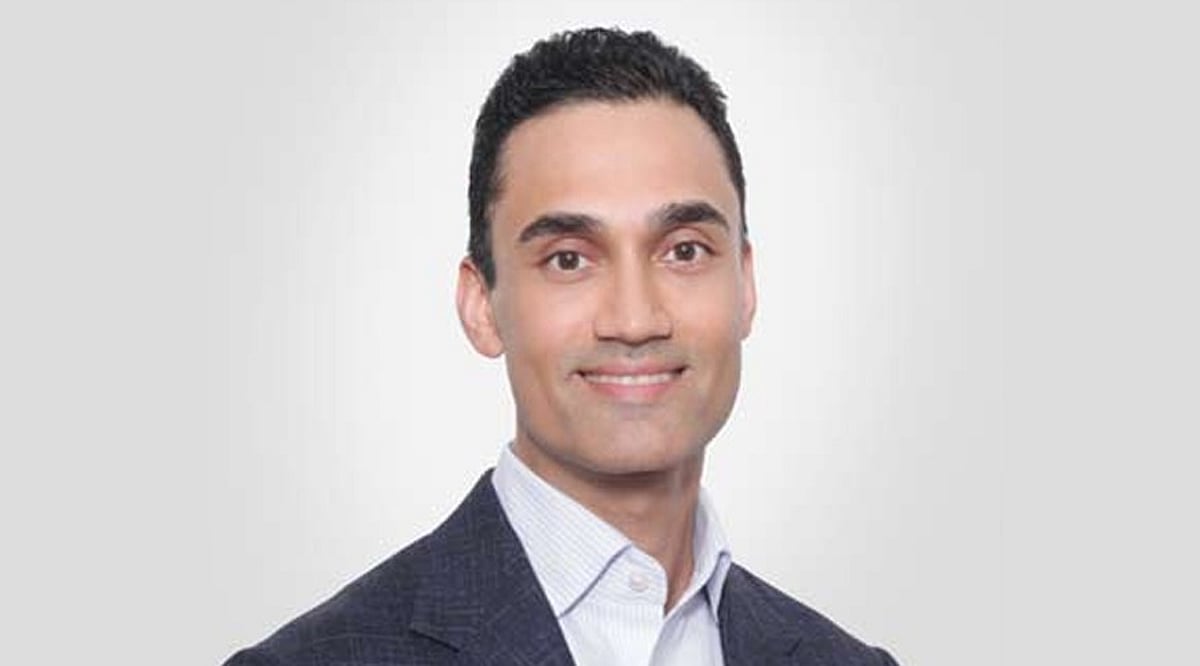
    India’s National Investment and Infrastructure Fund Limited (NIIF) has appointed Gauravjit Singh, a former executive at private markets firm PAG, as Managing Partner and Global Head of Capital Formation. The move underscores NIIF’s push to expand its investor base for infrastructure, private markets, and climate-related investments.

    Gauravjit Singh to Drive NIIF’s Capital Strategy

    Singh brings nearly two decades of experience in institutional fundraising across global, India-focused, and pan-Asian investment strategies. He most recently served as Head of Investor Relations and Fundraising for PAG’s private equity business in Singapore, where he also sat on PAG’s Investment and Exit Committees. Prior to PAG, Singh held roles at True North and KKR. At True North, he led investor relations and supported the firm’s expansion into private credit and new institutional markets across the United States, Europe, the Middle East, North Africa, and Japan.

    Strengthening Investor Ties and Mobilizing Capital

    NIIF said Singh will focus on deepening existing investor relationships while identifying new sources of capital. The appointment follows a period of increased fundraising activity: the sovereign-anchored asset manager has raised approximately $3 billion in new equity commitments over the past 24 months across its strategies covering infrastructure, private markets, growth equity, and climate-related investments.

    Sanjiv Aggarwal, Managing Director and CEO of NIIF, emphasized the importance of expanding the investor network. “Deepening our relationships with existing investors, bringing new investors into the NIIF ecosystem and broadening our sources of capital will be important priorities,” Aggarwal said.

    Recent Fund Closings Highlight Momentum

    NIIF has closed several large funds in 2026. Its Private Markets Fund II secured commitments of up to $750 million at its first close earlier this year, targeting a total of $1 billion. In August, NIIF announced a ₹19,000 crore (about $2 billion) first close for Infrastructure Fund II, exceeding 60% of its ₹30,000 crore (roughly $3.2 billion) target. The fund received backing from the Government of India, sovereign wealth funds, pension funds, insurance companies, and Indian financial institutions.

    Singh commented on India’s appeal to global investors: “India has become an important market for global institutional investors seeking long-term investment opportunities. NIIF’s role is to create meaningful and investable pathways to accelerate the flow of capital into India’s growth.” He added that he plans to build on relationships with existing investors while bringing new institutional partners to the platform.

  • Cardano Price Tests $0.245 Resistance After 15% Weekly Rally as Funding Turns Positive

    Cardano Price Tests $0.245 Resistance After 15% Weekly Rally as Funding Turns Positive

    Cardano (ADA) traded near $0.222 on Monday after posting a 15% gain last week, with technical momentum improving and funding rates turning positive. Buyers now face resistance between $0.231 and $0.245, a zone that could determine the next leg of the recovery.

    ADA Momentum Improves as Funding Turns Positive

    ADA traded above its 50-day and 100-day exponential moving averages, supporting a stronger short-term technical structure. A move through the $0.231-$0.245 resistance zone would extend the current recovery.

    CoinGlass data shows Cardano’s long-to-short ratio at 0.94, indicating that short positions slightly outnumber longs. However, the narrow gap points to cautious positioning rather than heavy bearish conviction.

    Funding data sends a different signal. Cardano’s open interest-weighted funding rate turned positive on Saturday and reached 0.0097% on Monday, showing stronger demand for bullish leveraged exposure.

    Wyckoff Setup Keeps December Upside in Focus

    CryptoQuant’s summary data shows large whale orders in Cardano futures, while most other tracked measures remain neutral. This mix points to increased large-trader activity without a broad bullish shift.

    Trader LuckSide Crypto said Bitcoin and ADA follow a Wyckoff accumulation pattern and currently sit in Phase D. He linked Bitcoin’s setup to a possible range breakout around September 25.

    LuckSide also cited two Bitcoin metrics: long-term holders control 75% of supply, while only 17% moved during the last three months. Bitcoin dominance has also fallen below 60%.

    According to LuckSide, the same framework could support an ADA gain of roughly 50% by December if the pattern holds. He also noted that the September 25 timing does not guarantee a breakout.

    CLARITY Vote and Cardano Activity Add Market Risks

    The Senate plans a September 15 cloture vote on the CLARITY Act, according to LuckSide Crypto. The vote would open debate rather than approve the legislation.

    The measure needs 60 votes to advance. Republicans hold 53 Senate seats, while only two Democrats have publicly backed the bill so far. Anonymous traders reportedly wagered more than $1 million on failure.

    LuckSide said a failed vote would not end US crypto policy efforts because the SEC and CFTC continue separate work. Still, a delay would remove one September catalyst for the broader market.

    Cardano network data also shows a mixed picture. Chainspect recorded about 26,500 transactions on September 4 before activity fell to 19,054 on September 6.

    Over the same period, on-chain revenue rose 1.99% to $1,261. Average transaction fees fell 2.42% to $0.06619, contrasting with a separate report that claimed ADA’s DEX volume had tripled.

    Traders will also track Cardano network activity, Bitcoin’s market structure, and the September 15 CLARITY Act cloture vote.

  • Former RBI Governor Raghuram Rajan to Speak at Ripple Swell 2026 in New York

    Former RBI Governor Raghuram Rajan to Speak at Ripple Swell 2026 in New York

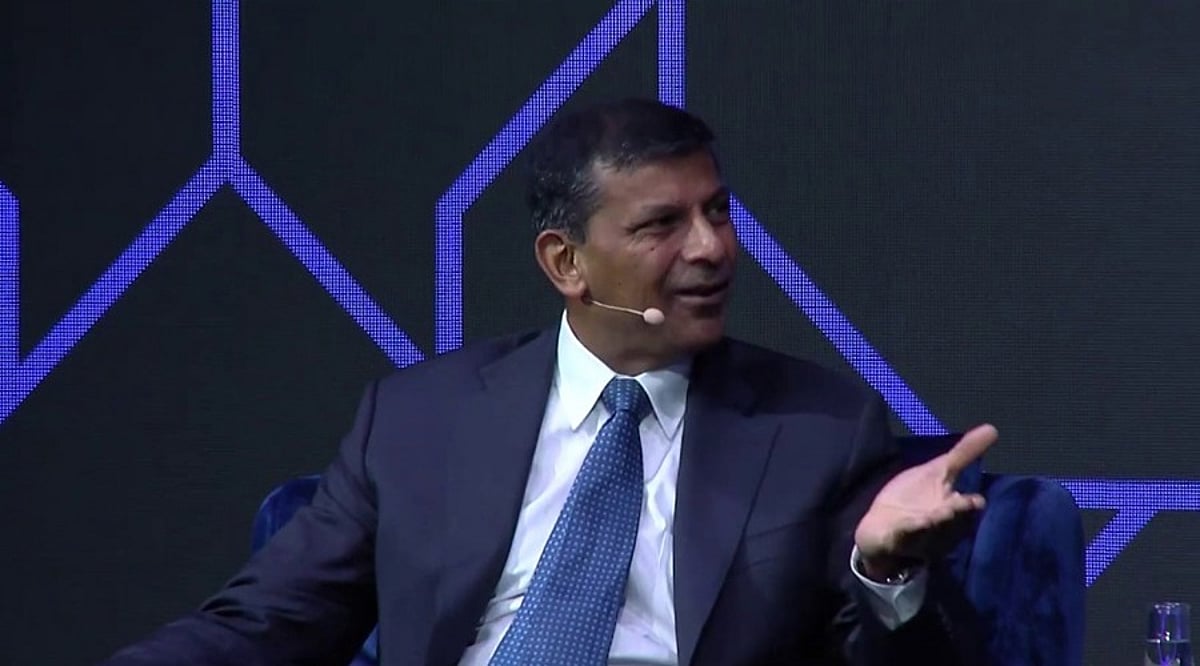
    Ripple’s annual conference, Swell 2026, is set to feature a notable addition to its speaker lineup: Raghuram Rajan, the former Governor of the Reserve Bank of India (RBI). Rajan will participate in the invitation-only Institutional Summit scheduled for October 27 in New York City, as announced by Ripple in a press release on September 4.

    The Institutional Summit is designed for leaders from banks, investment firms, payment providers, and other financial institutions. This year, Ripple is also integrating its developer-focused XRPL Apex conference with Swell, creating a combined program that bridges institutional finance and blockchain development. The events will take place at The Shed in Manhattan’s Hudson Yards, running through October 29.

    While Ripple has confirmed Rajan’s participation, the company has not yet disclosed the specific topic, session time, or format of his appearance. The conference website lists him as a speaker, but it remains unclear whether he will deliver a keynote or join a panel discussion.

    Rajan’s background is distinguished: he served as RBI Governor from September 2013 to September 2016, and prior to that, he was the Chief Economist at the International Monetary Fund (IMF). Currently, he holds the Katherine Dusak Miller Distinguished Service Professorship in Finance at the University of Chicago’s Booth School of Business and co-chairs the Federal Reserve’s task force on balance sheet policy.

    This is not Rajan’s first association with Ripple. In 2024, he became a member of Ripple’s advisory board for its RLUSD ecosystem, which provides strategic and regulatory guidance. He has also spoken about the future of stablecoins, which could soon be integrated into private payment systems.

    The full schedule for Swell 2026 is yet to be released, with Ripple expected to announce more details about Rajan’s session and other speakers. For now, his presence underscores the conference’s focus on bringing together central banking expertise and digital asset innovation.

  • Truecaller Introduces One-Tap Post-Call Actions for Verified Business Calls

    Truecaller Introduces One-Tap Post-Call Actions for Verified Business Calls

    Truecaller has launched post-call actions for verified business calls, starting with delivery services. The new feature allows customers to reschedule delivery slots, confirm availability, share precise locations, or authorize safe drops directly after a verified call ends—eliminating the need for external links or additional steps.

    Announced on September 7, 2026, the Stockholm-based company’s expansion of its enterprise suite targets last-mile delivery first. After a verified business call concludes, a branded action card appears within the Truecaller app, placing relevant tasks front and center. This approach keeps the next service step inside the same trusted communication screen.

    The feature is designed to help customers act even when they miss a call, reducing missed delivery slots or repeated instructions. The rollout begins with delivery services, but Truecaller plans to extend post-call actions to banking, financial services, and insurance. In those sectors, verified workflows could reduce fraud risks by providing a trusted layer before customers handle payments, KYC steps, or transactions.

    For businesses, the model shifts focus from pickup rates to completed customer actions. It reduces reliance on SMS links, app downloads, and abandoned IVR queues. Priyam Bose, Global Head of GTM at Truecaller for Business, emphasized the change: “Post-call actions resolve this. The delivery gets rescheduled, the bill gets paid, the KYC gets done.”

    Truecaller’s enterprise suite now moves beyond caller identification toward connected business communication and immediate service completion. The rollout gives verified business calls a more practical role after conversations end.