Blog

  • LFP vs. NMC: Why India’s Hot Climate Favors Lithium Iron Phosphate EV Batteries

    LFP vs. NMC: Why India’s Hot Climate Favors Lithium Iron Phosphate EV Batteries

    Overview

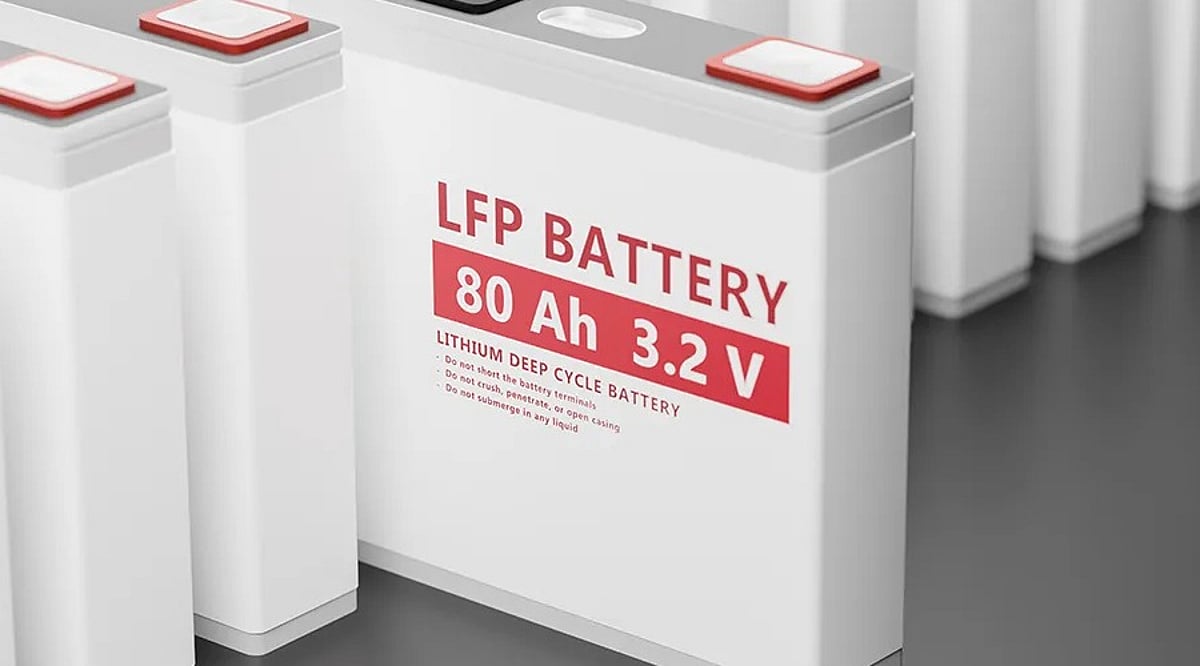
    India’s high temperatures put electric vehicle batteries under constant stress. Summer heat can exceed 40°C in many regions, and a car parked in direct sunlight can get even hotter. That heat accelerates battery aging, which helps explain why lithium iron phosphate—commonly called LFP—has become a major chemistry in India’s EV market.

    LFP is not a universal solution. It trades energy density for thermal stability, durability, and lower material costs. For many mass-market EVs designed around daily city driving, that trade-off lines up well with Indian conditions.

    Why heat is hard on EV batteries

    Every charge and discharge cycle changes a battery’s internal chemistry slightly. Heat speeds up those changes. That is why EV makers include thermal management systems in battery packs regardless of where the vehicle is sold. In India, those systems often have to work harder because fast charging, stop-and-go traffic, and hot pavement all add strain.

    Battery safety and longevity are not determined by cell chemistry alone. Cooling design, battery management software, charging habits, and pack construction all play a role. Chemistry sets the baseline, but the surrounding systems determine how well a pack performs over time.

    How LFP and NMC compare

    LFP and nickel manganese cobalt, or NMC, approach the same problem from different directions. LFP offers more intrinsic thermal stability and typically costs less, while NMC stores more energy per kilogram.

    Factor LFP NMC
    Thermal stability Stronger built-in margin Depends more on pack-level cooling and controls
    Cycle life Generally strong under repeated cycling Varies by formulation and operating conditions
    Material cost No cobalt or nickel Uses cobalt and nickel
    Energy density Lower Higher
    Best fit City and short-range EVs Long-range and performance EVs

    Thermal stability and battery life

    LFP’s iron-phosphate bond is more resistant to breakdown under heat than the layered oxide structure used in NMC cells. That does not mean NMC cannot work in hot climates. NMC packs operate worldwide in warm regions, with cooling systems and battery management software managing their heat sensitivity.

    The difference is where the safety margin comes from. LFP carries more of that margin inside the chemistry itself. NMC relies more heavily on the systems built around the cells. Heat still degrades LFP over time, but LFP cells often hold up well under repeated heat exposure, especially when paired with effective cooling and sensible charging practices.

    Cost and safety considerations

    LFP cathodes avoid cobalt and nickel entirely. Both metals are expensive and depend on a limited number of global suppliers. Removing them can lower pack costs and reduce exposure to commodity price swings. In India’s price-sensitive EV market, those savings can translate into more affordable vehicles.

    Safety is broader than chemistry. Battery management, cooling design, and charging behavior all share responsibility. LFP’s additional thermal margin can provide extra headroom during demanding use, such as fast charging on a hot day. That margin supports the vehicle’s safety systems; it does not replace them.

    The energy-density trade-off

    LFP stores less energy per kilogram than NMC. A pack built to deliver the same range will generally be larger or heavier. That is why some long-range and high-performance EVs still choose NMC and manage its heat sensitivity with robust cooling systems.

    For city cars built around short daily trips, the trade-off is often easier to accept. Manufacturers can use a somewhat larger pack while gaining LFP’s cost and durability benefits. For vehicles where maximum range, low weight, or compact packaging are priorities, energy density remains a significant design consideration.

    Where LFP fits in India’s EV market

    LFP is not simply a “hot climate battery.” Its value in India comes from a combination of traits: strong thermal behavior, solid cycle life, and lower material costs, balanced against lower range per kilogram. For mass-market EVs used mainly for city commuting and short trips, that combination matches how many Indian owners actually drive.

    LFP is unlikely to replace every chemistry. Range-focused vehicles still have valid reasons to choose NMC. But for a large share of India’s EV lineup, LFP offers a practical way to balance heat resistance, cost, and durability in a single pack.

    Frequently asked questions

    Why is LFP considered suitable for EVs in India?

    LFP offers strong thermal stability, favorable cycle-life characteristics, and lower material costs. Those traits make it relevant for EVs operating in India’s hot climate, especially city-focused models.

    Are LFP batteries safer than NMC batteries?

    LFP generally has greater thermal stability and a lower tendency to release oxygen during thermal decomposition. However, EV safety also depends on cell design, battery management, cooling, and charging systems.

    Do LFP batteries degrade in high temperatures?

    Yes. High temperatures can accelerate degradation in LFP cells as well. Proper thermal management, charging practices, and battery design help control the effect.

    What is the main disadvantage of LFP batteries?

    LFP generally has lower energy density than NMC. A comparable range may require a larger or heavier battery pack.

    Can LFP batteries be used in long-range EVs?

    They can, but lower energy density can make them less attractive where maximum range, low weight, or compact battery packaging are key priorities.

  • No-Cost EMI: Who Really Pays the Interest and What to Check Before You Buy

    No-Cost EMI: Who Really Pays the Interest and What to Check Before You Buy

    What a no-cost EMI actually means

    A no-cost EMI lets a buyer split a purchase into equal monthly payments while the offer advertises zero interest. In practice, the lender may still charge interest, and the merchant or platform offsets that amount through an upfront discount, a merchant contribution, or another promotional adjustment. The customer may not pay interest as a separate line item, but the transaction can still include fees, taxes, or conditions that change the real cost.

    In India, the Reserve Bank of India requires credit-card issuers to disclose the principal, interest, and upfront discount behind a no-cost EMI before converting a purchase. The same details must appear separately on the card statement. That disclosure matters because it lets borrowers see how the offer is structured instead of relying on the monthly payment alone.

    How the interest is offset

    Consider a Rs. 60,000 product with a six-month EMI. A regular EMI would include principal and interest. Under a no-cost offer, the lender may calculate interest, while the merchant provides a discount that offsets it. The exact arrangement varies by lender, merchant, product, and promotion.

    Because the discount may reduce the effective purchase price, two offers with the same monthly payment can have different total costs. Borrowers should compare the cash price, the discount, the interest calculation, the processing fee, taxes, and the total of all installments.

    Who pays the interest?

    The customer may not pay the interest separately, but that does not mean the interest disappears. The merchant or platform often absorbs it through a discount or contribution. In some cases, the cost is built into the product price or promotion. The key point is that no-cost EMI describes the interest structure, not a guarantee that every cost is zero.

    Where extra costs can appear

    • Processing fees: Lenders may charge a one-time fee to set up the EMI.
    • Taxes: Applicable taxes may apply to interest, fees, or the transaction, depending on the lender and location.
    • Late-payment penalties: Missing an installment can trigger charges and affect the account.
    • Foreclosure or cancellation terms: Closing an EMI early or cancelling a purchase may involve conditions or charges.
    • Credit-limit impact: On a credit card, the purchase can reduce available credit until the EMI is repaid.

    No-cost EMI versus a regular EMI

    A regular EMI normally includes both principal and interest, so the borrower repays the purchase price plus financing cost over time. A no-cost EMI tries to offset the interest through a discount or merchant contribution. The final structure can differ from one offer to another, so the safest comparison is the total amount repaid.

    Check the product’s cash price, the advertised discount, any fees or taxes, the EMI tenure, and the sum of all monthly payments. If the total EMI cost is higher than the cash price after adjustments, the offer is not truly cost-free.

    What to check before accepting an EMI offer

    • Confirm the original price and the final amount payable.
    • Ask whether the discount is applied upfront or adjusted later.
    • Review the interest rate, processing fee, taxes, and EMI tenure.
    • Check the total repayment amount, not just the monthly installment.
    • Confirm cancellation, refund, and early-closure conditions.
    • For credit cards, check available credit and how the EMI will affect the limit.
    • For loans, review the annual percentage rate and other cost-of-credit disclosures.

    When a no-cost EMI may make sense

    A no-cost EMI can help spread a large purchase across several payments, but it should fit the borrower’s budget without relying on the promotional label. Multiple EMIs can quickly increase monthly obligations. Before signing, compare the total EMI cost with paying upfront and make sure each installment is comfortably affordable.

    The practical rule is simple: no-cost EMI may describe how interest is handled, but it does not mean every charge is zero. Read the full offer, compare the final repayment amount, and verify all fees before accepting.

    FAQs

    Does no-cost EMI really have zero interest?

    The lender may still calculate interest. Under a no-cost structure, a discount or merchant contribution can offset that interest. Borrowers should review the transaction details rather than assume no interest is involved at any stage.

    Who pays the interest on a no-cost EMI?

    The merchant or platform may effectively absorb it through a discount or contribution. The customer may not pay it as a separate cost, but the arrangement varies by lender, merchant, product, and promotion.

    Can a no-cost EMI include extra charges?

    Yes. Processing fees, taxes, late-payment penalties, and other conditions may apply. Check the complete terms before accepting the offer.

    Does no-cost EMI affect a credit card limit?

    Yes. The purchase can reduce available credit until the EMI is repaid. Check the remaining limit before making another large purchase with the same card.

  • August 2026 Crypto Review: Bitcoin Shatters $80K, Ethereum Tests $2.5K as Altcoins Rebound

    August 2026 Crypto Review: Bitcoin Shatters $80K, Ethereum Tests $2.5K as Altcoins Rebound

    August 2026 marked a decisive shift in cryptocurrency market structure. After a subdued July, Bitcoin finally broke free from its multi-month consolidation and surged above USD 80,000, while Ethereum accelerated toward the psychologically important USD 2,500 level. The rally extended well beyond the two largest cryptocurrencies, with XRP, Hyperliquid (HYPE), Solana, and several other altcoins posting strong gains.

    Market-wide data confirms the breadth of the move. Bitcoin gained roughly 25% during August, while Ethereum advanced approximately 32.5%, according to CoinMarketCap. Around 70 of 84 non-stablecoin assets in the top 100 finished the month higher. Institutional flows also strengthened, with US spot Bitcoin ETFs recording approximately USD 3.52 billion in August net inflows and spot Ethereum ETFs attracting roughly USD 1.85 billion, according to SoSoValue.

    The key question entering September is no longer whether the market can recover from its yearly lows, but whether August’s breakout can develop into a sustainable trend without surrendering newly reclaimed support levels.

    Bitcoin (BTC): A Breakout With Strong Technical Confirmation

    Bitcoin delivered the most important technical breakout of the summer. The daily chart shows BTC near USD 79,815, substantially above the USD 66,500 resistance that had capped previous recovery attempts. Price briefly moved above USD 80,000 before entering a tight consolidation just below the major USD 85,000 resistance level.

    This is a major improvement from July, when Bitcoin was trapped between USD 61,300 and USD 67,500. The breakout above USD 67,516 provided the bullish confirmation identified in the previous report. Bitcoin now trades above its 50-day EMA (USD 72,088), 100-day EMA (USD 70,274), and 200-day EMA (USD 72,749). Reclaiming the 200-day EMA is particularly significant because it had acted as long-term dynamic resistance throughout the decline.

    The breakout occurred on a large expansion in trading volume, adding strength to the move. Bitcoin started August near USD 62,800 and climbed above USD 80,000 late in the month, with the August 28 high around USD 81,300.

    Momentum Indicators

    RSI stands near 65.56, comfortably above the neutral 50 level but not deeply overbought. It briefly pushed above 70 during the breakout before cooling as BTC consolidated near USD 80,000. MACD remains above the zero line, confirming a positive momentum structure, though the MACD line (3,124) sits slightly below the signal line (3,340), indicating that the speed of the rally is moderating.

    Technical Outlook

    Bitcoin enters September with its strongest structure in months. Immediate resistance is USD 85,000, with key support at USD 72,000-70,000, followed by USD 66,500 and USD 62,300. A sustained daily close above USD 85,000 would confirm continuation of the breakout. The USD 70,000-73,000 region is especially critical because all three major moving averages converge there. Holding above the moving-average cluster keeps the August breakout intact.

    Ethereum (ETH): Stronger Recovery, Testing USD 2,500

    Ethereum produced an even stronger percentage recovery than Bitcoin during August. The daily chart shows ETH around USD 2,494, immediately below the major USD 2,500 horizontal resistance. After struggling near USD 1,900 in July and remaining below its 100-day and 200-day EMAs, ETH broke through the key resistance zones of USD 1,930-1,950 and USD 2,170 during August.

    The chart now shows the 50-day EMA around USD 2,215, the 100-day EMA around USD 2,110, and the 200-day EMA around USD 2,182, with price trading substantially above all three. The breakout was accompanied by a sharp increase in volume, particularly through the USD 2,000-2,200 region. ETH advanced from roughly USD 1,845 at the start of August to approximately USD 2,480 by month-end.

    Momentum Indicators

    Ethereum’s RSI stands near 63.41, indicating bullish momentum without being overbought. MACD remains comfortably above zero, but the MACD line has moved slightly below its signal line, and the histogram has turned negative. This signals declining short-term momentum after the rapid rally, though price remains close to its highs.

    Technical Outlook

    Immediate resistance is USD 2,500, followed by USD 3,000. Key support is at USD 2,215-2,100, followed by USD 2,000. A confirmed breakout above USD 2,500 would establish another higher high and potentially open the path toward USD 3,000. Holding above the USD 2,100-2,200 moving-average cluster is essential to preserve the broader recovery structure.

    XRP: Major Reversal, but Momentum Cooling

    XRP experienced one of the most dramatic structural improvements of August. After spending much of July near the USD 1 psychological support, XRP surged during the second half of the month and briefly approached USD 1.60-1.70 before consolidating. The chart places XRP around USD 1.39, above its 50-day EMA (USD 1.27), 100-day EMA (USD 1.24), and 200-day EMA (USD 1.35).

    This represents a major reversal from July, when XRP remained below all three moving averages. The breakout from USD 1 was accompanied by particularly strong volume, and during the broad market surge around August 21, XRP gained nearly 40% over the week.

    Momentum Indicators

    XRP’s RSI stands near 57.13, above neutral but well below the overbought levels seen during the initial surge. MACD remains above zero, but the MACD line has moved below the signal line, with a modestly negative histogram. This suggests XRP is consolidating rather than continuing its earlier acceleration.

    Technical Outlook

    Immediate resistance is USD 1.50-1.60, followed by USD 1.90. Key support is at USD 1.35-1.30, followed by USD 1.00. Holding above the 200-day EMA near USD 1.35 is critical. A renewed move through USD 1.50-1.60 would place XRP back toward the major USD 1.90 resistance. A sustained decline below USD 1.30 would weaken the bullish structure.

    Cardano (ADA): Improved, but Still Behind

    Cardano improved during August but remained noticeably weaker than Bitcoin, Ethereum, and XRP. ADA trades around USD 0.2063, slightly above its 50-day EMA (USD 0.1989) and 100-day EMA (USD 0.2004), but remains below its 200-day EMA near USD 0.2414. The longer-term structure has not yet completed a bullish reversal.

    ADA rebounded strongly from the USD 0.138-0.150 region and briefly approached USD 0.24 before retracing. The Fibonacci structure shows price below the 0.50 retracement at USD 0.2135 and the 0.618 level near USD 0.2312. Above these, USD 0.2455-0.2564 is a larger resistance zone.

    Momentum Indicators

    Cardano’s RSI stands around 50.40, essentially neutral. MACD is slightly positive overall, but the MACD line has slipped beneath the signal line, and the histogram is negative. This points to consolidation following August’s recovery rather than immediate trend acceleration.

    Technical Outlook

    Immediate resistance is USD 0.213-0.231, followed by USD 0.241-0.256. Key support is at USD 0.196-0.200, followed by USD 0.174 and USD 0.150. A sustained move above USD 0.213 would allow ADA to challenge the USD 0.231-0.241 region. Reclaiming the 200-day EMA near USD 0.241 would provide stronger evidence of a trend reversal.

    Hyperliquid (HYPE): One of the Strongest Performers

    Hyperliquid delivered one of the best technical performances in August. The daily chart shows HYPE around USD 86.42, following a substantial rally from approximately USD 51.20 in early August. The move created a sequence of higher highs and higher lows before entering an ascending consolidation.

    HYPE now trades well above its 50-day EMA (USD 71.55), 100-day EMA (USD 65.05), and 200-day EMA (USD 56.65). The token has already cleared the 0.786 Fibonacci level (USD 70.51) and the 1.0 extension (USD 76.94), and is currently testing the 1.272 extension near USD 85.95. The next major extension sits at approximately USD 98.95, placing the USD 100 level within reach.

    Momentum Indicators

    HYPE’s RSI stands at 64.46, showing strong positive momentum without being overbought. RSI previously moved above 70 during the rally but has since cooled while price remained near highs. MACD remains firmly above zero, though the MACD line (5.90) is slightly below the signal line (6.03), indicating that the rally is slowing as HYPE consolidates.

    Technical Outlook

    Immediate resistance is USD 86-90, followed by USD 98.95-100. Key support is at USD 76.94, followed by USD 70.51-71.55 and USD 65.05. A sustained breakout above the current rising structure could allow HYPE to challenge USD 98.95. Holding above USD 76-77 preserves the broader bullish structure.

    Solana (SOL): Reclaims Key Averages

    Solana delivered a significant technical breakout during August, reversing months of weakness. The daily chart shows SOL around USD 103.62, after surging from the mid-USD 70 region during the second half of the month.

    Solana had spent much of July and early August consolidating between USD 75.63 and USD 83.50. The eventual breakout produced a rapid advance through USD 90 and the major USD 98.02 horizontal resistance. SOL briefly moved above USD 108 before settling into a consolidation around USD 100-105.

    Price now trades above all three major moving averages: the 50-day EMA (USD 90.03), the 100-day EMA (USD 85.80), and the 200-day EMA (USD 90.94). Reclaiming the 200-day EMA is particularly significant since Solana had remained below this long-term trend indicator for much of the previous decline. The breakout was accompanied by increased volume, strengthening its technical validity.

    Momentum Indicators

    Solana’s RSI stands at 62.40, indicating positive momentum without being overbought. RSI moved above 70 during the initial breakout before cooling as SOL consolidated above USD 100. MACD remains substantially above zero, reflecting the strength of August’s advance, although short-term momentum has moderated.

    Technical Outlook

    Immediate resistance is USD 108, followed by USD 120. Key support is at USD 100, followed by USD 98 and USD 90. Holding above USD 100 would keep the breakout structure intact, while a sustained move above USD 108 could open the path toward the next major resistance zone.

    Final Thoughts

    August 2026 saw a broad and technically significant rally across the cryptocurrency market. Bitcoin reclaimed all major moving averages and broke above USD 80,000, Ethereum tested USD 2,500, XRP staged a dramatic recovery, and HYPE and SOL posted strong gains. While momentum indicators suggest some short-term consolidation is likely, the broader structure has clearly improved. The critical test for September is whether these newly reclaimed support levels hold, particularly Bitcoin’s USD 70,000-73,000 moving-average cluster and Ethereum’s USD 2,100-2,200 region.

  • Weekend Laser Printer Sale: 7 HP, Canon, and Kyocera Models With 40%+ Discounts

    Weekend Laser Printer Sale: 7 HP, Canon, and Kyocera Models With 40%+ Discounts

    Seven laser printer discounts for home and office buyers

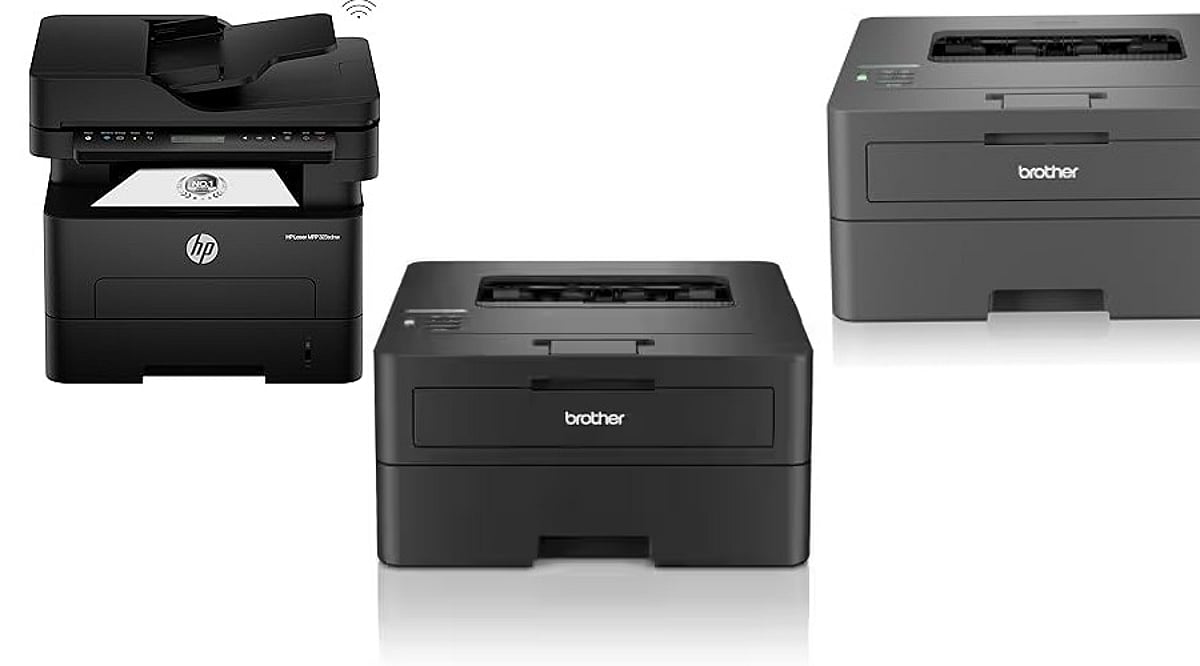
    Laser printers continue to make sense for households, home offices, and workplaces that print documents regularly. They offer sharp text, fast output, and consistent results without ink cartridges. This weekend, online marketplaces in India are listing seven HP, Canon, and Kyocera laser printers at discounts above 40% on several models.

    Below is a breakdown of the listed prices, advertised discounts, and key features. Prices and availability can change during the sale, so confirm the final checkout amount before ordering.

    HP Laser 1008w

    The HP Laser 1008w is listed on Flipkart at Rs. 14,699, down from Rs. 29,999, for a 51% discount. It is a single-function monochrome laser printer with Wi-Fi and USB connectivity. HP’s listing describes it as a personal printer capable of up to 1,500 pages per month. Wireless support means users can print without a physical connection to a computer.

    HP Laser 303dw

    The HP Laser 303dw carries one of the largest discounts in this roundup. Flipkart lists it at Rs. 19,200, down from Rs. 42,999, a 55% discount. It is a single-function monochrome laser printer with automatic duplex printing, Wi-Fi, and USB connectivity. HP’s own store currently shows the model at Rs. 15,998.99 against an MRP of Rs. 27,000, though marketplace pricing can vary.

    HP LaserJet Pro CP1025

    Buyers who need color output can consider the HP LaserJet Pro CP1025, listed at Rs. 10,099 on Flipkart, down from Rs. 18,899. That works out to a 46% discount. Flipkart describes it as a single-function color laser printer and marks the price as the lowest of the year. It is aimed at users who want color printing while retaining the benefits of laser-based document output.

    HP LaserJet Pro MFP 4104fdn

    The HP LaserJet Pro MFP 4104fdn is a multifunction monochrome laser printer for office environments that need more than basic printing. Flipkart lists it at Rs. 41,577, down from Rs. 77,999, a 47% discount. Another seller also lists the same model at Rs. 39,397.

    Canon imageCLASS MF465dw

    The Canon imageCLASS MF465dw is priced at Rs. 39,637 on Flipkart, down from Rs. 69,999, for a 43% discount. This multifunction Wi-Fi monochrome laser printer is designed for office use and combines printing with additional document functions. Wireless connectivity can be useful in workplaces where multiple users need access to the printer.

    HP LaserJet M208dw

    The HP LaserJet M208dw is a compact monochrome laser printer for home and small-office users. HP’s official store currently lists it at Rs. 14,742, down from an MRP of Rs. 22,488, a saving of Rs. 7,746. Its official-store discount is below the 40% threshold, but it remains a relevant option for buyers seeking an HP wireless monochrome laser printer.

    Kyocera ECOSYS MA4000x

    The Kyocera ECOSYS MA4000x stands out with a listed 59% discount on Moglix. It is priced at Rs. 36,779 against an MRP of Rs. 90,000. The monochrome multifunction laser printer supports printing, copying, and scanning, with print speeds of up to 42 pages per minute. It also includes a dual-scan document processor and cloud and mobile utilities.

    Compare final prices before buying

    The seven deals cover different needs, from basic home printing to higher-volume office workloads. Before ordering, buyers should compare the final checkout price, seller details, warranty coverage, toner costs, and replacement-cartridge availability.

    Marketplace discounts can change during the weekend, and stock levels and additional bank offers may affect the final purchase price. HP’s official store currently shows direct discounts on several laser printers, so comparing the marketplace price with the manufacturer’s listing can help buyers judge the actual savings.

    Frequently asked questions

    Which laser printer is suitable for home use?

    The HP Laser 1008w suits home users who want compact monochrome printing, wireless connectivity, and affordable document printing.

    Which laser printer offers the highest discount?

    The Kyocera ECOSYS MA4000x carries a listed 59% discount, making it one of the steepest discounts in this list.

    Which printer supports color printing?

    The HP LaserJet Pro CP1025 is the color laser printer among the seven models featured.

    Are these laser printers suitable for offices?

    Yes. Multifunction models such as the HP LaserJet Pro MFP 4104fdn and Kyocera ECOSYS MA4000x target office requirements.

    What should buyers check before purchasing?

    Buyers should compare final prices, seller ratings, warranty coverage, toner costs, replacement availability, and additional offers before purchasing.

  • JioHotstar Streaming Guide (Sept. 28–Oct. 2, 2026): New Romance, Daily Bigg Boss, and a Tentative Ranam Launch

    JioHotstar Streaming Guide (Sept. 28–Oct. 2, 2026): New Romance, Daily Bigg Boss, and a Tentative Ranam Launch

    A lighter week with one clear new premiere

    JioHotstar’s lineup for Sept. 28 through Oct. 2, 2026, is not packed with major debuts. The platform’s clearest confirmed new-series arrival is the Hindi romantic drama Shayad Yahi Hai Pyaar, while much of the week is filled by continuing episodes and one reported film date that still needs official confirmation.

    What to watch on JioHotstar this week

    Shayad Yahi Hai Pyaar — Sept. 28

    The week’s main new series premiere is Shayad Yahi Hai Pyaar, a Hindi romantic drama arriving on JioHotstar on Sept. 28. The story follows Preeti, a 35-year-old woman working to rebuild her life after leaving a toxic relationship.

    Her path changes when she develops feelings for Aarav, a younger man. Their relationship anchors the series, which explores the complications and outside opinions that can surround an age-gap romance.

    Bigg Boss Malayalam Season 8 — Sept. 28 to Oct. 2

    Reality-show viewers have a steady option throughout the week. Bigg Boss Malayalam Season 8 is set to continue with fresh episodes from Sept. 28 through Oct. 2.

    These are new episodes of an ongoing season rather than a series premiere. For fans following the contestants and house dynamics, the daily installments make the show one of JioHotstar’s most consistent offerings during this period.

    Ranam — Oct. 1, tentative

    The Telugu action film Ranam is listed by a third-party OTT release calendar for an Oct. 1 debut on JioHotstar. The film originally opened in theaters on Aug. 15.

    Unlike Shayad Yahi Hai Pyaar, the reported Oct. 1 streaming date has not received the same level of official confirmation. Viewers should treat it as tentative and check JioHotstar directly before planning to watch.

    Quick look at the week

    • Sept. 28: Shayad Yahi Hai Pyaar premieres; Bigg Boss Malayalam Season 8 episode arrives.
    • Sept. 29: New Bigg Boss Malayalam Season 8 episode.
    • Sept. 30: New Bigg Boss Malayalam Season 8 episode.
    • Oct. 1: New Bigg Boss Malayalam Season 8 episode; Ranam is listed for a tentative JioHotstar release.
    • Oct. 2: New Bigg Boss Malayalam Season 8 episode.

    How to plan your watchlist

    For subscribers specifically looking for a new series, Shayad Yahi Hai Pyaar is the standout confirmed addition to JioHotstar’s Sept. 28–Oct. 2 schedule. The rest of the week is driven largely by ongoing programming and episode releases.

    It also helps to separate JioHotstar titles from broader OTT release lists. Some films and shows promoted in weekly streaming roundups are headed to other platforms, including Netflix, Prime Video, and ZEE5. For Ranam, the key step is to verify the streaming date on JioHotstar before making plans.

    FAQ

    What new series is coming to JioHotstar from Sept. 28 to Oct. 2?

    Shayad Yahi Hai Pyaar is the main confirmed new series during this period.

    Will Bigg Boss Malayalam Season 8 have new episodes on JioHotstar this week?

    Yes. Fresh episodes are expected daily from Sept. 28 through Oct. 2.

    Is Ranam confirmed for Oct. 1 on JioHotstar?

    No. The Oct. 1 date comes from a third-party release listing and remains tentative until JioHotstar officially confirms it.

  • Top Hiking Navigation Apps of 2026: Safer Trails with AllTrails, Gaia GPS, Komoot & More

    Top Hiking Navigation Apps of 2026: Safer Trails with AllTrails, Gaia GPS, Komoot & More

    Planning a hike in 2026? The best hiking navigation apps now offer more than just maps — they provide real-time GPS tracking, offline access, and critical trail details that can keep you safe and on track. Whether you’re a day hiker or a thru-hiker, the right app makes all the difference. Here’s our guide to the top navigation tools for exploring the outdoors this year.

    AllTrails – Best for Trail Discovery

    AllTrails remains the go-to app for popular day hikes and well-trafficked paths. It features a massive database of trail maps, user reviews, photos, and GPS tracking. Upgrading to the paid version unlocks offline maps, making it a solid choice for casual adventurers who want to explore new routes with confidence.

    Komoot – Best for Route Planning

    Komoot excels for walking, hiking, and cycling trips. Its turn-by-turn voice guidance, elevation profiles, and offline maps help you plan detailed routes. Whether you’re heading out for a few hours or a multi-day trek, Komoot’s smart routing adapts to your preferred activity.

    Gaia GPS – Best for Backcountry Hiking

    For serious outdoor navigation, Gaia GPS delivers topographic and satellite maps, offline support, waypoints, and multiple map layers. It’s designed for remote areas where reliable cellular signals are scarce, making it a favorite among backcountry explorers and wilderness trekkers.

    FarOut – Best for Thru-Hikes

    Formerly known as Guthook, FarOut is tailored for long-distance trails like the Appalachian Trail and Pacific Crest Trail. Its detailed guides highlight water sources, campsites, resupply points, and other essential waypoints, giving thru-hikers everything they need to plan and execute extended journeys.

    onX Backcountry – Best for Understanding Land Boundaries

    onX Backcountry combines offline mapping with public and private land boundaries. This is invaluable when planning remote trips where land ownership can be confusing. Hikers can avoid trespassing and find legal access points with confidence.

    CalTopo and Avenza Maps – Best for Detailed Maps

    For advanced route planning, CalTopo offers terrain layers, custom map creation, and powerful analysis tools. Avenza Maps allows users to load georeferenced PDF maps for offline navigation. Both are excellent for those who want fine-grained control over their mapping data.

    Essential Safety Tips

    • Download maps before you leave: Mobile signals can disappear on remote trails. Always save offline maps in advance.
    • Carry a power bank: Battery life drains fast in the wild. A portable charger ensures your device stays powered.
    • Bring a physical backup: A paper map and compass remain the most reliable fallback if technology fails.

    How to Choose the Right App for Your Hike

    • Day hikes on popular trails: Use AllTrails for ease and community insights.
    • Guided routes: Go with Komoot for voice navigation and elevation data.
    • Backcountry trips: Gai GPS offers the best topographic coverage and offline reliability.
    • Thru-hikes: FarOut is unmatched for long-distance trail logistics.

    Always double-check trail conditions and official sources before heading out. With the right app and proper preparation, your hikes in 2026 will be safer and more enjoyable.

  • Power Constraints Delay Oracle-Blue Owl AI Data Center, Raising Financing Questions

    Power Constraints Delay Oracle-Blue Owl AI Data Center, Raising Financing Questions

    A New Mexico AI Campus Hits a Snag

    A large data center project tied to Oracle and Blue Owl is facing a potential one-year delay, putting a spotlight on the financial and operational risks behind the AI infrastructure boom. The campus, known as Jupiter, is being developed by a Blue Owl unit, STACK Infrastructure, to support AI infrastructure linked to OpenAI.

    Oracle has issued a force majeure notice related to possible delays at the site. People familiar with the matter told Reuters that securing enough power for the facility was a central concern.

    Why Power Is the Bottleneck

    AI data centers consume vast amounts of electricity, making reliable power access a critical part of infrastructure planning. When power contracts or grid connections slip, construction timelines and expected returns can move with them.

    Billions in Equity and Debt at Stake

    Blue Owl has roughly $3 billion of equity invested in the project, according to a person familiar with the terms cited by Reuters. Oracle is responsible for covering the project’s debt costs. A delay of about a year could affect when the facility becomes operational and when project-linked returns begin to scale.

    Investors Scrutinize Contract Protections

    The situation is being watched across the AI infrastructure financing market. Bankers and investors are reviewing how contracts allocate risks from unexpected delays. Lenders are also looking more closely at how AI infrastructure risks are shared, even as demand for computing capacity remains strong. Higher U.S. interest rates are adding pressure to financing economics.

    A Wider Ripple Effect

    The delay has reportedly influenced discussions around other proposed data center financings, including an Ohio project involving SB Energy and OpenAI. That suggests the Oracle-Blue Owl case could become a reference point for how the market prices and structures large AI infrastructure deals.

    The takeaway: AI’s buildout is not only a technology race. It is also a test of power procurement, construction execution and financial risk management.

  • Explore the Best Cities in Open-World Games: From Los Santos to Novigrad

    Explore the Best Cities in Open-World Games: From Los Santos to Novigrad

    Open-world games offer sprawling maps and immersive environments, but the cities within them often become the true stars. From bustling metropolises to ancient landmarks, these virtual urban centers are packed with detail, life, and secrets waiting to be uncovered. Here are some of the most memorable cities in open-world gaming.

    • GTA V – Los Santos: A vibrant, sprawling city with busy streets, sandy beaches, highways, shops, and a lively nightlife. Hidden spots are scattered across the map, making every corner worth exploring.
    • Cyberpunk 2077 – Night City: A futuristic neon-lit metropolis filled with towering skyscrapers, crowded markets, and dangerous districts. It’s one of the most detailed and atmospheric cyberpunk cities ever created.
    • Watch Dogs 2 – San Francisco: This digital recreation of San Francisco features iconic landmarks, colorful neighborhoods, steep hills, parks, and countless places to explore, all with a tech-savvy twist.
    • Marvel’s Spider-Man 2 – New York: New York becomes a playground as Spider-Man swings between skyscrapers, traverses busy streets, and discovers familiar landmarks like the Empire State Building and Central Park.
    • Assassin’s Creed Unity – Paris: Revolutionary Paris is brought to life with crowded streets, grand buildings, narrow alleys, bustling markets, and historic locations that immerse players in the French Revolution.
    • Sleeping Dogs – Hong Kong: A lively Hong Kong filled with crowded markets, glowing neon signs, narrow streets, waterfront areas, and a vibrant nightlife that captures the essence of the city.
    • The Witcher 3 – Novigrad: A medieval city that feels alive with crowded streets, busy markets, taverns, ports, and winding alleys. Exploring on foot is deeply rewarding.
    • Assassin’s Creed Odyssey – Athens:/strong> Ancient Athens offers impressive temples, crowded settlements, historic landmarks, and scenic landscapes that make exploration rewarding throughout the adventure.
    • Dying Light – Harran: A decaying city with abandoned buildings, rooftops, streets, and markets. Survival requires careful exploration while avoiding infected threats.

    These cities showcase the incredible detail and immersion that open-world games can achieve, making exploration an essential part of the experience.

  • Studying Abroad? 8 Key Questions to Evaluate a Foreign University

    Studying Abroad? 8 Key Questions to Evaluate a Foreign University

    Choosing where to study abroad is about more than a university’s ranking. The right fit depends on the program, cost, recognition, location, career support, and the services available to international students. Before you submit an application, ask these eight questions to make a more informed decision.

    1. Is the program right for your goals?

    Review the curriculum, core subjects, electives, and specializations. Confirm that the program aligns with your academic interests and the career you want after graduation. Look at course descriptions, teaching style, and opportunities for projects or internships.

    2. Is the university officially recognized?

    Verify the institution’s accreditation and official recognition in the country where it operates. Recognition can affect whether employers, professional bodies, or further-education institutions accept your qualification. Check government education databases and accrediting agencies rather than relying only on the university’s marketing materials.

    3. What is the total cost of attendance?

    Tuition is only one part of the budget. Add accommodation, food, transportation, health insurance, books, visa fees, and personal expenses. Research living costs in the city and create a realistic annual budget before you commit.

    4. Are scholarships or financial aid available?

    Ask about scholarships, grants, tuition waivers, assistantships, and other financial aid. Check eligibility rules, required documents, and deadlines. Financial aid can reduce the overall cost, but it may also affect your choice of program or campus.

    5. Is the location suitable for you?

    Consider safety, climate, public transportation, housing availability, and daily living costs. A city that feels comfortable and affordable can make a significant difference in your experience. If possible, speak with current students or alumni about life on and off campus.

    6. What career options and industry connections does the university offer?

    Explore internship opportunities, employer partnerships, career fairs, and alumni networks. Ask how the university supports students in finding work experience and preparing for employment after graduation. Career services can be especially valuable for international students who are adjusting to a new job market.

    7. What are the admission requirements?

    Check academic requirements, entrance exams, language tests, letters of recommendation, portfolios, and application deadlines. Understanding the requirements early gives you time to prepare documents and meet deadlines without unnecessary stress.

    8. What student support is available?

    Look for academic advising, mental health services, orientation programs, visa guidance, and dedicated support for international students. Strong support services can help you settle into a new country and succeed in your studies.

    Final thoughts

    Use these questions as a checklist when comparing universities. Rankings can be useful, but they should not be the only factor. A careful review of program fit, cost, recognition, location, career support, and student services will help you choose a foreign university that supports your long-term goals.

  • NYT Wordle Hints and Answer for September 26, 2026: Puzzle #1925 Solved

    NYT Wordle Hints and Answer for September 26, 2026: Puzzle #1925 Solved

    Wordle Hints for September 26, 2026

    Here are the clues to solve today’s Wordle puzzle (#1925):

    • Vowel Count: 2 vowels
    • Consonant Count: 3 consonants
    • Repeated Letters: Yes
    • Letter Rarity: All common letters
    • First Letter: E
    • Bonus Hint: The word ends with the letter ‘Y’.

    Wordle Answer for September 26, 2026

    If you’re ready for the answer, today’s Wordle #1925 is ELEGY.

    Best Tips to Play Wordle

    Improve your Wordle strategy with these expert tips:

    • Start with words that include common vowels and consonants to gather as much information as possible early.
    • Avoid repeating letters in your first few guesses unless you’re confident about their placement.
    • Pay close attention to the color feedback. Green letters are correct and well-placed, while yellow letters belong in the word but need to be repositioned.
    • Use each guess to eliminate possibilities rather than rushing to the final answer.
    • Expanding your vocabulary is key. Familiarity with less common words can make solving the puzzle much quicker.

    Wordle continues to be a daily mental exercise that sharpens vocabulary and pattern-recognition skills. Whether you’re a seasoned player or new to the game, each puzzle offers a rewarding challenge.