Blog

  • Canva Pro vs Canva Free 2027: Which Plan Offers Better Value for Your Design Needs?

    Canva Pro vs Canva Free 2027: Which Plan Offers Better Value for Your Design Needs?

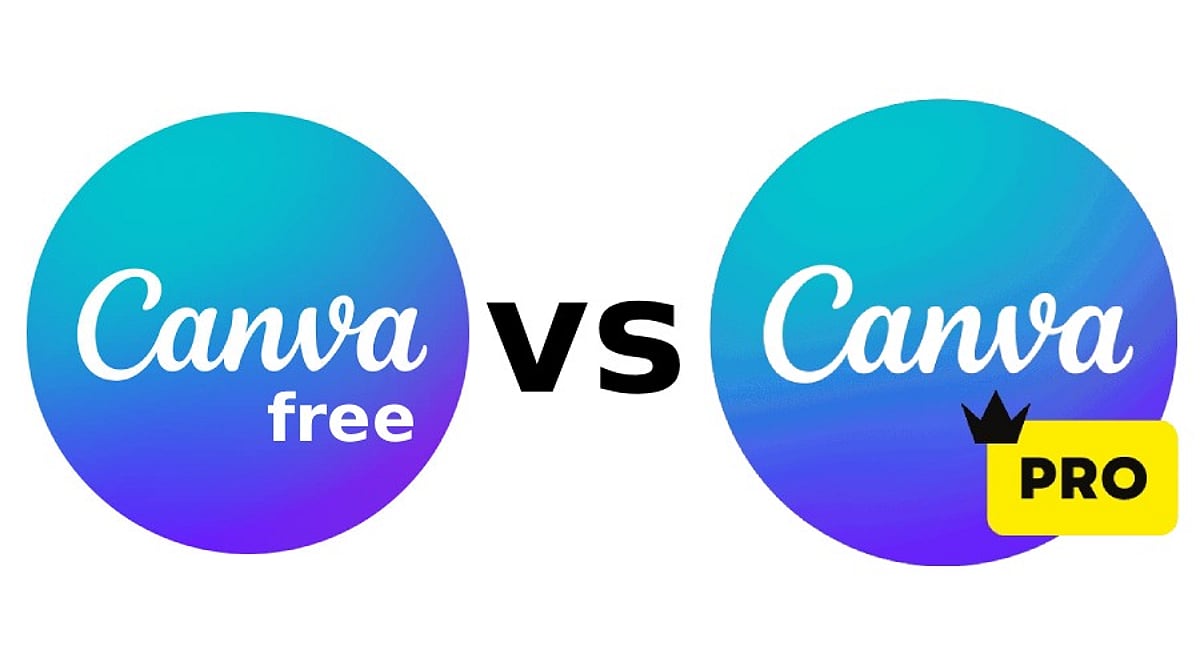
    Canva remains one of the most popular design platforms worldwide, used daily by students, business owners, marketers, freelancers, and content creators for presentations, social media posts, videos, posters, resumes, and more. The platform offers two main plans: Canva Free and Canva Pro. Both share the same easy-to-use editor but serve different purposes. Canva Free provides many useful tools at no cost, while Canva Pro adds advanced features that save time and improve design quality. The right choice depends on the type of work, project volume, and need for premium content.

    Canva Free vs Canva Pro Comparison

    Canva Free Offers Strong Value

    Canva Free has evolved into a complete design platform rather than a simple beginner tool. The plan includes millions of templates, a drag-and-drop editor, presentation tools, video editing, whiteboards, a website builder, and basic AI features. Every project starts with a clean workspace, and the editor keeps all tools within easy reach.

    Students often choose this plan for classroom work, presentations, and reports. Families create invitations, greeting cards, and photo collages with the same account. Small personal projects also fit well within the free plan. Many users never reach the point where a paid subscription becomes necessary.

    Canva Pro Focuses on Speed and Better Results

    Canva Pro adds features that help users finish projects in less time. The premium template library opens far more design options for every category. The plan also unlocks more than 100 million premium photos, videos, graphics, icons, and audio files. Designers no longer need to search across different websites for quality content.

    The biggest advantage comes from workflow improvements. Every tool works together inside one platform, keeping projects simple from start to finish. Professional creators often notice a clear difference after the first few days of use.

    Brand Kit Creates Consistent Designs

    Brand consistency is extremely important for companies. Canva Pro’s all-in-one brand kit provides logos, brand color palettes, typography, and templates. The system generates every new project in a manner consistent with a company’s corporate image, helping organizations achieve a uniform look across marketing communications.

    Magic Resize Saves Valuable Time

    One design rarely fits every social media platform. Canva Pro includes Magic Resize, which converts one design into several formats with a single click. A square Instagram post can quickly become a Facebook post, LinkedIn graphic, Pinterest pin, YouTube thumbnail, or Story format. This tool removes repetitive editing and keeps the overall design style unchanged.

    AI Tools Continue to Expand

    Artificial intelligence now plays a major role inside Canva. The platform offers tools such as Magic Design, Magic Write, Text-to-Image, Magic Edit, Magic Eraser, Magic Expand, AI presentation creation, AI video assistance, and Canva Code. The Free plan provides basic access to several AI tools, while Canva Pro unlocks the complete AI suite with higher usage limits.

    Premium Assets Improve Every Project

    Design quality often depends on images, graphics, and illustrations. Canva Free includes a large content library, but many premium assets remain locked. Canva Pro removes those limits and opens a collection of more than 100 million premium assets, helping businesses create polished marketing material and creators produce eye-catching thumbnails and social media posts without extra purchases.

    Recent Changes Make Canva More Powerful

    Canva has expanded far beyond graphic design. The platform now includes Visual Suite, which brings together presentations, documents, spreadsheets, websites, and whiteboards within one workspace. Canva Code also allows users to create interactive projects through simple text prompts. These updates show Canva’s move toward a complete productivity platform.

    Which Plan Delivers Better Value?

    Canva Free remains one of the strongest free design platforms available today. It covers everyday projects with ease and serves students, hobby users, and occasional designers. Many personal projects reach a professional finish without any payment.

    Canva Pro delivers far greater value for professionals, businesses, freelancers, and content creators with regular design work. Premium assets, advanced AI tools, Brand Kit, Magic Resize, Background Remover, and larger cloud storage reduce effort and improve workflow. The subscription cost often matches the amount of time saved across multiple projects.

    Final Thoughts

    Canva Free and Canva Pro both offer excellent design experiences. The free plan provides enough tools for personal work, school projects, and occasional creative tasks. Canva Pro transforms the platform into a complete professional workspace with advanced AI features, premium design resources, and productivity tools. Regular content production, client work, business branding, and marketing campaigns benefit the most from the paid plan. The final decision depends on design frequency, project size, and the need for premium features, yet both plans continue to rank among the best options available for digital design in 2027.

    FAQs

    1. Is Canva Free enough for beginners? Yes. Canva Free includes templates, basic AI tools, presentations, video editing, and many design features suitable for beginners.
    2. What makes Canva Pro better than Canva Free? Canva Pro unlocks premium templates, 100M+ assets, Brand Kit, Magic Resize, Background Remover, advanced AI tools, and 1 TB cloud storage.
    3. Does Canva Pro include AI features? Yes. Canva Pro provides access to Canva’s complete AI suite with higher usage limits than the Free plan.
    4. Who should choose Canva Pro? Freelancers, businesses, marketers, and content creators with regular design work receive the greatest value from Canva Pro.
    5. Is Canva Pro worth the subscription cost? For users who create designs frequently, the premium tools and time-saving features often justify the monthly subscription.
  • BlockDAG Ships 22,800 Miners as SUI and Avalanche Navigate Token Unlock Challenges

    BlockDAG Ships 22,800 Miners as SUI and Avalanche Navigate Token Unlock Challenges

    Blockchain security fundamentally determines network value, and three major projects—SUI, Avalanche, and BlockDAG—currently demonstrate contrasting approaches to defense and token distribution. Understanding these strategies helps evaluate long-term investment potential.

    SUI’s Staking and Token Unlock Dynamics

    SUI relies on a validator-based Proof-of-Stake mechanism to maintain network integrity, but ongoing token unlocks pressure its price. On August 1, 13.72 million SUI tokens (worth approximately $9.9 million) were unlocked as scheduled, representing a 0.34% supply increase. This release affected tokens from the community pool, initial contributors, and Mysten Labs treasury, contributing to a price dip of over 5%. As of early August, SUI trades around $0.68.

    Despite price weakness, underlying metrics show strong engagement. The network has processed over 4.53 billion cumulative transactions, with daily active users exceeding 200,000 on multiple days in July. The team continues development, revealing plans for Sui Basecamp 2026 and enterprise workflow tools called Spheres. However, SUI’s complete dependence on digital stake-based consensus means validator yield mechanisms remain crucial for network security.

    Avalanche’s Strong Staking and Institutional Growth

    Avalanche secures its network through capital commitment, supported by a dedicated validator base. AVAX traded between $6.59 and $6.60 on August 2, reflecting a 4% 24-hour gain while remaining flat week-over-week. A Bitwise staking report highlights that 41.5% of all AVAX is staked, indicating significant supply illiquidity and structural community commitment.

    Technological progress continues. The Avalanche Foundation launched the Helicon update on its Fuji testnet, adding continuous execution to the C-Chain, though mainnet deployment is pending. In practical adoption, Crypto.com reports that Hyundai is testing Avalanche for global stablecoin settlements. An upcoming token unlock on August 10 may create near-term volatility. Avalanche’s security model relies entirely on locked capital, making staking density a key metric.

    BlockDAG’s Hardware-Driven Security and Global Distribution

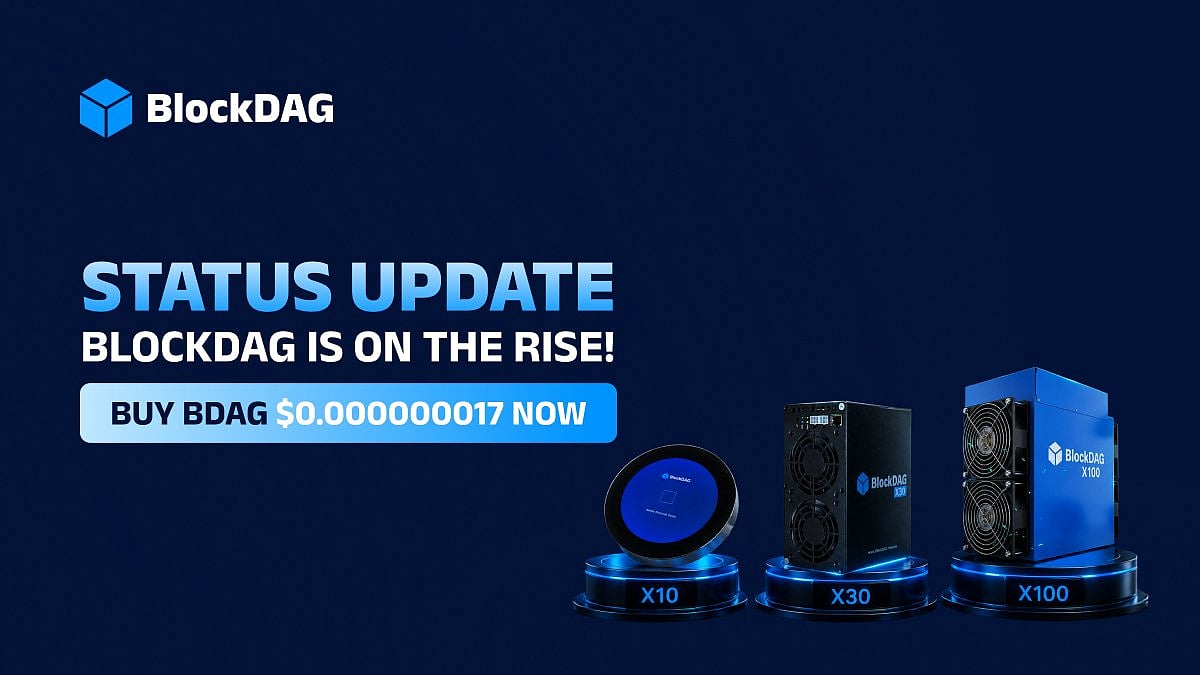
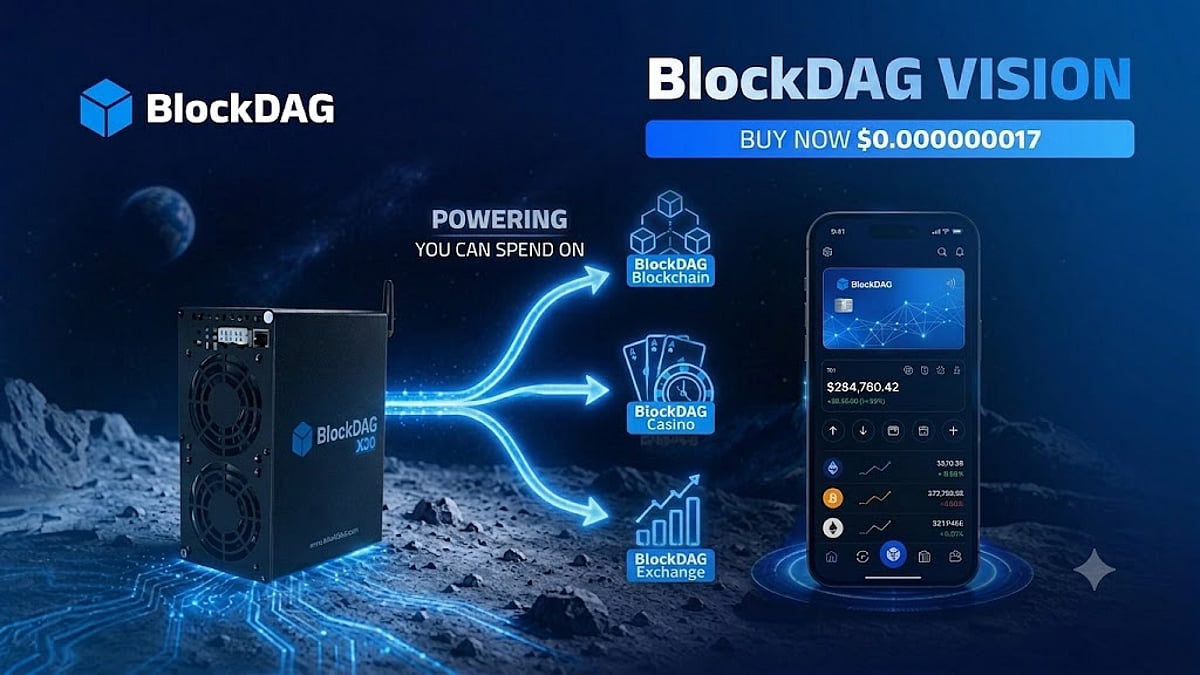
    BlockDAG takes a fundamentally different approach, using physical Proof-of-Work hardware for chain security and user acquisition. The project has begun shipping 22,800 miners across its X10, X30, and X100 product lines, scaling manufacturing toward 2,400 units per week. This physical rollout coincides with a promotional price of $0.000000017 and a planned $0.025 BuyBack target, plus a 22% discount for Live Swap buyers.

    This hardware-first strategy achieves two goals simultaneously. First, decentralized hardware mining distributes hash power, securing the ledger more robustly than concentrated capital pools. Second, physical delivery directly onboards users—each shipped miner converts a retail purchaser into an active network participant receiving ongoing mining rewards into their ecosystem wallet for trading, staking, or spending.

    Geographic diversification strengthens the network further. Deploying hardware nodes across multiple jurisdictions eliminates single-point vulnerabilities and regulatory risks. Additionally, over 3.6 million users employ the X1 mobile app as a frictionless second onboarding layer. Where SUI and Avalanche depend on financial assets locked in their ledgers, BlockDAG merges hardware security with organic user growth.

    Key Takeaways

    • SUI boasts impressive transaction throughput with 4.53 billion historical transactions, but ongoing supply unlocks pressure its $0.68 price.
    • Avalanche demonstrates strong holder commitment with 41.5% of supply staked at $6.60, backed by enterprise initiatives like Hyundai’s stablecoin project and the Helicon testnet launch.
    • BlockDAG differentiates by deploying 22,800 physical mining machines alongside 3.6 million X1 app miners, increasing network participation and scaling device throughput to 2,400 per week.

    For market participants evaluating long-term durability, the strategic distinction is clear: traditional platforms lock capital to secure ledgers, while BlockDAG uses physical hardware distribution to secure its chain while continuously onboarding daily users. This dual-purpose approach positions BlockDAG as a standout network ahead of its main exchange listings.

    Further Information

    Presale: https://purchase.blockdag.network
    Website: https://blockdag.network
    Telegram: https://t.me/blockDAGnetworkOfficial
    Discord: https://discord.gg/Q7BxghMVyu

    Disclaimer: This article is for informational purposes only and does not constitute financial or investment advice. Cryptocurrency investments carry risk; always conduct your own research before making decisions.

  • Generative Engine Optimization (GEO): How AI Retrieval Is Reshaping Digital Visibility

    Generative Engine Optimization (GEO): How AI Retrieval Is Reshaping Digital Visibility

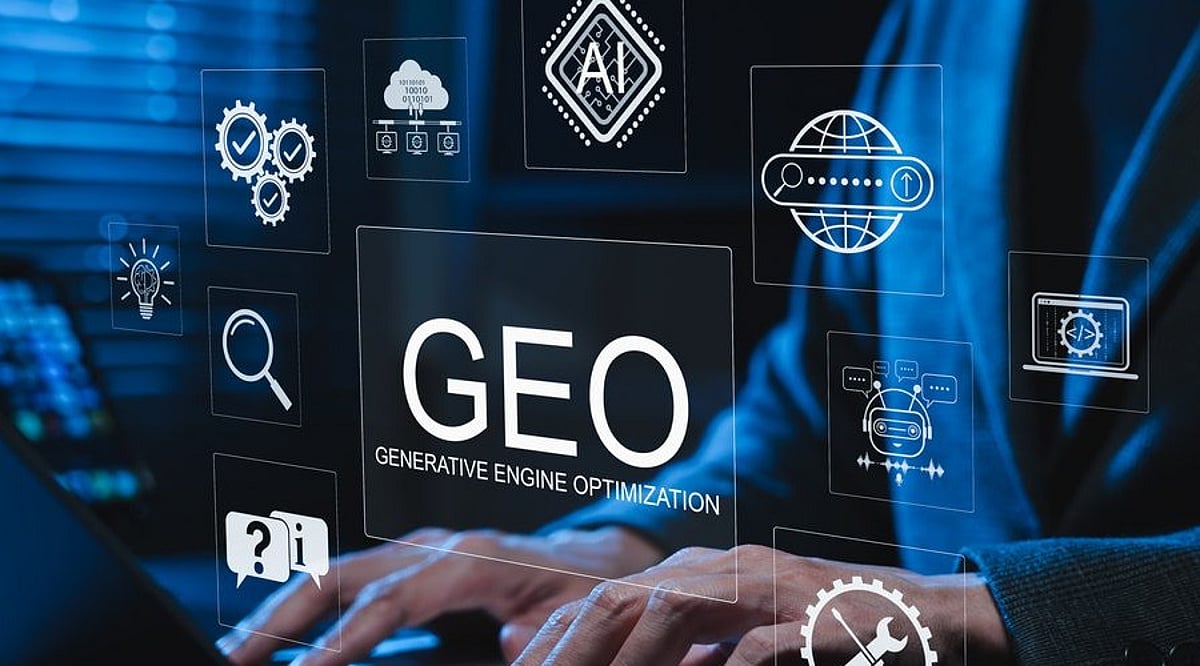
    Generative Engine Optimization (GEO) is rapidly becoming a cornerstone of modern digital marketing. Unlike traditional SEO, which aims for top positions in search engine results, GEO focuses on ensuring brands appear within AI-generated answers from platforms like ChatGPT, Google AI Overviews, Gemini, Claude, Copilot, and Perplexity. This shift is fundamentally changing how users discover products, services, and information online.

    How LLM Retrieval Works

    Modern large language models (LLMs) no longer rely solely on keyword matching. Instead, they follow a retrieval process that begins with user intent. The system searches trusted sources, collects relevant documents, compares each source for quality, and selects only a small set of passages. The language model then generates a natural answer supported by those selected sources. This “retrieve, rerank, and generate” pipeline leaves little room for weak or poorly structured content. Content that never reaches the first retrieval stage cannot appear in the final response, no matter how detailed it looks.

    Retrieval Changes Redefine Visibility

    Older search engines scanned billions of indexed pages before displaying ranked links. AI search systems work with a much smaller retrieval window. Most platforms collect only dozens or a few hundred candidate documents for each query. A reranking model then checks relevance, authority, freshness, and trust before the language model builds the final response. This process raises the value of semantic relevance, clear entities, and factual accuracy. No single tactic guarantees success across every AI platform.

    Latest Numbers Show Rapid Growth

    The move toward AI search continues at a fast pace. Google AI Overviews now reach more than 2.5 billion monthly users, while ChatGPT serves around one billion weekly users. AI assistants now answer a large share of online questions before visitors open traditional search results. This pattern creates more zero-click searches and fewer direct website visits. Several studies also report that AI referral traffic has grown sharply, even as click-through rates from traditional search continue to decline.

    Research Explains What AI Prefers

    Academic research offers valuable insight into successful GEO strategies. The original GEO study found that content with statistics, quotations, citations, and reliable references achieved visibility gains of up to 40 percent within controlled experiments. A larger review of 45 GEO studies, published in July 2026, reached another important conclusion: content structure, topical relevance, and strong context placement deliver more reliable results than generic optimization tricks. Researchers also noted that AI platforms often produce different answers for the same question, making continuous evaluation essential.

    Content Quality Carries More Weight

    High-quality content now plays a larger role than keyword repetition. AI systems understand topics, relationships, and entities instead of isolated phrases. Clear headings, direct answers, well-organized sections, trusted statistics, and accurate citations help retrieval systems understand each page with greater confidence. Independent publications and respected news outlets also strengthen authority. Many AI systems trust third-party validation more than promotional claims from company websites.

    New Metrics Replace Traditional SEO Goals

    Traditional SEO measures rankings, impressions, and click-through rates. GEO introduces a different set of performance indicators. Companies now monitor AI citation frequency, brand mentions inside AI responses, share of voice across multiple AI platforms, AI referral traffic, and answer inclusion rates. Several software platforms already provide dashboards that measure AI visibility instead of keyword rankings. Industry reviews highlight tools from HubSpot, Semrush, Ahrefs, Surfer, Mentions, and Scrunch as leading options for brands that want detailed insight into AI search performance.

    Why This Matters

    For companies seeking good visibility in the AI-driven search space, Generative Engine Optimization has become indispensable. Nowadays, people use large language models to find data, assess services, and make decisions. Companies that implement an effective GEO strategy are more likely to get their names mentioned and highlighted in search results.

    The Future of AI Visibility

    Generative Engine Optimization has moved far beyond a marketing trend. It now represents a major change in online discovery. Search no longer ends with a ranked list of blue links. AI assistants now collect information, evaluate trust, select the strongest evidence, and present complete answers in seconds. Every stage of this retrieval process shapes brand visibility. Organizations that publish original research, maintain accurate entity information, present clear facts, and earn recognition from trusted third-party sources stand in a stronger position for future AI search.

    Frequently Asked Questions

    1. What is Generative Engine Optimization (GEO)? GEO is the practice of optimizing content so AI platforms like ChatGPT, Google AI Overviews, Gemini, Claude, Copilot, and Perplexity are more likely to retrieve, cite, and reference it in generated answers.
    2. How is GEO different from traditional SEO? SEO focuses on improving rankings in search engine results pages, while GEO aims to increase visibility within AI-generated responses by emphasizing authority, relevance, and factual accuracy.
    3. What type of content performs best for GEO? Content with clear structure, reliable statistics, credible citations, expert insights, strong entity information, and up-to-date facts has a higher likelihood of being retrieved and cited.
    4. Which metrics are important for measuring GEO success? Key metrics include AI citation frequency, brand mentions in AI responses, AI referral traffic, answer inclusion rate, and share of voice across AI platforms.
    5. Why is GEO becoming important for businesses? As more users rely on AI assistants for information and purchasing decisions, brands with strong GEO strategies are more likely to gain visibility, credibility, and qualified traffic.
  • BlockDAG’s Multi-Use Ecosystem Gains Momentum as Tron and XRP Prices Stall

    BlockDAG’s Multi-Use Ecosystem Gains Momentum as Tron and XRP Prices Stall

    The latest Tron price prediction shows TRX locked between $0.30 and $0.34, with Tron DAO relying on stablecoin strength to support patience. At the same time, XRP price movement remains under $1.10, affected by a weak August and a CLARITY Act decision delayed to September. Both projects are stable and well known, but stability alone does not define the best crypto to buy right now.

    BlockDAG (BDAG) appears stronger because it is not focused on one single use case waiting for a trigger; instead, it keeps adding multiple working parts. Mining supports the network, the Casino builds user activity, the Exchange improves access, and everything connects through one Super App, a layered setup similar to what helped Solana and Hyperliquid gain massive attention over time.

    BlockDAG: Multi-Use Ecosystem Driving Long-Term Growth

    Many whitepapers describe future ideas. BlockDAG’s Execution Whitepaper explains a working system, including a live mainnet with GHOSTDAG consensus and EVM smart contracts, plus an explorer tracking more than 4 million on-chain transactions across over 374,400 holders in 130+ countries, hardware miners already shipping with X30 in full production and over 3.6 million X1 app miners active globally, along with BlockDAG Casino generating over $200 million in wagers across 100+ games.

    Add claims active from Batches 1 to 7, staking live with more than 10 billion BDAG locked, and a presale price of $0.000000017 supported by a $0.025 buyback aiming at 135X ROI, it becomes clear why many see this as the best crypto to buy for those looking for real 1000x potential from early-stage projects.

    The final parts are coming soon. BlockDAG Exchange, a company-owned multi-asset platform, is planned for August 2026, followed by the Super App in September to connect mining, staking, trading, swaps, casino features, and a RedotPay-backed payment card in one system. This combined use case is growing step by step, similar to patterns seen in Solana and Hyperliquid, and after two years of steady work, BlockDAG now shows this full structure, making it a strong option for the best crypto to buy during this cycle.

    Tron Price Outlook Suggests Continued Sideways Movement

    The Tron price prediction for August needs to consider a coin that is pausing rather than moving strongly. TRX is staying near a key support area built over recent weeks, with resistance close to $0.334 and support near $0.309. Tron DAO highlights network expansion, growing institutional use, and stablecoin leadership, with over $84 billion in USDT on the network, while Nasdaq-listed Tron Inc. holds 681.7 million TRX as treasury assets.

    Even with these positives, most Tron price prediction views expect TRX to stay within range through August instead of breaking higher. This reflects an asset maintaining its current level rather than moving into a new growth phase, very different from a presale project like BlockDAG still priced at early levels.

    XRP Price Holds Position While Waiting for New Triggers

    Current XRP price levels show a coin lacking short-term momentum. XRP starts August near $1.06 and struggles to break above $1.10, with both the CLARITY Act decision and a Federal Reserve rate update now expected in September. Adding pressure, August has ended lower for XRP for four straight years, and ETF desks reported zero flows on 10 out of 17 trading days in July.

    There are still some positives: exchange supply is at a seven-year low, and the XRP Ledger v3.3.0 upgrade aims to improve institutional access for banks. For now, though, the XRP price stays between $1.01 and $1.05 without a clear near-term push. BlockDAG, on the other hand, shows active progress, with an Exchange and Super App both expected soon and a presale price still very low.

    Final Call

    Most Tron price prediction insights and XRP price analysis this month point to the same idea: strong projects waiting for delayed catalysts expected in September. BlockDAG shows a different situation. Two years of progress have led to live claims, active staking, over 10 billion BDAG locked, a Casino already producing revenue, and both an Exchange and Super App launching soon. With multiple use cases growing together and a presale price of $0.000000017 still open, BlockDAG currently stands out for anyone searching for the best crypto to buy right now.

  • Loop Engineering: A Beginner’s Guide to Building Reliable AI Agent Workflows

    Loop Engineering: A Beginner’s Guide to Building Reliable AI Agent Workflows

    Artificial intelligence has moved far beyond simple chatbots. Modern AI systems can search the web, write code, check documents, call software tools, and complete long tasks with very little human help. This major shift has created a new field called loop engineering. Instead of focusing only on prompts, loop engineering focuses on the full process that helps an AI agent reach the right result.

    The idea has gained strong attention during 2026 as businesses and software teams build AI agents that solve real work problems. Experts now see workflow design as one of the most valuable skills for anyone who builds AI systems. Many developers also believe prompt writing alone cannot deliver reliable results for complex tasks. A well-designed loop helps an AI system plan, check, improve, and finish its work with greater accuracy.

    What Loop Engineering Means

    Loop engineering refers to the activity of creating the procedure that an AI agent employs to address a task completely. The process typically starts with the specification of a goal; the AI devises a plan and carries it out. After finishing the process, the AI checks the outcome and, if errors occur, corrects them and goes through the same operations again.

    A single input creates an answer in most cases. Loop creates new opportunities for improved answers. Since Loop allows the AI to work with several iterations of information, it helps to solve larger problems.

    Why AI Agents Need Loops

    Many modern AI agents work with tools instead of plain text. They can search websites, open files, read databases, write software, or connect with business applications. Every action creates new information. The AI must study that information before it decides what to do next.

    This repeated cycle helps the system avoid simple mistakes. If a software test fails, the AI can examine the error, correct the code, and test it again. If a research task lacks enough facts, the AI can search for more sources before it prepares the final report. This steady process improves quality without constant human guidance.

    The Main Parts of an AI Loop

    Every AI loop follows a similar structure, even though each project looks different. First, the system receives a clear goal. Next, it breaks that goal into smaller tasks. After that, it completes one task at a time with the help of available tools.

    Once each action ends, the AI reviews the result. If the outcome fails to match the expected standard, the system changes its approach and tries again. This cycle continues until every requirement reaches completion. The process ends only after the AI satisfies the success rules that developers set at the start.

    How Businesses Use Loop Engineering

    Many companies now build AI agents for real business work instead of simple conversations. Customer support teams use AI agents that read support tickets, search company knowledge, check customer records, prepare replies, and request human approval for sensitive cases.

    Software teams also depend on loop engineering. An AI coding agent can read existing code, create new code, run tests, find errors, repair problems, and repeat the same cycle until every test passes. This approach saves valuable time and improves software quality.

    Research teams also benefit from this method. An AI agent can collect information from trusted sources, compare facts, find missing details, perform another search, and prepare a detailed report after every important fact receives proper verification.

    Why Verification Matters

    Loop engineering does not ask an AI system to trust every answer that it creates. Instead, it asks the system to verify each important result before it moves ahead. This step reduces mistakes and improves confidence.

    Many software teams already follow this practice. Recent industry reports show that 76% of development teams review AI-written code with the same level of attention as human-written code, while 33% apply even stricter reviews. These numbers show that careful verification remains an important part of successful AI projects.

    The Numbers Behind the Trend

    Recent business studies show that strong AI models alone cannot guarantee success. Industry research reports that almost 95% of generative AI pilot projects fail to create measurable profit, while analysts expect more than 40% of those projects to end before 2027. Poor workflow design often creates this gap between powerful technology and real business value.

    Another report shows that 87% of companies hold a positive view of AI, yet only 16% have completed full AI adoption. These figures highlight a common challenge. Many organizations understand the value of AI, although far fewer succeed with large-scale implementation. Loop engineering helps close that gap through reliable and repeatable workflows.

    A production case also shows the value of this approach. One AI investigation system handled almost 11,000 alerts each month. The workflow removed 85% of unnecessary alerts before the AI started its analysis. The average investigation time fell from more than ten minutes to about two minutes, while operating costs dropped to less than one-third of the previous level. These results came from better workflow design rather than stronger prompts.

    The Future of AI Workflows

    Loop engineering marks the next stage of AI development. Modern AI agents must plan, review, verify, improve, and finish complex tasks with consistency. This goal requires much more than a single prompt. A carefully designed loop gives AI systems a clear path from the first step to the final result.

    As more businesses adopt autonomous AI agents, loop engineering will play a central role in software development, research, customer service, finance, healthcare, and many other industries. Reliable workflows will shape the future of AI far more than clever prompts alone.

    Frequently Asked Questions

    1. What is loop engineering?

    Loop engineering is the practice of designing the repeated workflow an AI agent follows to complete a task accurately.

    2. How is loop engineering different from prompt engineering?

    Prompt engineering focuses on creating better prompts, while loop engineering focuses on the entire AI workflow from planning to completion.

    3. Which industries use loop engineering?

    Software development, customer support, finance, healthcare, research, and enterprise automation commonly use loop engineering.

    4. Why do AI agents need verification loops?

    Verification checks reduce errors, improve output quality, and help AI systems produce reliable results before task completion.

    5. Is loop engineering important for the future of AI?

    Yes. Modern AI agents handle complex tasks, and well-designed workflows help them perform reliably, safely, and efficiently.

  • ZKP Presale Surpasses $2.23M as Dogecoin and Solana Hold Key Support Levels

    ZKP Presale Surpasses $2.23M as Dogecoin and Solana Hold Key Support Levels

    Professional traders are increasingly directing capital toward projects with real technological advancements rather than fleeting market sentiment. Recent technical analysis shows Dogecoin forming a support base at $0.073, bolstered by $12 million in ETF inflows. Meanwhile, Solana maintains its position above $75, supported by growing on-chain holdings exceeding 280,000. However, the Zero Knowledge Proof (ZKP) network offers a model that transcends typical token speculation, enabling users to earn passive yield through accessible AI mining hardware that performs genuine computational tasks.

    Dogecoin Price Stabilizes Amid Steady ETF Capital Inflows

    The Dogecoin price is currently fluctuating around the $0.073 level, challenging a crucial multi-year support zone. The current market structure indicates that Dogecoin has found a balance point, further reinforced by a technical buy signal on the monthly chart. Institutional involvement is growing through regulated financial instruments, with ETF flows exceeding $12 million. Technical analysts predict that Dogecoin could generate impressive upward momentum once it breaks overhead resistance at $0.08. Defending strong support near $0.056 remains essential to preserve this constructive formation and prevent deeper pullbacks. If this support holds, Dogecoin could target mid-term recovery levels around $0.11 or higher.

    Solana Price Maintains Crucial Base Above $75 Level

    Solana’s price displays persistent stability as traders monitor pivotal technical boundaries. Recent price action confirms that Solana is holding a decisive support zone around $75, with market analysts projecting a potential trend reversal toward $100 if buying volume expands. On-chain metrics demonstrate continued network utility beyond simple trading: the rapid adoption of tokenized real-world assets highlights how Solana gains fundamental backing from a diverse ecosystem, now including over 280,000 holders of tokenized equity securities. Provided buyers maintain current technical support and broader crypto market conditions remain favorable, Solana remains well-positioned to continue its broader upward trajectory.

    ZKP Secures Over $2.23M in Presale Phase Prior to Listing

    Projects attracting the largest share of capital today pair low entry valuations with practical infrastructure rather than speculative hype. This alignment explains why Zero Knowledge Proof (ZKP) dominates discussions about the next major crypto asset. The project has secured over $2.23 million from 7,481 participants ahead of its initial public exchange listing, while its stage one price remains locked at $0.0004. With an official listing target set at $0.04, early allocation offers substantial mathematical upside if execution aligns with the core roadmap.

    The key differentiator for ZKP is its intrinsic value proposition, which goes far beyond token ownership. The framework decentralizes AI computations by enabling regular users to contribute their computing power rather than relying on central data centers. Using zk-SNARK proofs and AES-256 encryption, every computation performed through the network is verified without revealing underlying data. This process is realized through the ZKP Miner, a $249 hardware device that connects easily to any home network without requiring specific technical setup. Once operational, the ZKP Miner executes tasks and earns ZKP tokens for the work performed.

    Rather than simply holding tokens, users have a built-in system that creates value through computational power, delivering utility from day one. The network employs a hybrid consensus mechanism combining Proof of Intelligence and Proof of Space, resulting in extremely low energy costs compared to traditional Proof-of-Work systems. With hardware units already in delivery and the presale fundraising underway, combined with a price significantly lower than the upcoming listing, Zero Knowledge Proof remains a compelling candidate as the next big thing in cryptocurrency.

    Key Takeaways

    While Dogecoin gains stability through ongoing ETF inflows and Solana shows resilience above $75 due to real-world asset expansion, both legacy altcoins remain reliant on macroeconomic trends for their next parabolic move. In contrast, Zero Knowledge Proof drives independent growth by combining an accessible entry point with real infrastructure. Featuring Stage 1 pricing at $0.0004, over $2.23 million raised, and a $0.04 target listing valuation, the project is accelerating rapidly. ZKP backs its trajectory with operational AI hardware, advanced zk-SNARK cryptographic security, and a computational reward system. This alignment of affordable pricing and functional network architecture positions ZKP as a premier candidate for the next big crypto.

    Join the ZKP Presale: Website | Buy | X (Twitter) | Telegram

    Disclaimer: Analytics Insight does not provide financial advice or guidance on cryptocurrencies and stocks. Cryptocurrencies mentioned may be risky and could result in total loss of invested capital. This article is for informational purposes only and does not constitute investment advice. Always conduct your own research before making any investment decisions.

  • BlockDAG and RedotPay Launch Crypto Super App as Ethereum and Worldcoin Face Critical Price Levels

    BlockDAG and RedotPay Launch Crypto Super App as Ethereum and Worldcoin Face Critical Price Levels

    Fresh trading data highlights key digital coins approaching essential chart levels. Ethereum is nearing a critical point where clearing $2,500 is necessary to build upward momentum, while falling short could push it toward deeper support zones. Meanwhile, Worldcoin hovers near $0.30, a key level that must hold to prevent further declines, even though oversold signals create room for a short bounce if buyers step in.

    BlockDAG is taking a different path by expanding real-world usability through its partnership with RedotPay and the upcoming unified Super App. With BDAG valued at $0.000000017, the system merges mining, payments, staking, trading, and spending into one platform while its active user base grows. These milestones help explain why BlockDAG is positioning itself as a top crypto to buy right now.

    Ethereum Near a Key Breakout

    Ethereum recently bounced off lower levels, but price charts show it remains stuck in a firm downward trend. Many overhead supply zones still sit above current trading values, leaving the asset at an uncertain junction. To signal a real trend change, Ethereum must achieve a clean push above the $2,500 barrier with heavy trading activity. Success would open a path toward previous peaks. However, another rejection at this level could send the coin sliding back toward $1,500 or $1,000 floors. Network activity, spot ETF demand, and future tech upgrades will set the direction.

    Worldcoin Searches for Stability

    Worldcoin recently encountered heavy selling pressure, sitting near $0.30 as technical charts indicate a shaky market stance. Short-term indicators hint that the token could start another downward slide if sellers remain in control. To steady itself, Worldcoin must defend support between $0.29 and $0.30 to avoid dropping toward $0.26. Moving averages look weak, but oversold gauges show space for a quick rally if buyers push past $0.35 resistance. Future moves depend on fresh buying power, broader market health, and reduced token unlock pressure.

    RedotPay and BlockDAG Team Up to Launch a Crypto Super App

    Strong partnerships often separate real projects from those struggling to find their place, and BlockDAG has entered that group through its fresh alliance with RedotPay. Together, the projects are creating a Super App that brings mining, claiming, staking, trading, storage, games, global transfers, payment cards, and daily purchases into one clear system. This transforms BDAG from a simple held token into a practical daily currency.

    This deal matters because BlockDAG brings a massive active community. Over 4 million users rely on the X1 mobile mining software, and community members have locked up nearly 10 billion coins for weekly rewards. RedotPay adds a real-world spending layer, giving users something most Layer 1 networks fail to offer. The underlying technology easily matches these big plans. BlockDAG handles roughly 7,000 transactions per second with block finality in about two seconds, while maintaining full compatibility with Ethereum developer tools.

    Together with a live on-chain casino and physical X-series mining gear shipping out to buyers, the RedotPay connection serves as the bridge that connects every feature into one smooth flow. The token value sits at $0.000000017, featuring a 22% Live Swap discount alongside $0.025 Buybacks currently running. With the Super App releasing this month and top-tier exchange listings set to follow, this partnership acts as the primary spark that places BDAG high on the list as a top crypto to buy right now.

    Final Thoughts

    Ethereum still needs to break past $2,500 with solid volume to confirm strong growth, while Worldcoin must hold the $0.29 to $0.30 range before aiming for any steady recovery. Both coins rely heavily on broader market action and continuous buying momentum. BlockDAG, however, pairs fast growth with clear results through its RedotPay deal, over 4 million X1 users, nearly 10 billion staked tokens, 7,000 TPS speed, 2-second finality, Ethereum compatibility, an active casino, X-series miner shipments, a $0.000000017 price, Live Swap discounts, buybacks, and its strong pitch as a top crypto to buy right now.

    Disclaimer: This article is for informational purposes only and does not constitute investment advice. Cryptocurrency investments are risky and may result in total loss. Always do your own research before making any investment decisions.

  • Cathie Wood Doubles Down on Nvidia: What It Signals for Investors

    Cathie Wood Doubles Down on Nvidia: What It Signals for Investors

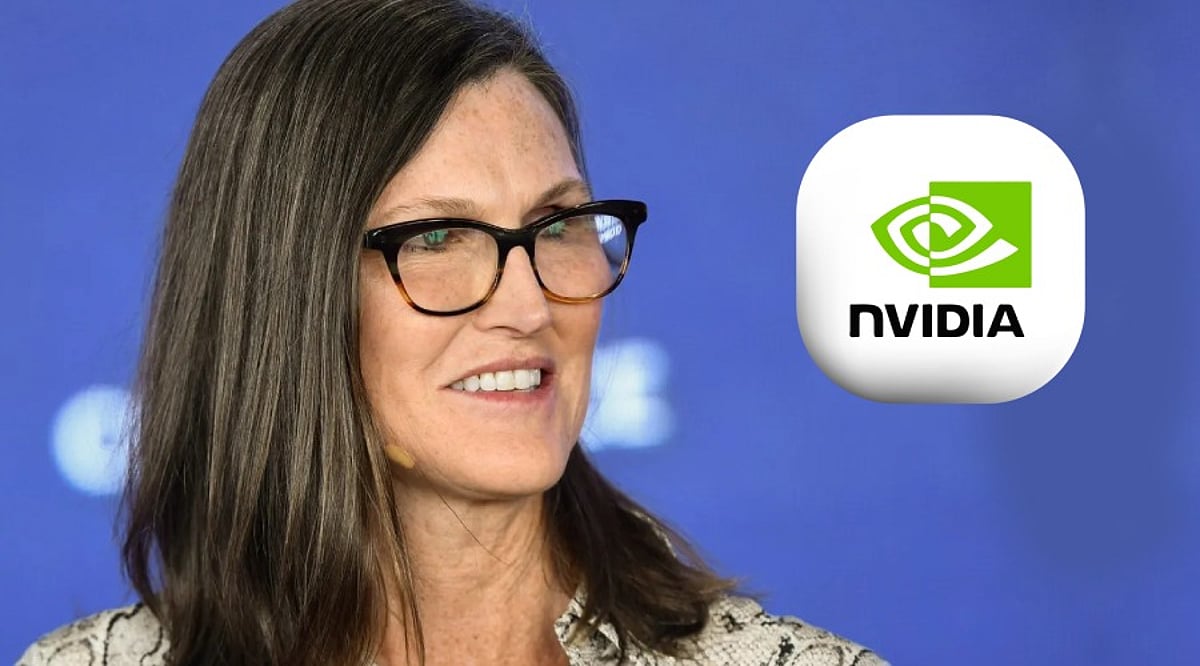
    Cathie Wood, the CEO of ARK Invest, has once again demonstrated her contrarian investment style by increasing her firm’s stake in Nvidia following a recent stock price decline. The move, which involved the purchase of 78,965 shares worth nearly $15.5 million, underscores her unwavering confidence in the company’s long-term prospects within the artificial intelligence sector.

    Despite short-term market volatility and a pullback in Nvidia’s share price, Wood’s decision reflects a belief that the company’s fundamental strengths remain intact. Nvidia continues to be a dominant player in the AI chip market, supplying critical hardware for data centers, cloud computing, and advanced AI applications. The company’s technology is integral to the development of large language models, autonomous vehicles, and other cutting-edge innovations.

    Wood’s investment approach often involves buying during periods of market pessimism, a strategy that has both yielded significant gains and faced criticism in the past. In this case, she is betting that Nvidia’s market leadership and the ongoing expansion of AI infrastructure will drive long-term value, even if near-term price movements are uncertain.

    For investors, the key takeaway is not necessarily to mimic Wood’s trade, but to consider the broader implications. Nvidia’s role in the AI ecosystem is unlikely to diminish quickly, but the stock’s valuation remains elevated compared to historical norms. Factors such as competition from AMD and custom chips developed by major cloud providers, as well as geopolitical risks related to export controls, could introduce additional volatility.

    As always, individual investors should conduct their own research and assess their risk tolerance before making any investment decisions. Wood’s move serves as a reminder that long-term investing often requires patience and a willingness to look beyond short-term market fluctuations.

  • Google Hiring AI Analyst for Trust and Safety in Workspace Team

    Google Hiring AI Analyst for Trust and Safety in Workspace Team

    Google is actively seeking an AI Analyst to join its Trust and Safety team within Workspace. This role focuses on ensuring the safety and integrity of AI-powered products by performing risk assessments, detecting abuse, and developing methods to protect AI systems from extensive misuse. The successful candidate will collaborate across departments to create user protection measures that build trust across all Google platforms.

    Job Details

    • Location: Bengaluru, Karnataka, India
    • Gender: Both
    • Qualification: Bachelor’s degree or equivalent practical experience
    • Experience: 2+ years in data analysis, project management, and AI safety or related fields
    • Job Type: Full Time
    • Apply: Apply Now

    Main Duties

    • Identify and investigate potential risks and failure modes in GenAI products, including misuse and abuse scenarios.
    • Design and implement anti-abuse detection systems and AI-driven enforcement mechanisms.
    • Analyze data to measure, monitor, and mitigate AI-related risks using evaluation frameworks and datasets.
    • Prepare detailed reports and present insights and recommendations to stakeholders.
    • Collaborate with cross-functional teams to ensure effective implementation of safety solutions.

    Essential Qualifications

    • Bachelor’s degree or equivalent practical experience in a relevant field.
    • Two years of data analysis experience involving pattern discovery and analytical results.
    • Expertise in project management, including establishing project boundaries and determining objectives and expected outcomes.
    • Developed expertise in GenAI security, adversarial machine learning, and technical risk assessment.
    • Exceptional analytical capabilities and effective problem-solving skills.

    Preferred Skills

    • Master’s degree in a quantitative field.
    • Experience with programming languages including SQL, Python, R, and C++.
    • Experience with machine learning systems and corresponding workflows.
    • Experience with security threat detection, abuse analysis, and conducting investigations.
    • Strong communication skills and ability to manage stakeholders.

    About Google

    Google operates as an international technology pioneer, developing products that enhance information accessibility while creating safer and more beneficial online experiences. The Trust and Safety team protects users and maintains platform security across services including Search, Gmail, and Google Workspace.

  • Indian Stock Market Opens Mixed: Nifty Dips 70 Points, Sensex Gains 395 Points

    Indian Stock Market Opens Mixed: Nifty Dips 70 Points, Sensex Gains 395 Points

    The Indian stock markets opened on a mixed note on Tuesday, following a late sharp rise in the previous session triggered by the launch of the new Closing Auction Session (CAS) framework. The Nifty 50 index opened 70.4 points or 0.28% lower at 24,703.90, while the Bank Nifty started 179 points below the previous close of 58,068.95. In contrast, the Sensex opened higher by approximately 395 points, reaching 79,132.97.

    The Indian rupee opened flat at Rs. 95.36 per dollar against Monday’s close of Rs. 95.34. Foreign institutional investors (FIIs) remained net buyers in Indian equities on August 3, purchasing shares worth Rs. 922.26 crore. Domestic institutional investors (DIIs) also extended their buying activity, investing Rs. 1,571.18 crore during the same period.

    The broader market remained firm, with the Nifty Midcap 100 and Smallcap 100 indices each gaining 1.2%.

    Sensex Outlook

    Technically, the Sensex continues to maintain a positive structure, with the 77,800–77,600 range acting as the immediate support zone. According to Sachin Gupta, VP of Technical Research at Choice Equity Broking, “As long as it holds above this range, the overall trend is expected to remain bullish. On the upside, 78,300–78,500 remains the immediate resistance zone, and a sustained breakout above these levels could trigger the next leg of the rally towards 78,800–79,000.”

    Nifty 50 Outlook

    The Nifty 50 has strengthened its technical structure after breaking out of a three-month consolidation range. The index formed a strong bullish candle on the daily chart while closing above the upper boundary of its recent consolidation range. Analysts believe the breakout above the triangular consolidation pattern suggests the index could extend its rally towards the 25,000–25,200 zone over the coming sessions. Bajaj Broking Research stated, “We believe bias remains positive and dips, if any, in the coming sessions should be used as a buying opportunity. On the downside, immediate support is placed at 24,500–24,400 levels, while key short-term support is placed at the 24,200 levels, being the confluence of the key retracement of the current up move and 20-day EMA.”

    Bank Nifty Outlook

    Bank Nifty also pushed higher, extending its upward momentum and forming a strong bullish candle on the daily chart, closing above the psychologically important 58,000 level. Analysts noted that if there is a decisive breakout over the upper end of the 58,500–58,700 band, it may spark fresh buying interest and open the door for a move toward 59,300 and then 60,000. However, if the index cannot hold above 58,700, then Bank Nifty may keep consolidating inside the 57,000–58,700 area until a clearer breakout happens. On the downside, the 56,500–56,000 zone remains a crucial support area, reinforced by the confluence of the lower band of the six-week trading range, an ascending trendline, and the 52-week EMA, making it a strong demand zone. As long as the index holds above this support cluster, the broader outlook is expected to remain constructive.

    Disclaimer: This article is provided for informational purposes only and does not constitute investment advice. You are responsible for conducting your own research (DYOR) before making any investments. Read more about the financial risks involved here.