Blog

  • Apple iPhone Shipments in India See First Quarterly Decline in Over Four Years Amid Chip Shortage

    Apple iPhone Shipments in India See First Quarterly Decline in Over Four Years Amid Chip Shortage

    Apple has recorded its first decline in iPhone shipments in India in more than four years, according to a new market report. Shipments fell by 3% year-on-year in the April to June quarter of 2026, a sharp reversal from the 12% growth seen at the start of the year.

    The drop is primarily attributed to a shortage of memory chips, which has constrained Apple’s ability to supply new devices. CEO Tim Cook described the supply disruption as a “hundred-year flood,” calling it one of the biggest challenges he has faced during his decades at Apple. Analysts note that customer demand remains steady, but the company has not been able to ship enough phones to meet it.

    India’s overall smartphone market contracted 10% year-on-year in the second quarter, one of the steepest declines in the last six years. In that context, Apple’s 3% decline appears relatively mild.

    Other Smartphone Brands’ Performance in Q2 2026

    Not all brands faced similar headwinds. Samsung’s shipments grew by 2% in the same quarter, while the fastest-growing smartphone brand in India was Nothing, which posted a remarkable 105% growth. Xiaomi, however, struggled with continuously rising prices in the Indian market. Its wider range of devices helped it gain popularity, but higher prices made competition more challenging.

    What Comes Next for Apple?

    The latest shipment drop does not indicate waning demand for iPhones. Rather, it highlights that higher component costs and supply issues are making it harder for Apple to maintain adequate stock in the market. If memory chip prices remain elevated, Apple may adjust its inventory management strategy in India and could review its pricing for future models. Even so, India remains one of Apple’s key markets, and the company is expected to continue investing in the country as demand grows.

  • China Accuses US AI Firms of Illegally Distilling Chinese Models, Escalating Tech War

    China Accuses US AI Firms of Illegally Distilling Chinese Models, Escalating Tech War

    China has formally accused American artificial intelligence companies of using AI models developed by Chinese firms to train their own platforms, intensifying the technology rivalry between the world’s two largest economies. The accusation, delivered by the Chinese Ministry of Commerce on Monday, claims that “many American artificial intelligence enterprises have distilled Chinese models during their research, development and training processes.” The statement comes just days after the United States accused Chinese companies of copying proprietary American AI technology.

    Distillation at the Heart of the Dispute

    The conflict revolves around AI model distillation, a common technique where a smaller model learns to replicate the performance of a larger, more capable one. This process reduces computational costs while preserving most of the original model’s capabilities, making it widely used across the industry. However, U.S. officials allege that some Chinese firms have used distillation to reproduce advanced U.S. AI systems without authorization. Beijing has denied these allegations, calling them “lacking factual basis and legal grounds,” and accusing the U.S. of “double standards” and “artificial intelligence hegemonism.”

    AI Race Heats Up

    The latest exchange follows reports that a senior White House official accused Chinese startup Moonshot AI of illegally copying Anthropic’s advanced AI model to create its highly anticipated Kimi K3. The release of Kimi K3 garnered significant attention in the tech world as it competed strongly with top global AI models. According to IDC, global AI spending—encompassing AI-powered applications, infrastructure, and related services—is expected to surpass $631 billion by 2028, underscoring the strategic importance of AI across industries. Intellectual property, model development, and governance disputes are becoming increasingly common amid this surge in investment.

    China Signals Potential Countermeasures

    China maintains that model distillation is standard industry practice and that American AI firms have also benefited from Chinese-generated models. The ministry added, “China will take all necessary measures to firmly safeguard its legitimate and lawful rights and interests.” The charges follow a warning by U.S. Treasury Secretary Scott Bessent that Washington could impose restrictions on Chinese entities, and reports suggest the U.S. is considering restrictions on some foreign-developed open-source AI models. These developments highlight the growing importance of AI as a major flashpoint in the broader technological and geopolitical rivalry between the U.S. and China.

  • Canara Bank Eyes $2.5 Billion in Foreign Currency Funding via FCNR(B) and Overseas Borrowings

    Canara Bank Eyes $2.5 Billion in Foreign Currency Funding via FCNR(B) and Overseas Borrowings

    Canara Bank has announced plans to raise between $2.3 billion and $2.5 billion in foreign currency funding through a combination of FCNR(B) deposits and overseas borrowings. The bank aims to secure $1.3–$1.5 billion specifically via FCNR(B) deposits by September 2026, with the remainder coming from external commercial borrowings (ECBs) and overseas foreign currency borrowings (OFCBs).

    As of July, the bank has already raised approximately $775 million through the FCNR(B) window and mobilized nearly ₹7,300 crore under the scheme. This fundraising initiative follows the Reserve Bank of India’s (RBI) decision to lift the interest rate cap on fresh FCNR(B) deposits with tenures of three to five years. The special deposit window remains open until September 30, 2026, and banks can increase overseas borrowings under RBI guidelines until December 31, 2026.

    Strong Q1 FY27 Performance

    Canara Bank reported robust business growth for the quarter ending June. Total advances grew 18% year-on-year to ₹12.93 lakh crore, while total deposits rose 12% YoY to ₹16.11 lakh crore. Global business value increased 14% to ₹29.05 lakh crore. Net interest income (NII) reached ₹10,215 crore, marking a 13% increase. Managing Director Brajesh Kumar Singh noted that NII crossed the ₹10,000 crore milestone for the first time in a quarter.

    Improving Asset Quality

    The bank’s asset quality continued to strengthen. Gross non-performing assets (GNPA) fell to 1.57% from 2.69% a year ago, and net NPAs declined to 0.36% from 0.63%. The provision coverage ratio (PCR) improved to 94.76%. Credit quality gains were supported by a lower slippage ratio of 0.60% and recoveries of ₹2,500 crore during the quarter.

    Analysts expect the combination of stronger profitability, healthier asset quality, and additional foreign currency funding to bolster Canara Bank’s lending capacity and liquidity position in the coming quarters.

  • Nandita Sinha Steps In as Swiggy Instamart CEO: Former Myntra Chief Takes the Helm

    Nandita Sinha Steps In as Swiggy Instamart CEO: Former Myntra Chief Takes the Helm

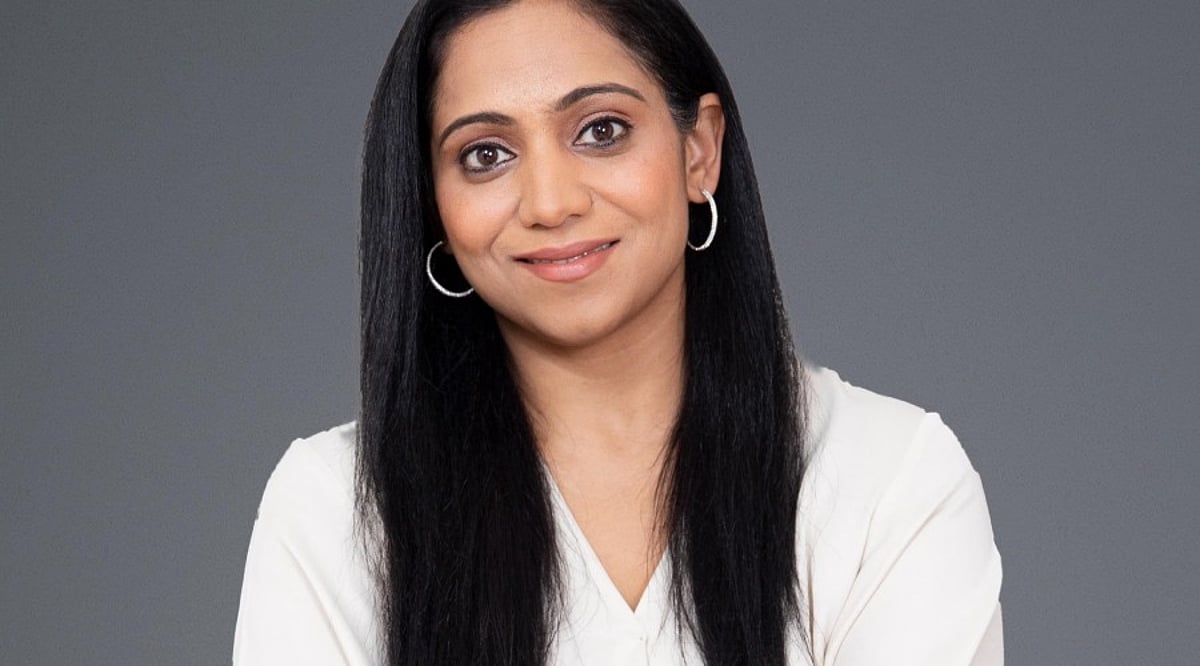
    Swiggy has appointed Nandita Sinha, the former Chief Executive Officer of Myntra, as the new CEO of its quick-commerce business, Instamart. The move marks a significant leadership transition at a time when competition in India’s rapid-delivery market is intensifying. Sinha will officially begin the role on August 3, succeeding Amitesh Kumar Jha, who has stepped down to pursue opportunities outside the company.

    Who is Nandita Sinha?

    Nandita Sinha is one of India’s leading executives in the consumer internet segment, with over two decades of leadership experience in e-commerce, retail, and fast-moving consumer goods. Under her leadership, Myntra witnessed consistent growth and improved its market positioning.

    Sinha’s work experience also includes serving in leadership roles at organizations such as Flipkart, Britannia Industries, and Hindustan Unilever, giving her broad exposure to digital commerce, branding, and consumer-facing business, according to her LinkedIn profile. This varied experience will help Instamart scale its operations.

    Leadership Change Comes at a Crucial Time

    Sinha’s appointment follows the resignation of Amitesh Kumar Jha, who led Instamart during an important phase of expansion. Swiggy acknowledged his contribution in strengthening the platform, enhancing its differentiated offerings, and improving operational efficiency during his tenure.

    Swiggy’s Managing Director and Group CEO, Sriharsha Majety, said, “I am delighted to welcome Nandita Sinha as the CEO of Instamart. Nandita is one of India’s most accomplished consumer internet leaders, and I’m enthusiastic about the vision, customer obsession, and operational rigor she brings to the team we’ve built at Instamart.”

    What Her Appointment Means for Instamart

    With competitors investing heavily in expansion and customer acquisition, Swiggy is betting on Sinha’s operational expertise and consumer-focused approach to drive Instamart’s next phase of growth.

    Speaking on her new role, Sinha said, “I have long admired what the team at Instamart has built. It’s a business with a strong customer-first culture, great talent and significant opportunities ahead. Instamart sits at the heart of how India shops for its everyday needs, and I look forward to working with our colleagues, partners and consumers to shape its next chapter of growth.”

    Industry experts believe that her background in creating large consumer brands might help the company formulate a competitive strategy. Product expansion and customer experience are expected to be among the key areas of focus.

  • Pebble Seeq AI Smart Glasses Hit India: 8MP Camera, 75-Language Translation, and Open-Ear Audio

    Pebble Seeq AI Smart Glasses Hit India: 8MP Camera, 75-Language Translation, and Open-Ear Audio

    Pebble has expanded its wearable technology portfolio in India with the launch of the Seeq AI Smart Glasses. Priced at Rs. 9,999 during the introductory period, the wearable combines an artificial intelligence assistant, an 8MP camera, open-ear audio, and real-time language translation within a lightweight eyewear design.

    The smart glasses carry an MRP of Rs. 12,999 and are available in Titan Black and Stealth Black. Weighing under 50 grams, the device is designed for professionals, travellers, content creators and technology enthusiasts seeking hands-free access to commonly used smartphone functions.

    According to Pebble, the Seeq glasses act as a ‘Third, Intelligent Eye,’ allowing users to access AI features through voice commands without continuously handling their smartphones.

    8MP Camera and AI Image Recognition

    The Pebble Seeq AI Smart Glasses feature an 8MP camera capable of capturing photographs at resolutions of up to 4K. The glasses can also record in Full HD, potentially making them useful for first-person content creation, travel recording and hands-free photography.

    The integrated AI system supports smart recognition of objects, landmarks, text and signboards. Users can activate the assistant using the ‘Hey, Seeq’ voice command and request information about what they are viewing.

    The wearable supports real-time translation across more than 75 languages. This could be particularly useful for travellers, business professionals and users communicating across different regions.

    Open-Ear Audio and Multiple Controls

    Pebble has equipped the glasses with its OpenWaveX Open-Ear Audio technology. The system enables users to listen to music, handle calls and receive audio responses while remaining aware of their surroundings.

    Users can control the device through voice commands, touch gestures and physical buttons. The glasses also support replaceable, prescription-ready lenses, allowing people who require corrective eyewear to customize them for everyday use.

    What the Launch Means for AI Wearables

    The Seeq launch reflects the growing shift from conventional fitness trackers and smartwatches towards AI-powered wearables that combine visual recognition, communication, and content creation.

    At Rs. 9,999, Pebble is positioning the Seeq as an accessible entry into the emerging smart-glasses segment. Its adoption, however, will depend on real-world camera quality, battery performance, AI accuracy, privacy controls and long-term comfort.

  • Xbox CTO Scott Van Vliet Apologizes After Widespread Service Outage Disrupts Digital Gaming

    Xbox CTO Scott Van Vliet Apologizes After Widespread Service Outage Disrupts Digital Gaming

    Xbox has broken its silence following a massive service outage that left thousands of players unable to access digital games and online services for nearly 20 hours. Chief Technology Officer Scott Van Vliet issued a public apology on X (formerly Twitter), acknowledging the frustration and promising improvements.

    “A licensing service that sits outside of Xbox, but which Xbox depends upon, caused some sign-in scenarios to fail, and it caused many scenarios that require an entitlement check to also fail,” Van Vliet explained. The outage, linked to error code 0x87e107df, prevented users from launching games, using Game Pass, making purchases, or accessing online features. The team restored services by 2:30 PM PDT, but Van Vliet called the situation “unacceptable” and stated that Xbox “must do better.”

    Microsoft has not disclosed every technical detail, but improving system stability is now a top priority. The outage also impacted several publishing and store partners relying on the same backend licensing systems. Going forward, experts suggest Xbox can rebuild trust by providing faster updates during disruptions and strengthening offline access to digital libraries.

    As gaming platforms increasingly depend on online verification, this incident highlights the need for more resilient infrastructure and transparent communication—lessons Xbox appears committed to learning.

  • RBI Proposes Rs 1 Crore Minimum Investment for Securitisation Notes, Aims to Boost Transparency

    RBI Proposes Rs 1 Crore Minimum Investment for Securitisation Notes, Aims to Boost Transparency

    The Reserve Bank of India (RBI) has released a draft proposal requiring a minimum investment of Rs 1 crore in securitisation notes, along with a mandate that all such notes be issued, held, and transferred exclusively in demat format starting October 1, 2026. The move is designed to enhance market transparency, liquidity, and efficiency.

    Securitisation enables banks and financial institutions to pool loans—such as home, vehicle, and personal loans—and sell them through special purpose entities. Under the proposed rules, each investor must invest at least Rs 1 crore, and the same threshold applies to any subsequent buyer of these notes.

    The draft covers commercial banks, small finance banks, non-banking financial companies (NBFCs), and All India Financial Institutions. The RBI will accept public and stakeholder comments until August 27, 2026, before finalizing the regulation.

    While the high entry barrier is likely to restrict retail participation, institutional investors including banks, insurers, mutual funds, pension funds, NBFCs, and high-net-worth individuals are expected to remain the primary players. The mandatory demat format is intended to simplify ownership tracking and transfer processes.

    The RBI has also proposed aligning public offers with existing SEBI regulations. If approved, these changes could make the securitisation market more structured while preserving its predominantly institutional character.

    For more details, stakeholders can join the official WhatsApp channel for updates.

  • Minnesota Court Temporarily Blocks State Ban on Prediction Markets Kalshi and Polymarket

    Minnesota Court Temporarily Blocks State Ban on Prediction Markets Kalshi and Polymarket

    Kalshi and Polymarket can continue operating in Minnesota after securing a temporary court order that blocks the state from enforcing its prediction market ban. The dispute could shape how states regulate event contracts tied to sports, politics, macroeconomic trends, and cryptocurrencies.

    Prediction markets let users trade contracts linked to future events. Contract prices reflect the market’s estimated probability of an outcome, according to Pew Research Center. Crypto contracts now form a major part of the sector. Pew estimates they represent about 20% of Polymarket’s volume and roughly 7% of Kalshi’s volume since July 2024.

    Crypto Links Raise the Stakes

    The Minnesota case reaches beyond two trading platforms because Polymarket settles on-chain margin through stablecoins. Both companies also handle substantial cryptocurrency-related activity. Polymarket has moved toward more advanced crypto infrastructure through its high-performance central limit order book, known as CLOB v2. It also launched pUSD, a new USDC-backed token.

    As a result, the court order preserves access to a large pool of crypto-native activity in Minnesota. It also keeps the broader legal dispute active.

    How far can states go when federally regulated prediction exchanges increasingly combine event contracts with blockchain settlement?

    Prediction Market Volume Hits Record Levels

    Artemis data shows monthly prediction market volume stayed between $25 billion and $30 billion during the first five months of 2026. Volume then reached a record $52.8 billion in June. July month-to-date volume climbed to $50.9 billion. Activity remained high after the FIFA World Cup, one of the year’s largest trading events.

    Sports, macroeconomic expectations, central bank activity, and crypto market developments have driven this year’s expansion. Political events had played a larger role in earlier years.

    Galaxy Research estimates that lifetime prediction market volume has exceeded $150 billion. Bernstein analysts cited by Galaxy said the market could reach $1 trillion by 2030 if regulation improves.

    Kalshi Gains Ground as Regulatory Divide Widens

    Token Terminal data gives Kalshi 61.1% of cumulative prediction market notional volume over the past five years. Kalshi recorded $159.5 billion, compared with Polymarket’s $101.7 billion. Kalshi also generated $39.5 billion in notional volume during the last 30 days. Polymarket recorded $8.7 billion during the same period.

    Their regulatory structures differ. Kalshi operates as a Commodity Futures Trading Commission-regulated Designated Contract Market, while Polymarket’s international platform lacks CFTC oversight.

    Galaxy estimates Polymarket’s US operations produced about $1.3 billion in April volume. Its international platform generated about $9 billion during the same month. Polymarket is pursuing broader US regulatory approval for its flagship platform. This effort could affect how the company expands under federal derivatives rules.

    The Minnesota order remains temporary. Courts have not settled whether states can restrict federally regulated prediction exchanges through gambling laws. Minnesota’s next move, similar actions from other states, and Polymarket’s regulatory expansion will shape market access. The dispute may also affect institutional views of blockchain-based financial infrastructure.

    The Minnesota order keeps Kalshi and Polymarket operating while courts examine whether federal derivatives rules can override state gambling restrictions. The decision could affect prediction markets, stablecoin settlement and broader crypto access. Traders should watch Minnesota’s next filing and similar actions from other states.

  • Alienware 16X Aurora and Area-51 Gaming Laptops Launch in India with Intel Core Ultra, RTX 50-Series, and AI Features

    Alienware 16X Aurora and Area-51 Gaming Laptops Launch in India with Intel Core Ultra, RTX 50-Series, and AI Features

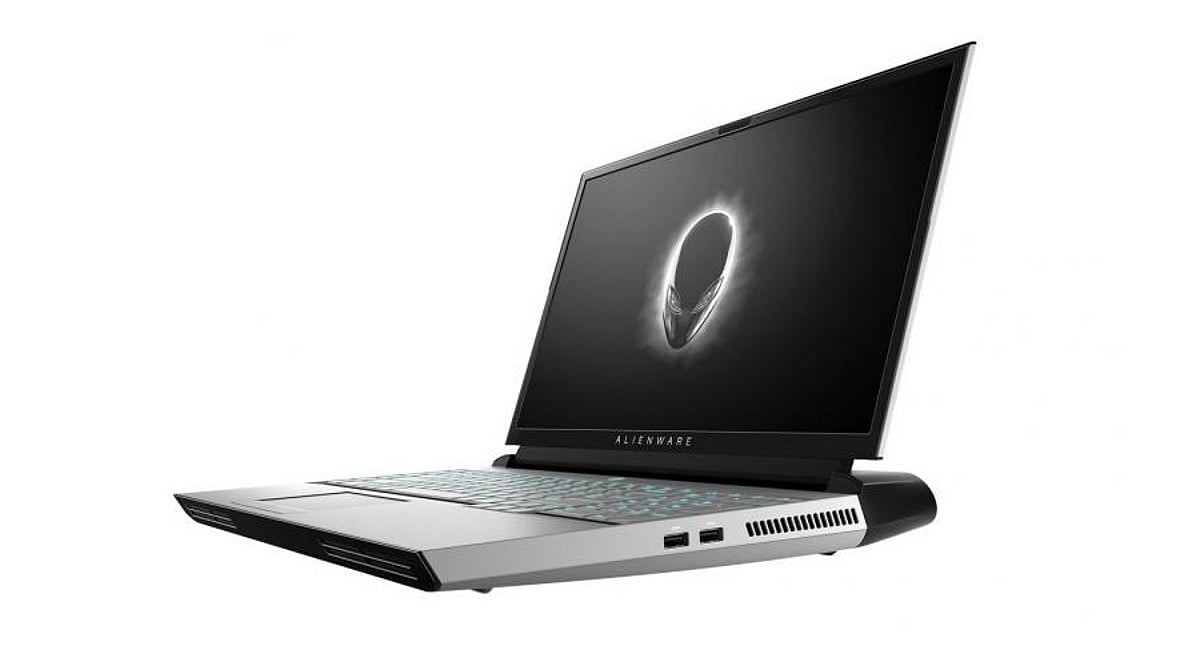
    Dell has officially launched three new Alienware gaming laptops in India, bringing high-performance hardware and AI-powered enhancements to local gamers. The models — Alienware 16X Aurora, Alienware 16 Area-51, and Alienware 18 Area-51 — were first unveiled at CES 2026 earlier this year.

    The Alienware 16X Aurora is positioned as a portable yet powerful option for PC gamers. It is equipped with an Intel Core Ultra 9 290HX Plus processor, a 240Hz display with a 0.2ms response time, and an Nvidia GeForce RTX 5070 Ti Laptop GPU. The starting price in India is Rs. 2,62,990.

    The Alienware 16 Area-51 targets serious gaming enthusiasts with a 16-inch WQXGA anti-glare OLED panel (0.2ms response time), Nvidia RTX 5090 graphics, 64GB of DDR5 memory, and 2TB of storage. It is priced at Rs. 3,97,960.

    The Alienware 18 Area-51 is built for competitive gaming, featuring an 18-inch WQXGA display with a 300Hz refresh rate and 3ms response time. It is available for Rs. 3,95,200.

    AI is becoming a central feature in modern gaming laptops. Beyond just boosting frame rates, manufacturers are now leveraging AI to optimize battery life, system performance, and everyday tasks. As more games and applications adopt AI capabilities, laptops with dedicated AI hardware are expected to become increasingly common.

  • 5 Underrated Apple Watch Features That Save You Time Daily

    5 Underrated Apple Watch Features That Save You Time Daily

    The Apple Watch is widely known for fitness tracking and notifications, but many users overlook several built-in features that can streamline everyday tasks. These hidden tools are already available on most supported models—you just need to enable them in Settings.

    Walkie-Talkie App

    Few users realize the Apple Watch includes a Walkie-Talkie app, which allows instant voice communication with other Apple Watch users. It’s perfect for quick check-ins without pulling out your phone.

    Cover to Mute

    When an incoming call or alert arrives, simply place your palm over the watch face to instantly silence it. This gesture is faster than tapping buttons and ideal for meetings or quiet environments.

    Wrist Flick to Clear Notifications

    With a quick flick of your wrist, you can dismiss notifications without using the touchscreen. This feature is especially useful when your hands are full or you’re on the move.

    Camera Remote and Double Tap

    The Camera Remote app lets you preview your iPhone camera viewfinder directly on the watch. Use the Double Tap gesture to trigger the shutter without touching your phone—great for group photos or selfies.

    Shazam Integration and Display Flashlight

    Shazam is built into watchOS, so you can identify songs instantly. The Apple Watch also offers a display-based flashlight with three modes: bright white for visibility, flashing white to attract attention, and a red light that preserves night vision.

    These features may not get much attention, but they can save time every day, especially for people who attend meetings, travel frequently, or listen to music and podcasts. Instead of reaching for your phone for every small task, the Apple Watch handles many with just a tap or gesture. Exploring these hidden capabilities helps you get more from your device without installing anything extra.