Blog

  • KuCoin Celebrates Ninth Anniversary as Ambassador Pogačar Secures Fifth Tour de France Victory

    KuCoin Celebrates Ninth Anniversary as Ambassador Pogačar Secures Fifth Tour de France Victory

    Crypto exchange KuCoin is marking a momentous month, combining its ninth anniversary with a historic win for its Global Brand Ambassador, Tadej Pogačar, who clinched his fifth Tour de France title. The milestone victories underscore the platform’s commitment to long-term success and resilience.

    Pogačar’s Fifth Tour de France Win

    Pogačar’s latest triumph came after a grueling three-week race that tested the field across mountain climbs, time trials, and tactical team battles. His fifth win places him among a select group of cyclists who have achieved this rare feat. KuCoin quickly issued congratulations, highlighting the discipline, resilience, and sustained excellence that defined his journey.

    The victory marks the first major milestone since KuCoin partnered with Pogačar and his team, UAE Team Emirates XRG. The exchange emphasized that the partnership is built on shared values of earning success through dedication rather than shortcuts. CEO BC Wong noted that the same principles guide KuCoin’s approach to building trust with its users.

    Ninth Anniversary Campaign: ‘Beyond the Signal’

    Coinciding with Pogačar’s win, KuCoin launched a companywide trading competition themed “Beyond the Signal” to celebrate its ninth anniversary. The campaign offers total rewards of up to 650,000 USDT across four tracks: spot trading, futures, VIP users, and Earn products. Participants are also encouraged to explore KuCoin Pay, KuMining, and the KuCoin Web3 Wallet.

    Rather than a single leaderboard, the anniversary campaign reflects the diverse ways users interact with the platform—from casual spot trading to advanced futures strategies and long-term asset management. The exchange aims to engage its user base of over 45 million across 200+ countries, regardless of experience level.

    In addition to cash prizes, the campaign includes KCS token rewards and experiential prizes, such as limited-edition gift sets co-created with a golf bag associated with professional golfer Adam Scott. This mix of financial and lifestyle rewards reinforces KuCoin’s ecosystem, which now extends beyond trading into payments, mining, and cultural partnerships.

    Building Momentum for the Future

    Both Pogačar’s fifth Tour de France title and KuCoin’s ninth anniversary campaign represent two of the exchange’s most prominent brand moments this year. The parallel narratives of patience, consistency, and long-term value creation align with KuCoin’s marketing strategy. As the exchange evolves from a trading platform into a broader ecosystem spanning payments, mining, and Web3 services, these milestones bolster its global presence heading into the second half of the year.

  • Why XXKK Crypto Exchange Stands Out as a Trustworthy Platform for Digital Asset Traders

    Why XXKK Crypto Exchange Stands Out as a Trustworthy Platform for Digital Asset Traders

    Choosing a platform for trading digital assets is a critical decision. Security, liquidity, and compliance separate a safe exchange from a risky one. The XXKK Crypto Exchange is built around trader protection and practical use, offering a robust environment for both novice and experienced users.

    This article examines what makes a trading venue trustworthy, how security layers protect funds, which trading features matter most, and how regulation and risk management shape a safer experience. By the end, you’ll know exactly what to check before committing capital.

    What Actually Makes a Cryptocurrency Exchange Reliable?

    Reliability has nothing to do with flashy interfaces or loud marketing. It comes down to whether a platform can protect money, execute trades fast, and hold up under heavy traffic. Key signals include:

    • Deep liquidity so orders fill at expected prices.
    • Clear fee structures with no hidden charges.
    • Strong custody practices for storing digital assets.
    • Support that actually responds when something goes wrong.
    • Regulatory alignment in the markets it serves.

    When these basics hold up under pressure, a platform earns trust. When they fail during volatility, users pay the price.

    Security Measures for Safeguarding Digital Assets

    The core of a reliable trading platform is security. Bitcoin (BTC) and Ethereum (ETH) transactions are irreversible, so good exchanges deploy multiple layers of protection.

    Multi-Factor Authentication (MFA)

    MFA adds an extra layer of security that helps prevent attackers from gaining access even if a password is compromised. Authenticator apps are more effective than SMS because SIM-swap attacks remain widespread.

    Cold Wallets vs. Hot Wallets

    How an exchange holds money speaks volumes about its priorities. Most assets should be stored in cold wallets—offline and shielded from internet-based attacks. Hot wallets handle daily withdrawals and trading. A good platform keeps only a fraction of holdings in hot wallets, minimizing risk while ensuring smooth withdrawals.

    KYC and AML Safeguards

    Know Your Customer (KYC) and Anti-Money Laundering (AML) checks are more than paperwork. They protect the ecosystem against fraud, credit abuse, and identity theft. A trustworthy exchange verifies identities and monitors for suspicious activity, fostering user trust and regulatory consistency.

    Trading Features That Matter for Active Users

    Once security is settled, trading performance becomes the deciding factor.

    Spot Trading and Trading Pairs

    Spot trading is the entry point for most users. A strong platform offers many trading pairs, allowing direct movement between BTC, ETH, stablecoins, and altcoins without extra conversions. More pairs mean less friction, lower fees, and reduced slippage.

    Futures Trading and Advanced Tools

    Futures trading appeals to experienced users who want to hedge or trade with leverage. Clear margin data and risk controls are essential. Platforms that pair futures with educational resources help traders avoid costly mistakes.

    Order Books and Liquidity

    A deep order book signals healthy liquidity. When buy and sell orders stack on both sides, trades fill closer to expected prices. Thin order books lead to wide spreads and shaky execution—making liquidity a top priority when choosing a venue.

    Regulatory Compliance and Why It Builds Trust

    Crypto regulations keep tightening across major markets, which mostly benefits users. Compliance shows a platform plans to stick around, not disappear overnight. Key indicators include:

    • Regular audits and financial transparency.
    • Clear terms around deposits and withdrawals.
    • Cooperation with financial authorities.
    • Established processes for dispute resolution.

    For anyone treating crypto as a real part of their portfolio, regulatory posture is a practical filter. A compliant platform lowers the risk of sudden shutdowns, frozen accounts, or legal trouble.

    Managing Market Volatility and Risk

    Market volatility is the normal state of crypto. Prices can shift rapidly, requiring self-control from both platforms and users. Good exchanges provide tools to control exposure, such as stop-loss orders, limit orders, and clear position tracking.

    From the user’s side, a few habits make a huge difference:

    • Risk no more than you can afford to lose.
    • Diversify investments across digital assets.
    • Place stop-loss orders before trades.
    • Avoid emotional decisions during drastic changes.

    The combination of platform tools and personal discipline is the most effective way to avoid panic selling during volatility.

    How XXKK Fits Into the Modern FinTech Landscape

    The line between traditional finance and crypto keeps blurring. As FinTech grows, users expect platforms that combine Web3 ease with the steadiness of older financial systems. The XXKK Crypto Exchange aims to deliver trading infrastructure covering security, liquidity, and compliance in one place. As DeFi and stablecoins attract more participants, platforms that treat cybersecurity and user protection as non-negotiable will earn lasting trust.

    Conclusion

    When selecting a platform, remember the fundamentals: robust security, comprehensive liquidity and custody, and genuine regulatory compliance. Security measures like MFA, cold storage, KYC, and AML safeguard funds. Features like spot trading, futures, and healthy order books enhance the daily trading experience. Combine that with structured risk management, and you have a solid approach to navigating volatile markets. The XXKK Crypto Exchange reflects these priorities, focusing on trader protection and practical application. Take all these factors into account before investing anywhere—invest slowly and let actual performance guide your decisions.

  • 5 Best Gaming Smartphones Under Rs 30,000 (2026)

    5 Best Gaming Smartphones Under Rs 30,000 (2026)

    Looking for flagship-level gaming without spending a fortune? These smartphones deliver powerful processors, smooth displays, and excellent cooling systems. Whether you enjoy BGMI, Call of Duty Mobile, or Genshin Impact, these devices are built for long gaming sessions. Here’s our top five picks.

    POCO F7

    The POCO F7 delivers flagship-level gaming performance with its powerful Snapdragon processor. Its high-refresh-rate AMOLED display ensures ultra-smooth gameplay and responsive controls. A large battery supports extended gaming sessions with fast charging. It is one of the strongest gaming phones under Rs. 30,000.

    iQOO Neo 10R

    The iQOO Neo 10R is designed for gamers who want speed and stability. Its efficient cooling system helps maintain consistent performance during long sessions. The vibrant AMOLED display enhances visuals, while fast charging minimizes downtime. It’s a balanced choice for competitive mobile gaming.

    OnePlus Nord 5

    OnePlus Nord 5 combines premium design with dependable gaming performance. A smooth AMOLED display and optimized software create an enjoyable gaming experience. The capable chipset handles demanding titles with ease. It also offers reliable battery life for extended play.

    Motorola Edge 60 Fusion

    Motorola Edge 60 Fusion offers an immersive curved display and capable hardware for casual and competitive gaming. The clean Android interface delivers a smooth experience without unnecessary apps. Its efficient processor balances gaming and daily use. Fast charging keeps interruptions to a minimum.

    Nothing Phone (3a) Pro

    Nothing Phone (3a) Pro stands out with its unique Glyph design and optimized performance. It delivers fluid gameplay across popular mobile titles while maintaining good thermal efficiency. The AMOLED display produces vibrant colors and smooth animations. It is an excellent all-rounder under Rs. 30,000.

    Which One Should You Buy?

    Your ideal gaming smartphone depends on your priorities. Choose POCO for raw performance, iQOO for competitive gaming, OnePlus for balance, Motorola for clean software, or Nothing for unique design. Each delivers excellent value under Rs. 30,000, making premium gaming more affordable than ever.

  • How to Choose the Right Business Database in 2026: A Workload-First Guide

    How to Choose the Right Business Database in 2026: A Workload-First Guide

    Many companies choose a database the way they choose an electricity supplier — once, quickly, and then never again until something goes dark. The decision gets made by whoever was on the project that week, and everyone else lives with it for the next eight years.

    That’s backwards. Your database quietly sets the ceiling on four things at once: how fast your team ships, how honestly you can report, how well you survive an audit, and what it costs you to double in size. None of those are IT problems. They’re business problems that happen to be expressed in SQL.

    The good news is that the shortlist in 2026 is genuinely good. The bad news is that “good” isn’t the same as “right for you.” Below is a workload-first way to think about it, followed by eight systems worth knowing — and the honest tradeoff each one asks you to accept.

    Only question that matters first

    Before you compare vendors, answer this: what does this data actually do?

    • It records commitments — orders, payments, contracts, payroll. This data needs to be correct more than it needs to be fast. A transaction either fully happens or fully doesn’t.
    • It describes things loosely — product catalogs, customer profiles, logs, anything whose shape changes every quarter because a PM changed their mind.
    • It answers questions — dashboards, forecasts, cohort analysis, the report leadership stares at every Monday.
    • It needs to be instant — session tokens, live inventory, pricing lookups measured in single-digit milliseconds.

    Those four jobs want four different architectures. Most technical debt in data infrastructure comes from a single decision: using one system to do all four because it was already there.

    Workload 1: Recording commitments (relational)

    This is where ACID compliance stops being jargon and starts being the reason your balance sheet reconciles.

    PostgreSQL

    If a single database has won the last decade, it’s this one. Postgres delivers strict ACID guarantees, first-class JSONB for the semi-structured 20% of your data, serious indexing, and an extension ecosystem that lets it stretch into time-series, geospatial, or vector search without leaving the box. The cost story is hard to argue with: the engine is free, and every major cloud sells a managed version (RDS, Cloud SQL, Azure Database) so you’re not paying people to babysit failover. Instagram famously runs a sharded Postgres cluster at a scale that should have killed the “SQL doesn’t scale” line permanently. Wise and Revolut keep money in it. That’s a decent reference list. Choose it when: you want capability without lock-in, and you’d rather not re-platform in three years.

    MySQL

    Still one of the most deployed databases on earth, and the one most small businesses meet first. It’s cheap to host, quick to stand up, and compatible with essentially every framework and CMS ever written. Where it strains is complex analytical queries and heavy concurrent writes. For new enterprise builds, Postgres has largely taken the oxygen. For read-heavy, content-driven applications, MySQL is a perfectly rational choice and will be supported forever.

    Microsoft SQL Server

    If your company already lives inside Azure, Power BI, .NET, and Active Directory, SQL Server removes an enormous amount of integration friction. Always On Availability Groups give you genuine HA/DR, which matters if downtime is a regulatory event rather than an inconvenience. The catch is licensing, which is not cheap and not getting cheaper. Managed Azure SQL at least absorbs the patching and failover work you’d otherwise staff for.

    Oracle

    Still the system of record for a large share of the world’s banks, insurers, and government agencies — and not out of nostalgia. Real Application Clusters handle concurrency at a level few competitors reach, and the audit trail and row-level security tooling is mature in a way that only decades of regulated deployments produce. What’s changed is the shape of Oracle estates. The common 2026 pattern isn’t ripping Oracle out; it’s shrinking it. Core ledger stays. The forty surrounding systems that never needed Oracle-grade guarantees move to Postgres, and the licensing bill drops accordingly.

    Workload 2: Loose shapes and instant reads (NoSQL)

    SQL versus NoSQL was never a war. It’s a question about the shape of your data.

    MongoDB

    The document model stores records as JSON-like objects, which suits anything where records don’t share a fixed template: catalogs with wildly different attributes, customer profiles that grow fields monthly, nested logistics hierarchies. The practical payoff is migration scripts you don’t have to write. Your team changes the model and moves on. Barclays, Bosch, and Adobe run it at scale — it stopped being a startup toy a long time ago.

    Redis and Valkey

    This one needs a 2026 update, because the in-memory landscape genuinely changed. Redis moved from BSD to SSPL in March 2024, which ended its status as open source in the OSI sense. The community forked within days: Valkey, now under the Linux Foundation with backing from AWS, Google Cloud, Oracle, and Ericsson, carrying forward the last BSD-licensed codebase. Redis then shifted to AGPLv3 with Redis 8 in 2025, but the trust cost was already paid — surveys after the change found a large majority of Redis users actively evaluating alternatives, and the hyperscalers have kept investing in Valkey rather than walking back. Practically: the two are API-compatible for most workloads, and the functional gap is small (Redis 8 adds things like native vector sets). The real decision is governance, not features. If BSD licensing and open governance matter to your legal team, Valkey. If they don’t, either works. Whichever you pick, its job is the same — sit in front of your primary store and absorb the reads that would otherwise flatten it.

    Workload 3: Answering questions (cloud and analytics)

    Snowflake

    Separating storage from compute was the structural idea that made Snowflake work: you pay for what you query, not what you hoard. It reads structured tables, JSON, and Parquet in the same query without a pipeline in between. The underrated feature is the Data Marketplace — pulling third-party feeds and financial datasets in without an ETL job or a separate vendor contract. For finance teams, that’s the difference between monthly reporting and something closer to live. Choose it when: analysis across millions of rows is a daily activity, not a quarterly one.

    Firebase and Supabase

    For a two-person team that needs to be in production next month, a managed backend is the whole answer. Both bundle database, auth, real-time sync, and storage into one platform. Supabase’s advantage is structural: it’s Postgres underneath. Your queries stay portable, so outgrowing the free tier means moving data — not rewriting the application. Firebase is faster to start with and harder to leave.

    Three rules that separate mature architectures from the rest

    1. Match the engine to the job. Transactions want ACID. Analytics wants columnar storage. Real-time wants memory. Using one system for all three doesn’t fail loudly — it degrades quietly, which is worse.
    2. Plan for horizontal scale before you need it. Bigger machines have a ceiling; more machines don’t. Postgres, MongoDB, and CockroachDB shard and replicate natively. Retrofitting that into a live monolith is one of the genuinely miserable engineering projects.
    3. Separate PII from operational data by design. Sensitive customer data belongs in an access-restricted store, joined to transactions through anonymized IDs. Done right, a breach of your transaction database reveals that User_8492 moved $10,000 — and nothing about who that is. GDPR and PCI-DSS treat this as a requirement, not a suggestion.

    Do you need something custom?

    Almost certainly not. Before anyone writes a proposal for a bespoke engine, exhaust the extension ecosystem — Postgres alone covers time-series (TimescaleDB), AI embeddings (pgvector), and geospatial (PostGIS) without a line of engine code. Custom is expensive to build and roughly twice as expensive to keep alive.

    What nobody puts in the pitch deck

    Knowing which database you should be on is the easy half. Getting your data off a fifteen-year-old Sybase box, an aging on-prem SQL Server, or an inherited MySQL estate is where modernization actually stalls — usually on the embedded business logic nobody documented and everyone depends on. That work is more tractable than it used to be. Tooling now automates schema conversion, stored-procedure translation, and query rewriting across the common source-target pairs; migration specialists like Ispirer report automation rates in the high nineties on Oracle-to-PostgreSQL projects, which turns a multi-year rewrite into something a team can plan around. It’s worth scoping that before you assume a migration is off the table on cost grounds.

    In short

    • Transactions → PostgreSQL, or Oracle if regulation demands it
    • Microsoft shop → SQL Server
    • Read-heavy and simple → MySQL
    • Flexible documents → MongoDB
    • Sub-millisecond reads → Valkey (open governance) or Redis (features)
    • Analytics at scale → Snowflake
    • Small team, fast launch → Supabase (portable) or Firebase (fastest)

    Every one of these choices compounds. The database that fits your workload today is mostly valuable because of the migration it saves you from in 2029.

  • How AI Architecture, Not Just Models, Drives Enterprise Success: Insights from NewStreetTech’s Shrish Anand Lal

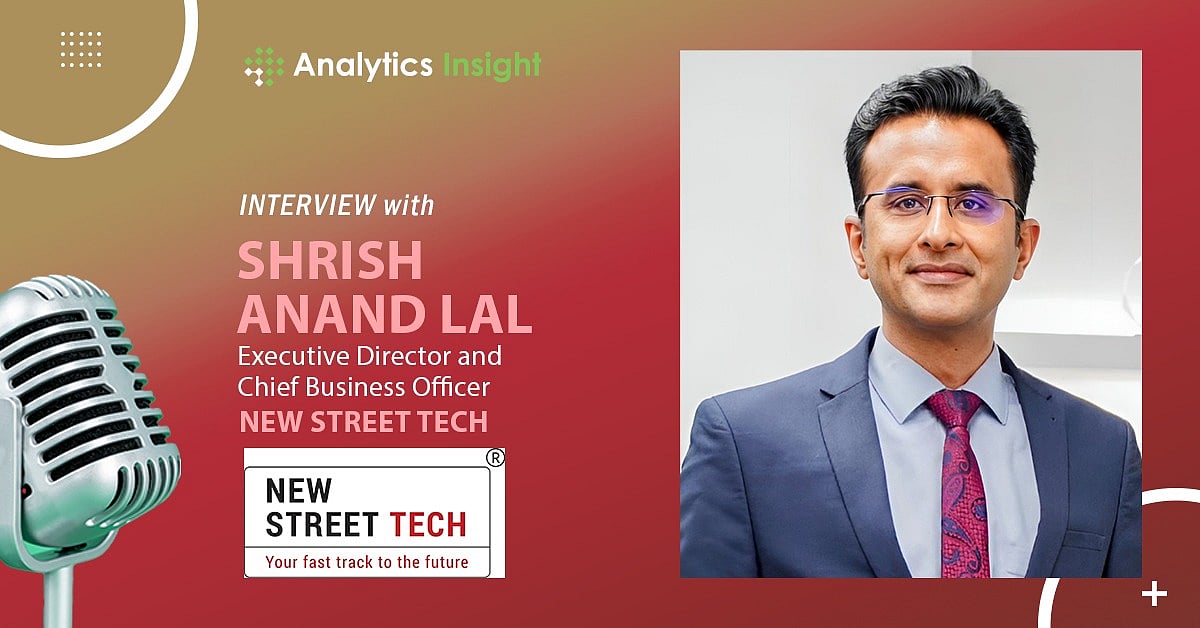
    How AI Architecture, Not Just Models, Drives Enterprise Success: Insights from NewStreetTech’s Shrish Anand Lal

    Artificial intelligence has moved beyond the experimental phase. CIOs and technology leaders are now making strategic decisions about deploying AI in real-world, production environments where operational constraints and real consequences are the norm. As organizations shift from AI pilots to full-scale adoption, the spotlight is turning from the models themselves to the infrastructure that supports them.

    In a recent episode of the Analytics Insight Podcast, host Priya Diyalani spoke with Shrish Anand Lal, Executive Director and Chief Business Officer at NewStreetTech, about why enterprises need to focus on AI architecture and infrastructure rather than relying solely on AI models. The conversation covered the limitations of model-first strategies, core building blocks of enterprise AI infrastructure, cloud and hybrid deployment evolution, AI ROI, autonomous agents, platform strategy, and the importance of deterministic execution and governance. Below are the key takeaways.

    Why AI Models Alone Are Not Enough for Enterprise Adoption

    According to Lal, the AI model represents only about 20% of the challenge when it comes to enterprise adoption. The remaining 80% involves everything else — what NewStreetTech calls the FITS framework: Fear, Inertia, Trust, and Surprise. None of these issues can be solved by simply adopting a better model.

    Referencing research from NASSCOM, Lal noted that 65% of companies in India have launched AI pilots, but only 15% have reached production. He emphasized that models must be applied at the design phase, while execution must remain deterministic. “The AI model is becoming a commodity very quickly, but the AI architecture will be a competitive advantage,” he said.

    Core Building Blocks of Enterprise AI Infrastructure

    Lal outlined four essential building blocks:

    1. Separation — AI operates at the design and configuration stage, while execution remains deterministic. The two layers must not interact.
    2. Governance by design — Maker-checker workflows, audit trails, version control, and role-based access should be foundational, not afterthoughts.
    3. Orchestration — Using a single AI platform for everything is the wrong approach. NewStreetTech’s MyFix.ai, for instance, uses over 36 configuration agents and 14 execution engines, all deterministic.
    4. Deployment flexibility — Organizations must have the option to deploy on-premises, in the cloud, or via a hybrid model, especially for regulated industries.

    Cloud and Modern Architectures Evolving for Enterprise AI

    AI computing costs are dropping rapidly, which is good for adoption. But the real revolution, Lal argued, is not just about computing — it’s about architecture. The shift is from “AI as a service” to “AI as an infrastructure.” Organizations need resilience through multiple providers to avoid lock-in. Some workloads must remain on-premise; others can go to the cloud. This architecture transformation is critical for regulated industries, where leaving everything to AI creates a black box with unanswered questions.

    How the Conversation Around AI ROI Has Changed

    Two years ago, boardrooms asked whether they should invest in AI. Today, the question is why AI hasn’t yet gone into production. The ROI debate has shifted from the cost of implementing AI to the cost of not implementing AI. Enterprises now worry about falling behind competitors. Companies that are seeing real ROI started small.

    AI Agents and Autonomous Workflows: Reshaping Enterprise Infrastructure

    Lal clarified that AI agents are not chatbots. They are specialized workers handling specific tasks. At MyFix.ai, there are more than 37 specialized configuration agents and 14 deterministic execution engines. Agents build the system, humans approve it, and engines run it. This is the fundamental difference between building enterprise-grade AI infrastructure and simply adding more computing power.

    “The future will not be one AI system doing everything. It will be specialized agents working through orchestration, trust levels, cross-validation, and human oversight,” Lal concluded.

    Listen to the full discussion on the Analytics Insight Podcast.

  • Google Pixel 11 Pro Launch Nears: Expected India Price, Tensor G6, and AI-Powered Features

    Google Pixel 11 Pro Launch Nears: Expected India Price, Tensor G6, and AI-Powered Features

    Google is gearing up to unveil its next-generation flagship, the Pixel 11 Pro, in just a few weeks. The device is expected to debut alongside the standard Pixel 11 and Pixel 11 Pro XL during the company’s annual Made by Google event, with pre-orders likely opening shortly after the presentation.

    Expected India Price

    The Pixel 11 Pro is anticipated to carry a premium price tag in India. Reports suggest a launch price of around Rs. 1,09,999, though Google has not officially confirmed this. Final pricing may vary based on storage configurations, launch offers, and regional taxes.

    Powered by Tensor G6

    Google’s next flagship is expected to feature the new Tensor G6 processor. This chip promises faster AI performance, improved battery efficiency, and smoother day-to-day operation. Running Android 17 out of the box, users can expect enhanced multitasking, stronger security, and more intelligent on-device AI capabilities.

    Camera Upgrades

    The Pixel 11 Pro will likely continue Google’s focus on computational photography. Rumors point to upgraded camera sensors, better zoom quality, and smarter AI-powered editing tools. Low-light photography, video stabilization, and portrait modes are also expected to see significant improvements over previous generations.

    Display and Design

    Leaks suggest the Pixel 11 Pro will retain Google’s premium design language with subtle refinements. A bright OLED display with a high refresh rate should deliver smooth scrolling and gaming. Slim bezels, a durable build, and fresh color options are also expected.

    Battery and Charging

    Battery life is set to improve thanks to the Tensor G6 chipset and software optimizations. The Pixel 11 Pro is expected to support fast wired charging, wireless charging, and reverse wireless charging. Google may also introduce AI-driven battery management that adapts to users’ charging habits.

    AI Features and Software

    Artificial intelligence remains the biggest highlight of the Pixel 11 Pro. Google is expected to introduce smarter Gemini-powered tools for writing, photo editing, voice assistance, and productivity. Combined with long-term Android updates, these exclusive AI features could make the Pixel 11 Pro one of the smartest flagship phones available.

  • AC vs. Dehumidifier: Which Appliance Works Best During Monsoon Season?

    AC vs. Dehumidifier: Which Appliance Works Best During Monsoon Season?

    Monsoon brings cool weather but also sticky air, damp walls, and musty smells. If your home feels humid, choosing the right appliance matters. While both an AC and a dehumidifier reduce moisture, they work differently and suit different situations.

    An air conditioner removes moisture as it cools the room. A dehumidifier does one job—extracting excess water from the air while keeping the room at nearly the same temperature. That’s why it’s more effective for humidity control alone.

    Choose a dehumidifier if your home has damp walls, mold, mildew, musty odors, or clothes that take too long to dry. It keeps indoor humidity in the ideal range without making the room uncomfortably cold and usually uses less electricity than an AC.

    Use your AC, especially Dry Mode, when the weather is both hot and humid. It cools the room while removing some moisture, making it the better option during hot summer or humid monsoon afternoons.

    A dehumidifier is usually cheaper to run because it consumes less power than an air conditioner. It also helps prevent mold growth, reduces damp smells, protects furniture, and speeds up indoor clothes drying during rainy days.

    If your home feels extremely damp, using both appliances together can give the best results. Let the AC cool the room while the dehumidifier removes excess moisture, creating a more comfortable and healthier indoor environment.

    Final verdict: If your home is humid but not hot, buy a dehumidifier. If it’s hot and humid, use an AC with Dry Mode. For severe monsoon dampness, combining both appliances offers the best comfort and moisture control.

  • How Michael Gastauer Built Black Banx into a Borderless Digital Banking Giant

    How Michael Gastauer Built Black Banx into a Borderless Digital Banking Giant

    Michael Gastauer, a German self-made billionaire and technology investor, is best known as the founder and chairman of Black Banx Group. His vision: banking that works across borders with the speed and accessibility of modern digital services. Under his leadership, Black Banx has grown into a privately held digital banking group serving over 100 million customers in more than 180 countries.

    Black Banx offers digital financial services to private, business, and institutional clients, focusing on international account access, cross-border payments, and support for multiple fiat and crypto currencies. Rather than being limited by geography, the platform is designed for customers whose personal and commercial lives span national boundaries.

    Gastauer’s background in financial services spans asset management and online payments, giving him deep experience in the infrastructure behind international transactions and technology-led client service. He launched Black Banx in 2015, combining those earlier ventures into a global banking proposition.

    Financial inclusion is a cornerstone of the strategy. Digital account opening and remote access reduce the need for physical branches, particularly in markets where consumers and businesses have historically had limited access to the international financial system. For Gastauer, technology is both an efficiency tool and a way to widen participation in global commerce.

    Looking ahead, Gastauer emphasizes real-time payments, artificial intelligence, digital identity, and automated compliance as key drivers of change. His founder-led approach has built systems that scale while maintaining a consistent digital experience.

    Beyond Black Banx, Gastauer serves as chairman of the Gastauer Family Office, which manages diversified investments in technology, financial services, private equity, real estate, contemporary art, crypto assets, and global capital markets. Through the Gastauer Foundation, he supports initiatives in financial inclusion, education, entrepreneurship, environmental sustainability, and biodiversity conservation.

    This combination of commercial success and philanthropy illustrates a defining feature of modern founder leadership: building a global platform requires attracting specialist teams, adapting to different markets, and maintaining a clear purpose as the organization grows. Gastauer’s narrative emphasizes continuity of vision, from early digital payments opportunities to a banking group serving customers at international scale.

    As banking moves from nationally defined products to connected international services, Gastauer’s perspective is especially relevant. Customers increasingly expect accounts, payments, and support to remain available wherever they relocate, establish companies abroad, or trade in multiple currencies. Meeting that expectation requires combining product design with a dependable operational foundation. Gastauer’s contribution at Black Banx is both entrepreneurial and architectural: identifying a global need, assembling the technology and teams, and maintaining clear direction as the platform reaches a larger and more diverse audience.

  • Bitcoin ETF Inflows, WEMIX Security Breach, and CLARITY Act Push: Key Crypto Developments

    Bitcoin ETF Inflows, WEMIX Security Breach, and CLARITY Act Push: Key Crypto Developments

    Bitcoin ETF Inflows and MVRV Z-Score Signal Undervaluation

    Spot Bitcoin ETFs recorded $33.79 million in weekly net inflows, led by Grayscale Bitcoin Mini Trust with $85.78 million, according to SoSoValue. Meanwhile, Bitcoin’s MVRV Z-Score fell to 0.42, roughly four times below its historical mean of 1.7, indicating an undervalued range. CryptoQuant analyst Axel Adler Jr. noted that the metric has not entered negative territory, suggesting the market has not yet seen the capitulation selling often associated with cycle bottoms. Bitcoin’s 7-day realized profit and loss has turned positive at $239 million, easing on-chain selling pressure.

    WEMIX Freezes Bridge After $6.25 Million Security Breach

    WEMIX confirmed that an attacker gained control of owner privileges linked to its WEMIX$ stablecoin contract on July 26, enabling unauthorized token minting and asset transfers. An early report valued the abnormal issuance at approximately $6.25 million, later refined to about 5.23 million WEMIX$ minted. The company identified suspected attacker wallets and is coordinating with exchanges and stablecoin issuers to freeze the assets.

    Stripe’s Stablecoin Card Program Lead Steps Down

    Connor Fitzgerald, who led Stripe’s stablecoin partnerships and helped build its global stablecoin card program across more than 100 markets, announced his departure. Fitzgerald joined after Stripe acquired the stablecoin platform Bridge and worked on sponsor bank partnerships and regulatory compliance.

    Senator Lummis Pushes CLARITY Act to Combat Crypto Thefts

    On July 27, Senator Cynthia Lummis renewed efforts to pass the CLARITY Act, which grants the Treasury Department power to impose digital-asset-specific sanctions on foreign jurisdictions and allows exchanges to freeze suspicious transactions for up to 180 days. On-chain data shows North Korea’s Lazarus Group stole approximately $643 million in the first half of 2026, accounting for two-thirds of global crypto thefts. Galaxy Research lowered the probability of the CLARITY Act passing in 2026 to 30%.

  • 3 Crucial Factors to Check Before Buying a Dehumidifier Online

    3 Crucial Factors to Check Before Buying a Dehumidifier Online

    A dehumidifier is more than a humidity reducer—it helps prevent mold, protects furniture, minimizes musty odors, and fosters a healthier indoor environment. Selecting the right model online can be daunting given the wide range of specifications. By focusing on a few essential factors, you can ensure your purchase delivers efficient performance and suits your home perfectly.

    1. Room Coverage

    The first thing to verify is the recommended room size. A small dehumidifier may struggle in large spaces, while an oversized unit wastes energy. Manufacturers specify coverage in square feet or square meters. Always match the product’s capacity with your room dimensions to achieve effective moisture control and consistent operation.

    2. Moisture Removal Capacity

    Dehumidifiers are rated by daily moisture removal, typically in liters or pints. High-humidity areas like basements require greater capacity than bedrooms or offices. Choosing an insufficient unit leads to slower results, while the right capacity maintains comfortable humidity levels without running nonstop.

    3. Energy Efficiency

    Since a dehumidifier may run for hours daily, energy efficiency is crucial. Look for models with energy-saving technologies or certified efficiency ratings. Lower electricity consumption reduces operating costs while ensuring reliable performance. Efficient units also generate less heat and operate more sustainably year-round.

    Additional Considerations

    • Noise and Convenience: Check sound ratings and reviews, especially for bedrooms or workspaces. Features like automatic shut-off, continuous drainage, humidity sensors, digital displays, and washable filters enhance usability and reduce maintenance.
    • Reviews and Warranty: Customer feedback reveals real-world durability and service quality. Compare warranty periods, service center availability, and return policies. A longer warranty often signals manufacturer confidence and provides peace of mind.

    Before clicking “Buy Now,” compare room coverage, moisture removal capacity, and energy efficiency. Also evaluate noise, convenience features, reviews, and warranty support. Spending a few extra minutes on these details will help you choose a reliable dehumidifier that delivers long-term comfort, healthier air, and better value for money.